Cafe Havana
Our verdict
On North Magnolia Avenue in Ocala, Cafe Havana brings Cuban-inflected cooking to a city better known for its equestrian estates than its restaurant scene. The address places it within Ocala's emerging dining corridor, where a small cluster of independent operators is quietly reshaping what the city's food culture looks like. For travelers passing through Florida's interior, it represents a worthwhile detour from the coast-to-coast corridor.

Pearl is the En Primeur Club membership app — saves, bookings, and concierge access live there. Same editors, same standards.
- Address
- 923 N Magnolia Ave STE 300, Ocala, FL 34475
- Phone
- (352) 351-4853
- Hours
- Mon–Fri 7:30 AM–3 PMSat–Sun Closed
- Website
- m.facebook.com
- Directions
- Get directions
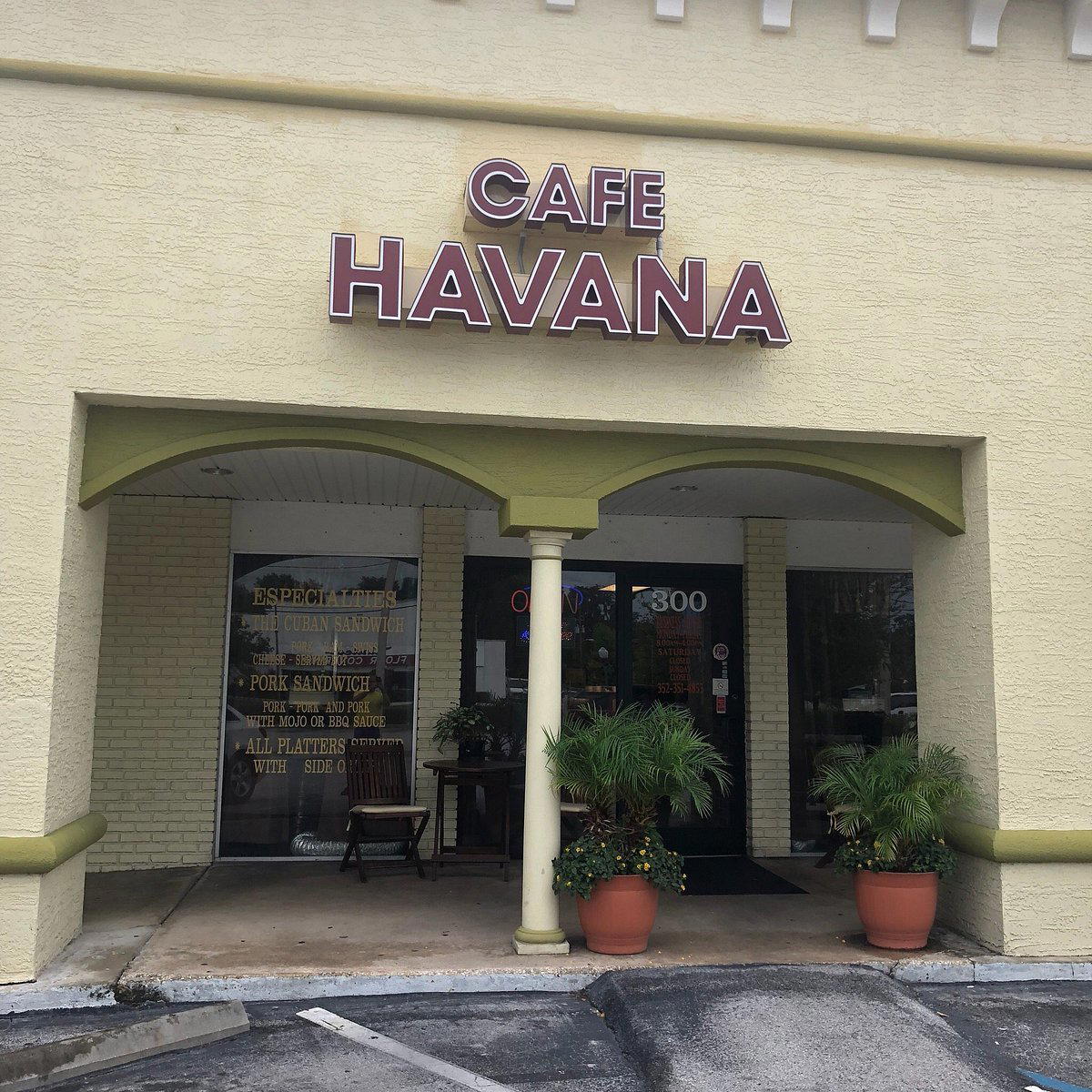
North Magnolia and the Shape of Ocala's Independent Dining Scene
Ocala does not advertise itself as a food city. Marion County's identity is built around thoroughbred horse farms, spring-fed rivers, and a pace of life that resists the coastal density that tends to produce concentrated restaurant clusters. Yet along North Magnolia Avenue, a corridor of independent operators has been assembling something more deliberate than the city's hospitality reputation might suggest. Cafe Havana, at 923 N Magnolia Ave, occupies Suite 300 within that stretch, sitting alongside a small peer group of restaurants that collectively signal a shift in what Ocala diners are willing to seek out.
Cuban and Cuban-American cooking occupies a particular position in Florida's food geography. It is cuisine with deep roots in Tampa's Ybor City and Miami's Calle Ocho, traditions built on specific sourcing relationships, slow-cooked proteins, and pantry staples that trace their lineage to the island. When that tradition migrates inland to a city like Ocala, the question of ingredient sourcing becomes pointed: how much of the supply chain travels with the cuisine, and how much adapts to what central Florida's agricultural and wholesale networks actually provide?
Sourcing in the Interior: What Cuban Cooking Requires
The ingredient logic of Cuban cooking is not complicated, but it is specific. Sofrito bases built on onion, garlic, green pepper, and tomato; dried legumes cooked low and long; citrus-marinated proteins finished at high heat. The sourcing requirements are less about luxury provenance and more about consistency and technique applied to accessible staples. Florida's agricultural output, particularly in citrus, root vegetables, and pork, aligns well with that demand. Marion County itself sits within a broader north-central Florida farming zone, which means a kitchen with the right supplier relationships can source meaningfully locally for a significant portion of a Cuban-influenced menu.
This sourcing context matters because it separates establishments that treat Cuban cooking as a fixed nostalgic format from those that engage with the cuisine as a living tradition capable of reflecting regional supply. The former produces food that tastes like a memory of Miami; the latter produces food that belongs where it is. Cafes and counters across Florida's interior occupy both positions, and the distinction is usually visible on the plate before it appears on any menu description.
For context, the most ingredient-committed American restaurants, places like Blue Hill at Stone Barns in Tarrytown or Single Thread Farm in Healdsburg, build their entire identity around farm-to-table supply chains with documented provenance at every course. That model is not what a neighborhood Cuban cafe in Ocala pursues, nor should it. But the underlying principle, that cuisine is shaped by what growers and suppliers in a given region produce, applies at every price point.
Cafe Havana in Ocala's Competitive Context
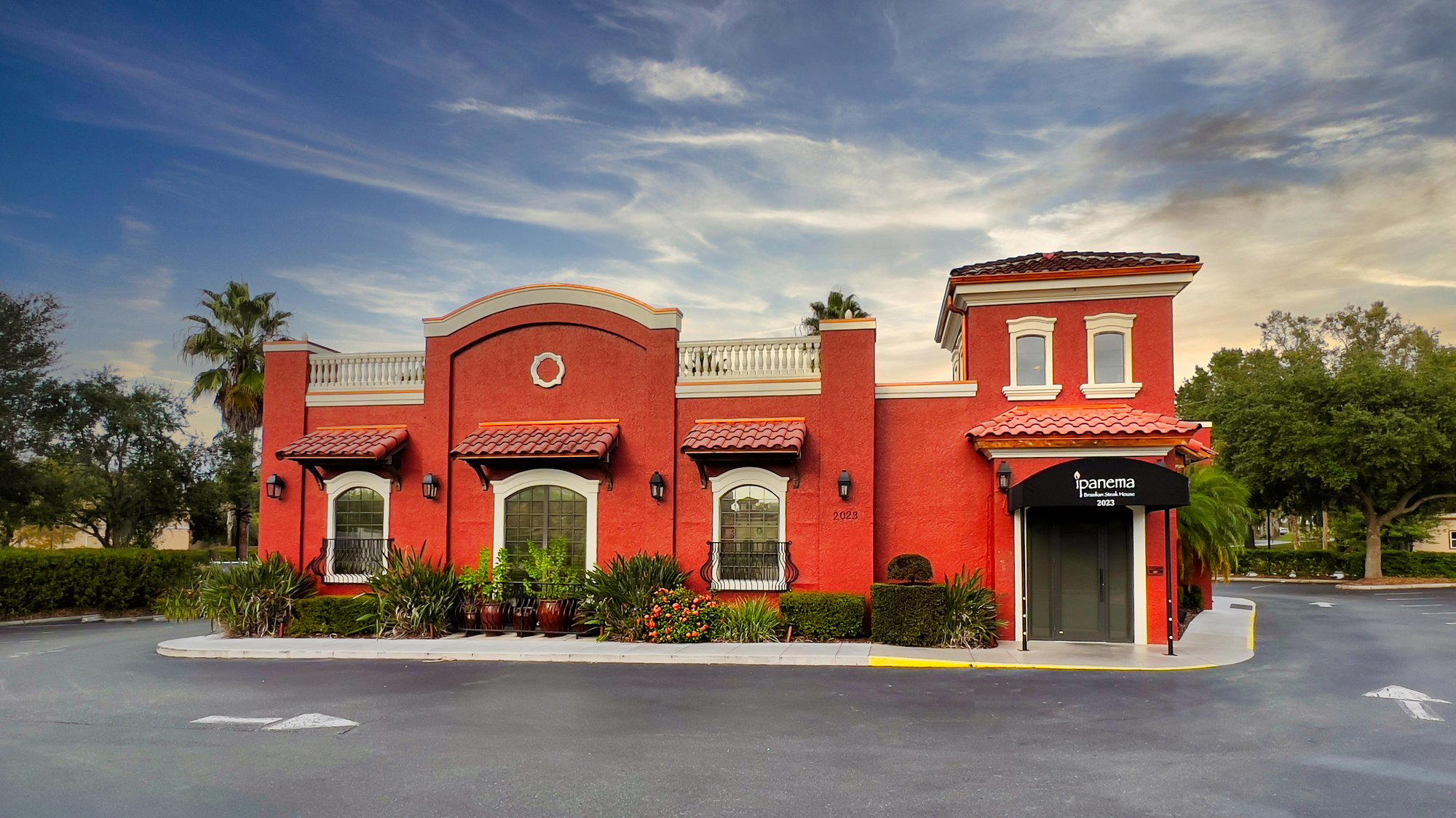
Ocala's restaurant scene is small enough that any independent operator with a clear culinary identity occupies a defined position within it. The city's dining options span a range: Ipanema Brazilian Steak House brings South American churrasco traditions to the market, KPOT Korean BBQ and Hot Pot addresses the interactive dining format that has grown nationally, and Stirrups Restaurant anchors the more traditional American dining end of the spectrum.
That relative scarcity gives the restaurant a different kind of significance for local diners than it would carry in a market with multiple comparable options. For visitors, the North Magnolia address is accessible from I-75 and sits within a reasonable distance of Ocala's downtown core, making it a practical stop rather than a detour.
The broader Florida context is worth noting. Cuban cuisine's presence in the state ranges from generational institutions in Miami and Tampa, some of which have operated continuously for decades, to newer independent operators in smaller markets. The inland expressions of the cuisine tend to draw on the same culinary grammar while adapting to local supply and customer expectations. That adaptation is neither dilution nor reinvention; it is how regional cuisines actually travel.
Placing Cafe Havana Against a Wider American Reference Point
For travelers who move between major-market dining and regional independents, the frame of reference shifts considerably. Restaurants like Le Bernardin in New York City, The French Laundry in Napa, or Atomix in New York City operate at the credentialed apex of American fine dining, with Michelin recognition, multi-year waiting lists, and supply chains that function as editorial content in themselves. Smyth in Chicago, Providence in Los Angeles, Addison in San Diego, Lazy Bear in San Francisco, Emeril's in New Orleans, The Inn at Little Washington, and Atelier Moessmer Norbert Niederkofler in Brunico each represent a different model of sourcing-led culinary ambition at the upper end of the market.
Cafe Havana does not compete in that tier, nor is there any reason it should. The relevant comparison is between independent Cuban and Latin restaurants in Florida's secondary markets, and on that basis the North Magnolia address represents the kind of neighborhood-scale operation that sustains a cuisine's presence outside its core urban strongholds. That function, keeping a culinary tradition viable in markets where it would otherwise disappear, carries its own value.
For a fuller picture of where Cafe Havana sits within Ocala's dining options, the EP Club Ocala restaurants guide maps the city's independent operators across cuisines and price points.
Planning a Visit
Cafe Havana is located at 923 N Magnolia Ave, Suite 300, Ocala, FL 34475. No website, phone number, or hours are currently listed in EP Club's database, which means confirming current operating hours before visiting is advisable, particularly for travelers making the stop a priority rather than a contingency. North Magnolia is accessible by car from central Ocala, and street-level parking is typically available along the corridor. Given the absence of booking data, walk-in is the working assumption, though calling ahead during peak meal times is prudent if the visit is time-sensitive.
Frequently asked questions
Is Cafe Havana okay with children?
Nothing in Cafe Havana's publicly available information suggests a policy against families or children. Cuban dining traditions — built around communal eating and shareable plates — tend to be accommodating for all ages. If you have specific concerns, the safest move is to visit directly at 923 N Magnolia Ave, Suite 300, Ocala, as no phone or website contact is currently listed.
Is Cafe Havana formal or casual?
Cafe Havana's address in a suite building on North Magnolia Avenue, within Ocala's independent dining corridor, points toward an everyday, casual register rather than a white-tablecloth setting. Cuban restaurants in this category typically prioritize the food over formality. Come as you are.
Is Cafe Havana one of the few Cuban restaurants in Ocala?
Ocala's restaurant scene is compact, and Marion County does not have a large concentration of Cuban operators — making Cafe Havana one of the more distinct culinary presences on the North Magnolia Avenue corridor. Cuban cooking is not common in Florida's interior at this latitude, where the population skews away from the South Florida communities that sustain larger Cuban dining markets. The address at 923 N Magnolia Ave, Suite 300 places it within reach of Ocala's main independent dining cluster.
What should I eat at Cafe Havana?
EP Club's database does not currently include a verified menu for Cafe Havana, so specific dish recommendations can change here. Cuban kitchens of this type typically anchor their menus around sofrito-based proteins, rice and beans, and fried plantains — dishes that reward order over novelty. Check the venue's official channels for the latest details.
Where is Cafe Havana located?
Cafe Havana is located at 923 N Magnolia Ave STE 300, Ocala, FL 34475, Ocala.
Side-by-Side Snapshot
| Venue | Cuisine | Price | Awards |
|---|---|---|---|
| Cafe HavanaThis venue — the venue you are viewing | Authentic Cuban | $10–20 | Not listed |
| Foody Bowl Restaurant | Japanese Ramen & Poke Bowls | $10–20 | Not listed |
| Ipanema Brazilian Steak House | Brazilian Churrascaria | $50–100 | Not listed |
| Katya Vineyards | Contemporary American Fine Dining | $50–100 | Not listed |
| KPOT Korean BBQ & Hot Pot | Korean BBQ & Hot Pot | $30–50 | Not listed |
| Stirrups Restaurant | Elevated Steakhouse with Southern Comfort | $50–100 | Wine Spectator Best of Award of Excellence |




Details
- Cozy
- Casual
- Family
- Casual Hangout
- Standalone
- Beer Program
- A La Carte
- Vegetarian Friendly
- Vegan Options
Current opening hours
- Monday
- 7:30 AM–3 PM
- Tuesday
- 7:30 AM–3 PM
- Wednesday
- 7:30 AM–3 PM
- Thursday
- 7:30 AM–3 PM
- Friday
- 7:30 AM–3 PM
- Saturday
- Closed
- Sunday
- Closed
Hours can change for holidays and private events. Last verified .
Casual, clean, and welcoming family atmosphere with friendly counter service and busy lunch crowds.