Our verdict
Café Athénée sits in Bucharest’s cultural core, where hotel dining, theatre traffic, and all-day café habits overlap. Its appeal is less about destination tasting-menu theatre than about the capital’s practical, ingredient-led middle ground: a room suited to breakfast, lunch, and evening meals in a city increasingly split between international polish and Romanian comfort.

Pearl is the En Primeur Club membership app — saves, bookings, and concierge access live there. Same editors, same standards.
- Address
- Strada Episcopiei 1-3, 030167 București, Romania
- Phone
- +40 731 305 752
- Hours
- Daily 8 AM–10 PM
- Directions
- Get directions
The menu
What to order
- Artisanal pastries
- Signature cakes
- Fresh pastries
Approaching Bucharest, the city changes register. Concertgoers, hotel guests, business traffic, and office regulars move between formal appointments and quieter pauses in the day. Here, Café Athénée fits a recognisable European type: the all-day café, built for morning coffee, business lunch, and early evening meals without pretending to be a tasting-menu stage.
That matters in Bucharest. The restaurant scene has widened over the past decade beyond old-line grills and international hotel dining, yet the city still rewards mixed-use rooms. A table in Bucharest may serve someone between meetings or eating before a performance. In this context, food is judged less by theatrical plating than by sourcing discipline, consistency, and whether the kitchen understands the local appetite for seasonal produce, comforting dishes, and familiar flavours without turning every plate into nostalgia.
All-day Bucharest dining, judged by sourcing rather than spectacle
Ingredient sourcing is the useful lens because good café cooking depends on rhythm as much as ambition. Fresh produce, dairy, breads, soups, grilled dishes, fruit, and carefully handled basics carry much of the appeal in an all-day room. In Bucharest, stronger modern kitchens succeed when they treat those elements as the point, not rustic decoration. Café Athénée sits in that practical lane: a Bucharest café format where produce quality and restraint matter more than a chef biography or a trophy-driven narrative.
The city comparison is instructive. Some Bucharest dining rooms reflect the capital’s long affection for polished European service codes, while other contemporary names show newer dining rooms moving toward cleaner menus and tighter sourcing stories. Café Athénée does not compete like a destination counter or chef-led dining room; its relevance is the city meal that must be flexible, polished, and grounded in recognisable ingredients.
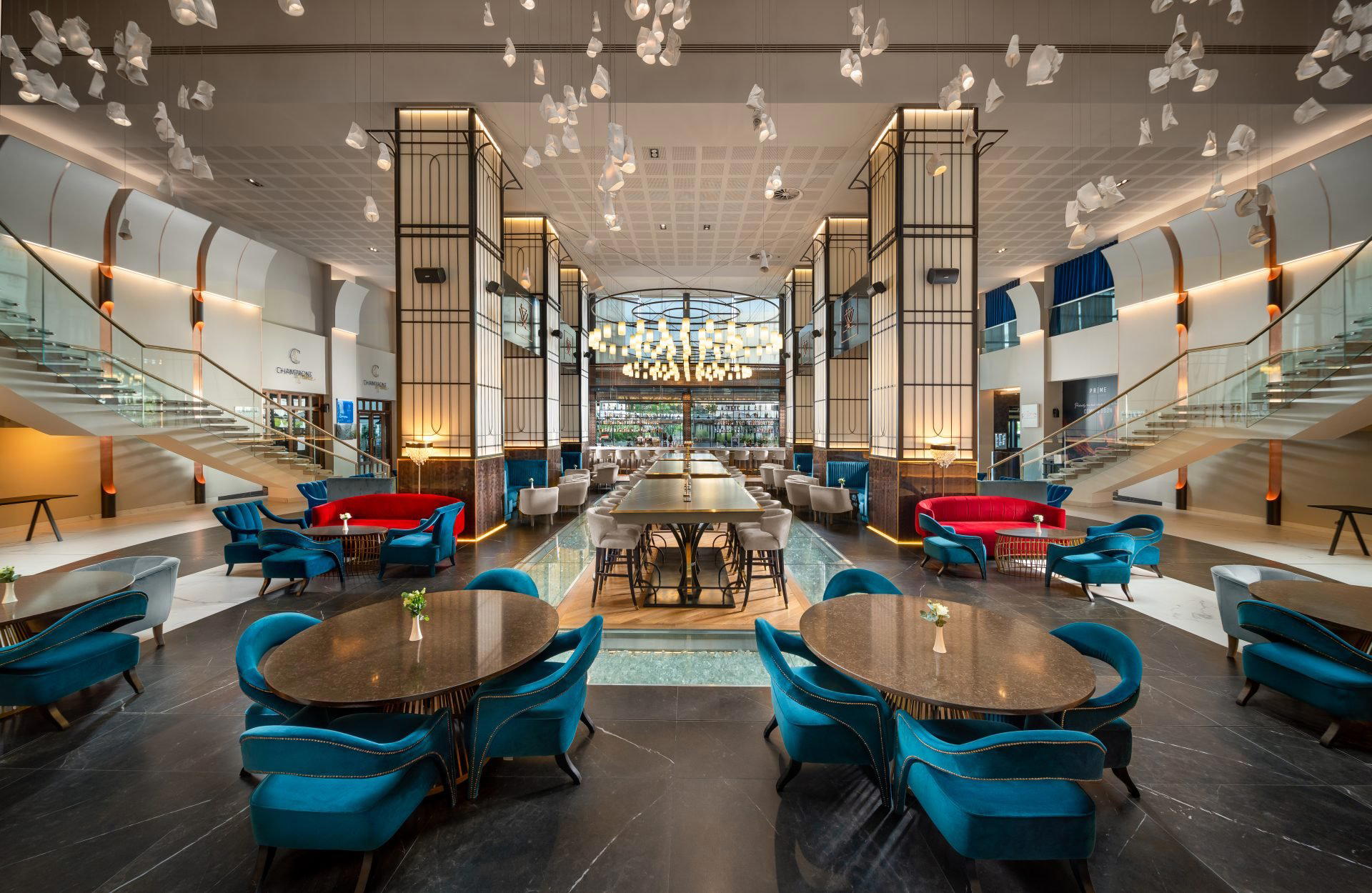
For travellers, that distinction helps. Bucharest can be generous, but not always transparent. Menus range from comfort-led cooking to formal dining, international influence, sushi lounges, steakhouse dining, and café service backed by serious hospitality infrastructure. A room in Bucharest offers a low-friction entry into the city’s habits: starters, seasonal vegetables, meat cookery, pastries, coffee culture, and the social instinct to stretch a meal beyond its nominal courses. For a broader read, Our full Bucharest restaurants guide maps the capital’s restaurant range, while Our full Bucharest hotels guide explains why this part of town remains closely tied to hospitality.
Bucharest rewards flexible rooms
Bucharest is one of the city’s sharper dining tests because it mixes tourists with residents who know when a room is coasting. A café here cannot rely only on décor or location; it needs pacing, breadth, and a kitchen that holds between breakfast and dinner. The stronger all-day formats understand that lunch may be brisk, coffee may become a meeting, and dinner may start early because another plan is waiting nearby.
That is where Café Athénée’s category has value. It gives Bucharest a civilised middle register, neither bar snacks nor ceremony. Nearby competition ranges from Le Bistrot Français to international hotel formats such as Ginger Sushi Bar & Lounge, Dacia Felix Restaurant, JORJ Restaurant, and Restaurant Prime Steaks & Seafood, showing how concentrated polished dining has become in Bucharest. In that company, the café format is a strength when the brief is practical: reliable food, Bucharest setting, and a room that absorbs different diners without forcing a single occasion.
Visitors building a wider Bucharest evening can pair dinner with drinking and culture routes instead of treating dinner as the only event. Our full Bucharest bars guide gives the after-dinner map, while Our full Bucharest experiences guide places the city’s dining inside the capital’s performance and museum circuit. Wine-focused travellers should also note Our full Bucharest wineries guide, because Romanian wine is increasingly part of how the country explains itself at the table.
The broader Romanian comparison matters too. Bucharest is not the whole story. Regional dining elsewhere in Romania often keeps a closer relationship to local producers and family recipes, while the capital filters those habits through business, diplomacy, and hotel dining. For that national frame, compare Bucharest with other Romanian cities and smaller destinations where producer relationships can feel more immediate. Even within Bucharest, naming, format, and setting can matter when visitors are choosing between cafés, formal rooms, sushi lounges, steakhouses, and other polished dining rooms.
Who should choose this kind of table
This suits travellers who want Bucharest to feel legible quickly. The draw is not a trophy reservation or chef myth; it is the chance to sit in Bucharest and read the city through an all-day room built on competent sourcing, familiar flavours, and steady service. That may sound modest, but in a capital ranging from formal rooms to casual cafés and international imports, the middle ground is often where visitors learn most.
For families, business travellers, and culture-led itineraries, the format is especially useful because it does not demand one mood. The same logic explains why comparable casual-specialist formats travel well in many cities: clarity of purpose matters more than ceremony. Café Athénée’s role in Bucharest is similar in principle, though rooted in its own setting. It gives the city a practical table where the meal can be shaped around the day rather than the reverse.
Frequently asked questions
What days is Café Athénée closed?
Check directly with Café Athénée for current opening days and hours, as schedules can change by season, holiday, or hotel operations.
What's Café Athénée's location?
Bucharest.
What do critics highlight about Café Athénée?
The practical draw is its all-day café character in Bucharest. In a city that moves between hotel traffic, cultural plans, business meals, and local diners, that flexibility matters more than theatrics.
Do they accommodate allergies at Café Athénée?
For allergy requests, the sensible move is to flag them before ordering and again on arrival at Café Athénée, Bucharest. Staff can then confirm what adjustments are possible for the meal.
Does Café Athénée work for a family meal?
Yes, especially for families that want a Bucharest meal without a rigid dining format. The café style makes it easier to plan around different ages, appetites, and schedules.
Is Café Athénée formal or casual?
It sits between the two, with a polished café setting rather than a strict dining room. The Bucharest location and all-day style point to a flexible room that can work for anything from coffee to dinner.
Do they take walk-ins at Café Athénée?
Walk-ins may be possible in a café format, though busy meal times can still tighten availability. Contacting Café Athénée in Bucharest ahead of time is the safest way to confirm the room’s current approach.
Quick Comparison
Comparable venues by cuisine and price in the same metro.
| Venue | Cuisine | Price | Awards | Notes |
|---|---|---|---|---|
| Café AthénéeThis venue — the venue you are viewing | French-Inspired Brasserie | $30–50 | Not listed | Not listed |
| JORJ Restaurant | Modern Mediterranean Seafood | Not listed | Not listed | Not listed |
| Dacia Felix Restaurant | International Breakfast Buffet with Romanian Specialties | $20–30 | Not listed | Not listed |
| Le Bistrot Français | Modern French Bistro with Basque Influences | $50–100 | Star Wine List · Relais Chateaux Award | French Cuisine |
| Ginger Sushi Bar & Lounge | Asian fusion sushi bar & lounge | $30–50 | Not listed | Not listed |
| Restaurant Prime Steaks & Seafood | Premium Steakhouse & Seafood | $50–100 | Not listed | Not listed |
Continue exploring
More in Bucharest
Restaurants in Bucharest
Browse all →
Bars in Bucharest
Browse all →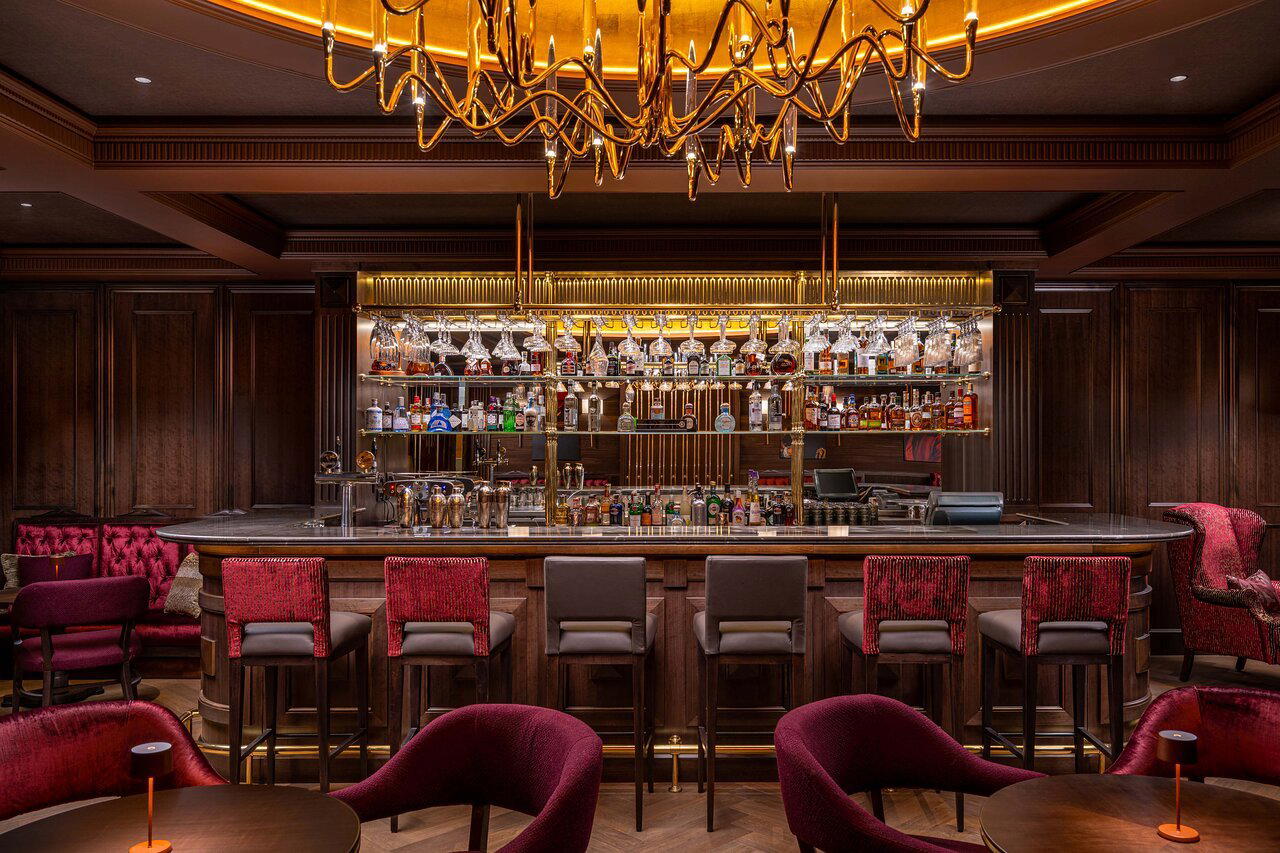
Details
- Elegant
- Sophisticated
- Classic
- Romantic
- Business Dinner
- Date Night
- Brunch
- Casual Hangout
- Special Occasion
- Hotel Restaurant
- Design Destination
- Historic Building
- Standalone
- Craft Cocktails
- Beer Program
- Street Scene
- A La Carte
- Set Menu
- Coffee
- Cocktails
- Wine
- Vegetarian Friendly
Current opening hours
- Monday
- 8 AM–10 PM
- Tuesday
- 8 AM–10 PM
- Wednesday
- 8 AM–10 PM
- Thursday
- 8 AM–10 PM
- Friday
- 8 AM–10 PM
- Saturday
- 8 AM–10 PM
- Sunday
- 8 AM–10 PM
Hours can change for holidays and private events. Last verified .
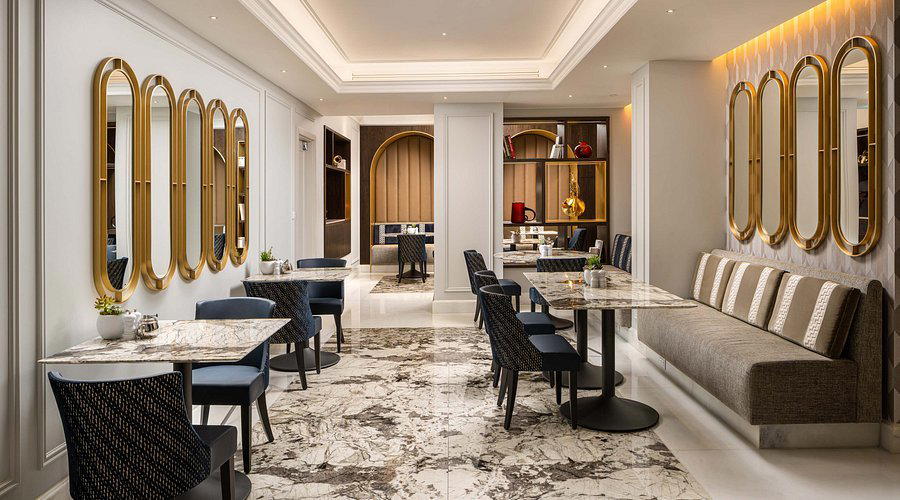
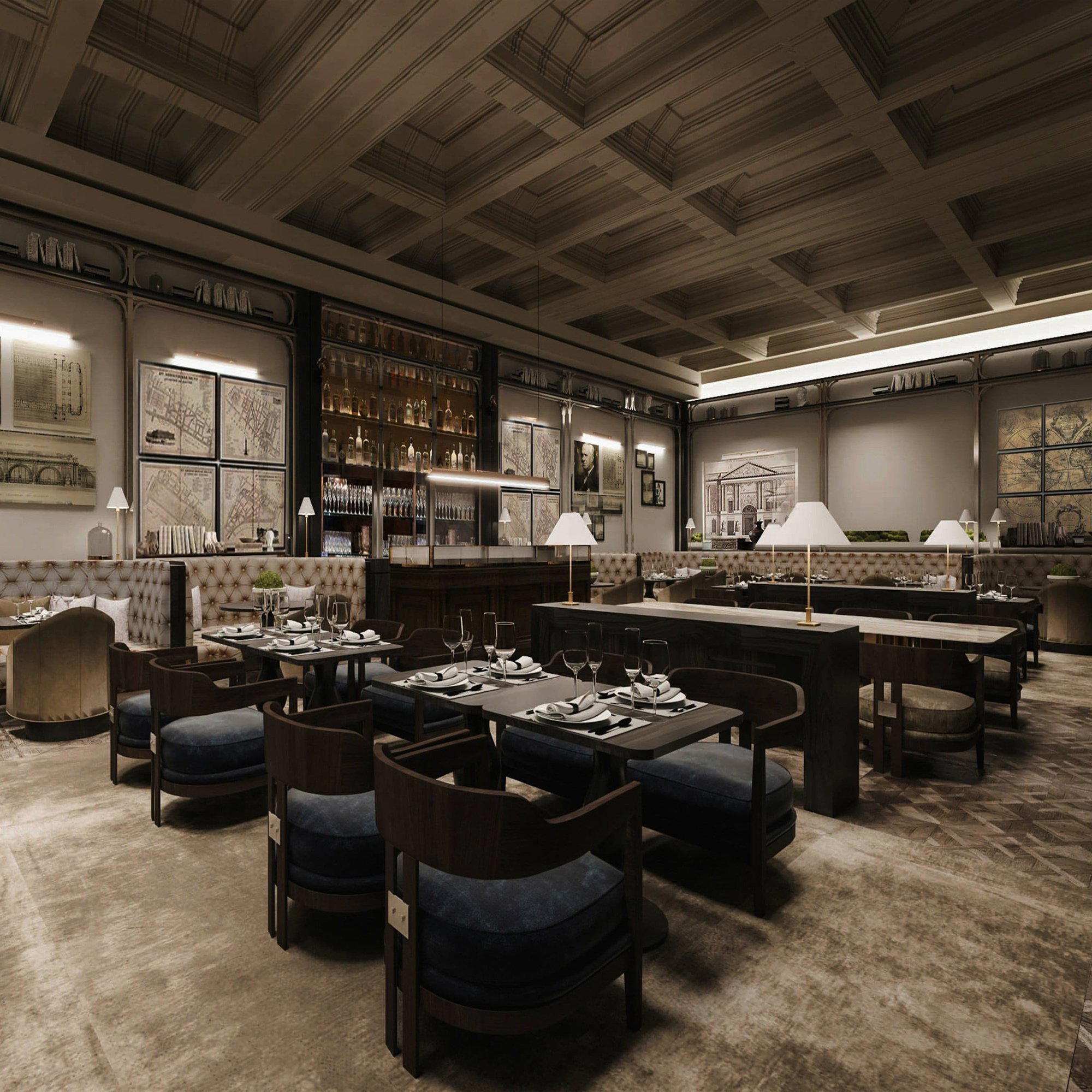
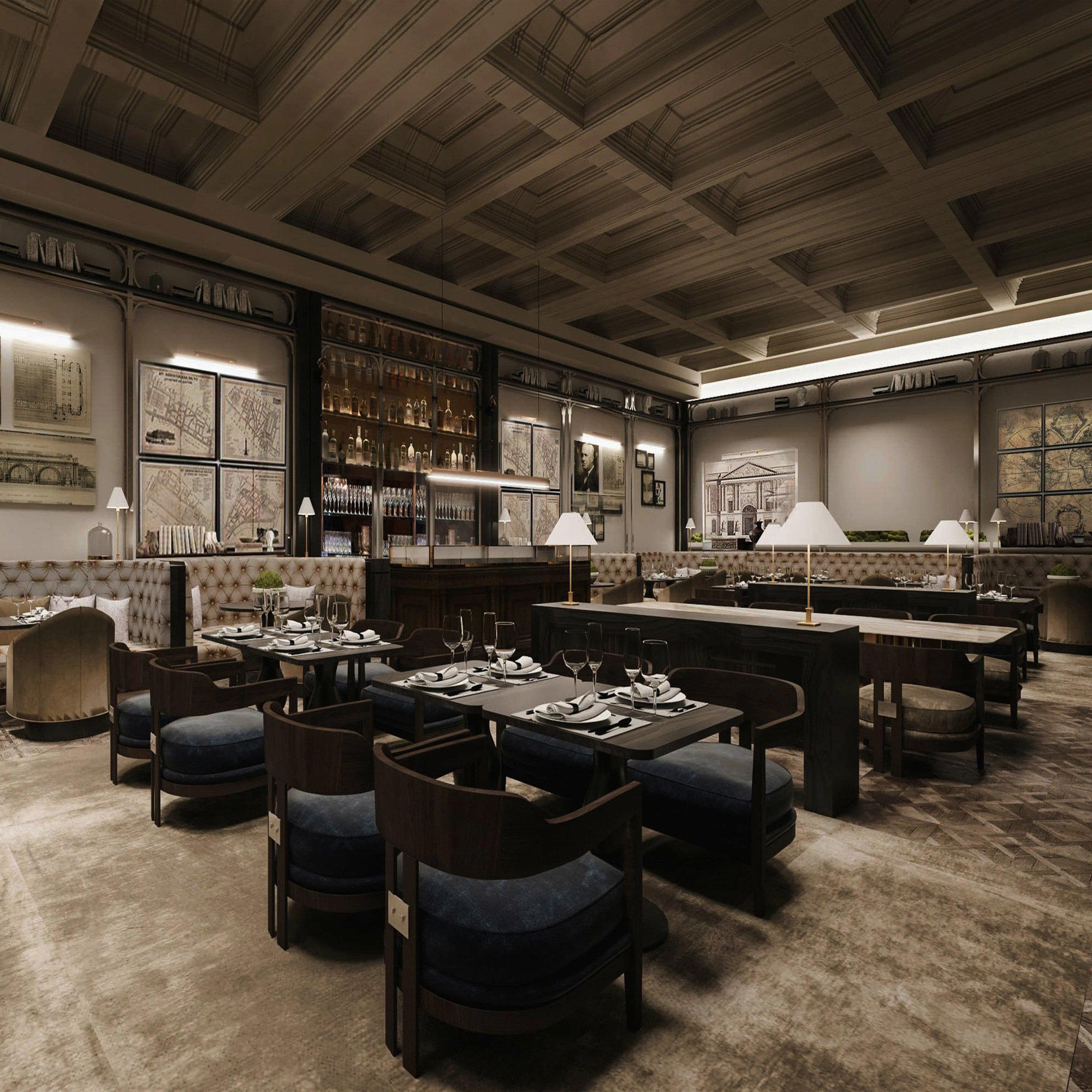
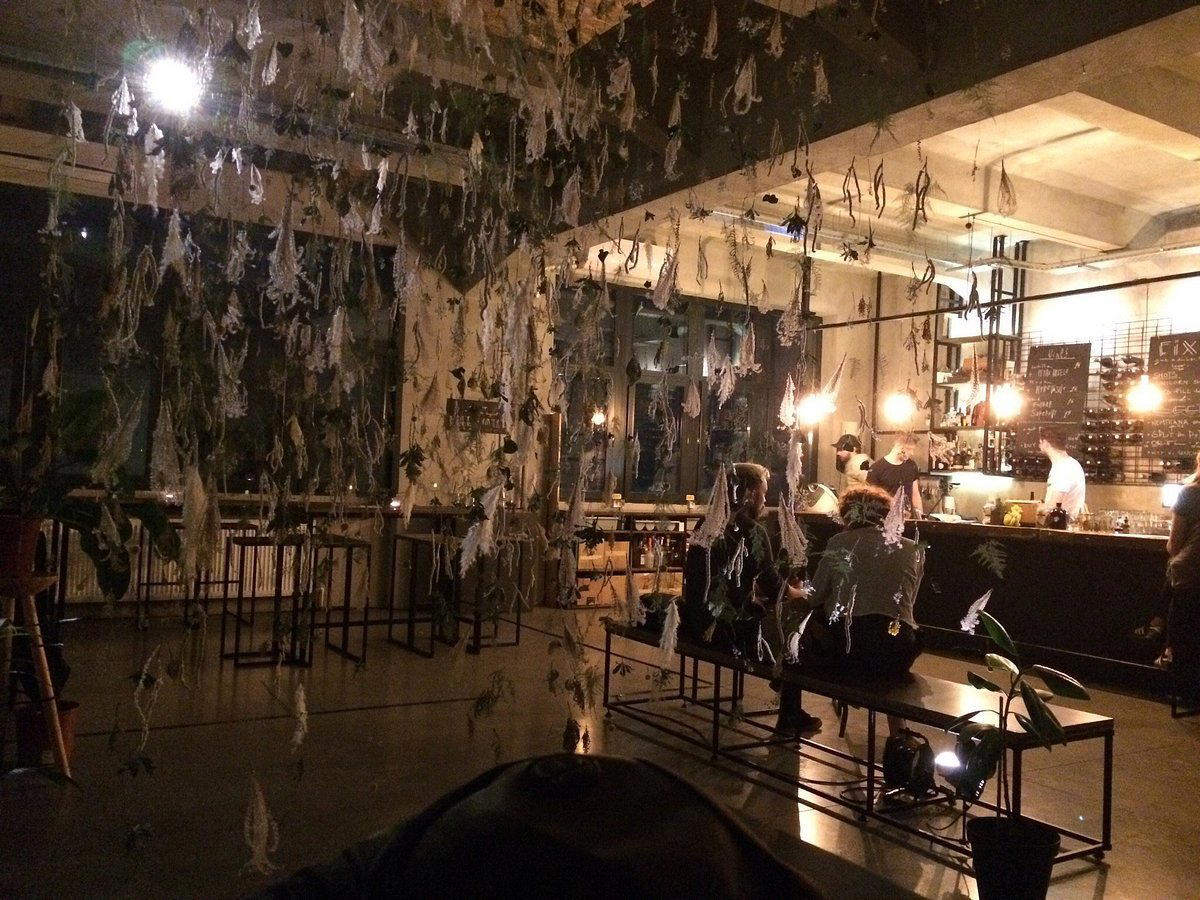
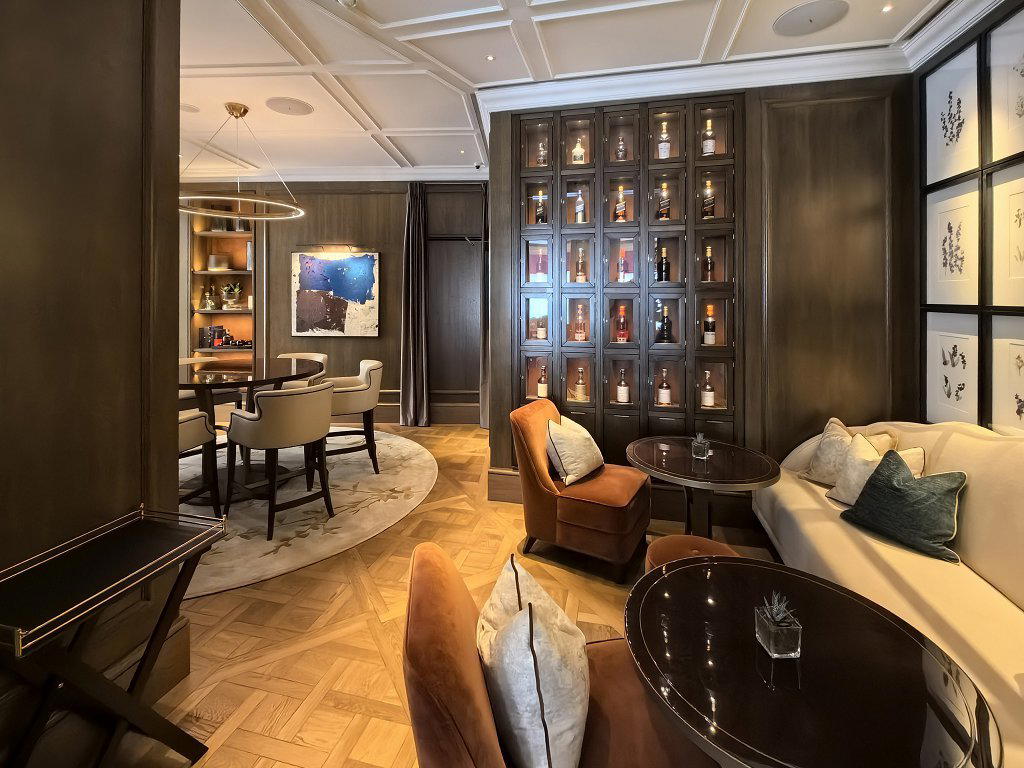
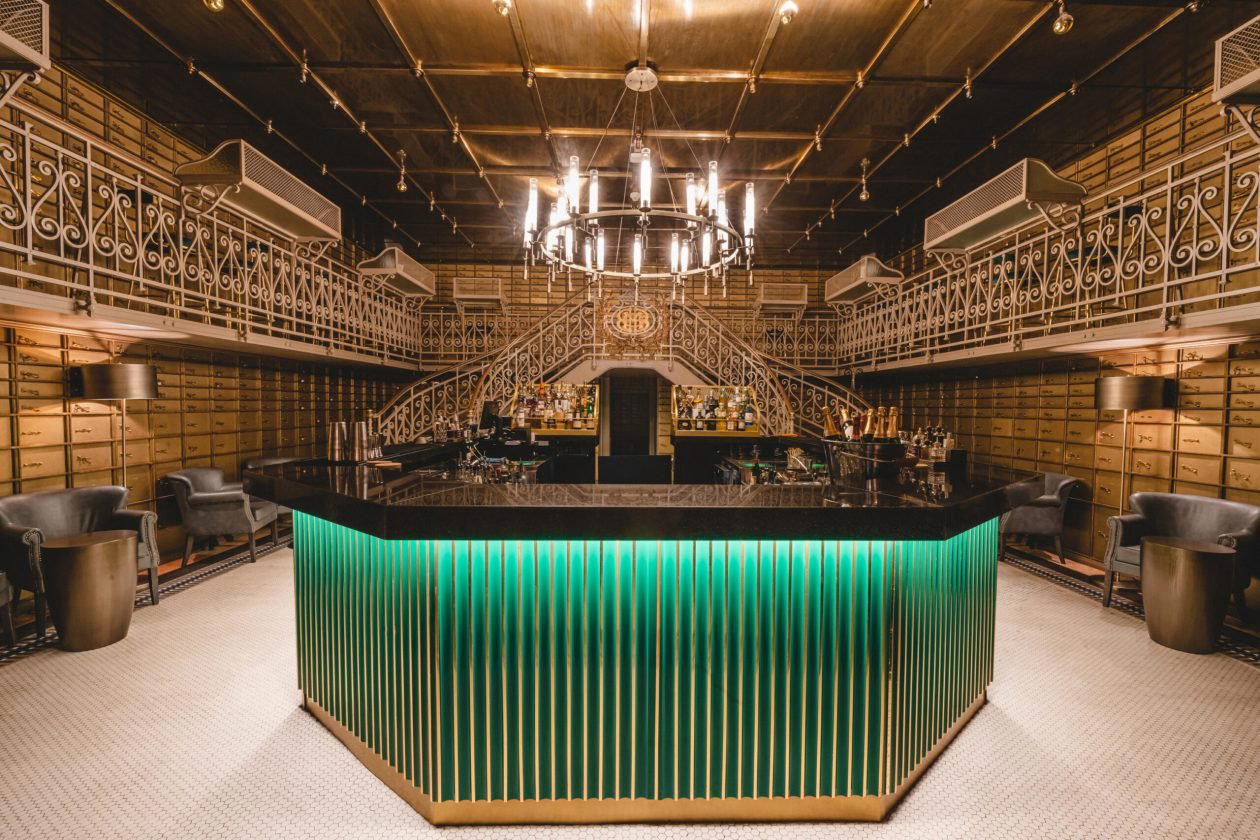
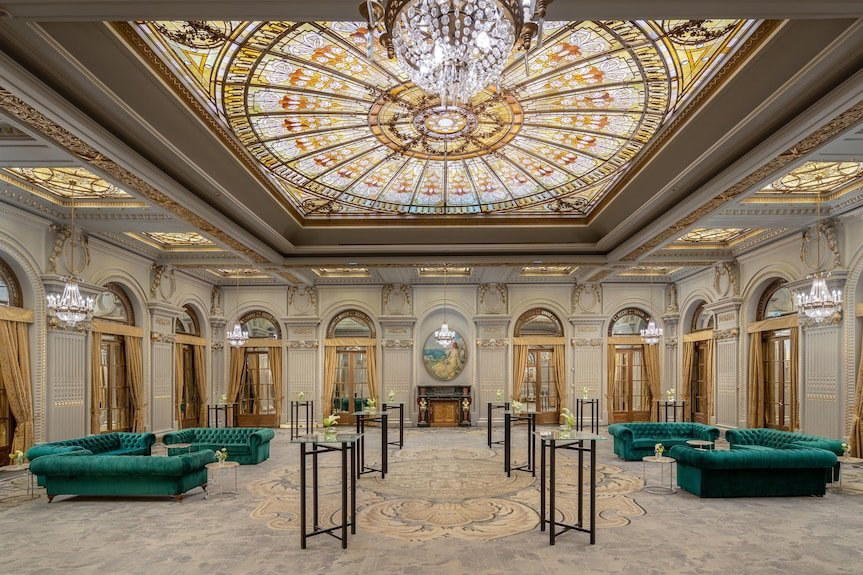
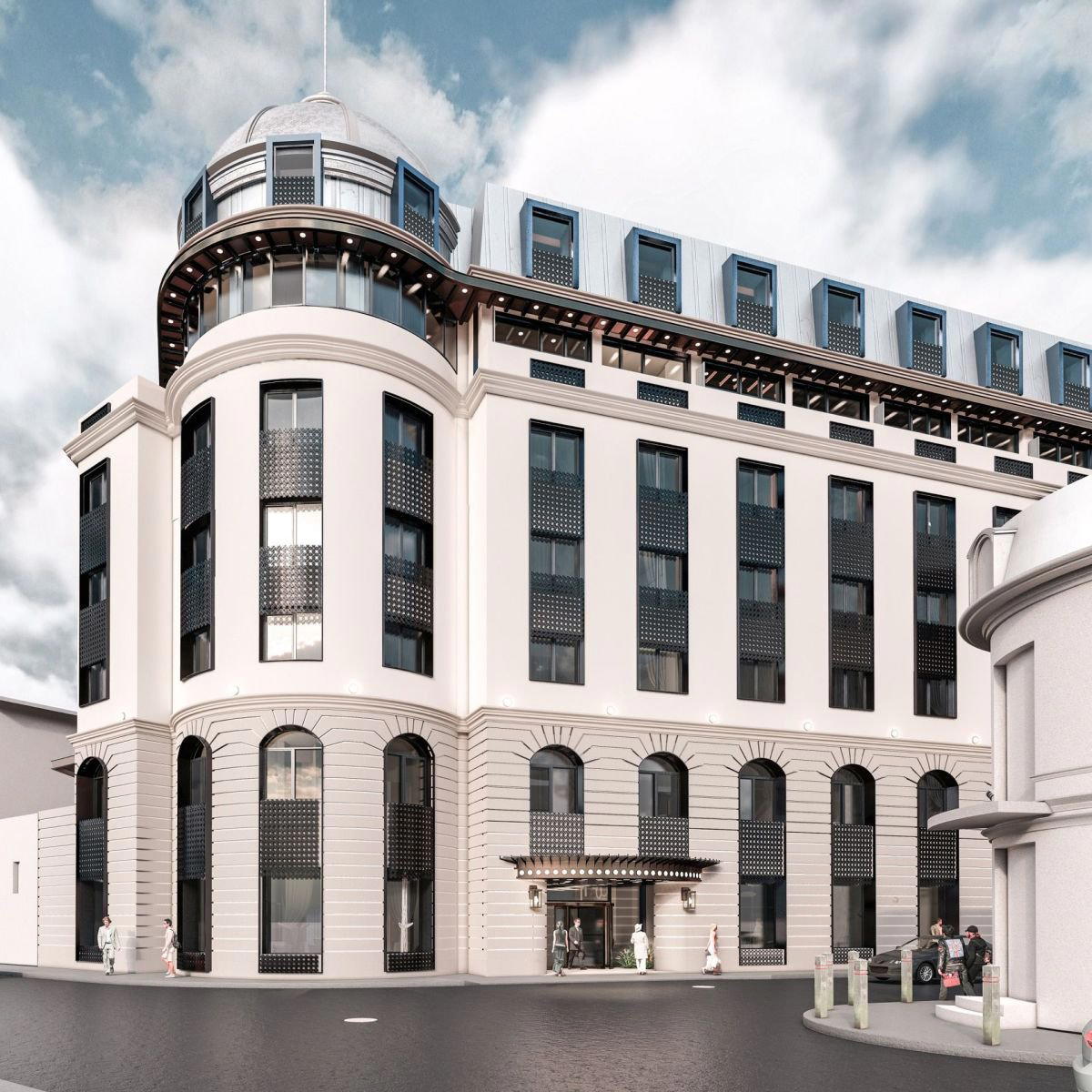
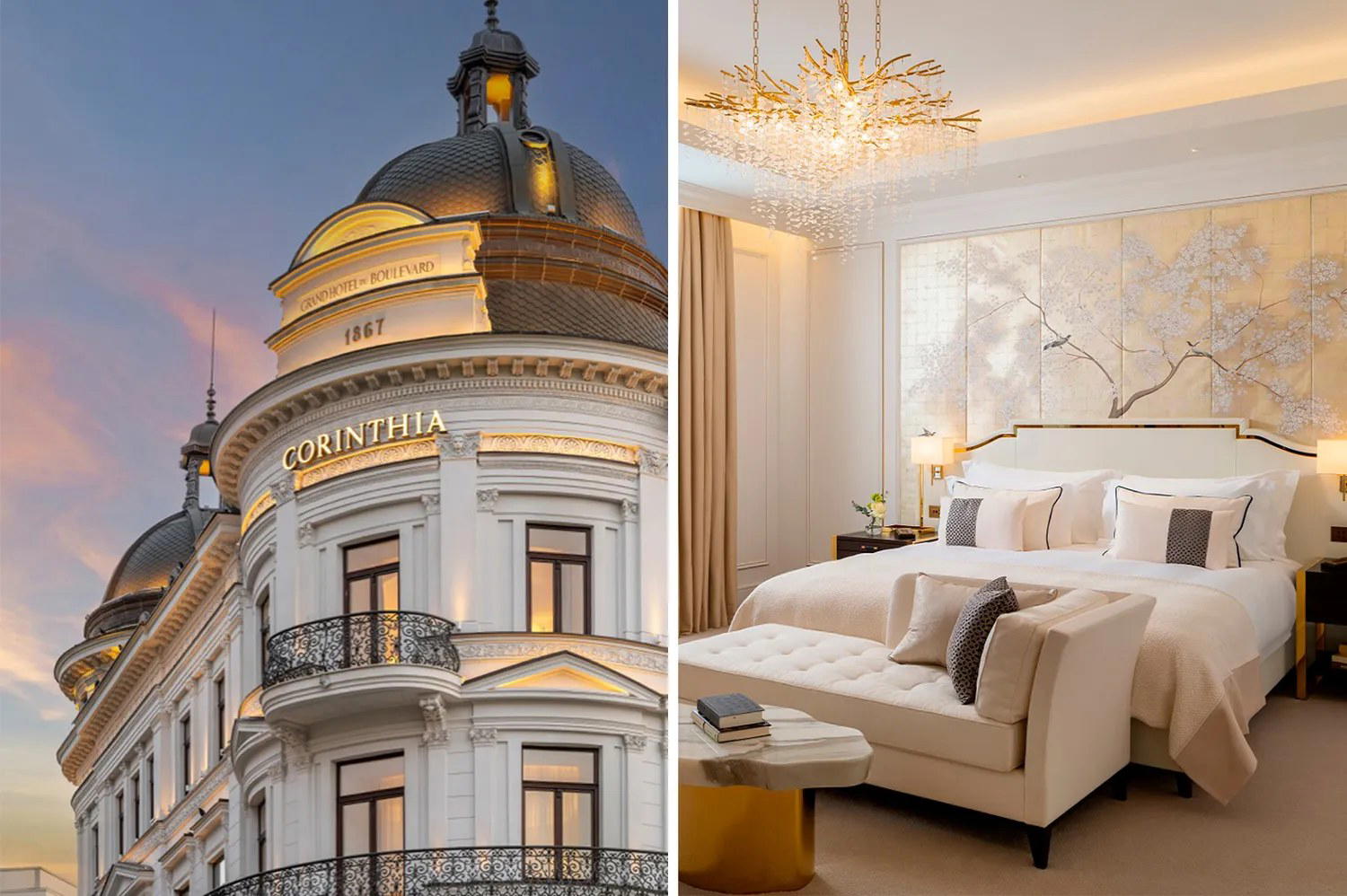
Contemporary and elegant, with a refined atmosphere that blends Art Deco style and neoclassical design in a historic hotel setting.