Ca'Bianca
Ca'Bianca occupies a spot on 2nd Street in downtown Santa Rosa, where Sonoma County's Italian-leaning dining tradition meets a neighborhood that rewards deliberate exploration. The address places it squarely within a walkable district that also includes well-regarded neighbors such as Bird & The Bottle and John Ash. For visitors tracing the county's dining circuit, it serves as a reference point in the local conversation about where Italian-American cooking sits today.
Pearl is the En Primeur Club membership app — saves, bookings, and concierge access live there. Same editors, same standards.
- Address
- 835 2nd St, Santa Rosa, CA 95404
- Phone
- +17075425800
- Website
- cabianca.com
- Directions
- Get directions
 Saves & bookings on Pearl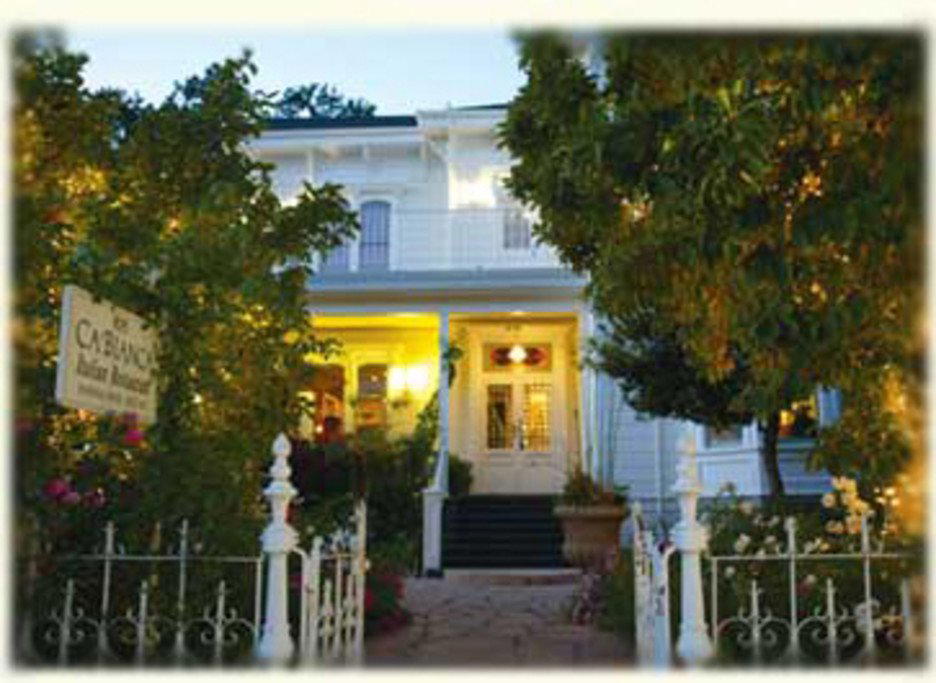
Eating on 2nd Street: The Ritual of Italian Dining in Sonoma County
Downtown Santa Rosa's 2nd Street corridor has developed a particular rhythm over the past decade: a cluster of independently operated restaurants that draw on Sonoma County's agricultural wealth while keeping an eye on culinary traditions rooted elsewhere. Italian-American cooking occupies a specific place in that conversation. It carries weight that is both sentimental and structural, because the cuisine's conventions — shared plates, a pacing defined by multiple courses, wine chosen as table furniture rather than afterthought — align naturally with how Sonoma County produces and thinks about food. Ca'Bianca, at 835 2nd St, sits inside that tradition, in a city where the gap between a weeknight dinner and an occasion meal is often smaller than visitors expect.
The Italian dining ritual is worth pausing on, because it shapes how a room like this functions. In regions of northern Italy from which much of California's Italian-American culinary vocabulary derives, dinner is not a transaction. Antipasti arrive without urgency. Pasta is a middle act, not a main event. The secondi follow on their own schedule. The pace is structural, not accidental, and a kitchen that respects it is making a statement about how the evening should feel. In Sonoma County, where the leading tables, from Single Thread Farm in Healdsburg to locally focused independents in Santa Rosa, have absorbed that lesson, the question for any Italian-leaning address is whether it can hold that rhythm without collapsing into the brisk American dinner format that treats courses as checkboxes.
Santa Rosa's Downtown Table: Where Ca'Bianca Sits
Santa Rosa is not Healdsburg, and that distinction matters. Healdsburg has been shaped by tourism investment and winery money into something closer to a curated destination. Santa Rosa is a working city with a more mixed dining ecology, which means more range, and also more unevenness. The 2nd Street area is among the more concentrated patches of considered dining in the city, alongside spots such as Bird & The Bottle, Café Frida Gallery, and Hank's Creekside Restaurant. Ca'Bianca's address places it in this peer group by geography, though Italian-American cooking occupies a different register than the Mexican and American-bistro formats that define some of its neighbors.
Italian restaurants in mid-sized California cities tend to sort into three tiers: white-tablecloth houses that treat the cuisine as occasion dining; casual trattorias built around pizza and pasta in an informal format; and a middle tier of neighborhood restaurants that carry enough formality to serve as a special-occasion destination for locals while remaining accessible enough for a routine Tuesday. The middle tier is where the city's most durable Italian addresses tend to land, close enough to the occasion-dining register to attract celebratory bookings, rooted enough in the neighborhood to function as a regular. John Ash has long occupied a comparable middle position in Santa Rosa's broader dining circuit, albeit through a different culinary lens. Ca'Bianca's 2nd Street location positions it similarly: urban, accessible, and embedded in a neighborhood that has enough dining density to sustain comparison shopping.
The Architecture of an Italian Meal
What distinguishes the better Italian-American tables in California wine country from their counterparts in, say, a major metropolitan market is the proximity to ingredient supply. Sonoma County's produce, olive oil, and wine are not sourced at a remove. A kitchen on 2nd Street in Santa Rosa can access the same agricultural network that informs menus at far more decorated addresses, from The French Laundry in Napa to Blue Hill at Stone Barns in Tarrytown, both of which have built their identities around supply-chain proximity. The difference is what the kitchen does with that access, and how strictly it maintains the structural logic of an Italian meal.
That structural logic is worth spelling out. Antipasti, cured meats, preserved vegetables, small plates designed to open the palate and slow the diner down, establish a baseline. Primi, traditionally pasta or risotto, serve as a transitional course: filling enough to signal substance, light enough not to preclude what follows. Secondi, the protein course, arrive when the table is ready rather than when a timer dictates. Contorni, vegetable sides ordered separately, reflect a philosophy that vegetables deserve their own moment rather than appearing as passive garnish. Dolci close the meal but need not be hurried toward. A restaurant that holds this sequence intact is doing something structurally different from one that simply offers Italian dishes on a menu.
Among California's most decorated Italian-influenced tables, this sequencing discipline appears in various forms. Smyth in Chicago, Atomix in New York City, and Providence in Los Angeles each build their menus around a similar conviction: that pacing is part of the product. At the neighborhood level, that conviction is tested differently, because a mid-week table of two does not expect a two-hour meal. The skill is calibrating the ritual to the context.
Wine in the Room
In Sonoma County, the wine list is never a secondary consideration. Italian-American restaurants in the county occupy an interesting position on this front: they can draw on both Italian regional wines, Barolo, Brunello, Vermentino, Verdicchio, and on Sonoma County producers who work with Italian varieties, a category that has grown substantially over the past fifteen years. Sangiovese, Barbera, and Arneis now appear with enough consistency from North Coast growers to support a list that reads as genuinely bicultural rather than geographically confused. Alongside addresses such as Gerry's Grill - Ayala Malls Solenad, which represents a different end of the Santa Rosa dining range, and the broader circuit covered in our full Santa Rosa restaurants guide, Ca'Bianca sits within a city that takes its wine context seriously, because the county's production infrastructure makes it difficult not to.
Planning the Evening
Ca'Bianca operates at 835 2nd St in downtown Santa Rosa, walkable from the city center and accessible from the broader Sonoma County highway network for visitors staying in Healdsburg, Sebastopol, or the Sonoma Valley. For an Italian-format dinner, the most practical approach is to allow more time than the menu strictly requires, the ritual benefits from not being rushed. Downtown Santa Rosa's parking is manageable on most weeknights; weekend evenings near the 2nd Street corridor see heavier traffic. Specific hours, current pricing, and reservation availability are best confirmed directly with the restaurant, as those details are subject to change. The surrounding block offers a reasonable post-dinner walk, with other 2nd Street addresses nearby for those who want to extend the evening.
Continue exploring
More in Santa Rosa
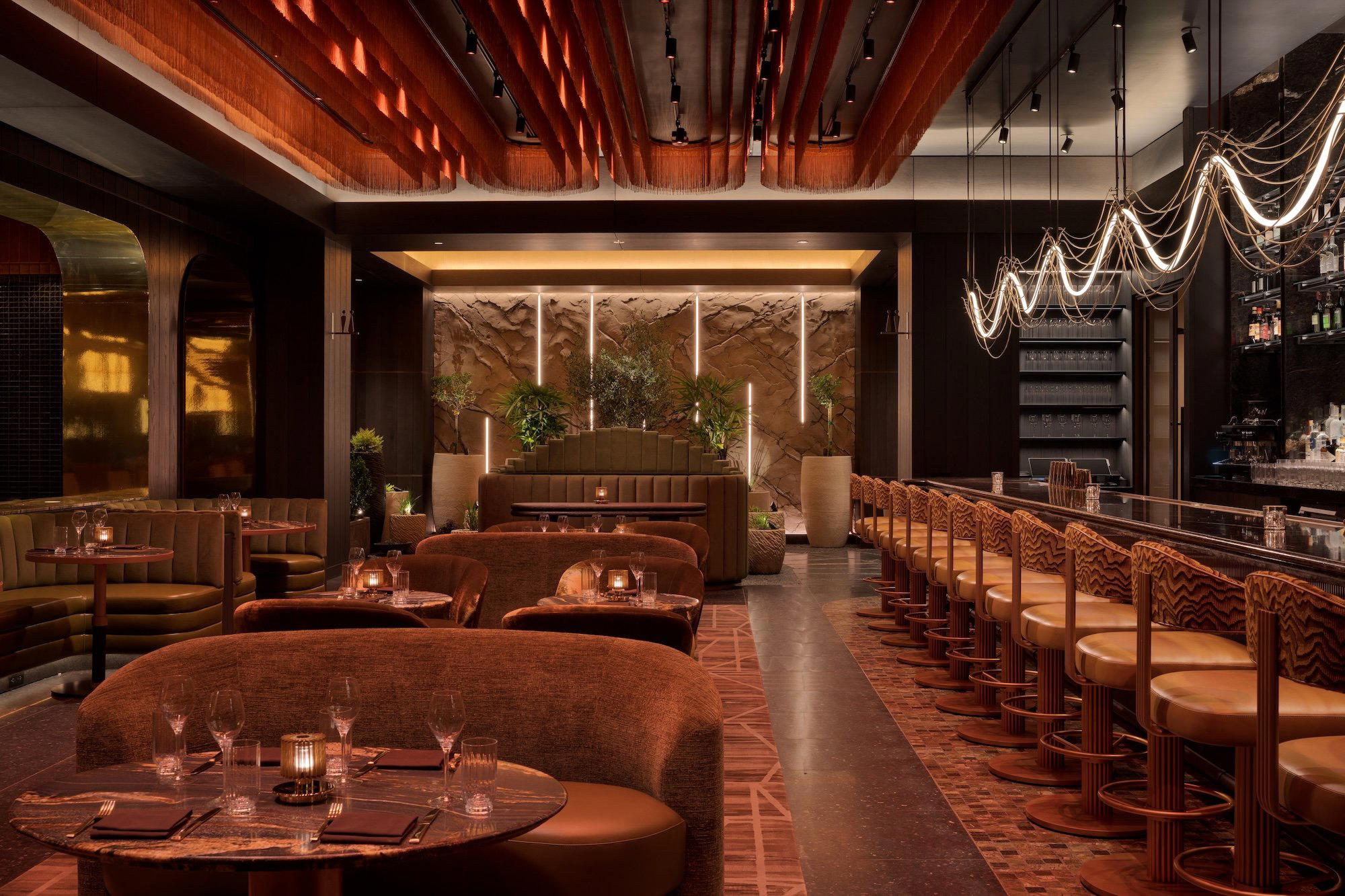
Restaurants in Santa Rosa
Browse all →
Bars in Santa Rosa
Browse all →
Hotels in Santa Rosa
Browse all →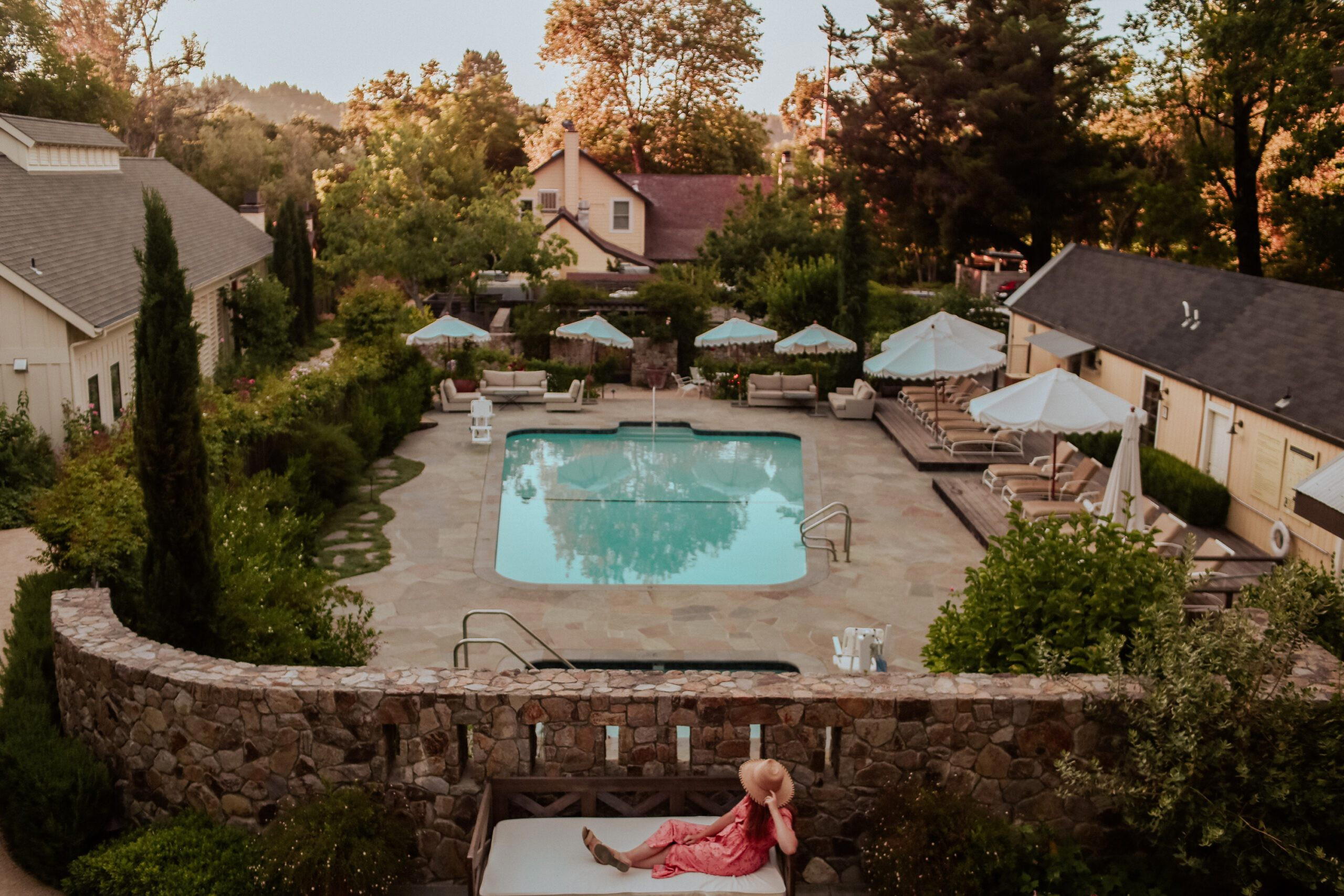
At a Glance
- Elegant
- Romantic
- Classic
- Cozy
- Date Night
- Business Dinner
- Group Dining
- Celebration
- Special Occasion
- Private Dining
- Historic Building
- Standalone
- Extensive Wine List
- Corkage Allowed
- Organic
- Local Sourcing
Current opening hours
- Monday
- 11:30 AM–2:30 PM, 4:30–8 PM
- Tuesday
- 11:30 AM–2:30 PM, 4:30–8 PM
- Wednesday
- 11:30 AM–2:30 PM, 4:30–8 PM
- Thursday
- 11:30 AM–2:30 PM, 4:30–8 PM
- Friday
- 11:30 AM–2:30 PM, 4:30–9 PM
- Saturday
- 4:30–9 PM
- Sunday
- 4:30–8 PM
Hours can change for holidays and private events. Last verified .
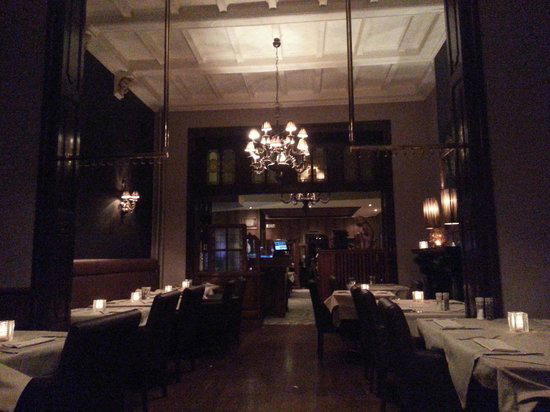
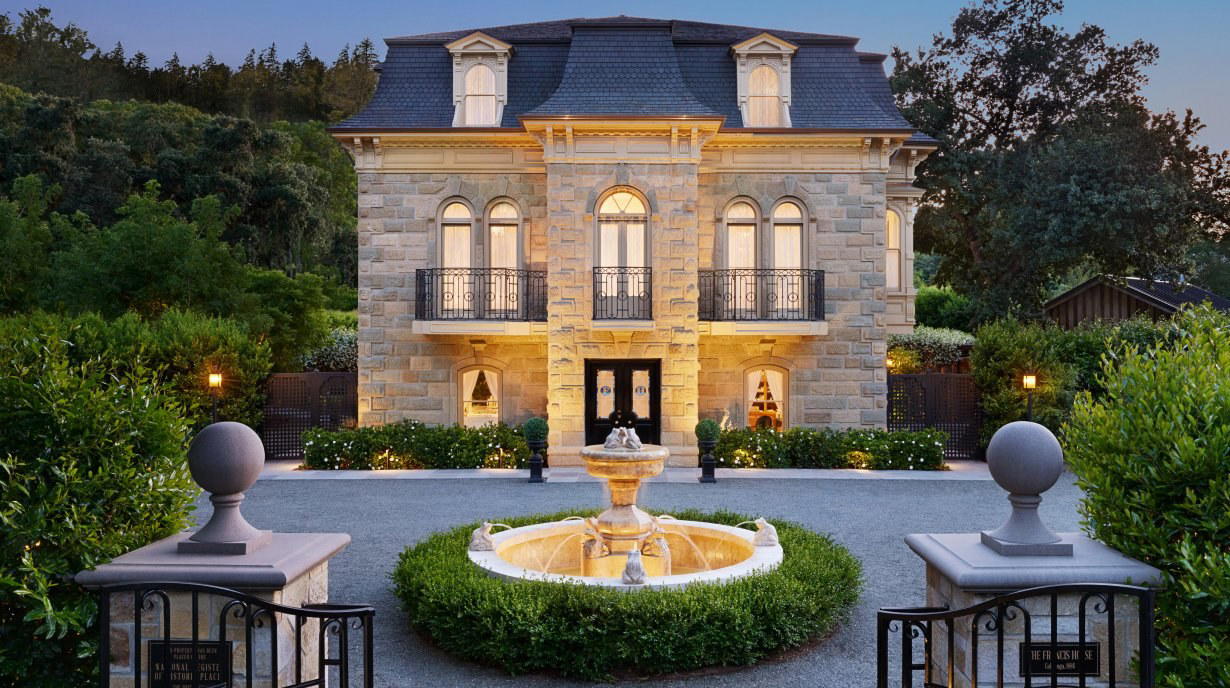
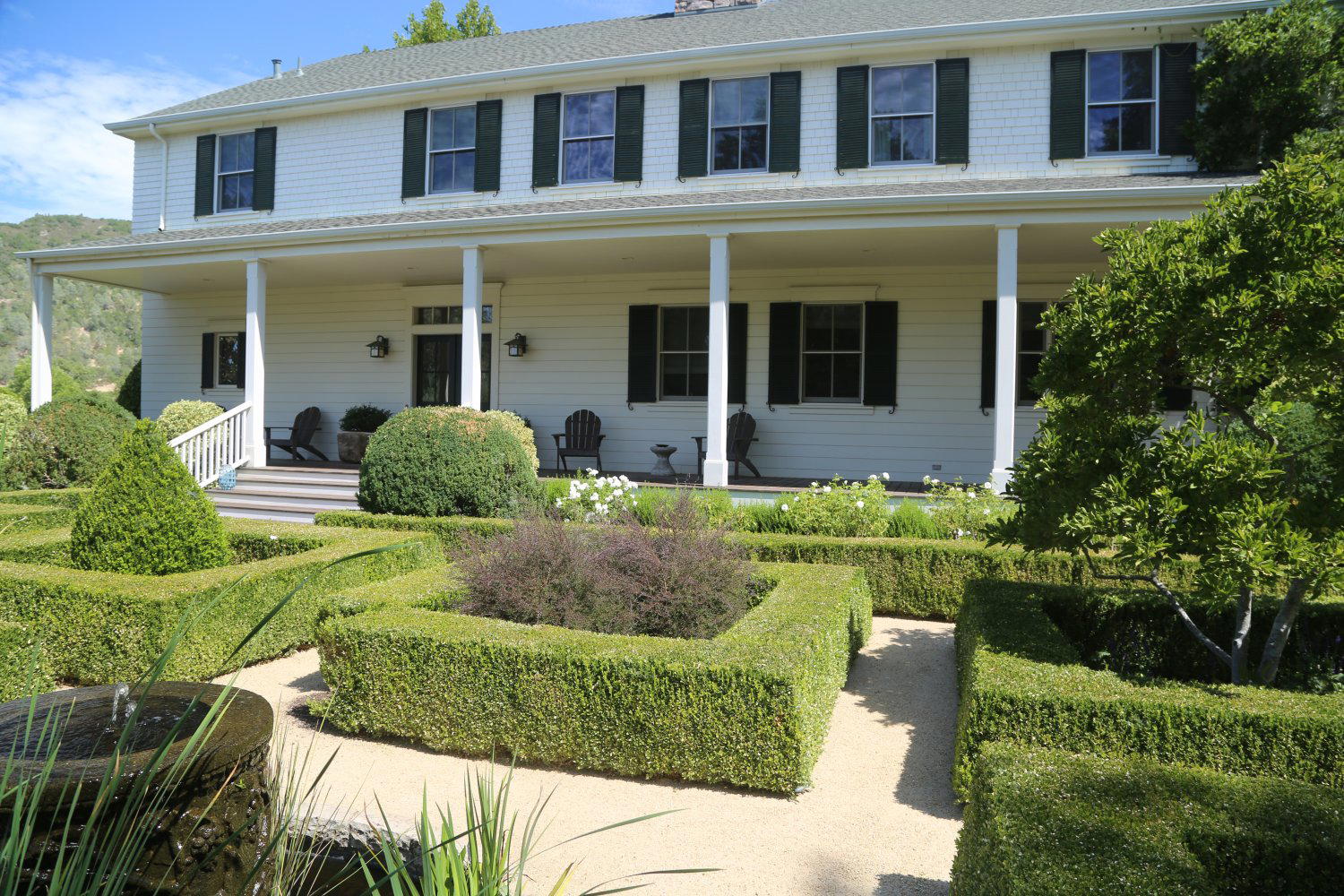
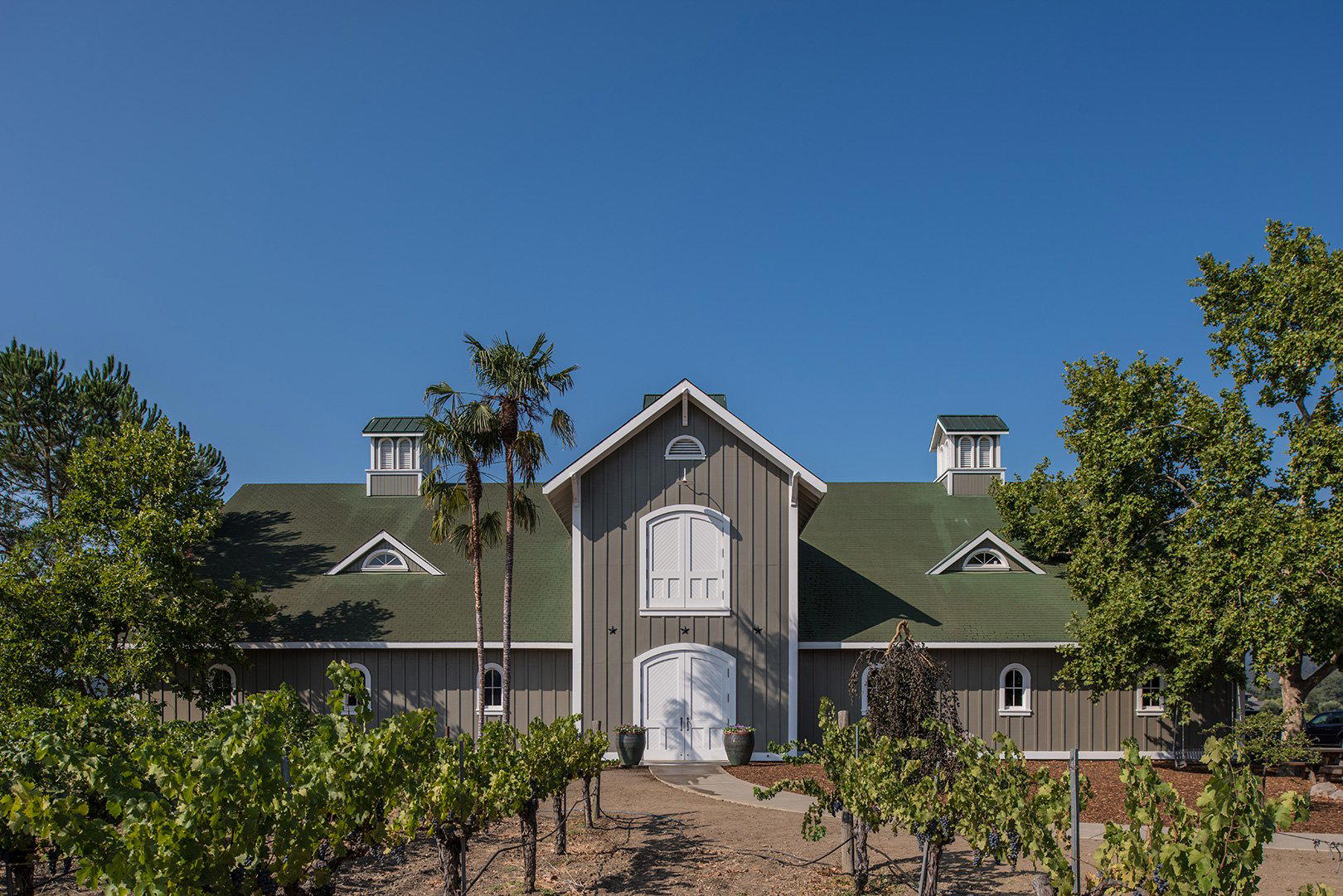
Warm and charming vintage setting with antique vibes and modern elegance, creating an inviting atmosphere suitable for both intimate meals and celebrations.
Know Before You Go
- Getting there
- 835 2nd St, Santa Rosa, CA 95404