Bubala


Michelin Plate · We're Smart World 3 Radishes
Our verdict
Bubala on Poland Street brings Michelin Plate-recognised Middle Eastern vegetarian cooking to Soho, where naturally fermented flatbreads and sharply spiced plant-based plates share the table with a largely natural wine list. Chef Helen Graham leads a kitchen that treats za'atar, sumac, and baharat as structural elements rather than garnish.

Pearl is the En Primeur Club membership app — saves, bookings, and concierge access live there. Same editors, same standards.
- Address
- 15 Poland St, London W1F 8QE, United Kingdom
- Hours
- Mon–Fri 12–3 PM, 5–10 PMSat 12–11 PMSun 12–9 PM
- Website
- bubala.co.uk
- Directions
- Get directions
- Booking
- Book on SevenRooms
The menu
What to order
- Hummus with burnt butter
- Laffa bread
- Oyster mushroom skewer
- Smacked cucumber with tahini and chilli crunch
- Baklava semifreddo
Soho's Shift Toward Serious Plant-Based Cooking
London's Middle Eastern dining scene has spent the past decade sorting itself into distinct tiers. At one end, casual shawarma counters and falafel bars handle volume and speed. At the other, a smaller group of kitchens has taken the aromatic foundations of Levantine and wider Middle Eastern cooking — sumac's tart astringency, the toasted warmth of baharat, the herbaceous bite of za'atar — and built genuinely considered menus around them. Bubala on Poland Street sits in this second group, and its Michelin Plate recognition in both 2024 and 2025 confirms that positioning within London's broader critical conversation.
The Soho address is deliberately unglamorous. Poland Street runs parallel to Carnaby Street and carries the particular energy of a neighbourhood that has always hosted things slightly ahead of their moment: independent music venues, design studios, restaurants that outlast trends by being useful rather than fashionable. Bubala reads that street correctly. It doesn't announce itself the way some Soho openings do.
The Aromatic Logic of the Menu
Across the Middle East, spice blends function as regional signatures. Baharat, typically a mixture of black pepper, coriander, cumin, cloves, cinnamon, and nutmeg, anchors the cooking of the Gulf and Levant differently in each country's kitchen. Za'atar, the dried herb-and-sesame blend, appears on Palestinian and Jordanian tables as a daily staple rather than a finishing flourish. Sumac's fruitiness cuts through fat. Saffron, where it appears, signals occasion and patience. At Bubala, these aromatics are used with structural intent: they define dishes rather than decorate them. The We're Smart recognition, which focuses specifically on plant-forward cooking, noted that the spicing is delicate rather than heavy-handed, a meaningful distinction in a category where over-seasoning can mask ingredient quality.
The menu is entirely vegan and vegetarian, which in this context is a culinary decision rather than a marketing position. Removing meat from a Middle Eastern kitchen doesn't diminish it, it redirects attention toward legumes, grains, roasted vegetables, and dairy (where applicable), all of which carry spice exceptionally well. The laffa flatbread, cooked fresh to order, arrives as the table's first orientation point: its char and chew set the register for what follows. From there, the format is sharing plates, which suits the Middle Eastern tradition of communal eating and allows the kitchen's range across the spice palette to show itself across the meal.
Natural Wine in a Middle Eastern Context
The wine list at Bubala takes a position that is now common enough in London's independent dining scene to be its own sub-trend: mostly unfiltered, natural, and orange. This approach suits the food in ways that a conventional list might not. Orange wines, white wines made with extended skin contact, carry tannin and oxidative character that function like a spice themselves, cutting through the oil in a charred aubergine dish or holding their own against the salt of a fermented condiment. The choice to lean into this style is not arbitrary; it reflects a genuine compatibility between how these wines are made and what the kitchen is doing.
London's broader natural wine movement has matured past novelty. What began as a statement of difference from the mainstream has become a legitimate curatorial category, and the better lists within it now prioritise coherence over ideology. Bubala's list sits in that more considered moment.
Where Bubala Sits in London's Middle Eastern Dining Scene
London's Middle Eastern restaurant category has genuine depth. Berber + Q Schwarma Bar operates in the smoke-and-grill register that puts meat at the centre. Imad's Syrian Kitchen brings a specifically Syrian domestic tradition to its cooking. Yalla Yalla: Beirut Street Food works the Beirut street-food format with a different pace and price point. Bubala occupies a space none of these covers: fully plant-based, formally recognised by Michelin, priced accessibly at the ££ tier, and operating in a sharing-plate format that positions a meal here closer to a considered dinner than a quick lunch.
That ££ pricing is worth noting in context. London's Michelin-recognised dining at the upper tiers, venues like CORE by Clare Smyth or Restaurant Gordon Ramsay, operates at price points four or five times higher per head. A Michelin Plate at the ££ tier signals something different: not fine dining economics, but cooking that the Michelin inspectors found worth singling out within its own category. For readers comparing value across London's recognised table, Bubala sits at the more accessible end of the credentialled spectrum.
Beyond London, the broader tradition that Bubala draws from has its own authoritative expressions. Bait Maryam in Dubai and Baron in Doha represent how Middle Eastern cooking is being reimagined across the region itself, useful reference points for readers tracking this cuisine across geographies.
Service and the Room
Both the Michelin and We're Smart assessments noted the service in terms that are specific rather than generic. Staff describe dishes with fluency and genuine warmth, not the recited-from-memory quality that marks a reluctant briefing, but actual knowledge of what is on the plate. In a kitchen where spice selection is doing structural work, that capacity to explain a dish matters. It closes the gap between what the kitchen intends and what the guest understands.
The We're Smart recognition framed Bubala as the kind of restaurant everyone deserves in their neighbourhood, a phrase that encodes something about accessibility, regularity, and the lack of pretension. This is not a special-occasion restaurant that holds you at arm's length.
Planning Your Visit
Know Before You Go
- Address: 15 Poland St, London W1F 8QE
- Cuisine: Middle Eastern, fully vegan and vegetarian
- Chef: Helen Graham
- Price range: ££ (mid-range by London standards)
- Recognition: Michelin Plate 2024 and 2025; We're Smart plant-based recognition
- Format: Sharing plates; natural and orange wine list
- Nearest area: Soho, Central London
For more on where to eat, drink, and stay across the capital, see our full London restaurants guide, London bars guide, London hotels guide, London wineries guide, and London experiences guide. If you're planning a wider UK trip, the country's most decorated restaurant tables include The Fat Duck in Bray, L'Enclume in Cartmel, Moor Hall in Aughton, Gidleigh Park in Chagford, Hand and Flowers in Marlow, and Le Manoir aux Quat'Saisons in Great Milton.
Frequently asked questions
What is the atmosphere like at Bubala?
What do people recommend at Bubala?
Cuisine and Credentials
A quick snapshot of similar venues for side-by-side context.
| Venue | Cuisine | Price | Awards | Notes |
|---|---|---|---|---|
| BubalaThis venue — the venue you are viewing | Modern Middle Eastern Vegetarian | $50–100 | Michelin Plate · We're Smart World 3 Radishes | Not listed |
| The Ledbury | Modern British Fine Dining | $300–500 | 3 Michelin Stars · World's 50 Best #42 | Modern European, Modern Cuisine |
| Sketch, The Lecture Room and Library | Modern French Fine Dining | $200–300 | 3 Michelin Stars · World's 50 Best #18 | Modern French |
| CORE by Clare Smyth | Modern British Fine Dining | $150–200 | 3 Michelin Stars · World's 50 Best #97 | Modern British |
| Restaurant Gordon Ramsay | French Fine Dining | $200–300 | 3 Michelin Stars · World's 50 Best #13 | Contemporary European, French |
| Dinner by Heston Blumenthal | Historic British Fine Dining | $200–300 | 2 Michelin Stars · World's 50 Best #45 | Modern British, Traditional British |
Recognition history
Dated appearances from independent guides and award organizations, with the underlying list record or original source where available.
Michelin Plate
Michelin
We're Smart World 3 Radishes
We're Smart World
Full recognition history (4 entries)
Michelin Plate
Michelin
Michelin Plate
Michelin
Continue exploring
More in London
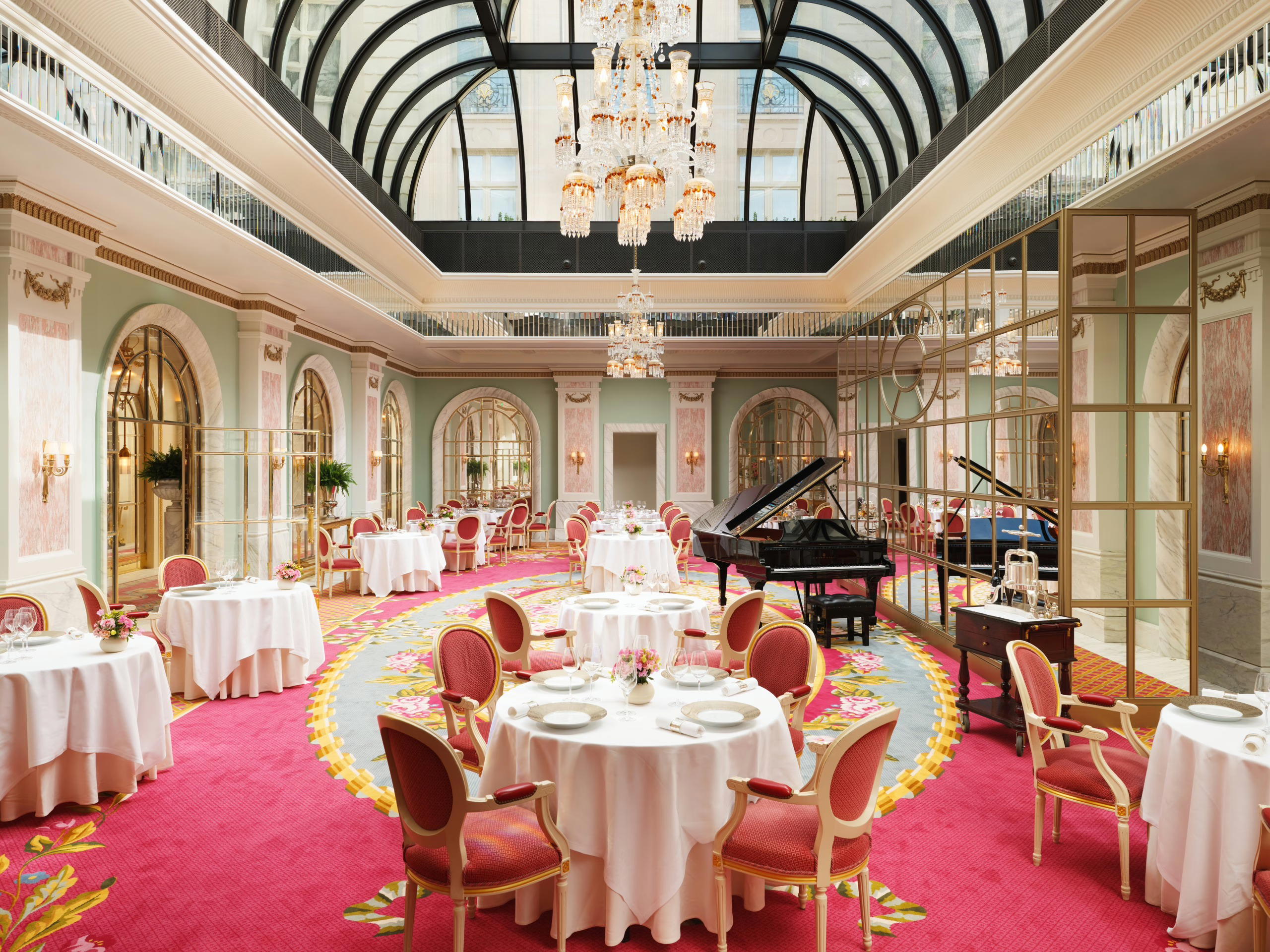
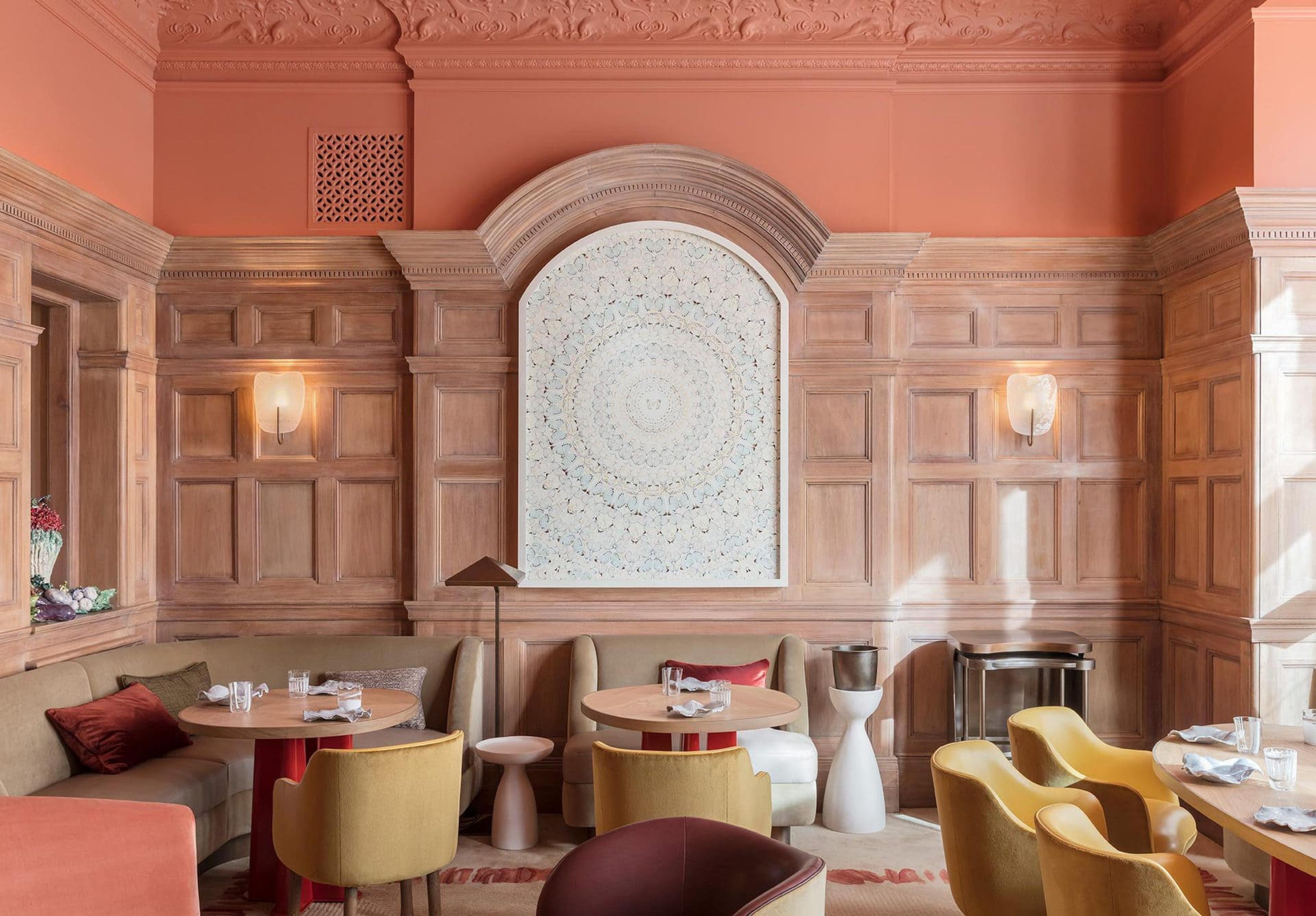
Restaurants in London
Browse all →
Bars in London
Browse all →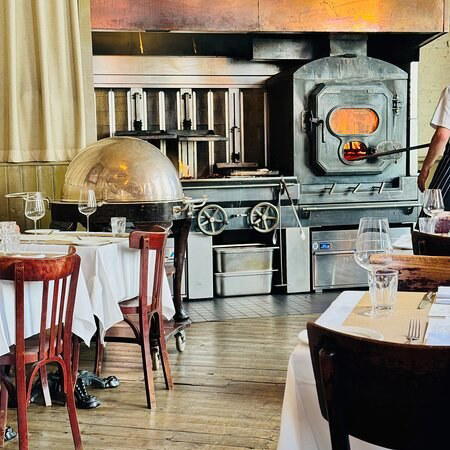
Hotels in London
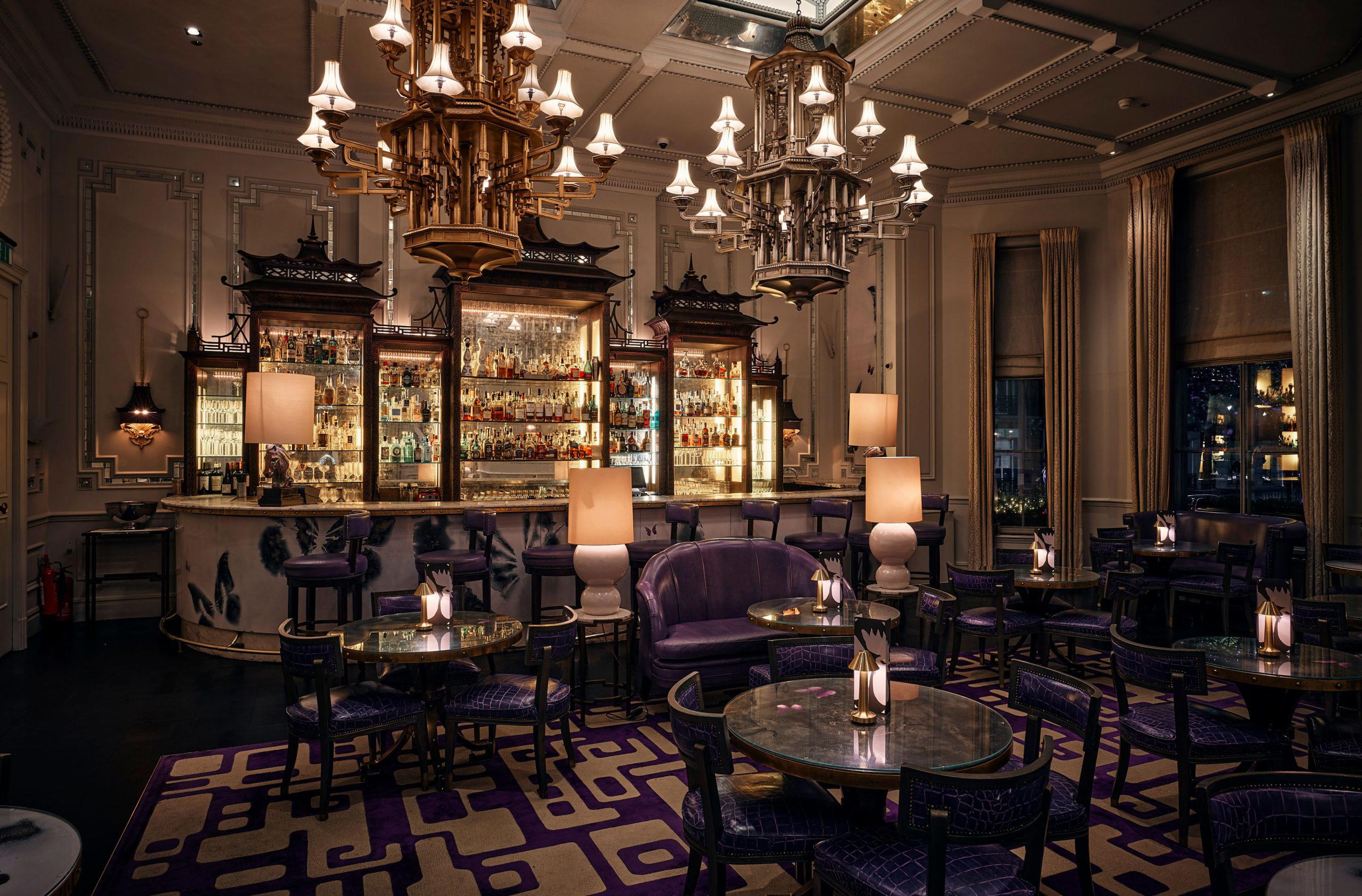
Browse all →


Bubala
The wine
- Wine program
- Curated wine list
- Natural wine
- Craft cocktails
Details
- Trendy
- Lively
- Minimalist
- Elegant
- Intimate
- Date Night
- Group Dining
- Celebration
- Casual Hangout
- Open Kitchen
- Design Destination
- Natural Wine
- Craft Cocktails
- Farm To Table
- Local Sourcing
- Small Plates
- Set Menu
- A La Carte
- Natural Wine
- Mezcal Cocktails
- Vegetarian Friendly
- Vegan Options
- Allergy Accommodating
Current opening hours
- Monday
- 12–3 PM, 5–10 PM
- Tuesday
- 12–3 PM, 5–10 PM
- Wednesday
- 12–3 PM, 5–10 PM
- Thursday
- 12–3 PM, 5–10 PM
- Friday
- 12–3 PM, 5–10 PM
- Saturday
- 12–11 PM
- Sunday
- 12–9 PM
Hours can change for holidays and private events. Last verified .
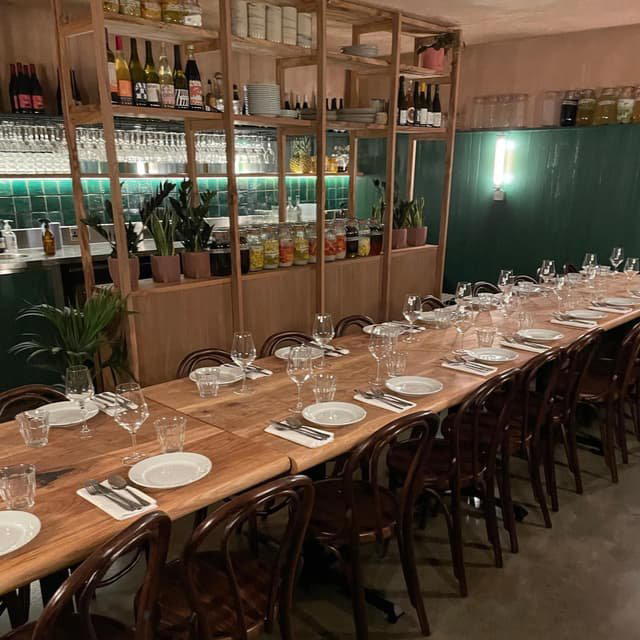
Young, buzzy, dark restaurant with candlelit minimalist decor, open kitchen, and efficient service despite high volume; described as busy and heaving with a lively atmosphere.