Bar Oro sits outside Artà on Cami de Carrossa, attached to a fine dining restaurant rather than a street-corner nightlife circuit. Its interest lies in the way rural Mallorca reframes the cocktail bar: less urban theatre, more destination pacing, with drinks positioned as part of a longer evening in the island’s northeast.
Pearl is the En Primeur Club membership app — saves, bookings, and concierge access live there. Same editors, same standards.
- Address
- Cami de Carrossa KM 3.4, 07570 Artà, Illes Balears (main bar connected to fine dining restaurant)
- Phone
- +34 971 835647
- Website
- carrossa.com
- Directions
- Get directions
 Saves & bookings on Pearl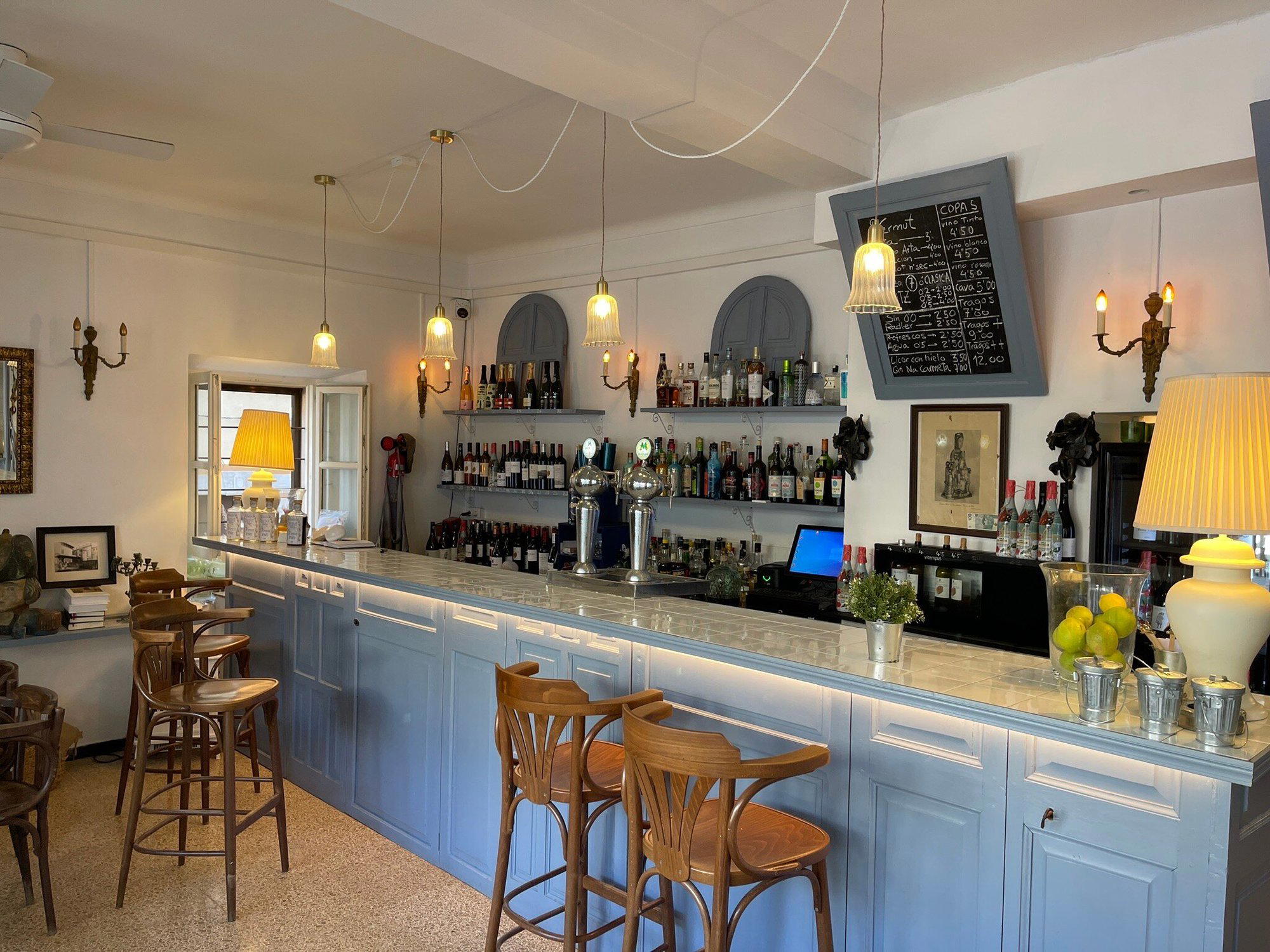
Arrival sets the terms of the drink
The approach to Bar Oro begins away from Artà’s compact centre, on Cami de Carrossa at kilometre 3.4, where the rhythm is rural rather than metropolitan. That location matters. Cocktail bars in Spain are often judged through the grammar of the city: the tiled Barcelona counter, the Madrid late-night room, the hotel lobby bar with a polished international script. Here, the address points to a different category, a destination bar attached to a fine dining restaurant, where the drink is not competing with traffic, theatre districts, or a dense crawl of neighbouring rooms. The setting asks for a slower reading.
In Mallorca, that distinction has become more relevant as the island’s drinking culture has split into several lanes. Palma carries the largest share of urban cocktail ambition, coastal towns lean heavily on aperitif-hour holiday habits, and inland or edge-of-town addresses can operate with a more deliberate pace. Bar Oro belongs to that last group. Its main bar is connected to a fine dining restaurant, so the cocktail programme is leading understood not as a stand-alone party address but as part of a more structured evening: arrival, drink, meal, return to the bar, or a single focused stop for travellers already moving through the northeast of the island.
That does not make it minor. It makes it specific. The modern premium bar has moved beyond the old split between hotel lobby and late-night speakeasy. A serious drinks programme can now live inside a restaurant complex, a rural hotel, a tasting-menu property, or a low-capacity hospitality setting. What counts is not noise or density but intention: the clarity of the list, the relationship between aperitif and table, and whether the room has a reason to exist beyond being a holding area before dinner. With the available public record limited to address and format, the editorial point is the format itself. This is a bar whose context shapes its function before any menu detail enters the conversation.
The Mallorca cocktail question
Mallorca has long been fluent in drinking culture, though not always in the language of formal cocktail programmes. The island’s daily rhythm gives natural space to vermouth, gin and tonic, cava, local wine, beer after the beach, and the increasingly serious non-alcoholic aperitif. What has changed in the premium tier is the expectation that a bar should show technical intent rather than simply provide refreshment. Clarification, savoury serves, local botanicals, controlled dilution, and lower-alcohol sequencing have become part of the European conversation, even when a venue does not publish the full machinery behind the glass.
Artà is an interesting place for that shift because it does not carry the same global nightlife assumptions as Palma, Barcelona, or Madrid. The town has a quieter profile, shaped by northeast Mallorca’s market-town character, rural roads, nearby coves, and visitors who often plan their evenings with more care than they would in a capital. A bar outside the centre has to justify the trip differently. It cannot rely on passing footfall in the same way a city bar can. It needs to function as a planned stop, and that puts pressure on pacing, atmosphere, and the relationship between drinks and food.
For readers comparing Spanish cocktail references, the contrast is useful. Boadas in Barcelona represents the old counter tradition, a room tied to the city’s classic cocktail memory. Salmon Guru in Madrid sits closer to the high-energy, technique-forward, design-conscious model that has shaped contemporary Spanish bar culture. Bar Oro does not need to mimic either lane. Its rural Mallorca setting gives it another job: to slow the sequence down and make a drink feel connected to place, even when the public record does not specify individual serves.
Why the restaurant connection matters
A bar linked to a fine dining restaurant has a different set of responsibilities from a neighbourhood cocktail room. The first drink must be precise enough to prepare the palate without exhausting it. A post-dinner drink has to read the table’s momentum rather than restart the night from zero. The bar team, in this type of format, is often working with a dining-room tempo: arrivals, seatings, tasting-menu durations, and the quiet choreography of guests moving between spaces. That rhythm is a significant part of the experience, even when the drink list itself is not publicly detailed.
This is where the broader European trend becomes relevant. Fine dining restaurants have spent the last decade treating the non-kitchen parts of the meal with greater seriousness: bread programmes, coffee sourcing, tea pairings, low- and no-alcohol drinks, and pre-dinner cocktails that are built for the dining room rather than copied from late-night bars. The strongest examples avoid the sugary welcome drink problem. They understand acidity, bitterness, saline structure, and temperature as practical tools.
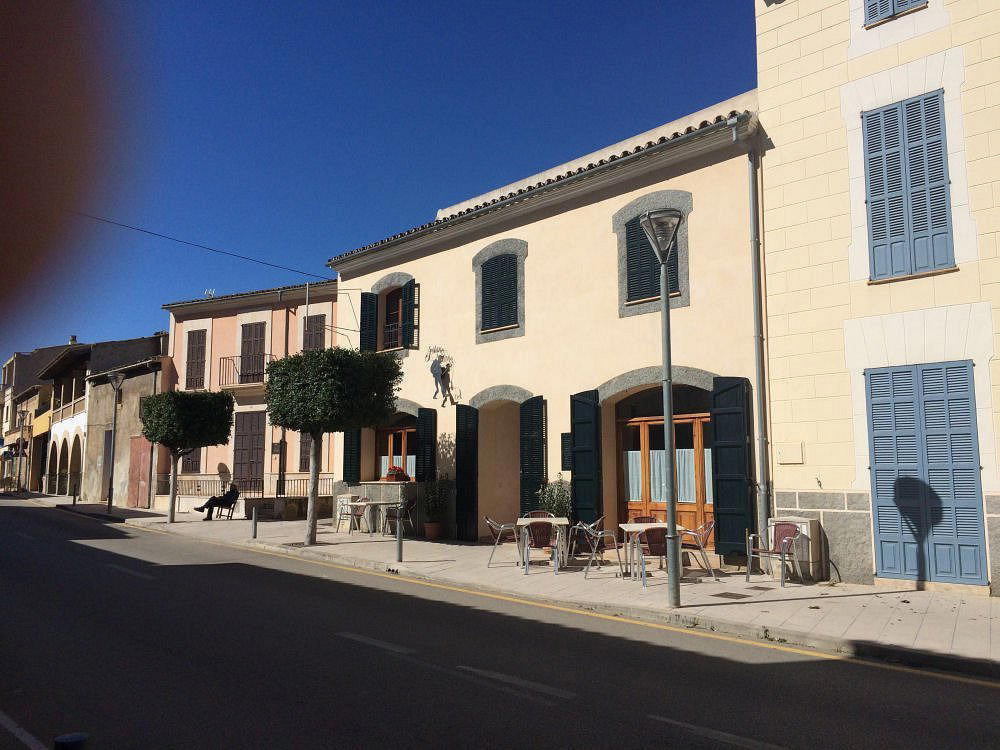
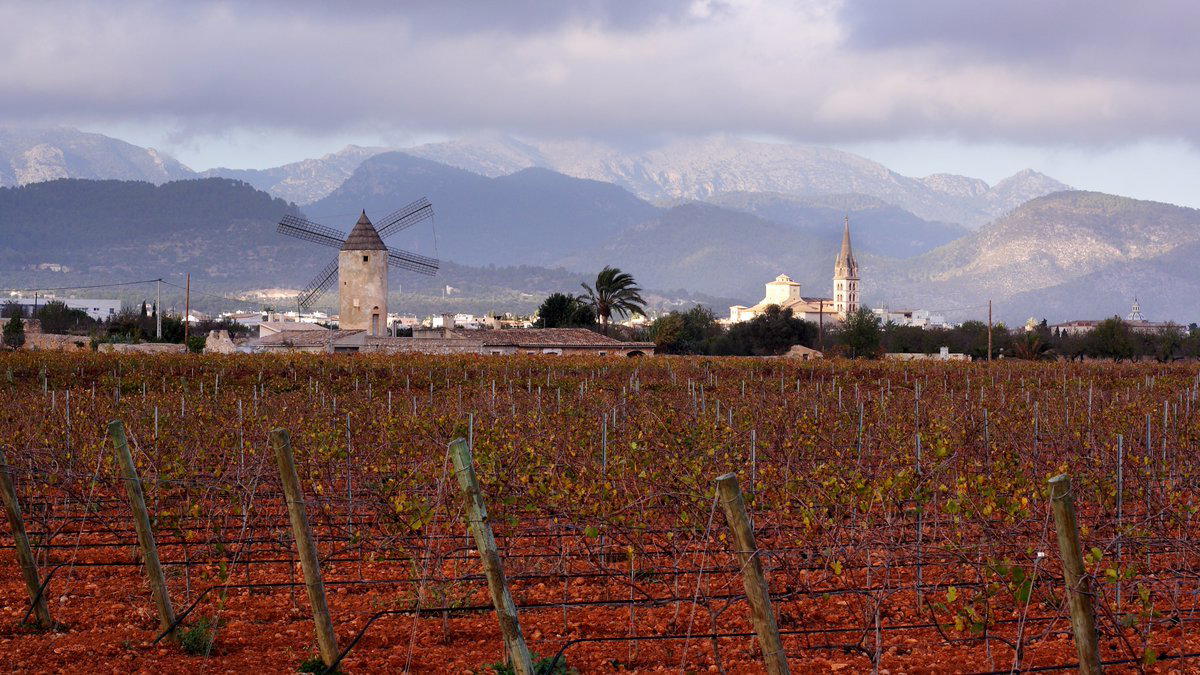
For Artà, this is a useful signal. The town is not trying to become Madrid after dark, and it should not. Its stronger hospitality identity comes from compressed scale, rural surroundings, and the feeling that an evening has been intentionally planned. A connected bar can serve that identity well: it gives travellers a place to begin or finish without needing to reset the evening in a different district. Readers building a wider itinerary can compare the local food scene through Our full Artà restaurants guide, then decide whether the bar belongs before dinner, after dinner, or as the main reason to drive out to this part of the municipality.
How to read a destination bar in Artà
Destination bars require a different critical lens. In a city, a bar can be excellent because it is fast, dense, and reactive: the bartender reads a crowd, the room turns over, the counter has its own social weather. Outside a town centre, excellence is quieter and more logistical. Access, arrival timing, meal alignment, and the confidence of the programme carry more weight. The address at Cami de Carrossa KM 3.4 means this is not a casual stroll between bars in the old town. It is a planned visit, and that planning changes what a guest should expect from the night.
That does not mean formality by default. Mallorca’s stronger hospitality rooms often succeed because they understand ease, not ceremony. A rural bar can feel polished without feeling stiff, provided the drink programme has restraint and the room understands the island’s tempo. The risk in this category is overdesign: a bar that behaves like a stage set, or drinks that try to announce technique rather than make the evening better. The opportunity is better: a concise list, a clear aperitif language, and enough confidence to let the setting do part of the work.
Spanish bar culture offers several comparison points beyond the obvious capitals. La Plaça in Folgueroles shows how a smaller-place bar can be read through local rhythm rather than metropolitan volume. GU San Sebastián in San Sebastián belongs to a city where eating and drinking are tightly interlocked, so the bar’s role is judged against a serious food culture. Idilio Cocina y Vino in Palma de Mallorca brings the comparison back to the island, where wine, cocktails, and dining increasingly overlap. These references help position Bar Oro less as an isolated address and more as part of a national move toward bars that are defined by context, not only by glassware.
The drink programme, with necessary caution
The assigned interest here is the cocktail programme, but the venue data does not provide signature drinks, bartender names, awards, prices, hours, or seat count. That absence should be treated plainly. No responsible guide should invent a house serve, claim a clarified drink format, or attach a creative vision to an unnamed bartender. What can be said is narrower and more useful: the bar’s connection to a fine dining restaurant places its drinks under the expectations of a dining-led environment, where balance, timing, and compatibility with food matter more than novelty for its own sake.
For guests, that means the first question is not “what is the famous drink?” but “what role should the drink play in the evening?” Before dinner, the smarter order is usually something that sharpens appetite rather than dominates it: bitter, dry, sparkling, saline, or citrus-led, depending on the list. After dinner, the logic can shift toward digestif structure, darker spirits, herbal tones, or a lighter non-alcoholic close. Those are category-level recommendations, not claims about the venue’s actual menu. They reflect how restaurant-connected cocktail bars are leading assessed.
The same caution applies to awards. In EP Club terms, that places the venue outside an award-led recommendation model for now. Its trust signal is contextual rather than trophy-based: a named address in Artà, a defined location on Cami de Carrossa, and a format connected to a fine dining restaurant. That is enough to discuss the bar seriously, but not enough to inflate it with borrowed prestige.
Planning the evening
The practical planning is simple but important. Bar Oro is listed at Cami de Carrossa KM 3.4, 07570 Artà, Illes Balears, and the main bar is connected to a fine dining restaurant. Because the record does not publish hours, phone number, website, booking method, dress code, prices, or capacity, travellers should treat the visit as a destination stop rather than an improvised late-night fallback. In rural Mallorca, opening patterns can vary by season and by the restaurant’s service calendar, so confirmation through the property’s current channels is sensible before building an evening around it.
Transport also shapes the experience. With no verified latitude and longitude in the record, no distance claims belong here, but the address itself makes clear that this is outside the dense town-centre bar pattern. Guests staying in Artà can fold it into a restaurant-led evening; those staying elsewhere in northeast Mallorca should think in terms of a planned drive or arranged transport. Summer on the island rewards earlier planning because dinner seatings, hotel transfers, and rural road timing can compress the evening. In shoulder seasons, the main variable is not crowd pressure but whether the restaurant-linked operation is open on the night in question.
For a wider Artà itinerary, the bar makes sense alongside the town’s broader hospitality map rather than in isolation. Use Our full Artà bars guide to compare drinking options, Our full Artà hotels guide for where to base the night, Our full Artà wineries guide if the trip is built around bottles rather than cocktails, and Our full Artà experiences guide for daytime context. The point is sequencing. This bar is better read as one part of a planned northeast Mallorca evening than as a casual add-on.
Who should go
Bar Oro is most persuasive for travellers who like the first drink to have a relationship with dinner. That includes guests who judge a bar by pacing as much as by garnish, and those who prefer a destination address to a dense strip of nightlife.
The stronger editorial case is about fit. Artà rewards visitors who slow down and choose fewer stops with more intention. A restaurant-connected bar outside the centre fits that mode, especially when the evening is built around northeast Mallorca rather than a dash back to Palma. In a country where cocktail culture can tilt toward theatrical presentation, the more interesting rural format is often quieter: a drink that frames the meal, a room that gives the evening a beginning, and a location that makes the guest commit to being there.
International comparisons sharpen the point. Pub Urbano Comix in Seville belongs to a different Spanish register, tied to city nightlife and local social momentum. Café La Trova in Miami shows how a bar can build identity through music, Cuban cocktail tradition, and a more public performance of hospitality. Bar Oro asks for another lens: rural setting, restaurant adjacency, and the expectation that drinks work inside a longer, quieter structure.
Continue exploring
More in Artà
Bars in Artà
Browse all →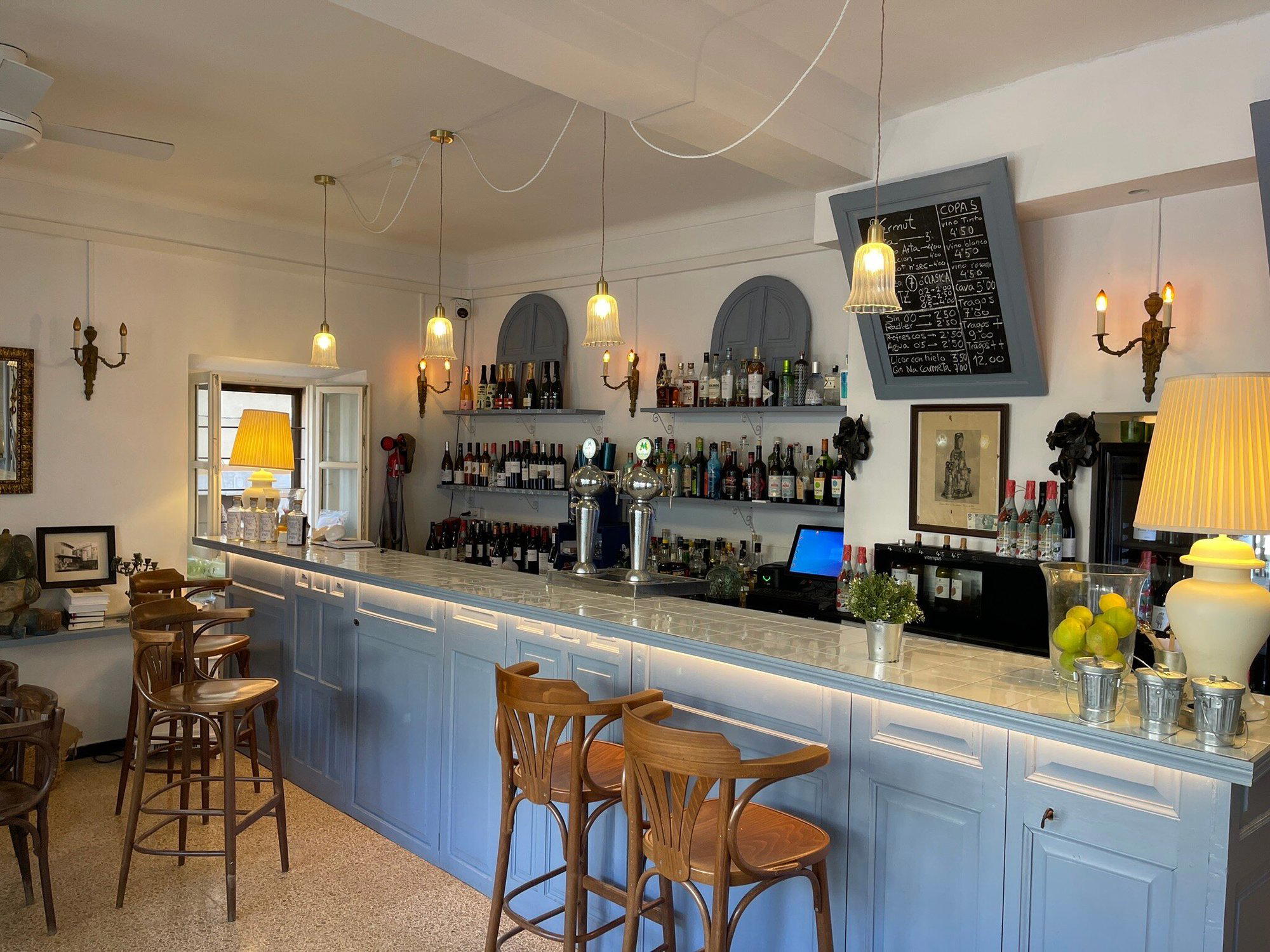
Restaurants in Artà
Browse all →
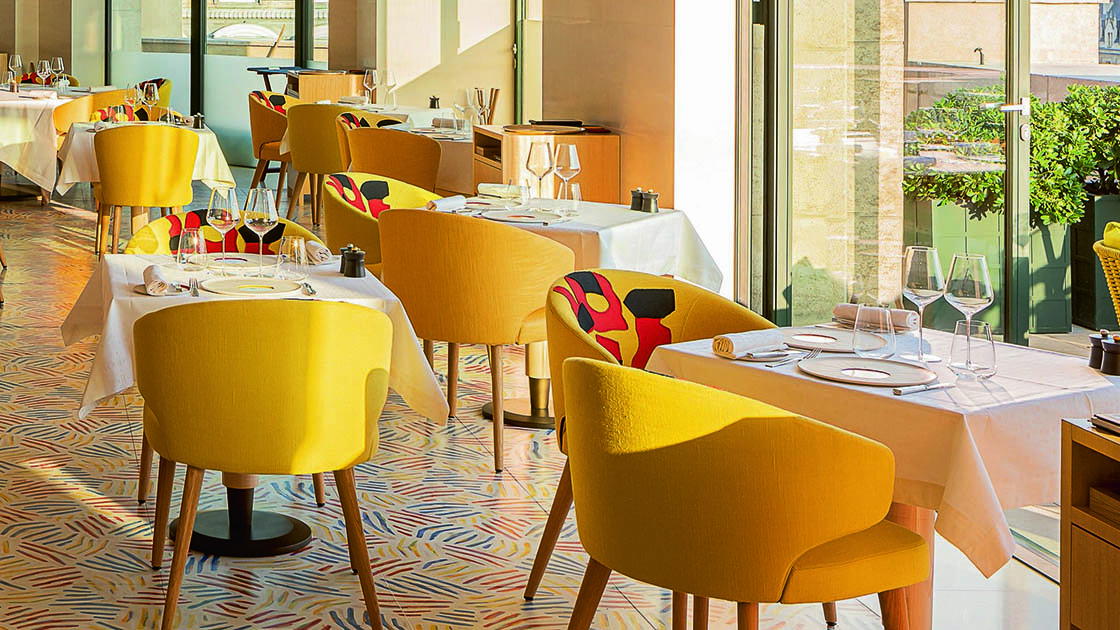
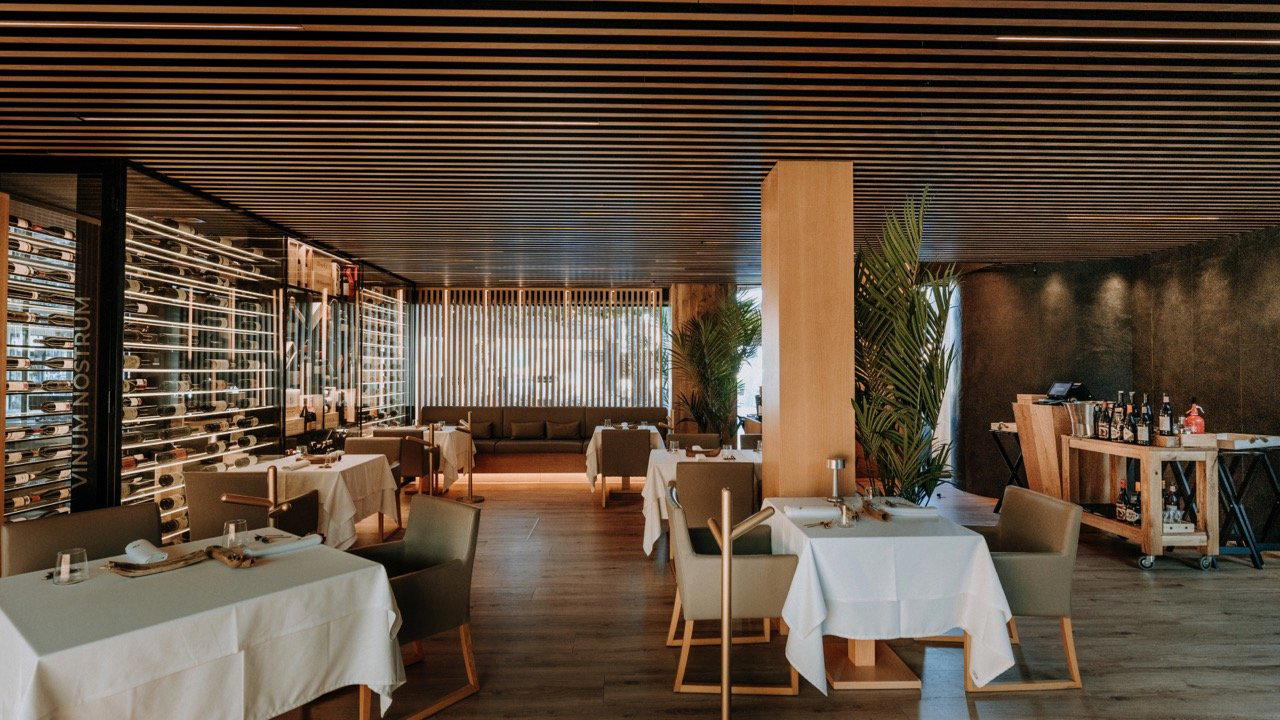
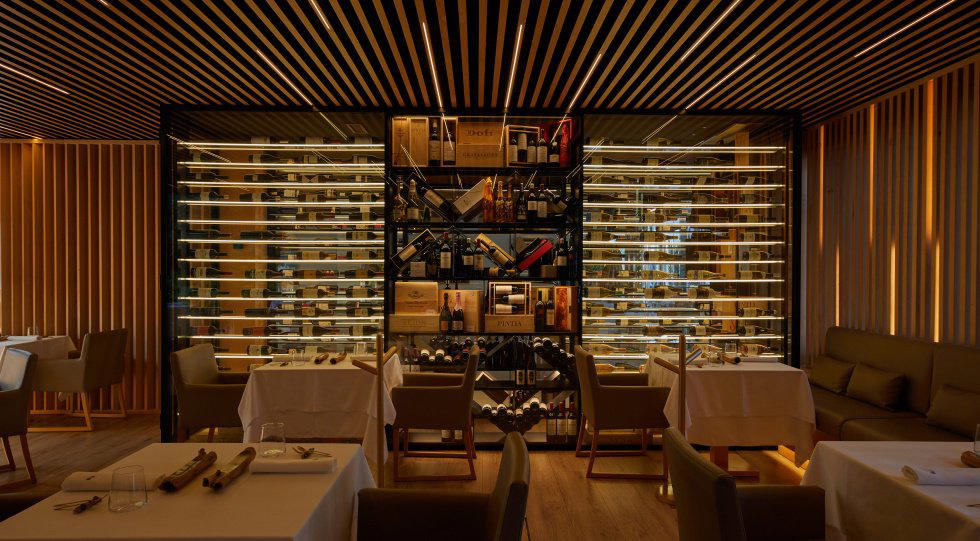
Hotels in Artà
Browse all →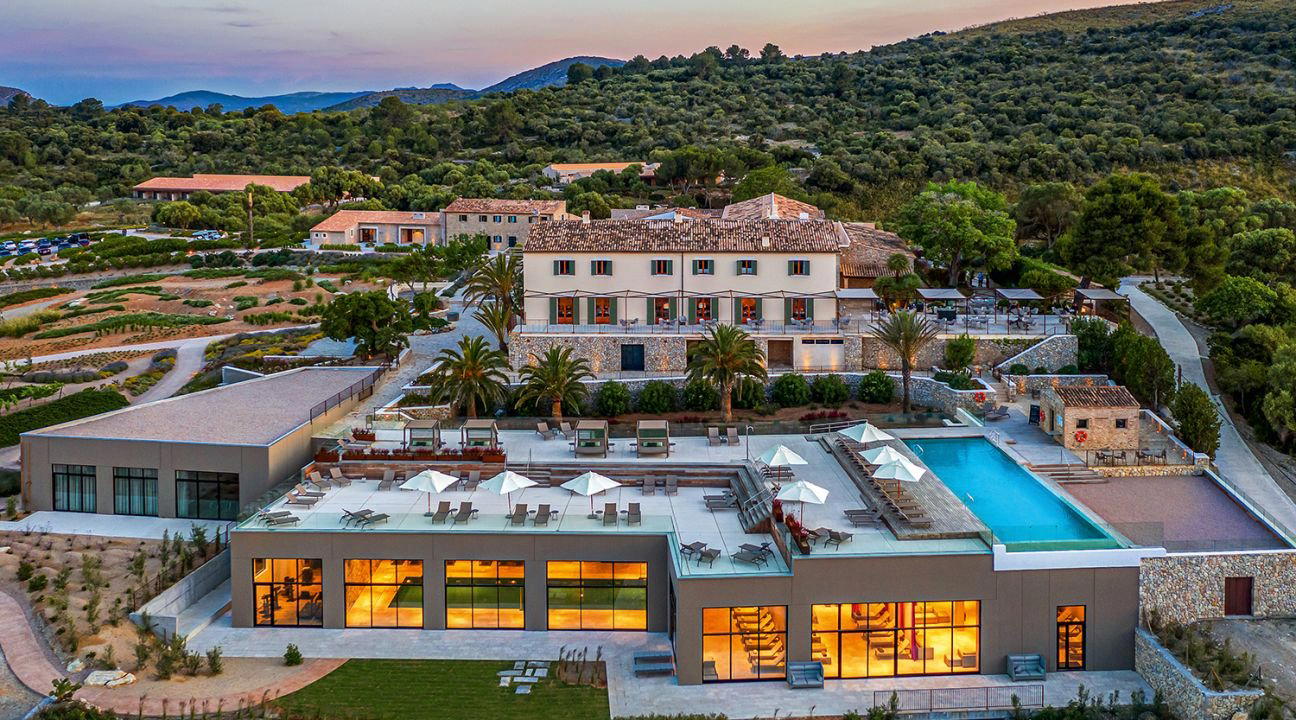

At a Glance
- Modern
- Elegant
- Sophisticated
- Scenic
- Romantic
- Date Night
- After Work
- Casual Hangout
- Special Occasion
- Celebration
- Terrace
- Historic Building
- Hotel Bar
- Design Destination
- Garden
- Seated Bar
- Lounge Seating
- Outdoor Terrace
- Craft Cocktails
- Conventional Wine
- Draft Cocktails
- Garden
- Mountain
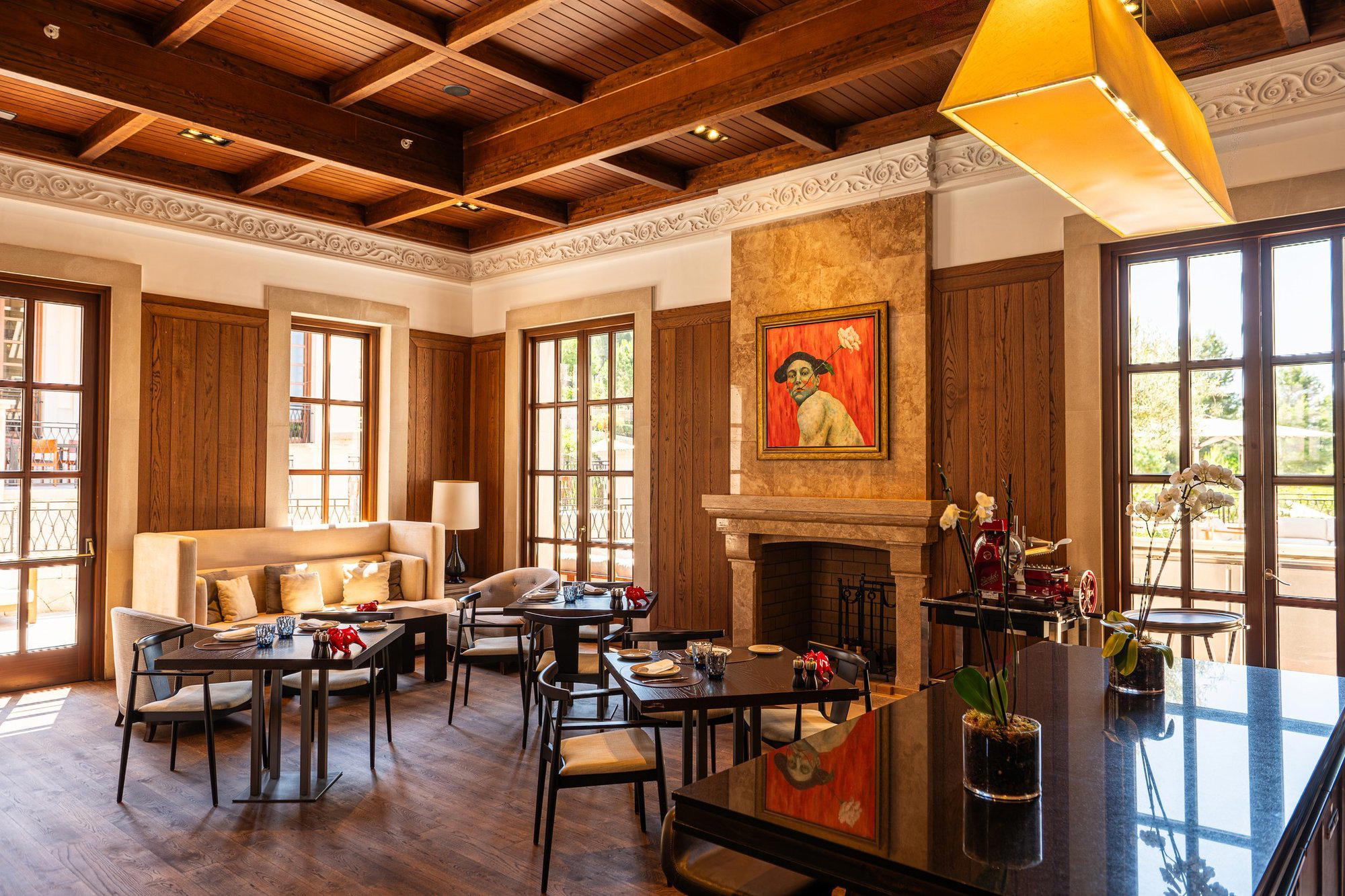
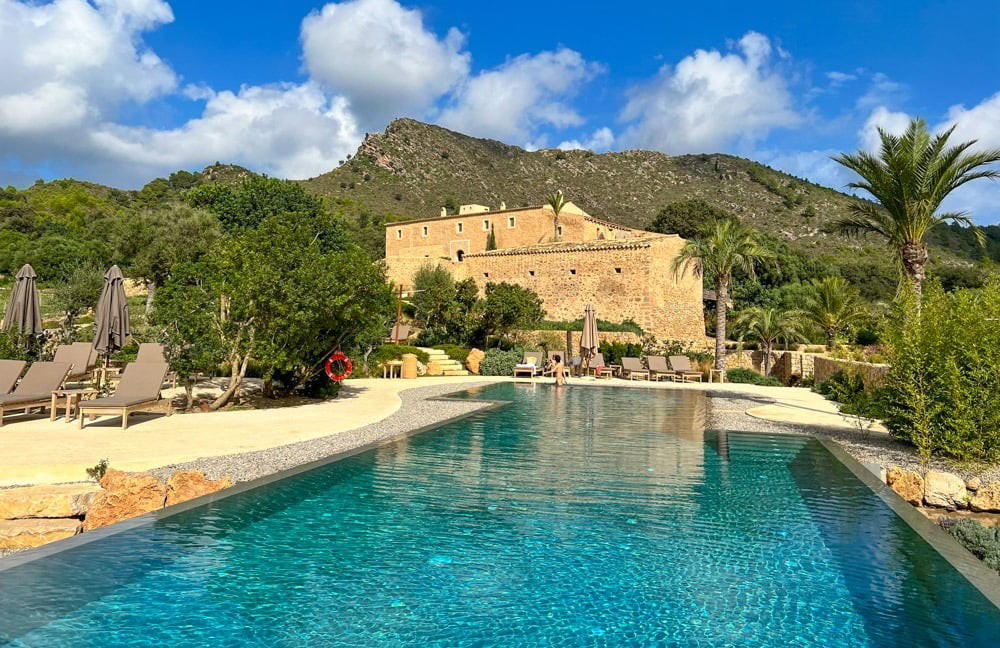
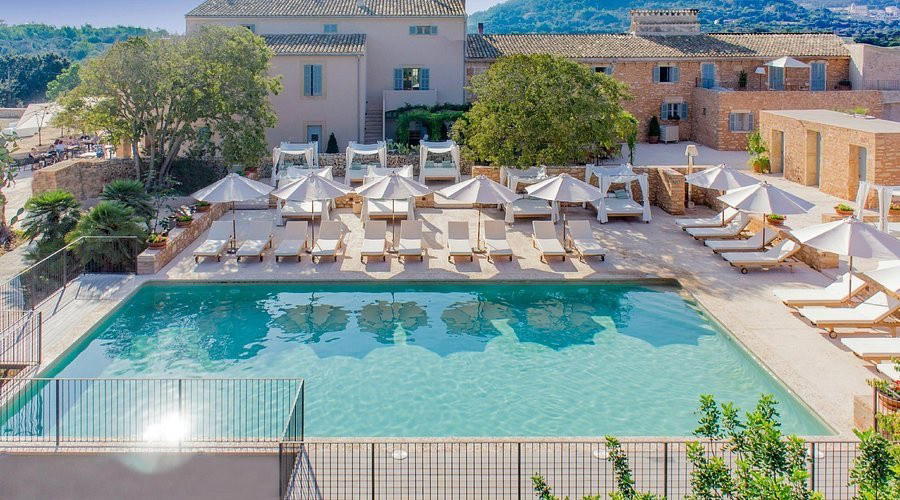
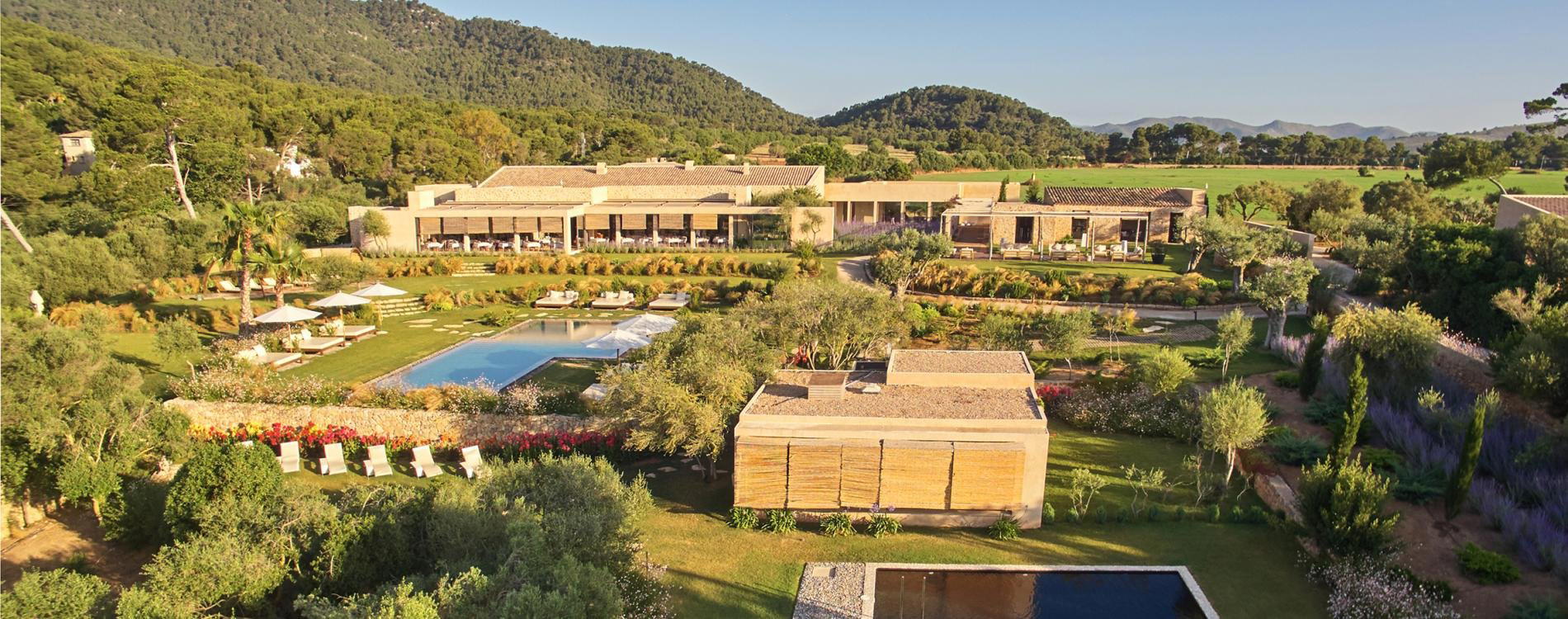
Sophisticated and contemporary, with a ‘golden’ backlit bar, comfortable lounge seating, and a relaxed yet upscale resort atmosphere that extends onto the open-air terraces in the evening.
Know Before You Go
- Getting there
- Cami de Carrossa KM 3.4, 07570 Artà, Illes Balears (main bar connected to fine dining restaurant)