Bruce
Our verdict
Bruce sits inside the wider Los Angeles restaurant conversation, where concept, neighborhood rhythm, and menu structure matter as much as formal category labels. With no fixed cuisine or price signal attached, it is better read through the city’s flexible dining culture than through a narrow genre box.

Pearl is the En Primeur Club membership app — saves, bookings, and concierge access live there. Same editors, same standards.
- Address
- Los Angeles, United States

The menu
What to order
- Pastina with saffron and Parmesan brodo
- Tuna tostada with jamón
- Crispy sweetbreads with gribiche
- Salt-and-pepper shrimp with capers and roasted peppers
Los Angeles dining venues often announce themselves less through ceremony than through a sequence of cues: the pace of the room, the way the menu is divided, the balance between casual appetite and serious cooking. Bruce belongs to that city grammar. In a market where a venue can move between neighborhood regularity, ambitious cooking, and low-intervention informality without changing its outward posture, the useful question is not only what is being served, but how the menu asks a diner to behave.
That distinction matters in Los Angeles. The city has never relied on a single dining center or a uniform fine-dining code. Different parts of the city read differently from one another, and a venue name without a heavy public apparatus can still fit a recognizable local pattern: compact identity, flexible service, and a menu that has to do the explanatory work once the diner is seated. For a broader map of that range, our full Los Angeles restaurants guide is the better starting point than any single cuisine label.
A Los Angeles menu is often the argument
Menu architecture in Los Angeles tends to reveal a venue’s priorities before the first plate arrives. A short menu signals confidence in repetition and sourcing. A long menu usually points toward comfort, volume, or a kitchen built for different appetites at the same table. A tasting format asks diners to surrender sequence; an à la carte structure keeps control in the room. Without a provided cuisine category or signature dish attached to Bruce, the editorial read should stay with that framework: judge the venue by the way the menu organizes appetite, not by forcing it into a borrowed category.
This is also where Los Angeles differs from more centralized dining cities. The local restaurant scene is comfortable with hybrid identity. A room can feel casual and still cook with discipline; a menu can draw from several traditions without presenting itself as fusion theater. That looseness is not a flaw. It is part of the city’s operating system, shaped by immigration, climate, car culture, and neighborhood-specific demand. Reference points across Los Angeles dining show the spread: some rooms connect relaxed cooking to polished hospitality, others work through more tightly defined culinary registers, and still others show how format can be as defining as cuisine.
The available public signal for Bruce is limited to its Los Angeles listing and description context, which changes how the venue should be approached. In Los Angeles, formal recognition and guide listings can help sort parts of the upper tier, but they do not capture the full value of the city’s dining culture. Many useful meals happen outside the level of national attention, especially in places where the menu is built for repeat local use rather than destination theatre. Bruce should therefore be read with a practical critic’s eye: look for clarity in the menu, consistency in the room, and whether the kitchen’s range feels intentional rather than padded.
Context matters more than category here
Los Angeles rewards diners who compare across formats rather than chase a single hierarchy. A counter-service meal, a bar-led evening, a polished dining room, and a small independent kitchen can all be relevant to the same night, depending on timing, appetite, and mood. Other Los Angeles dining rooms may occupy very different registers, but they underline the point: in this city, the format often tells the diner as much as the cuisine label.
That same logic extends beyond restaurants. Los Angeles hospitality is spread across hotels, bars, cultural programming, and even regional wine conversations rather than concentrated in one formal district. Readers planning a fuller stay can pair restaurant research with our full Los Angeles hotels guide, our full Los Angeles bars guide, our full Los Angeles wineries guide, and our full Los Angeles experiences guide. The city is easier to understand when dinner is treated as one part of a wider itinerary rather than an isolated reservation.
The broader West Coast and Pacific dining network adds useful context too. Small-format venues can show how a specific service model anchors identity, while coastal dining rooms elsewhere point to wider conversations around place, sourcing, and cultural memory. Even farther afield, dining rooms in other cities demonstrate how a format can carry as much meaning as its address. Bruce sits best inside that kind of comparison: not as a fixed cuisine label, but as a Los Angeles venue whose value has to be read through how it operates.
How to read Bruce before committing an evening
The editorial case for Bruce is not built on a named chef or a declared cuisine category. It rests on a more Los Angeles-specific premise: some dining venues are better understood through menu structure, room rhythm, available public context, and fit within the city’s decentralized dining culture. That makes it a candidate for diners who are comfortable assessing a place on its own operating logic rather than requiring a heavily signposted genre. In a city full of venues competing for attention through spectacle, the quieter test is often the sharper one: does the menu know what kind of night it is trying to create?
Frequently asked questions
How far ahead should I plan for Bruce?
Plan based on Bruce in Los Angeles as a dining reservation rather than a casual walk-in. Without a stated hours or booking policy in the public record, the sensible approach is to allow extra lead time for peak evenings. Check the venue's official channels for the latest details.
What's the signature at Bruce?
Bruce does not list a signature dish or tasting format in the public record. That leaves Los Angeles dining at Bruce to be read through the room and the menu when the venue is specified. Check the venue's official channels for the latest details.
Can Bruce adjust for dietary needs?
Dietary handling at Bruce is not specified in the public record, so any accommodation should be confirmed directly before a visit. The only fixed point here is the venue’s Los Angeles location. Check the venue's official channels for the latest details.
Is Bruce good for families?
Bruce’s family fit depends on its room and service style, neither of which is detailed in the public record. For a Los Angeles dinner, that makes it a question of the occasion as much as the address. Check the venue's official channels for the latest details.
Continue exploring
More in Los Angeles
Restaurants in Los Angeles
Browse all →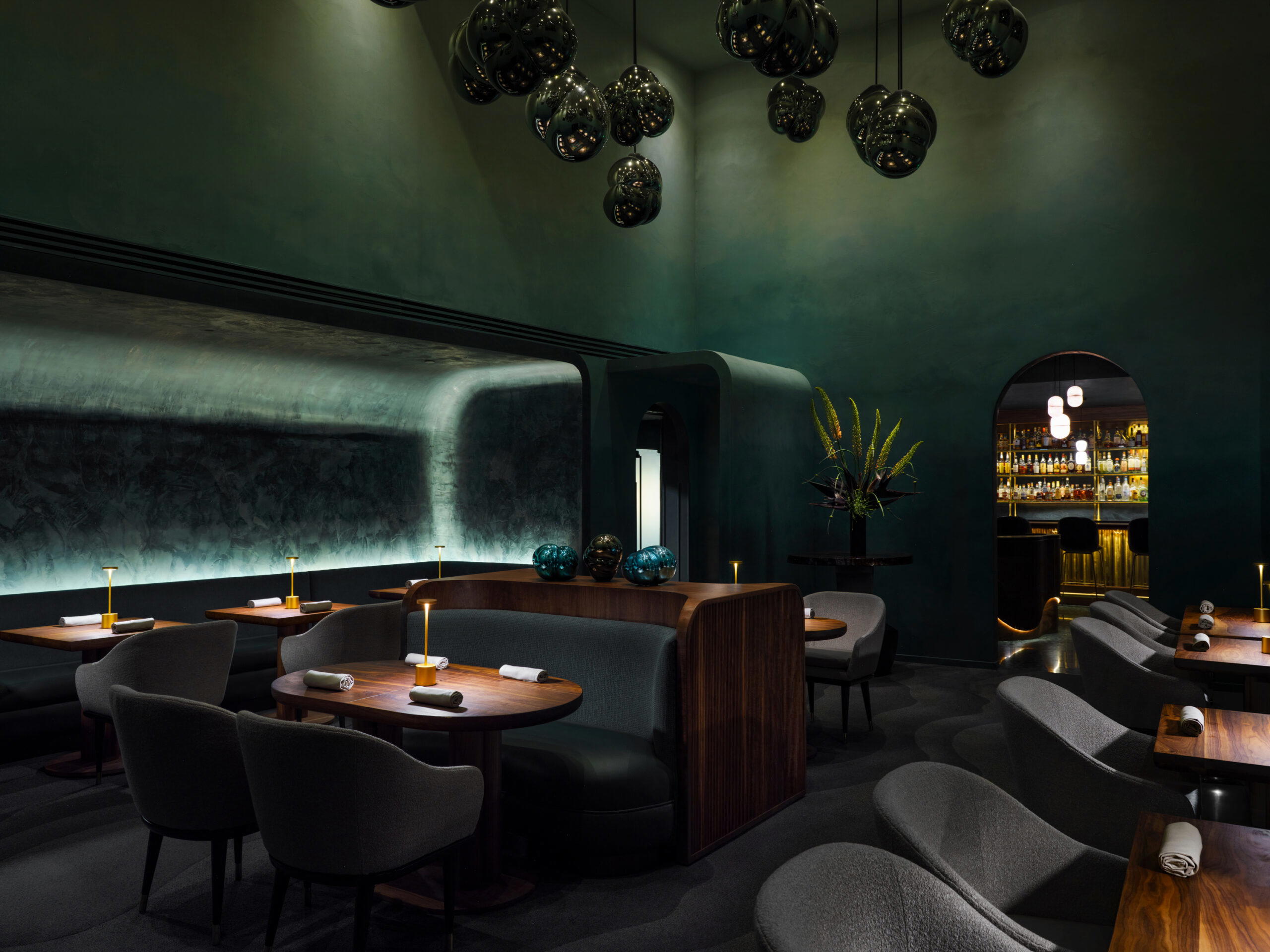
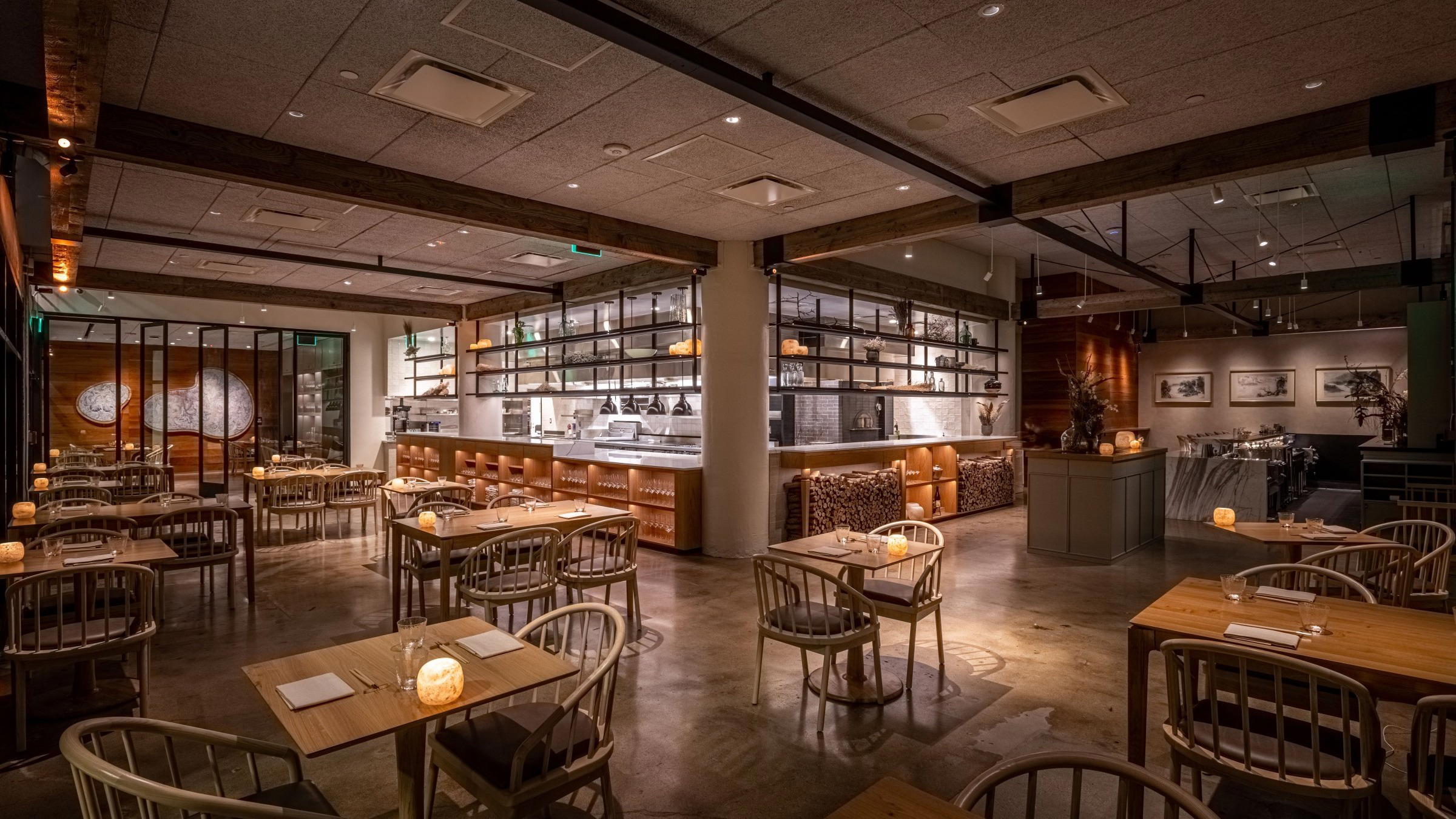
Bars in Los Angeles
Browse all →

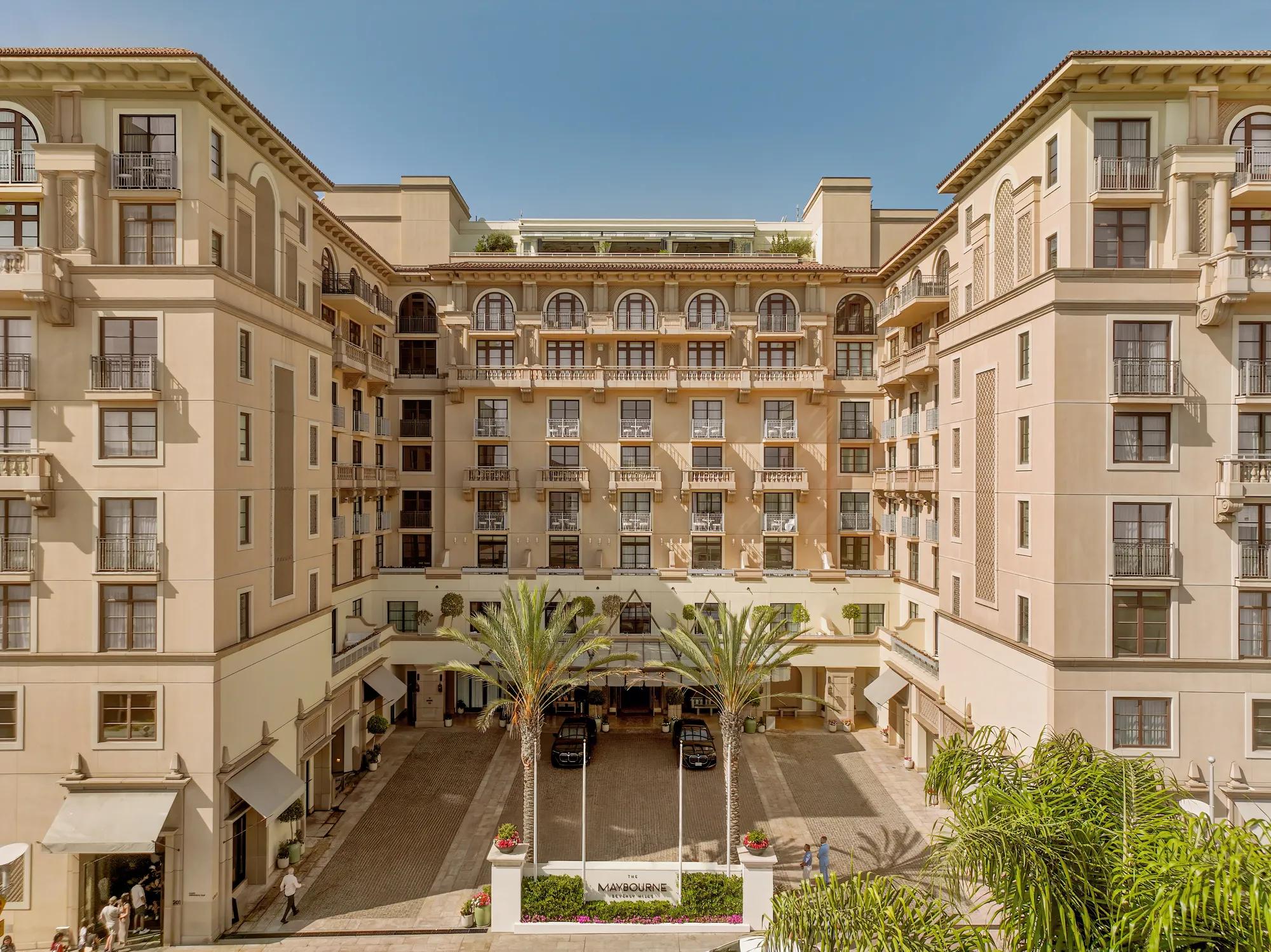
Hotels in Los Angeles
Browse all →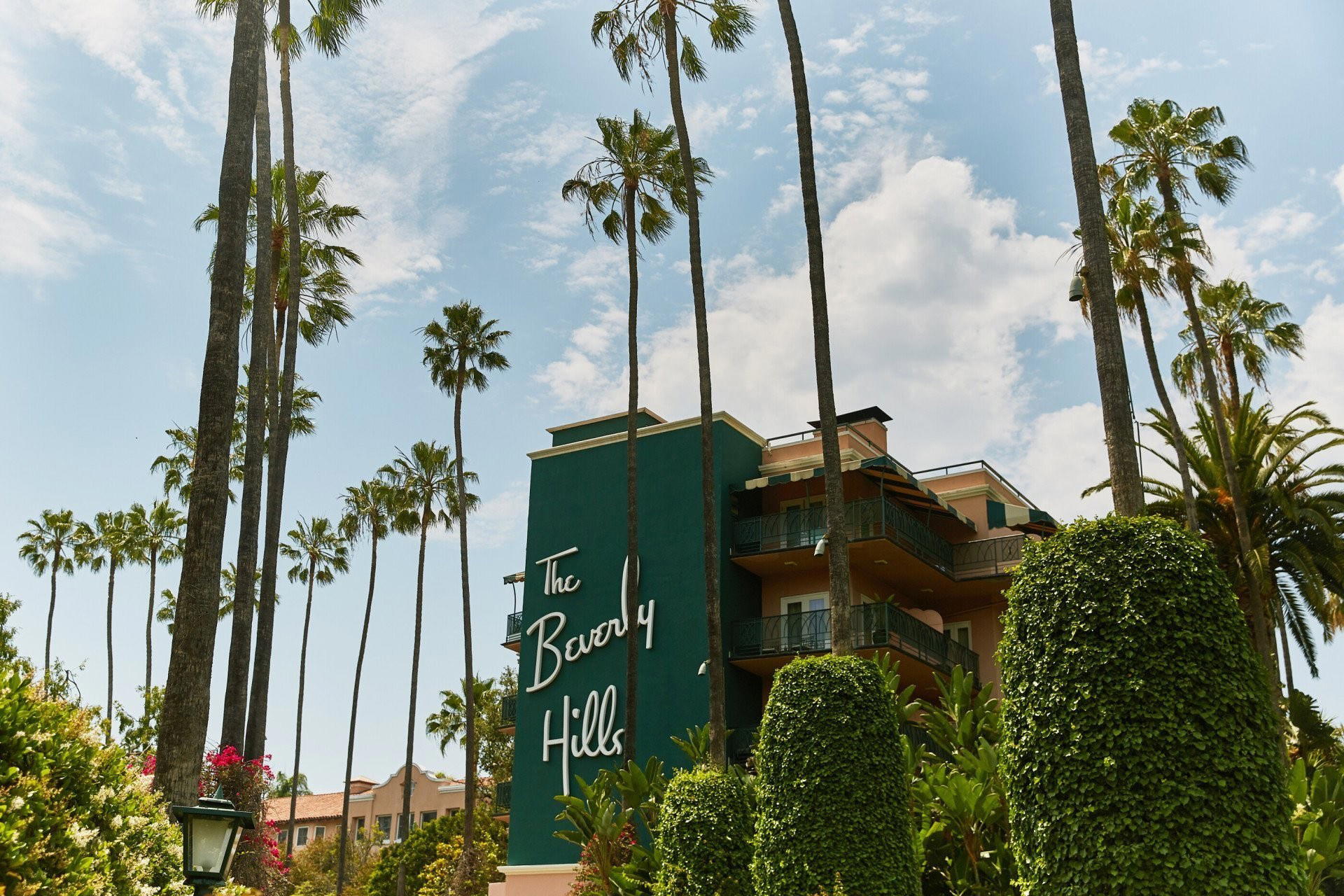
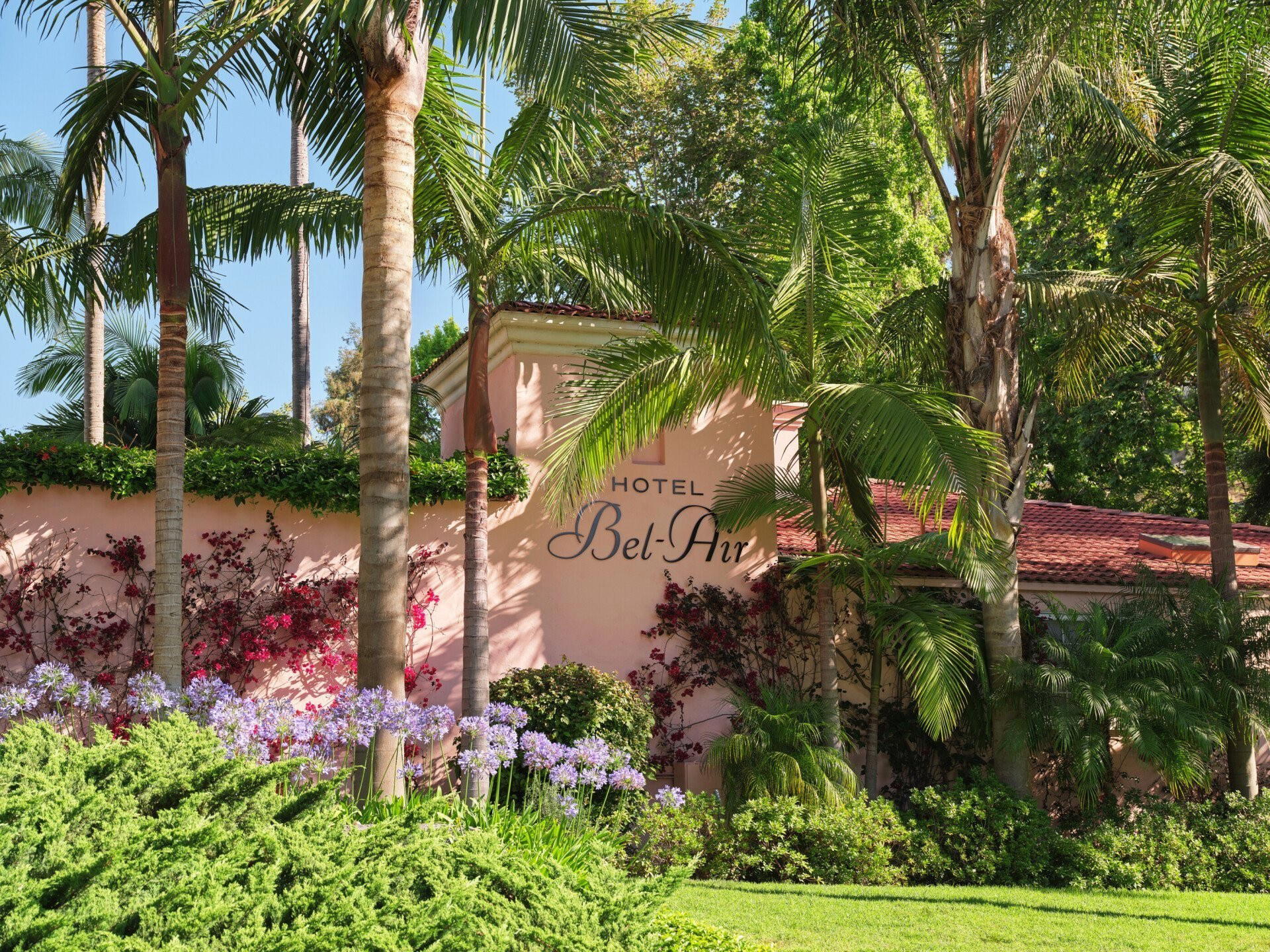
Wineries in Los Angeles
Browse all →
Bruce
The wine
- Wine program
- Exceptional wine program
- Extensive wine list
- Sommelier-led
- Natural wine
Details
- Lively
- Intimate
- Trendy
- Cozy
- Date Night
- Casual Hangout
- After Work
- Group Dining
- Late Night
- Open Kitchen
- Standalone
- Design Destination
- Natural Wine
- Extensive Wine List
- Sommelier Led
- Natural Wine
- Small Plates
- A La Carte
- Wine
- Natural Wine