Brick 29
Our verdict
Brick 29 sits at the intersection of Nampa's quietly evolving dining scene and the broader Idaho farm-to-table movement that has been reshaping how the Treasure Valley eats. Located at 320 11th Ave S, the restaurant draws on the agricultural depth of the surrounding region, where sourcing decisions carry real weight. For visitors arriving from Boise or passing through southwestern Idaho, it represents a serious local dining stop worth planning around.

Pearl is the En Primeur Club membership app, where members save venues, book tables and use the concierge.
The menu
What to order
- Blueberry Pork Chop
- Filet Mignon
- Wild Salmon
What Nampa's Dining Scene Looks Like From the Inside
Nampa does not announce itself the way Boise does. It is a working city in the Treasure Valley, surrounded by some of Idaho's most productive farmland, and its restaurant scene has developed without the benefit of food-media attention that tends to accelerate urban dining cultures. What that produces, in pockets, is something more grounded: kitchens that source from nearby because nearby is genuinely excellent, not because the menu needs a talking point. Brick 29, at 320 11th Ave S, occupies that quieter register. It is the kind of place that reflects its geography honestly, and in a region where the agricultural calendar still shapes daily life, that connection to local supply chains matters more than it might in a city insulated from its own food origins. For a broader map of where Brick 29 fits among Nampa's options, our full Nampa restaurants guide is a useful starting point.
The Physical Setting and What It Signals
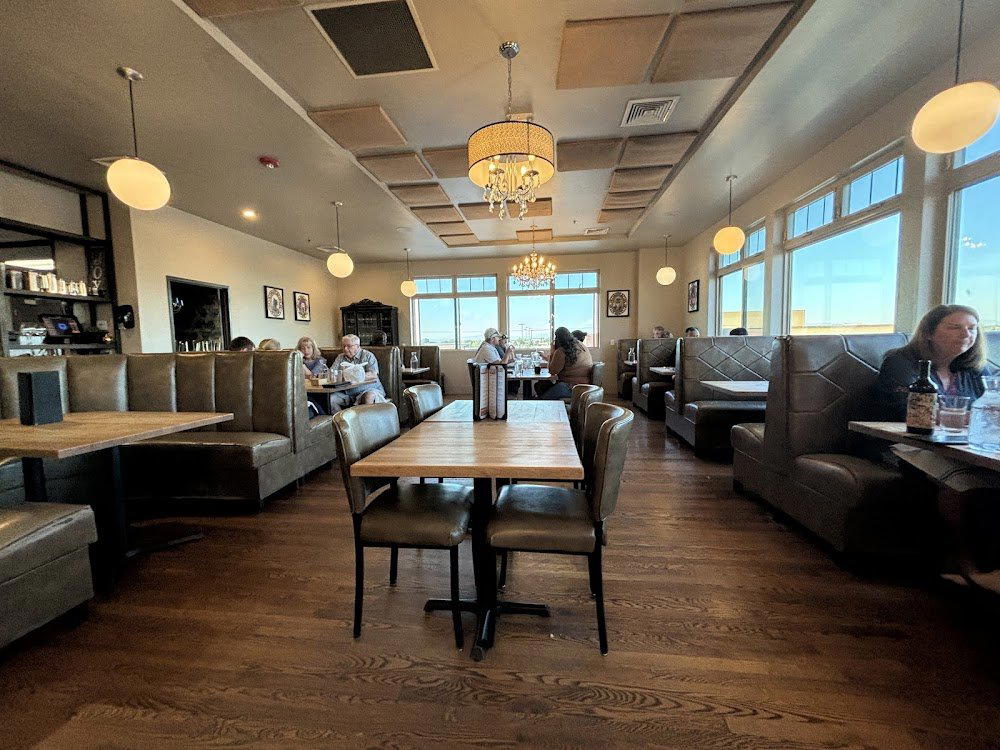
Walking into Brick 29, the address itself tells part of the story. Suite 300 within a building on 11th Avenue South places it in downtown Nampa's modest commercial fabric, away from the tourist infrastructure that frames so many dining experiences in larger cities. The interior, by most accounts, reads as a deliberate step up from the city's casual baseline: the kind of room that signals serious intent without overreaching into the formality that can feel imported and unconvincing outside major metropolitan markets. In the Mountain West, that calibration is harder than it looks. The dining rooms at Alinea in Chicago or Le Bernardin in New York City operate inside ecosystems built over decades. A room in Nampa earns its tone through different means: consistency, a loyal local following, and food that justifies the atmosphere rather than the reverse.
Ingredient Sourcing as the Central Editorial Fact
The agricultural context surrounding Nampa is not incidental to understanding Brick 29. Idaho's Treasure Valley produces a range of crops that few regions outside California's Central Valley can match in breadth: potatoes in quantities that define the state's identity, but also stone fruits, dairy, lamb, and beef from the high desert ranches that stretch north and east toward the Sawtooth foothills. The question any farm-adjacent restaurant in this region has to answer is whether the sourcing is structural, meaning it shapes what appears on the menu and when, or decorative, meaning it supplies a few items and a paragraph. The leading examples of the former model in American dining include places like Blue Hill at Stone Barns in Tarrytown, where agricultural adjacency is the operating premise of the kitchen, and Single Thread Farm in Healdsburg, where farm, inn, and restaurant function as an integrated system. Brick 29 operates on a different scale and in a different market, but the underlying question of sourcing seriousness applies just as cleanly here as it does at those nationally recognized addresses.
In the broader Mountain West, a small number of kitchens have made ingredient provenance a genuine organizing principle rather than a marketing frame. Brutø in Denver and Frasca Food and Wine in Boulder both represent the kind of regional commitment to sourcing that has raised expectations for what a serious dinner in the Rockies and high plains can look like. Brick 29 draws from a supply base that is, in raw agricultural terms, at least as strong as what those kitchens work with, even if the dining market it serves is considerably smaller.
Where Brick 29 Sits in Its Competitive Set
Those kitchens operate inside deeply resourced urban dining ecosystems with international reservation demand and price points that reflect both. The relevant question for Brick 29 is what it means to run a serious, sourcing-conscious restaurant in a secondary Idaho city, against competition that ranges from national chains to independent casual spots, without the anchor of a Boise address. That is a harder positioning challenge than it appears. Restaurants that have navigated similar terrain in secondary American markets include Bacchanalia in Atlanta, which built a farm-sourcing model into a city that lacked a clear fine-dining tradition when it opened, and Addison in San Diego, which operates in a market where the dining culture has historically lagged its population size. The comparison points matter because they frame what ambition looks like outside coastal dining capitals.
For travelers arriving from further afield who want to understand where Brick 29 fits on a national spectrum of ingredient-focused American restaurants, the more technically ambitious examples of the format include Lazy Bear in San Francisco, with its communal-table progressive format, and The Inn at Little Washington in Washington, where sourcing from the Virginia countryside has been the kitchen's foundation for decades. International comparisons for sourcing-driven commitment might extend to 8 1/2 Otto e Mezzo Bombana in Hong Kong, where ingredient provenance operates as a core luxury signal. Brick 29 is none of these things, but it exists in the same broader conversation about why sourcing decisions define the character of a kitchen.
Planning Your Visit
Brick 29 is located at 320 11th Ave S, Suite 300, in downtown Nampa, Idaho. Nampa sits roughly 20 miles west of Boise along Interstate 84, making it accessible as either a destination in its own right or a stop within a broader southwestern Idaho itinerary. Given Nampa's scale, walk-in availability may be more realistic here than in larger markets, but for weekend dining, contacting the restaurant ahead is advisable. Dress code expectations in this market tend toward the relaxed end of smart casual.
Frequently asked questions
Does Brick 29 work for a family meal?
Brick 29's downtown Nampa location at 320 11th Ave S places it in a setting that draws a cross-section of local diners, which typically includes families. The suite-style address within a mixed-use building suggests a sit-down format rather than a quick-service environment. For specific age-suitability or children's menu options, contacting the restaurant directly before visiting is the practical approach.
What should I expect atmosphere-wise at Brick 29?
The address, Suite 300 within a building on 11th Avenue South in downtown Nampa, points to a structured dining room rather than an open street-front casual spot. Nampa itself is a working city in the Treasure Valley, and its restaurant scene skews toward grounded, neighbourhood-focused dining rather than the more performative formats found in Boise. Expect a room shaped by its local context.
Is Brick 29 a good option for dinner before or after a Boise event?
Nampa sits roughly 20 miles west of Boise along Interstate 84, making Brick 29 at 320 11th Ave S a workable stop for those moving between the two cities. It positions itself as a serious dining destination within the Treasure Valley rather than a convenience stop, so the meal warrants its own scheduling rather than a rushed pre-event visit. Check current hours directly with the restaurant before planning around a Boise event time.
What should I order at Brick 29?
Brick 29 operates in the agricultural heart of Idaho's Treasure Valley, one of the country's more productive growing regions, which makes ingredient sourcing a defining editorial fact about the kitchen. Dishes tied to local produce and regional Idaho ingredients are the category most worth exploring here. For current menu specifics, the restaurant's own listings will give the most accurate picture.
Where do I go for Brick 29?
Brick 29 is located at 320 11th Ave S Suite#300, Nampa, ID 83651, Nampa.
A Quick Peer Check
Comparable venues nearby, for context on price, style, and recognition.
| Venue | Cuisine | Price | Notes |
|---|---|---|---|
| Brick 29This venue (the venue you are viewing) | Modern American Bistro | $30–50 | Not listed |
| Pioneer Saloon | Classic American Steakhouse | $30–50 | Ketchum |
Continue exploring
More in Nampa
Restaurants in Nampa
All restaurants in Nampa →
Bars in Nampa
All bars in Nampa →
Hotels in Nampa
Browse all →
Wineries in Nampa
Browse all →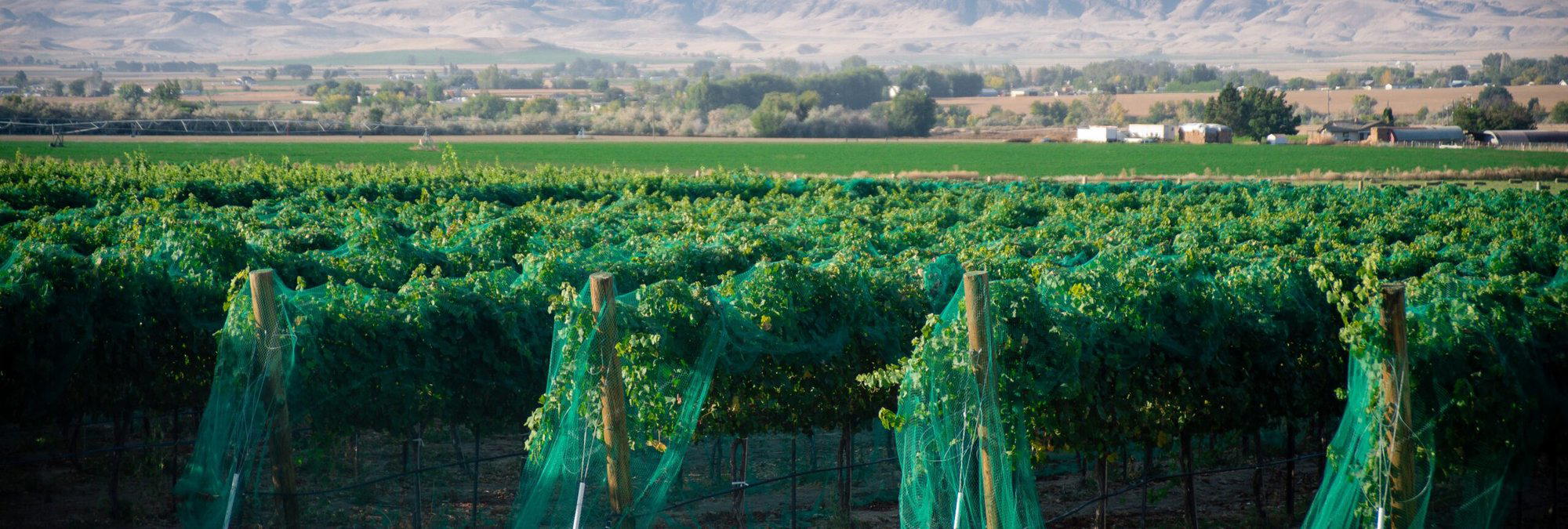
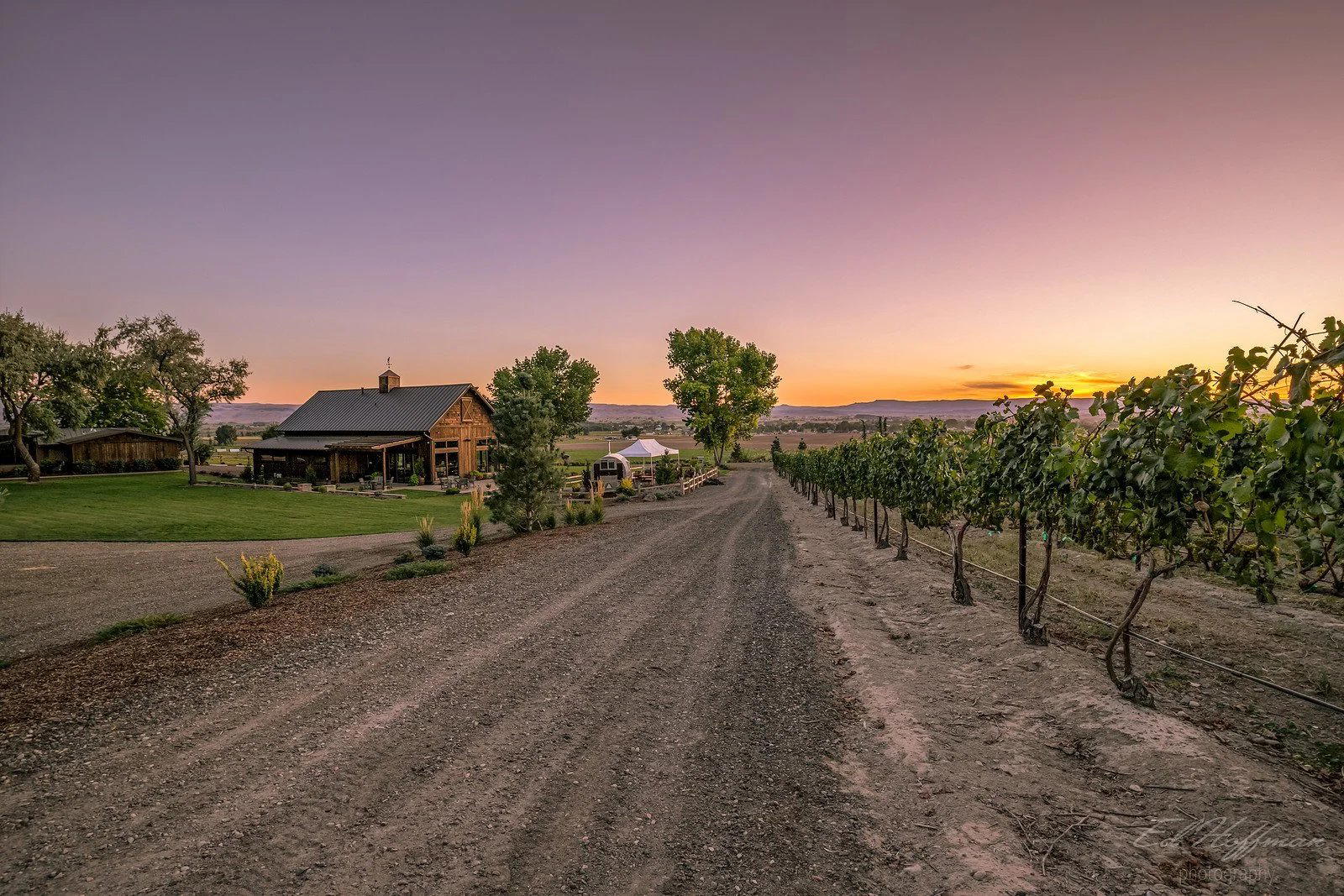
Details
- Cozy
- Elegant
- Intimate
- Historic
- Date Night
- Special Occasion
- Historic Building
- Craft Cocktails
- Local Sourcing
- Farm To Table
- A La Carte
- Vegetarian Friendly
- Vegan Options
- Gluten Free Options
Current opening hours
- Monday
- Closed
- Tuesday
- 11 AM–9 PM
- Wednesday
- 11 AM–9 PM
- Thursday
- 11 AM–9 PM
- Friday
- 11 AM–9 PM
- Saturday
- 11 AM–9 PM
- Sunday
- Closed
Hours can change for holidays and private events. Hours as of .
Cozy speakeasy vibe accessed by elevator, with classy decor, attentive service, and acoustics that increase noise as it fills up.