Our verdict
Bräustüberl puts Munich’s beer-hall grammar in focus: grain, malt, pork, potatoes, cabbage and bread doing the cultural work that tasting menus often over-explain. Its Stiglmaierplatz setting places it in a city where traditional tavern eating remains a serious category, not a nostalgic sideshow, with the value lying in sourcing logic and format rather than awards theatre.

Pearl is the En Primeur Club membership app, where members save venues, book tables and use the concierge.
The menu
What to order
- Schweinsbraten (roast pork)
- Haxe (pork knuckle)
- Weißwürste (white sausages)
- Brotzeit platters
- Bayerische Schmankerl
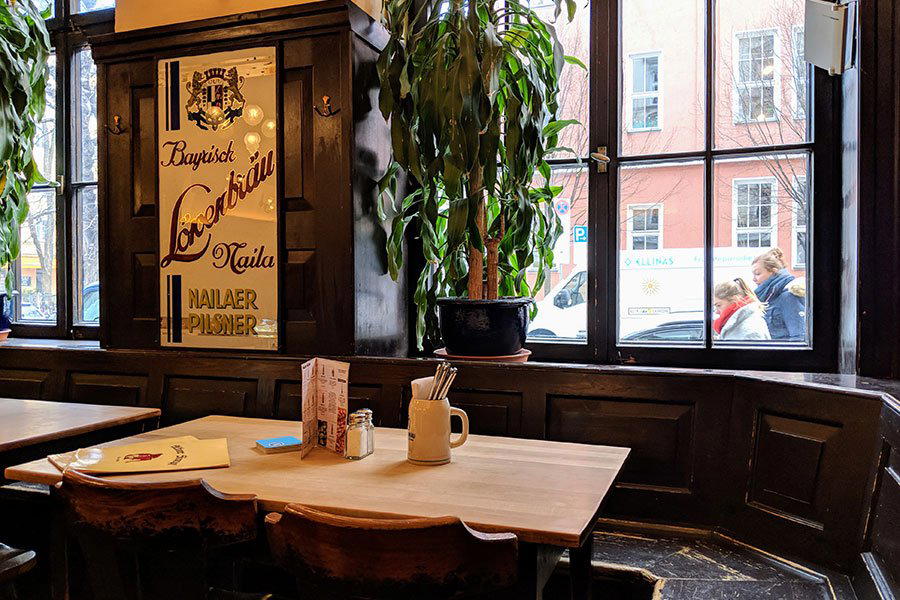
Approaching Munich, the city changes register: tram lines, traffic, brewery memory and the heavier rhythm of tavern eating replace the polished calm of hotel dining rooms. Inside this tradition, the room matters because it frames the food before a plate arrives. Wood, beer, bread, salt, steam and conversation are not decorative cues; they are the operating system of the Munich Bräustüberl, where appetite is measured against malt and comfort rather than against plating ambition.
That context is useful because Munich can now be read in two different ways. One version is contemporary, international and reservation-led, visible across other Munich dining rooms and more globally minded addresses. The other is older and more stubborn: beer as the organizing drink, bread as infrastructure, hearty plates as the economic base, and sharp, creamy or earthy accents doing quiet corrective work on richness. Bräustüberl belongs to the second Munich, the one that explains why local dining cannot be reduced to fine-dining rankings.
Beer-hall food is a sourcing argument before it is a menu
The Bavarian tavern plate is built from supply chains that predate trend language. Grain becomes beer and bread. Substantial cooking can anchor the table because the format developed around preservation, portioning and economy. Starches, vegetables and sauces extend the meal without pretending to be background. In a good reading of the format, the point is not novelty; it is whether the kitchen respects weight, fat, acidity and temperature in a way that makes a beer-led meal coherent.
This is where ingredient sourcing matters. The category rewards kitchens that understand how local staples behave at scale: starch needs enough structure to hold sauce, acidity needs enough force to cut richness, bread needs crust and chew, and beer needs food with salt, roast or deeper savoury character rather than delicate perfume. Munich’s more global tables may compete through technique and authorship, but tavern cooking competes through procurement discipline and repetition. A Bräustüberl cannot hide behind a single composed dish; it is judged by the reliability of ordinary ingredients under pressure.
That makes the format more serious than visitors sometimes allow. In Paris, a bistro can be treated as cultural shorthand; in Munich, the beer hall often gets flattened into spectacle. The better comparison is not costume but continuity. Löwenbräukeller, also in Munich, sits in the city’s grand beer-hall conversation, while Shandiz, Restaurant Kabul, Japan Sushi Gourmet and Hamburgerei EINS point to the breadth of everyday eating around the same city. Against that spread, Bräustüberl reads as a local anchor: not the experimental edge, but a useful measure of how Munich’s older food grammar holds its ground.
The room tells you how to order
Beer-hall dining asks for a different kind of attention from a counter tasting menu. The intelligence is in pacing and proportion. Order as though beer is part of the meal’s architecture, not an accessory. Choose dishes that make sense with malt, bitterness and carbonation: preparations with roast, salt, braise, pickle, pan heat or bread at their centre tend to sit naturally in this register. The mistake is to treat the table like a checklist of Bavarian clichés. The sharper move is to read the menu by texture: crisp against soft, fat against acid, starch against sauce.
Munich’s appeal for serious eaters lies in that range. A day can move from tavern food to international cooking, contemporary dining or modern local technique without leaving the city’s restaurant map. For broader planning, Our full Munich restaurants guide gives the useful sweep, while Our full Munich hotels guide, Our full Munich bars guide, Our full Munich wineries guide and Our full Munich experiences guide place the meal inside a wider trip. The point is not to rank tavern cooking against tasting-menu dining. It is to understand that Munich needs both to make sense.
There is also a German national context worth keeping in view. Regional eating changes quickly once the city changes: some places sell culture through walking formats, others lean into quieter dining rooms, small-town restaurants, grill-led registers or southern dining vocabularies far from Munich’s malt-and-dumpling axis. Even outside Germany, ingredient minimalism can travel in completely different forms. Those comparisons help clarify the point: Bräustüberl is not trying to be everywhere at once. It makes the most sense when read as part of Munich’s own beer-led grammar.
When a traditional table is the right Munich choice
Bräustüberl makes sense when the brief is Munich rather than novelty: a beer-led meal, a room with civic noise, and food whose logic comes from agriculture, brewing and repetition. The available record presents it as a Munich beer-hall dining venue, which matters if the meal is being chosen for category and atmosphere rather than for a formal fine-dining script. For a traveller trying to understand the city through what it eats and drinks, the stronger signal is category fit. This is the kind of address that explains why Bavarian food remains durable: it is built from ingredients that belong to the region, served in a format that does not need translation.
Frequently asked questions
Would Bräustüberl be comfortable with kids?
Yes. Bräustüberl is in Munich, and its beer-hall format is typically more relaxed and group-friendly than formal dining rooms. The room suits a slower family meal rather than a terse counter experience.
What's the overall feel of Bräustüberl?
Expect a Bavarian beer-hall atmosphere in Munich, with the venue anchored in the city rather than a destination enclave. The format points to communal, beer-led dining instead of a tasting-menu script.
Where is Bräustüberl located?
Bräustüberl is located in Munich.
Do I need a reservation for Bräustüberl?
Planning ahead is sensible if the timing matters. In Munich beer halls, service can sometimes work for spontaneous arrivals, but peak lunch and evening periods may be busier. Check the venue's official channels for the latest details.
What do critics highlight about Bräustüberl?
Critics tend to focus on the essentials: a Munich beer-hall setting and the kind of room built around communal dining. The appeal sits in format and place, not in chef-driven theatrics.
Can Bräustüberl handle vegetarian requests?
Check the venue's official channels for the latest details.
Fast Comparison
Comparable venues by cuisine and price in the same metro.
| Venue | Cuisine | Price |
|---|---|---|
| BräustüberlThis venue (the venue you are viewing) | Traditional Bavarian Bräustüberl & beer hall | $30–50 |
| Shandiz | Persian Grill | $20–30 |
| Löwenbräukeller | Traditional Bavarian Beer Hall | $30–50 |
| Restaurant Kabul | Authentic Afghan | $20–30 |
| Japan Sushi Gourmet | Authentic Japanese Sushi | $10–20 |
| Hamburgerei EINS | Craft Bavarian Burgers | $10–20 |
Continue exploring
More in Munich
Restaurants in Munich
All restaurants in Munich →
Bars in Munich
All bars in Munich →
Details
- Lively
- Classic
- Well Known
- Energetic
- Rustic
- Group Dining
- Family
- Casual Hangout
- After Work
- Celebration
- Private Event
- Historic Building
- Private Dining
- Standalone
- Beer Program
- Local Sourcing
- Street Scene
- A La Carte
- Family Style
- Lager Beer
- Wheat Beer
- Seasonal Beer Specialties
- Vegetarian Friendly
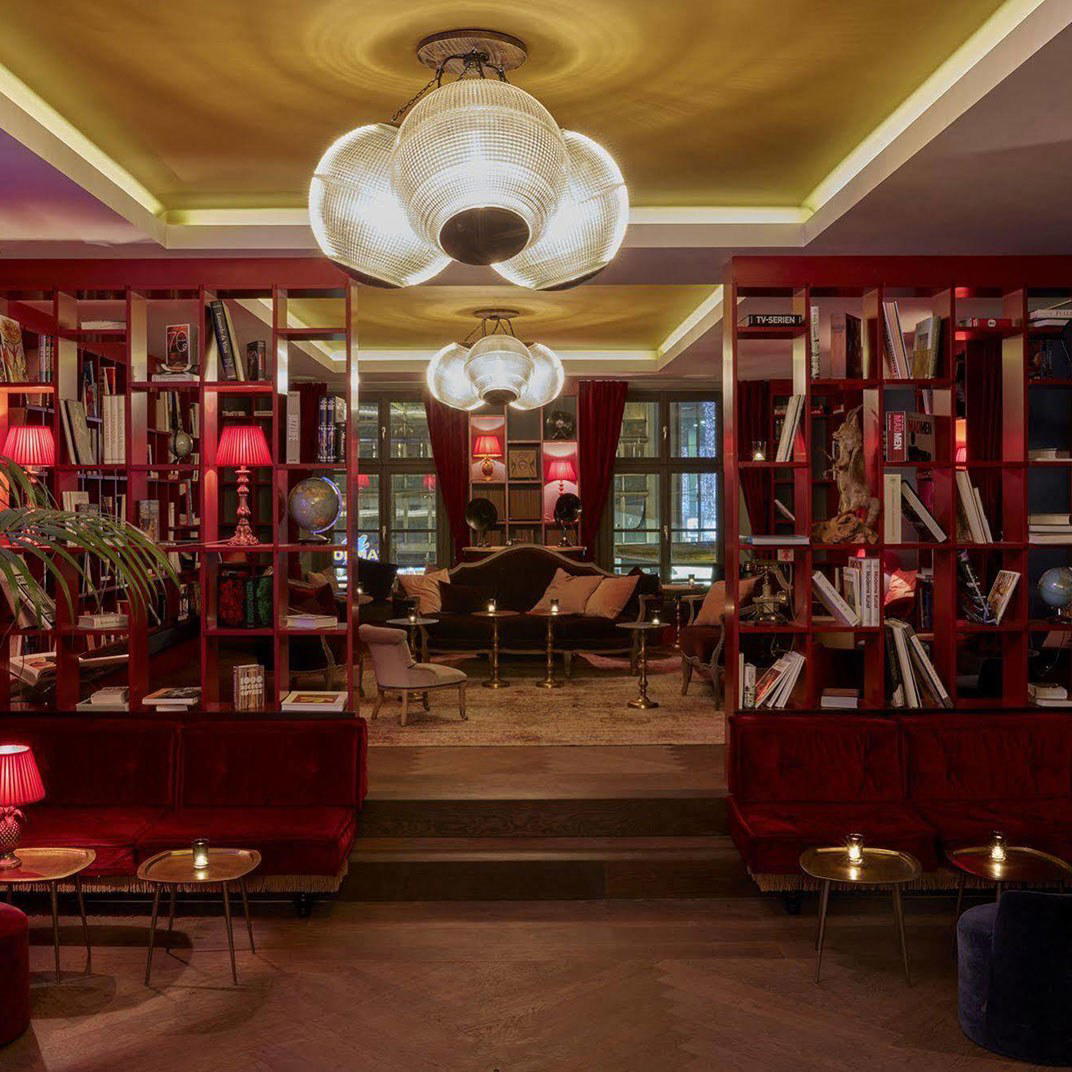
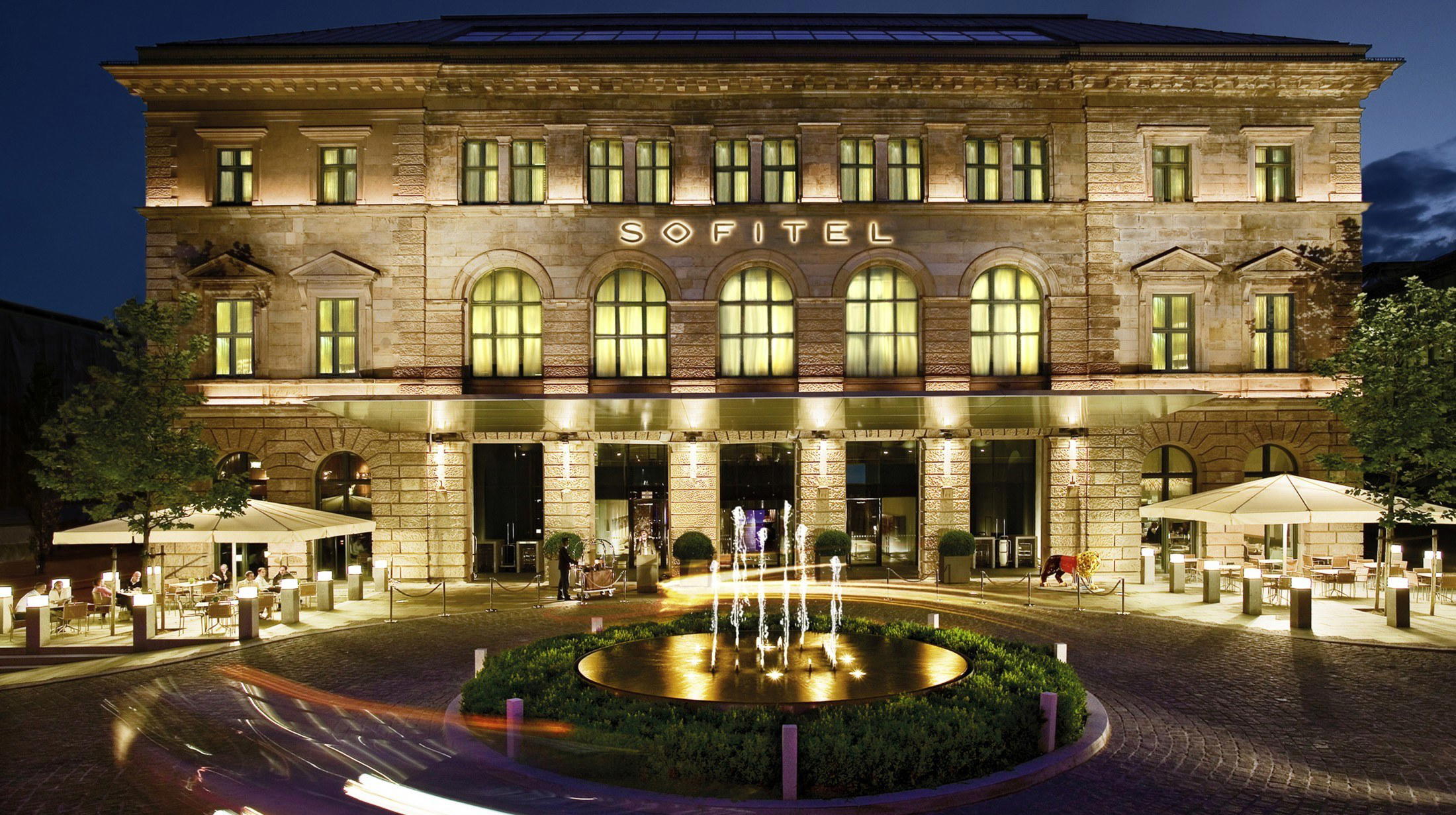
Traditional vaulted beer hall with lovingly restored brick and stone ceilings, large wooden tables, and a bustling, convivial atmosphere typical of a classic Bavarian Wirtshaus.