Brasserie Kunsten sits at Kong Christians Alle 50 in central Aalborg, positioned within the cultural district anchored by the Kunsten Museum of Modern Art. The setting places it in a specific tier of Danish dining where museum adjacency shapes both format and audience. For visitors building an Aalborg itinerary around art and food, it occupies a logical stopping point between the two.
Pearl is the En Primeur Club membership app — saves, bookings, and concierge access live there. Same editors, same standards.
- Address
- Kong Christians Alle 50, 9000 Aalborg, Denmark
- Phone
- +4599824108
- Website
- kunsten.dk
- Directions
- Get directions
 Saves & bookings on Pearl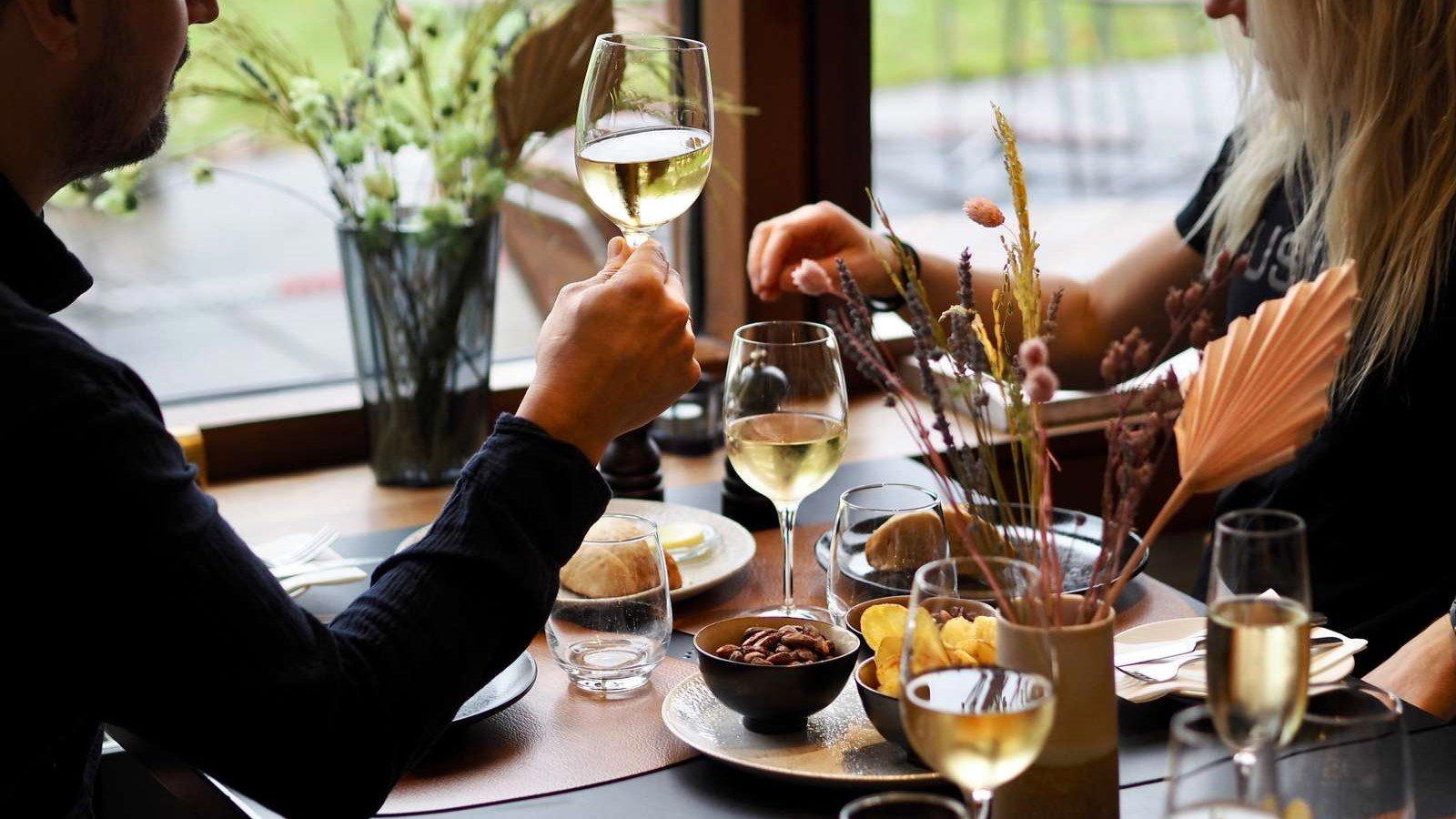
Where the Museum District Shapes the Menu
Across Scandinavia, a recognisable dining format has emerged alongside cultural institutions: the museum brasserie that operates as more than a canteen, occupying a middle register between casual café and destination restaurant. These spaces carry a particular obligation. Their audience spans locals on a weekday lunch, tourists with an afternoon between galleries, and evening diners who have chosen them deliberately. Getting that range right is harder than it looks, and the cities that do it well tend to anchor the format to a genuine culinary identity rather than generic European brasserie templates. In Aalborg, Brasserie Kunsten is a Modern Nordic Brasserie at Kong Christians Alle 50.
Aalborg's Dining Tier and Where This Fits
Aalborg is not Copenhagen, and it does not try to be. The city's restaurant scene has developed a character of its own over the past decade, with a cluster of serious kitchens operating at the €€€ tier alongside more casual neighbourhood addresses. Venues like Alimentum (Modern Cuisine) and Bach & Nurup (Creative) define the upper register of what the city currently offers, while places like Fumo, Alanya Pizza Restaurant, and Gastronomia Napolitana cover the mid-range with more focused, single-cuisine propositions. Brasserie Kunsten occupies a different position: it is defined as much by its location and context as by its cuisine category, which is the characteristic condition of the institution-adjacent brasserie format.
That format, when executed with discipline, draws on a long European tradition. The French brasserie model brought together civic life, accessible cooking, and reliable hours into a format that could serve a table of business lunchers at noon and a couple celebrating an anniversary at eight. The Danish interpretation tends to foreground seasonal produce and restrained technique over the richer saucing conventions of the French original. Whether Brasserie Kunsten leans toward that Nordic-inflected register or operates with a more classical brasserie hand is something the kitchen's current output would clarify more precisely than the address alone.
The Cultural Context of Museum Dining in Denmark
Denmark has produced particularly discussed museum dining in Europe. The relationship between cultural institutions and serious food is embedded in the country's hospitality thinking in a way that is less common further south. Restaurants inside or adjacent to museums are expected to hold their own as dining destinations, not simply as convenience stops between exhibits. This expectation has raised the baseline across the country, and it has also created a specific audience: the kind of diner who plans a museum visit around a meal rather than fitting food in around the programme.
That audience is attentive and relatively demanding. It tends to be locally rooted rather than tourist-led, which means the kitchen is accountable to repeat visitors rather than the single-visit tolerance that coastal tourist restaurants sometimes rely on. For context on what Danish fine dining looks like at its most developed tier elsewhere in the country, the trajectory runs from Geranium in Copenhagen through regional destination addresses like Frederikshøj in Aarhus and Jordnær in Gentofte. The restaurant does not operate in that tier, but the broader Danish culture of taking restaurant cooking seriously applies here too.
Other Danish addresses worth knowing for regional comparison include Henne Kirkeby Kro in Henne, Frederiksminde in Præstø, Ti Trin Ned in Fredericia, Dragsholm Slot Gourmet in Hørve, LYST in Vejle, Tri in Agger, and Pearl by Paul Proffitt in Kruså. These addresses collectively define what serious Danish cooking looks like outside the capital across a range of formats and price points.
Planning a Visit
The restaurant is located at Kong Christians Alle 50 in the 9000 postal district, placing it within walking distance of the Kunsten Museum in one of Aalborg's more composed, leafy neighbourhoods rather than the dense commercial centre. For visitors building an itinerary around the city's cultural infrastructure, combining a museum visit with a meal here follows a logical sequence. Those arriving specifically for the restaurant rather than the museum should account for the neighbourhood's quieter pace, which is different from the central waterfront energy along Aalborg's harbour development.
Price Lens
Comparable venues nearby, for context on price, style, and recognition.
| Venue | Cuisine | Price | Notes |
|---|---|---|---|
| Brasserie KunstenThis venue — the venue you are viewing | Museum District, Modern Nordic Brasserie | $$ | Not listed |
| KARMA | city center, Fusion Sushi | $$ | Not listed |
| Restaurant Applaus | Not listed | $$$ | Central Aalborg, Modern Scandinavian Fine Dining |
| Fumo | Godsbanen, Modern Neapolitan Pizza | $$$ | Not listed |
| Ubat Veggie by Tabu | Not listed | $$$ | Central Aalborg, Nordic Vegetable Fine Dining |
| Struktur | Aalborg Centrum, French-Nordic Brasserie | $$$ | Not listed |
Continue exploring
More in Aalborg
Restaurants in Aalborg
Browse all →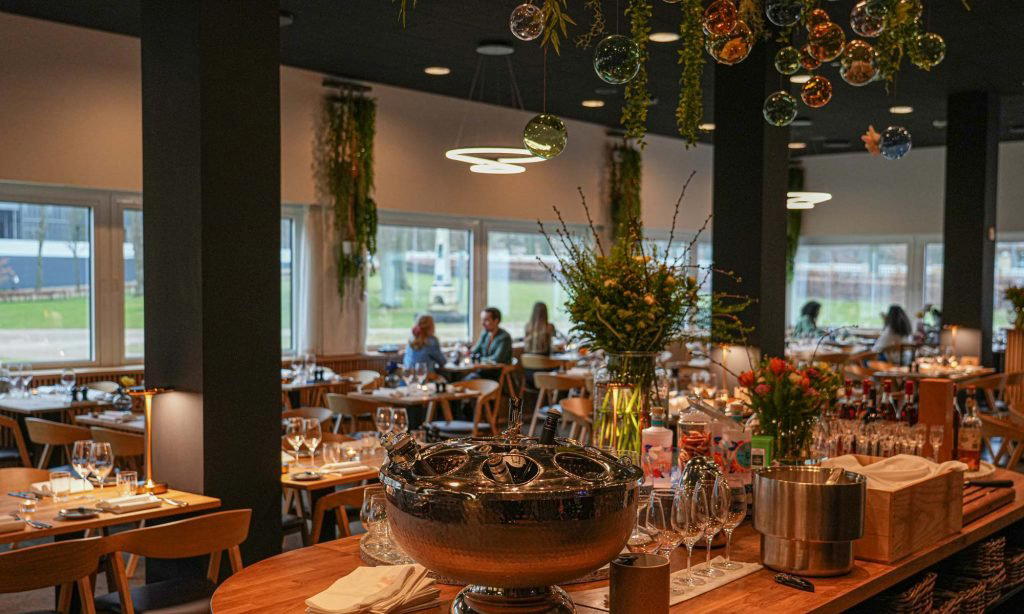
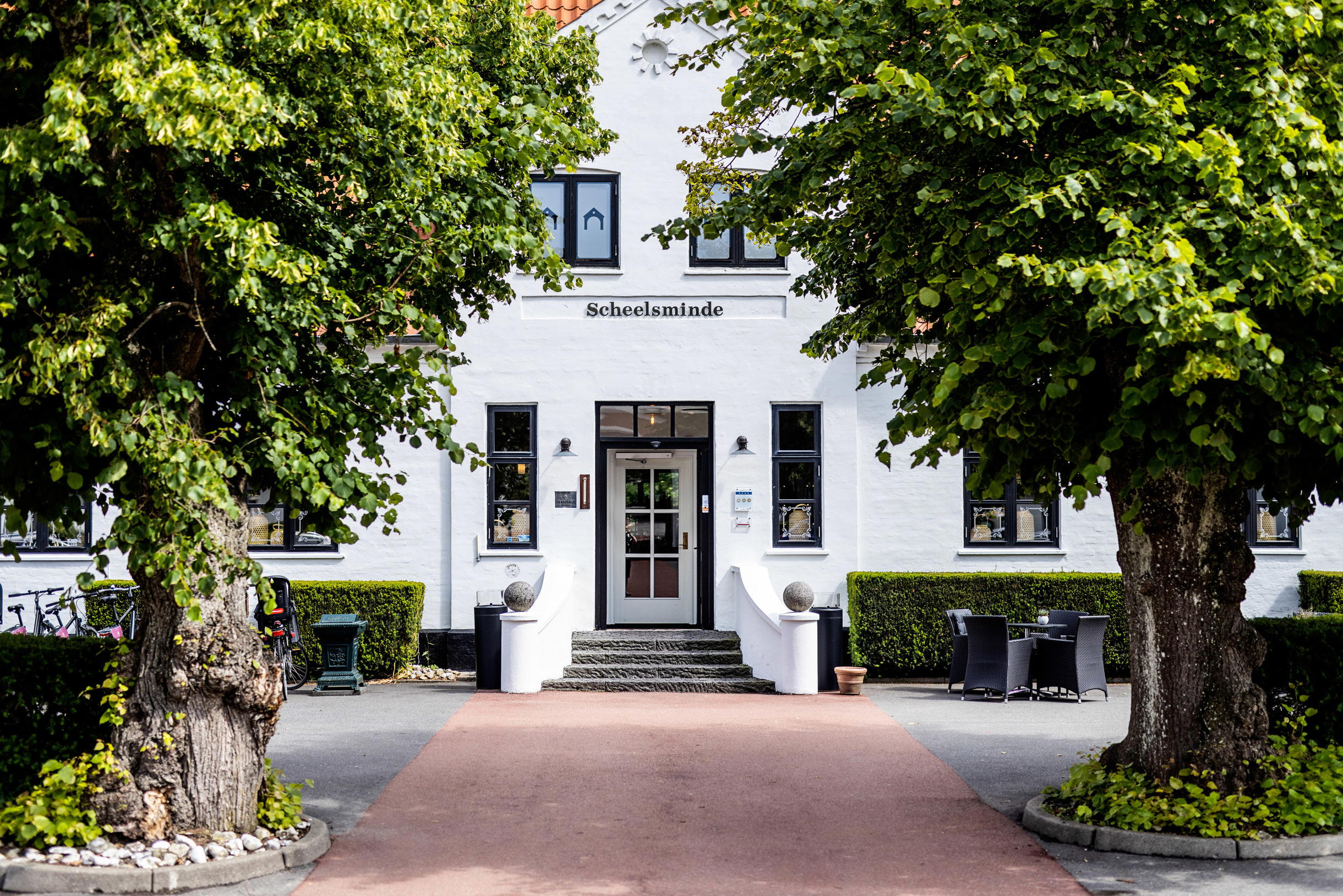
Hotels in Aalborg
Browse all →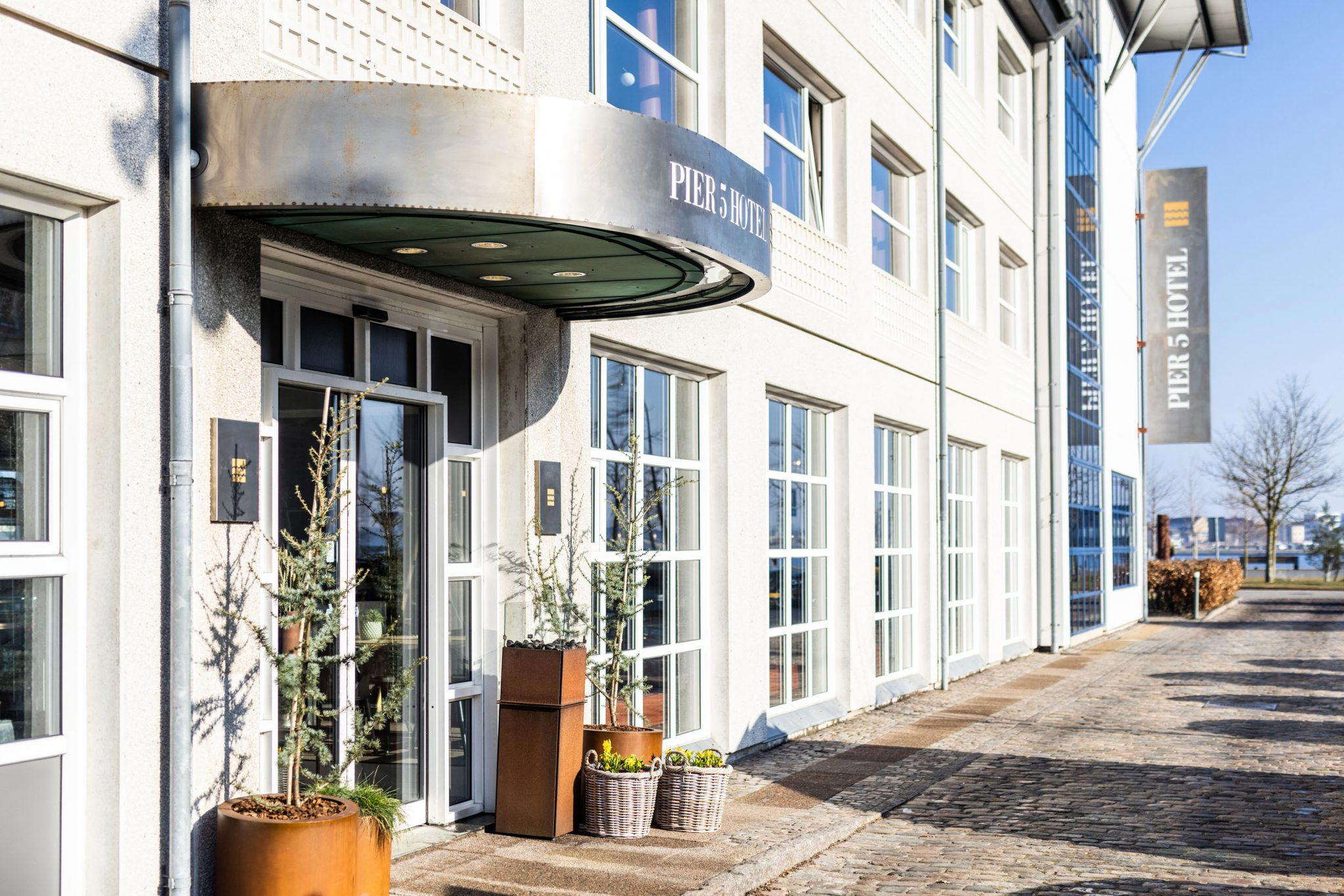
Wineries in Aalborg
Browse all →
At a Glance
- Modern
- Cozy
- Elegant
- Brunch
- Casual Hangout
- Open Kitchen
- Design Destination
- Garden
Current opening hours
- Monday
- Closed
- Tuesday
- 11 AM–5 PM
- Wednesday
- 11 AM–9 PM
- Thursday
- 11 AM–9 PM
- Friday
- 11 AM–5 PM
- Saturday
- 10 AM–5 PM
- Sunday
- 10 AM–5 PM
Hours can change for holidays and private events. Last verified .
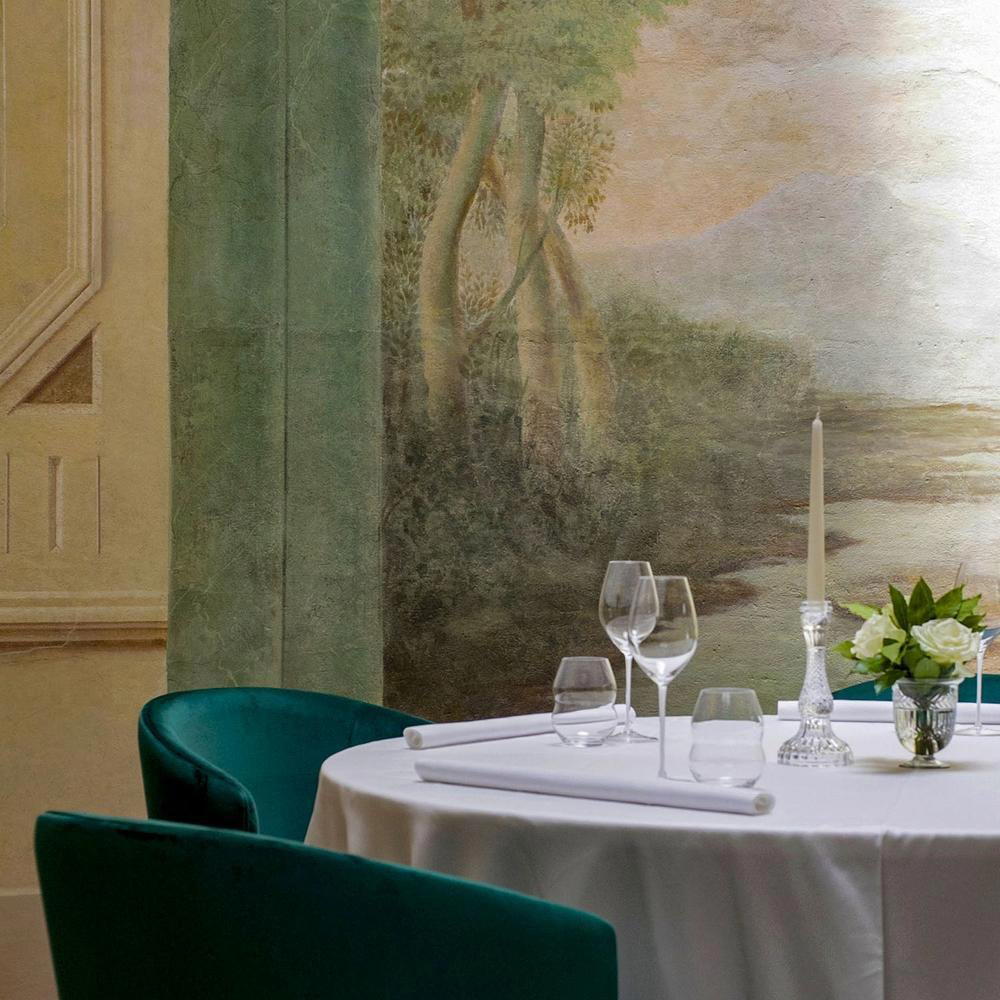
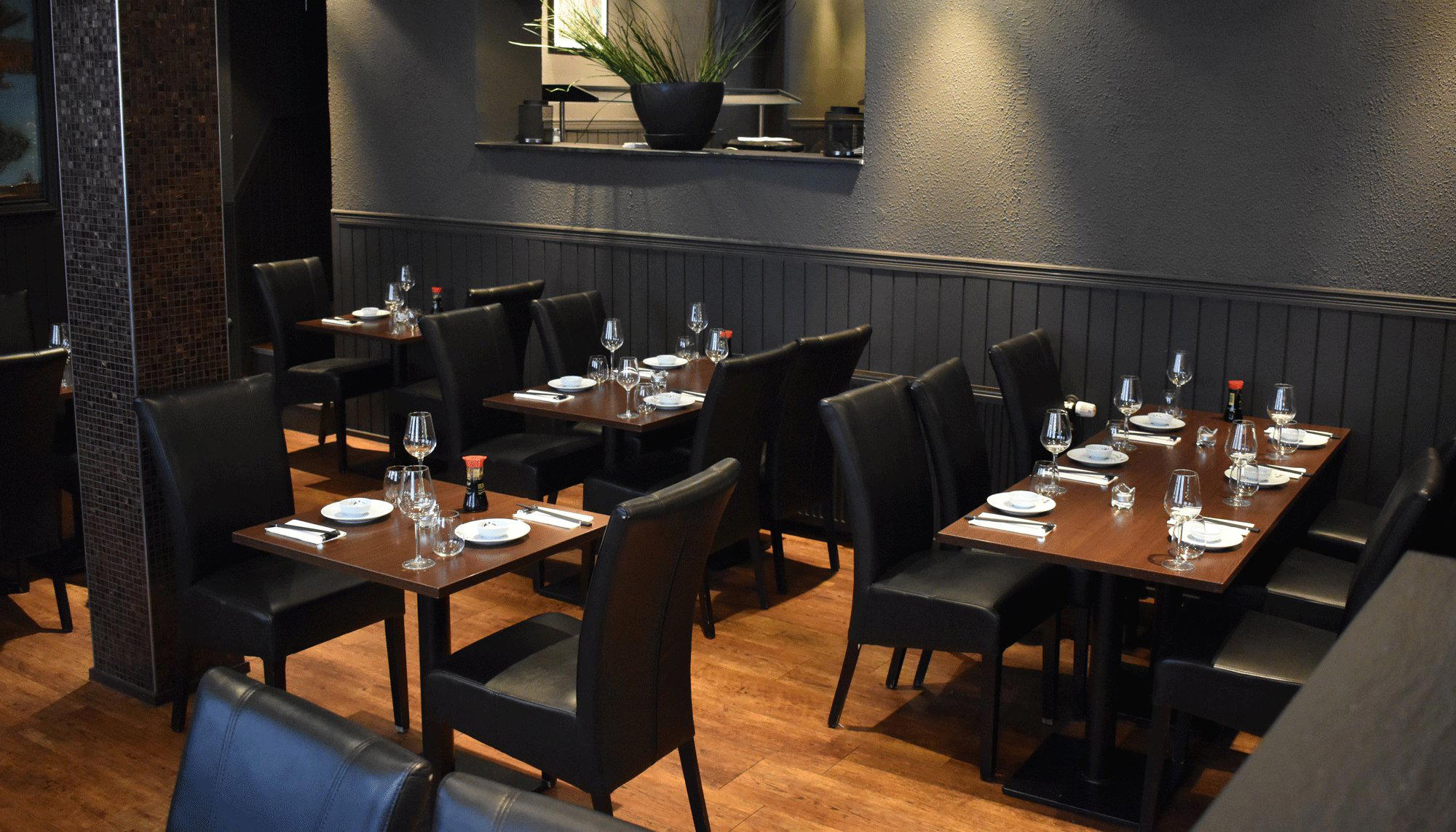
Open and luminous space with modern yet cozy atmosphere, adorned with design pieces by Alvar Aalto.