Boutros
On Atlantic Avenue in Boerum Hill, Boutros occupies a stretch of Brooklyn where Middle Eastern grocers and Lebanese restaurants have traded for decades. The kitchen works within that culinary tradition while applying a sourcing discipline that connects the borough's immigrant food culture to a contemporary conversation about provenance and waste. Book ahead and expect a room that takes its ingredients as seriously as its hospitality.
Pearl is the En Primeur Club membership app — saves, bookings, and concierge access live there. Same editors, same standards.
- Address
- 185 Atlantic Ave, Brooklyn, NY 11201
- Phone
- +17184030055
- Website
- boutrosbk.com
- Directions
- Get directions
 Saves & bookings on Pearl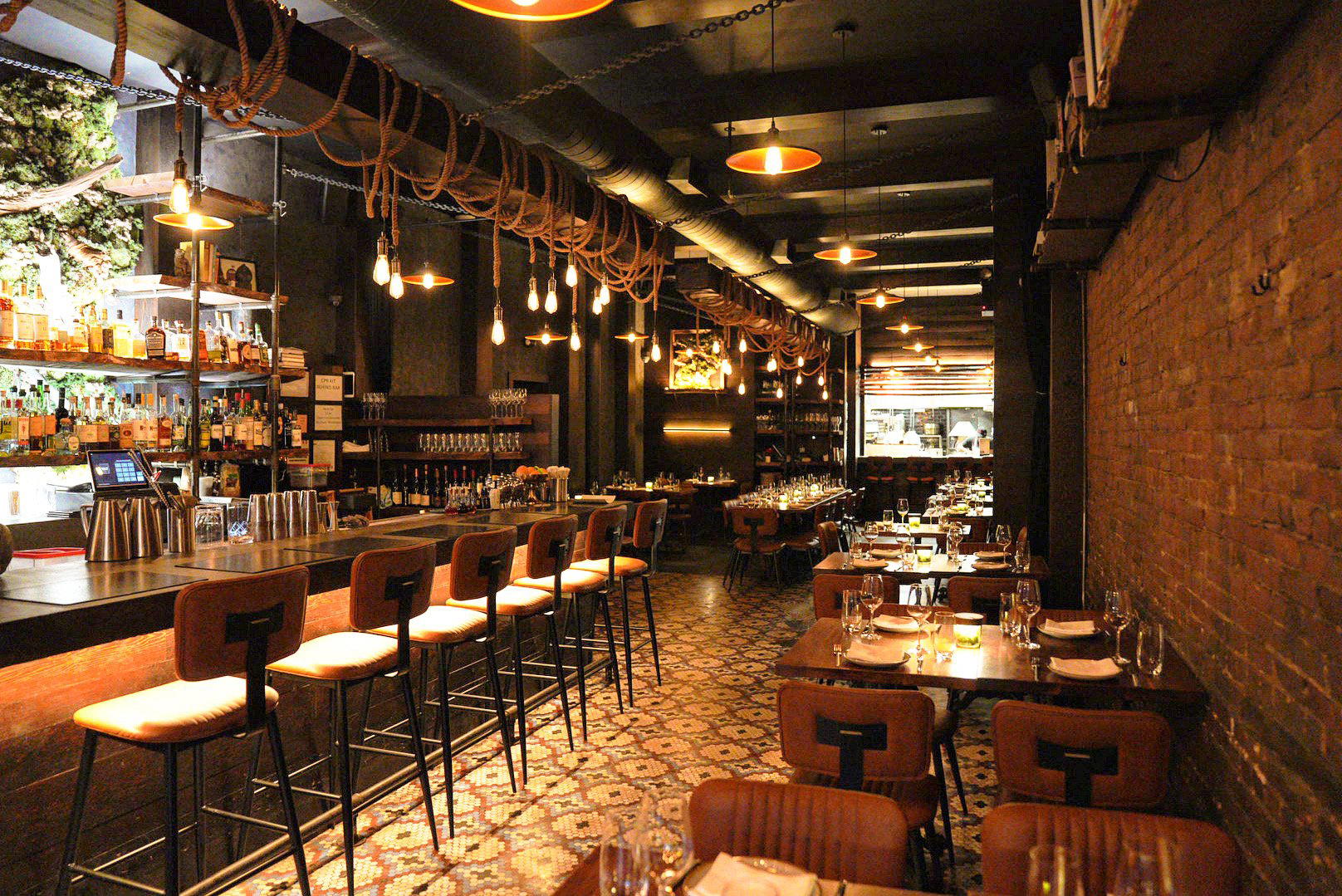
Atlantic Avenue and the Eastern Mediterranean Tradition It Carries
Brooklyn's Atlantic Avenue corridor has functioned as one of New York's most durable corridors of Middle Eastern food culture since the mid-twentieth century. Lebanese, Syrian, and Egyptian grocers, butchers, and bakeries established the street's identity long before the borough became a destination for restaurant tourism, and the pantry they built, the preserved lemons, the tahini, the spice merchants, gave subsequent generations of cooks a working infrastructure rather than an imported novelty. Boutros, at 185 Atlantic Ave in Brooklyn, is a restaurant serving Modern Middle Eastern Fusion.
The broader New York dining conversation around sustainability has tended to cluster in Manhattan, at places like Eleven Madison Park, where a plant-based pivot became the headline, or upstate at Blue Hill at Stone Barns in Tarrytown, where the farm-to-table argument has been made for two decades. Brooklyn operates differently. The sustainability story here is less theatrical and more structural: shorter distances between producer and plate, immigrant food traditions that waste little by design, and a density of specialty suppliers that Manhattan restaurants often source from anyway. Boutros operates in that context.
A Cuisine Built Around Reduction, Not Addition
Eastern Mediterranean cooking has always been a cuisine of resourcefulness. The meze tradition parcels out small quantities of many ingredients rather than centering a single protein; offal and secondary cuts appear as a matter of course; fermentation, pickling, and preservation extend the life of seasonal produce. These are not retrofitted sustainability credentials, they are the architecture of the food itself, developed over centuries in climates where waste carried real consequences. When a contemporary kitchen in Brooklyn works within this tradition and applies modern sourcing discipline on top of it, the ethical sourcing story is not an overlay. It is intrinsic.
This distinguishes the approach from some higher-profile American tasting-menu programs. At Single Thread Farm in Healdsburg or Smyth in Chicago, the farm relationship is often the explicit narrative thread of the meal, announced at the table and built into the prix fixe structure. The Eastern Mediterranean format works differently: the waste-reduction logic is embedded in the cuisine's grammar rather than declared as a concept. A kitchen that ferments its own preserves, uses the whole animal, and draws on a street-level supply chain of specialist importers is practicing sustainability as technique rather than branding.
Brooklyn's Position in New York's Restaurant Geography
New York's most-discussed fine dining addresses remain concentrated in Manhattan, Le Bernardin, Masa, and Per Se all operate in Midtown or Columbus Circle, at price points and formality levels that place them in a different competitive set entirely. Atomix in NoMad represents a newer generation of serious tasting-menu cooking in Manhattan. Brooklyn's premium dining scene has developed along different lines: smaller rooms, stronger neighbourhood identities, and cuisine traditions that often draw from the borough's actual demographic composition rather than from European fine dining conventions.
Atlantic Avenue is a useful example of that pattern. The street's food identity predates the borough's restaurant boom, and kitchens that work within it are drawing on something more grounded than trend. This is not the position of, say, a pop-up that has adopted Middle Eastern flavors for a contemporary tasting menu. It is the position of a restaurant that has a supplier network, a neighbourhood context, and a culinary tradition already in place around it.
Addison in San Diego, Providence in Los Angeles, and Lazy Bear in San Francisco each make ethical sourcing arguments through different culinary frameworks. Internationally, Atelier Moessmer Norbert Niederkofler in Brunico has made Alpine regionality and zero-waste cooking into a three-Michelin-star proposition. Dal Pescatore in Runate demonstrates how a family-run Italian kitchen can sustain a multi-decade sourcing philosophy without institutional backing. These are different contexts, but they share a commitment to the idea that the supply chain is part of the dish.
What to Expect at the Table
The Eastern Mediterranean format at Boutros centers on the meze logic: multiple dishes arriving across the meal, most of them vegetable-forward or built around preserved and fermented components, with protein appearing as one element among several rather than as the organizing principle of the plate. This format is naturally suited to low-waste cooking because it distributes ingredients across many preparations, uses the full range of a season's produce, and relies on larder staples that the kitchen controls rather than on expensive single-ingredient centerpieces.
Boerum Hill is accessible by subway on the A, C, and G lines, with Atlantic Ave-Barclays Center station within a short walk of the address. The neighbourhood's dining density has increased over the past decade, making Boutros part of a broader evening out in the area rather than an isolated destination.
Sustainability in the Room, Not Just the Kitchen
The ethical sourcing conversation in American restaurants often stops at the kitchen door. The more complete version extends to front-of-house choices: wine lists that prioritize organic and low-intervention producers, beverage programs that minimize single-use packaging, and service formats that reduce over-ordering. Restaurants that take the argument seriously across the full operation, as places like The French Laundry in Napa, Frasca Food and Wine in Boulder, and The Inn at Little Washington do, each in their own register, tend to make more coherent cases than those that treat sustainability as a menu footnote. Emeril's in New Orleans also reflects how a kitchen's relationship to regional sourcing can define a restaurant's character across decades. Atlantic Avenue's supply infrastructure gives Boutros a head start on the sourcing side of that equation.
Planning Your Visit
Boutros is located at 185 Atlantic Ave, Brooklyn, NY 11201. Closest subway access is Atlantic Ave-Barclays Center on the A, C, and G lines. Reserve in advance for weekend visits; weeknight bookings are generally more available.
Peers in This Market
Comparable venues nearby, for context on price, style, and recognition.
| Venue | Cuisine | Price | Notes |
|---|---|---|---|
| BoutrosThis venue — the venue you are viewing | Modern Middle Eastern Fusion | $$$ | Not listed |
| Casa La Femme | Authentic Egyptian & Middle Eastern | $$$ | West Village |
| Moustache Pitza | Lebanese Pita Pizzas | $$ | West Village |
| Cafe Zaffri | Modern Levantine | $$$ | Midtown South-Flatiron-Union Square |
| Allegretto al Forno | Southern Italian Neapolitan Pizza & Small Plates | $$$ | Williamsburg |
| Sahadi's | Lebanese Mediterranean Deli | $$ | Brooklyn Heights |
Continue exploring
More in New York City
Restaurants in New York City
Browse all →
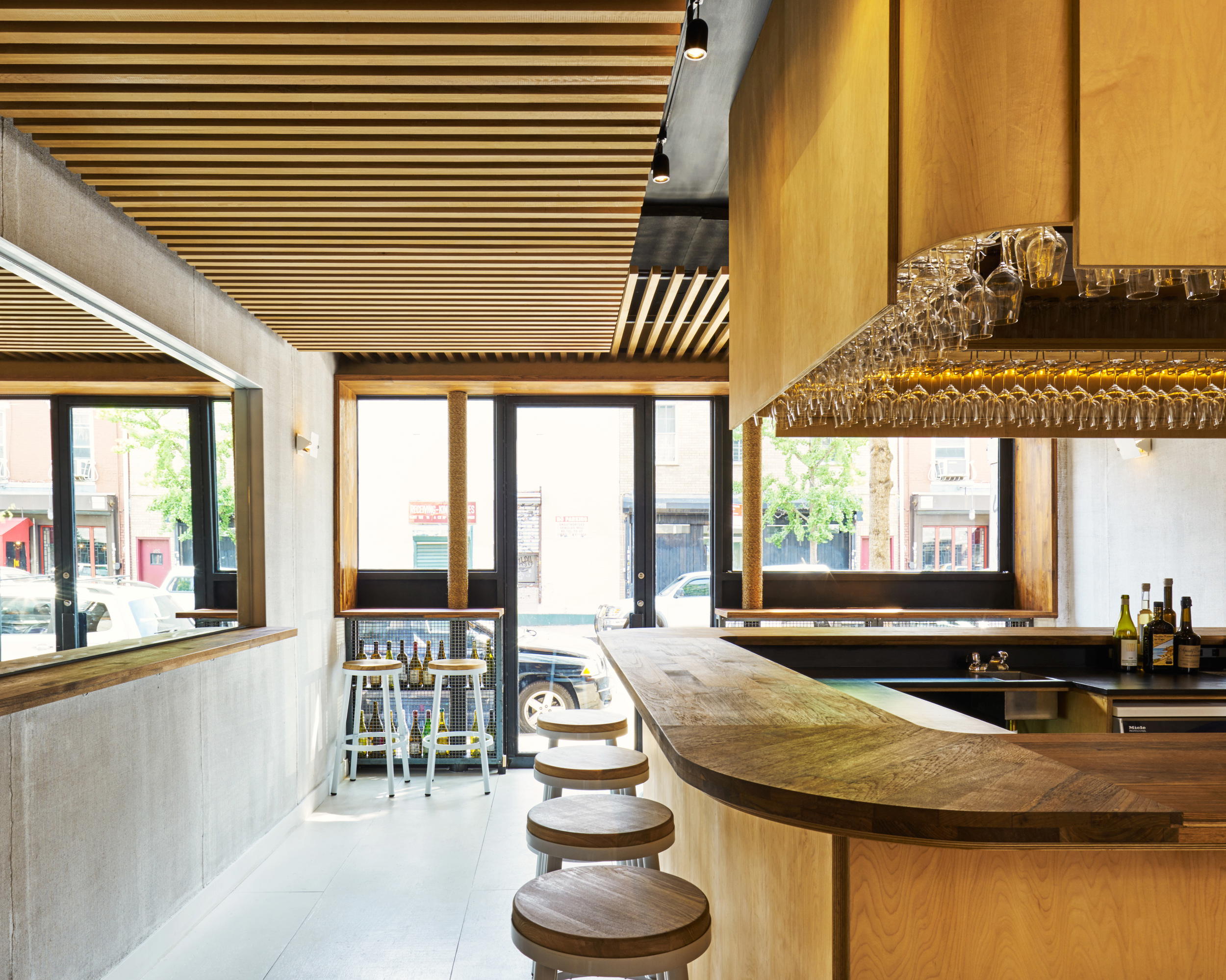
Bars in New York City
Browse all →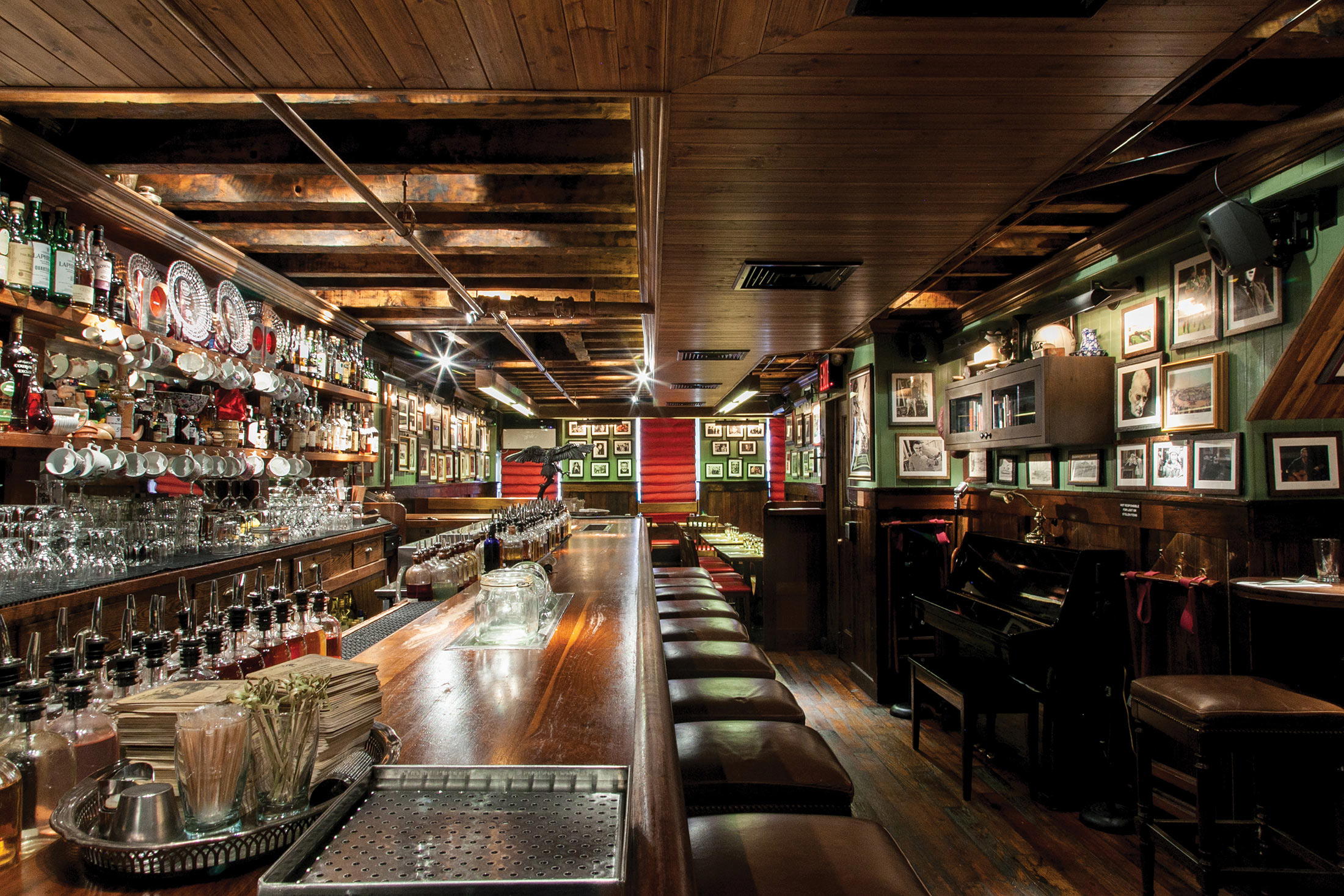
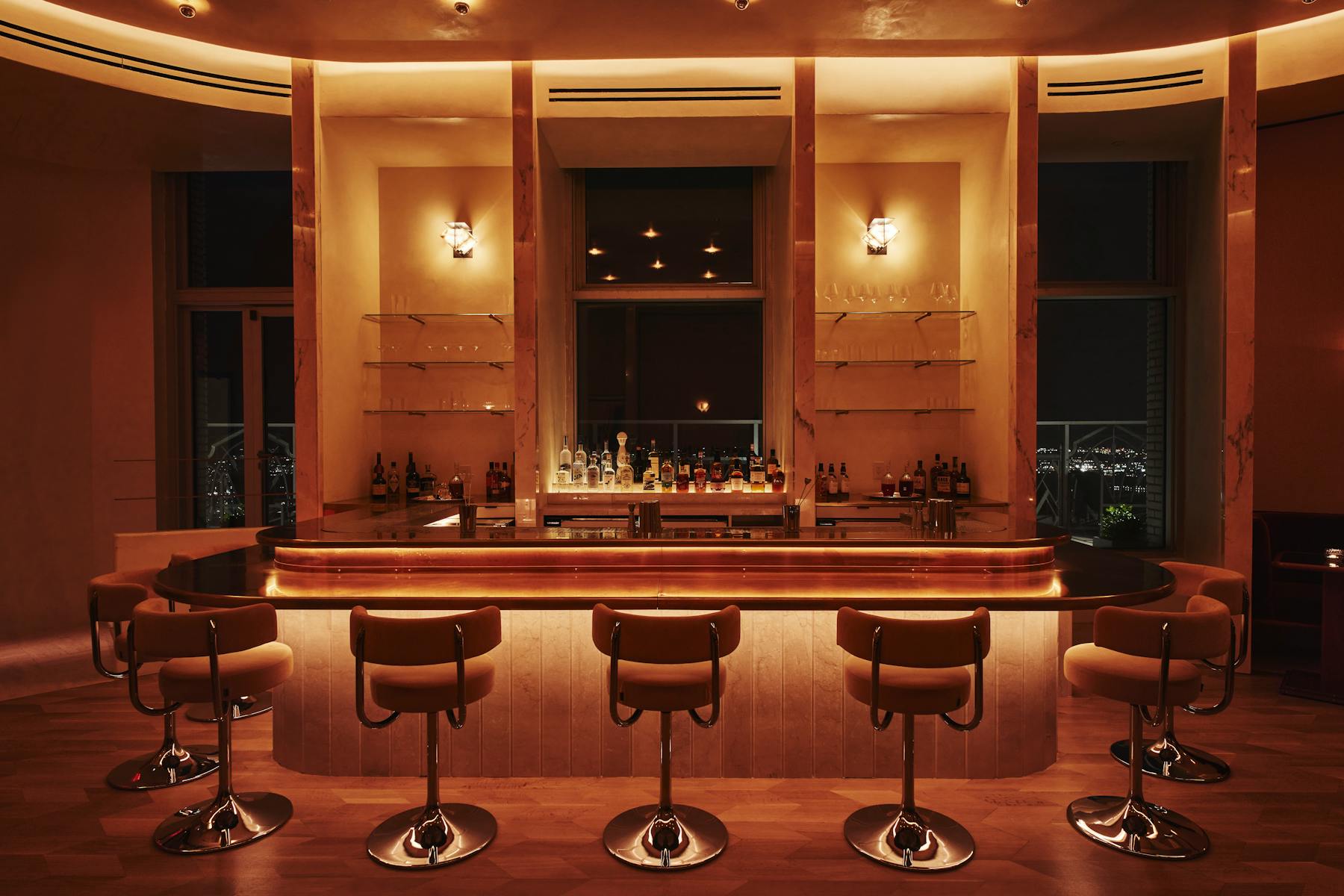
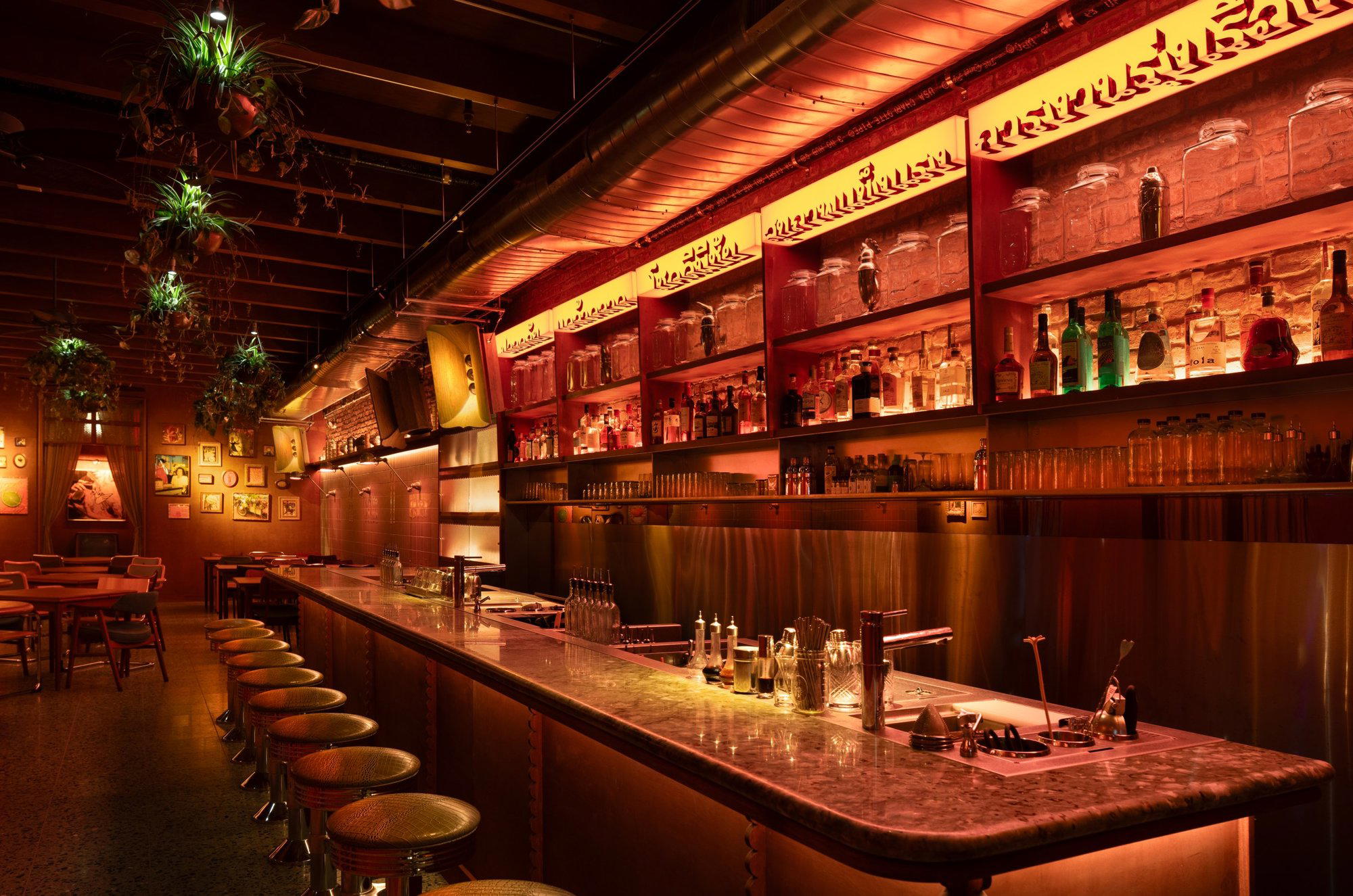

Hotels in New York City
Browse all →






At a Glance
- Cozy
- Trendy
- Intimate
- Industrial
- Date Night
- Group Dining
- Special Occasion
- Open Kitchen
- Craft Cocktails
Current opening hours
- Monday
- 11 AM–3 PM, 5–10 PM
- Tuesday
- 11 AM–3 PM, 5–10 PM
- Wednesday
- 11 AM–3 PM, 5–10 PM
- Thursday
- 11 AM–3 PM, 5–10 PM
- Friday
- 11 AM–3 PM, 5–10:30 PM
- Saturday
- 11 AM–3 PM, 5–10:30 PM
- Sunday
- 11 AM–3 PM, 5–10 PM
Hours can change for holidays and private events. Last verified .
Warm inviting setting with exposed brick, concrete, moss walls, soft lighting, and preserved mosaic tile floor evoking home-style warmth and Brooklyn cool.