Boundary
Boundary occupies a converted Victorian warehouse on Boundary Street in Shoreditch, operating across multiple formats, rooftop, restaurant, and hotel, in a neighbourhood that has shifted from rag-trade backstreets to one of East London's most visited dining corridors. The property sits at an interesting inflection point: a multi-concept venue that predates the area's current saturation, now measuring itself against a substantially changed scene.
Pearl is the En Primeur Club membership app — saves, bookings, and concierge access live there. Same editors, same standards.
- Address
- 2-4 Boundary St, London E2 7DD, United Kingdom
- Phone
- +44 20 7729 1051
- Website
- boundary.london
- Directions
- Get directions
 Saves & bookings on Pearl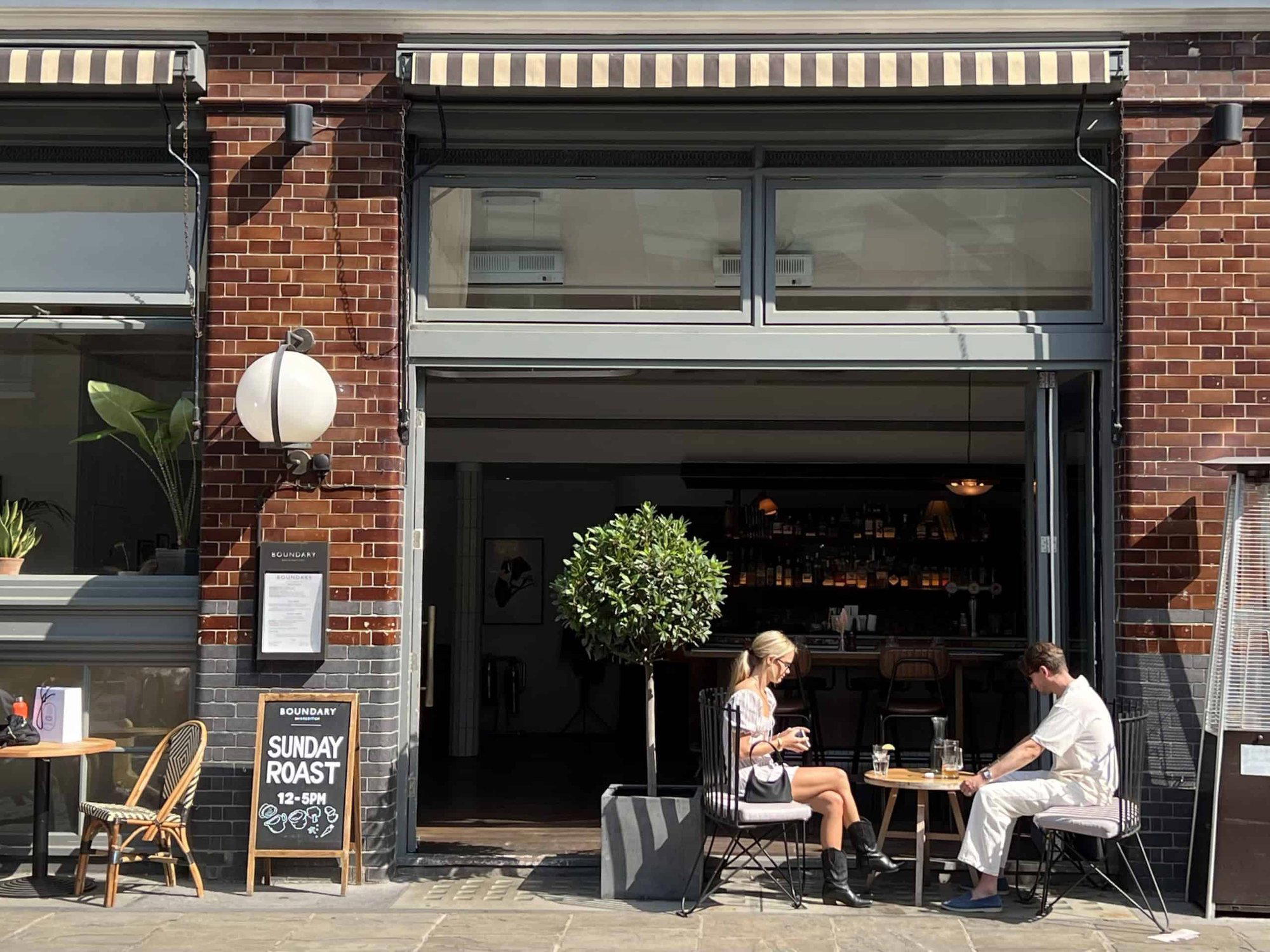
A Victorian Shell in a Transformed Neighbourhood
Shoreditch's transition from light-industrial fringe to premium dining destination took roughly fifteen years and left a complicated legacy for the venues that were there early. Boundary Street itself is a useful marker: the address sits close to the junction where Bethnal Green Road bleeds into the Shoreditch grid, a stretch that has absorbed wave after wave of restaurant openings, bar fitouts, and boutique hotel conversions since the mid-2000s. Coming from Old Street or Liverpool Street, you pass through a corridor that now reads as one of the denser concentrations of independent hospitality in East London.
The building at 2-4 Boundary Street is a converted Victorian warehouse, and that structural fact matters more than any individual design decision made inside it. East London's hospitality culture has long used industrial heritage as a primary aesthetic signal, but the buildings that carry it most convincingly are the ones where the architecture predates the concept. Boundary is one of those. The exposed brickwork and the layering of ceiling heights are structural, not decorative, and that gives the property a physical credibility that newer builds in the area have spent considerable sums trying to approximate.
The Multi-Format Model and Its Evolution
When Boundary opened, the stacked multi-concept format, ground-floor restaurant, basement bar, rooftop terrace, hotel rooms above, was a relatively uncommon approach for an independent London operator. That model has since proliferated across the city, with properties from Shoreditch to Soho adopting some version of the all-day, multi-level playbook. The question it raises for Boundary now is whether the format reads as pioneering or simply familiar.
The evolution of the rooftop alone tells a version of this story. London's rooftop dining and drinking scene was thin when Boundary's terrace established itself; it is now a saturated category, with venues from Peckham to Paddington competing for the same warm-weather footfall. A rooftop that once held genuine novelty value now earns its place through the quality of what it serves rather than the fact of its existence. That shift in the competitive context is as significant as anything the venue itself has done or changed.
The restaurant operation sits in the middle tier of East London dining. It serves modern British brasserie cooking at a price point around $85 per person. CORE by Clare Smyth, The Ledbury, or Sketch, The Lecture Room and Library, but above the casual all-day café tier that now dominates the area. That middle band is where London dining has always been most contested, and Boundary occupies it alongside a significantly larger peer group than it did at opening.
Shoreditch as a Dining Context
Understanding Boundary requires understanding how East London's restaurant culture has matured. In the early phases of Shoreditch's hospitality development, the area's identity was defined by informality, low cover charges, and a deliberate distance from the conventions of central London fine dining. Places like Restaurant Gordon Ramsay or Dinner by Heston Blumenthal represented a separate register entirely, geographically and conceptually.
That gap has narrowed. Shoreditch now has prix-fixe tasting menus, natural wine lists priced to match Mayfair, and service cultures that are formally trained if informally expressed. The area's dining identity has diversified to the point where it supports multiple tiers simultaneously, and a venue that once felt distinctly of its neighbourhood now operates within a more complex local hierarchy. For the traveller oriented toward fine dining at venues like The Fat Duck or L'Enclume, Boundary sits in a different register, an accessible, design-conscious property rather than a destination dining address.
The comparison is useful not to diminish Boundary but to locate it accurately. Venues like Moor Hall, Gidleigh Park, or Hand and Flowers make the case for destination travel to a specific kitchen. Boundary makes a different case: it is a multi-format property in a well-connected neighbourhood, where the accumulated offer, food, drink, hotel, terrace, is the point, rather than any single element of it.
Where Boundary Sits in the Current London Conversation
London's hotel-restaurant hybrids have become a studied category in their own right. The question of whether a hotel restaurant can hold genuine culinary credibility independently of its rooms is one the city's hospitality scene has been working through for decades. Properties like hide and fox and the dining rooms attached to larger destination properties have shown that the format can generate serious critical attention. Boundary has not followed that particular trajectory, but it has maintained a consistent identity across a period during which many comparable East London venues have either closed, pivoted radically, or been absorbed into larger groups.
For visitors to London building a wider programme, Boundary functions as a base or an atmospheric stop rather than a primary dining destination. Its interest lies in what it represents about East London's hospitality evolution as much as in any single service experience.Atomix-equivalent precision dining or the kind of neighbourhood-specific research that our full London restaurants guide supports, Boundary functions leading as a base or an atmospheric stop rather than a primary dining destination. Its interest lies in what it represents about East London's hospitality evolution as much as in any single service experience. See also our full London hotels guide, full London bars guide, full London experiences guide, and full London wineries guide for a complete picture of what the city offers across categories.
The American comparison is instructive: New York has its own version of this format, where multi-level hospitality properties in converted industrial buildings have become a category convention in Brooklyn and Lower Manhattan. Venues like Le Bernardin operate at the apex of that city's dining hierarchy; Boundary operates closer to the base of its city's premium tier, which is a legitimate and commercially durable position.
Planning Your Visit
| Venue | Location | Format | Price Tier | Awards |
|---|---|---|---|---|
| Boundary | Shoreditch, E2 | Multi-concept (restaurant, rooftop, hotel) | Mid-range | None documented |
| CORE by Clare Smyth | Notting Hill, W11 | Tasting menu restaurant | ££££ | Michelin 3 Stars |
| The Ledbury | Notting Hill, W11 | Modern European tasting menu | ££££ | Michelin 3 Stars |
| Dinner by Heston Blumenthal | Knightsbridge, SW1X | Modern British à la carte and tasting | ££££ | Michelin 2 Stars |
The Minimal Set
Comparable venues nearby, for context on price, style, and recognition.
| Venue | Cuisine | Price | Notes |
|---|---|---|---|
| BoundaryThis venue — the venue you are viewing | Bethnal Green, Modern British Brasserie | $$$ | Not listed |
| Roast | Borough, Classic British Roast | $$$ | Not listed |
| Browns | Covent Garden, British Brasserie | $$$ | Not listed |
| Farm Shop Mayfair | Not listed | $$$ | Mayfair, Farm-to-Table British Small Plates |
| Harvey Nichols | Belgravia, British Cafe | $$$ | Not listed |
| Smith’s of Smithfield | Farringdon, British Steakhouse | $$$ | Not listed |
Continue exploring
More in London
Restaurants in London
Browse all →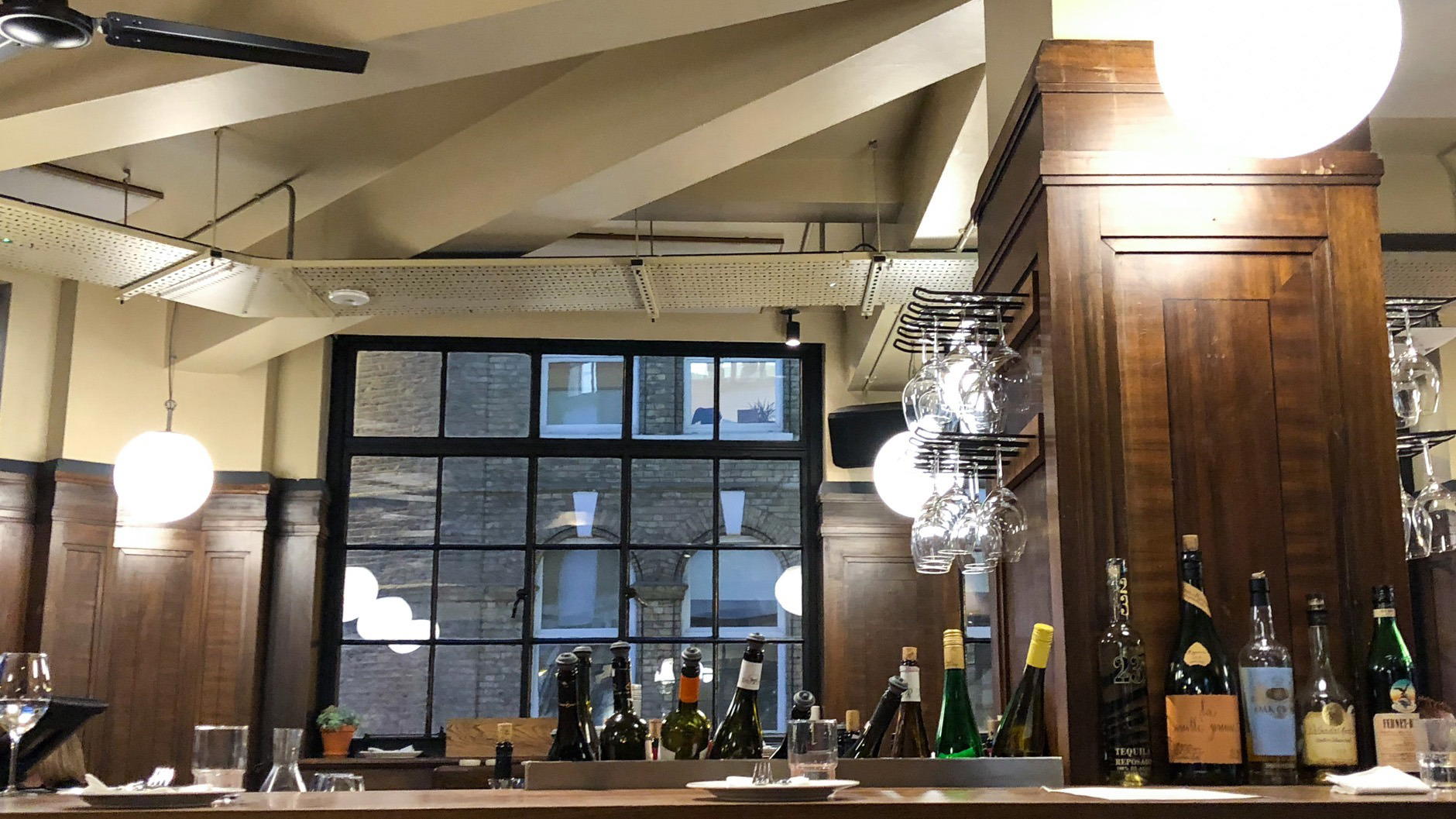
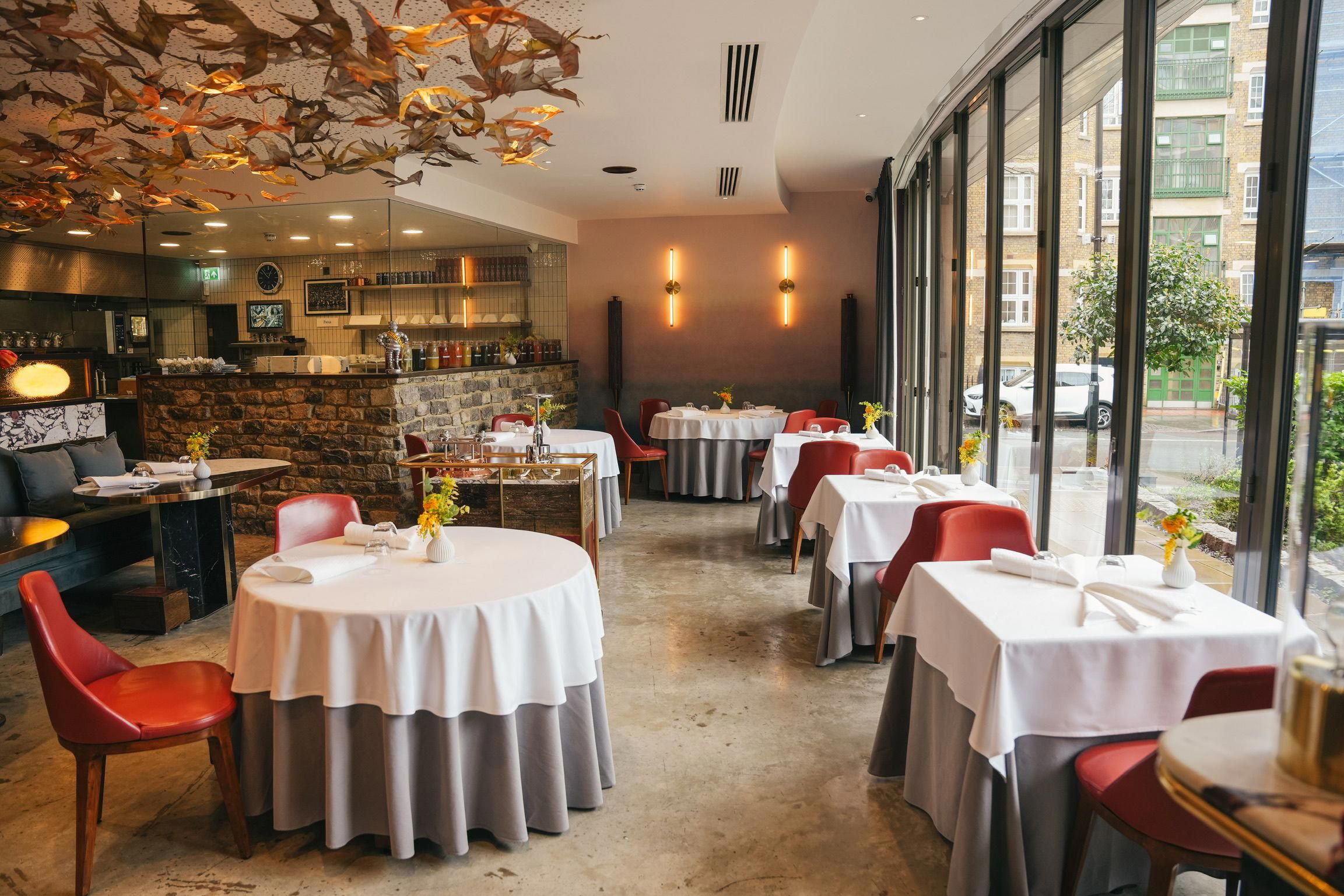
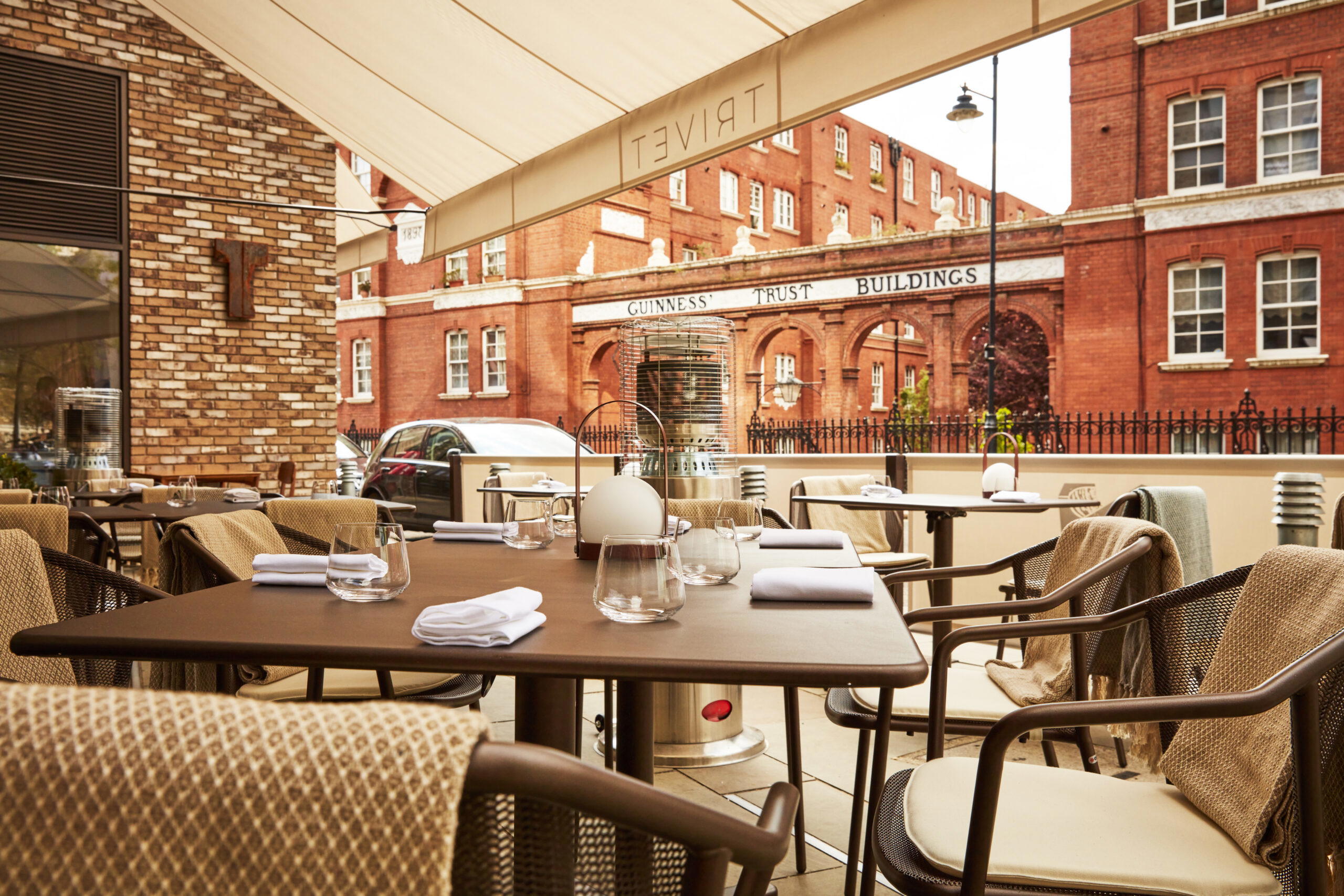
Bars in London
Browse all →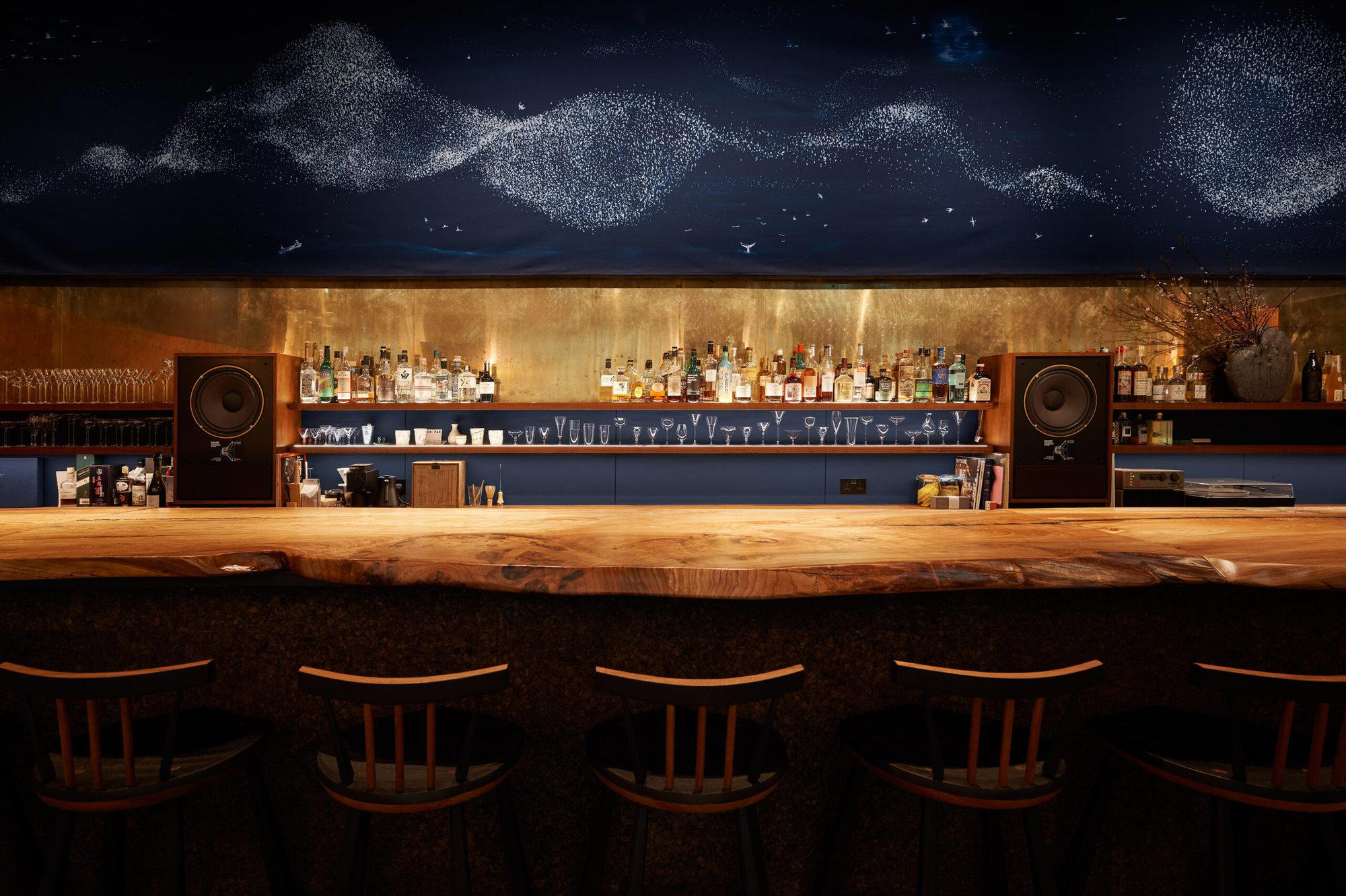
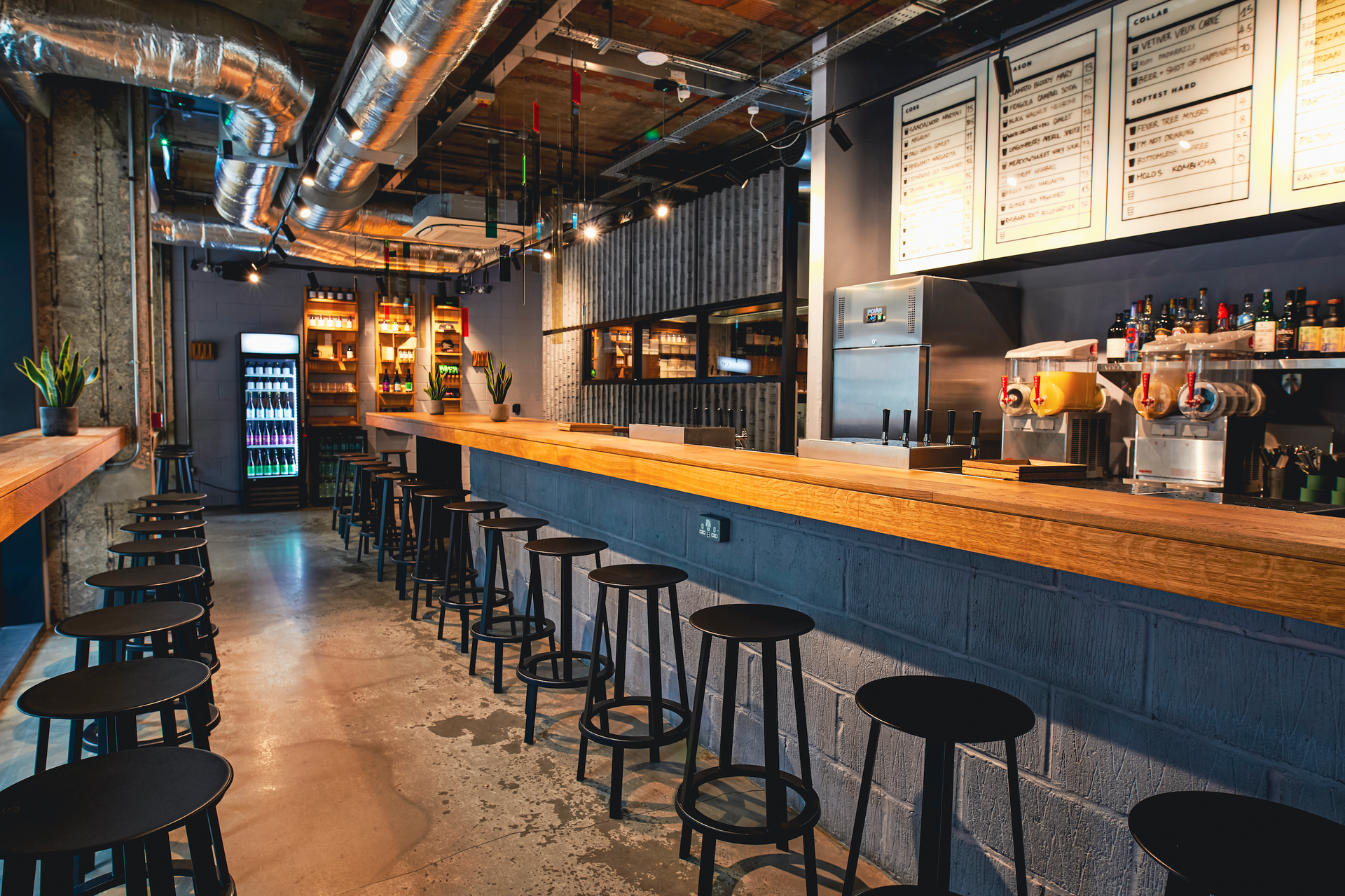
Hotels in London
Browse all →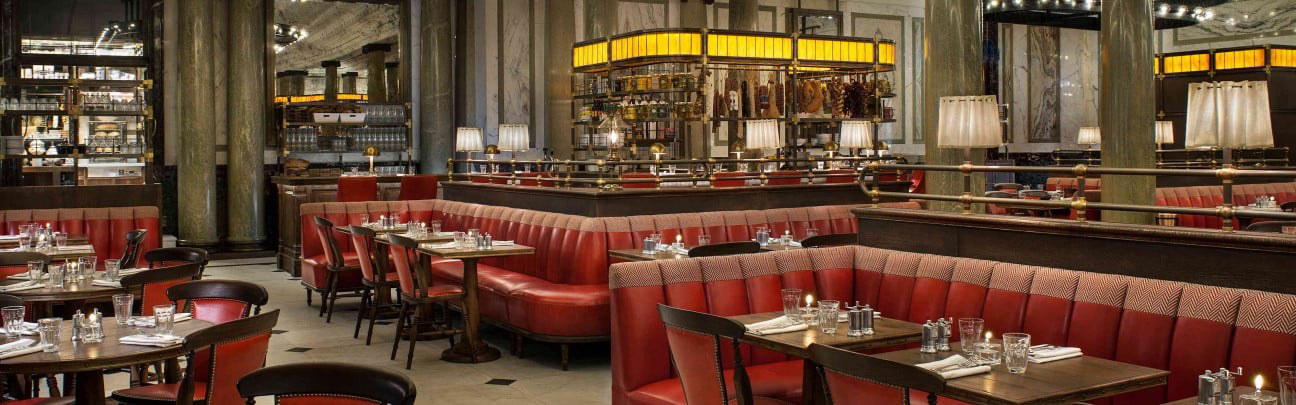


At a Glance
- Trendy
- Lively
- Elegant
- Modern
- Date Night
- Group Dining
- After Work
- Casual Hangout
- Rooftop
- Terrace
- Hotel Restaurant
- Design Destination
- Craft Cocktails
- Sommelier Led
- Skyline
- Street Scene
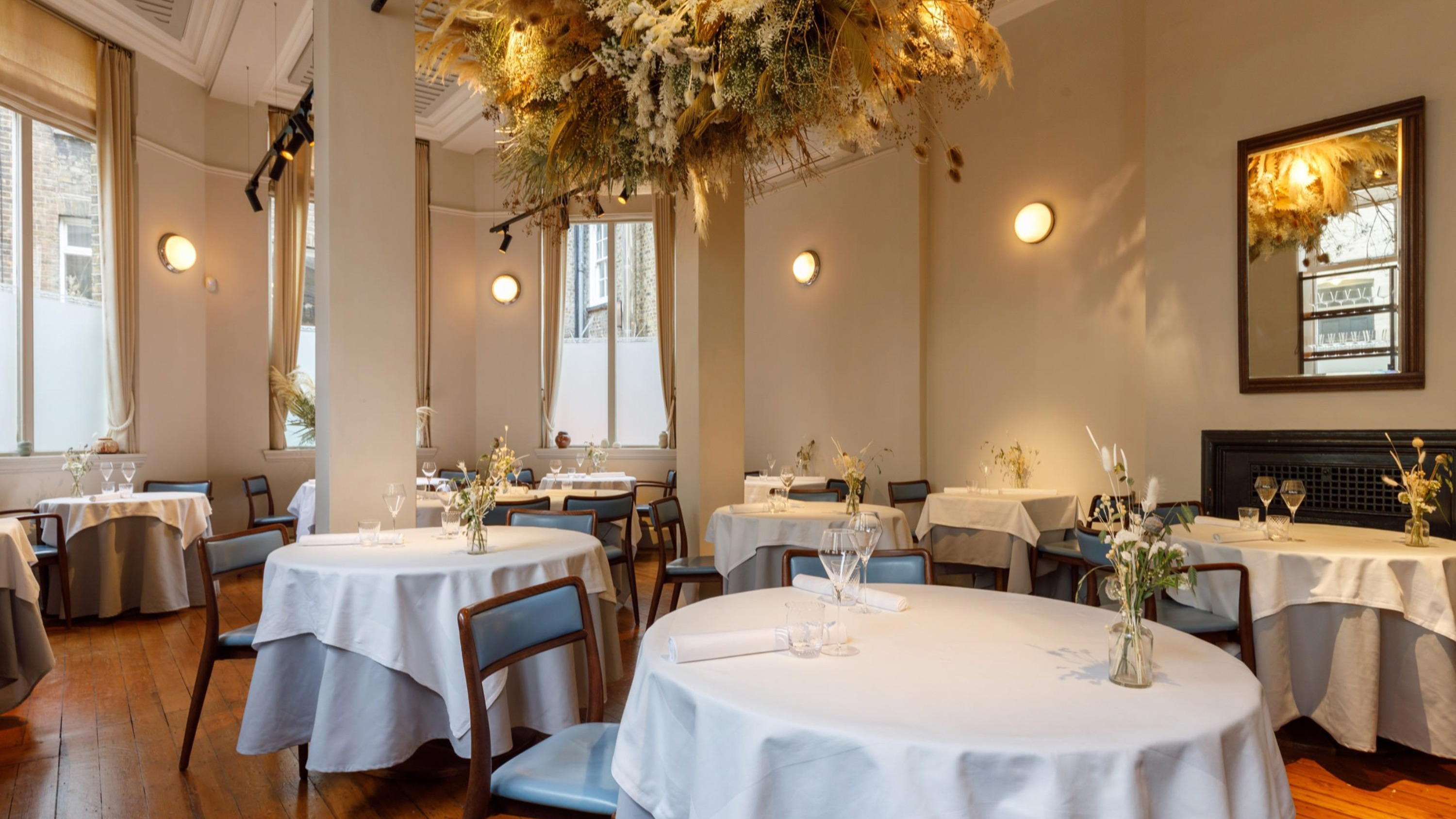
Modern, well-lit rooftop space with evening sun views; ground floor brasserie features elegant British design with contemporary finishes; atmosphere can be noisy given street-level location on Redchurch Street.