
Bouchon Carême sits on Aleksanterinkatu in central Helsinki, earning a White Star from Star Wine List in 2025 for the depth and curation of its wine program. The name nods to classical French tradition while operating within a city that has spent the past decade building one of Northern Europe's more serious restaurant scenes. For visitors tracking Helsinki's wine-forward dining tier, it warrants attention alongside the capital's more prominent fine-dining addresses.
 Discover on Pearl
Pearl is the En Primeur Club membership app — saves, bookings, and concierge access live there. Same editors, same standards.
- Address
- Aleksanterinkatu 13, 00100 Helsinki, Finland
- Phone
- +358 10 5823554
- Website
- bouchoncareme.fi
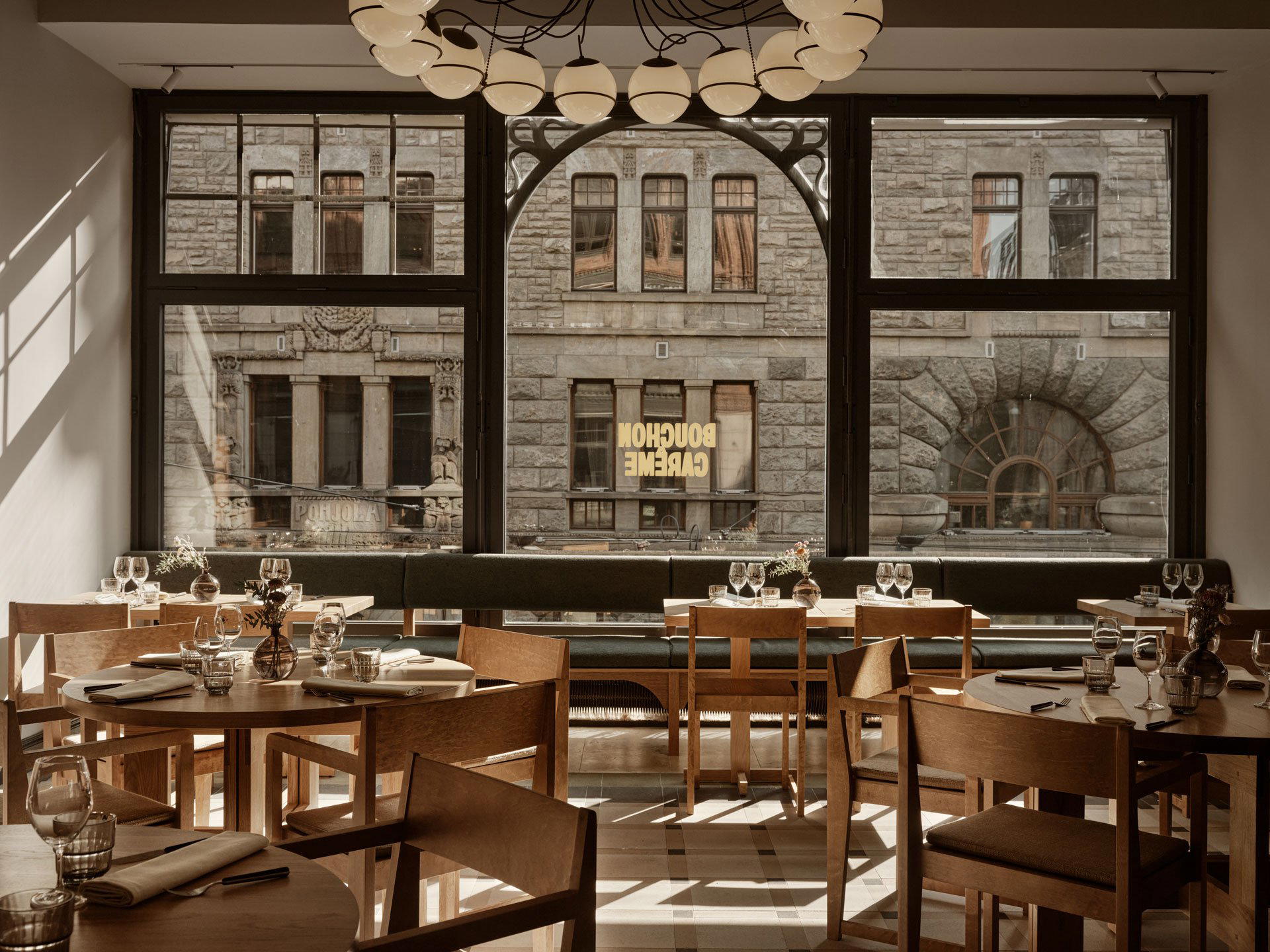
Where Aleksanterinkatu Meets the Wine-Serious Dining Tier
Bouchon Carême is a Modern French Bistro at Aleksanterinkatu 13 in Helsinki, with a White Star wine program recognition in 2025 and an average price of about $50 per person. Bouchon Carême, at number 13 on that street, belongs to this strand of the Helsinki scene. The name invokes two distinct French traditions simultaneously: the bouchon, Lyon's unpretentious neighbourhood dining institution built around seasonal produce and honest technique, and Antonin Carême, the nineteenth-century architect of classical French haute cuisine. That tension between the informal and the rigorous turns out to be a reasonable description of where Helsinki's most interesting wine-forward restaurants now sit.
The Wine Program as Editorial Statement
In March 2025, Star Wine List awarded Bouchon Carême a White Star. The White Star designation, used by Star Wine List to recognise lists of genuine depth and curation rather than mere length, signals that what is happening at Bouchon Carême on the wine side reflects considered sourcing decisions and program coherence. Helsinki has a relatively small but growing tier of restaurants where this is true. Among the city's fine-dining addresses tracked by EP Club, Olo and Palace operate at the higher end of the Scandinavian modern cuisine bracket, with tasting menus and Michelin recognition. Bouchon Carême's French register and wine-list recognition position it somewhat differently: less concerned with Nordic identity signalling, more oriented toward the European bistrot-de-luxe tradition where the cellar is as much the point as the kitchen.
That category of restaurant, common in Paris and Lyon, remains genuinely rare in Helsinki. Cities at this latitude have historically built their serious dining reputations around locally foraged and sourced ingredients cooked in a Nordic idiom. The bouchon format inverts some of those assumptions: it asks what happens when a wine-first philosophy shapes the menu rather than the other way around, and when French sourcing traditions (butter, charcuterie, offal-friendly technique) are applied in a northern European context. The recognition suggests a careful wine program. For a comparable dynamic operating in a different Finnish city context, Kaskis in Turku has built a similar reputation for wine-serious, produce-led dining outside the Helsinki spotlight.
Sourcing Logic and What It Implies
The editorial angle that the bouchon format implies is worth taking seriously as a sourcing argument. Lyon's bouchons built their reputations on market proximity: proximity to the Rhône Valley's wine appellations, to the livestock traditions of Bresse and the Auvergne, to the charcuterie culture of the Saône corridor. The sourcing was embedded in geography. Transposing that philosophy to Helsinki involves a different geography entirely: the archipelago, Baltic fisheries, Finnish dairy traditions, and a growing producer network around artisan charcuterie and fermented products. The restaurants in Helsinki that have done this most coherently, places like Grön and Finnjävel Salonki, have built menus around Finnish ingredient narratives that are legible to international visitors. Bouchon Carême's French frame offers a different entry point into similar sourcing territory, one that may feel more immediately familiar to visitors arriving from Paris or elsewhere in Western Europe.
This matters because the wine program and the sourcing philosophy are not separate considerations. A White Star-level list at a restaurant in this price and format tier typically reflects a kitchen that can build dishes around wine pairing logic, rather than a list assembled independently of the food. The most coherent examples of this kind of integration in Northern Europe, from Copenhagen's natural wine bistros to the emerging scene in Porvoo just east of Helsinki, share a common operating principle: the producer relationship that governs what arrives from the kitchen also governs what appears on the list.
Helsinki Context: Where Bouchon Carême Sits in the Broader Scene
Helsinki's restaurant scene has matured considerably since the mid-2010s, when a handful of Nordic tasting-menu restaurants carried almost all of the city's international dining reputation. The current picture is more varied. At the tasting-menu end, The ROOM by Kozeen Shiwan represents the creative fine-dining tier, while Palace and Olo hold Michelin recognition at the top of the Scandinavian modern category. Further afield in Finland, Kajo in Tampere and Musta Lammas in Kuopio are building regional dining identities of their own, while Pöllöwaari in Jyväskylä demonstrates that wine-serious dining is not limited to the capital. Helsinki's mid-tier, however, has expanded most dramatically, with wine bars, natural wine bistros, and European-coded neighbourhood restaurants now occupying the space between casual and full tasting-menu. Bouchon Carême sits in that middle tier, which is currently the most dynamic part of the Helsinki dining market.
The French classical bistrot model has proven durable in cities far outside France, from Le Bernardin in New York to the Creole-French hybrid tradition represented by Emeril's in New Orleans. What those examples share is a willingness to treat French technique as a living methodology rather than a museum exhibit, adapting it to local ingredient realities while maintaining the sourcing discipline that made the original format coherent. That same argument applies in Helsinki, where the ingredients available within a day's drive of Aleksanterinkatu are genuinely worth the same level of curatorial attention that a Lyon chef might give to the Rhône Valley. Lucy in the Sky in Espoo, just west of the capital, shows how that kind of creative latitude can develop in the wider Helsinki region.
Planning a Visit
Bouchon Carême is located at Aleksanterinkatu 13 in central Helsinki, a few minutes' walk from the city's main transport interchange at the Central Railway Station and within easy reach of the Design District and Senate Square. The address puts it in the heart of Helsinki's commercial core, which means accessibility is direct. Given the restaurant's wine recognition and its position in Helsinki's growing European-bistrot tier, booking ahead is advisable, particularly for weekend evenings when the city's mid-range dining tier operates close to capacity.
In Context: Similar Options
Comparable venues nearby, for context on price, style, and recognition.
| Venue | Cuisine | Price | Awards | Notes |
|---|---|---|---|---|
| Bouchon CarêmeThis venue — the venue you are viewing | Modern French Bistro | $$$$ | ||
| BisouBisou | Modern French Brasserie | $$$ | , | Kalasatama |
| BRASA | Open-Fire Grilled Seafood & Meat | $$$$ | Kruununhaka | |
| Brasserie Grand | Modern French Brasserie | $$ | , | Kluuvi |
| Carelia | Classic French Brasserie | $$$ | Taka-Toolo | |
| Vinkkeli | Classic European with Nordic Twist | $$$$ | Michelin Plate | Kaartinkaupunki |
Continue exploring
More in Helsinki
Restaurants in Helsinki
Browse all →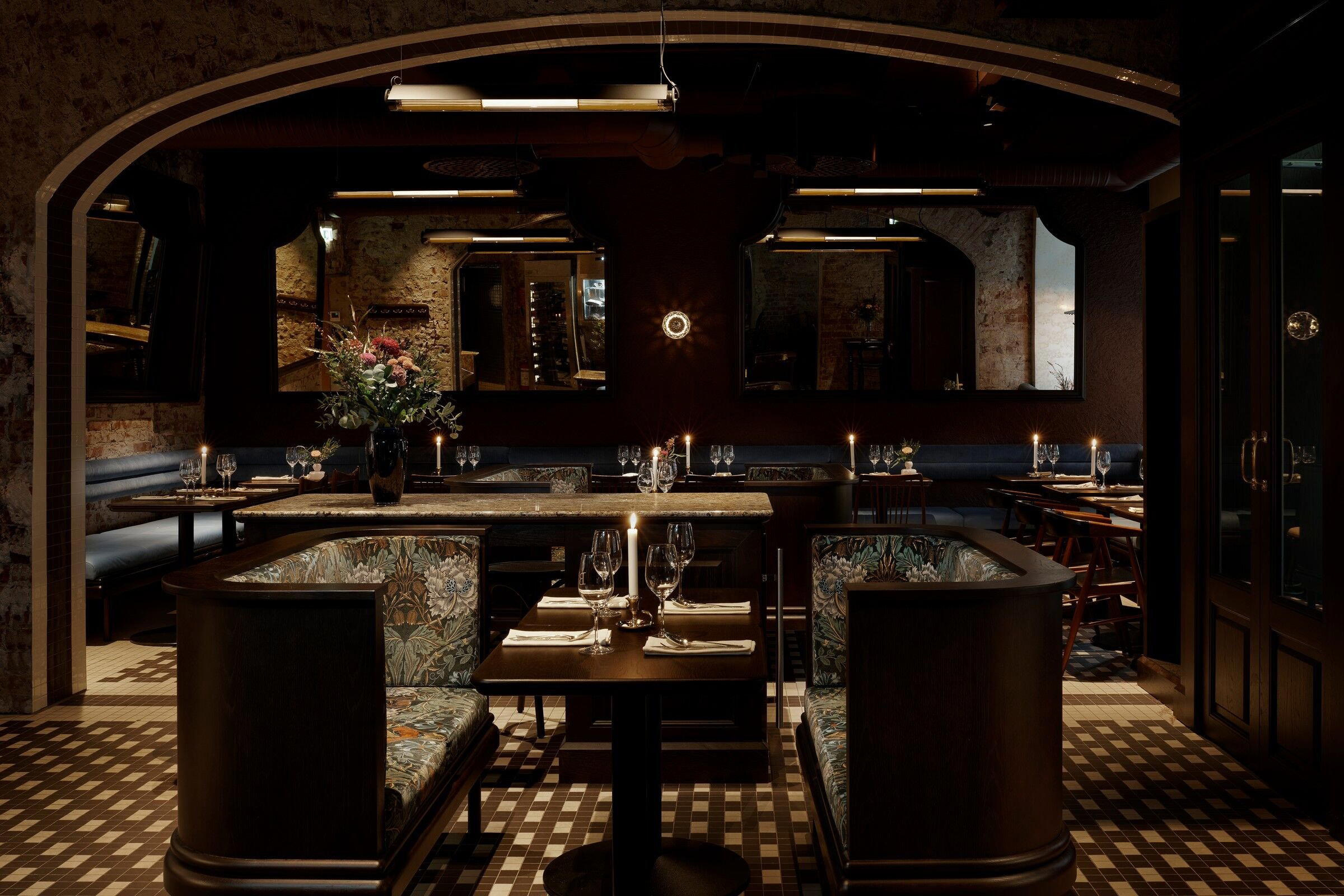
Bars in Helsinki
Browse all →
Hotels in Helsinki
Browse all →
Wineries in Helsinki
Browse all →
At a Glance
- Elegant
- Sophisticated
- Cozy
- Classic
- Date Night
- Business Dinner
- Special Occasion
- Open Kitchen
- Extensive Wine List
- Local Sourcing
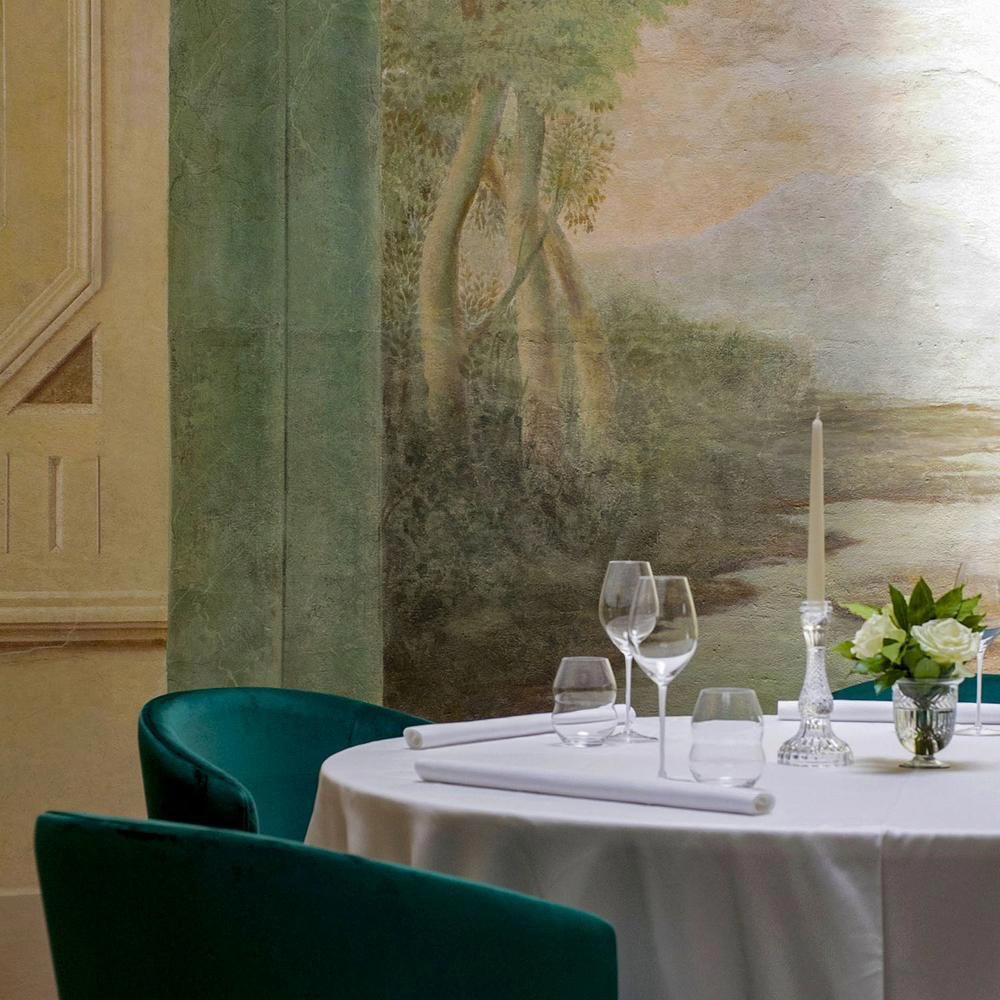
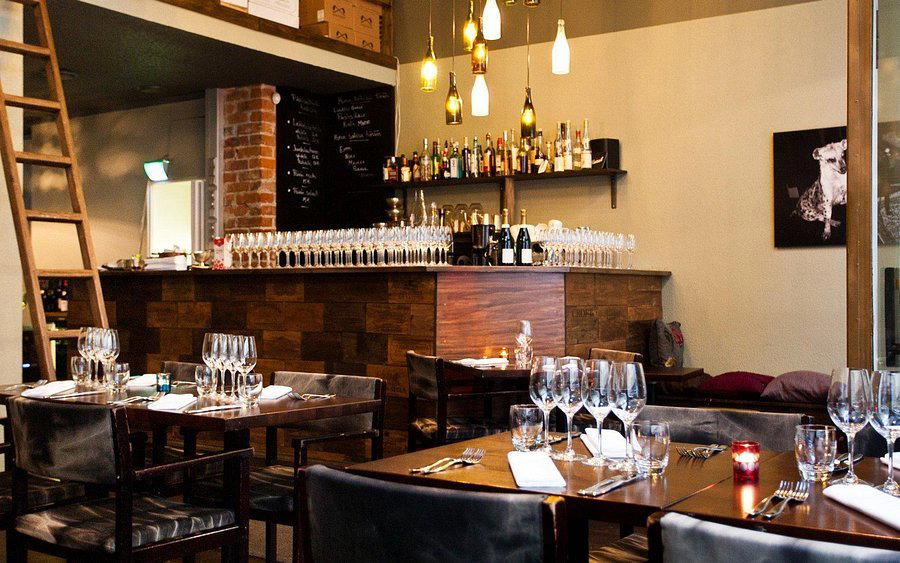
Elegant and sophisticated with thoughtful vintage-meets-modern design, soft lighting, and a chic cozy atmosphere, though some note poor or industrial lighting and loud background music.