BORI - Spring Branch
Spring Branch's Korean dining scene has quietly matured into one of Houston's most interesting corridors for technique-driven cooking, and BORI sits at that intersection of fermented tradition and modern kitchen discipline. Located at 1453 Witte Rd, the restaurant draws a loyal neighborhood crowd alongside diners making a deliberate trip across the city. It is a useful reference point for understanding how Korean cuisine has evolved in Houston beyond the expected barbecue formats.
Pearl is the En Primeur Club membership app — saves, bookings, and concierge access live there. Same editors, same standards.
- Address
- 1453 Witte Rd, Houston, TX 77080
- Phone
- +1 832 740 4350
- Website
- borirestaurant.com
- Directions
- Get directions
 Saves & bookings on Pearl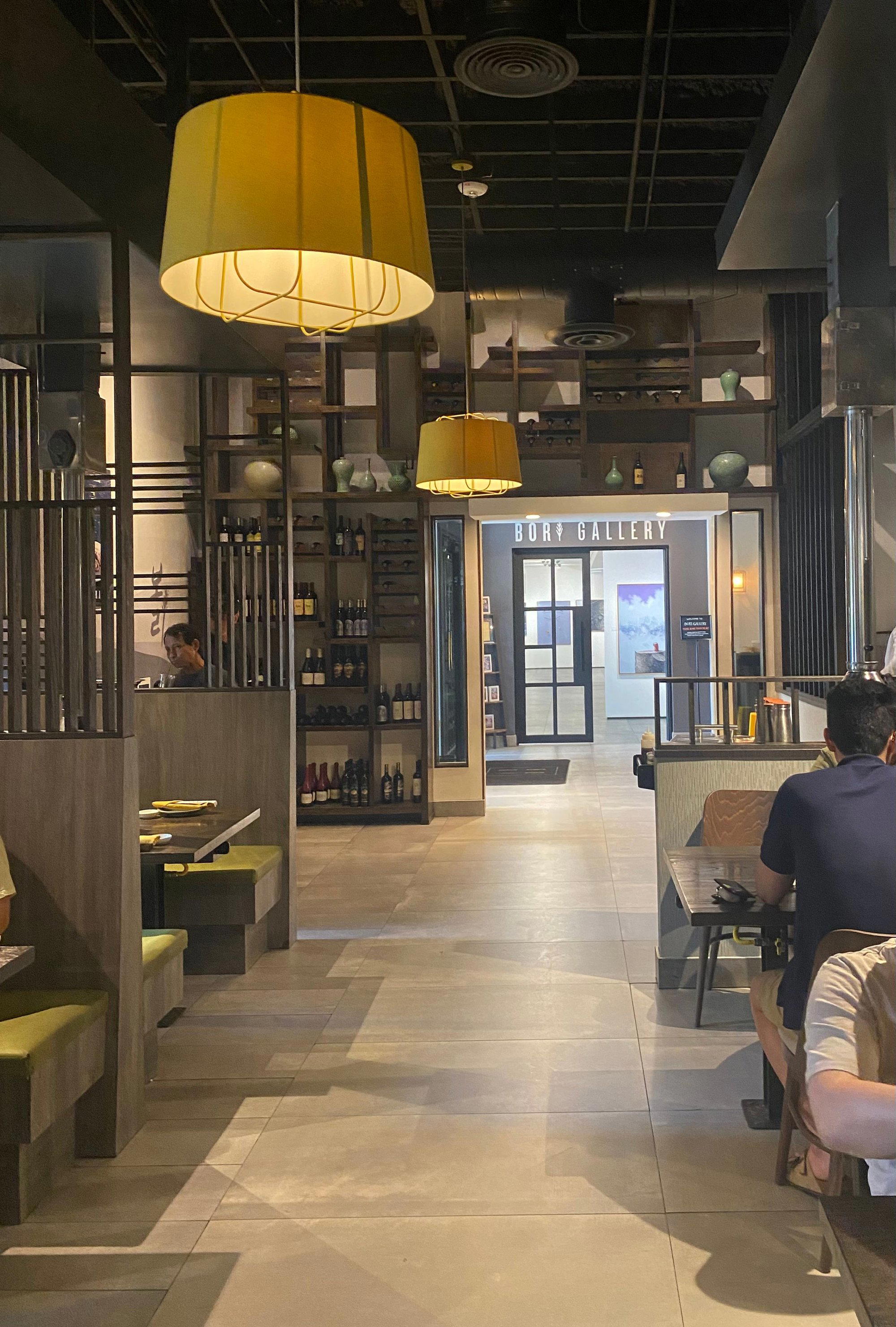
Spring Branch and the Korean Table in Houston
Spring Branch does not announce itself the way Midtown or Montrose do. The corridor along Witte Road and its surrounding blocks developed its character incrementally, shaped by Korean, Vietnamese, and Central American communities whose restaurants were not designed for destination dining so much as for daily use. That is precisely what makes BORI, at 1453 Witte Rd, a more instructive subject than a glossier address might be. The dining rooms that survive and grow in neighborhoods like this one do so because they are cooking for people who know the food, not for visitors performing novelty.
Across American cities, Korean cuisine has undergone a significant repositioning over the past decade. The genre that once resolved into a shorthand of tabletop barbecue and banchan-as-afterthought now includes a range of formats: upscale tasting-menu addresses like Atomix in New York City, fermentation-focused neighborhood restaurants, and the kind of second-generation cooking that draws on Korean mothers' kitchens while applying contemporary kitchen technique. BORI fits into that broader current, occupying a price point and format that prioritizes accessibility without abandoning rigor.
Where Local Ingredients Meet Inherited Technique
The editorial angle that matters most in Houston's Korean scene is the intersection of imported culinary method and local ingredient reality. Korean cooking is among the world's most technique-dependent cuisines: fermentation timelines measured in months and years, the precise calibration of doenjang and gochujang ratios, the distinction between a broth built for hours and one assembled to order. None of that infrastructure is decorative. It is structural.
What changes when that infrastructure lands in Houston rather than Seoul is the ingredient pool. The Texas Gulf Coast produces shellfish and fish that have no direct Korean equivalent but map onto Korean cooking logic with surprising precision. The approach visible across Houston's better Korean kitchens involves applying inherited fermentation and seasoning frameworks to what the Gulf and South Texas actually provide. The results sit in a different register than either strictly traditional Korean cooking or the fusion branding that dominated American-Korean restaurants in the 2000s. They are something more considered: a negotiation between technique and terroir.
This is not distinctive to Korean cooking in Houston. March, the Venetian-influenced restaurant that has become one of Houston's most discussed dining addresses, operates on a similar logic: a European culinary tradition deployed with Gulf Coast and Texas pantry materials. Musaafer does it with Indian regional cooking. Tatemó works the same tension with masa-focused Mexican technique. The pattern across Houston's more serious restaurants is consistent: technique from elsewhere, ingredients from here.
The Spring Branch Dining Context
Spring Branch sits northwest of downtown Houston, a corridor that has not been subject to the gentrification pressures that reshaped EaDo or the Heights. That relative stability matters for restaurant culture. Kitchens here are not calibrating their menus for a demographic that arrived recently; they are cooking for communities with long institutional memory around the food. The result is a higher baseline expectation from regular diners, which tends to discipline kitchens more effectively than critical attention does.
The comparison set for BORI is not the high-end tasting rooms that anchor Houston's national reputation. It sits closer to the mid-register of the city's international dining, where the competition is defined by other Korean and pan-Asian kitchens in the Spring Branch and Blalock Road corridors. That competitive context produces a different kind of restaurant than the one shaped by Michelin aspiration. The pressure is everyday consistency rather than event dining, which often produces more honest cooking.
For visitors building a Houston itinerary around serious eating, the EP Club guide to Houston restaurants maps the full range of addresses worth attention. Spring Branch rarely appears in the abbreviated versions of that list, but the neighborhood rewards a deliberate detour. The concentrated density of Korean, Vietnamese, and Salvadoran kitchens within a few blocks of each other on Witte and Long Point Road creates a dining corridor with no real equivalent in the more publicized parts of the city.
How BORI Sits in a Wider National Pattern
The maturation of Korean-American cooking as a serious culinary category is visible across multiple cities now. In New York, Atomix occupies the tasting-menu tier with two Michelin stars and a format built around research and plating discipline. In San Francisco, the narrative around local-ingredient tasting menus visible at Lazy Bear has helped normalize the idea of American regional ingredients as the primary vocabulary, whatever the cuisine's heritage. In Los Angeles, Providence has made the Gulf Coast and Pacific analogy legible through seafood-first cooking that treats technique as secondary to product quality.
What Houston's Korean restaurants represent is a middle register of that evolution: not the headline tasting-menu format, but the neighborhood-scale expression of a cuisine that has internalized serious technique without building a ceremony around it. That is, where durable cooking happens. The restaurants that sustain over a decade in neighborhoods like Spring Branch are not doing so through novelty cycles; they are doing so through iteration and consistency, which is a more demanding discipline.
The same logic applies to the farm-to-table tiers visible at addresses like Blue Hill at Stone Barns or Single Thread Farm in Healdsburg: the underlying argument is that sourcing discipline and technique discipline are inseparable. Korean cooking arrived at that conclusion through a different cultural route but landed in the same place. Fermentation is, by definition, a form of patience applied to ingredients.
Planning a Visit
BORI is located at 1453 Witte Rd, Houston, TX 77080, in the heart of the Spring Branch corridor. Visitors should check current operating details before making a trip. Spring Branch is best reached by car from central Houston; the area has limited walkable radius from other major dining clusters but rewards the drive as part of a broader exploration of the neighborhood's eating options.
For context on Houston's broader dining range, the addresses at BCN Taste & Tradition for Spanish cooking and Le Jardinier Houston for French-influenced fine dining represent the city's more formal upper tier. BORI sits in a different register but participates in the same broader story about Houston as a city where serious cooking is distributed across neighborhoods rather than concentrated in a single dining district.
Comparable Options
Comparable venues nearby, for context on price, style, and recognition.
| Venue | Cuisine | Price | Notes |
|---|---|---|---|
| BORI - Spring BranchThis venue — the venue you are viewing | Korean Inspired Steakhouse | $$$ | Not listed |
| 024 Grille | Modern Texas Steakhouse | $$$ | Hennessey |
| Ohn | Korean Soju Bar Food | $$ | Bellaire West |
| Remi | Modern Italian with American influences | $$$ | Afton Oaks |
| Stray Horse | Upscale Texan with Peruvian influences | $$$ | Galleria |
| Milton's | Italian-American Trattoria | $$$ | Pemberton |
Continue exploring
More in Houston
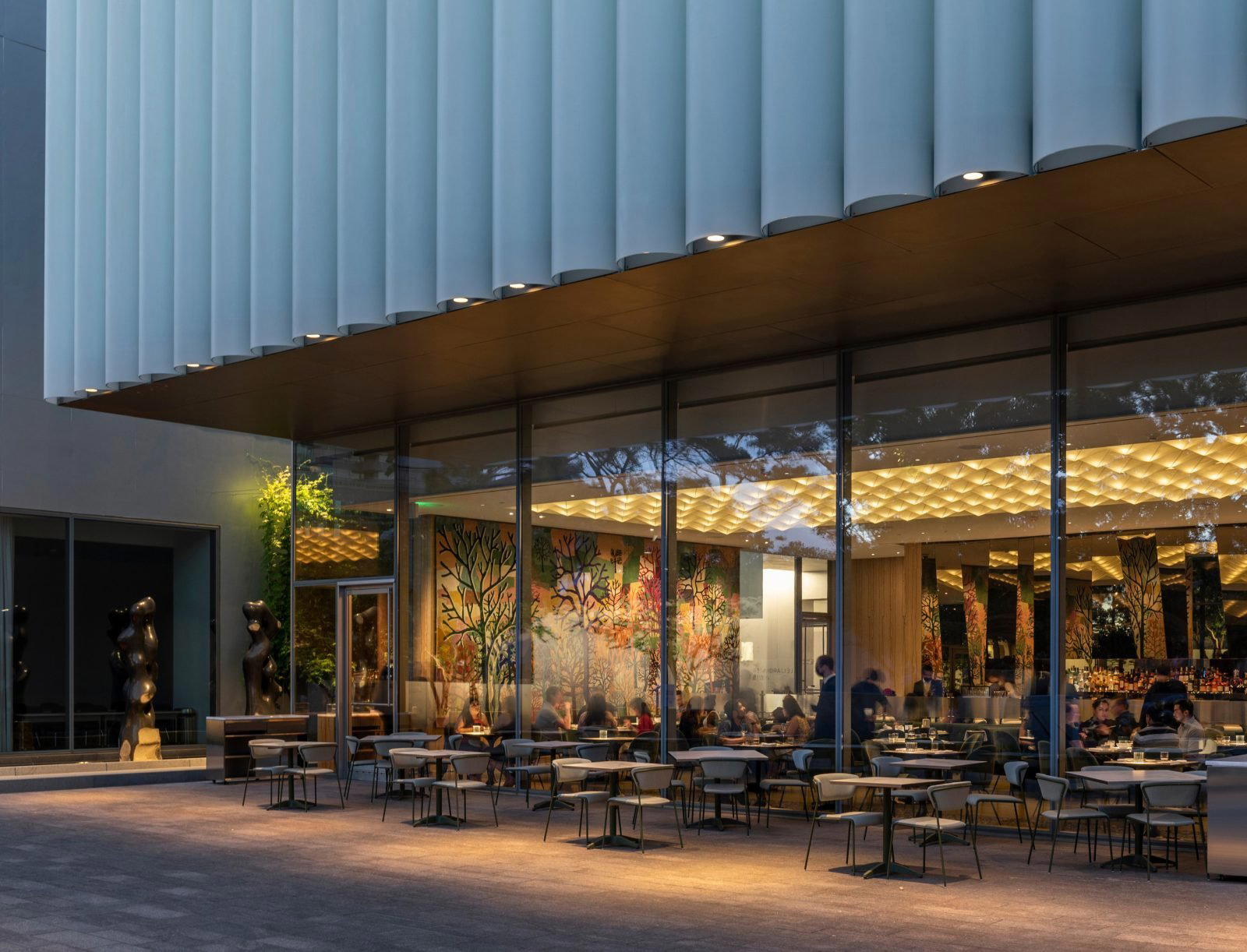
Restaurants in Houston
Browse all →
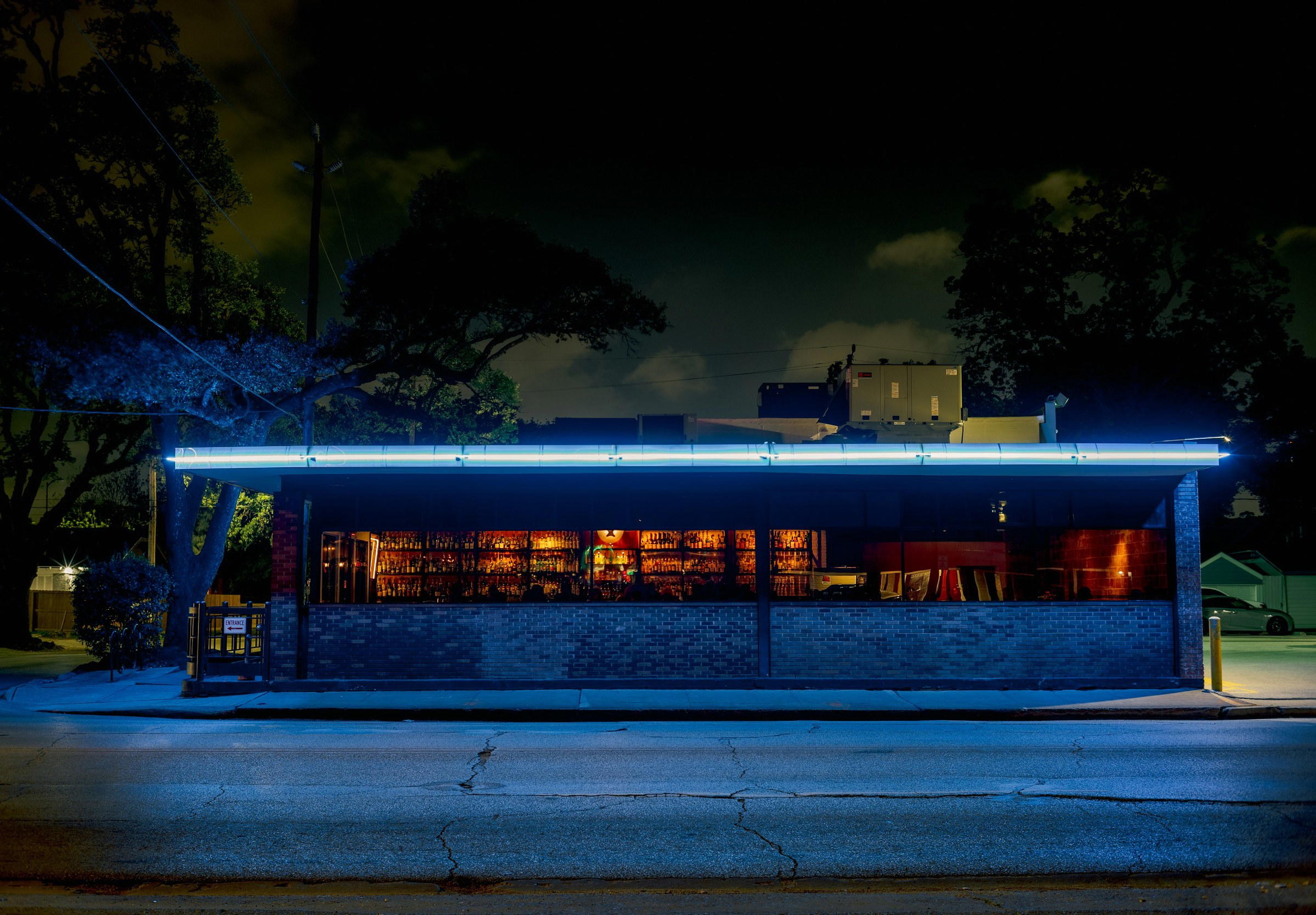
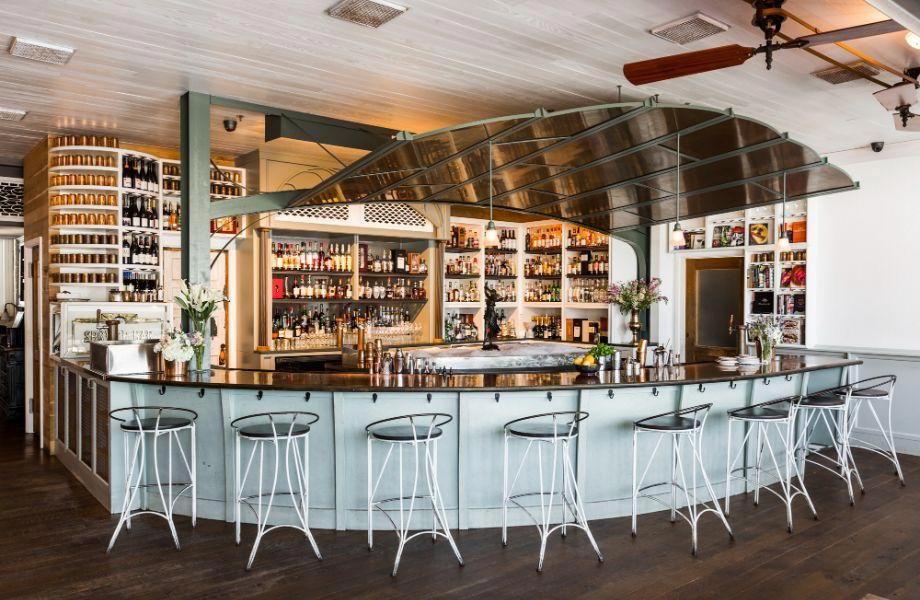
Bars in Houston
Browse all →
Hotels in Houston
Browse all →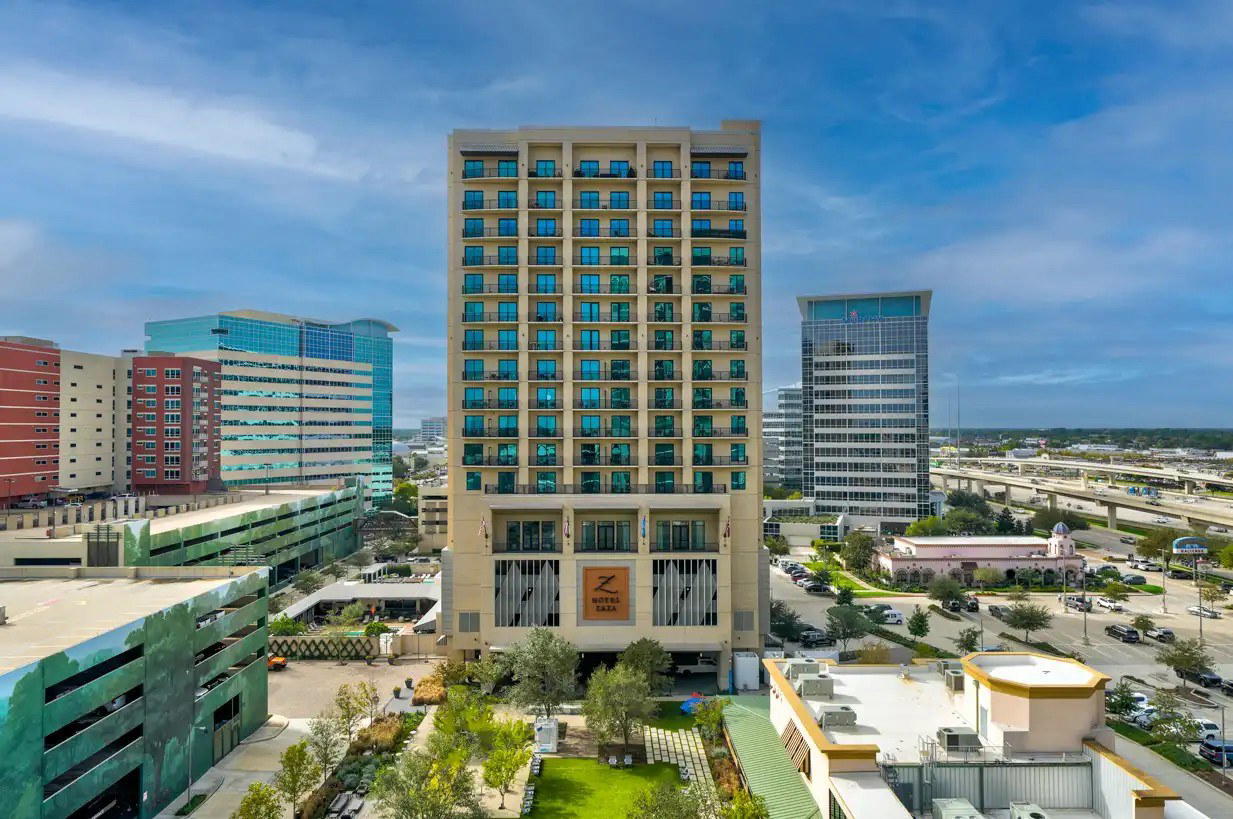
At a Glance
- Elegant
- Cozy
- Modern
- Group Dining
- Special Occasion
- Casual Hangout
- Open Kitchen
- Private Dining
Current opening hours
- Monday
- 11 AM–1:30 PM, 5–9:30 PM
- Tuesday
- 11 AM–1:30 PM, 5–9:30 PM
- Wednesday
- 11 AM–1:30 PM, 5–9:30 PM
- Thursday
- 11 AM–1:30 PM, 5–9:30 PM
- Friday
- 11 AM–1:30 PM, 5–9:30 PM
- Saturday
- 12–9:30 PM
- Sunday
- 12–9:30 PM
Hours can change for holidays and private events. Last verified .
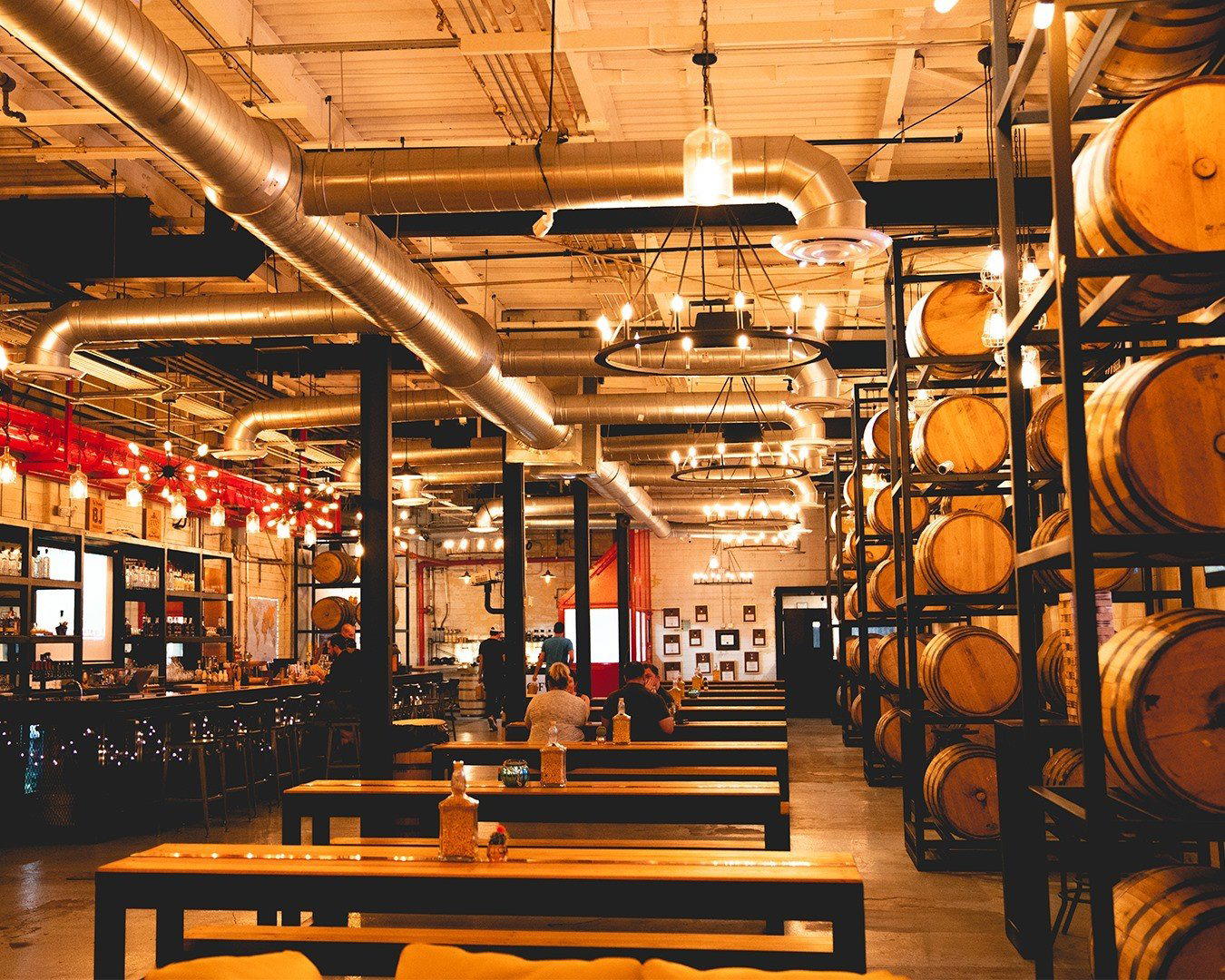
Elegant yet casual atmosphere with culturally significant Korean artifacts, providing a sanctum-like feel in a quiet street location.