
Bonito Saint Barth occupies Rue Lubin Brin in the heart of Gustavia, positioning itself within the fish-forward, Mediterranean-Caribbean tradition that defines the island's most considered dining. Named for one of the Caribbean's prized catches, the address signals sourcing ambitions that place it among Gustavia's serious seafood options. Reserve well ahead during the November-to-April peak season.
Pearl is the En Primeur Club membership app — saves, bookings, and concierge access live there. Same editors, same standards.
- Address
- Rue Lubin Brin, Gustavia 97133, St. Barthélemy
- Phone
- +590 590 27 96 96
- Website
- bonitosbh.com
- Directions
- Get directions
 Saves & bookings on Pearl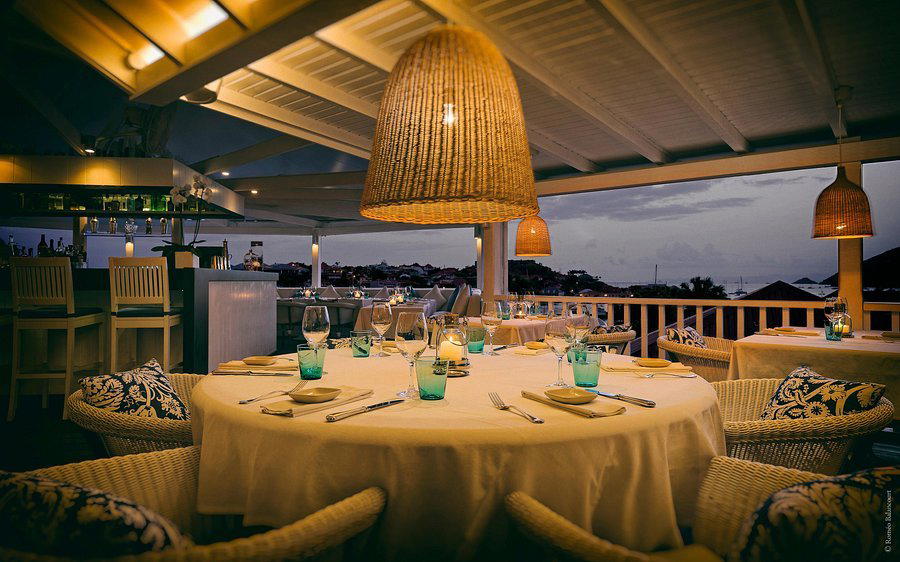
Where the Caribbean Meets the Table
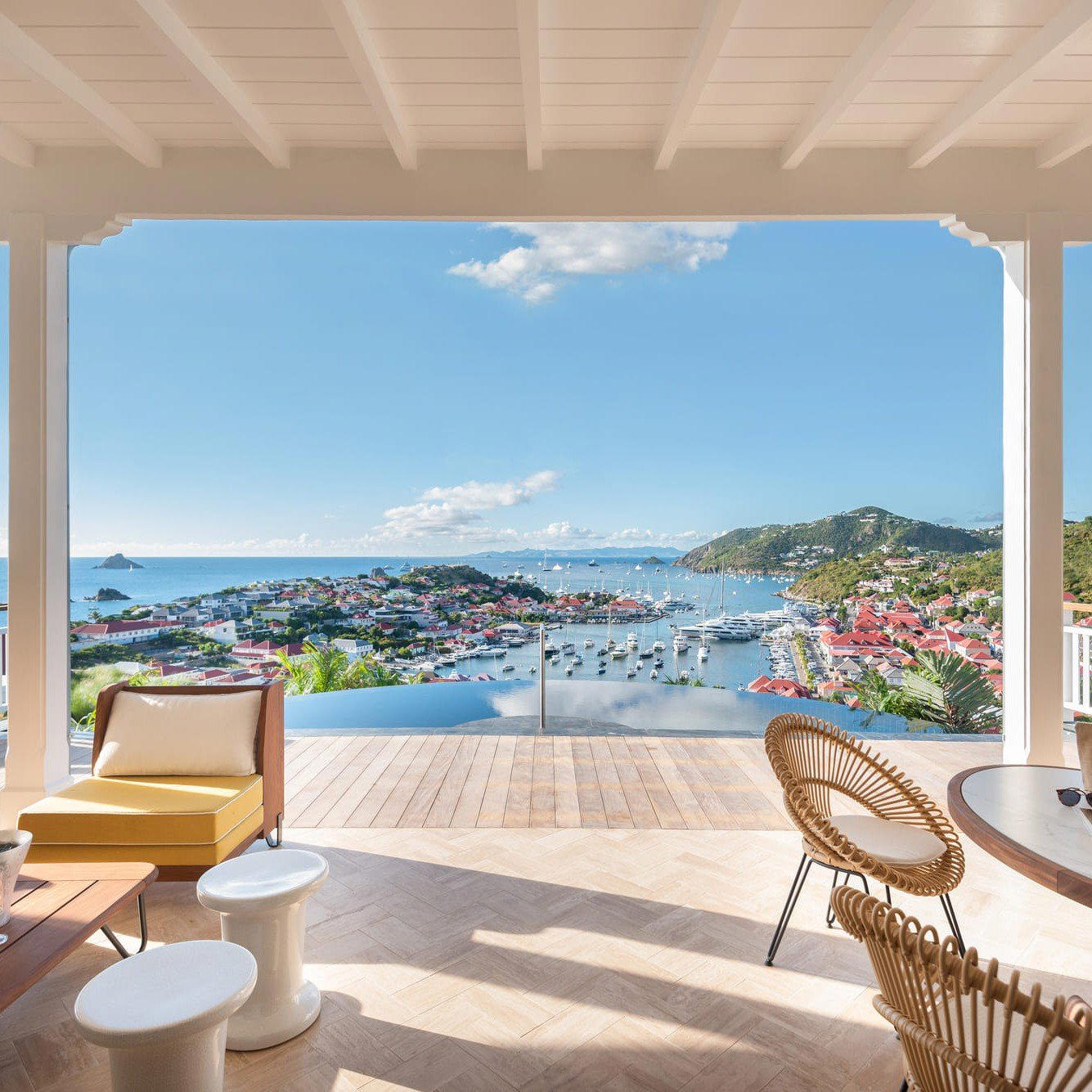
Rue Lubin Brin runs quietly through Gustavia's harbor quarter, a street that manages to feel both local and international in the way only St. Barths can sustain. The island's capital is compact enough that almost every serious restaurant sits within a few minutes of the waterfront, yet each address occupies its own register. Bonito Saint Barth lands in that category of spots where the setting does real work before a single dish arrives: the port air, the warm stone of the streetscape, and the particular quality of late-afternoon Caribbean light all prime the palate in ways that a landlocked dining room simply cannot replicate.
St. Barths occupies an unusual position in Caribbean dining. The island is French-administered but has spent decades absorbing influences from across the Atlantic and the Americas, producing a restaurant culture that runs from Creole kitchens to Riviera-inflected seafood counters, often within the same block. Gustavia, as the commercial and culinary center, concentrates this variety most densely. Bonito sits within that concentration, and understanding the address means understanding the sourcing logic that shapes menus across the island.
The Sourcing Reality of Island Cooking
Cooking seriously on a small Caribbean island involves constraints that shape every menu decision. St. Barths has no significant agricultural hinterland of its own, which means kitchens must either import with precision or cultivate relationships with regional suppliers across Guadeloupe, Martinique, and the broader Lesser Antilles. The difference between restaurants that do this with care and those that do not shows immediately in ingredient quality, particularly in seafood, where the gap between locally-caught fish landed that morning and product shipped from Miami is unmistakable on the plate.
The broader dining tradition that names like Bonito draw from — a Mediterranean-inflected approach to fresh fish and coastal ingredients — has deep roots in how the island's culinary identity formed. French culinary technique, applied to Caribbean catches and tropical produce, is the template that the most serious Gustavia kitchens have refined over several decades. Venues elsewhere on the island, including Le Tamarin in Saint Barthelemy and Restaurant Le Toiny in Toiny, have each built their reputations on variations of this same formula: sourcing discipline applied to a Franco-Caribbean framework.
In Gustavia itself, the approach plays out across a range of formats. Maya's Restaurant has long represented one pole of the Gustavia dining spectrum, with its Creole-leaning menu and harbor-facing terrace. Shellona occupies a beach-club register that prioritizes atmosphere alongside the plate. Nikki Beach skews toward the scene-driven end of the market. L'Isola and L'isoletta anchor the Italian-influenced contingent. Bonito occupies its own position within this spread, one shaped by the name itself, bonito, the fast-moving tuna relative that is among the most prized catches of warm Atlantic and Caribbean waters.
What the Name Signals About the Menu
A restaurant named for a fish is making a statement about priorities. The bonito and its relatives in the scombriform family, tuna, mackerel, kingfish, are the workhorses of serious Caribbean seafood cooking, and the kitchens that handle them well understand that the fish requires minimal intervention at peak freshness and careful technique when aged or cured. The name positions Bonito Saint Barth within the tradition of fish-forward Mediterranean-Caribbean cooking that has proven the most enduring format in the island's premium dining sector.
This is a tradition with serious global reference points. Kitchens like Le Bernardin in New York City and Quattro Passi in Marina del Cantone demonstrate what rigorous sourcing and classical technique produce at the top of this category. In the Caribbean context, the standard is necessarily different, the supply chain is shorter for some ingredients and longer for others, but the underlying discipline is the same: know where the fish came from, when it was caught, and how to treat it accordingly.
The Rue Lubin Brin address places Bonito within easy reach of the harbor where local catch arrives, which matters for any kitchen with serious seafood ambitions. Gustavia's restaurant scene has expanded steadily over the past decade alongside the island's reputation as a winter destination for European and American travelers, and the addresses that have sustained their standing through that expansion tend to be those with real sourcing relationships rather than simply strong design budgets. See the full Gustavia restaurants guide for a complete map of where the island's dining is now concentrated.
Placing Bonito in the Island Dining Tier
St. Barths operates at a price point that reflects the cost of getting quality ingredients onto a small French Caribbean island during peak season, which runs roughly from mid-November through April. Visitors who have dined at Bagatelle St. Barth in St Barthelemy will recognize the format: the island's premium restaurants price internationally and deliver food that competes with good European and American coastal dining rooms rather than with budget Caribbean alternatives.
The relevant comparison set for a Gustavia seafood address like Bonito is not other Caribbean islands but the coastal Mediterranean and the better-traveled Atlantic seaboard restaurants where similar sourcing discipline operates. Places like Dal Pescatore in Runate or Atelier Moessmer Norbert Niederkofler in Brunico show what ingredient-driven cooking can achieve with deep regional roots; Bonito's challenge, like all Gustavia kitchens, is to produce that quality from an island that has to construct its supply chain deliberately rather than inheriting it from centuries of agricultural tradition.
For travelers mapping their St. Barths dining across a stay, Bonito occupies a natural position in the Gustavia evening itinerary. Rue Lubin Brin is walkable from the main harbor and from most of the town's accommodation. Reservations during the December-to-March peak period should be arranged well in advance, as the island's small restaurant capacity fills quickly against the volume of villa and hotel guests arriving each week. Visiting outside peak season brings more flexibility but also reduced service at some addresses.
Planning Your Visit
Access to St. Barths from most international origins requires a connection through Sint Maarten (SXM) or another regional hub, with the final approach to Gustaf III Airport involving one of the more dramatic short-field landings in Caribbean aviation. The island's size means Gustavia is central to most accommodation clusters. Arriving at Bonito with a confirmed reservation, rather than walking in during peak weeks, is the practical default for first-time visitors.
For those building a broader St. Barths itinerary, the island rewards sequencing dinners across different neighborhoods and formats rather than concentrating in Gustavia alone. The drive across the island's interior hills opens options at addresses including Le Tamarin and Restaurant Le Toiny, both of which offer a different register from the harbor-town atmosphere of Rue Lubin Brin.
Recognition history
Dated appearances from independent guides and award organizations, with the underlying list record or original source where available.
World Culinary Awards Saint Barthélemy's Best Restaurant 2025 #1
World Culinary Awards
At a Glance
- Lively
- Elegant
- Sophisticated
- Cozy
- Date Night
- Special Occasion
- Celebration
- Late Night
- Open Kitchen
- Terrace
- Live Music
- Waterfront
- Craft Cocktails
- Extensive Wine List
- Waterfront
Current opening hours
- Monday
- 6 PM–1 AM
- Tuesday
- 6 PM–1 AM
- Wednesday
- 6 PM–1 AM
- Thursday
- 6 PM–1 AM
- Friday
- 6 PM–1 AM
- Saturday
- 6 PM–1 AM
- Sunday
- 6 PM–1 AM
Hours can change for holidays and private events. Last verified .
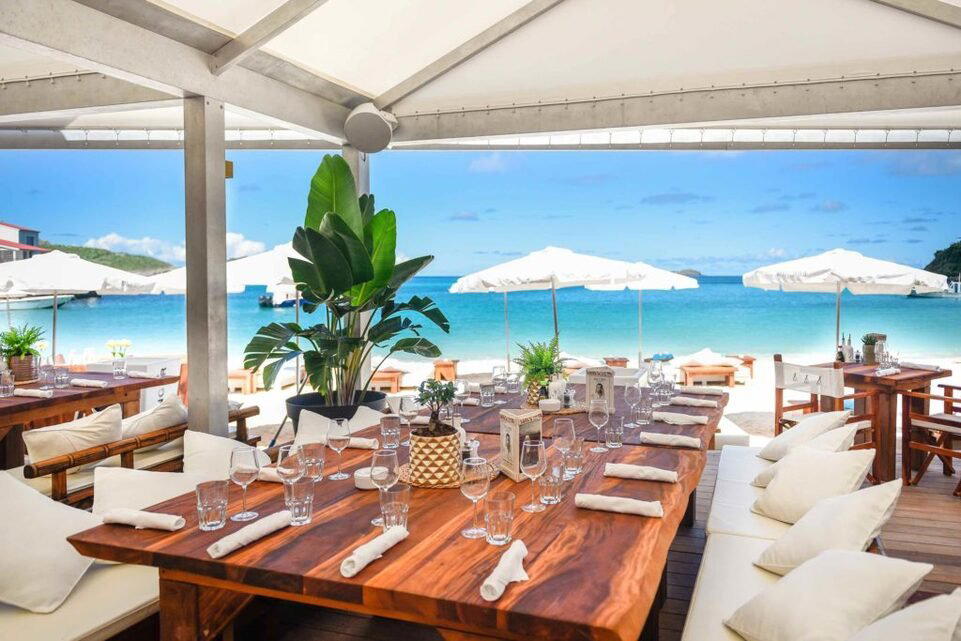
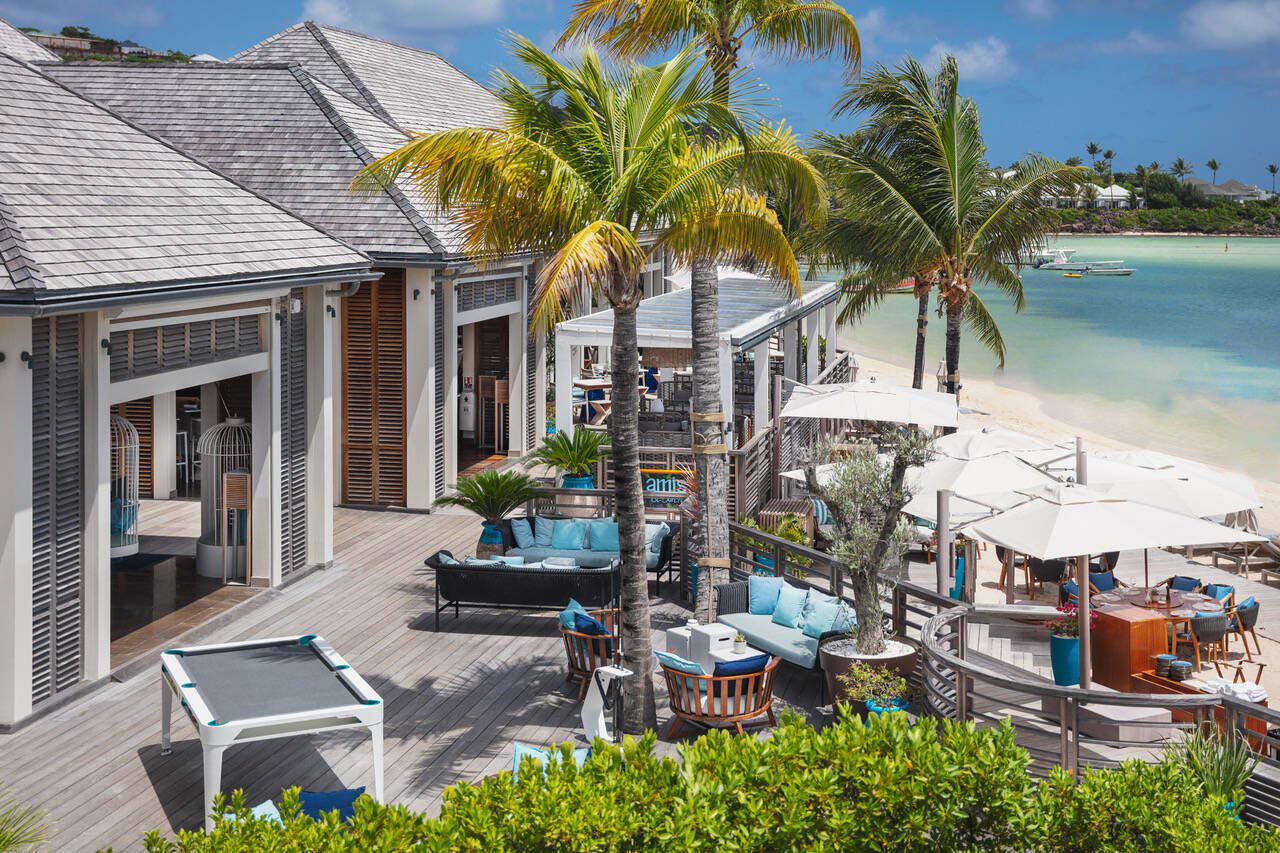
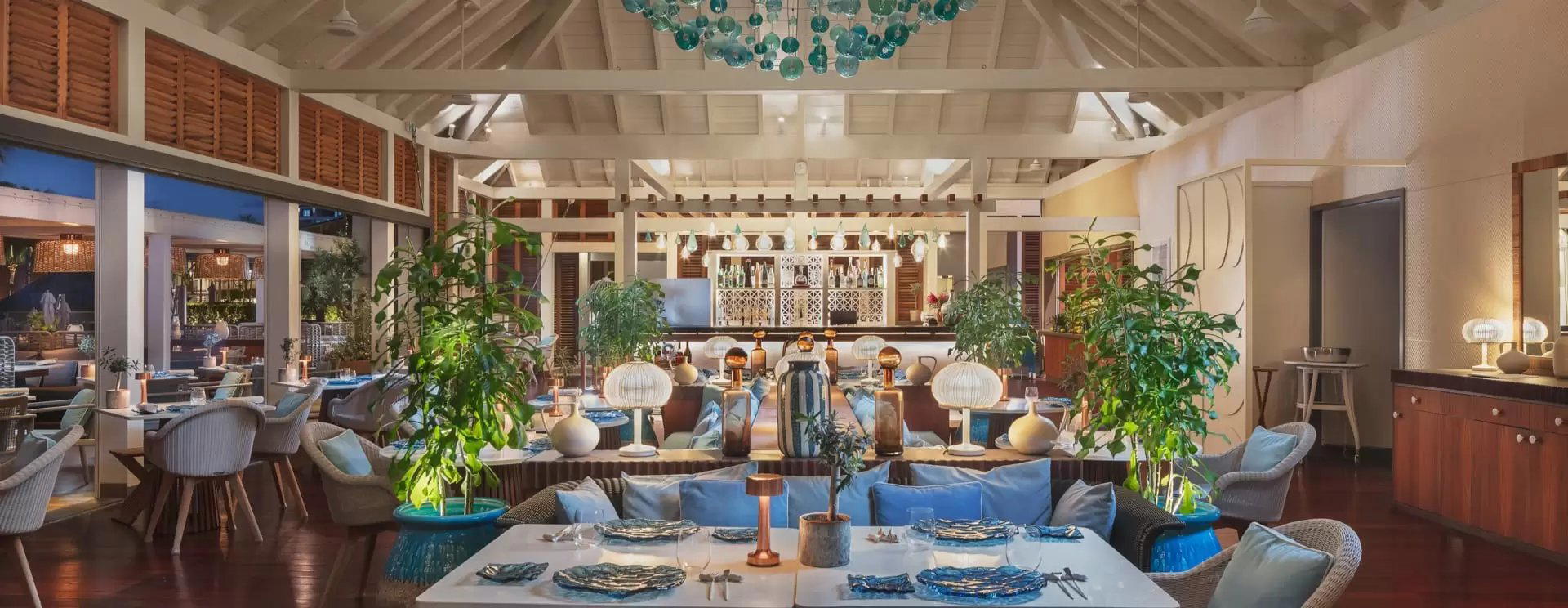
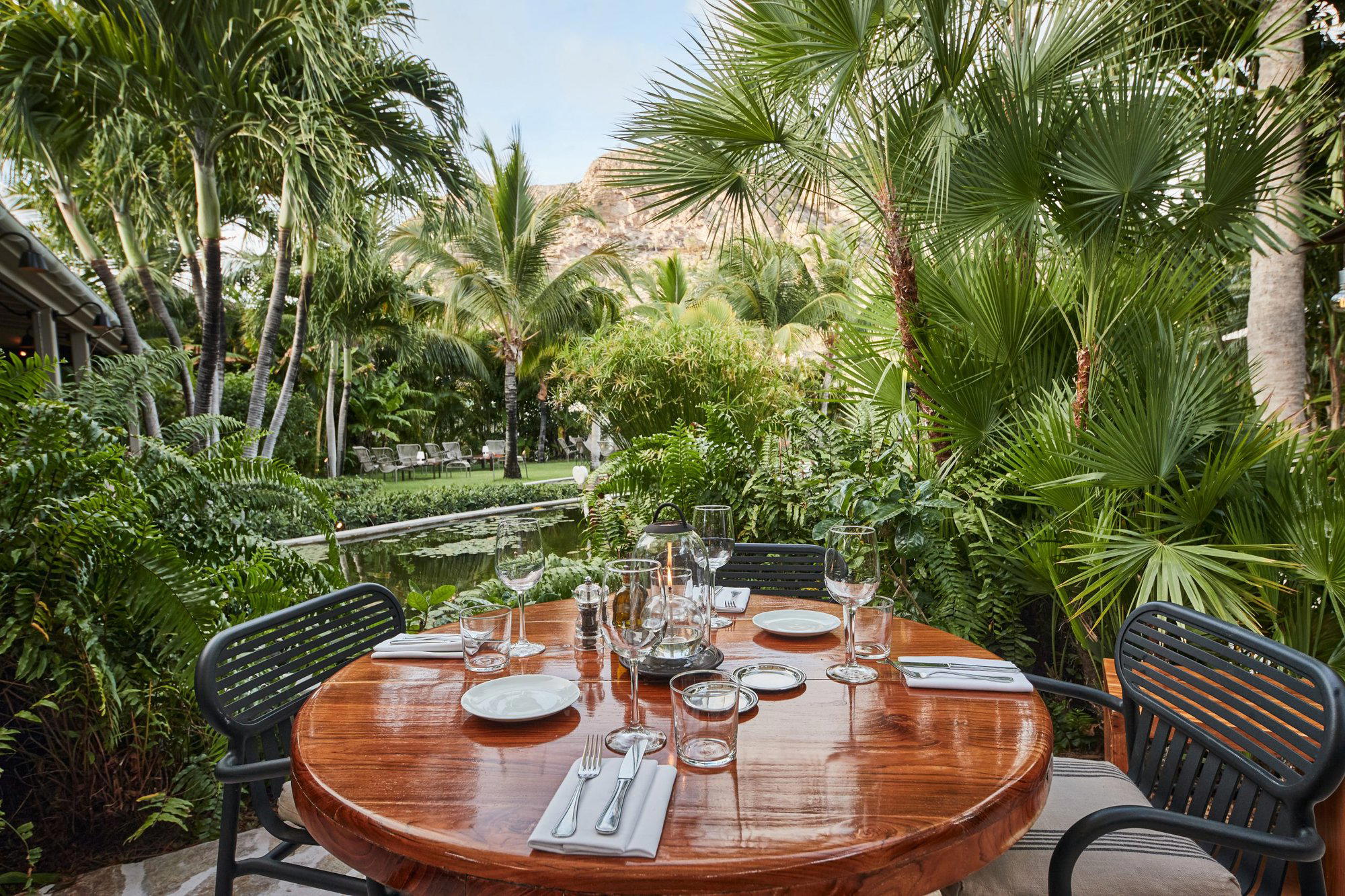
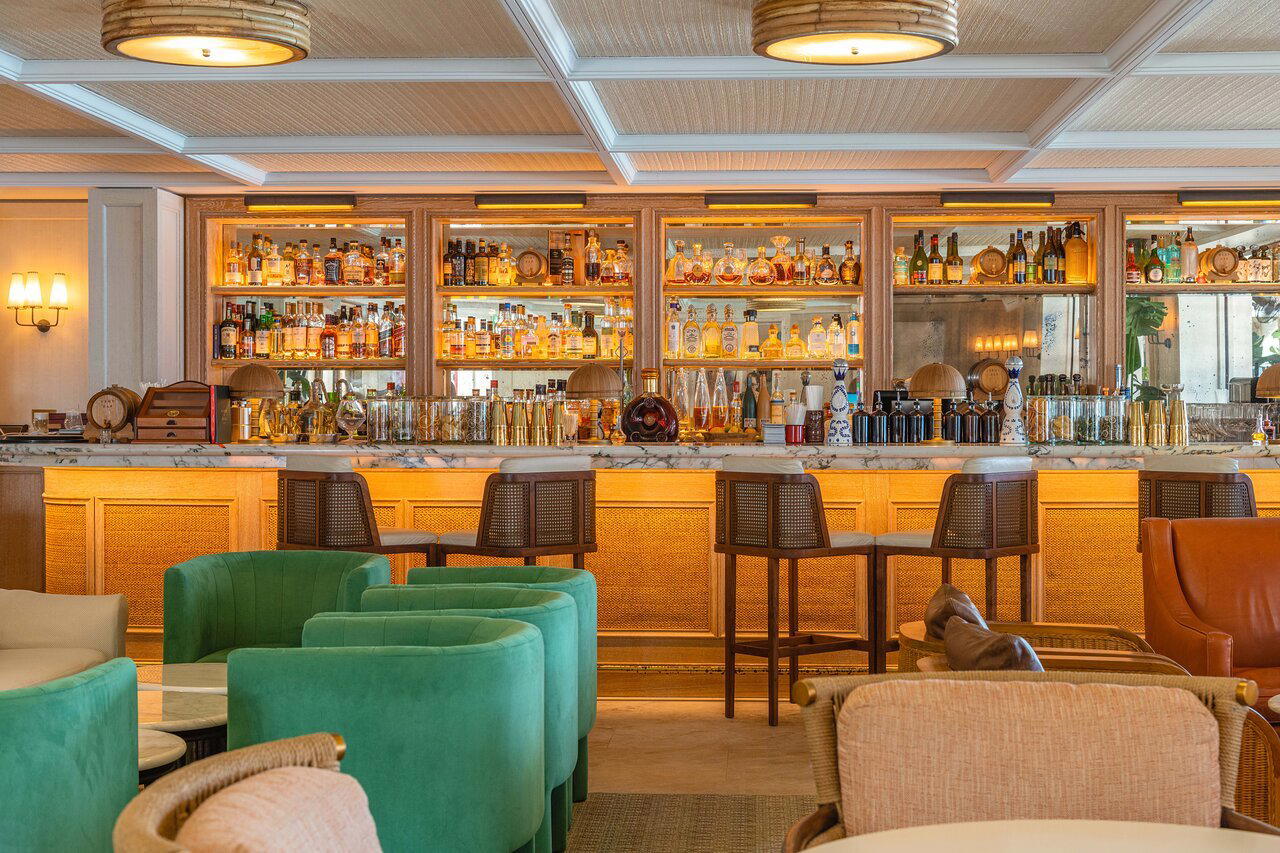
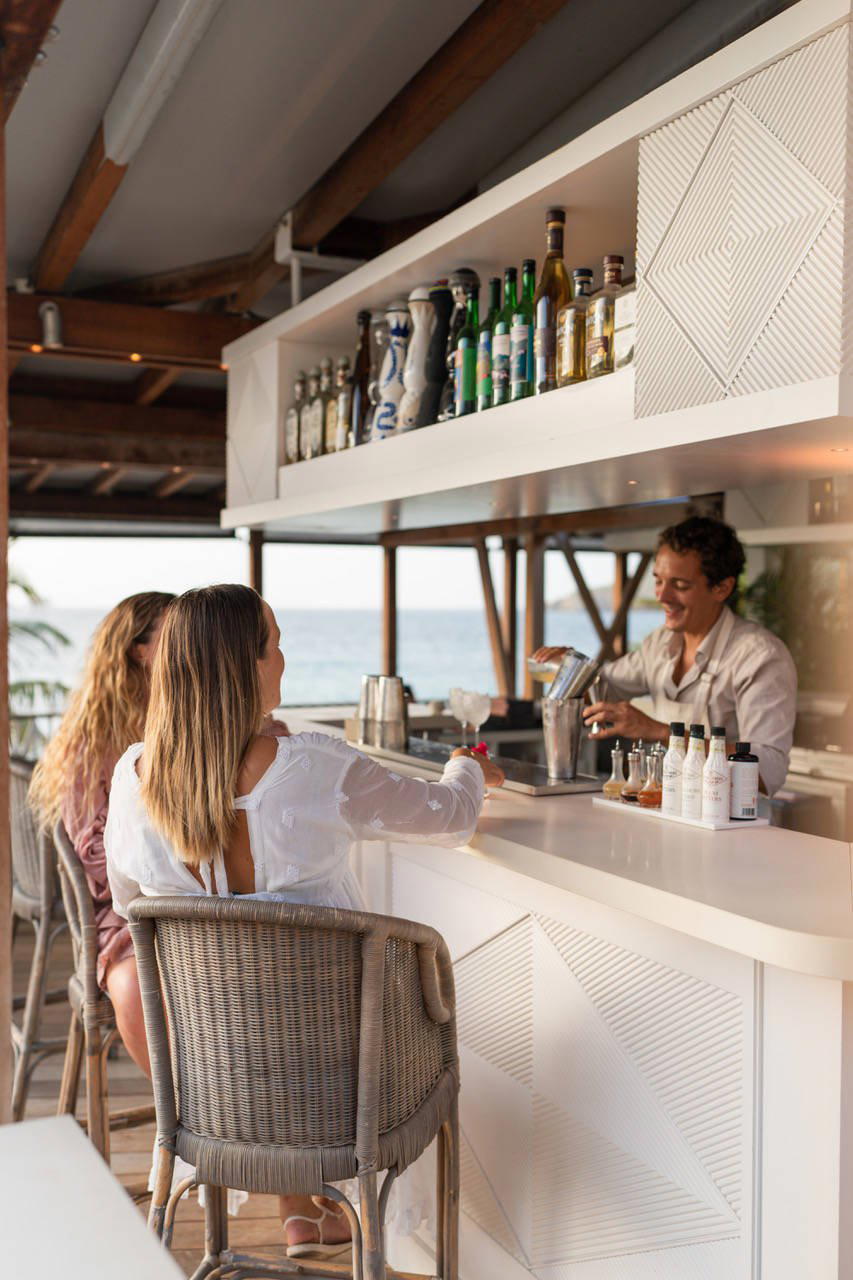
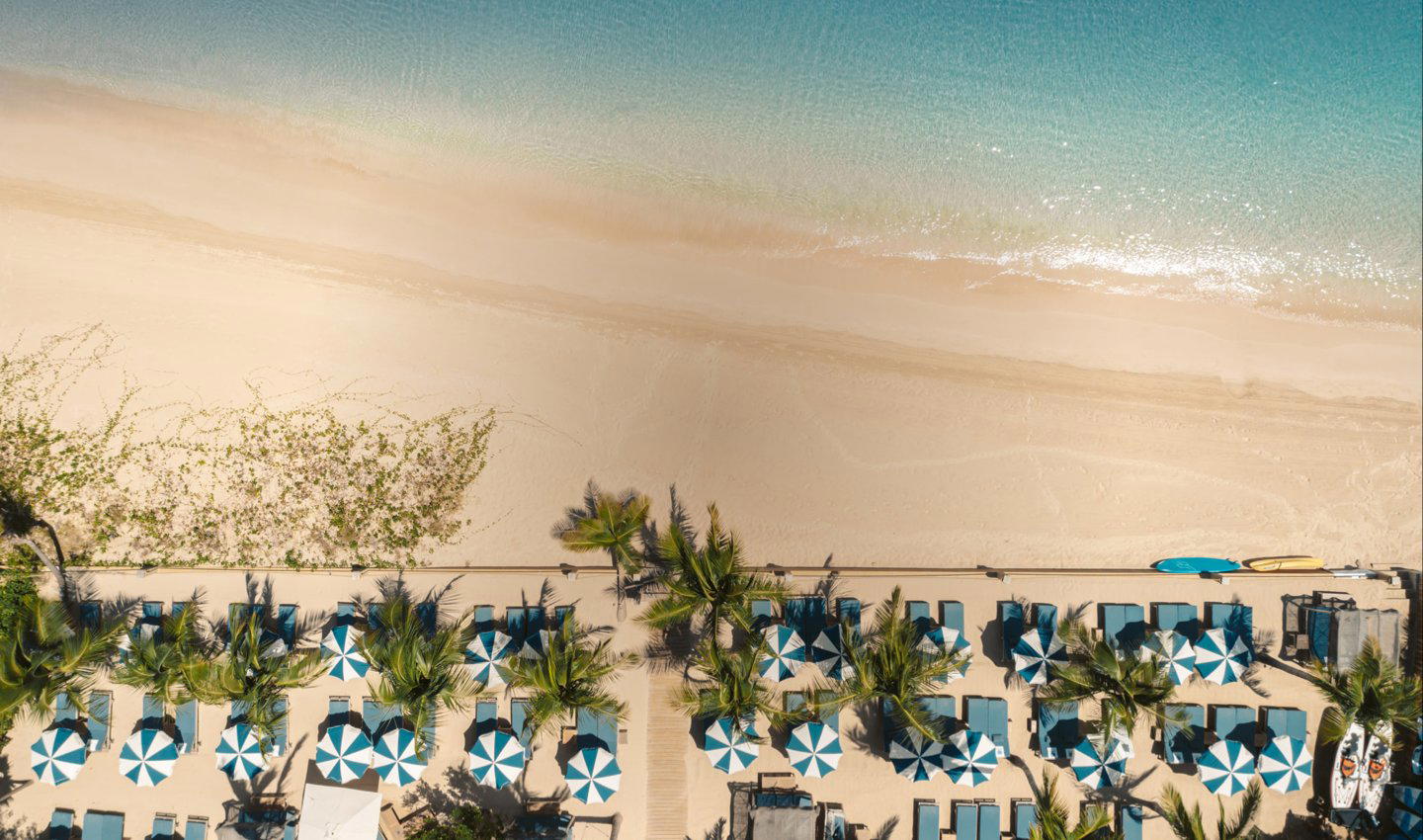
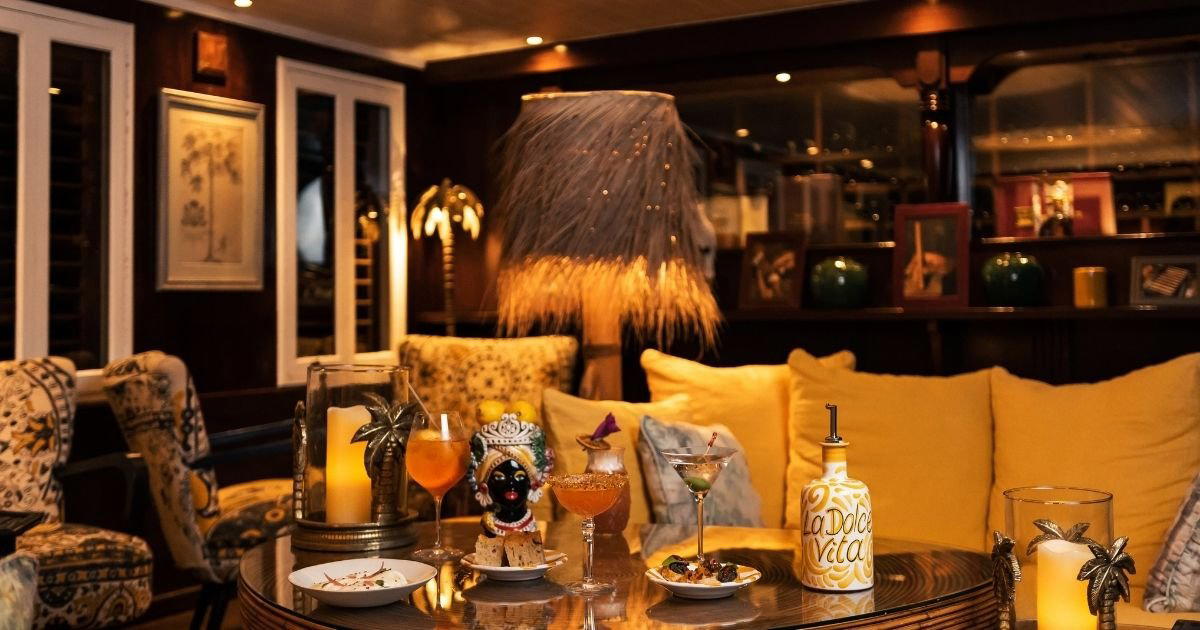
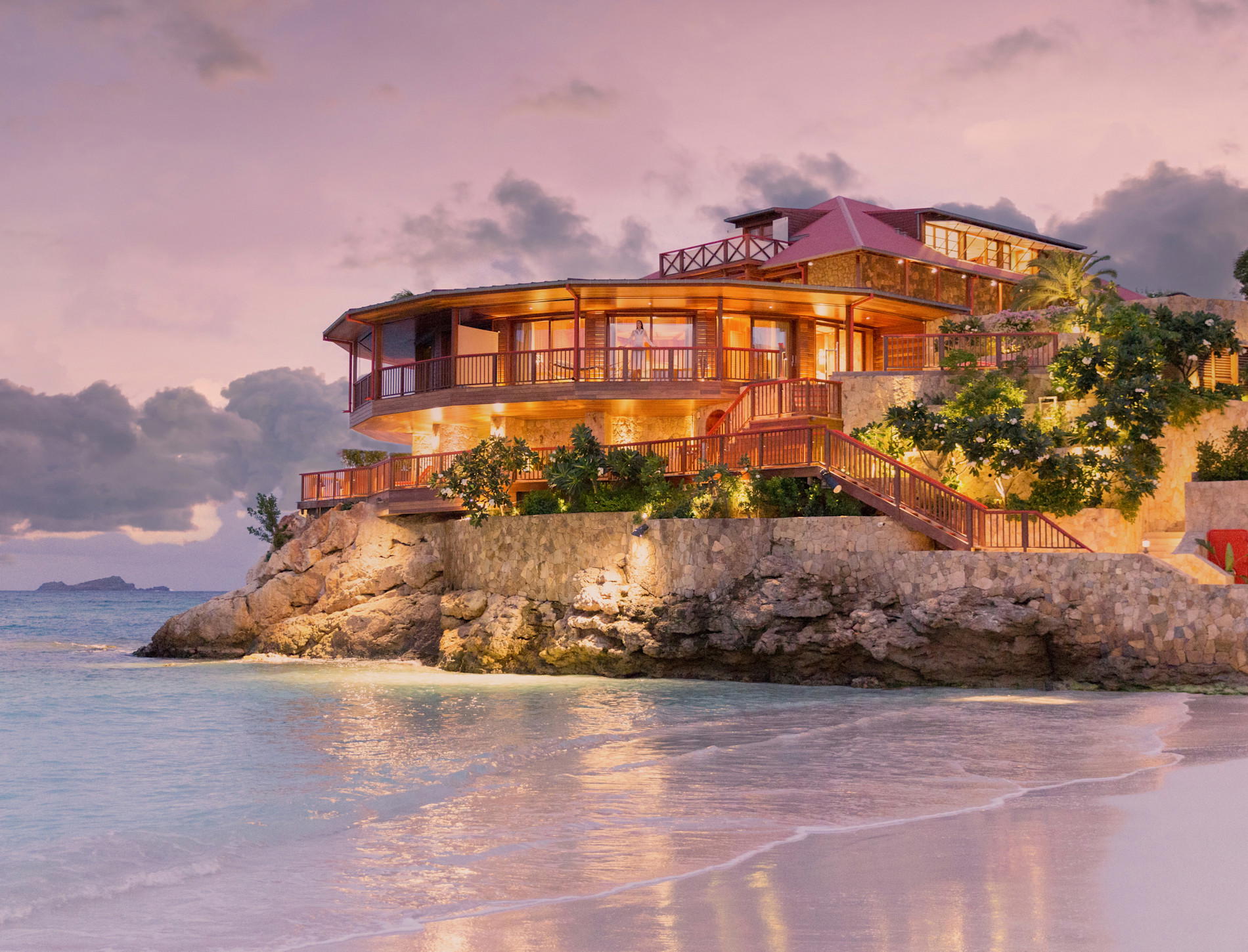
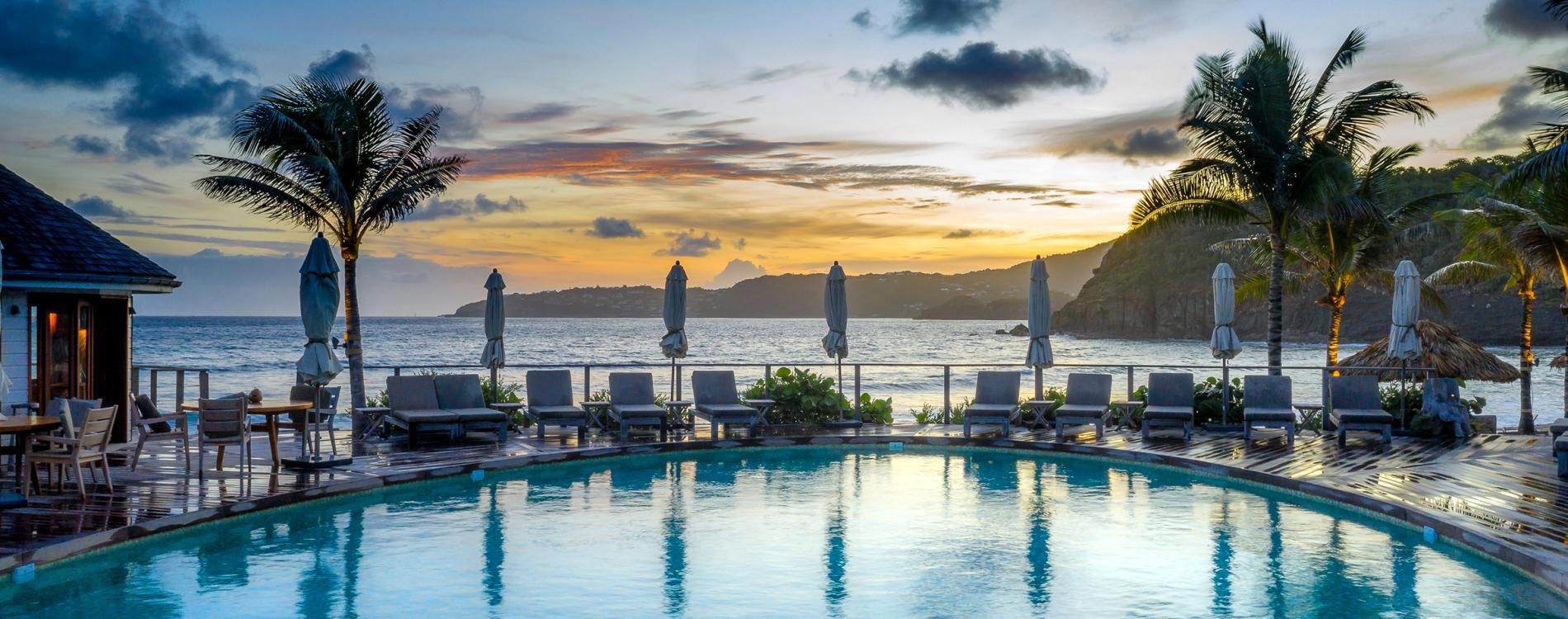
Chic beach house vibe blending sophisticated luxury villa with intimate living room, chic stylish and lively atmosphere enhanced by talented DJs and well-suited soundtrack.