Blaue Ente by Alex

Michelin Plate
Our verdict
Set inside a converted industrial mill on Seefeldstrasse, Blaue Ente by Alex pairs heritage architecture with a contemporary seasonal menu that draws on Swiss regional sourcing. The relaxed front-of-house atmosphere and a popular terrace make it a reliable anchor in Zurich's Seefeld district. Lunchtime daily specials run alongside a more considered evening menu built around produce like organic trout from the Glauser family and Toggenburg veal.

Pearl is the En Primeur Club membership app, where members save venues, book tables and use the concierge.
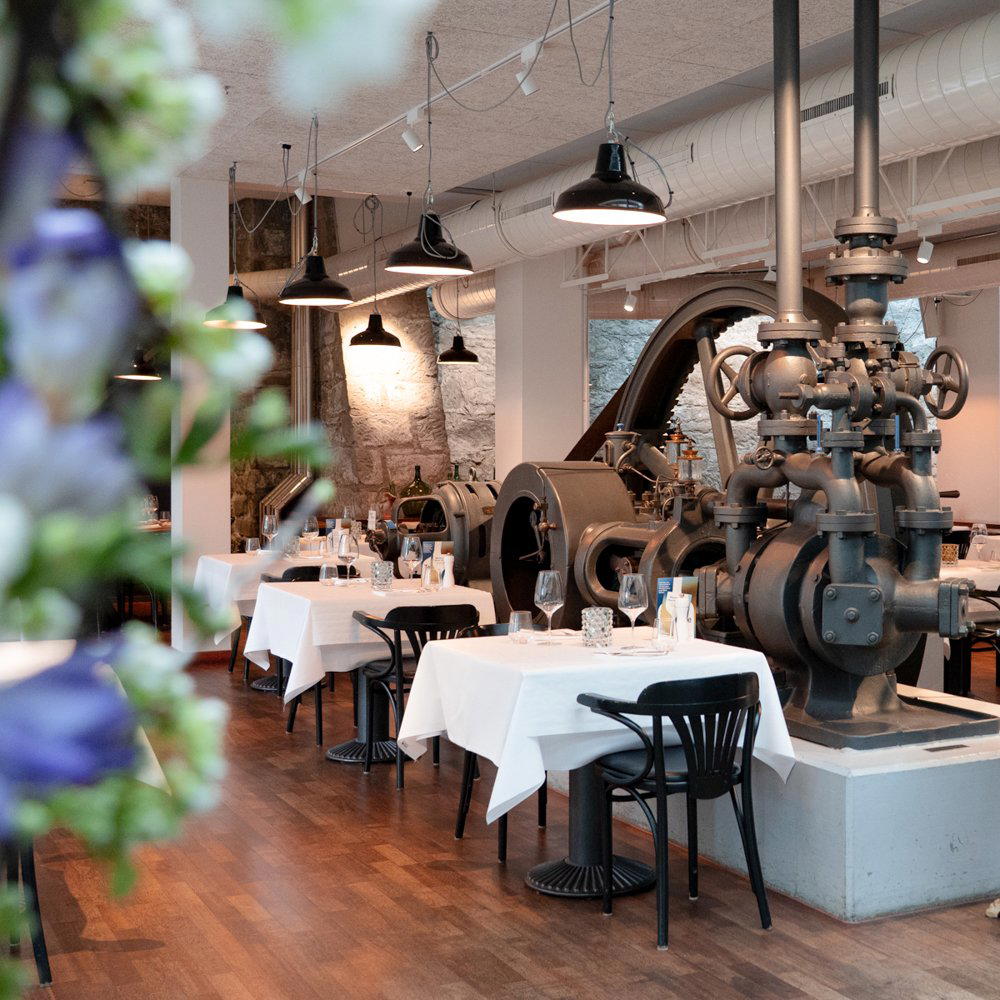
A Former Mill in Seefeld, and What It Says About Zurich's Approach to Dining Spaces
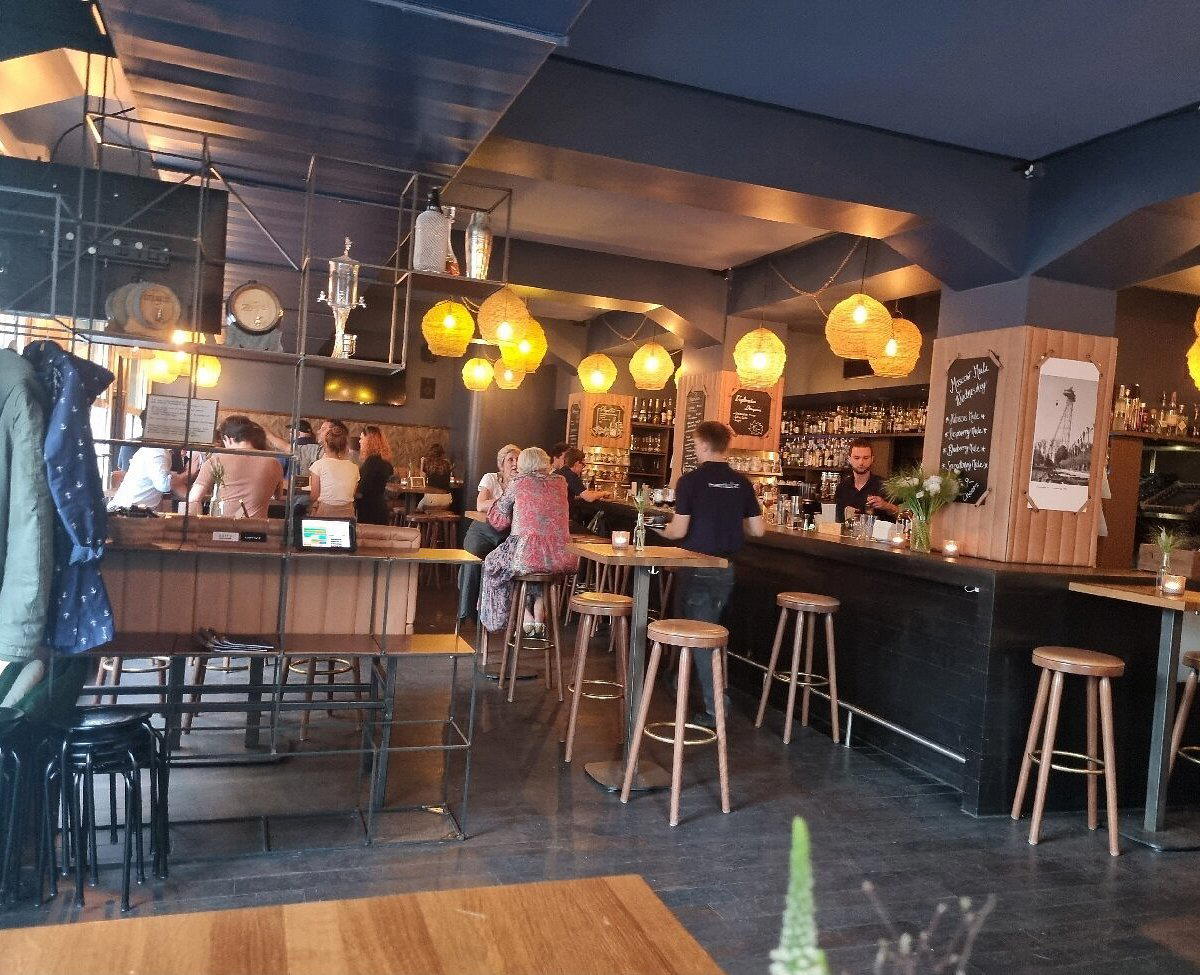
Zurich has a particular relationship with repurposed industrial buildings. Where other cities level their old factory stock or leave it to arts collectives, Zurich has folded a surprising number of former working structures into its restaurant culture, giving the city's dining rooms a physicality that newer builds rarely achieve. The old mill on Seefeldstrasse 223 that houses Blaue Ente by Alex is a clear example of this tendency. The original machinery remains visible inside, not as a design gesture imported after the fact, but as the actual bones of the building, and the effect on the atmosphere is substantial. You are eating inside something that used to do a different kind of work, and that history sits in the room with you.
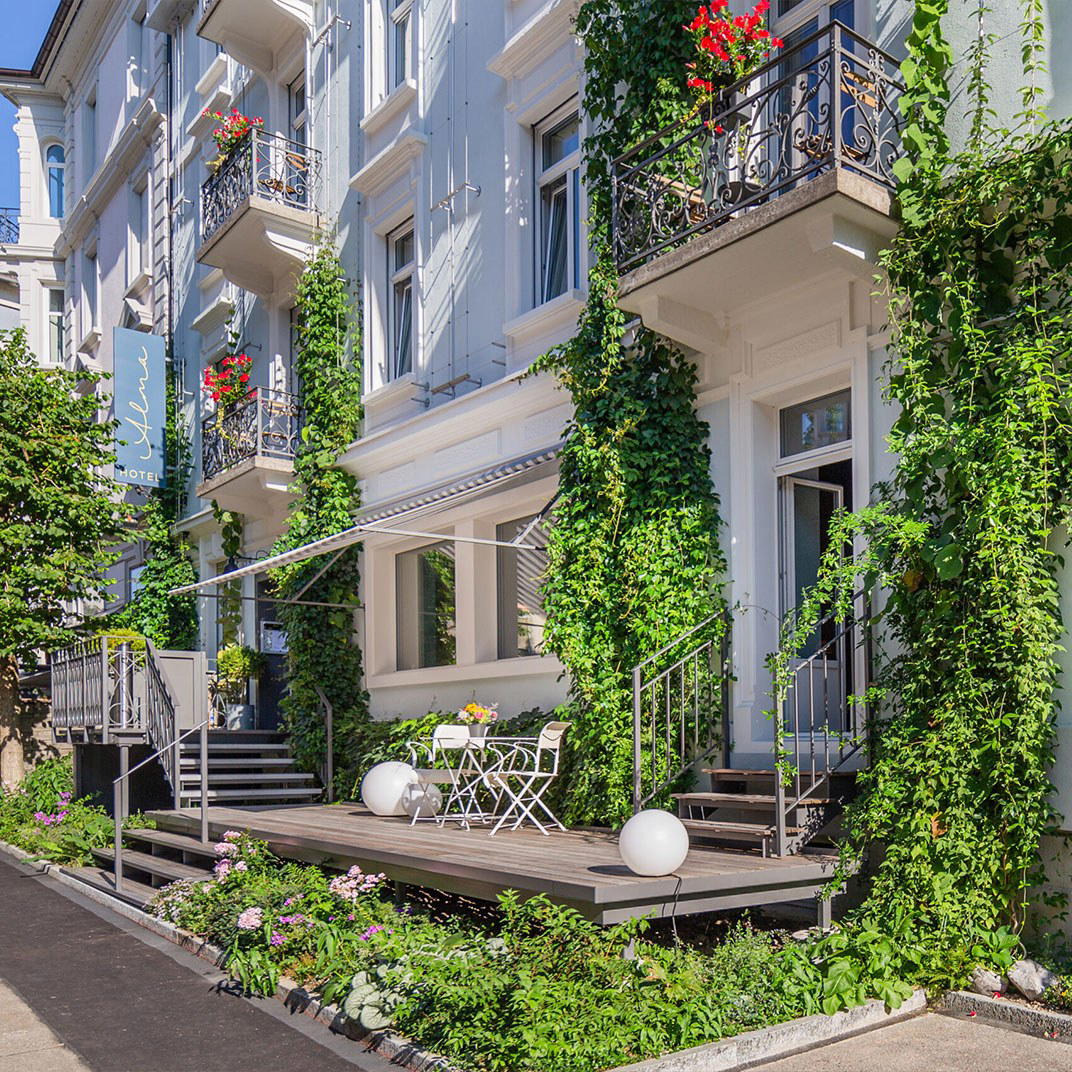
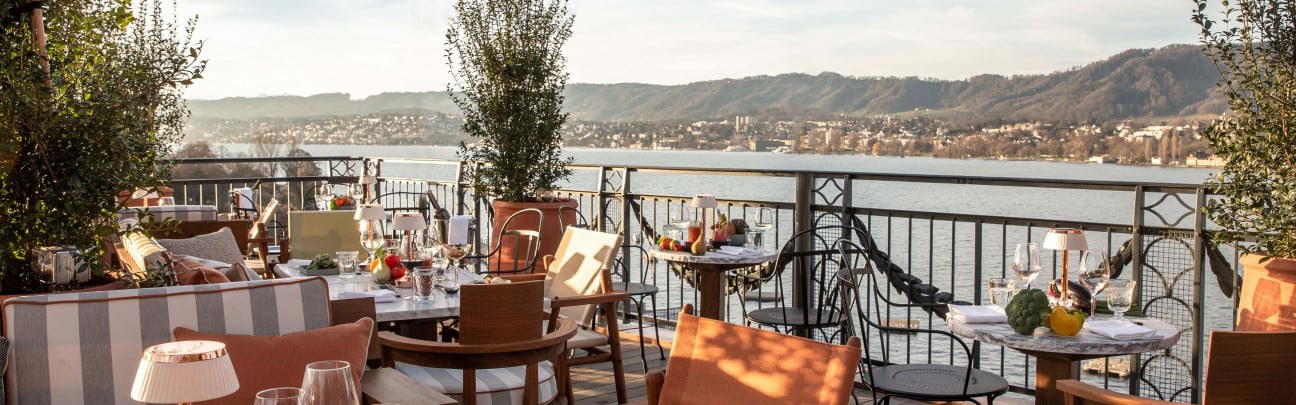
Seefeld itself sits between the lake and the Limmat, a neighbourhood that has drifted steadily upmarket without losing the residential density that keeps its restaurants honest. The street-level mix of local regulars and deliberate visitors gives places like Blaue Ente by Alex a more grounded crowd than you find in the high-design rooms closer to the Bahnhofstrasse corridor. The terrace, which draws consistent demand in the warmer months, reads as a neighbourhood asset as much as a restaurant feature.
Contemporary Swiss Cooking and the Logic of Regional Sourcing
Swiss restaurant cooking in the contemporary register has moved away from the heavy Alpine-comfort register that once defined it internationally. What has replaced it, at the mid-to-upper tier of Zurich's non-Michelin rooms, is a more disciplined approach to seasonal produce with traceable regional origins. This is not the same as the farm-to-table language that became marketing shorthand elsewhere. In Switzerland, where the supply chains are short and the canton-level food culture is specific and defended, naming a farm or a region on a menu carries actual information: the Glauser family for organic trout, Toggenburg for the veal, Graubünden for the mountain cheese used in the cordon bleu. Each of those references anchors a dish in a particular geography.
The menu at Blaue Ente by Alex operates inside this tradition. The smoked organic trout fillet from the Glauser family, served with beetroot and shiitake mushroom tartare and horseradish, is the kind of dish that depends entirely on the quality of its central ingredient. Smoking amplifies or exposes the character of the fish; if the source is good, the result is a composed plate that carries real weight. The cordon bleu of Toggenburg veal with Graubünden mountain cheese, pommes allumettes and root spinach is a more direct reading of the Alpine-comfort tradition, executed with named provenance rather than generic inputs. Neither dish is trying to reinvent a format. Both are trying to execute a format correctly, with ingredients that justify the effort.
This is a meaningful distinction in a city that also houses technically ambitious rooms like The Counter and The Restaurant at higher price points, and the sharing-format finesse of IGNIV Zürich by Andreas Caminada. Blaue Ente by Alex is not competing in that register. It occupies a different tier: seasonal and contemporary, with a casual-to-relaxed atmosphere and a menu that changes with what is available rather than chasing a fixed architectural identity.
The Atmosphere as a Functional Element
The lively interior described by guests is not incidental to the food. Swiss dining culture, particularly in Zurich, places real weight on the social function of the table. The Kronenhalle, at Widder, and the older Zurich institutions maintain a certain formality that is part of their proposition. Blaue Ente by Alex works from a different premise: the front-of-house team is described as relaxed but efficient, the atmosphere as casual, and the crowd as one that treats the space as a regular destination rather than an occasion. That positioning has its own discipline. A room that reads as casually welcoming while still delivering a menu built around sourced, seasonal ingredients requires calibration. The industrial setting does some of this work passively; a room with visible original machinery sets its own register before the food arrives.
The wine selection is noted as solid, which in the context of a Swiss restaurant at this level tends to mean a domestic-leaning list with Swiss German and Valais representation alongside standard European regions. Switzerland's own wine culture is frequently underestimated by visitors; domestic Pinot Noir from Graubünden and Chasselas from the western cantons now command serious attention among collectors.
Lunchtime Versus Evening: Two Different Propositions
One practical distinction worth understanding before you book: the lunchtime and evening formats function differently. At lunch, daily specials sit alongside the main menu, described as simpler and rotating regularly. This positions the midday service as an accessible neighbourhood option, the kind of lunch that a Seefeld resident might default to on a Tuesday without treating it as a decision. The evening menu is the more considered version, where the sourcing-led dishes with named provenance come into full focus. If you are coming specifically for the Glauser trout or the Toggenburg veal, the evening service is the appropriate context.
The terrace is a meaningful variable in the warmer half of the year. Zurich's lake-adjacent neighbourhoods in summer carry a specific atmosphere that indoor rooms cannot replicate, and Seefeld's version of that is quieter and less tourist-facing than the areas around Bellevue. Booking ahead for terrace seats in June through August is advisable; the demand is local and consistent, which means it does not thin out the way tourist-season demand sometimes does.
Where This Fits in Zurich's Wider Picture
Zurich's restaurant scene covers a wide range, from the three-Michelin-star precision of Hotel de Ville Crissier in nearby Crissier and the rural-luxe cooking of Schloss Schauenstein in Fürstenau, to technically focused urban rooms like Cheval Blanc by Peter Knogl in Basel and Memories in Bad Ragaz. At the other end of the register, the lakeside ambience of Colonnade in Lucerne and the alpine minimalism of 7132 Silver in Vals point to how varied Swiss fine dining geography has become. Blaue Ente by Alex does not belong to that upper tier. It belongs to the layer below: seasonal, sourced, casual in register, with a setting that earns attention on its own terms. For visitors building a broader Zurich week, the full Zurich restaurants guide, alongside the Zurich bars guide, hotels guide, wineries guide, and experiences guide give the full picture. The Eden Kitchen and Bar also sits in the Zurich mid-tier worth considering if Italian cooking is the preference. For international reference points with a similar emphasis on ingredient-first cooking, Le Bernardin in New York City and Emeril's in New Orleans represent the wider global conversation around sourcing-led restaurant cooking, albeit in very different formats.
Planning Your Visit
Blaue Ente by Alex is located at Seefeldstrasse 223 in Zurich's Seefeld district, reachable by tram from the city centre. Given that the terrace books up during summer months and the restaurant draws a loyal local following, contacting the venue directly to confirm availability and current hours before visiting is the prudent approach. No online booking system or current hours have been confirmed in available data, so a direct inquiry is the appropriate first step.
Frequently asked questions
Is Blaue Ente by Alex good for families?
The relaxed, casual atmosphere and efficient front-of-house team make it a practical choice for families. The lunchtime daily specials offer a simpler, lower-pressure format alongside the main menu, which works well if you need flexibility. The converted mill interior, with its original machinery on display, tends to hold the attention of younger guests.
What kind of setting is Blaue Ente by Alex?
It occupies a former industrial mill on Seefeldstrasse 223 in Zurich's Seefeld district, with original machinery retained as part of the interior design. The atmosphere runs lively rather than formal, and the terrace is consistently in demand during warmer months. Think repurposed heritage building with a genuinely social dining room, not a white-tablecloth address.
Does Blaue Ente by Alex have a Michelin star or similar recognition?
Blaue Ente by Alex has received recognition including: Historical industrial architecture outside and a trendy, lively atmosphere inside – the old machinery really draws the eye! The relaxed yet efficient front-of-house team contributes to a pleasingly casual vibe. Select ingredients are at the….
What dish is Blaue Ente by Alex famous for?
The menu is seasonally driven rather than built around a single signature, but documented dishes include smoked organic trout from the Glauser family served with beetroot and shiitake mushroom tartare and horseradish, and a cordon bleu of Toggenburg veal with Graubünden mountain cheese, pommes allumettes, and root spinach. Both reflect the kitchen's focus on named regional suppliers and Alpine-influenced combinations.
Where exactly is Blaue Ente by Alex?
Blaue Ente by Alex is located at Seefeldstrasse 223, Zurich.
How far ahead should I plan for Blaue Ente by Alex?
The terrace is noted as particularly popular, so booking in advance is advisable if outdoor seating is a priority. For indoor tables at lunch, the daily specials format is more fluid, but Seefeld is a well-trafficked Zurich neighbourhood and walk-ins at peak times carry risk. check the venue's official channels via Seefeldstrasse 223 to confirm current availability.
Cost and Credentials
Comparable venues nearby, for context on price, style, and recognition.
| Venue | Cuisine | Price | Awards | Notes |
|---|---|---|---|---|
| Blaue Ente by AlexThis venue (the venue you are viewing) | Contemporary Seasonal Swiss | $50–100 | Michelin Plate | Not listed |
| Rigiblick Comfort Fine Dining | Modern Seasonal Swiss Fine Dining | Not listed | Michelin Plate | Rigiblick, Modern Seasonal Swiss Fine Dining |
| Heugümper | Modern Mediterranean-Asian Fusion | $50–100 | Michelin Plate | Enge, Modern Mediterranean-Asian Fusion |
| Napa Grill | American Steakhouse with Napa Wines | $100–150 | Star Wine List · World's Best Wine Lists Awards WBWL 3-Star | Albisgutli, American Steakhouse with Napa Wines |
| Tenz Momo Lochergut | Tibetan Momo Specialists | $20–30 | Not listed | Aussersihl, Tibetan Momo Specialists |
| AURA | Modern Grill & Meats | $100–150 | Michelin Plate · Falstaff Restaurant - 88 Falstaff Points | Aussersihl, Modern Grill & Meats |
Recognition history
Dated appearances from independent guides and award organizations, with the underlying list record or original source where available.
Michelin Plate
Michelin · 2026 Michelin Plate
Continue exploring
More in Zürich
Restaurants in Zürich
All restaurants in Zürich →
Bars in Zürich
All bars in Zürich →

Blaue Ente by Alex
The wine
- Wine program
- Deep wine list
- Extensive wine list
Details
- Lively
- Trendy
- Cozy
- Industrial
- Business Dinner
- Date Night
- Group Dining
- Open Kitchen
- Terrace
- Extensive Wine List
- Local Sourcing
- Farm To Table
- A La Carte
- Wine
- Vegetarian Friendly
- Vegan Options
- Gluten Free Options
Current opening hours
- Monday
- Closed
- Tuesday
- 11:30 AM–2 PM, 6–11 PM
- Wednesday
- 11:30 AM–2 PM, 6–11 PM
- Thursday
- 11:30 AM–2 PM, 6–11 PM
- Friday
- 11:30 AM–2 PM, 6–11 PM
- Saturday
- 12–2:30 PM, 6–11 PM
- Sunday
- Closed
Hours can change for holidays and private events. Hours as of .
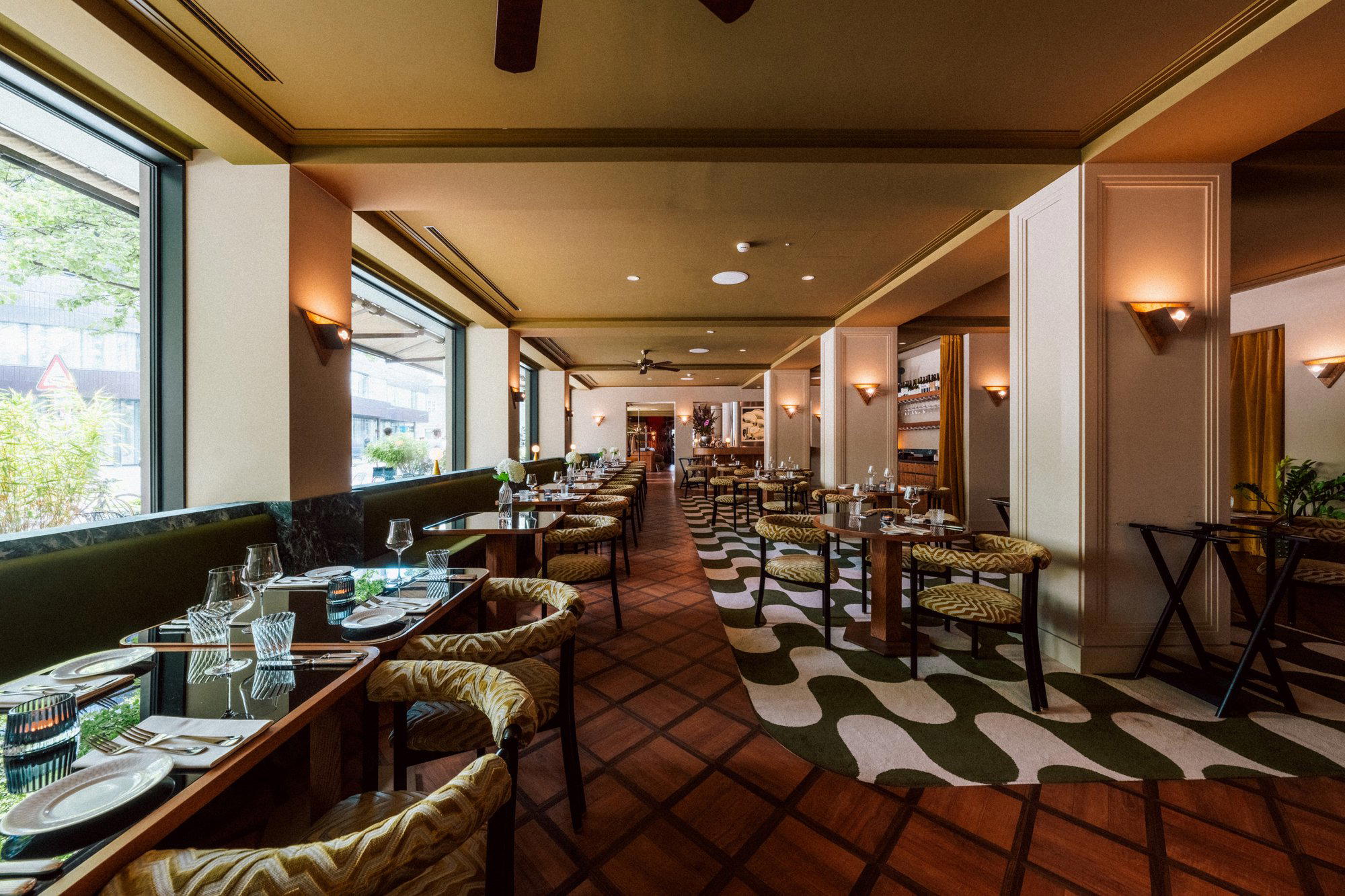
Trendy and lively interior with industrial charm, cozy in winter, and popular terrace in summer.