Our verdict
Black Pide sits on Rue Marguerite de Rochechouart in Paris's 9th arrondissement, a neighbourhood where Turkish, North African, and French culinary traditions have been colliding and fusing for decades. The format centres on pide, the Black Sea flatbread tradition that has found renewed attention across European cities as chefs apply classical technique to deeply regional bread cultures. For visitors tracking where Paris street food intersects with artisan craft, this address warrants attention.

Pearl is the En Primeur Club membership app, where members save venues, book tables and use the concierge.
Where the 9th Meets the Black Sea
Rue Marguerite de Rochechouart runs through a stretch of the 9th arrondissement that has historically absorbed migrant food cultures without flattening them. The street sits a few minutes south of Barbès, long one of the most concentrated areas of North African and Turkish commerce in central Paris, and the neighbourhood's food character reflects that layering: you find Lebanese pastry shops beside Lyonnaise bistros, and Turkish flatbread bakeries operating a few doors from natural wine bars. Black Pide belongs to this texture, occupying a position in Paris's pide category at a moment when the format is attracting serious culinary attention across European capitals.
Pide itself is a Black Sea tradition with deep regional specificity. Unlike the more internationally familiar lahmacun, which is thin and cracker-like, pide carries a thicker, boat-shaped dough with a soft, yielding interior and a charred, blistered crust, structural enough to hold substantial toppings but designed to be eaten as much for the bread itself as for what sits inside it. In Turkey, the cities of Trabzon and Rize remain the reference points for the style, and the format carries the same cultural weight in those regions that pizza bianca holds in Rome or focaccia holds in Liguria.
The Broader Paris Flatbread Conversation
Paris has developed a more sophisticated relationship with flatbread traditions over the past decade. The city's lahmacun counters grew from purely community-facing establishments into places where non-Turkish Parisians began arriving in significant numbers. Pide has followed a slightly different trajectory, remaining less widely distributed than lahmacun but attracting sharper attention from food-focused visitors who have been tracking the format's spread through London, Berlin, and Amsterdam. In each of those cities, the most-discussed pide operations tend to share a common set of characteristics: sourced flour with regional or heritage grain credentials, fermented dough with extended rest times, and topping combinations that reference Turkish tradition while incorporating local European produce.
This intersection of imported technique and local ingredient sourcing is where the editorial conversation around pide in Western European cities gets most interesting. The flatbread tradition is technically demanding enough, the dough fermentation, the temperature management of a wood-fired or high-heat oven, the structural balance between crust and filling, that operations claiming serious quality are making a genuine technical argument, not simply relying on novelty. Venues in this category sit in a different competitive tier from casual kebab-adjacent operations, and they tend to be evaluated by a different set of criteria: fermentation depth, crust character, ingredient sourcing, and the coherence between bread and topping.
For Paris specifically, the 9th arrondissement provides a contextually coherent address for this kind of operation. The neighbourhood's existing Turkish commercial presence means the supply chain for quality ingredients, specific cheeses, cured meats, fresh herbs, is more accessible than it would be in, say, the 7th or the 16th, where high-end French dining operates in a more hermetically sealed environment. Addresses like Kei and Alléno Paris au Pavillon Ledoyen represent Paris's capacity to absorb and refine foreign culinary traditions at the formal end of the spectrum. Black Pide operates at a different register, but the underlying principle, technique applied to a tradition that is not indigenously French, connects to the same broader pattern in the city's food culture.
The French Provincial Comparison
France's most celebrated regional restaurants, from Bras in Laguiole to Auberge du Vieux Puits in Fontjoncouse and Flocons de Sel in Megève, have built their reputations on the argument that a specific place produces specific ingredients that cannot be fully replicated elsewhere. The pide tradition makes a parallel argument: the Black Sea region's specific climate, grain culture, and cheese production create a bread tradition that carries regional identity in its texture and flavour. Translating that tradition to a Paris address requires decisions about which elements are portable (technique, dough management, oven temperature) and which require local substitution (the specific dairy, the specific flour).
The most credible pide operations in Western European cities tend to treat this translation question seriously rather than defaulting to generic approximation. That rigour is what separates them from casual operations and what connects them, structurally, to the ethos of places like Mirazur in Menton or Troisgros in Ouches, where the relationship between a specific technique and specific regional produce is the central argument of the kitchen. The scale and formality differ enormously, but the underlying intellectual position, that craft and sourcing together define quality, is shared.
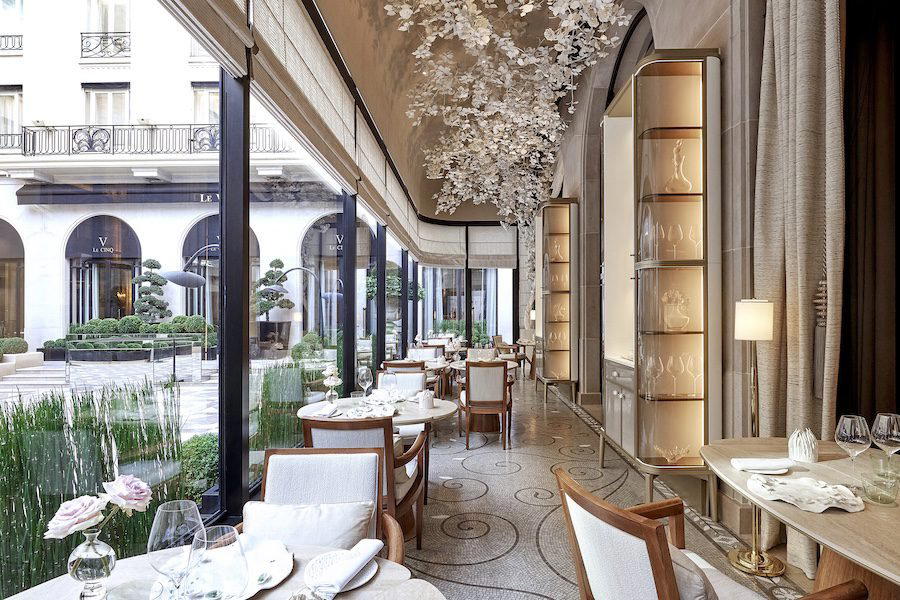
Paris's formal French dining scene, represented at its most classical by L'Ambroisie and at its most contemporary by Le Cinq at the Four Seasons George V, operates at a remove from what Black Pide does. But the city's appetite for serious treatment of non-French traditions has expanded substantially, and the 9th arrondissement's address signals an operation aimed at food-attentive visitors rather than the tourist-facing segments of the market. For broader context on where Black Pide sits within Paris's current dining scene, the full Paris restaurants guide maps the city's categories and price tiers in detail.
Planning Your Visit
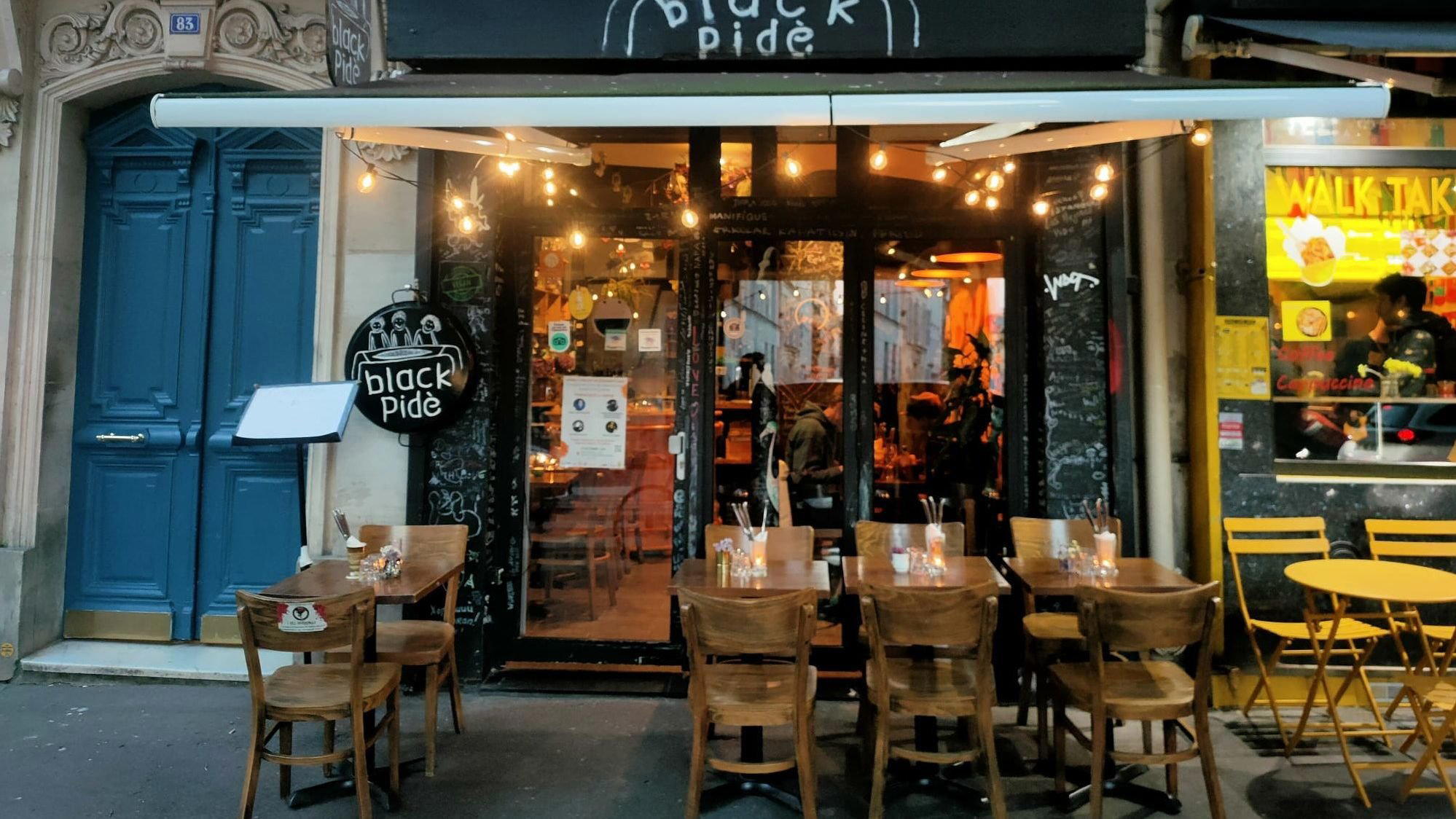
Black Pide is located at 83 Rue Marguerite de Rochechouart, 75009 Paris, reachable from the Anvers or Cadet metro stations on line 2. Given the limited venue data currently available, prospective visitors should confirm hours, pricing, and booking requirements directly before visiting. For reference on what serious pide operations in Paris's peer cities charge, the category typically sits in the €10–25 range per person for a full meal, well below the €€€€ tier occupied by Arpège or the formal French houses. Walk-in availability at pide counters in European cities varies considerably by time of day, with lunch service typically more accessible than evening slots. Reservations: Confirm availability directly with the venue. Dress: No formal expectation in this category. Budget: Verify current pricing on-site or via the venue's own channels.
Frequently asked questions
What's the address for Black Pide?
Black Pide is located at 83 Rue Marguerite de Rochechouart, 75009 Paris, France, Paris.
Is Black Pide in Paris's 9th arrondissement focused on a specific regional Turkish style?
The name references pide, the boat-shaped flatbread most closely associated with the Black Sea coastal regions of Turkey, particularly Trabzon and Samsun, where the dough style and filling ratios differ from the thinner lahmacun tradition more common across Paris. This positions Black Pide within a narrower, more regionally specific niche than the generalised Turkish grill restaurants concentrated around Rue du Faubourg Montmartre nearby. The 9th arrondissement address at 83 Rue Marguerite de Rochechouart places it in a corridor with genuine Turkish food precedent rather than a novelty outpost.
What do regulars order at Black Pide?
At pide operations in Paris's 9th arrondissement, the core order centres on the bread itself: kiymali pide (minced meat with onion and spice) is the reference point most regulars use to benchmark a kitchen's dough and filling balance. A karisik pide combining multiple fillings is the standard follow-up order. Black Pide sits on Rue Marguerite de Rochechouart, a stretch that has absorbed Turkish food culture without smoothing its edges, so the expectation is direct, unembellished preparation rather than French-adapted interpretation.
Should I book Black Pide in advance?
No booking contact is listed for Black Pide at 83 Rue Marguerite de Rochechouart, which is consistent with the walk-in counter format common among pide venues in the 9th arrondissement. Arriving at off-peak hours, particularly mid-afternoon or early evening, gives the best chance of immediate seating. For Friday and Saturday evenings, arriving early is the more reliable strategy than waiting for a lull.
Budget and Context
Comparable venues nearby, for context on price, style, and recognition.
| Venue | Cuisine | Price | Notes |
|---|---|---|---|
| Black PideThis venue (the venue you are viewing) | Turkish Pide | $20–30 | Not listed |
| Sizin | Authentic Turkish with Balkan & Oriental Influences | $30–50 | Saint-Georges, Authentic Turkish with Balkan & Oriental Influences |
| Restaurant Derya | Authentic Turkish-Mediterranean Grill | $20–30 | 10th Arr. - Entrepôt, Authentic Turkish-Mediterranean Grill |
| Pristine | Modern French Neo-Bistro | $30–50 | 9th arrondissement, Modern French Neo-Bistro |
| Luz Verde | Bistronomic Mexican | $20–30 | Pigalle, Bistronomic Mexican |
| 14 paradis | Modern French Bistro | Not listed | 10th Arr. - Entrepôt, Modern French Bistro |