
Tabelog 100 #61
Our verdict
Tempura Azumi gives Sendai a compact, ingredient-led tempura address in Kokubuncho, with fish at the center of the kitchen’s identity and sake or shochu as the natural drinks pairing. Its Tabelog Tempura 100 selections in 2022, 2023, and 2025 place it in a national conversation usually dominated by larger Tokyo and Kansai circuits.

Pearl is the En Primeur Club membership app — saves, bookings, and concierge access live there. Same editors, same standards.
- Address
- 宮城県仙台市青葉区国分町2-12-20 都ビル 1F
- Phone
- +81222630081
- Website
- tabelog.com
- Directions
- Get directions
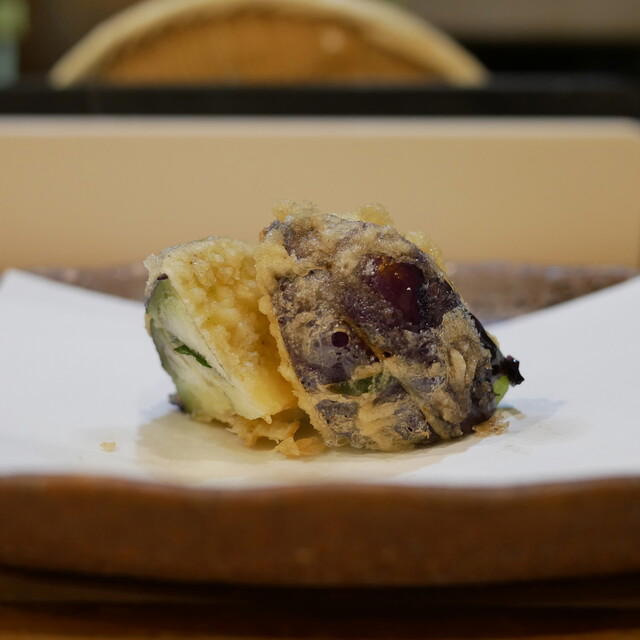
The menu
What to order
- Seasonal tempura omakase
- Ten-don (tempura bowl)
Sendai shifts quickly: office blocks, drinking streets, department-store foot traffic, then the more focused rooms where the city’s serious eating happens without theatre. Tempura Azumi fits a local tradition that values scale as much as technique. The restaurant is best understood as focused rather than showy, a format that suits tempura because timing is essential. Batter, oil, heat, and ingredients have a narrow window; diners benefit when the kitchen can control the rhythm.
Sendai is often reduced to beef tongue, coastal seafood, zunda, and sake from wider Tohoku, but its restaurant culture is more varied. The city’s better small restaurants work between local appetite and Japanese set-piece forms, including sushi, izakaya cooking, tempura, and grilled fish. For the broader range, Our full Sendai restaurants guide is the starting point; travelers building a wider trip can pair it with Our full Sendai hotels guide, Our full Sendai bars guide, Our full Sendai wineries guide, and Our full Sendai experiences guide.
Tempura and ten-don in a city shaped by Tohoku waters
Visitors often mistake tempura for a batter style; better tempura is ingredient management. The coating protects and frames the main material, but cannot rescue weak sourcing. Tempura Azumi is listed in the categories of tempura and ten-don, which matters in Sendai. Miyagi’s food identity is tied to the Pacific coast and broader Sanriku fishing culture, giving seafood-focused dining a different baseline from inland cities. That does not mean every plate is local, and diners should not infer a full regional sourcing program without confirmation, but it explains why a tempura counter feels natural here rather than merely imported from Tokyo dining grammar.
The category rewards restraint. Some high-end tempura counters become luxury formats with long courses and high spend; regional tempura can be more direct, especially when the kitchen also understands ten-don as part of the same tradition. The distinction helps: tempura as a course sequence asks the diner to watch progression, while ten-don compresses the craft into rice, sauce, and texture. A restaurant carrying both sits between specialist culture and everyday Japanese appetite, a balance Sendai handles well.
Recognition places the restaurant beyond local affection. Its 2025 Tabelog Hyakumeiten recognition, alongside a listed score of 3.63, is not a Michelin star and should not be treated as one. It is still meaningful in Japan’s user-driven dining culture, especially in a category where focused restaurants outside Tokyo can be missed by international travelers. In Sendai’s upper casual-to-specialist bracket, that makes the restaurant closer to serious reservation dining than to a casual fry shop.
The format makes the meal about timing, not ornament
The focused format matters because tempura loses authority as banquet food. The genre depends on a tight sequence: preparation, frying, draining, seasoning, serving. A controlled setting lets diners experience the craft at its required pace and shortens the distance between fryer and plate. The clearest way to frame the meal is not as spectacle, but as a sequence built around timing.
This is where Sendai’s dining economy becomes interesting. Compared with Sushi Mino, this tempura address occupies its own specialist lane while remaining serious. Ako suggests another local tier where ingredient quality and smaller formats matter more than luxury staging. Yoi Tei Yocchan operates as a different kind of Sendai dining choice, while BAR arcenciel and LE BAR KAWAGOE belong to the city’s cocktail-and-after-dinner circuit rather than the meal itself. The decision is clear: not necessarily the city’s grandest night out, but a focused one.
For travelers linking meals across Japan, the useful comparison is a pattern, not one famous counter. Regional specialists with narrow formats can say more about a city than heavily promoted destination restaurants. Sendai has several such addresses across genres, including Ako and other compact local dining rooms. Together, they show a city where specific cravings and clearly defined formats can carry more weight than broad menus.
Who should prioritize it, and how to frame the night
Tempura Azumi is strongest for diners who care about tempura, frying technique, and the quieter side of Japanese restaurant culture. It is less persuasive for anyone seeking a long, highly narrated tasting-menu performance. The value is concentration: a specialist identity, a category that includes both tempura and ten-don, and a format where drinks can support the cooking without turning the meal drinks-led.
Solo diners and pairs are natural fits for this kind of meal. Groups should think carefully about scale, because Japanese specialist restaurants of this kind are not built for sprawling conversation. The point is not to treat the venue as fragile, but to understand the genre: tempura works well when diners accept the kitchen’s rhythm and keep the focus on what has just been served.
Budget planning is straightforward. Tabelog lists dinner at JPY 10,000 - JPY 14,999 and lunch at JPY 1,000 - JPY 1,999, placing Tempura Azumi in a specialist bracket without pushing it into the most expensive tier of Japanese dining. Its listed phone number is +81-22-263-0081, and the practical location frame should simply be Sendai rather than a sightseeing detour built around a single landmark.
For readers continuing beyond Sendai, the broader EP Club restaurant index helps compare regional formats without forcing them into one category. The point is not to rank unlike places; it is to recognize how tightly defined formats, from tempura to bars to casual specialist counters, often reveal dining culture more clearly than restaurants trying to cover everything.
Frequently asked questions
Is Tempura Azumi okay with children?
Tempura Azumi is best suited to diners who can sit through a focused tempura meal. Families should judge by the child’s comfort with a quieter specialist setting.
What kind of setting is Tempura Azumi?
It is a focused tempura and ten-don restaurant in Sendai. Tabelog lists Tempura Azumi with 2025 Hyakumeiten recognition and a score of 3.63.
What does dinner at Tempura Azumi typically cost?
Tabelog lists dinner at JPY 10,000 - JPY 14,999 and lunch at JPY 1,000 - JPY 1,999.
What is Tempura Azumi known for?
Tempura Azumi is known for tempura and ten-don in Sendai.
How It Stacks Up
Comparable venues by cuisine and price in the same metro.
| Venue | Cuisine | Price | Awards | Notes |
|---|---|---|---|---|
| Tempura AzumiThis venue — the venue you are viewing | Seasonal Tempura Omakase Counter | $50–100 | Tabelog 100 #61 | Not listed |
| Sushi Yui | Traditional Sushi Omakase | $150–200 | Tabelog 100 #74 | Aoba-ku |
| Sendai Gyuu Yakiniku Hana Gyuu | Sendai wagyu yakiniku in private rooms | $50–100 | Tabelog 100 #85 | Aoba Ward |
| Sushi Mino | Sushi Omakase | Not listed | Tabelog 100 #47 | Kokubuncho |
| Wabisuke | Traditional Sendai Izakaya with Seri Nabe | $30–50 | Tabelog 100 #100 | Aoba Ward |
| Koban Zushi | Traditional Edomae Sushi | $100–150 | Tabelog 100 #86 | Ichibancho |
Recognition history
Dated appearances from independent guides and award organizations, with the underlying list record or original source where available.
Tabelog 100 #61 · No. 61
Tabelog · Tabelog 100 - Tempura - 2025
Continue exploring
More in Sendai
Restaurants in Sendai
Browse all →
Hotels in Sendai
Browse all →
Wineries in Sendai
Browse all →
Details
- Cozy
- Intimate
- Classic
- Solo
- Date Night
- Special Occasion
- After Work
- Chefs Counter
- Standalone
- Sake Program
- Local Sourcing
- Counter Dining
- Omakase
- Tasting Menu
- Set Menu
- Sake
- Shochu
- Pescatarian Friendly
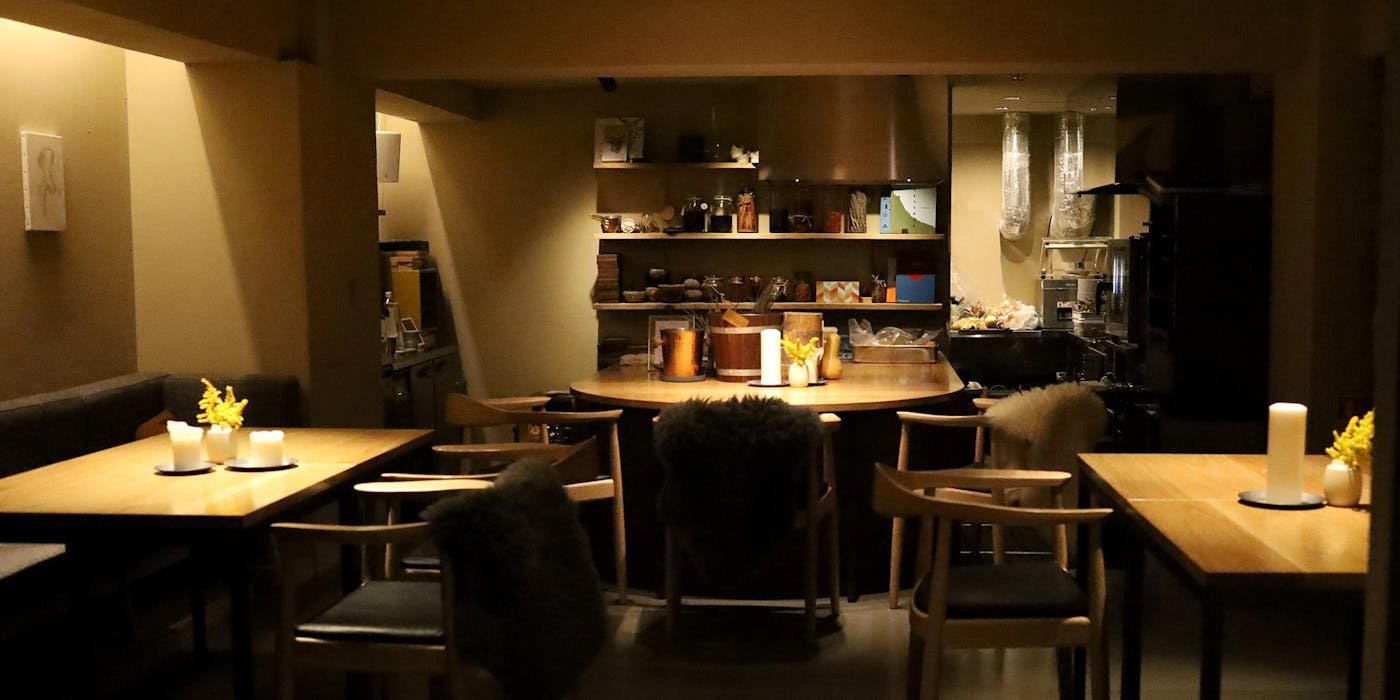
A small, relaxed counter-focused space with a welcoming owner, simple decor, and a calm atmosphere centered on watching tempura being fried right in front of you.