


Michelin Plate · Tabelog 100 #79
Our verdict
In Ginza's ¥¥¥¥-dominated dining corridor, Bistro Simba operates at a different register: casual French bistro cooking sharpened by gastronomic technique, anchored in the Paris bistronomy movement of the early 2000s. Ranked #47 on Opinionated About Dining's Casual Japan list in 2025 and holding a Michelin Plate, it draws a loyal crowd Thursday through Sunday for organic wine and deeply considered bistro fare.

Pearl is the En Primeur Club membership app — saves, bookings, and concierge access live there. Same editors, same standards.
- Address
- 1 Chome-27-8 Ginza, Chuo City, Tokyo 104-0061, Japan
- Phone
- +81 50-3172-4218
- Hours
- Mon–Tue ClosedWed–Sat 5:30–11 PMSun 3–9 PM
- Website
- bistrosimba.jp
- Directions
- Get directions
- Booking
- Book on TableCheck
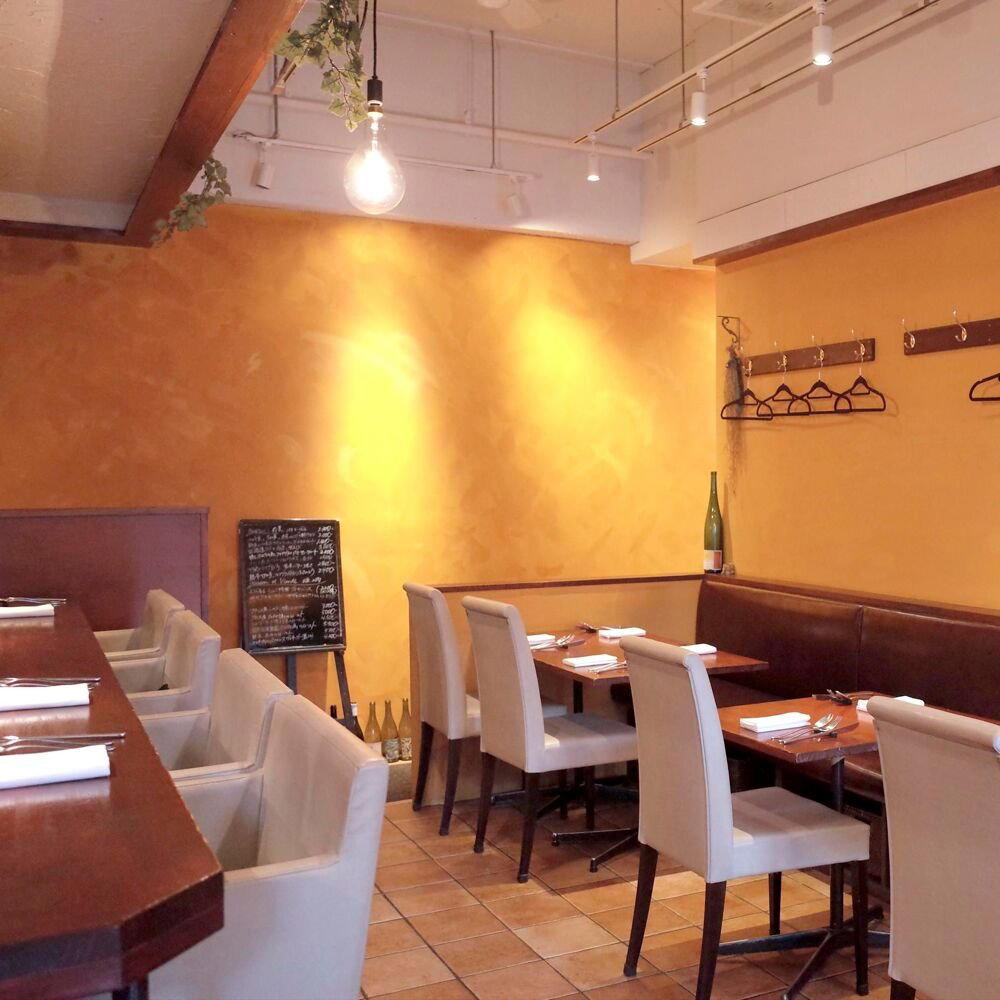
Bistronomy, Transported
The cooking philosophy here traces directly to a specific moment in Paris dining history. The bistronomy wave of the early 2000s emerged when a generation of formally trained French chefs decided that their skills were wasted on tablecloths and tasting menus. They opened small, informal rooms, kept prices low, and applied gastronomic precision to classic bistro dishes.
That lineage matters to how the food reads. Bistro fare in this tradition is not simplified cooking — it is technically capable cooking applied to unglamorous material. The French canon of strong preparations, the flavour-first mentality, the insistence that a well-made bouillabaisse or a properly executed Paris-Brest needs no fine-dining scaffolding to justify itself: these are the underlying principles. The name Simba is itself an encoded statement of intent, built as an anagram referencing the words simple, saveur (flavour), and simpatico. The philosophy is compressed into the branding. Compare that approach with the kaiseki discipline at RyuGin or the austere seasonal focus at HAJIME in Osaka and the broader casual tier documented in Bouchon Bistro in Napa and Bouchon Racine in London, both operating within the same French bistro tradition at a mid-market price register. Across those cities, the bistronomy format has proven its durability as a dining category precisely because it offers something the fine-dining tier cannot: a meal that is technically considered but socially relaxed.
Planning a Visit
Bistro Simba opens Wednesday through Friday from 5:30 pm to 11 pm, with Saturday hours matching that window. Monday and Tuesday are closed. For first-time visitors working through the city's French dining range, Bistro Simba sits at a complementary point to the formal addresses: it is where you go when the format matters as much as the food.enprimeurclub.enprimeurclub. For those travelling the wider Kansai and Kyushu circuit, comparable casual and mid-tier dining at akordu in Nara, Goh in Fukuoka, 1000 in Yokohama, and 6 in Okinawa
What People Recommend at Bistro Simba
The dishes most closely associated with the kitchen here reflect the bistronomy tradition in concrete form. The bouillabaisse is prepared with a depth of shellfish flavour that connects directly to classic Provençal method, while the Paris-Brest, a choux pastry filled with praline cream, represents the French patisserie tradition applied without modification. Both dishes carry an explicit connection to Kikuchi's time in Paris and to the mentors he trained under there. These are the preparations that anchor the menu's identity and the ones that returning guests cite most often. For the organic wine, the approach is to drink whatever the room recommends by the glass: the list is curated around natural producers and changes with availability rather than following a fixed cellar structure.
Side-by-Side Snapshot
A quick snapshot of similar venues for side-by-side context.
| Venue | Cuisine | Price | Awards | Notes |
|---|---|---|---|---|
| bistro simbaThis venue — the venue you are viewing | Modern French Bistro | $100–150 | Michelin Plate · Tabelog 100 #79 | Not listed |
| Harutaka | Edo-Style Omakase Sushi | $200–300 | 3 Michelin Stars · World's 50 Best #76 | Sushi |
| RyuGin | Modern Kaiseki | $500+ | 3 Michelin Stars · World's 50 Best #41 | Kaiseki, Japanese |
| L'Effervescence | Modern French with Japanese Influences | $200–300 | 3 Michelin Stars · World's 50 Best #69 | French |
| HOMMAGE | Modern French with Japanese Influences | $150–200 | 2 Michelin Stars · World's 50 Best #78 | Innovtive French, French |
| MAZ | Innovative Peruvian-Japanese Fusion | $150–200 | 2 Michelin Stars · World's 50 Best #28 | Innovative |
Recognition history
Dated appearances from independent guides and award organizations, with the underlying list record or original source where available.
Michelin Plate
Michelin
Opinionated About Dining Casual in Japan Ranked #47
Opinionated About Dining
Tabelog 100 #79 · No. 79
Tabelog · Tabelog 100 - French - TOKYO - 2025
Full recognition history (8 entries)
Michelin Plate
Michelin
Opinionated About Dining Casual in Japan Ranked #47
Opinionated About Dining
Michelin Plate
Michelin
Opinionated About Dining Casual in Japan Ranked #52
Opinionated About Dining
Opinionated About Dining Casual in Japan Ranked #40
Opinionated About Dining





Details
- Cozy
- Elegant
- Intimate
- Sophisticated
- Date Night
- Special Occasion
- Open Kitchen
- A La Carte
- Wine
Current opening hours
- Monday
- Closed
- Tuesday
- Closed
- Wednesday
- 5:30–11 PM
- Thursday
- 5:30–11 PM
- Friday
- 5:30–11 PM
- Saturday
- 5:30–11 PM
- Sunday
- 3–9 PM
Hours can change for holidays and private events. Last verified .
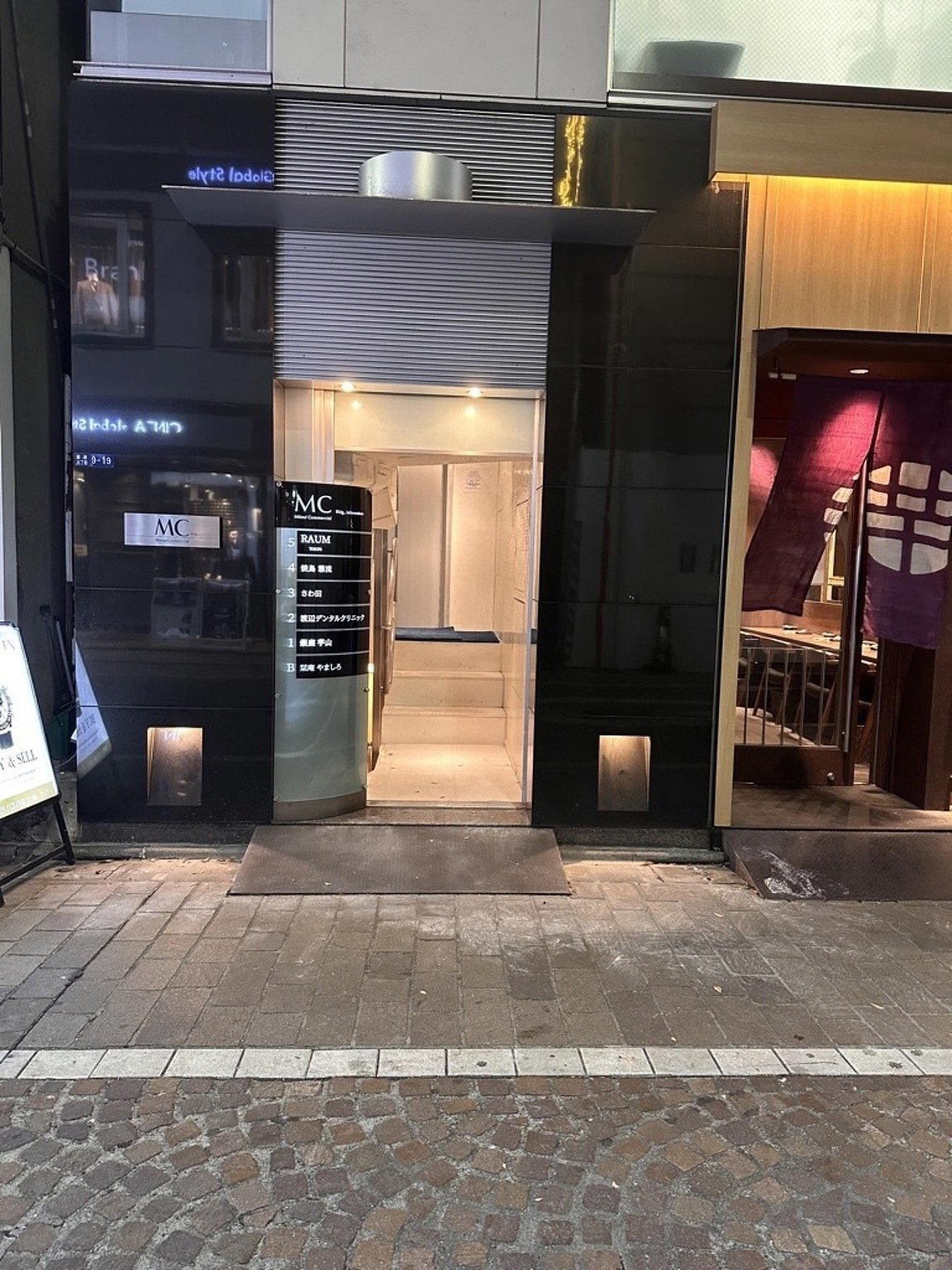
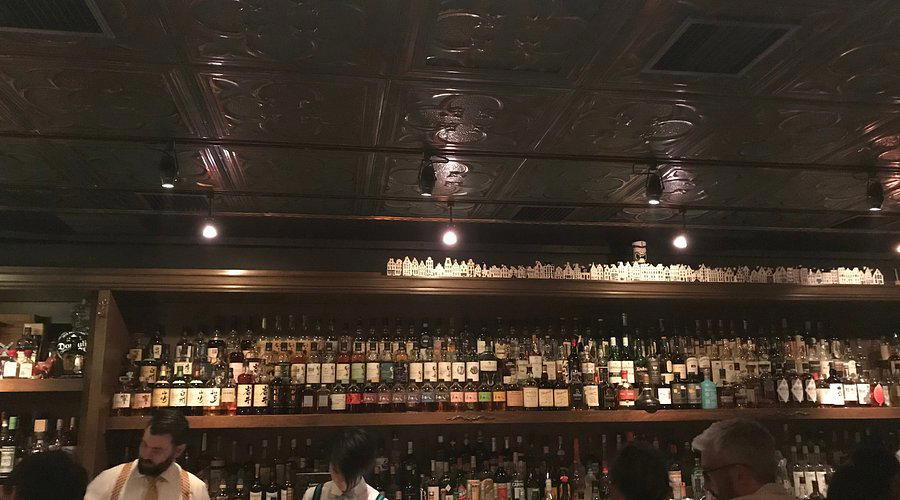
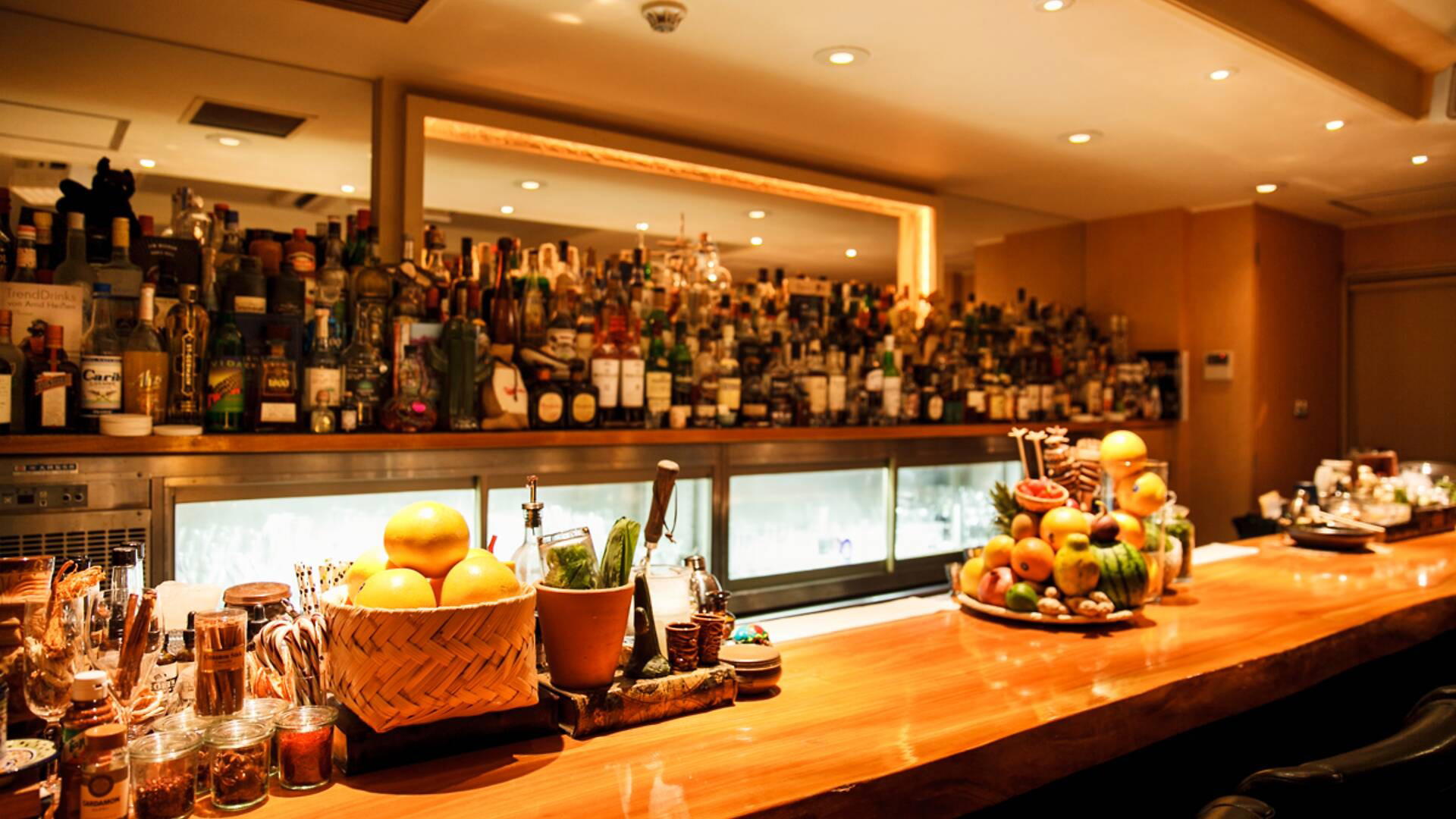
Pleasant and tasteful with calm, slightly dim lighting, wooden counter view of master chefs, and warm welcoming service.