Bistro Amasa
Bistro Amasa gives Santa Barbara another Central Coast–minded dining room, a category shaped by produce, seafood, wine-country proximity, and a city that eats between beach casual and serious regional cooking. The draw is less about spectacle than sourcing logic: local seasonality, coastal restraint, and the expectation that the plate should read as Californian before it reads as fashionable.
Pearl is the En Primeur Club membership app — saves, bookings, and concierge access live there. Same editors, same standards.
- Address
- Santa Barbara, United States
- Website
- bistroamasa.com
- Directions
- Get directions
 Saves & bookings on Pearl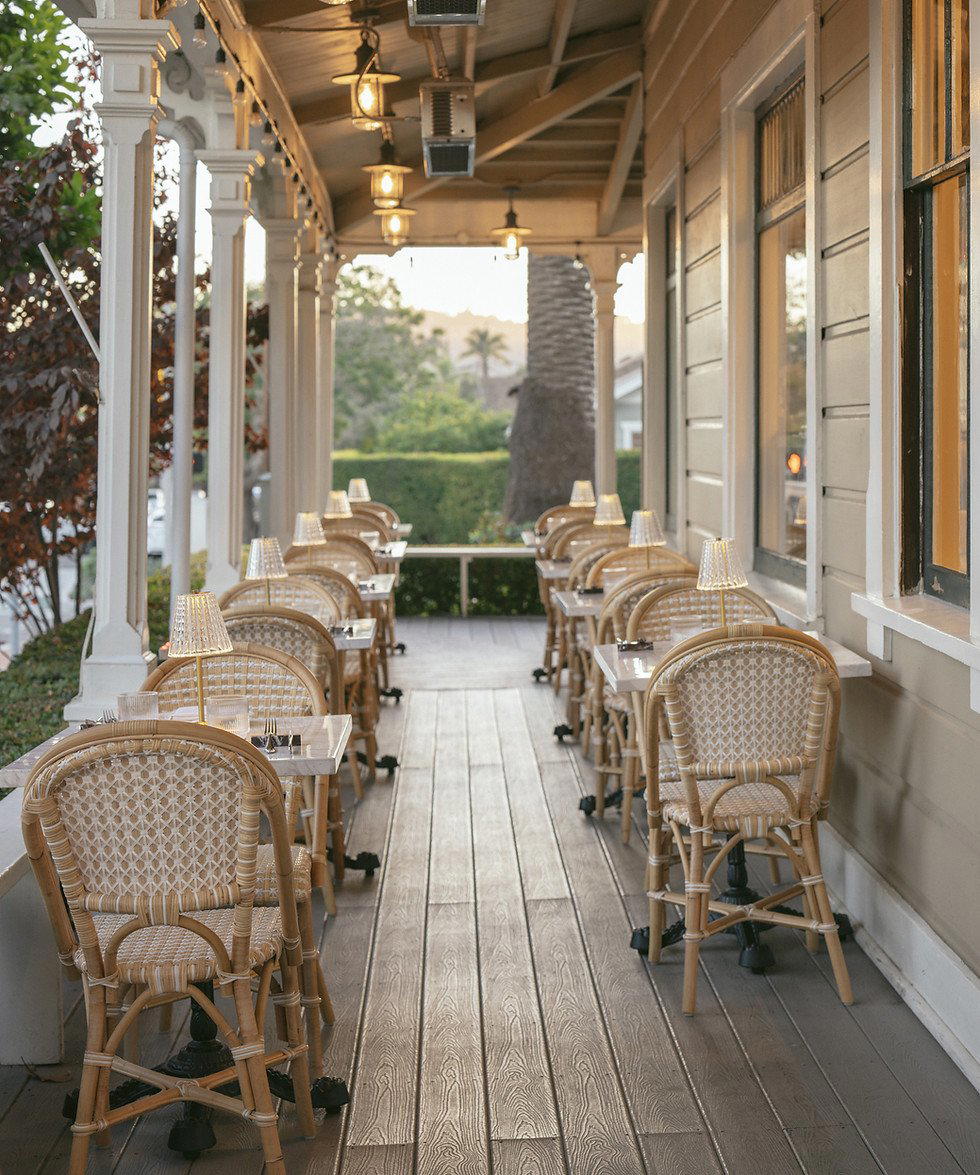
Santa Barbara dining begins before a menu arrives: salt air, low-slung Spanish Revival streets, farmers’ market produce moving through restaurant kitchens, and a wine region close enough to shape how locals think about dinner. In that setting, Bistro Amasa belongs to the city’s Central Coast–inspired lane, where the strongest restaurants treat ingredients as geography rather than decoration. The useful question is not whether the room chases luxury signals, but whether the cooking understands the county around it.
Central Coast cooking works when sourcing leads the conversation
Santa Barbara has a particular advantage over larger California dining cities. It sits between working harbor culture, ranch country, and one of the state’s serious agricultural belts. That gives a restaurant room to be casual without being thin, and regional without turning into a theme. Bistro Amasa is positioned inside that tradition: Central Coast–inspired cooking, which usually means the menu should be read through season, producer access, and the leaner coastal style that separates this part of California from heavier wine-country dining farther north.
The city’s restaurant map rewards specificity. A diner can move from the Italian-leaning aperitivo rhythm at Aperitivo to the local-Californian grammar of Barbareño, then to sushi, red-sauce nostalgia, or health-forward daytime food without leaving the Santa Barbara frame. Arigato Sushi, Arnoldi's Cafe, and Backyard Bowls each point to a different local appetite. Bistro Amasa’s role is quieter: it sits in the ingredient-first conversation rather than the genre-driven one.
That matters because Central Coast cooking can go vague quickly. “Local” only has force when the kitchen makes choices: lighter sauces, produce that changes with the market, seafood treated with restraint, and wines that make sense alongside coastal food rather than overwhelming it. Without published awards, chef biography, or a fixed tasting-menu structure attached to the restaurant, the editorial read should stay practical and sober. This is a Santa Barbara restaurant to judge by whether the plate makes the region legible.
The Santa Barbara test: ease without looseness
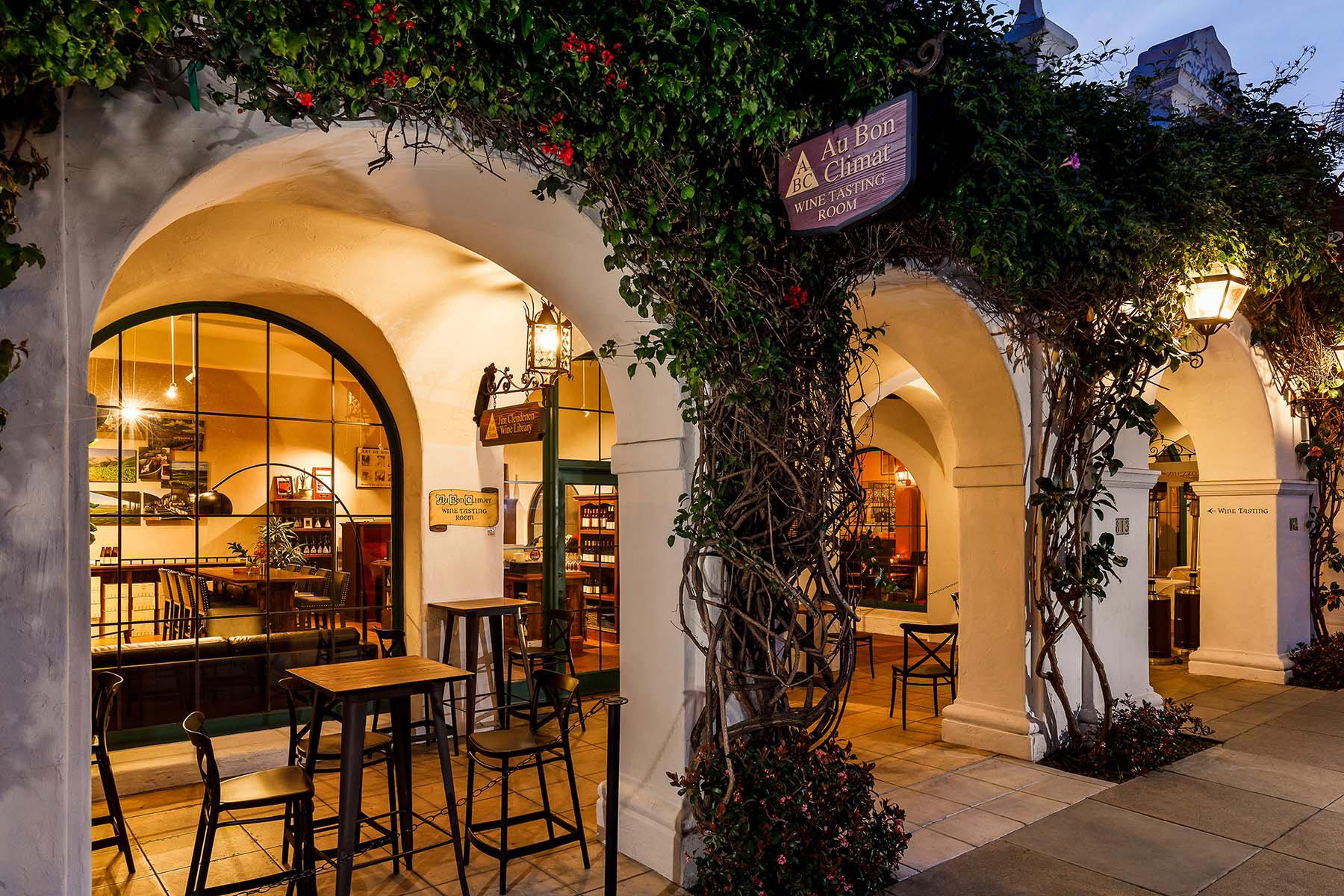
The city’s better dining rooms often avoid metropolitan formality. Santa Barbara does not need a room to perform big-city seriousness; it needs pacing, ingredient discipline, and enough warmth to fit a post-beach, post-winery, or weeknight dinner crowd. The restaurant’s Central Coast framing suggests that kind of register. The setting should be approached as a bistro in the California sense: not French orthodoxy, not resort dining, but a flexible restaurant format built around seasonal plates and neighborhood usability.
Santa Barbara’s broader appeal comes from how tightly food, wine, and travel sit together. Visitors planning around dinner usually need more than a single reservation: hotels shape the evening, bars decide whether the night continues, wineries define the daytime itinerary, and experiences fill the space between meals. For wider planning, use the full Santa Barbara restaurants guide, then pair it with the full Santa Barbara hotels guide, the full Santa Barbara bars guide, the full Santa Barbara wineries guide, and the full Santa Barbara experiences guide. The city rewards that kind of sequencing because the strongest meals often make more sense after a day spent seeing where the produce, seafood, and wine culture come from.
For travelers building a California-and-beyond food route, the restaurant also fits a larger West Coast pattern: restaurants using place as a working method rather than a slogan. That may mean sake-bar precision in Los Angeles at Jōdo Saké Bar, compact Japanese comfort in Pasadena at Onigiri Time, casual Mexican cooking in Portland at ¿Por Qué No?, plant-based Hawaiian cooking at 'Ai Love Nalo, island-Californian lineage at 'āina, coastal resort dining at 'Ama 'Ama, specialist sukiyaki in Kamakura at -Grilled beef Sukiyaki- KAMAKURA TANUKIAN 鎌倉 たぬき庵, or Los Angeles Mexican cooking at ¡Salud!. The common thread is not sameness; it is the expectation that a restaurant should explain its place through choices on the table.
How to read the experience
With no public award signal or named chef credential attached here, the sensible approach is to treat the restaurant as a sourcing-led Santa Barbara bistro rather than a trophy reservation. That is not a downgrade. In this city, a restaurant can be useful precisely because it does not demand ceremony. The right lens is ingredient clarity: seasonal vegetables that taste timed to the county, seafood handled without excess, and a wine-friendly structure that reflects the Central Coast rather than chasing a generic luxury template.
The practical decision is simple. Choose it when the evening calls for regional California cooking in a city where farms, harbor, and vineyards sit close together. For diners tracking awards, celebrity chefs, or tasting-menu architecture, there is no reason to invent signals that are not part of the public picture. For diners who care about how Santa Barbara tastes when it is not overexplained, the restaurant is better understood as a test of local sourcing discipline: the kind of restaurant where the region should do the heavy lifting.
Reputation & Price
Comparable venues nearby, for context on price, style, and recognition.
| Venue | Cuisine | Price | Awards | Notes |
|---|---|---|---|---|
| Bistro AmasaThis venue — the venue you are viewing | Not listed | $$$ | Not listed | Not listed |
| Natural Cafe | Not listed | $$ | Not listed | Lower State, Healthy American Fast Casual |
| Scarlett Begonia | Downtown, Modern American Farm-to-Table | $$$ | Not listed | Not listed |
| Little Mountain | Not listed | $$$ | Not listed | Montecito, Seasonal Wood-Fired Coastal Mediterranean |
| Barbareño | Not listed | $$$ | Michelin Plate | West Downtown, Contemporary Californian Fusion |
| Lucky Penny | Lower State, Wood-Fired Pizza | $$ | Not listed | Not listed |
Continue exploring
More in Santa Barbara
Restaurants in Santa Barbara
Browse all →
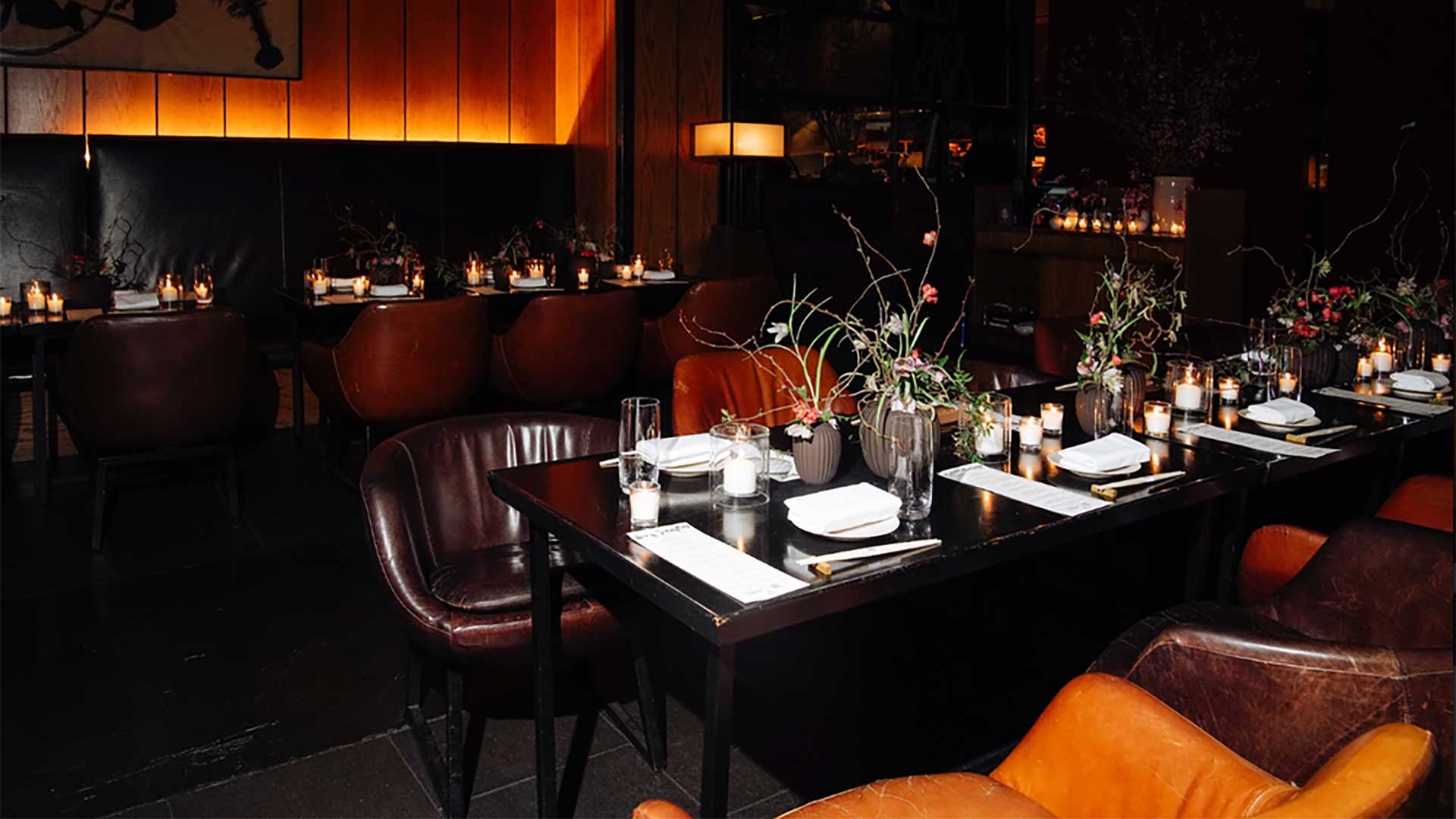
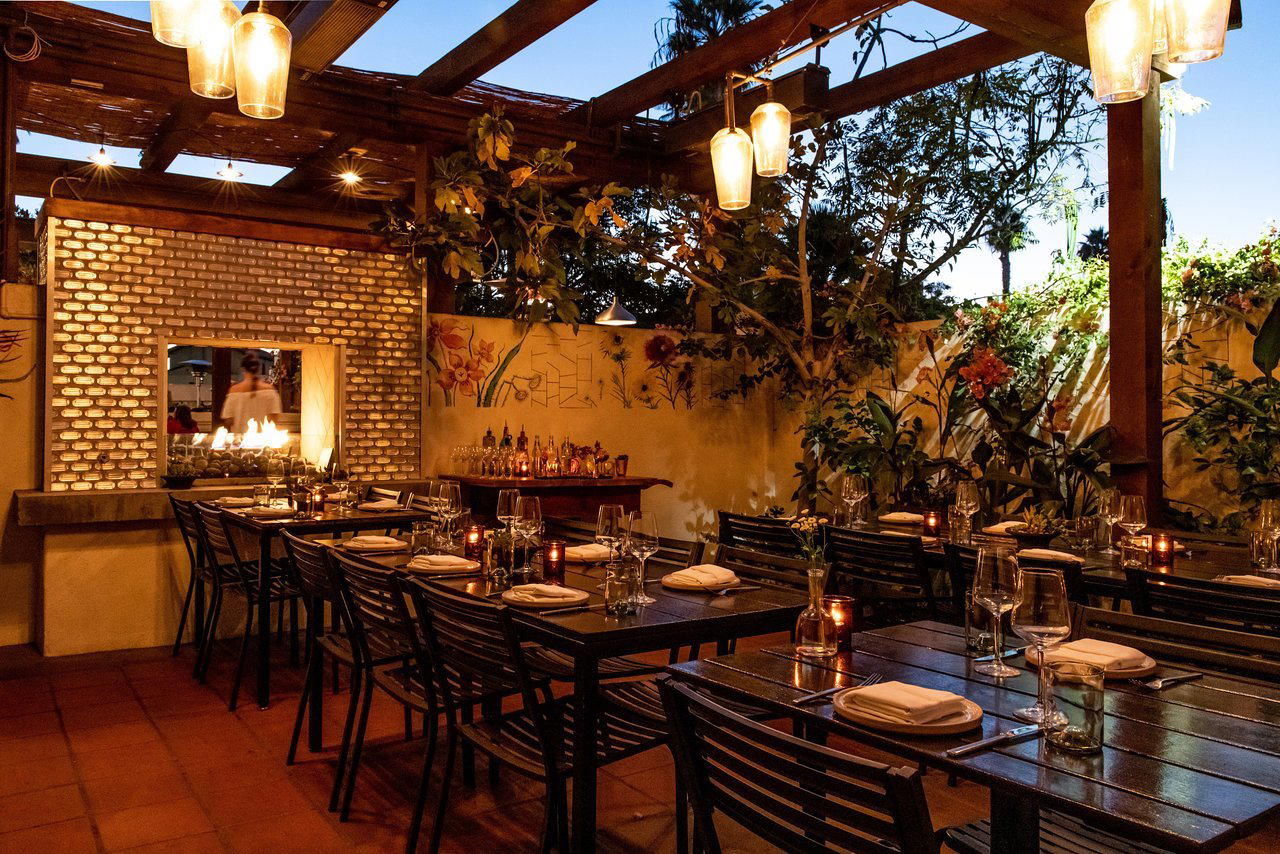
Bars in Santa Barbara
Browse all →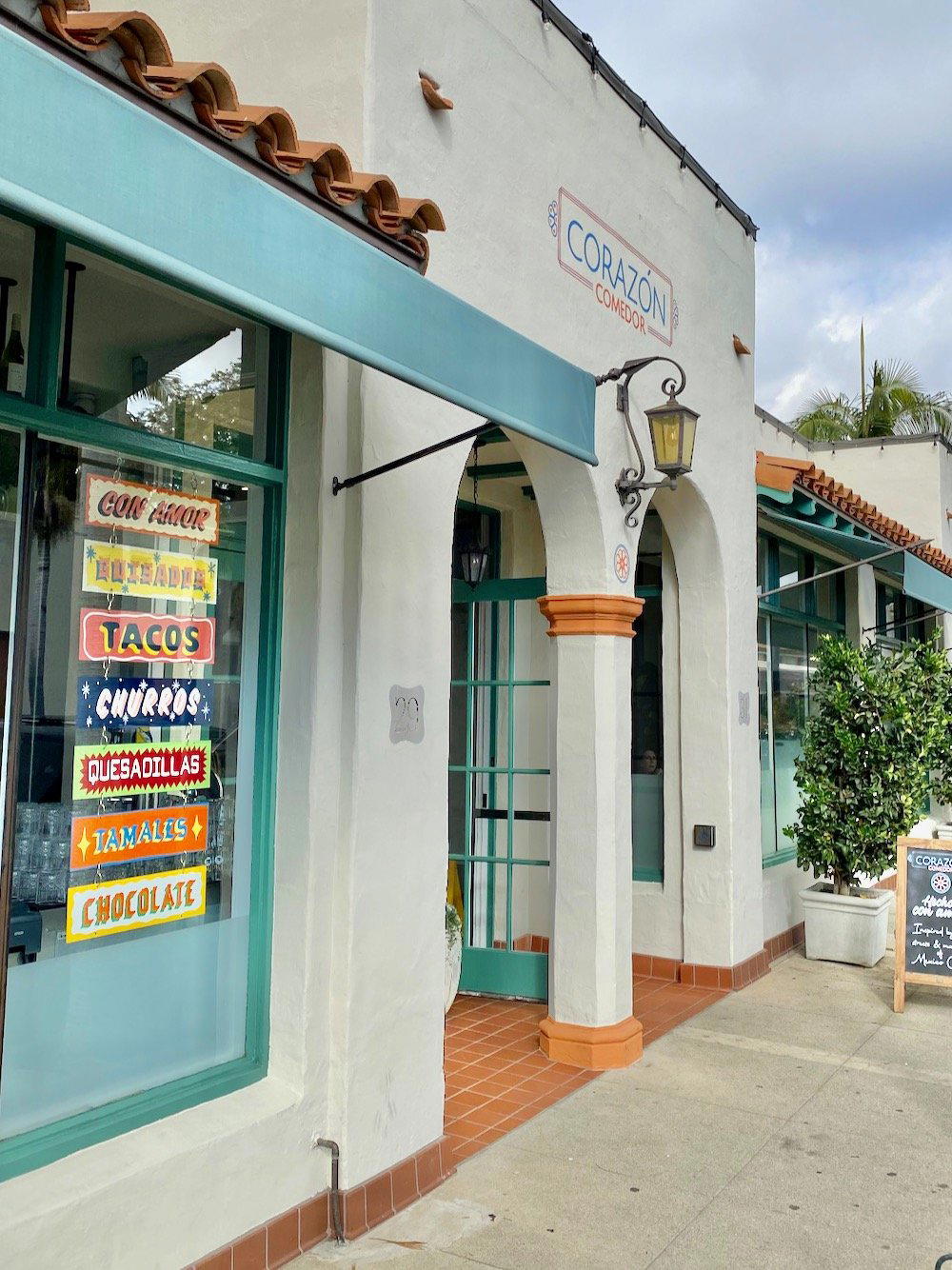
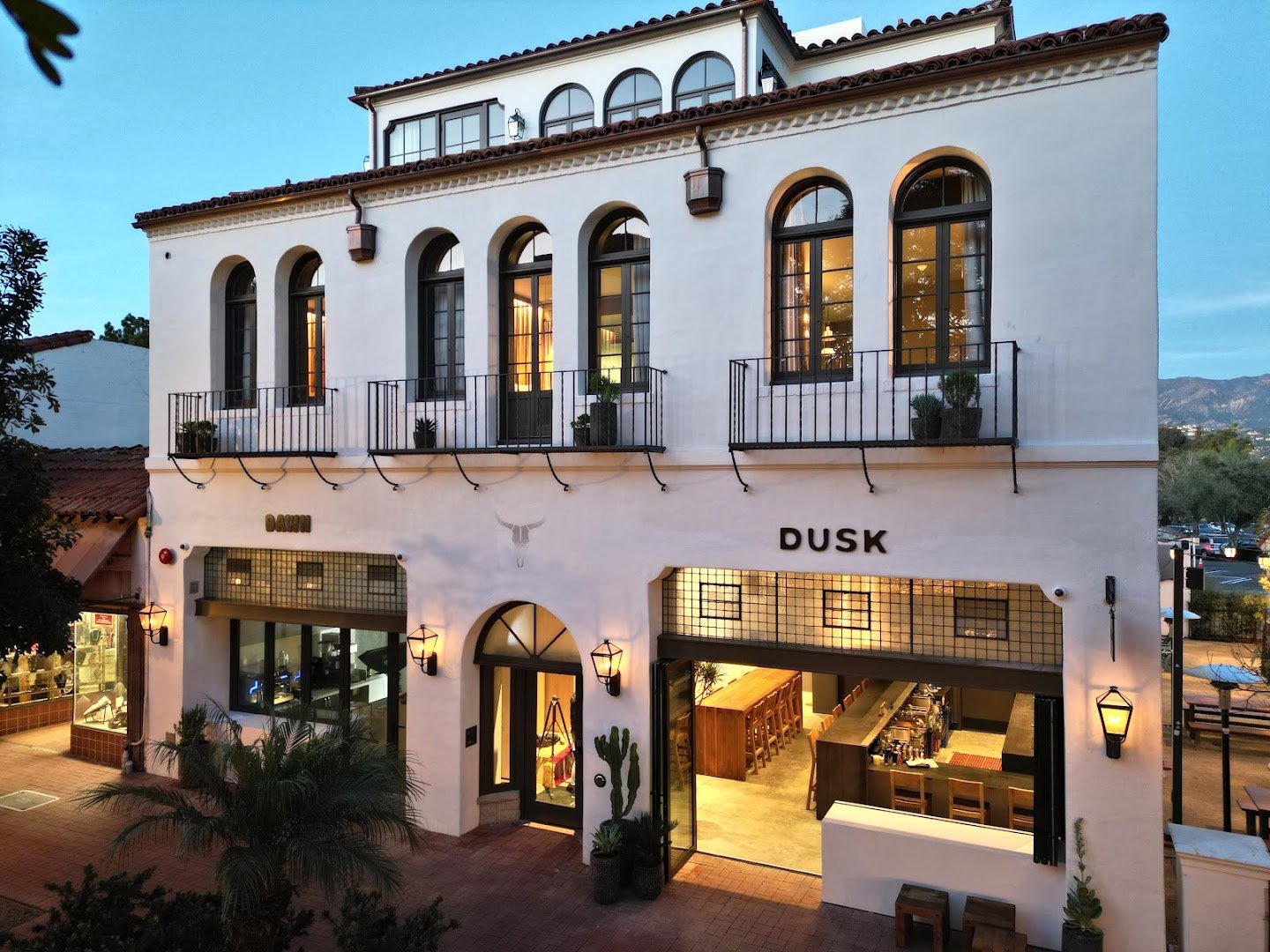
Hotels in Santa Barbara
Browse all →
At a Glance
- Cozy
- Sophisticated
- Classic
- Intimate
- Romantic
- Date Night
- Special Occasion
- Business Dinner
- Group Dining
- Casual Hangout
- Historic Building
- Hotel Restaurant
- Terrace
- Standalone
- Craft Cocktails
- Extensive Wine List
- Local Sourcing
- Garden
- Street Scene
Victorian charm meets modern warmth, with a refined yet relaxed feel designed for unhurried meals and long conversations.