Cuyama Buckhorn

Michelin Selected
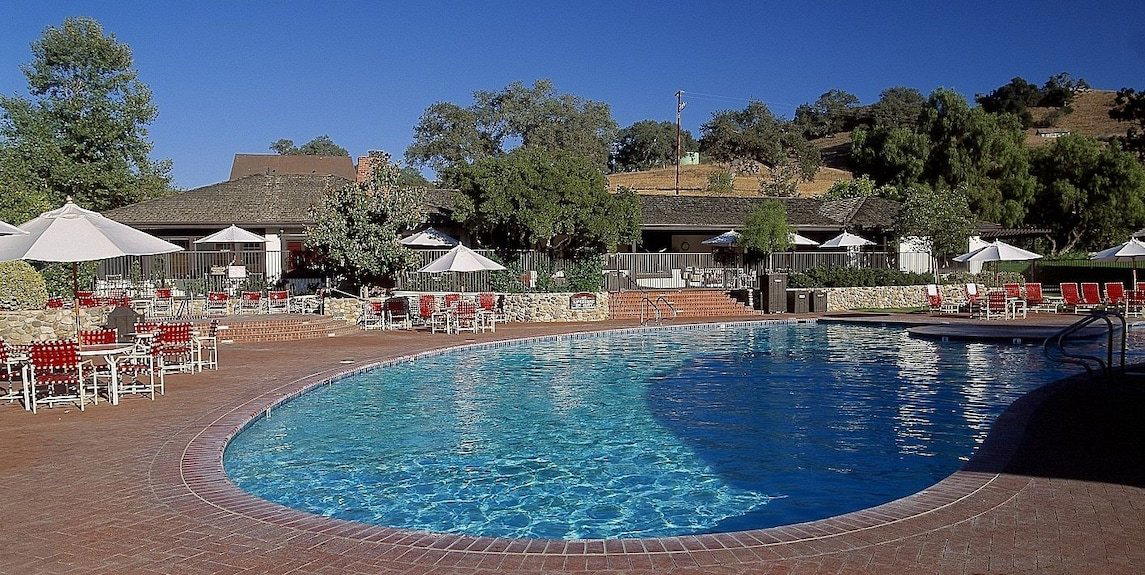
Set deep in the desert of Santa Barbara County, the Cuyama Buckhorn isn’t just any old motel, this mid-century classic was designed by the architect George Vernon Russell, who was responsible for a number of Los Angeles landmarks. It took a thorough restoration, but today’s Buckhorn features 21 guest rooms in a hybrid cowboy-Modernist style, while the restaurant, the self-titled Buckhorn, is pure cowboy. The rooms are distinctive thanks to their original architectural features as well as their vintage pieces, with custom fixtures and furnishings bridging the gap. There’s an austerity to their visual impression, but the tactile comforts impart more than a little bit of luxury to the experience; the deluxe rooms, at the mid-to-high end of the range, are pet-friendly. There’s a lovely little pool and plenty of outdoor lounge space, including shared patio spaces, and while Cuyama isn’t much of a destination just yet, the Buckhorn is well on its way to making it one. The Buckhorn Restaurant & Bar serves local and seasonal Californian cuisine as well as small-batch liquors and local wines; there’s also a grab-and-go market featuring local foodstuffs and the Buck Stop, a café featuring brews from Canyon Coffee.

Pearl is the En Primeur Club membership app, where members save venues, book tables and use the concierge.
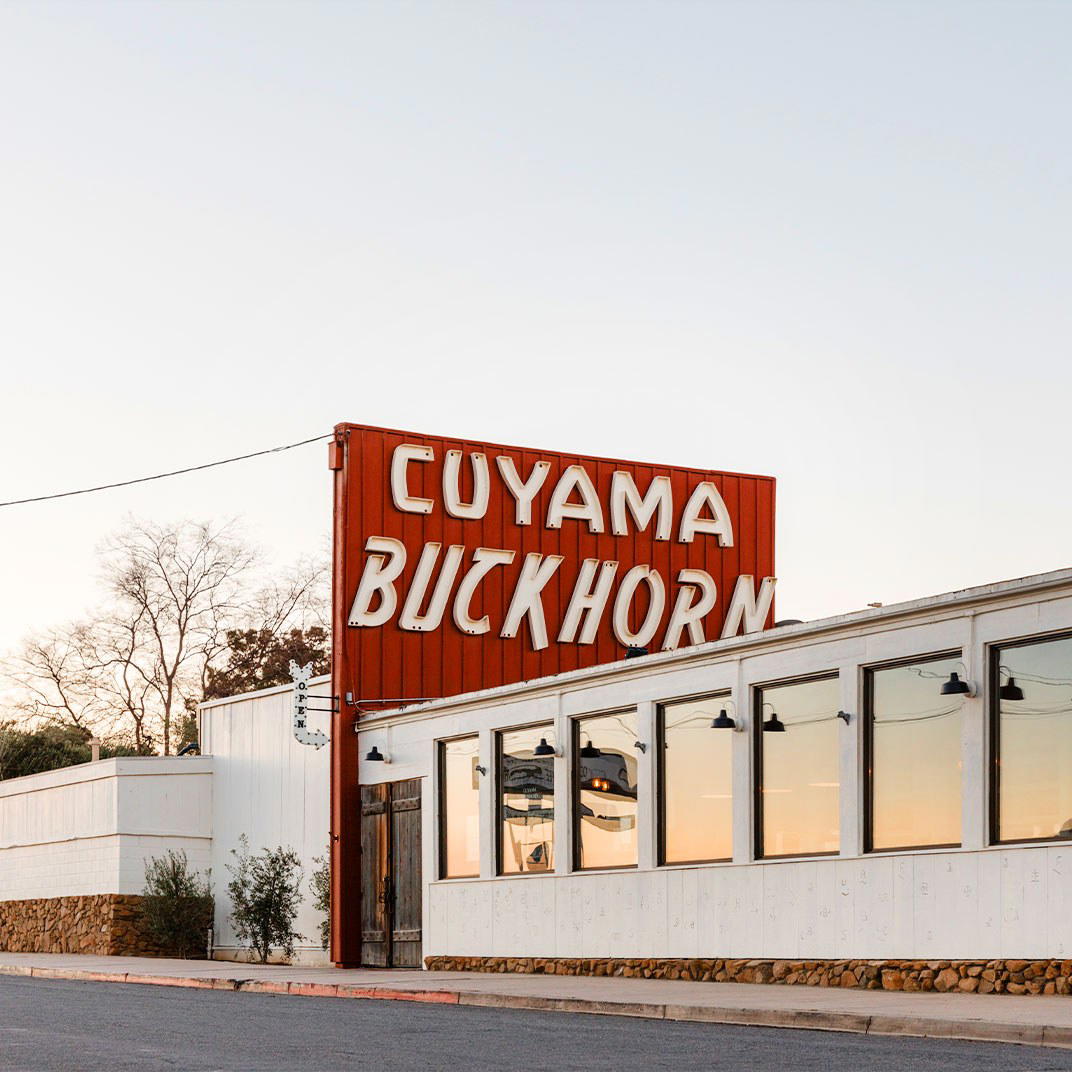
Desert Vernacular, Genuinely Delivered
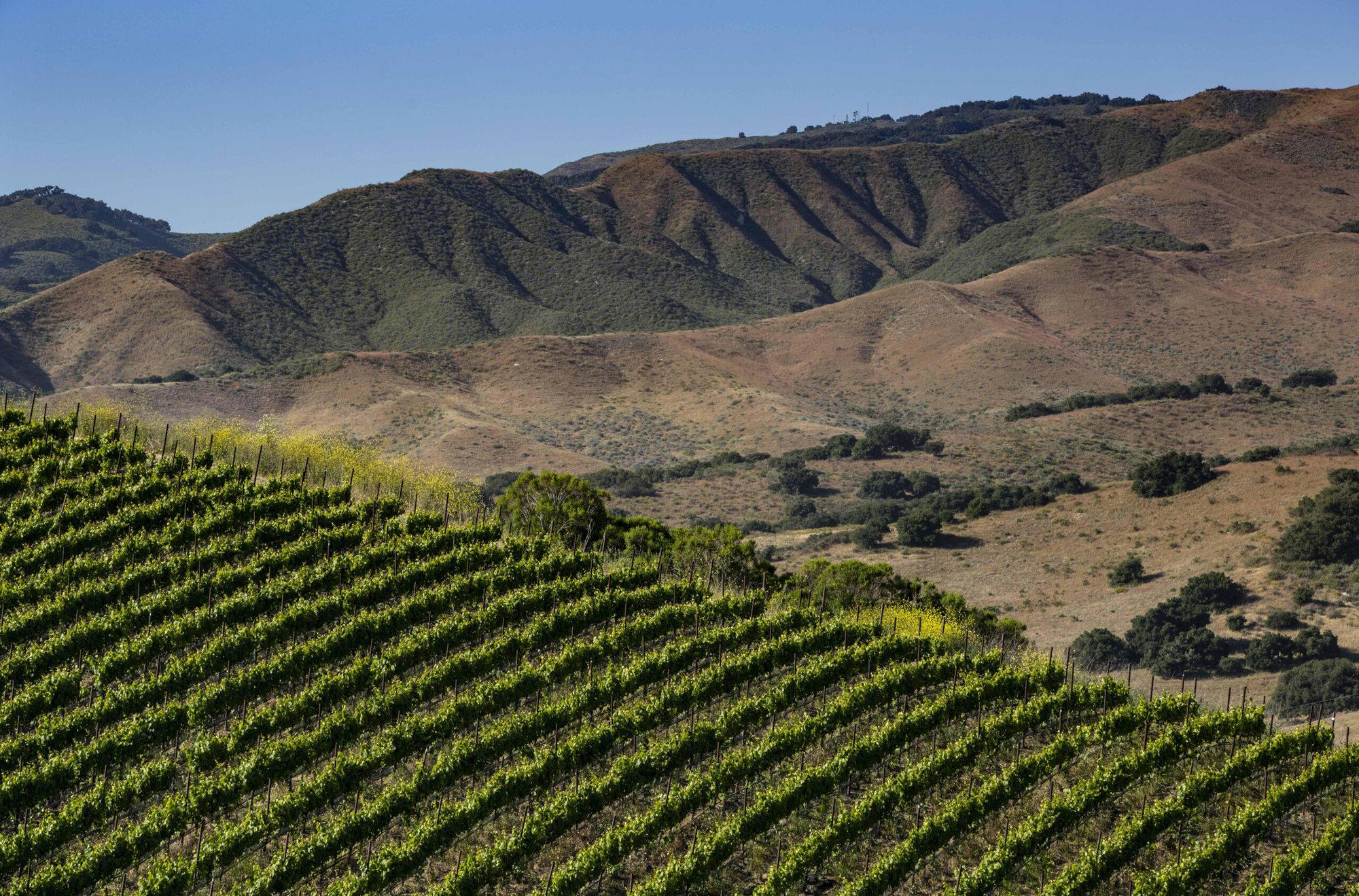
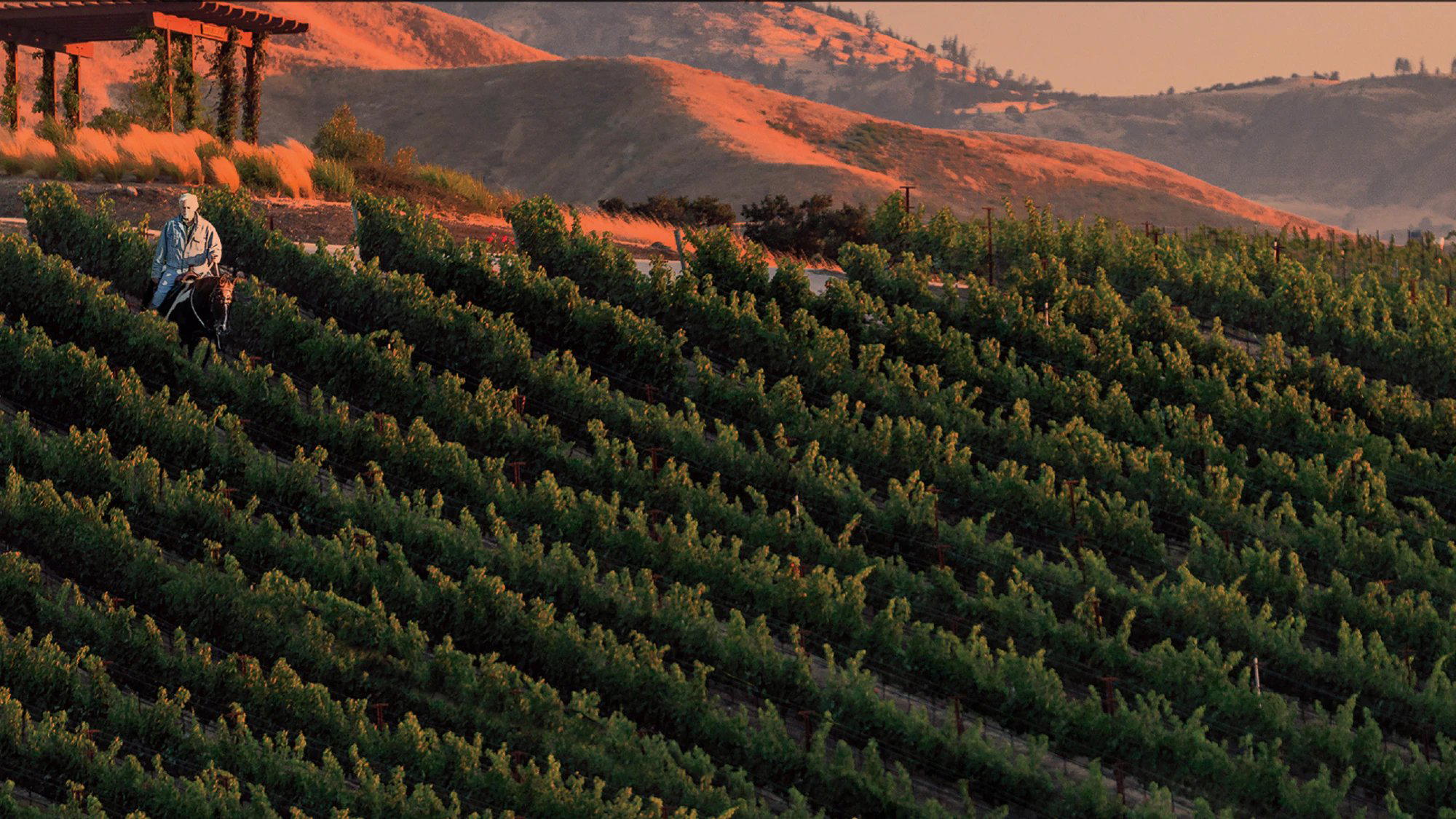
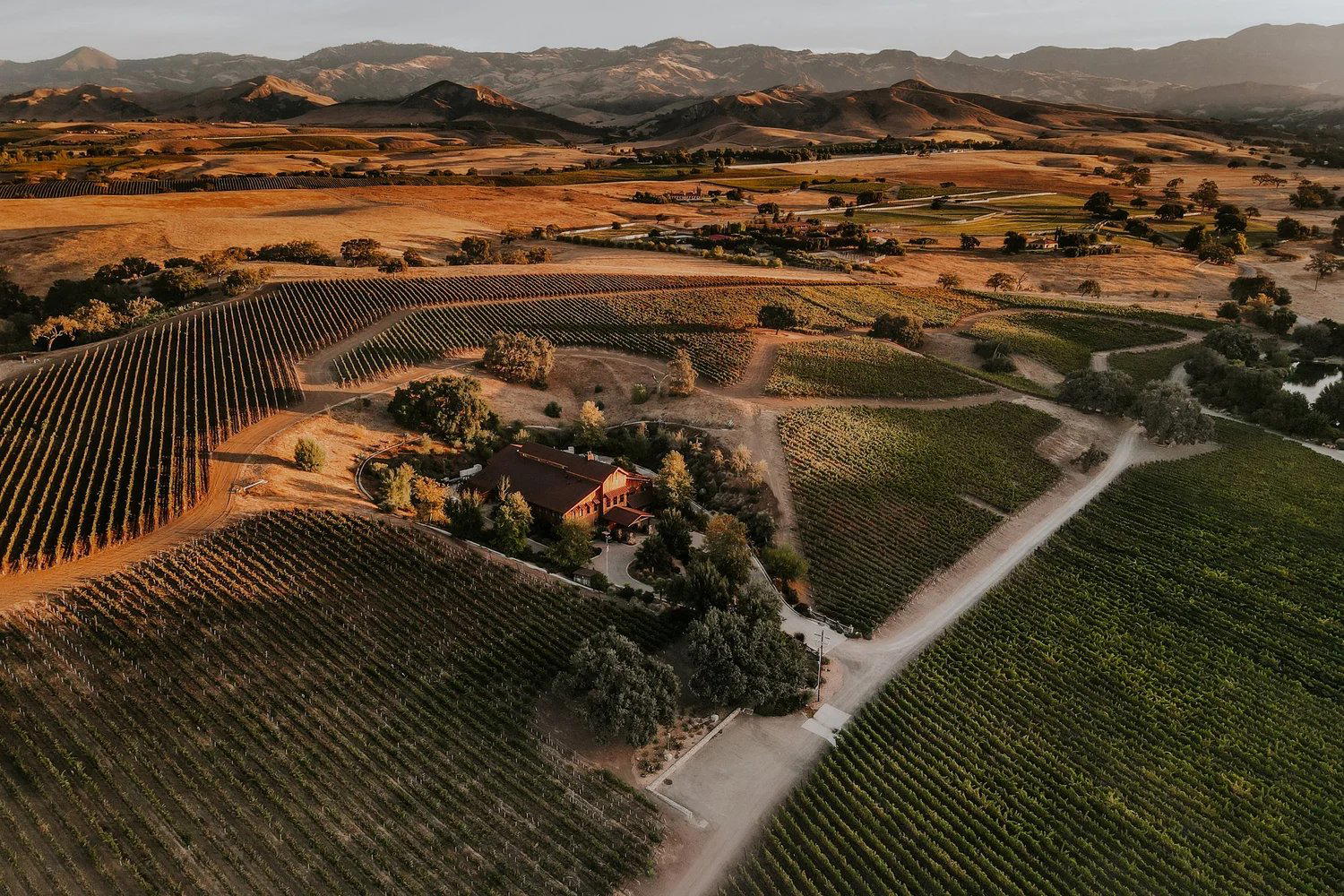
The approach to Cuyama Buckhorn sets the tone before you reach the door. The New Cuyama Valley, a high-desert basin tucked between the Sierra Madre and the Caliente ranges in northern Santa Barbara County, has a dryness and a silence that the property does not attempt to soften. The buildings read as an honest extension of that environment: low-slung structures in earth tones, materials that reference the agricultural and ranching history of the valley rather than importing a coastal California vocabulary. In an era when many California properties default to whitewashed minimalism or wine-country rusticity, the Buckhorn occupies a narrower design register, one calibrated specifically to the high desert it sits in.
That specificity matters because Santa Barbara County's lodging market has, over the past decade, split cleanly between coastal-facing luxury (concentrated in Montecito and Santa Barbara proper) and a smaller tier of interior, landscape-led properties that ask guests to trade proximity to the ocean for something harder to commodify: genuine remoteness and an unmediated relationship with the surrounding terrain. Cuyama Buckhorn sits firmly in the second category. The Michelin Selected distinction it carries in the 2025 hotels guide positions it within a recognised tier of properties that earn inclusion through character and execution rather than room count or brand affiliation.
Architecture as Editorial Statement
The design approach at properties like this one functions as an argument. The argument here is that the Cuyama Valley itself is the amenity, and the built environment's job is to frame it without competing. Horizontal lines keep sightlines open toward the surrounding hills. Materials stay local in palette if not always in provenance: weathered timber, raw metal, adobe-adjacent finishes that absorb afternoon light rather than reflecting it. The result is a property that reads as deliberate rather than spare, which is a meaningful distinction in the category of western American landscape lodges.
Comparable properties elsewhere in the American West have found commercial traction with a similar logic. Amangiri in Canyon Point built its identity around concrete and canyon geometry, using the building itself as a framing device for the Utah landscape. Sage Lodge in Pray takes a Montana riverbank and lets the Yellowstone River do most of the editorial work. Dunton Hot Springs in Dunton works with a preserved ghost town structure to make the architecture literally inseparable from the landscape's history. Cuyama Buckhorn belongs in that conversation, operating at a different scale and price point but sharing the underlying premise that design restraint in a dramatic setting is its own kind of sophistication.
Within California specifically, the comparison set is instructive. Post Ranch Inn in Big Sur commands the coastal-cliff version of this design philosophy, where structures are embedded into headland terrain. The Cuyama property makes a drier, starker version of the same claim, and the valley's relative anonymity is part of what sustains its particular atmosphere. New Cuyama is not a destination that generates its own gravitational pull from tourism infrastructure; visitors self-select by making a deliberate choice to go inland.
The Valley's Position in the Santa Barbara County Context
Santa Barbara County is understood primarily through two lenses: the coastal city itself, with its Spanish Colonial Revival architecture and highly developed hospitality market, and the Santa Ynez Valley wine corridor, which has absorbed significant investment since the mid-2000s. The Cuyama Valley sits apart from both. It is geographically separated from the wine country by a mountain range, and it shares almost nothing of the coastal city's tourist infrastructure. What it offers instead is an older California: dry, agricultural, sparsely populated, and largely off the routes that most visitors follow.
For the lodging market, that positioning creates a specific kind of guest. Properties in recognised urban luxury tiers, from The Beverly Hills Hotel in Los Angeles to The Fifth Avenue Hotel in New York City, operate on density and amenity stacking. Cuyama Buckhorn operates on the inverse principle. The surrounding quiet, the dark skies, the lack of competing noise: these are the product, and they require a certain guest tolerance for what is absent rather than what is present.
That positioning places it alongside a small group of American properties that make remoteness central to their value proposition, including Little Palm Island Resort and Spa in Little Torch Key and Canyon Ranch Tucson in Tucson, both of which ask guests to accept geographical inconvenience as the entry condition for what the property delivers. The difference is that Cuyama Buckhorn's version of inconvenience is pure landscape, without the wellness programming or resort infrastructure those properties layer on leading. This is closer to the model of Troutbeck in Amenia, where a specific patch of land and a coherent design sensibility do the work that marketing cannot.
Staying Here: What the Experience Asks of You
Arriving in New Cuyama from the coast means roughly an hour and a half of driving east from Santa Barbara city, climbing over San Marcos Pass and continuing into territory that thins out noticeably past Los Olivos. There is no train service and no meaningful public transport option; the property is a driving destination by definition. Plan to arrive before dark on your first visit, both for navigation and because the valley's light in the late afternoon is worth experiencing with full attention rather than as a backdrop to unpacking.
The Michelin Selected designation in the 2025 guide signals a floor of quality that applies to the property's execution and physical condition. It does not imply a multi-star luxury format or a large-scale amenity program. Guests accustomed to the infrastructure of properties like Four Seasons at The Surf Club in Surfside or Raffles Boston will find the register here considerably more stripped back.
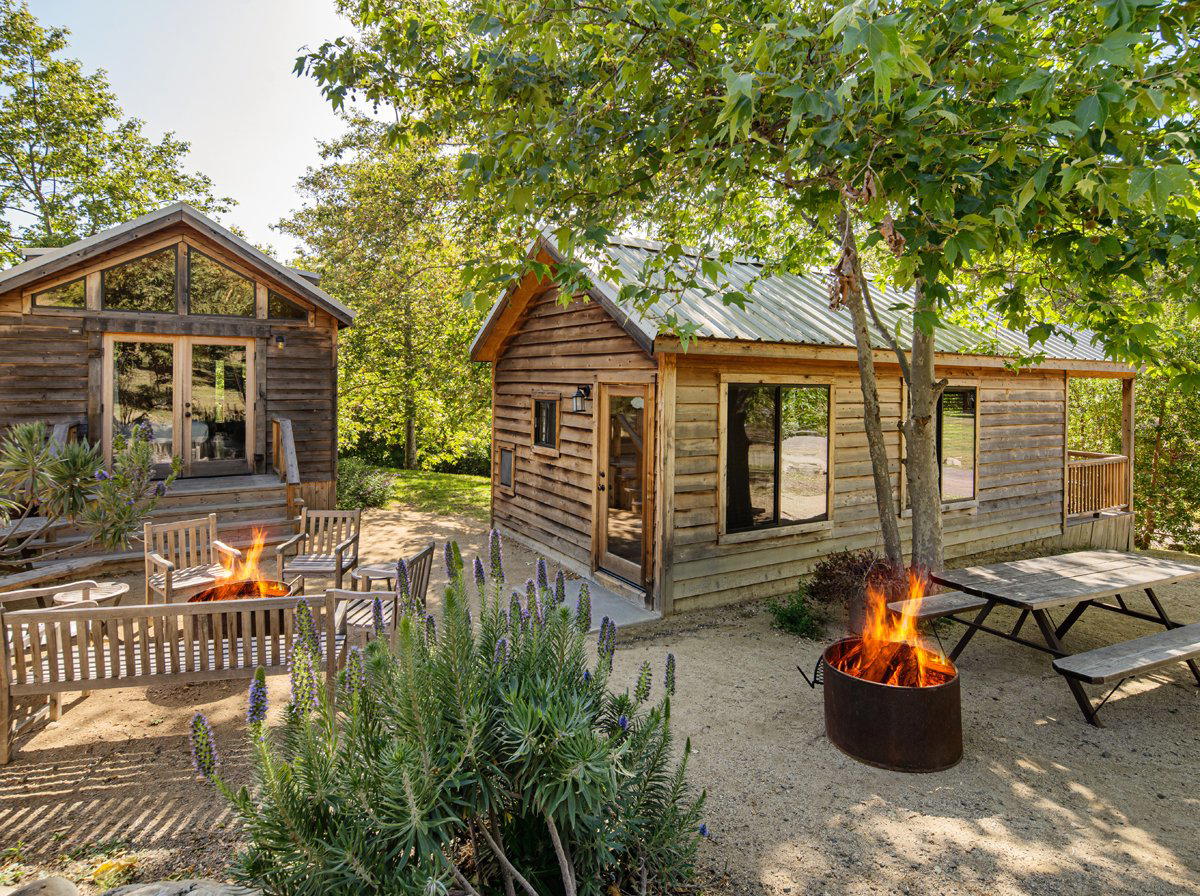
For a fuller picture of where Cuyama Buckhorn sits within the county's wider offering, including coastal dining and the Santa Ynez wine corridor, see our full Santa Barbara County restaurants guide. Travellers combining this stay with a coastal California itinerary might also consider El Capitan Canyon, which occupies the opposite end of the county's nature-lodging spectrum, with oceanside positioning and a more developed glamping infrastructure.
Other California and Western Properties to Consider Alongside
The design-led, landscape-first category in the American West has a range of well-established anchors. Meadowood Napa Valley in Napa and SingleThread Farm Inn in Healdsburg represent the northern California wine country version of immersive, place-specific hospitality at a higher price tier. Kona Village, A Rosewood Resort in Kailua Kona and The Stavrand in Guerneville extend the map further. For travellers whose preference runs toward urban design hotels with architectural ambition rather than landscape-first retreats, Chicago Athletic Association in Chicago and 1 Hotel San Francisco in San Francisco represent the city-based counterpart. European comparisons with similarly strong architectural identity include Badrutt's Palace Hotel in St. Moritz, Hôtel de Paris Monte-Carlo in Monte Carlo, and Aman Venice in Venice.
Side-by-Side Snapshot
Comparable venues nearby, for context on price, style, and recognition.
| Venue | Cuisine | Price | Awards | Notes |
|---|---|---|---|---|
| Cuyama BuckhornThis venue (the venue you are viewing) | Restored mid-century roadside resort with cowboy-modernist hybrid style | $200–300 | Michelin Selected | Not listed |
| Moxy Santa Barbara | playful urban boutique | $200–300 | Michelin Selected | Funk Zone |
| Found Santa Barbara | garden-style retreat capturing coastal soul | $200–300 | Not listed | Upper State Street |
| Kimpton Canary Hotel | Spanish Revival boutique hotel | Not listed | Michelin Selected | Downtown |
| El Capitan Canyon | glamping resort with cabins and yurts | $200–300 | Not listed | El Capitan |
| Drift Santa Barbara | Coastal California boutique in repurposed 1920s Spanish building | Not listed | Michelin Selected · Design Hotels Member | Lower State |
Recognition history
Dated appearances from independent guides and award organizations, with the underlying list record or original source where available.
Michelin Selected
Michelin
Continue exploring
More in Santa Barbara
Hotels in Santa Barbara
All hotels in Santa Barbara →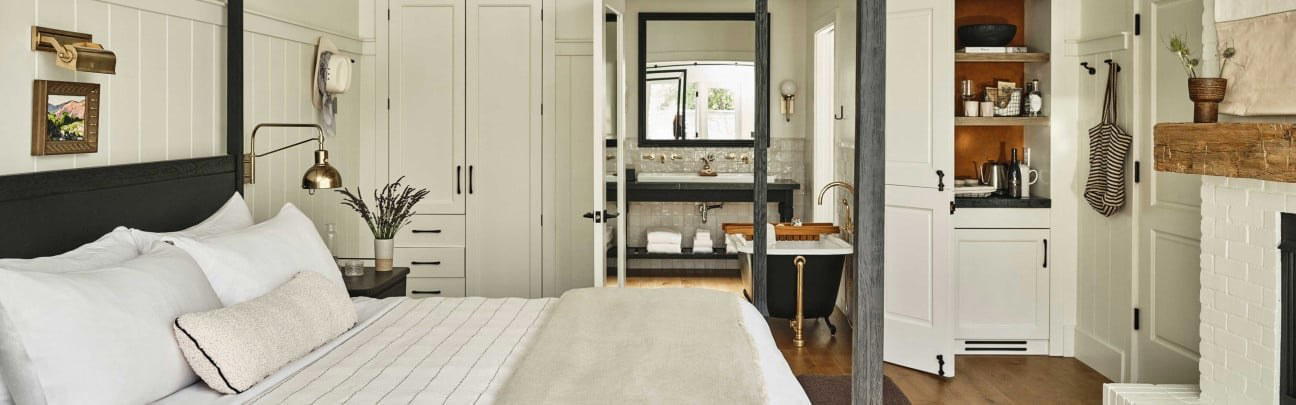
Bars in Santa Barbara
All bars in Santa Barbara →
Restaurants in Santa Barbara
All restaurants in Santa Barbara →
Details
- Rustic
- Cozy
- Scenic
- Quiet
- Modern
- Romantic Getaway
- Weekend Escape
- Group Retreat
- Panoramic View
- Terrace
- Pool
- Sauna
- Wi Fi
- Restaurant
- Bar
- EV Charging
- Mountain
- Step Free Entrance
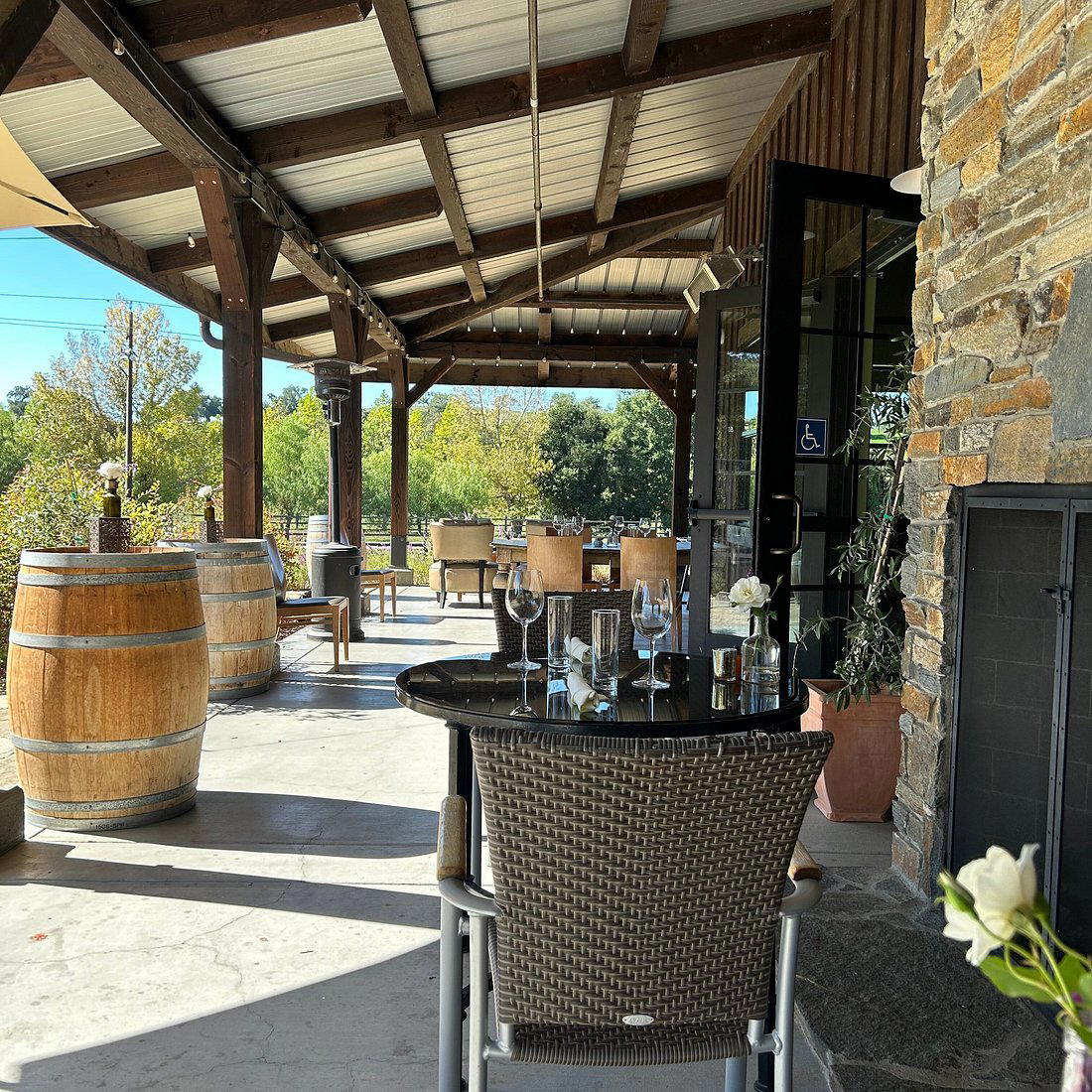
Warm, comfortable elegance with desert tones, vintage accents, and a tranquil, nostalgic atmosphere featuring fireplaces and outdoor lounges.