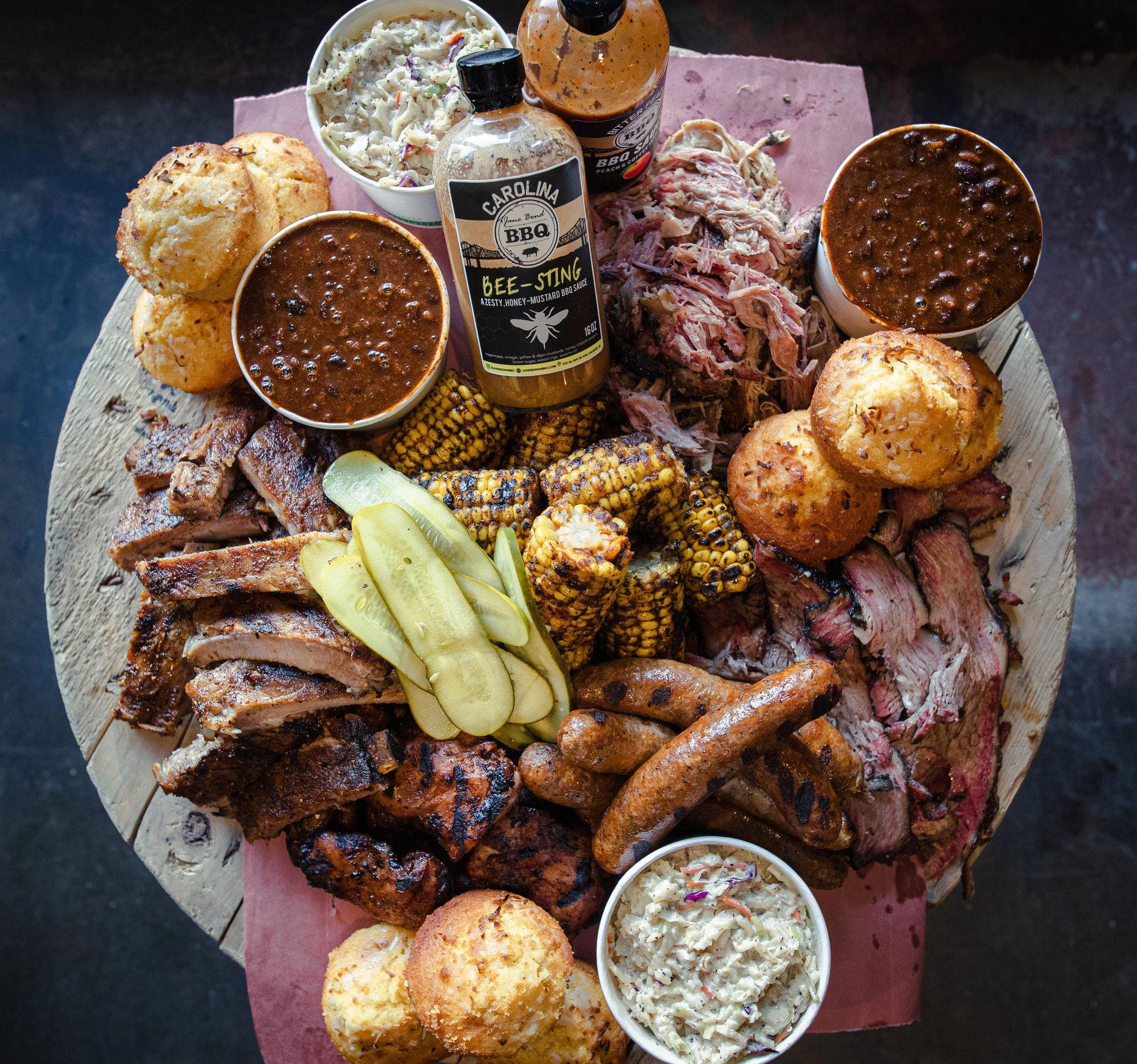
Big T's BBQ & Smokehouse in Calgary's Deer Ridge neighbourhood operates at the intersection of Southern American smoke tradition and Alberta's cattle-country ingredient heritage. The format is straightforward pit-style barbecue, where long cook times and regional sourcing do the work that technique alone cannot. For Calgary diners tracking where their protein comes from, it belongs on the short list.
Pearl is the En Primeur Club membership app — saves, bookings, and concierge access live there. Same editors, same standards.
- Address
- 14935 Deer Ridge Dr SE, Calgary, AB T2J 6A9, Canada
- Phone
- +15874710586
- Website
- bigtsbbq.com
- Directions
- Get directions
 Saves & bookings on Pearl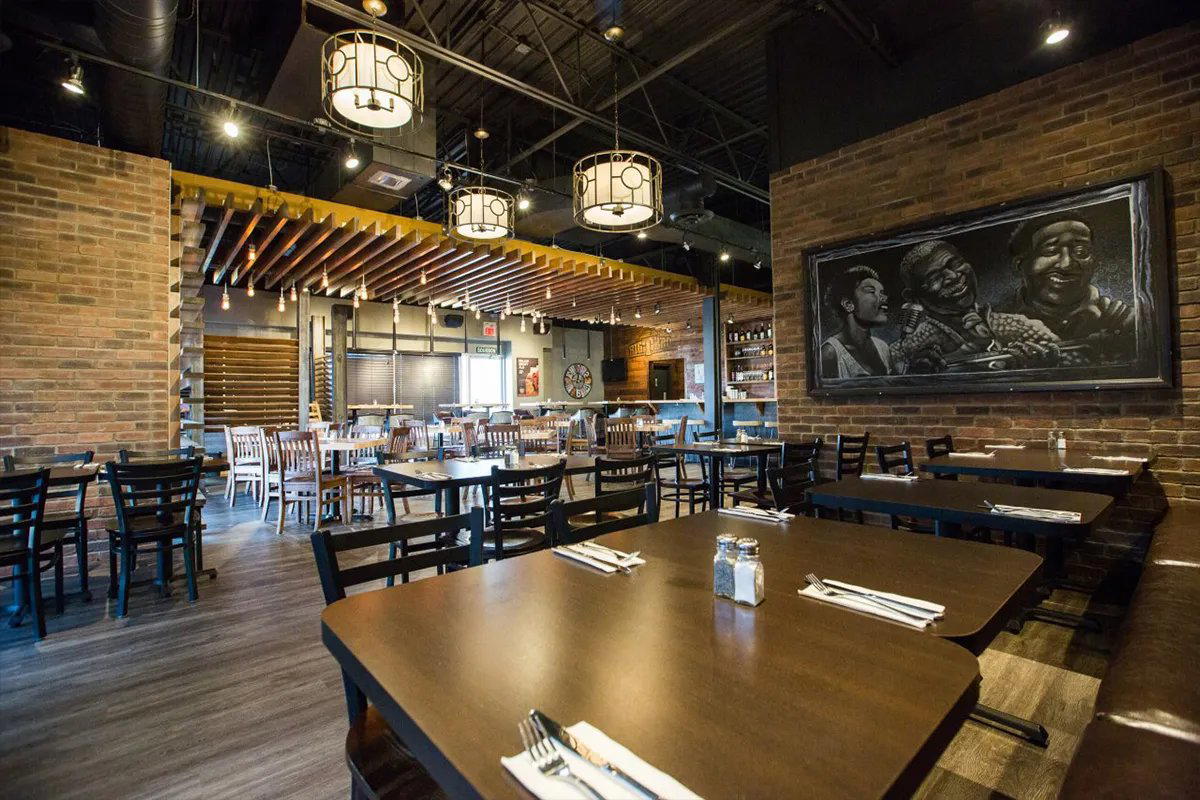
Smoke, Provenance, and the Alberta Advantage
In North American barbecue, the ingredient question is almost always the most revealing one. The style of smoke, the rub composition, and the cut choices all matter, but they ultimately serve whatever arrives at the pit. In Alberta, that starting point is different from Texas, Tennessee, or the Carolinas by a significant margin: the province sits on one of the most concentrated beef-producing regions on the continent, and that proximity shapes what ends up on the plate in ways that no technique can fully replicate. Big T's BBQ & Smokehouse, located at 14935 Deer Ridge Dr SE in Calgary's southeast, operates in that context. Whether the kitchen leans into it or not, the raw material advantage is structural.
Calgary's barbecue scene has never carried the national profile of its steakhouse tradition or the critical attention that higher-concept rooms like Alloy or Annabelle's Kitchen Downtown attract. The criteria for a good barbecue result are specific and largely unforgiving: the brisket either has a proper smoke ring or it doesn't, the bark either holds or it doesn't, and the meat either rests long enough or it arrives dry. These are testable outcomes.
Where the Meat Comes From
Alberta's beef supply chain is one of the few in Canada where a restaurant operating in a suburban neighbourhood can realistically source within a short radius. The province accounts for the majority of Canada's fed-beef processing, and the cattle feeding operations concentrated around Lethbridge and the surrounding region mean that a Calgary smokehouse has options that a comparable venue in, say, Ontario or Quebec would have to work considerably harder to access. That structural geography matters to the ingredient sourcing frame: provenance here is less a marketing choice than a logistical default.
Barbecue traditions imported from the American South tend to undergo regional adaptation when they move north across the border. Alberta operations often substitute or supplement with locally produced pork, bison, and occasionally lamb, running alongside the canonical beef cuts. The smoke profiles shift, too, partly because the wood supply differs and partly because the regional palate skews toward less sweet saucing than, for example, Kansas City convention. These are not deficiencies. They are the marks of a tradition finding its footing in a new geography, which is how most regional food cultures actually develop.
For readers tracking Canada's ingredient-led dining movement, the contrast with high-concept sourcing programs at venues like Tanière³ in Quebec City or Eigensinn Farm in Singhampton is instructive. Those operations build sourcing into their editorial identity and menu architecture. A neighbourhood smokehouse like Big T's approaches the same underlying question from a different angle: the sourcing is structural rather than declared, and the proof is in the consistency of the result rather than the provenance note on the menu. Both approaches are legitimate. They just ask different things of the kitchen.
Deer Ridge and the Suburban Dining Shift
Deer Ridge sits in Calgary's southeast, well outside the inner-city corridors where most of the city's dining attention concentrates. The neighbourhood is residential rather than destination-driven, which tells you something about what kind of operation survives there: places that build a repeat local clientele, not venues that rely on foot traffic or hospitality tourism. A smokehouse in that position is essentially running on reputation within a specific catchment area, which is a harder test in some ways than holding a central downtown location.
Calgary's dining geography has been shifting for some years now. The concentration of newer concept restaurants around neighbourhoods like Kensington, Inglewood, and the Beltline has been documented repeatedly in local food coverage, and venues like Aloha Modern Kitchen and Alforno Eau Claire illustrate the range of formats that have taken hold in more central corridors. The southeast, by contrast, operates on different terms. The density of established residential communities means the market is there, but it requires sustained consistency to hold it. A smokehouse, more than almost any other format, lives and dies on exactly that.
For a broader sense of how Calgary's restaurant ecosystem is organised across neighbourhoods and price tiers, the full Calgary restaurants guide gives the most complete picture. Venues like A Certain Flair Catering at Lougheed House represent one end of the formality range; a smoke-forward neighbourhood operation like Big T's represents the other, and both ends have legitimate claims on the city's dining identity.
Barbecue as a Craft Format
The critical rehabilitation of barbecue as a serious cooking tradition has been one of the more interesting developments in North American food culture over the past fifteen years. What was treated as casual or regional is now examined with the same seriousness applied to tasting-menu kitchens. The underlying craft argument is sound: managing a smoker over twelve to eighteen hours requires genuine skill and attention, and the margin for error on a whole brisket is less forgiving than on a composed plate where a sauce or garnish can compensate for a shortcoming in the protein. When the format is stripped down to smoke, salt, time, and meat, there is nowhere to hide a mediocre result.
That seriousness has reached Canadian cities in uneven ways. In Toronto, smoke-forward operations have become part of the broader conversation alongside rooms like Alo. In Vancouver, sourcing-led concepts such as AnnaLena have set ingredient benchmarks that filter into the wider market. Calgary's contribution to this broader national moment is partly the beef supply chain described above, and partly a civic appetite for direct, unadorned cooking that the city's rodeo-and-ranching cultural identity has always supported. Big T's operates within that lineage, even if the address is a suburban strip rather than a heritage building.
For comparison points outside Canada, the direction of travel in serious ingredient-led kitchens, whether it is Le Bernardin in New York City treating seafood sourcing as the foundation of everything, or Atomix in New York City building Korean ingredient logic into a tasting-menu frame, the underlying discipline is the same: start with the leading available raw material and let the technique serve it rather than override it. A smokehouse that sources from Alberta cattle country is making the same argument in a different register.
Know Before You Go
| Location | 14935 Deer Ridge Dr SE, Calgary, AB T2J 6A9 |
|---|---|
| Neighbourhood | Deer Ridge, Southeast Calgary |
| Format | Barbecue and smokehouse |
| Booking | |
| Hours | |
| Price range | Not confirmed; contact venue for current menu and pricing |
Continue exploring
More in Calgary
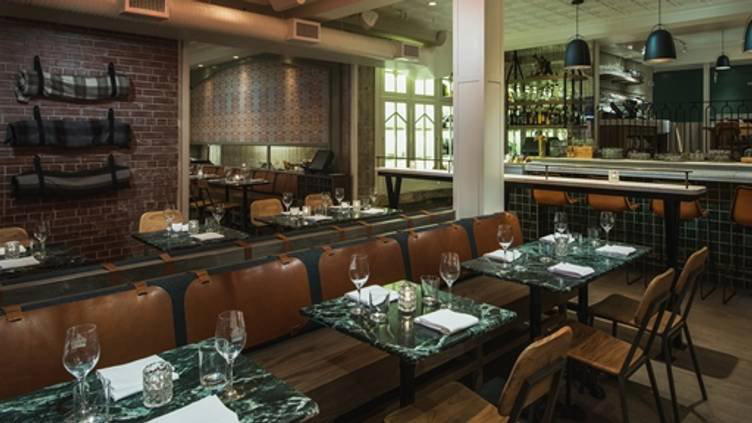
Restaurants in Calgary
Browse all →

Bars in Calgary
Browse all →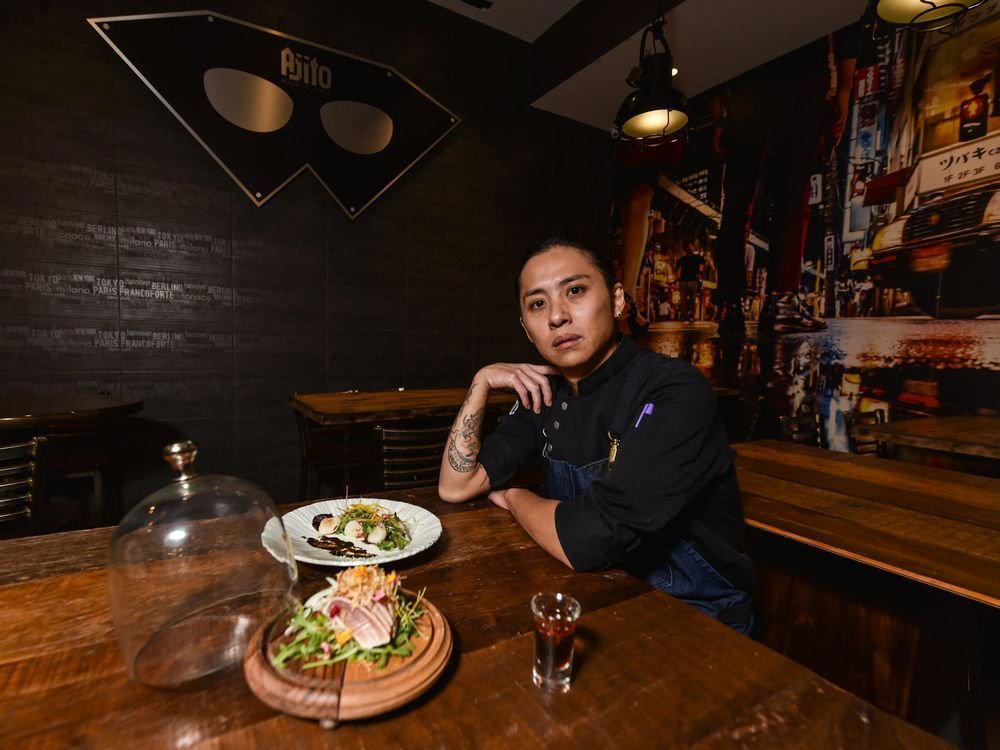




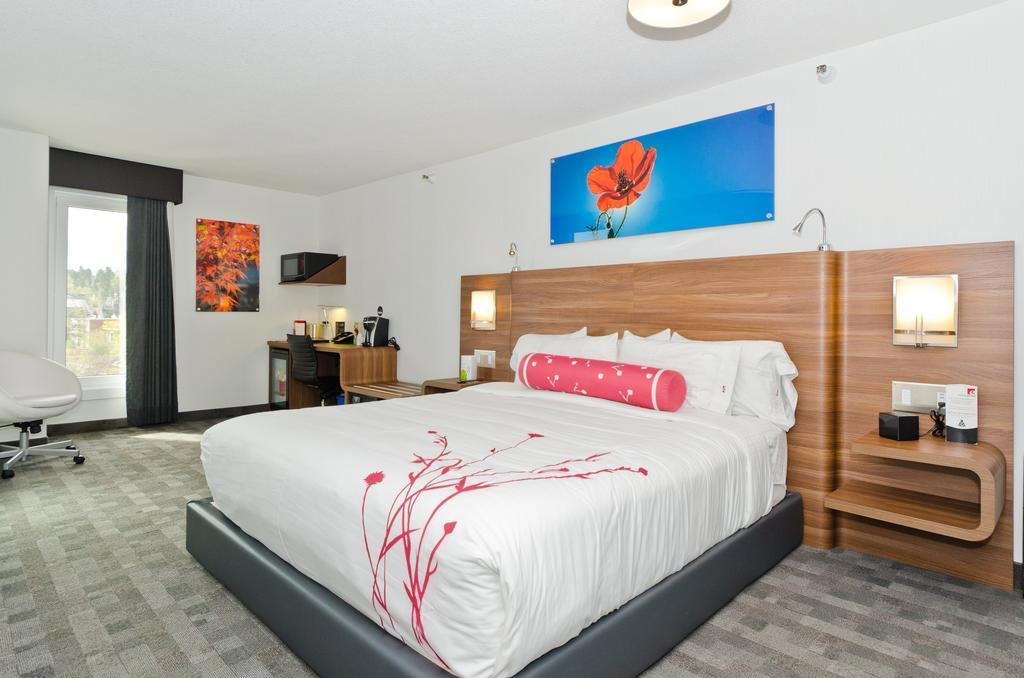
Hotels in Calgary
Browse all →
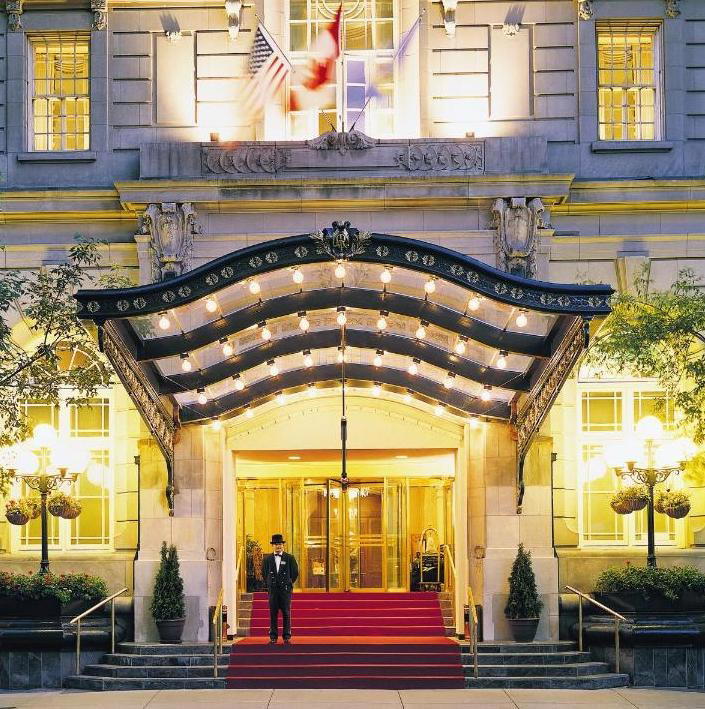
Wineries in Calgary
Browse all →
At a Glance
- Rustic
- Cozy
- Casual Hangout
- Group Dining
- Family
- Open Kitchen
- Beer Program
Current opening hours
- Monday
- 11 AM–9 PM
- Tuesday
- 11 AM–9 PM
- Wednesday
- 11 AM–9 PM
- Thursday
- 11 AM–9 PM
- Friday
- 11 AM–10 PM
- Saturday
- 11 AM–10 PM
- Sunday
- 11 AM–9 PM
Hours can change for holidays and private events. Last verified .
Casual market stall atmosphere with picnic-style seating and focus on hearty BBQ portions.
Know Before You Go
- Getting there
- 14935 Deer Ridge Dr SE, Calgary, AB T2J 6A9, Canada