Big Truck Tacos
On NW 23rd Street, Oklahoma City's most consequential casual dining strip, Big Truck Tacos has anchored the neighborhood's food identity since the street-food-to-brick-and-mortar wave reshaped the city's dining scene. The kitchen works in a register that sits between Tex-Mex tradition and the broader American taco revival, with a format that rewards return visits over single-occasion dining.
Pearl is the En Primeur Club membership app — saves, bookings, and concierge access live there. Same editors, same standards.
- Address
- 530 NW 23rd St, Oklahoma City, OK 73103
- Phone
- +14055258226
- Website
- bigtrucktacos.com
- Directions
- Get directions
 Saves & bookings on Pearl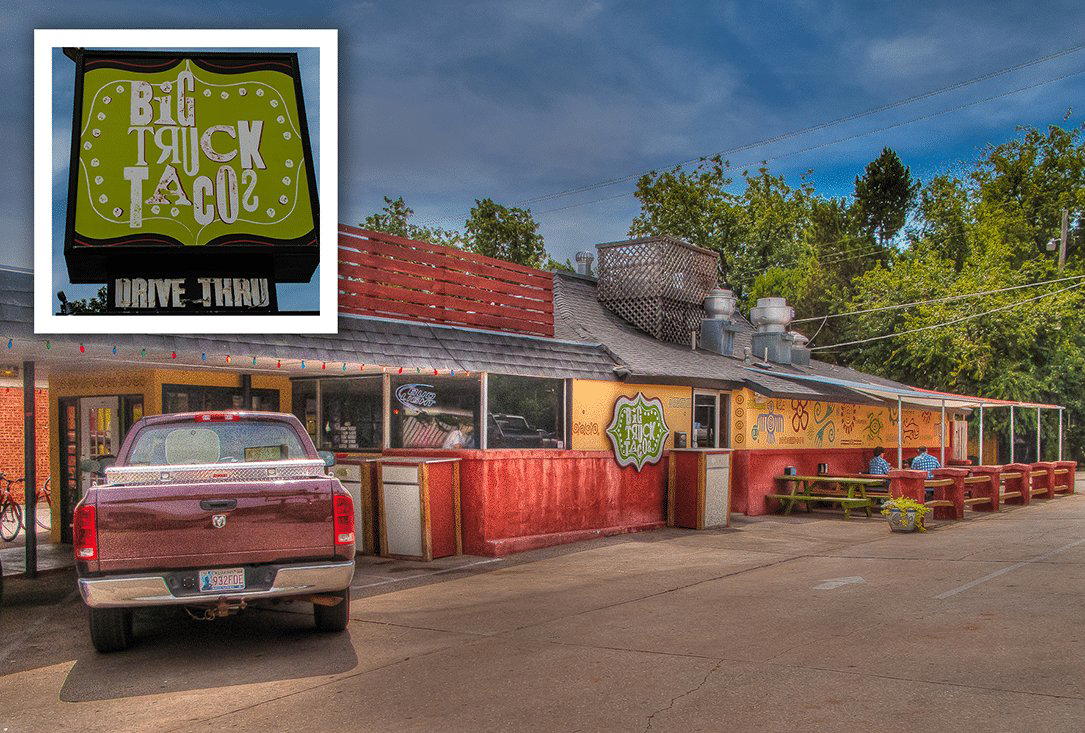
NW 23rd Street and the Taco as a Serious Format
Oklahoma City's NW 23rd Street corridor has, over the past decade, become the clearest expression of what the city's independent dining scene looks like when it operates on its own terms. The stretch runs through the Plaza District, a neighborhood whose restaurant identity is defined less by fine-dining ambition and more by the kind of sustained, neighborhood-level quality that cities like Portland and Austin built reputations on in the 2000s. Big Truck Tacos at 530 NW 23rd St sits inside that tradition, occupying a position on the street that reflects how Oklahoma City has approached casual dining with more seriousness than its national profile tends to suggest.
The taco, in American dining culture, has undergone a significant reappraisal. What was once confined to the Tex-Mex category, with its flour-tortilla orthodoxies and combination-plate logic, has fractured into multiple registers: the regional Mexican specialist, the Baja-inflected fish taco counter, the Korean-fusion hybrid, and the direct street-food format that prizes masa quality and protein execution over conceptual novelty. Big Truck Tacos operates in the latter mode, where the measure of quality is how well the core components hold together rather than how far they depart from tradition. That is a harder standard to meet than it sounds, and it is the standard by which this kitchen should be judged.
The Cultural Weight of the Taco in Oklahoma
Oklahoma's relationship with Mexican and Mexican-American food is older and more layered than most visitors expect. The state's agricultural economy drew significant Mexican labor migration through the twentieth century, and that demographic history produced a regional taco culture that predates the national gourmet-taco moment by generations. The breakfast taco, the carne asada, the barbacoa on weekends: these are not trends in Oklahoma City, they are embedded in the city's working food culture. A restaurant that plants itself in this tradition takes on a responsibility to that history, even when it operates in a more contemporary register.
Big Truck Tacos emerged from that context, drawing on the broader American street food revival while staying anchored to a city where taco culture is lived rather than adopted. Compared to the more high-concept taco programs at places like Lazy Bear in San Francisco or the tasting-menu world of Smyth in Chicago, this kitchen operates at the opposite end of formality, closer to the food-truck-turned-permanent-address model that defined the mid-2010s American dining shift. The comparable set here is not Le Bernardin in New York City or The French Laundry in Napa; it is the class of regional American spots that built genuine local loyalty without chasing national recognition.
What the Format Reveals
The taco-focused menu format carries its own editorial logic. When a kitchen commits to a single format rather than offering a broad menu, every execution decision becomes visible. Tortilla temperature and texture, protein-to-fat ratio, salsa calibration, acid balance: there is nowhere to hide. Restaurants that do this well, from the taco specialists in Los Angeles's Eastside to the birria operations that have spread nationally, succeed because they treat the format with the same discipline that a steakhouse applies to sourcing or a sushi counter applies to rice seasoning.
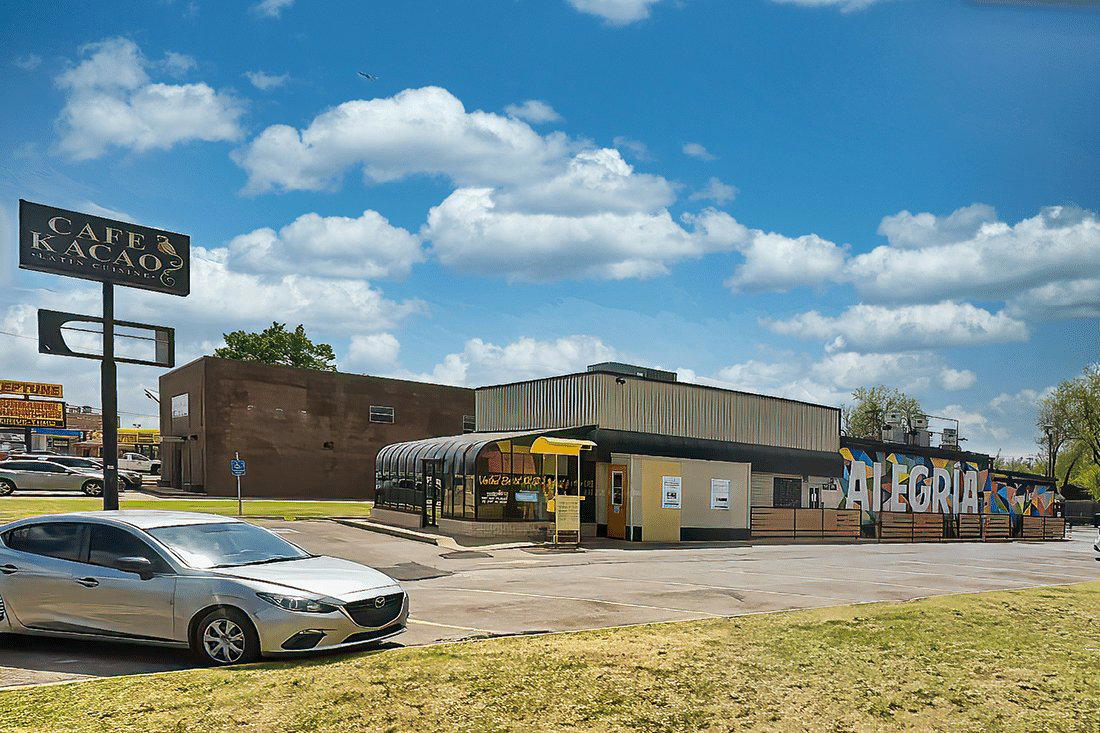
Oklahoma City's broader dining scene offers useful comparison points. Cattlemen's represents the city's deep steakhouse tradition, a format with roots in the stockyard economy. Cheever's Cafe occupies a different corner of the city's culinary map, as does Cafe Kacao with its Guatemalan-leaning breakfast program and Bar Sen (Lao) with its Southeast Asian focus. Taken together, these spots reflect a city that has diversified its dining identity well beyond the beef-and-steak frame that national media still tends to apply. The restaurant belongs to that diversification, representing the Mexican-American tradition in a lineup that increasingly reads like a genuinely pluralist food city.
Positioning in the Casual Dining Tier
The casual end of the American restaurant market has become more competitive and more interesting in the past decade. Formats that were once considered compromise options, fast-casual counters, taco stands, neighborhood spots without reservation systems, have in many cities become one dynamic part of the dining ecosystem. This mirrors what happened in cities like Nashville, Richmond, and Kansas City, where compelling food story was not at the white-tablecloth level but in the mid-tier and casual tiers where chefs took everyday formats seriously.
Oklahoma City has followed a version of that trajectory, and the NW 23rd corridor is where it is most visible. The Plaza District, where the restaurant is located, draws a cross-section of the city that includes the creative-class residents who moved into the neighborhood as it developed, alongside the longer-term community that has eaten tacos in this part of town for far longer than any restaurant has operated here. That dual constituency is worth noting: it means the kitchen is accountable to people who know the reference point deeply, not just to visitors looking for a photogenic plate.
The comparison is not invidious; it is a map. The restaurant sits at the accessible, neighborhood end of the dining spectrum, and that position comes with its own set of standards and its own kind of difficulty.
Planning a Visit
The restaurant is located at 530 NW 23rd St in the Plaza District, walkable from several of the neighborhood's other independent spots. The casual format and price point mean the venue draws a mix of weekday lunch traffic and evening diners, with weekend waits that reflect its standing as one of the area's more consistent casual options. Given the format, this is a counter-style or casual-seat operation rather than a reservation-dependent destination, placing it in the category where showing up at off-peak hours is the practical answer to any queue. The restaurant is walk-in friendly. Also worth noting in the same neighborhood ecosystem: the Alpine Italian credentials at Atelier Moessmer Norbert Niederkofler in Brunico represent a polar opposite in format and geography, but both cases illustrate how a single cuisine focus, executed with consistency, builds lasting local reputation.
- The Guardian
- Okie Wahoo
- Crispy’cado
- 5th Amendment
- Tall Twin
- Zig
Price Lens
Comparable venues nearby, for context on price, style, and recognition.
| Venue | Cuisine | Price | Notes |
|---|---|---|---|
| Big Truck TacosThis venue — the venue you are viewing | Not listed | $$ | Not listed |
| Ted's Café Escondido | NW Oklahoma City, Mexican & Southwestern | $$ | Not listed |
| Upper Crust Wood Fired Pizza | Not listed | $$ | Classen Curve, Wood-Fired New York-Style Pizza |
| Poblano Grill | North Oklahoma City, Authentic Mexican | $$ | Not listed |
| Grand House Asian Bistro | Not listed | $$ | Asian District, Traditional Chinese Dim Sum and Asian Bistro |
| Paseo Grill | Not listed | $$$ | Paseo Arts District, Classic American with International Flair |
Continue exploring
More in Oklahoma City
Restaurants in Oklahoma City
Browse all →
Bars in Oklahoma City
Browse all →

At a Glance
- Lively
- Trendy
- Rustic
- Casual Hangout
- Brunch
- Late Night
- Group Dining
- Open Kitchen
Current opening hours
- Monday
- 7:30 AM–10 PM
- Tuesday
- 7:30 AM–10 PM
- Wednesday
- 7:30 AM–10 PM
- Thursday
- 7:30 AM–10 PM
- Friday
- 7:30 AM–11 PM
- Saturday
- 7:30 AM–11 PM
- Sunday
- 9 AM–9 PM
Hours can change for holidays and private events. Last verified .
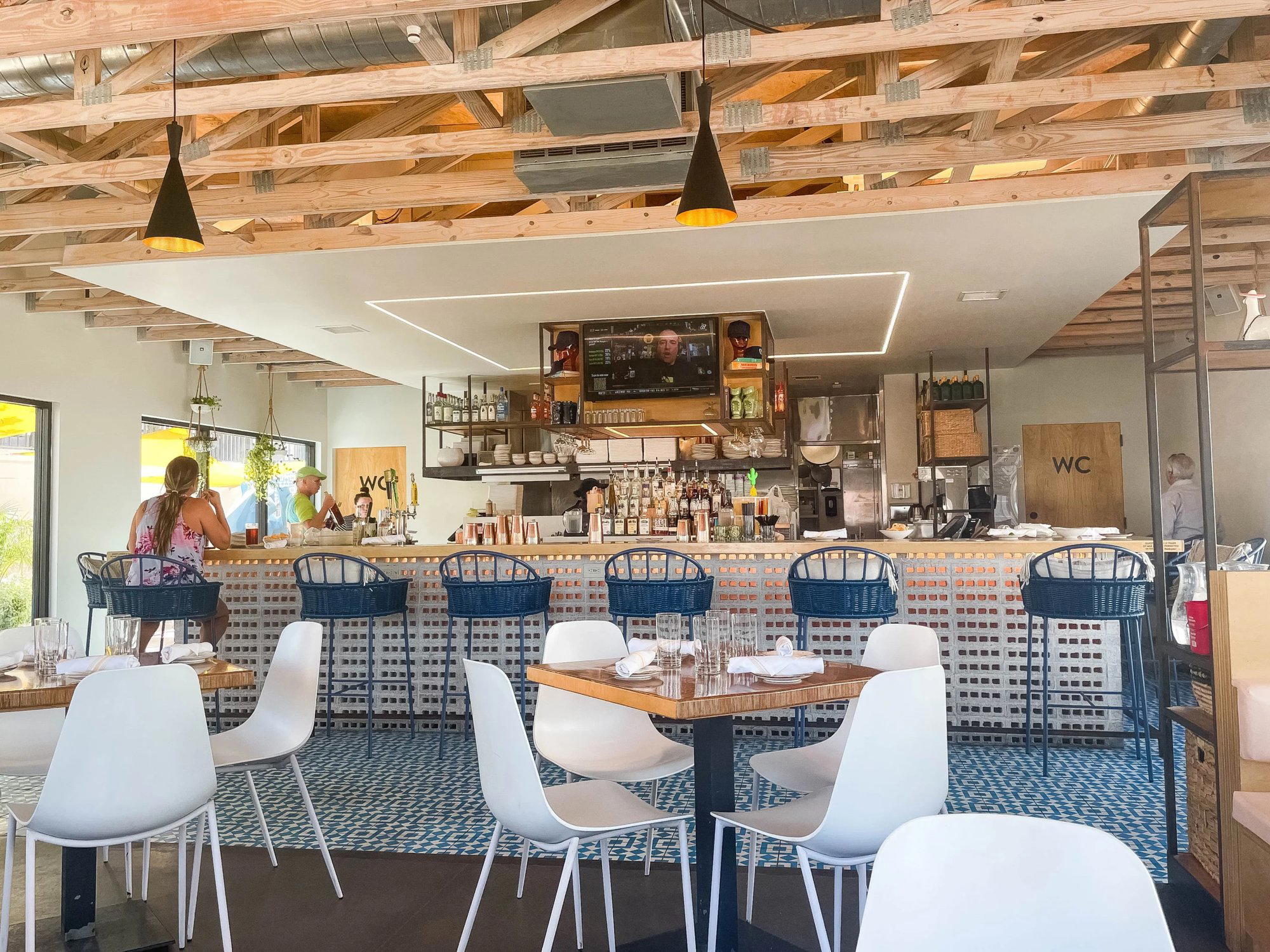
Fun, fast-paced, and playful atmosphere with a cool vibe from its food truck roots.