
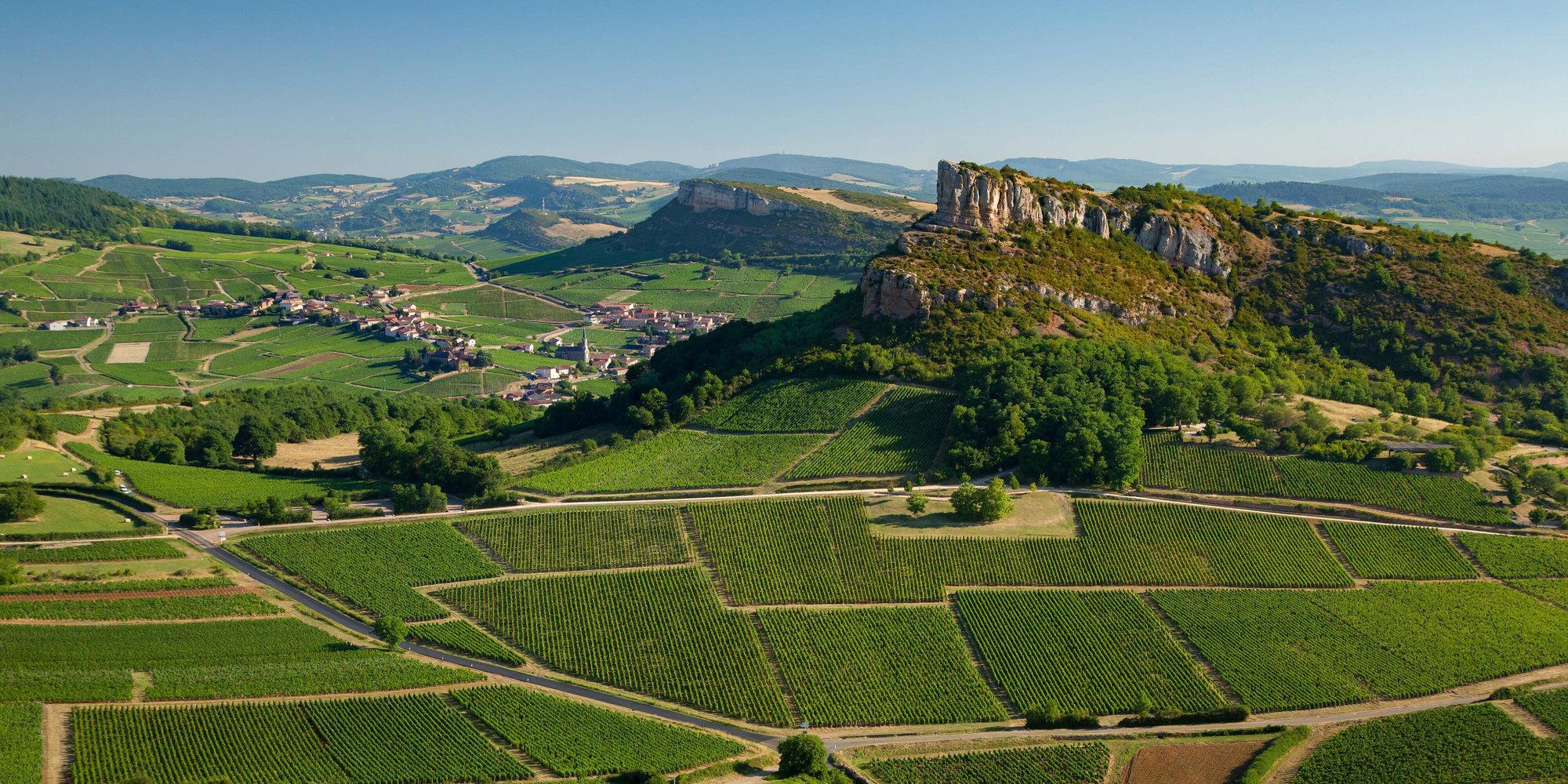
Beurre Noisette sits in the golden-stone village of Lucenay, Beaujolais wine country. Chef Pauline Luce draws on local farms and suppliers to build a menu rooted in the terroir of Auvergne-Rhône-Alpes, where seasonal produce and nearby vineyards shape the rhythm of the kitchen.
Pearl is the En Primeur Club membership app — saves, bookings, and concierge access live there. Same editors, same standards.
- Address
- 35 route de Morancé, Lucenay, Auvergne-Rhône-Alpes, 69480, FRA
- Phone
- +33 9 53 09 19 24
- Website
- guide.michelin.com
 Saves & bookings on Pearl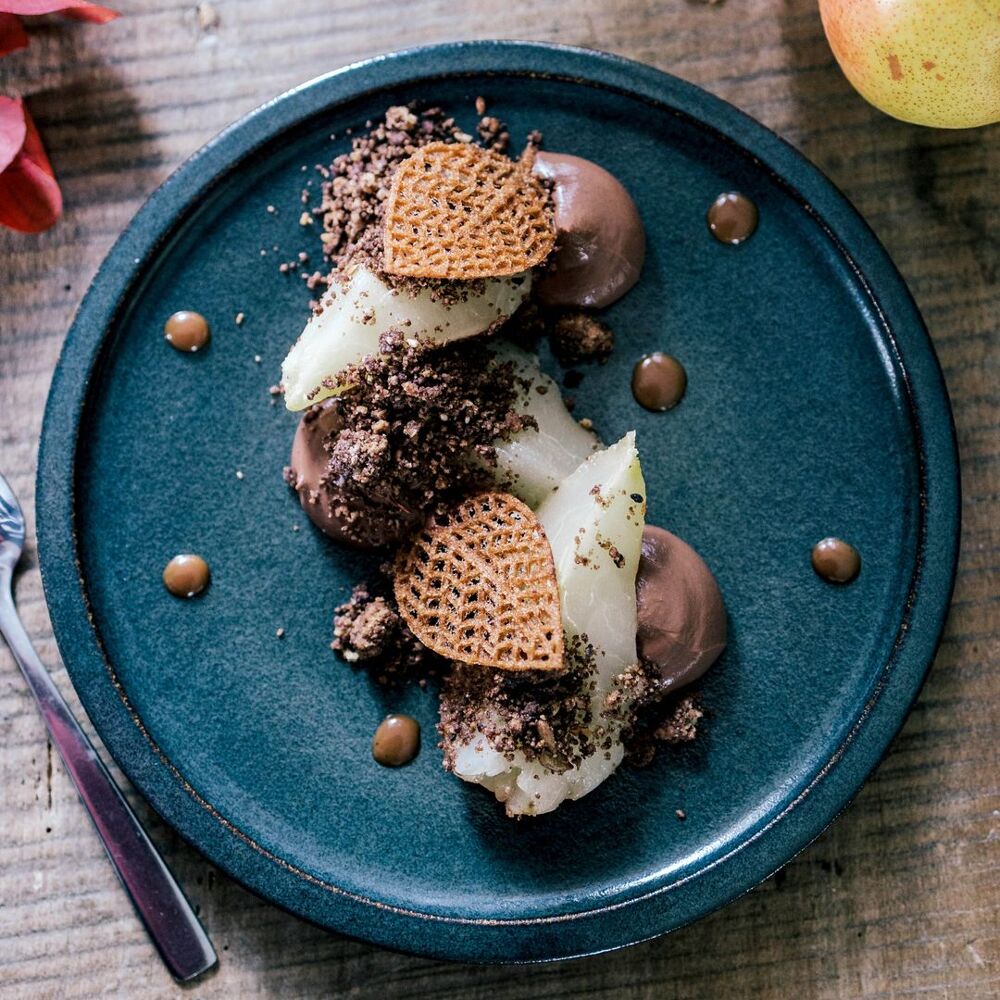
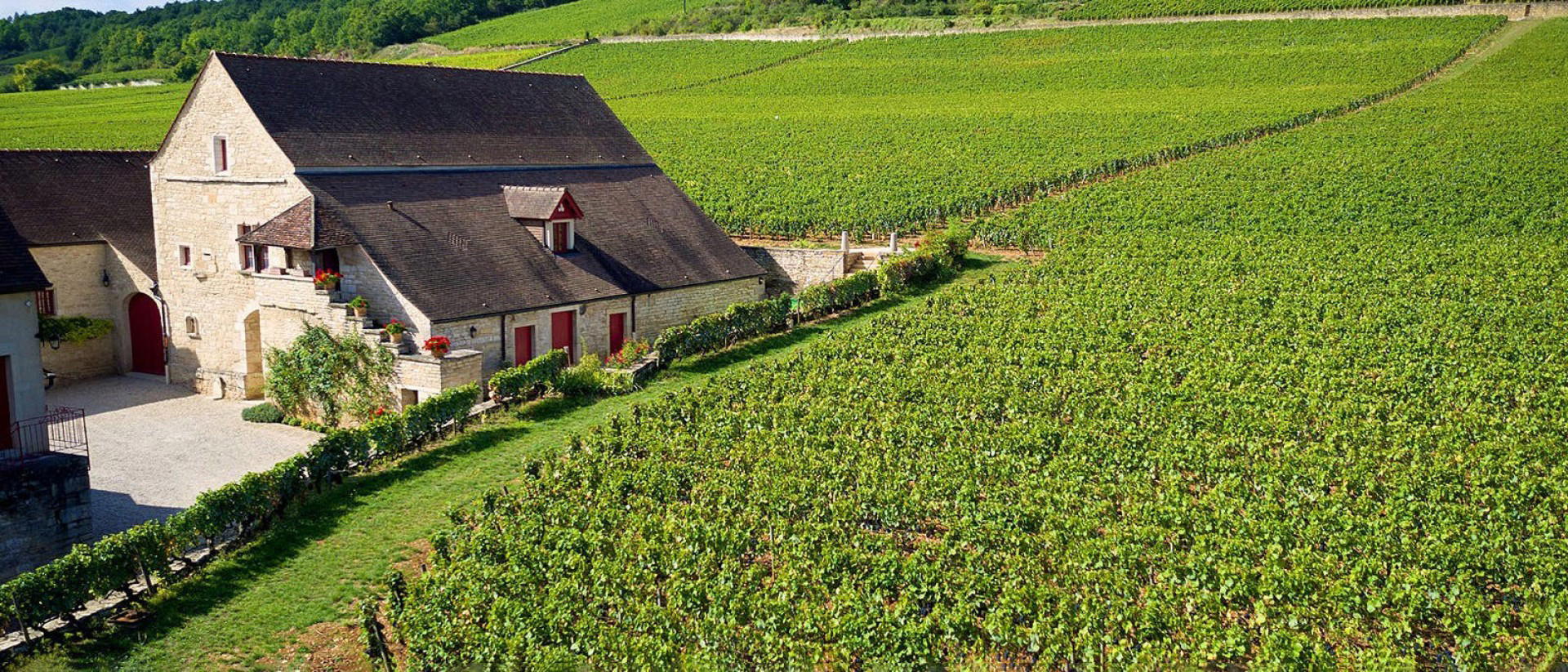
The approach to Beurre Noisette follows the Route de Morancé through Lucenay, a village built from the region's distinctive pierres dorées, golden limestone that gives the Beaujolais landscape its warm, honeyed glow. The restaurant occupies a stone building at number 35, where Chef Pauline Luce has built a cooking style that tracks the agricultural calendar of Auvergne-Rhône-Alpes rather than abstract seasonal frameworks. This is wine country, and the kitchen works within the same ecosystem that feeds the surrounding Beaujolais wineries: small farms, short supply chains, and ingredient timelines set by harvest rather than menu concept.
Sourcing That Shapes the Menu
Luce's cooking centres on ingredients sourced within a tight radius. Vegetables come from market gardens in the Pierres Dorées villages; dairy arrives from farms in the hills west of Lyon; fish is driven up from the Mediterranean or sourced from freshwater fisheries in the Dombes plateau. The advantage of this proximity is timing: produce reaches the kitchen within hours of harvest, and the menu changes not by week but by delivery. This is not a rarity in rural France, but it is a discipline that requires constant menu rewriting and a willingness to let ingredient availability dictate the sequence of courses. The format at Beurre Noisette reflects that flexibility, menus are built around what arrives rather than what was planned, and the kitchen writes with pencil, not ink.
The Beaujolais context matters here. Wine producers in the region have spent the past two decades rebuilding the area's reputation, moving away from industrial volume and toward small-domaine quality. That shift has created a network of suppliers, vegetable growers, cheese makers, breeders, who operate at the same scale and with the same ethos. Luce plugs into that network, and the result is a kitchen that shares more with winemaking than with restaurant convention: respect for site, restraint in intervention, and a belief that the raw material should set the tone. It is a format that works well in this setting but would be harder to sustain in a city with less agricultural infrastructure nearby.
The Cooking and the Context
The style at Beurre Noisette is technique-driven but not fussy. Luce trained in Lyon kitchens before returning to the Beaujolais, and the influence is visible: careful saucing, precise seasoning, and a preference for butter and cream over oil. The eponymous the restaurant, browned butter, appears frequently, used to finish vegetables, glaze proteins, and add a nutty depth to sauces. The cooking is recognisably French in structure but lighter in execution than traditional Lyonnais bouchon fare, with smaller portions and more vegetable-forward composition. This is not a rejection of richness but a recalibration for contemporary appetite and a recognition that local produce, at peak ripeness, needs less help to carry a dish.
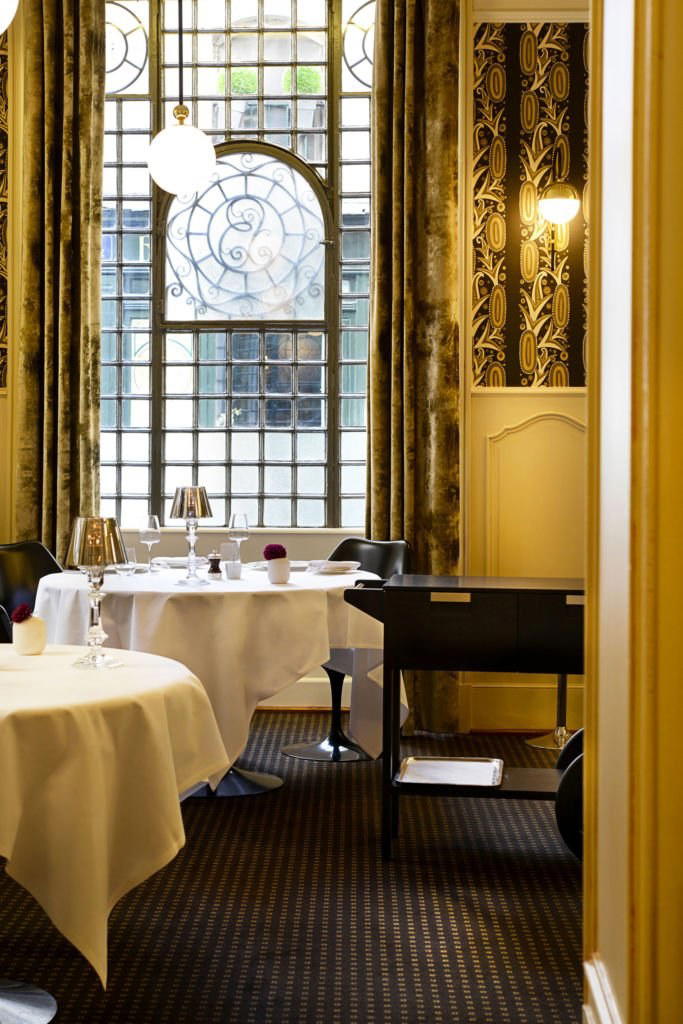
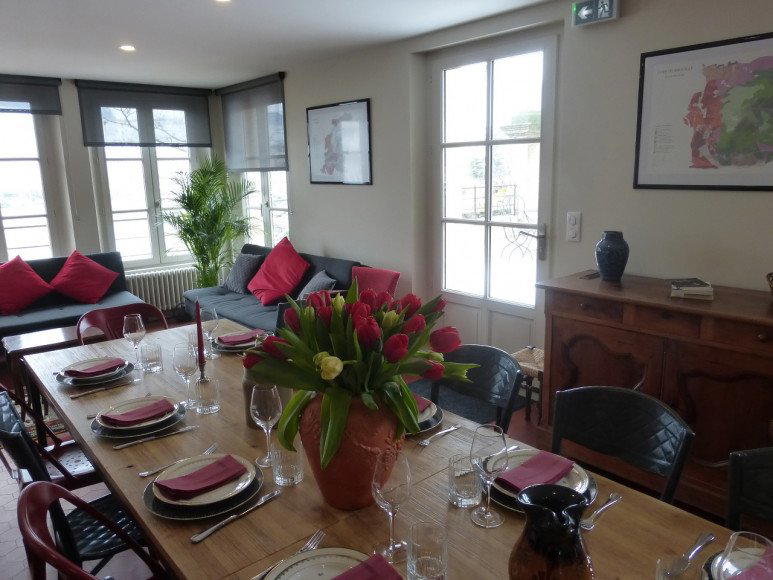
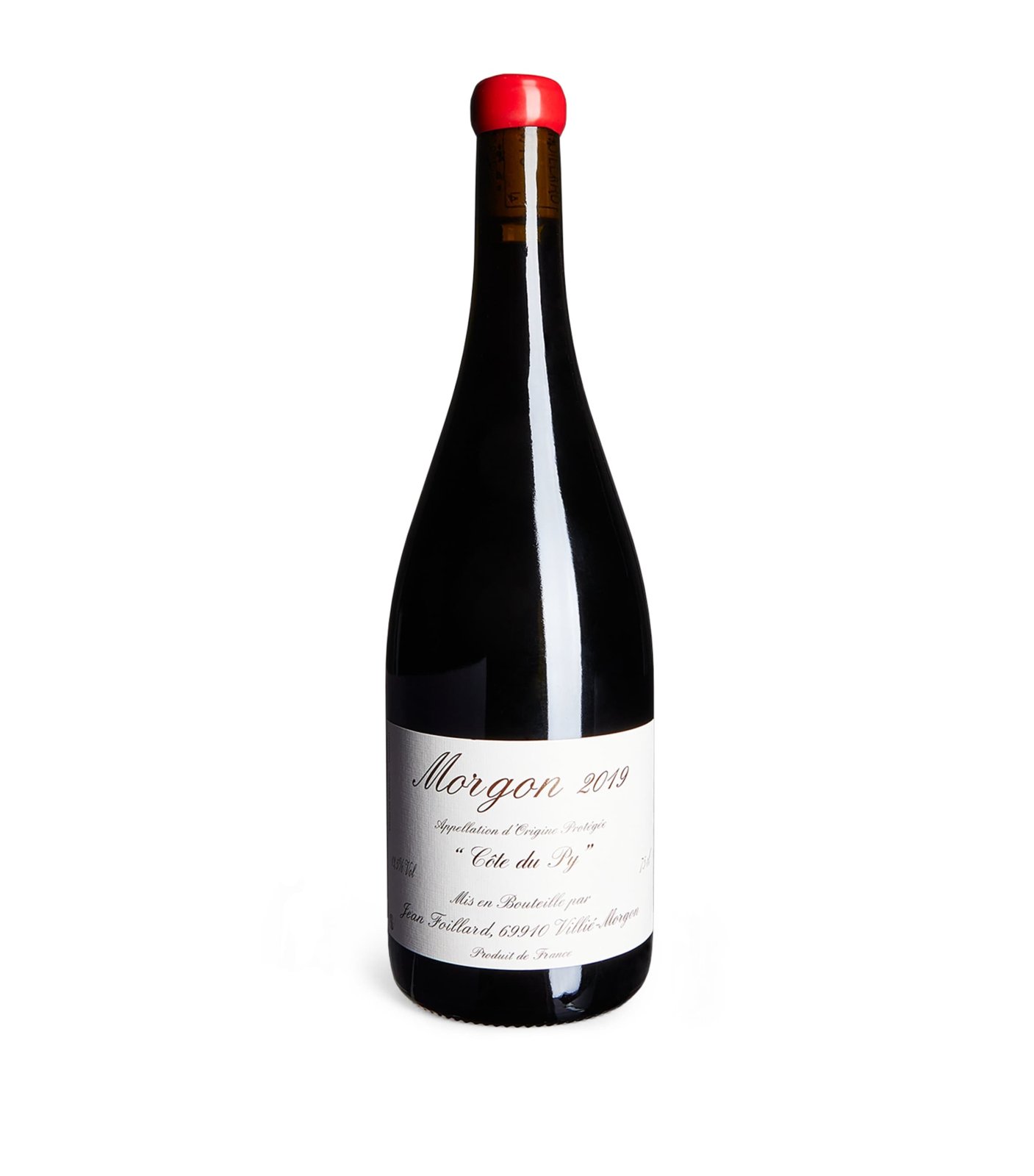
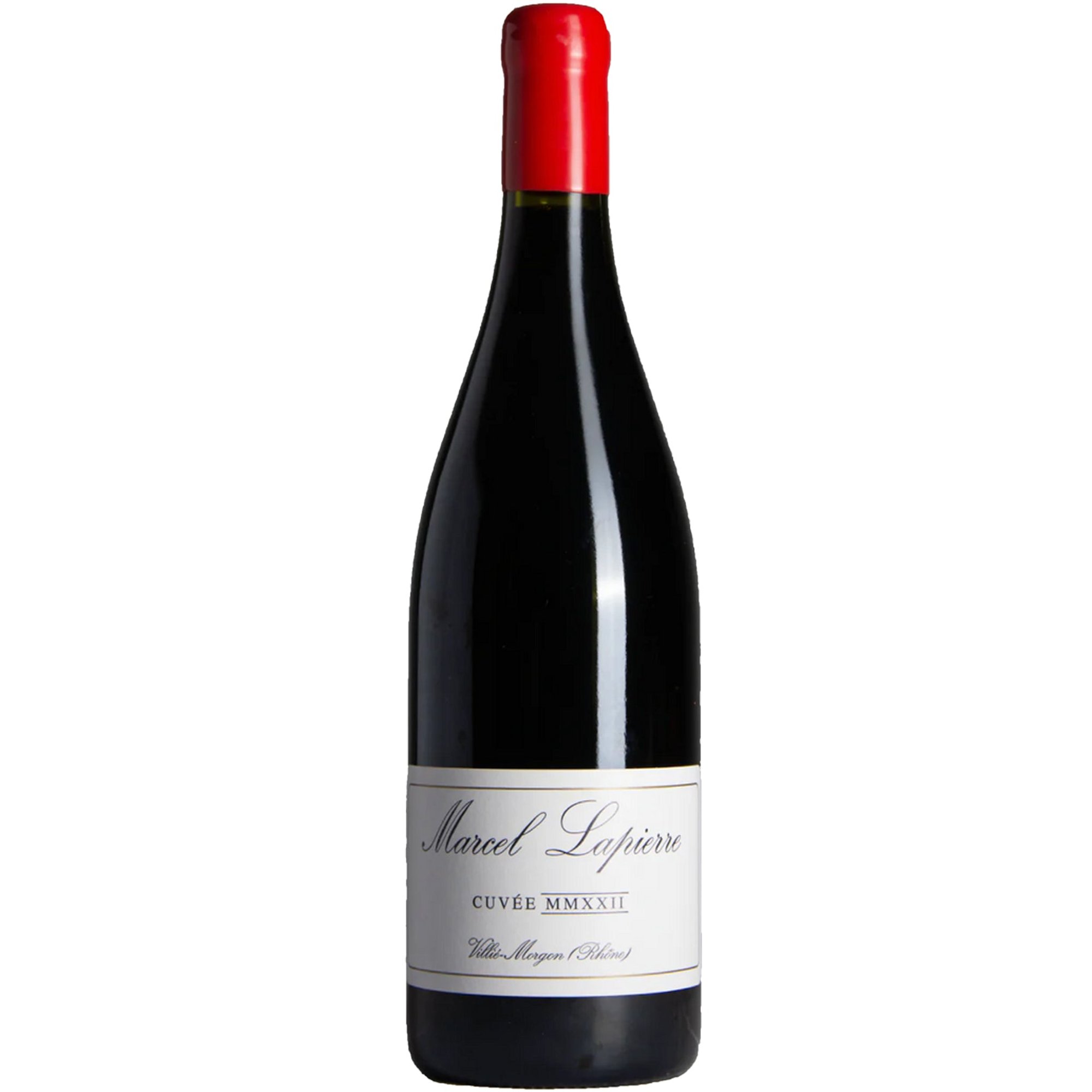
Dining room is compact and informal, with a handful of tables and an open view into the kitchen. Service is led by a small front-of-house team, and the pace is unhurried, dinner here runs two to three hours, not because of staging but because the format encourages conversation and a second glass of wine. The wine list leans heavily on local producers, with a strong showing of Beaujolais crus and a handful of bottles from the northern Rhône. This is one of the few restaurants in Lucenay that treats wine as a core part of the experience rather than an afterthought, and the list is curated with the same attention to sourcing as the food menu.
The restaurant operates in a category that is becoming more common in rural France: chef-driven restaurants that draw on local supply chains but avoid the rustic pastiche that often accompanies farm-to-table rhetoric. The format is closer to what you find at 1217 in Bagnols or .... Et la Fourmi in Nantes, places where ingredient sourcing is central but not sentimentalised, and where technique matters as much as terroir. The challenge for restaurants in this tier is balancing ambition with location: Lucenay is not a culinary destination in the way Lyon or Paris is, and the audience is largely local or passing through on wine tours. Luce has navigated that by keeping the format flexible and the pricing modest, avoiding the overhead and pressure that come with multi-course tasting menus and national press.
The broader Beaujolais dining scene includes several other chef-owned tables, Restaurant Guy Lassausaie in nearby Chasselay holds Michelin recognition, and Au Colombier offers a more traditional bouchon experience, but the restaurant sits in a slightly different lane, prioritising ingredient-led cooking over format or accolade. That focus on sourcing and seasonality aligns it with a generation of chefs who came of age after the locavore movement peaked and are now working out what sustainable, ingredient-driven cooking looks like in practice, without the marketing language that surrounded it a decade ago.
For visitors exploring Lucenay's wine estates and cultural experiences, the restaurant offers a meal that mirrors the region's agricultural rhythm. It is not a detour or a destination in itself, but it is the kind of table that makes sense after a day spent tasting in the cellars, where the connection between what grows here and what ends up on the plate is direct and legible. The format rewards repeat visits, menus shift weekly, sometimes daily, and works well for travellers staying in the area rather than passing through on a single night. Those looking for lodging nearby can consult our full Lucenay hotels guide for options within the Pierres Dorées villages.
In Context: Similar Options
Comparable venues by cuisine and price in the same metro.
| Venue | Cuisine | Price | Awards |
|---|---|---|---|
| Beurre Noisette | Au cœur de Lucenay, village en pierres dorées du Beaujolais, Pauline... | This venue | |
| Café Terroir Chez Saint-Cyr | |||
| Le Jardin Gourmand | |||
| Au Colombier | Modern Cuisine | €€ | Modern Cuisine, €€ |
| Restaurant Tante Yvonne | |||
| Restaurant Guy Lassausaie | French | French |
Recognition history
Dated appearances from independent guides and award organizations, with the underlying list record or original source where available.
Michelin Plate
Michelin · 2026 Michelin Plate
Continue exploring
More in Lucenay
Restaurants in Lucenay
Browse all →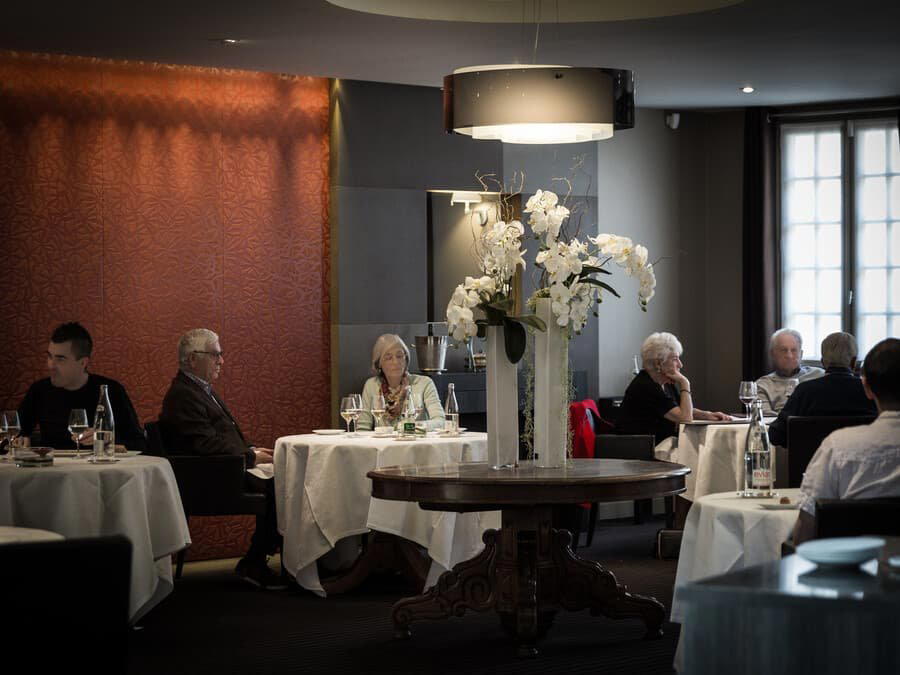
Bars in Lucenay
Browse all →
Hotels in Lucenay
Browse all →
At a Glance
- Cozy
- Modern
- Rustic
- Intimate
- Low Profile Address
- Date Night
- Family
- Group Dining
- Special Occasion
- Casual Hangout
- Standalone
- Design Destination
- Terrace
- Historic Building
- Extensive Wine List
- Local Sourcing
- Farm To Table
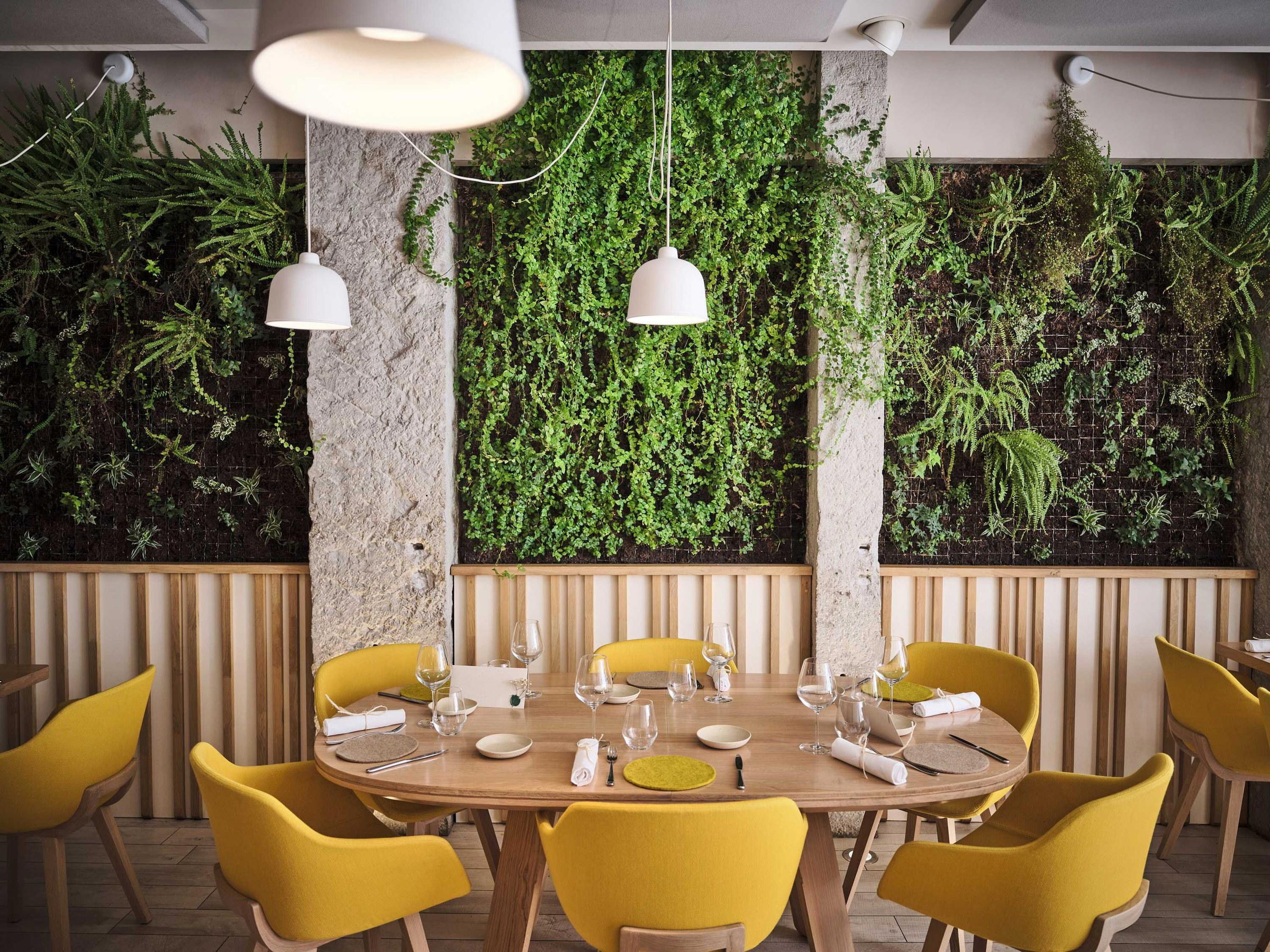
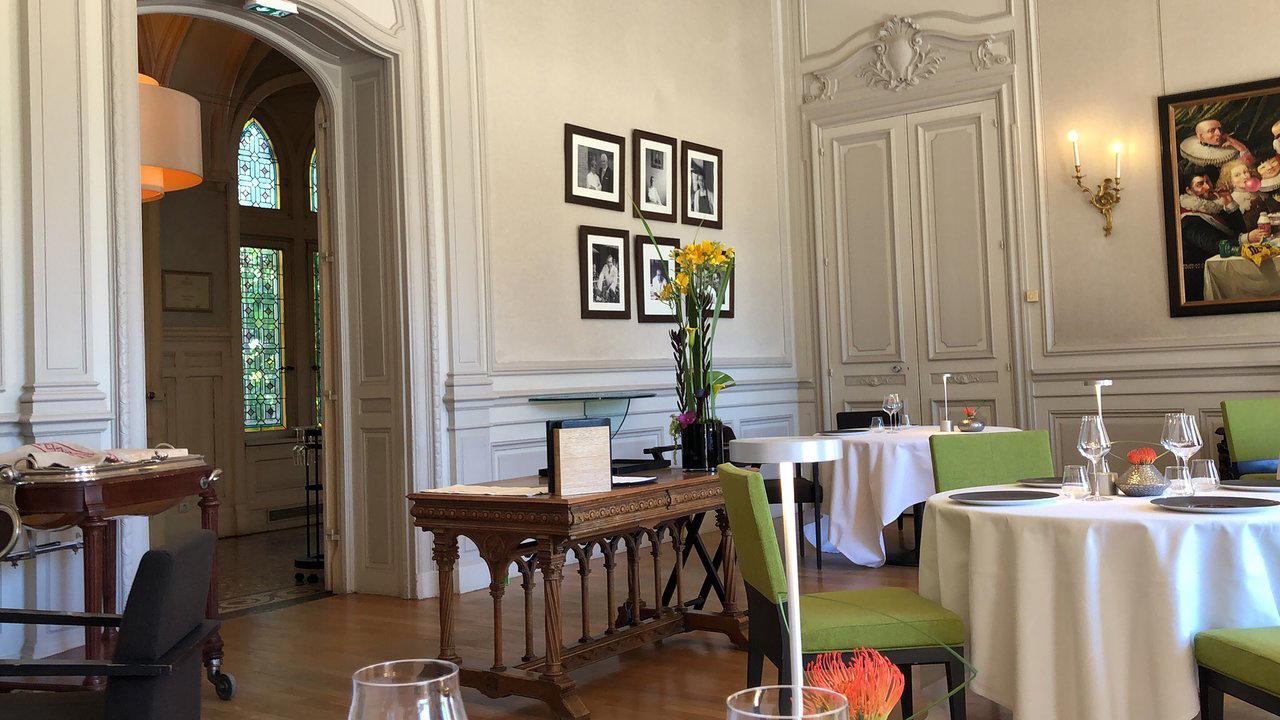
A modern yet warm dining room in a converted village school, with clean contemporary decor, a short blackboard-style menu and relaxed, friendly service that keeps the atmosphere convivial rather than formal.