Our verdict
A wine-forward Italian spot in the San Gabriel Valley foothills, Bess draws Sierra Madre regulars with a largely vegetarian-friendly menu and a selection built around the kind of bottles that reward slow evenings. The format sits closer to European enoteca than American wine bar, where the food earns as much attention as what fills the glass.

Pearl is the En Primeur Club membership app, where members save venues, book tables and use the concierge.
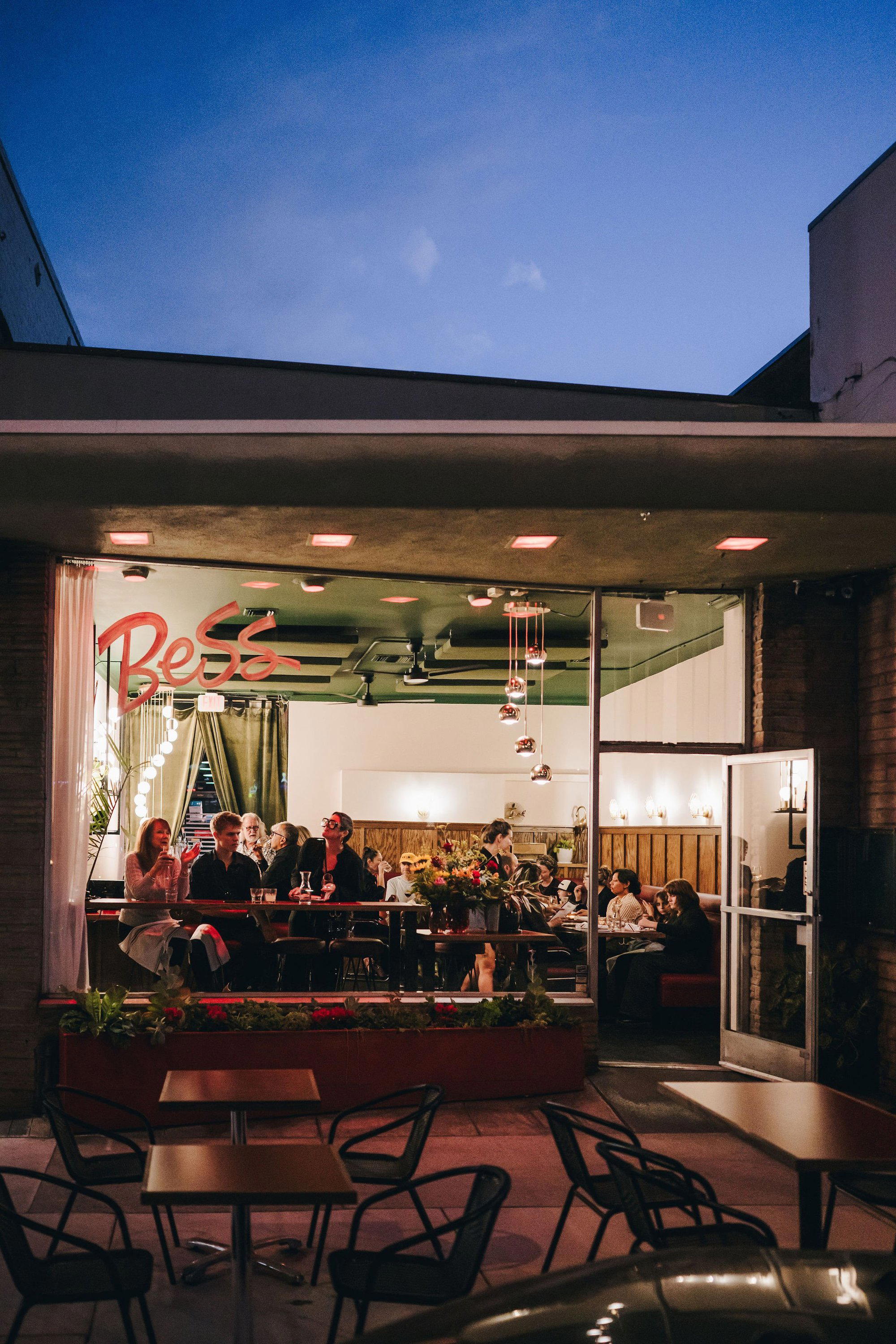
The Foothills and the Vine
Sierra Madre sits at the eastern edge of the San Gabriel Valley, where the Angeles National Forest presses down toward the grid of suburban streets below. It is not a dining destination in the way Pasadena or Arcadia register on a Los Angeles county food map, and that is precisely why the wine bar format works here. In smaller foothill towns, a room that takes wine seriously without requiring a freeway commute tends to become community infrastructure fast. Bess occupies that role.
The Italian wine bar category has been evolving across American cities over the past decade, shifting away from all-day aperitivo theatre toward something quieter and more focused: restrained pours, food that reads as deliberate rather than decorative, and a guest list that skews local. Bess belongs to that second generation. It sits in a peer group defined less by geography than by format, closer in spirit to a neighborhood enoteca than to the high-volume Italian-American dining rooms that still define much of the San Gabriel Valley's Italian offer.
What the Calendar Drives
Italian cooking at its more considered end has always organized itself around the agricultural calendar, and the wine bar format, with its smaller kitchen footprint and shorter menu, tends to make that relationship more visible rather than less. A kitchen that is not running forty covers a night and turning tables twice has more freedom to build a dish around whatever is at the market that week rather than what a standing order delivers on Tuesday.
In Southern California, that calendar is genuinely unusual. The growing window is longer than almost anywhere else in the continental United States, which means that the produce constraints that force seasonal discipline in, say, a Chicago restaurant like Alinea operate differently here. A Los Angeles-area kitchen in February can still access citrus, brassicas, and winter greens at peak condition, while late summer brings stone fruit and tomatoes that overlap in ways the Italian north would not recognize. A vegetarian-friendly Italian menu in this region is not a compromise position; it is an argument about what Southern California produce actually offers when a kitchen chooses to follow it.
The largely vegetarian-friendly orientation at Bess places it in a specific tier of contemporary Italian restaurants, not the agriturismo tradition of meat-forward Emilian tables, but closer to the cucina povera lineage where vegetables were never an afterthought but the point. That lineage has found new currency in American fine dining: Blue Hill at Stone Barns in Tarrytown has made the farm-to-table agricultural argument at the luxury end of the spectrum, while Single Thread Farm in Healdsburg has built a full tasting menu around a kaiseki-inflected seasonality. Bess operates at a different scale and price register, but the underlying logic connects: the menu follows availability, and the wine list exists to meet it.
The Wine Bar in Context
Wine bars that take Italian bottles seriously have proliferated in American cities since around 2015, partly in response to a broader shift away from cocktail-led drinking occasions and partly because the Italian wine map rewards the kind of obsessive specialist curation that a short list demands. The format allows a room to carry bottles that a full restaurant could not justify by the glass, and it invites a different pacing of the evening: slower, more conversational, organized around the glass rather than the course.
For comparison, Providence in Los Angeles operates at the opposite end of the formality spectrum, a multi-course seafood tasting in the Michelin bracket. Lazy Bear in San Francisco runs a ticketed dinner format that is closer to performance than restaurant. Bess proposes something structurally different: an evening that contracts or expands around how long you want to stay, anchored by wine rather than by a set kitchen program.
Sierra Madre's scale reinforces this. The town has a walkable village center, a residential character that discourages destination tourism, and a food scene where Belle's Bagels anchors the morning and The Only Place In Town holds the casual dining lane. Bess fills the evening slot that small towns with drinking-age regulars tend to need: somewhere to bring a bottle-curious friend, or to linger after dinner elsewhere.
Placing Bess Against the Region
The San Gabriel Valley's Italian dining tends toward the red-sauce mainstream, which makes a wine-forward, vegetable-oriented Italian room an outlier by default. That contrast is useful context for readers choosing between Bess and the broader Pasadena-adjacent restaurant orbit. This is not the room for a large-format group dinner or a special occasion that requires multiple courses with protein at the center. It is the room for a well-chosen half-bottle, something that works against braised greens or a pasta built around what came off the truck that morning, and a conversation that goes longer than you planned.
For readers tracking the broader American farm-driven dining thread, the reference points are ambitious: Bacchanalia in Atlanta pioneered the farmer-sourcing model in the American South; Brutø in Denver has pushed fermentation and vegetable-forward Nordic influence into the Rocky Mountain market; and Addison in San Diego executes a California-produce tasting format at the Michelin level. Bess sits well below that tier in ambition and price, but the underlying produce-first logic is shared. See our full Sierra Madre restaurants guide for how Bess maps against the rest of the town's dining options.
Planning Your Visit
The wine bar format generally favors walk-ins earlier in the evening and reservations for later slots, though that pattern varies by house policy. Dress code expectations at Italian wine bars in this register trend casual to smart-casual; this is not a room where formality is the point.
Frequently asked questions
Is Bess reservation-only?
Italian wine bars in this format range from walk-in only to partially reserved seating depending on size and demand. Contacting Bess directly before visiting is the most reliable approach.
Budget and Context
Comparable venues nearby, for context on price, style, and recognition.
| Venue | Cuisine | Price | Notes |
|---|---|---|---|
| BessThis venue (the venue you are viewing) | Italian Wine Bar | $30–50 | Not listed |
| Belle’s Bagels, Sierra Madre | Modern Jewish Deli Bagels | $10–20 | Sierra Madre, Modern Jewish Deli Bagels |
| The Only Place In Town | Classic American Comfort Food | $10–20 | Sierra Madre, Classic American Comfort Food |
| Tony's Coal Fired Pizza & Slice House | New York-Style Coal-Fired Pizza | $10–20 | North Beach, New York-Style Coal-Fired Pizza |
| Cacio E Pepe Trattoria Romana | North Park, Roman Trattoria | Not listed | Not listed |
| Antonio's Pizzeria and Italian Restaurant | Classic Italian Pizzeria | $20–30 | Sherman Oaks, Classic Italian Pizzeria |
Continue exploring
More in Sierra Madre
Restaurants in Sierra Madre
All restaurants in Sierra Madre →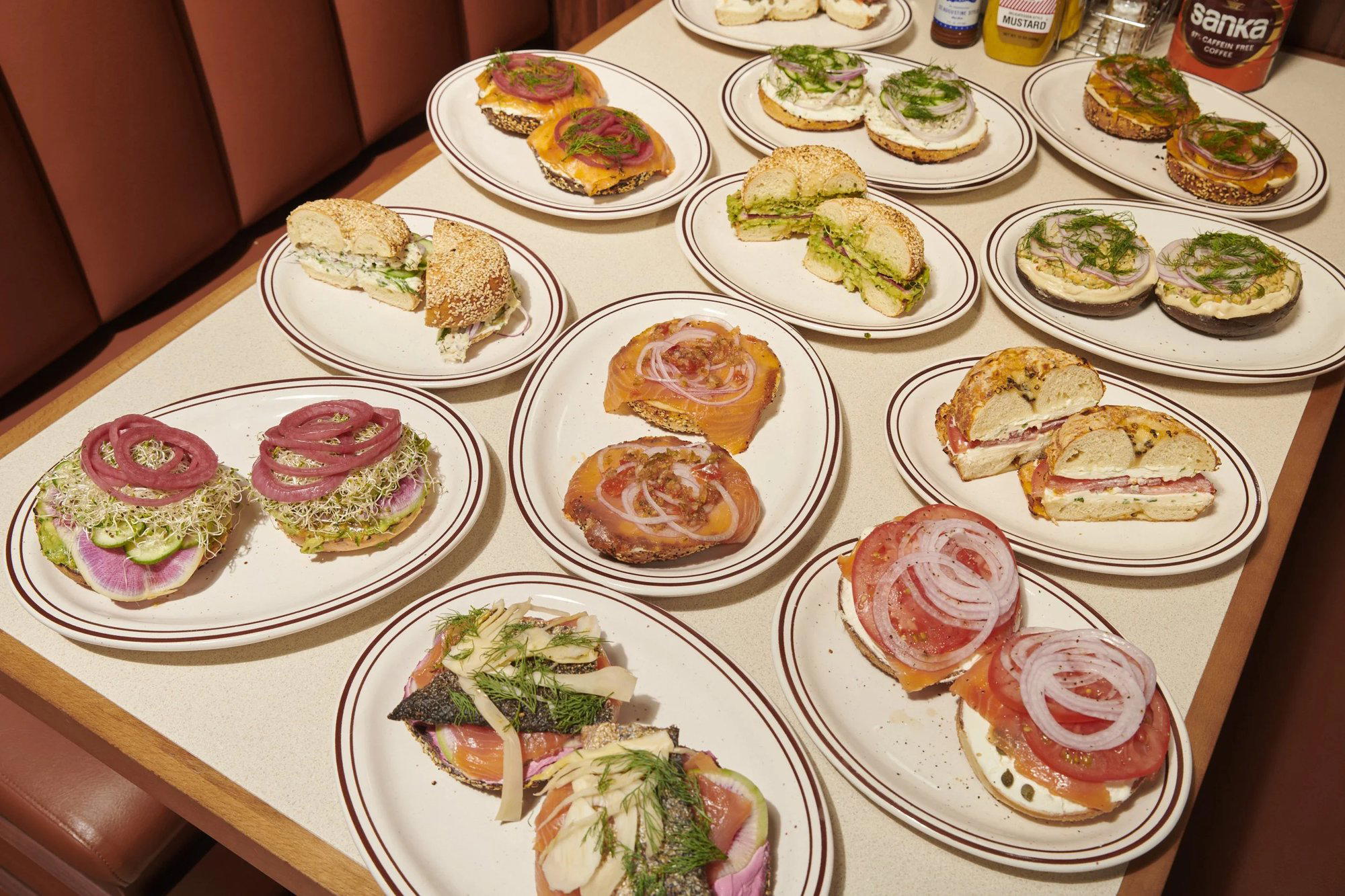
Details
- Cozy
- Intimate
- Romantic
- Date Night
- Casual Hangout
- After Work
- Standalone
- Extensive Wine List
- Small Plates
- A La Carte
- Wine
- Gluten Free Options
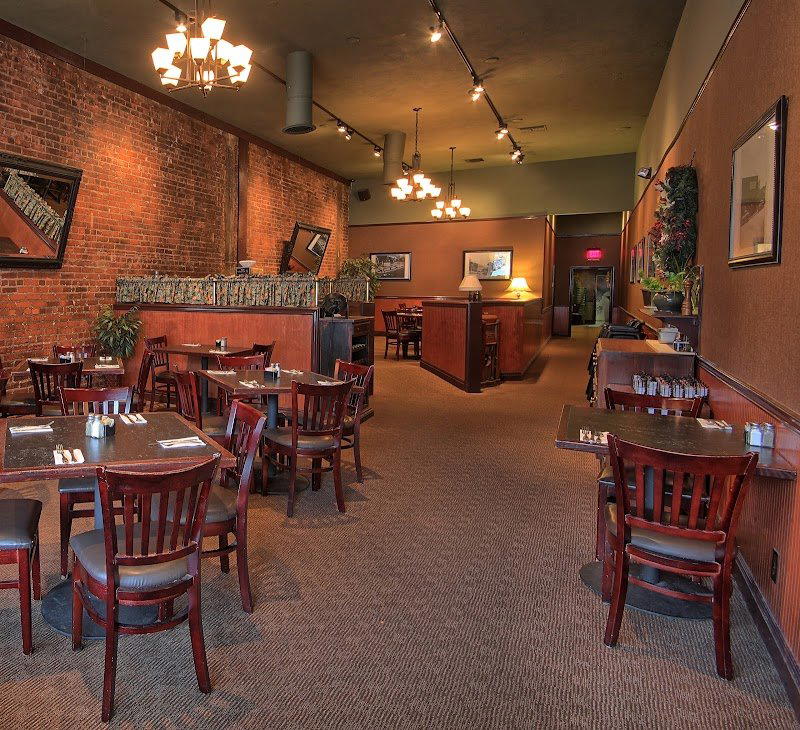
Informal and fun gathering place with a cozy, welcoming atmosphere designed as a neighborhood meeting spot for after-dark socializing.