Belvedere
Our verdict
Belvedere occupies a particular position in London's formal dining scene, where the wine list carries as much weight as the kitchen. Set in Holland Park, the restaurant draws on the neighbourhood's quiet residential authority rather than the West End's foot traffic. For those focused on cellar depth and considered service, it represents a specific kind of London occasion.

Pearl is the En Primeur Club membership app, where members save venues, book tables and use the concierge.

The menu
What to order
- Veal Milanese
- Beetroot ravioli
- Burrata
- Vitello tonnato
Holland Park's Quiet Authority
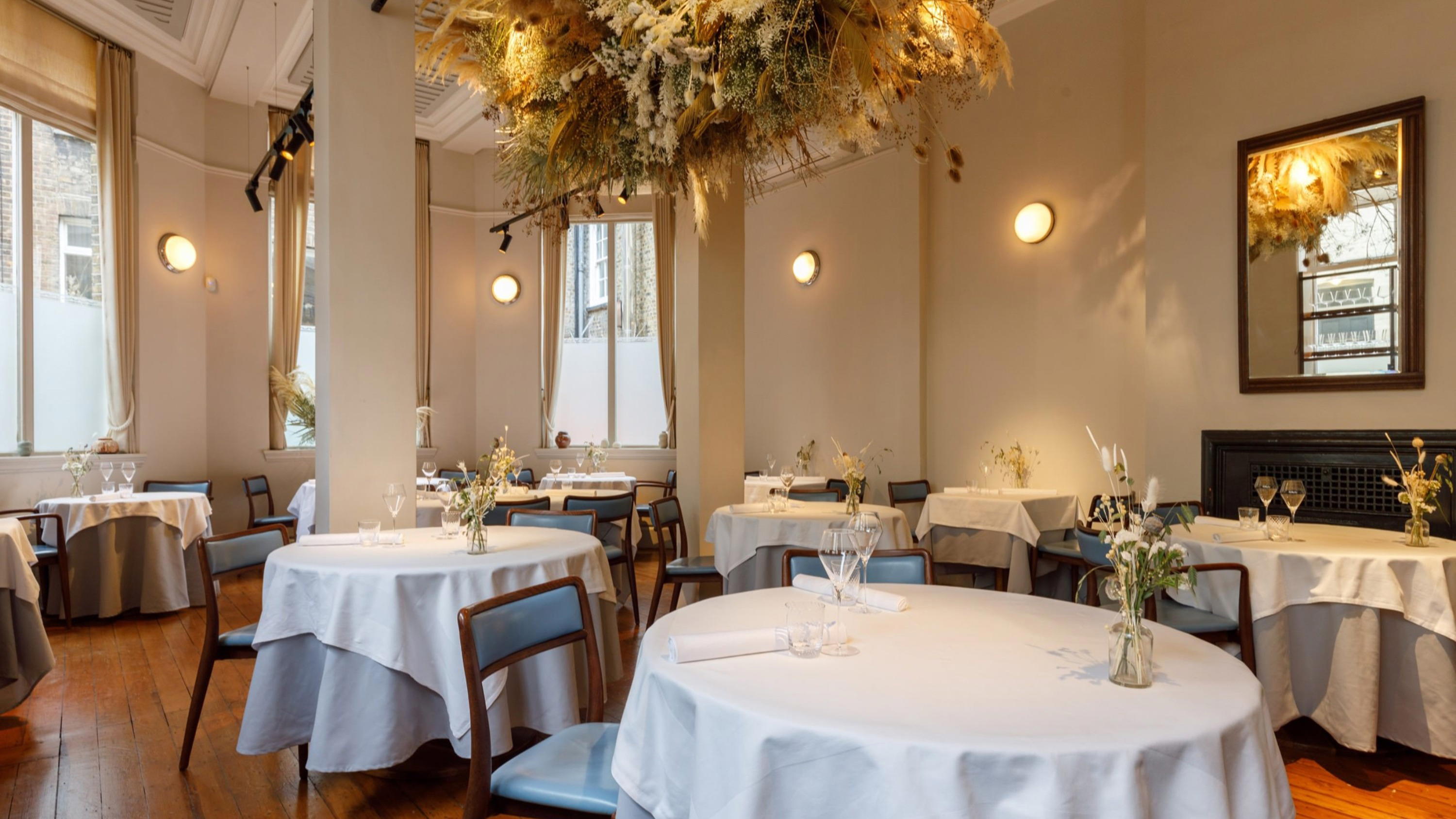
London's premium restaurant tier has historically clustered around Mayfair, Knightsbridge, and the City, which makes Holland Park an outlier worth examining on its own terms. The neighbourhood carries a different kind of social capital: residential, understated, and disinclined toward the theatrics that define some of the capital's more conspicuous dining addresses. Belvedere sits within this context, occupying a former ballroom in Holland House whose architecture does much of the atmospheric work before a single glass is poured. The ornate interior, with its tall windows and period detailing, belongs to a tradition of formal dining rooms that treat the room itself as an argument for occasion.
This physical setting matters because it frames the dining experience in terms of ceremony rather than spectacle. Where some of London's high-end openings have moved toward open kitchens, counter formats, and visible technical production, Belvedere's environment signals something more conventional: the assumption that the guest came for the table, the wine, and the conversation, and that the kitchen exists in a supporting role to all three.
The Wine Program as Central Argument
In the category of formal London dining, wine lists tend to fall into two broad patterns. The first is the prestige-heavy cellar assembled to impress rather than guide, stacked with blue-chip Burgundy and Bordeaux at prices calibrated to corporate accounts. The second is the list where depth and range serve the food, with a sommelier whose role is consultative rather than performative. The better London addresses increasingly fall into the second category, and Belvedere's wine program has historically been understood within that frame.
Holland Park's clientele, largely composed of local residents and established regulars rather than tourists or expense-account visitors, tends to reward this kind of curation. A room that returns week after week has different expectations from a cellar than one populated by first-time visitors seeking a landmark meal. The practical result is a list that needs range across price points and occasions, not just trophy bottles at the leading end. For a guest comparing formal London wine experiences, this is a meaningful distinction: the list is designed for use, not display.
Contrast this with the wine programs at some of London's three-Michelin-star addresses, where the cellar depth is staggering but the minimum spend assumptions can be equally so. Sketch, The Lecture Room and Library in Conduit Street operates at that register, with a list structured around very high-end French classical holdings. The Ledbury in Notting Hill, closer geographically to Belvedere, has built a reputation for thoughtful wine stewardship alongside its two-star kitchen. The peer comparison is useful: Belvedere operates in a neighbourhood where understated expertise tends to outlast theatrical gestures.
Placing Belvedere in the London Fine Dining Tier
London's formal restaurant market has a pronounced middle layer between casual neighbourhood dining and the Michelin three-star tier. That middle layer, which includes two-star and high-performing one-star addresses alongside a number of respected non-starred formal rooms, is where most of the city's regular fine dining actually happens. The three-star tier, represented locally by CORE by Clare Smyth, Restaurant Gordon Ramsay, and The Ledbury, operates at price points and booking lead times that make it a special occasion destination rather than a regular one for most diners. Dinner by Heston Blumenthal at the Mandarin Oriental represents a different model again, where the hotel address and historical concept draw international visitors alongside London regulars.
Belvedere occupies a position that the above comparisons clarify by contrast. Its Holland Park address keeps it off the main tourist circuit. Its format, rooted in the conventions of formal European dining, places it among guests who have a clear idea of what they want from an occasion rather than those exploring the city's dining offer for the first time. This self-selecting audience is part of what defines the restaurant's character: it is not trying to compete with the spectacle of large-footprint hotel restaurants or the prestige of three-star counters.
For context on what London's fine dining scene looks like beyond the capital, the country maintains serious kitchens well outside Zone 1. The Fat Duck in Bray, L'Enclume in Cartmel, and Moor Hall in Aughton each demonstrate that the formal dining tradition in Britain extends far beyond London, often at comparable or higher technical levels. Gidleigh Park in Chagford and Hand and Flowers in Marlow add further regional texture. Against this national picture, Belvedere's value is specifically its location: a formal room in a residential pocket of West London that doesn't require a destination trip.
What the Format Demands from a Guest
Formal dining rooms in the European tradition carry an implied social contract. The guest arrives having made a booking, dresses appropriately for the room, and enters a transaction where the service team's expertise is partly what's being paid for. This matters most in the context of wine: a room with serious sommelier service rewards guests who engage with it. Arriving with a clear sense of what you're looking for, whether a classic Burgundy, something from the southern Rhône, or a bottle suited to extended conversation, will draw out the list's depth more than defaulting to the wine-by-glass selection.
This is a structural point about formal dining that applies across the category, from hide and fox in Saltwood to Le Bernardin in New York City and Atomix in the same city. The wine list's full value is only accessible to guests prepared to have a conversation with the person pouring. At Belvedere, that conversation is set against a room that already does much to establish the mood.
Know Before You Go
- Address: Holland Park, London, United Kingdom
- Cuisine: Formal European dining room with cellar-focused wine program
- Booking: Advance reservations strongly recommended; walk-in availability limited, particularly at weekends
- Dress code: Smart dress expected; the room's formal architecture sets the standard
- Leading for: Guests who want a serious wine experience in a non-hotel, non-tourist-circuit setting
- Explore more: Full London restaurants guide | London hotels | London bars | London wineries | London experiences
Frequently asked questions
What do regulars order at Belvedere?
The regulars at any formal dining room tend to navigate toward the sections of the menu that reflect the kitchen's longest-standing strengths. At Belvedere, the classical European format means that protein-led main courses and structured starters anchored in French technique are the backbone of the menu. For wine, regulars with established relationships with the sommelier tend to move through the list more freely than first-time visitors.
Can I walk in to Belvedere?
Walk-in availability at London formal dining rooms varies considerably by day and season. At addresses with a loyal local following, weekend tables are typically committed well in advance, while midweek lunches sometimes offer more flexibility. Belvedere's Holland Park location means its demand profile differs from West End restaurants, where passing trade supplements bookings. Calling ahead rather than arriving unannounced gives a clearer picture of current availability.
What's the defining dish or idea at Belvedere?
The defining idea at Belvedere is closer to a proposition than a single dish: a formal European room in a West London residential setting where the wine program carries as much curatorial weight as the kitchen. The physical space, a period room in Holland House, frames every meal as a considered occasion. Within that context, the kitchen operates in a European classical register where technique and sourcing matter more than conceptual novelty.
How does Belvedere handle allergies?
Allergy and dietary requirement handling at formal dining rooms is a service expectation, not a courtesy. Disclosing requirements at the time of booking allows the kitchen to prepare alternatives without disrupting service flow. For detailed allergen information specific to Belvedere's current menu, direct contact with the restaurant is the appropriate route, as menu compositions change seasonally and allergen specifics cannot be reliably sourced from third-party listings.
Does Belvedere justify its prices?
The value question at formal London dining rooms is inseparable from what the guest prioritises. If the measure is kitchen ambition alone, the three-star tier represented by CORE by Clare Smyth or Restaurant Gordon Ramsay sets the ceiling. If the measure includes setting, wine program depth, and the specific pleasure of dining in a non-hotel period room away from the tourist circuit, Belvedere's positioning in the formal European mid-tier makes a coherent case.
Is Belvedere suitable for a wine-focused dinner without a large food spend?
Formal dining rooms structured around serious wine programs generally expect a minimum level of food commitment to justify table allocation, particularly at peak times. At Belvedere, the combination of the room's occasion-dining character and a wine list designed for depth rather than throughput suggests that the experience is calibrated for guests who treat food and wine as equally weighted. Those primarily interested in the cellar rather than a full formal meal may find the bar or a shorter menu format a more appropriate entry point, subject to current service policy confirmed directly with the restaurant.
Budget Reality Check
A quick peer check to anchor this venue’s price and recognition.
| Venue | Cuisine | Price | Awards | Notes |
|---|---|---|---|---|
| BelvedereThis venue (the venue you are viewing) | Modern Italian Fine Dining | $100–150 | Not listed | Not listed |
| The Ledbury | Modern British Fine Dining | $300–500 | 3 Michelin Stars · World's 50 Best #42 | Modern European, Modern Cuisine |
| Sketch, The Lecture Room and Library | Modern French Fine Dining | $200–300 | 3 Michelin Stars · World's 50 Best #18 | Modern French |
| CORE by Clare Smyth | Modern British Fine Dining | $150–200 | 3 Michelin Stars · World's 50 Best #97 | Modern British |
| Restaurant Gordon Ramsay | French Fine Dining | $200–300 | 3 Michelin Stars · World's 50 Best #13 | Contemporary European, French |
| Dinner by Heston Blumenthal | Historic British Fine Dining | $200–300 | 2 Michelin Stars · World's 50 Best #45 | Modern British, Traditional British |
Continue exploring
More in London
Restaurants in London
All restaurants in London →
Bars in London
All bars in London →



Details
- Elegant
- Romantic
- Sophisticated
- Cozy
- Well Known
- Date Night
- Special Occasion
- Business Dinner
- Group Dining
- Historic Building
- Terrace
- Private Dining
- Hotel Restaurant
- Extensive Wine List
- Sommelier Led
- Garden
- A La Carte
- Small Plates
- Wine
- Gluten Free Options
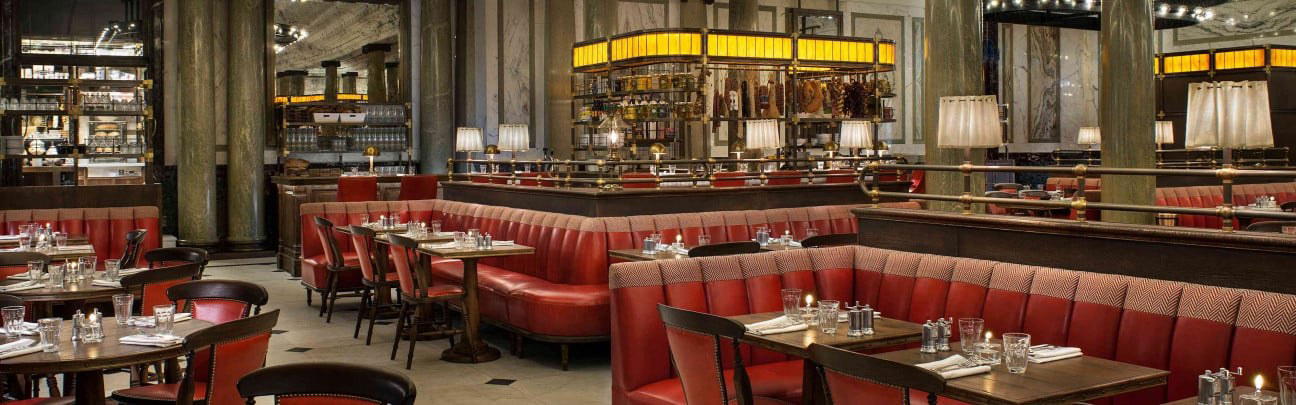
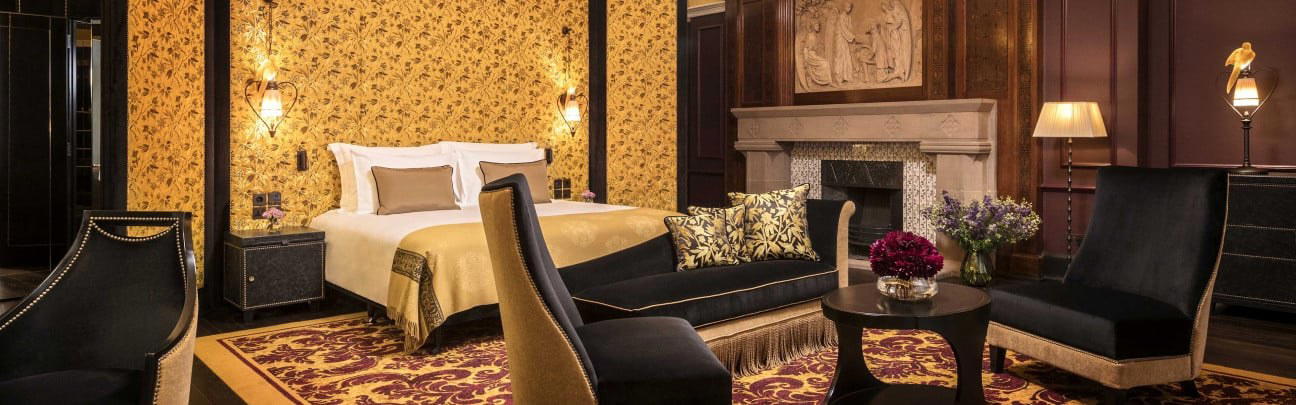
Beautifully decorated with rich interiors, wonderful lighting, fireplaces, and greenery creating an elegant, romantic, and cozy atmosphere.