Belle Epoque
Belle Epoque sits inside Terminal 5 at London Heathrow, positioning it within a tier of airport dining that competes on more than convenience. With a name drawn from fin-de-siècle French culture, the restaurant signals an ambition to translate the multi-course, progression-led dining tradition into one of the world's busiest transit hubs. For travellers with time between connections, it offers a structured meal in a city otherwise defined by destination restaurants.
Pearl is the En Primeur Club membership app — saves, bookings, and concierge access live there. Same editors, same standards.
- Address
- Terminal 5 london heathrow airport, London TW6 2GD, United Kingdom
- Phone
- +44 20 8757 7777
- Website
- resdiary.com
- Directions
- Get directions
 Saves & bookings on Pearl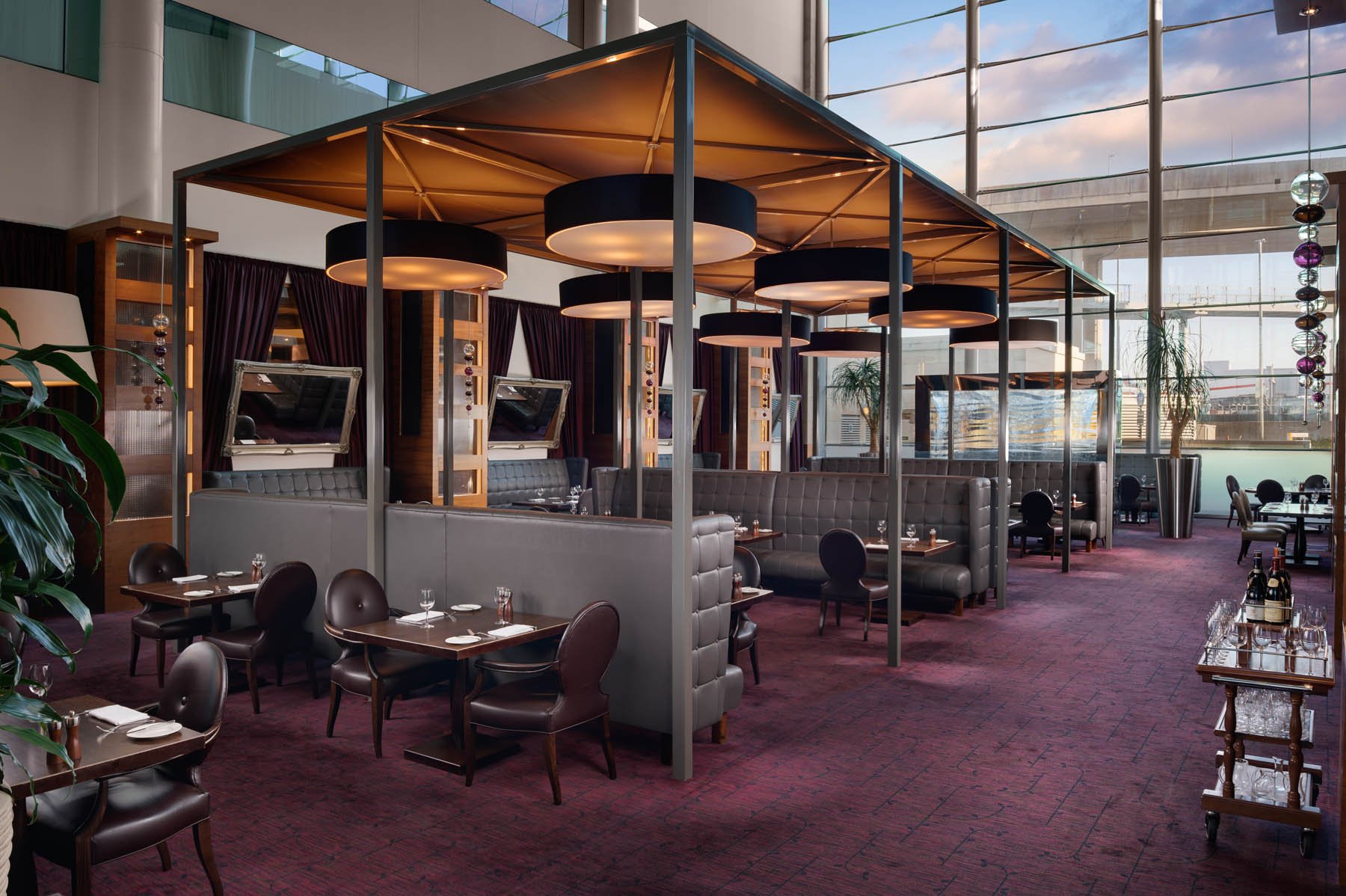
Dining in Transit: What Airport Fine Dining Means in London
Belle Epoque is a French-British fine dining restaurant at Heathrow Terminal 5 in London, with a price tier around $80 per person and smart casual dress. That traffic has produced a hospitality offer that goes well beyond the standard departures-lounge formula. Belle Epoque occupies a specific position within that offer: a restaurant whose name references the late nineteenth and early twentieth century period of European cultural confidence, when French cuisine codified its formal progression into the multi-course sequence that still structures ambitious tasting menus today. The name is not incidental. It signals an intent to frame the meal as something with a beginning, middle, and end, a narrative arc that most airport food deliberately avoids.
London's broader fine dining scene gives useful context for understanding what that ambition requires. The city's Michelin three-star tier, which includes CORE by Clare Smyth, Restaurant Gordon Ramsay, Sketch, The Lecture Room and Library, and The Ledbury, sets a high bar for what progression-led dining means in this city. Those restaurants build menus over ten to fifteen courses, with each dish designed to shift the register of flavour, texture, or temperature. The question Belle Epoque implicitly answers is whether a structured, course-led experience is achievable inside the functional constraints of an airport terminal, where departure boards and boarding calls interrupt the natural rhythm of a long meal.
The Shape of the Meal: Progression as the Organizing Principle
The tasting progression format, where dishes arrive in a deliberate sequence rather than as a collection of plates to share or order à la carte, has become the dominant grammar of serious dining across London and internationally. At Dinner by Heston Blumenthal, the sequence is organised around a historical timeline of British cooking. At The Fat Duck in Bray and L'Enclume in Cartmel, the progression is built around a sensory or conceptual narrative. Even Moor Hall in Aughton and Gidleigh Park in Chagford organise the table experience around a movement from light to rich, from raw to cooked, from acidic to deep.
The restaurant's name invokes a French tradition that predates all of these. The Belle Époque period, roughly 1871 to 1914, was when the grande cuisine of Escoffier and his contemporaries achieved its most elaborate formal expression: amuse-bouche, soup, fish course, sorbet, meat, cheese, dessert. The logic was that each course prepared the palate and the appetite for the next. That structure remains the backbone of serious European tasting menus, even as chefs have fragmented, compressed, or subverted it. An airport restaurant invoking that period is positioning itself within a specific tradition of hospitality, one built around pacing, sequence, and the idea that a meal should feel like a complete experience rather than a refuelling stop.
Terminal 5 as a Dining Context
Terminal 5 is British Airways' primary hub at Heathrow, handling the airline's long-haul and short-haul operations from a single building and two satellite terminals. The food and beverage offer within T5 reflects the passenger profile: a high proportion of business and premium leisure travellers who have time before transatlantic or intercontinental flights and are accustomed to eating at a certain standard. This is a different context from a street-level London restaurant, where the surrounding neighbourhood sets tone. Here, the terminal itself is the neighbourhood, and the relevant comparison set includes airport restaurants internationally, from the dining rooms inside Singapore Changi to the better-resourced departures offer at Charles de Gaulle.
Where Belle Epoque Sits in London's Broader Restaurant Ecosystem
The restaurant is not positioned in competition with London's destination dining tier. It sits in a different tier entirely: the premium airport restaurant, a category that has grown significantly over the past decade as airport operators recognised that dwell time represents revenue opportunity and that premium passengers have expectations shaped by the city restaurants they frequent. The more useful comparison is other airport restaurants with serious culinary ambitions, rather than the starred restaurants in Notting Hill, Chelsea, or Mayfair.
That said, the frame of reference the restaurant's name establishes does draw it into implicit conversation with the broader London fine dining tradition. Travellers who have eaten at Hand and Flowers in Marlow or hide and fox in Saltwood will bring a calibrated expectation of what structured, course-led dining looks and feels like in a British context. International visitors arriving through T5 who have eaten at progression-format restaurants like Le Bernardin in New York City or Atomix in New York City will carry a different but equally calibrated set of expectations. The restaurant operates at an intersection of these audiences.
Know Before You Go
- Location: Terminal 5, London Heathrow Airport, London TW6 2GD
- Access: Airside, within T5 departures; entry requires a valid boarding pass for a departing flight
- Timing note: Quieter midweek mornings and early afternoons allow for longer, less pressured sittings; peak summer and December periods see the highest table turnover
- Booking: Reservation is recommended.
Comparable Spots
Comparable venues nearby, for context on price, style, and recognition.
| Venue | Cuisine | Price | Notes |
|---|---|---|---|
| Belle EpoqueThis venue — the venue you are viewing | French-British Fine Dining | $$$$ | Not listed |
| Alex Webb On Park Lane | Modern French with British Ingredients | $$$$ | Mayfair |
| Coda Restaurant | Modern French Fine Dining | $$$$ | Kensington Gardens |
| Galvin at Windows | Modern French Haute Cuisine | $$$$ | Mayfair |
| Seven Park Place | Modern French Fine Dining | $$$$ | St. James's |
| Le Salon Prive | Classic French Brasserie | $$$ | St. Margaret's |
Continue exploring
More in London
Restaurants in London
Browse all →
Bars in London
Browse all →
Hotels in London
Browse all →

At a Glance
- Elegant
- Sophisticated
- Intimate
- Classic
- Special Occasion
- Date Night
- Business Dinner
- Hotel Restaurant
- Historic Building
- Extensive Wine List
Current opening hours
- Monday
- 6–10 PM
- Tuesday
- 6–10 PM
- Wednesday
- 6–10 PM
- Thursday
- 6–10 PM
- Friday
- 6–10 PM
- Saturday
- 6–10 PM
- Sunday
- 6–10 PM
Hours can change for holidays and private events. Last verified .
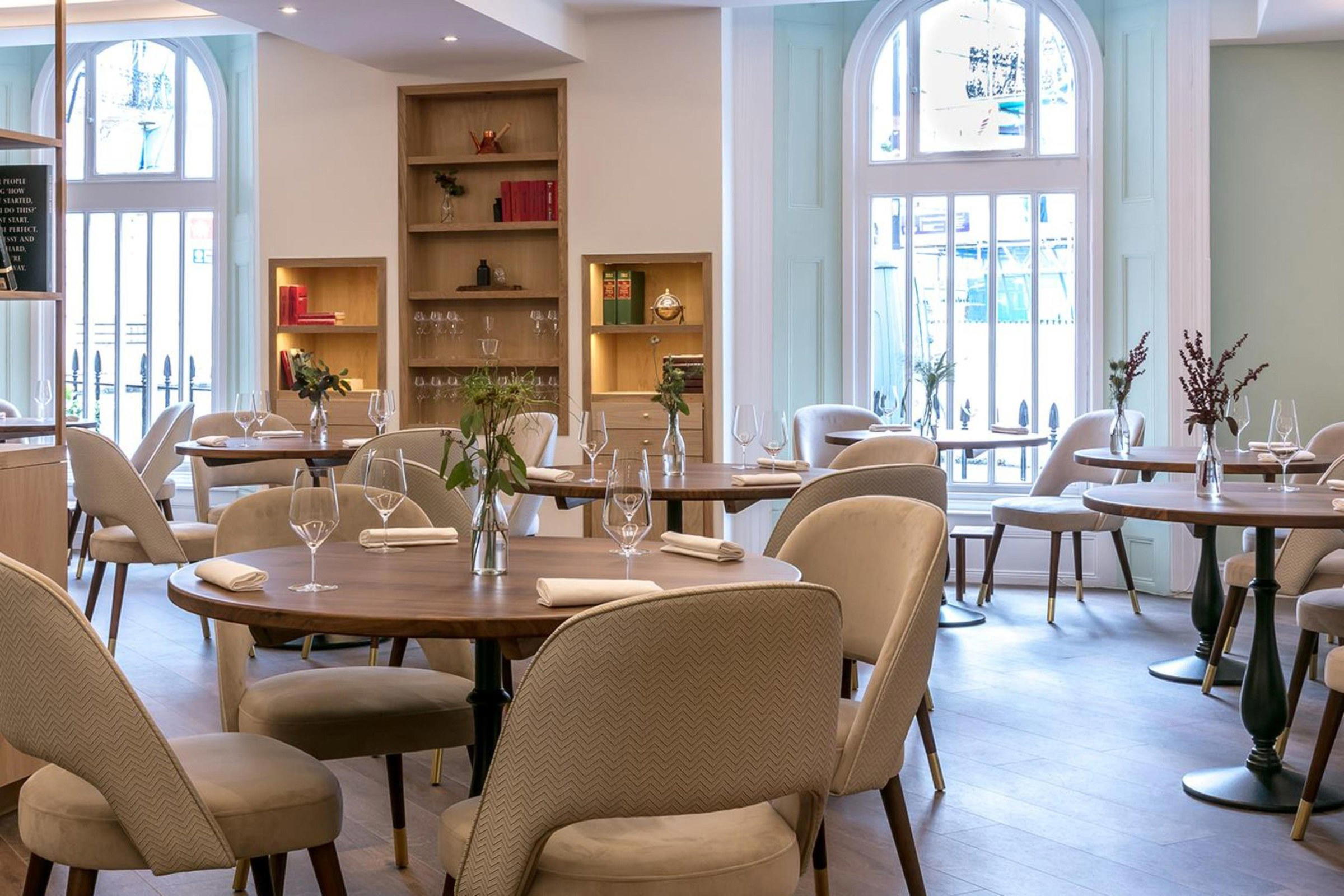
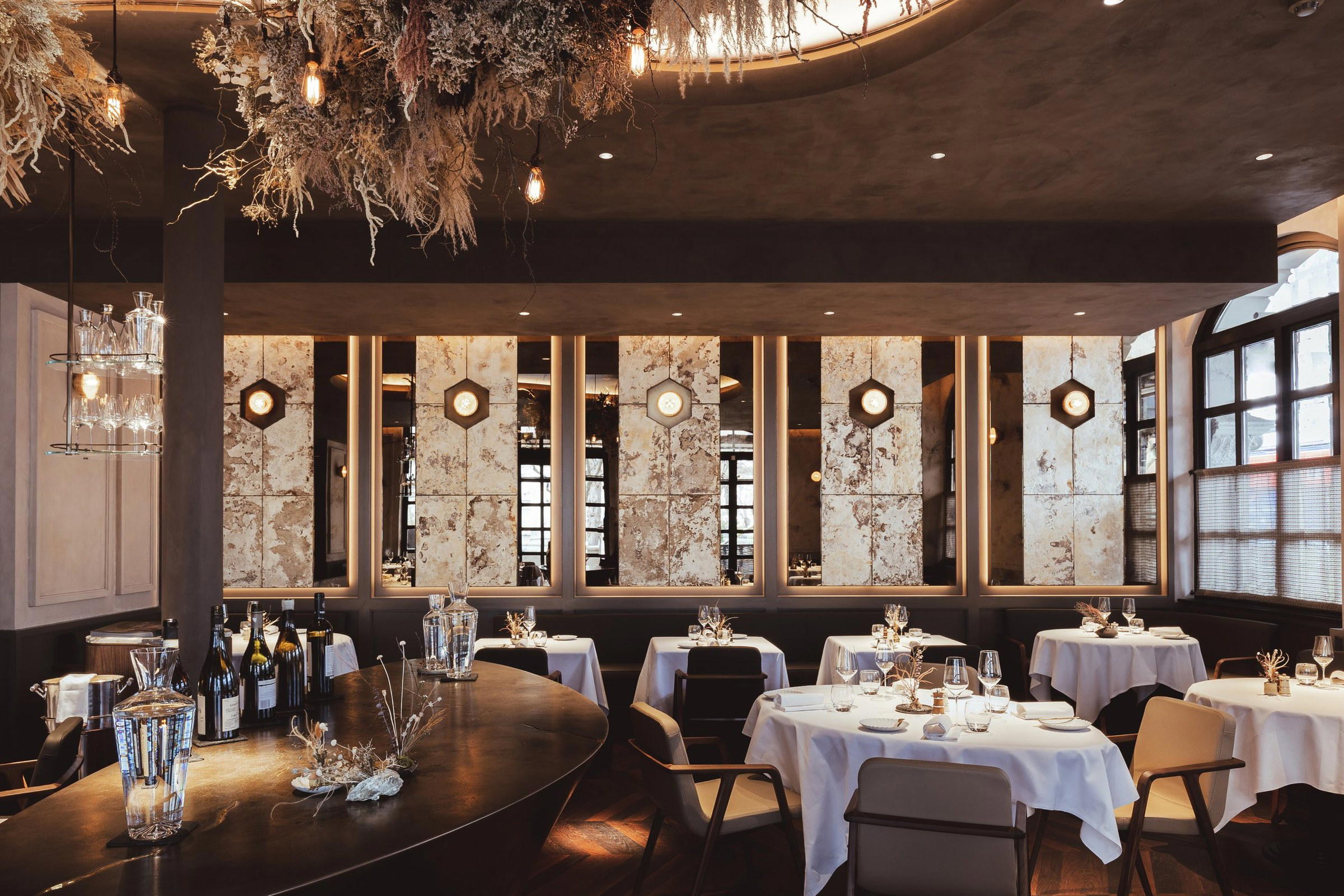
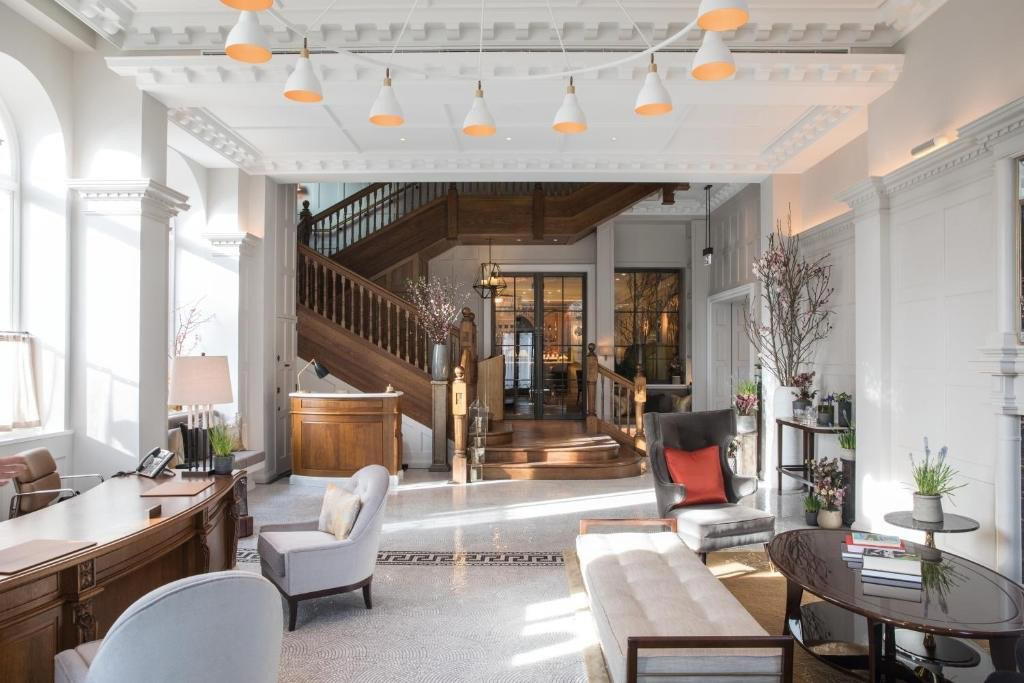
Serene, calming, and elegantly understated with a chic yet characterless airport hotel atmosphere.