Bell

Michelin Plate
Our verdict
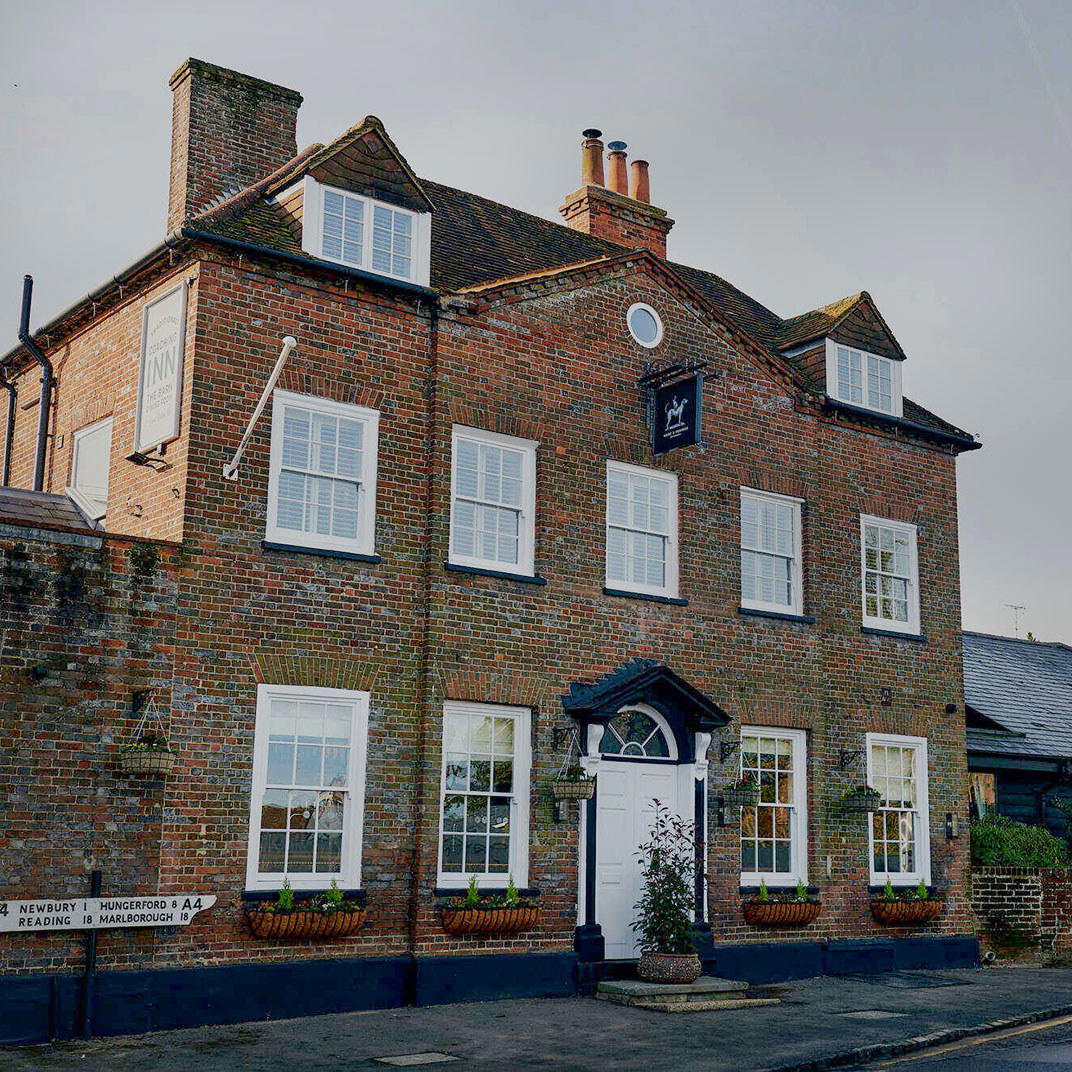
A 300-year-old village inn on Ramsbury's market square, the Bell divides its historic fabric into four distinct operations: a café, a bar serving pub classics, a restaurant running ambitious modern dishes, and a handful of bedrooms. Much of the produce comes directly from the surrounding estate, giving the kitchen a supply chain that shapes the menu from the ground up.

Pearl is the En Primeur Club membership app, where members save venues, book tables and use the concierge.
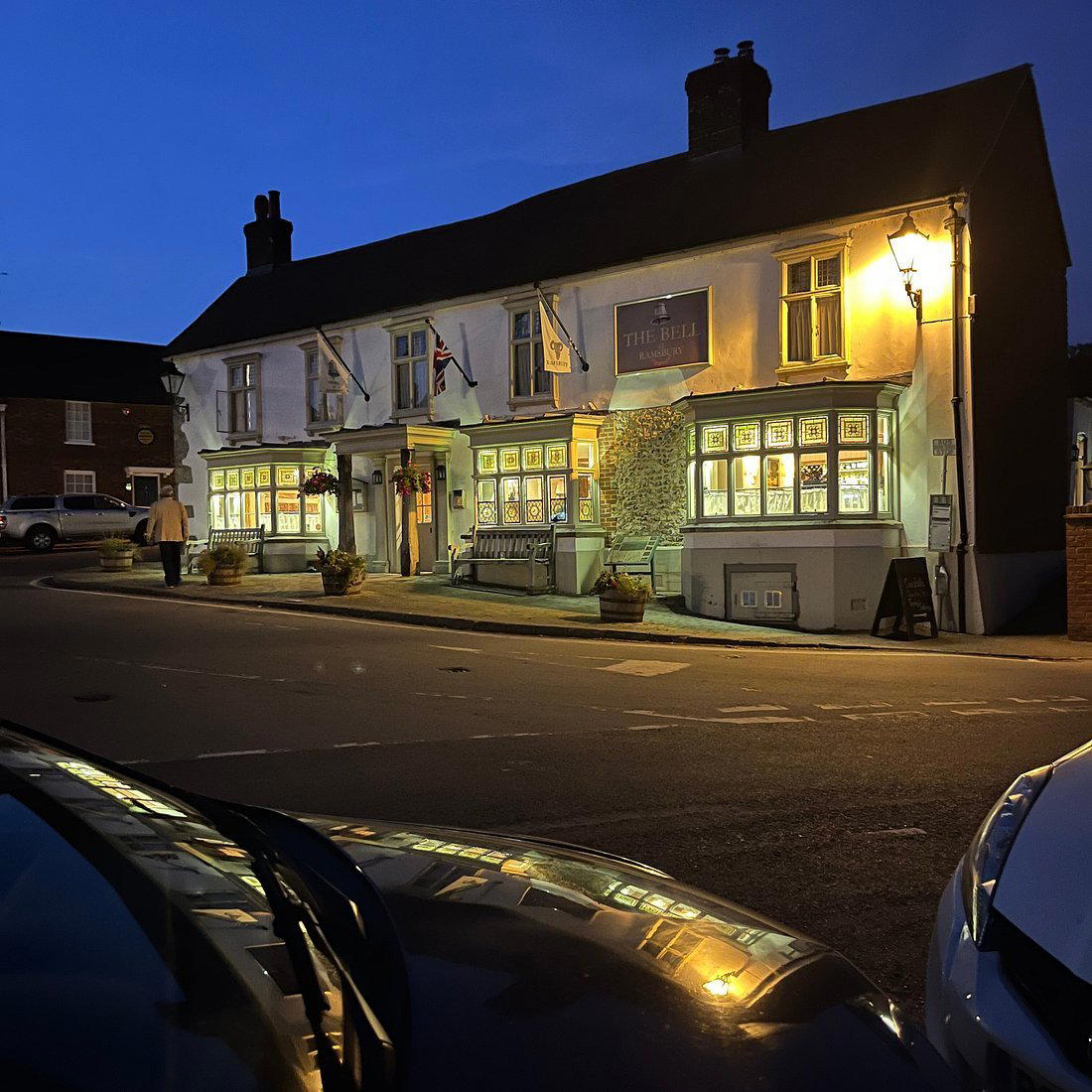
A Village Square, an Estate Kitchen, and Four Ways to Use Both
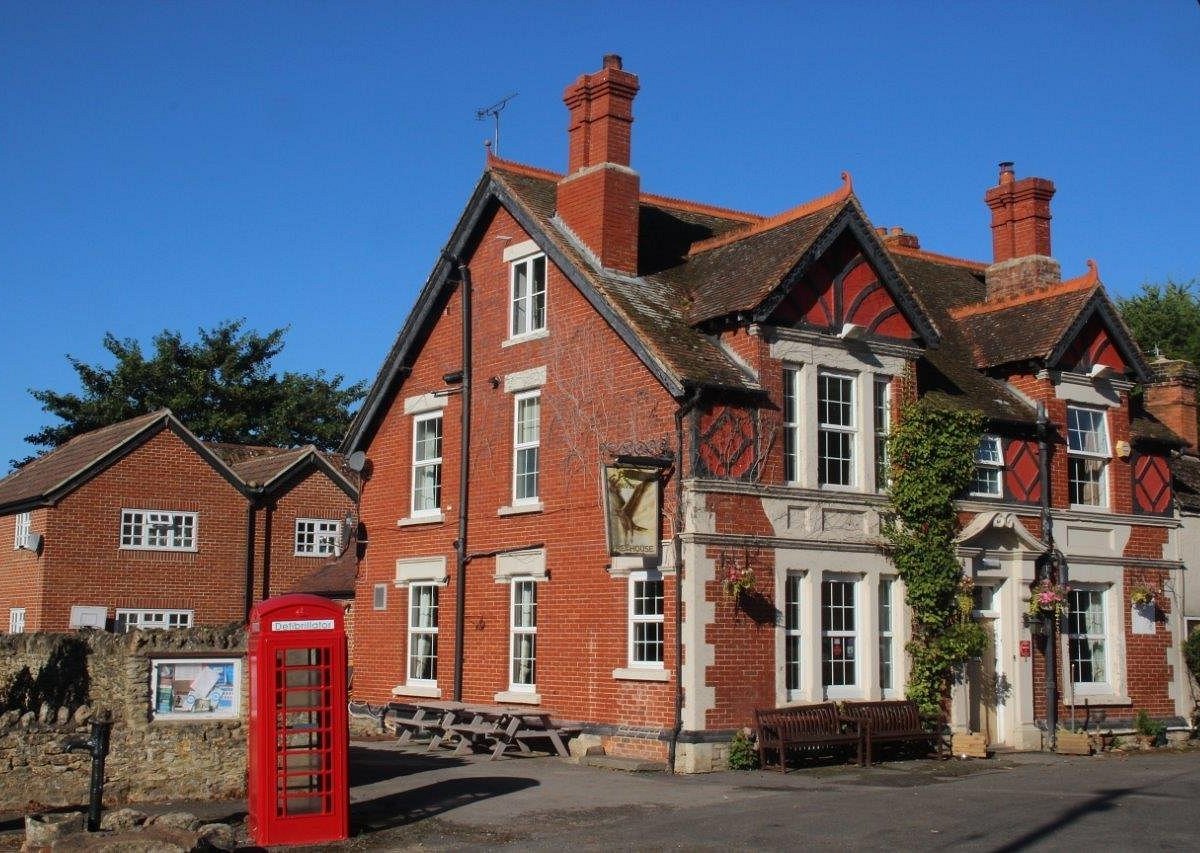
Ramsbury sits in the Kennet Valley between Marlborough and Hungerford, a stretch of Wiltshire that moves at a pace most of England has forgotten. The market square is small enough that the Bell anchors it visually from the moment you arrive, a low, broad, 300-year-old building whose worn stone and timber frame make the kind of argument for permanence that no design brief can replicate. The surrounding farmland isn't backdrop here; it feeds the kitchen. That distinction matters more than it might sound.
Estate-to-plate sourcing has become a talking point across British dining, but the reality is uneven. Many properties claim a kitchen garden and mean a herb bed. The Bell sits within an estate that actively supplies the restaurant, which means the kitchen's relationship to its ingredients begins before any invoice or delivery. That kind of supply chain gives a menu a coherence that sourcing from wholesale markets cannot fully reproduce, and it places the Bell in a smaller category of British country inns where provenance is structural rather than decorative.
Four Parts, One Building, One Coherent Idea
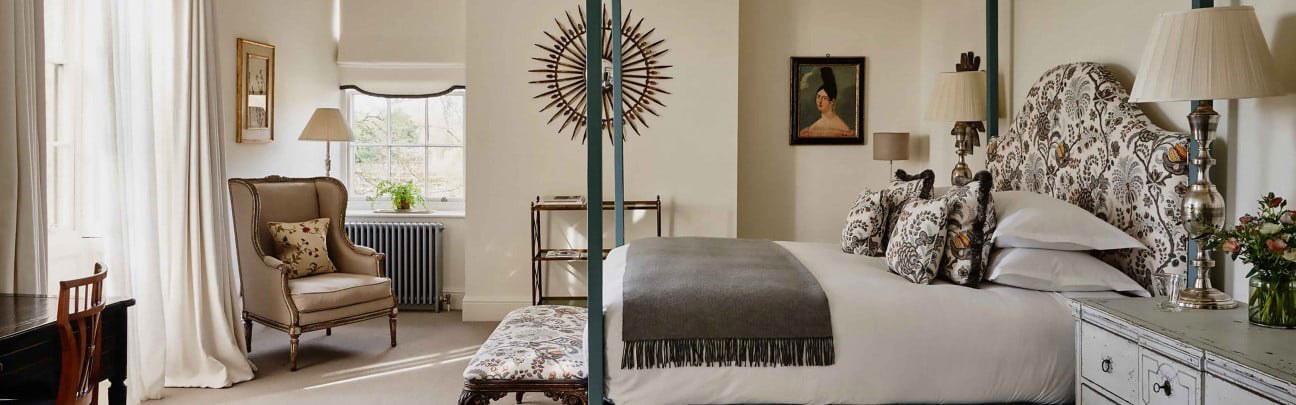
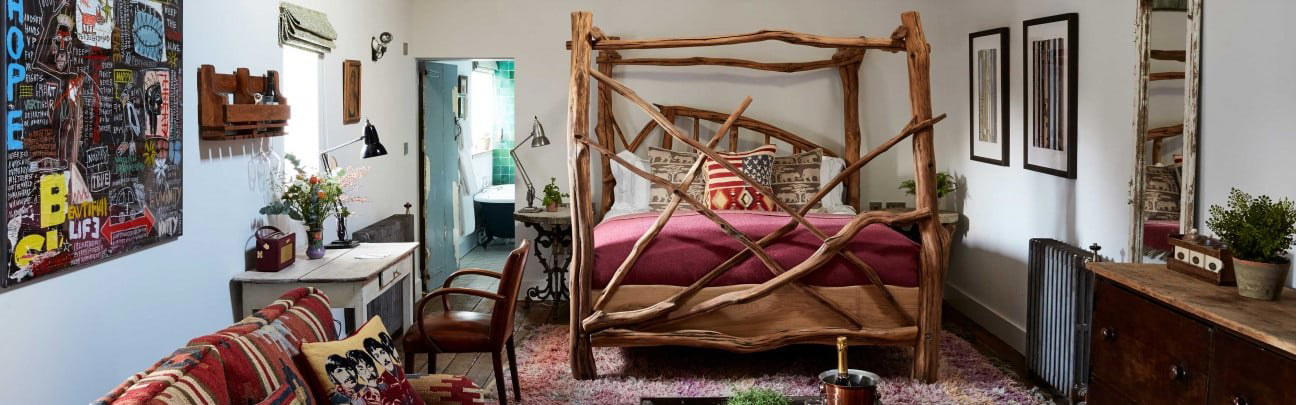
The Bell organises itself into four distinct operations under one roof: a café, a bar, a restaurant, and bedrooms. This four-part structure is less unusual in the country inn tradition than it might appear, the British pub has always been a hybrid institution, but the Bell's version has a particular internal logic. The café handles daytime trade and casual passing visitors. The bar runs a short menu of pub favourites, the kind of food that earns its place not through ambition but through execution. The restaurant is where the kitchen's more considered work happens, with modern dishes that draw on the estate's supply. The bedrooms complete the picture for those who want to stay rather than drive back through the Wiltshire lanes at night.
This layered format means different visitors experience the Bell quite differently. A walker stopping for a pint and a plate from the bar menu encounters a different version of the place than a couple who book the restaurant for a longer evening. Both versions are supported by the same estate supply and the same building. For those planning around the restaurant, it is worth confirming opening times and booking ahead, as the dining room's ambition and the village's scale mean capacity is limited.
Why Estate Supply Changes What a Kitchen Can Do
British fine dining's long conversation with local sourcing took on institutional weight in the 1990s and 2000s, when properties like Le Manoir aux Quat' Saisons, a Belmond Hotel in Great Milton demonstrated that kitchen gardens at serious scale could do more than provide seasonal garnish, they could drive the menu's structure. Places like L'Enclume in Cartmel and Moor Hall in Aughton have since pushed that relationship further in their own contexts. The Bell operates at a different scale and price point than those properties, but the underlying principle is the same: when the kitchen controls or closely influences its supply, the menu reflects a specific place rather than a generalised market.
In Wiltshire, that specificity translates to produce shaped by the Kennet Valley's chalk streams, its pasture, and its growing conditions. The estate supply doesn't just reduce food miles, it gives the kitchen information about the ingredient at source, which tends to produce cooking that handles produce with more precision. Ambitious modern dishes, the Bell's described register for its restaurant menu, work leading when the ingredients themselves carry flavour that needs shaping rather than supplementing.
For readers who track ingredient provenance as seriously as they track technique, this is worth weighting when comparing the Bell to other Wiltshire dining options or to country inn dining more broadly across England. The estate supply is the structural advantage that separates the kitchen's potential from a well-executed but conventionally sourced country restaurant.
Placing the Bell in the Wider British Country Dining Picture
British country dining now spans a wide spectrum. At one end sit destination restaurants that happen to be in the countryside: The Fat Duck in Bray, Gidleigh Park in Chagford, Restaurant Andrew Fairlie in Auchterarder. These operate on a different logic from the village inn: they are the reason for the visit, not part of a village life. At the other end sit the direct gastropubs that have adopted modern plating without significantly rethinking their sourcing or format.
The Bell occupies a distinct position between those poles. It is genuinely embedded in village life, the café and bar serve a local function that destination restaurants rarely do, while the restaurant reaches toward the kind of modern cooking more commonly associated with properties that have shed their pub DNA entirely. Comparisons with Hand and Flowers in Marlow are instructive: Tom Kerridge's two-Michelin-starred pub demonstrated that ambitious cooking and a pub format are not mutually exclusive, though the Bell operates at its own scale and register rather than aspiring to that specific template.
For those building an itinerary through the south of England, the Bell connects naturally to a broader pattern of estate-anchored or provenance-focused dining that includes properties across Wiltshire and the neighbouring counties. Our full Ramsbury restaurants guide maps the local options in more detail, while guides to hotels, bars, wineries, and experiences in Ramsbury cover the wider picture for those spending more time in the area.
Planning Your Visit
The Bell's address, The Square, Ramsbury, Marlborough SN8 2PE, places it at the centre of the village, which means it functions as both a practical landmark and the social pivot of Ramsbury itself. Those driving from London should allow around 90 minutes from the city, with Hungerford the nearest mainline rail station for those arriving by train. The four-part structure of the inn means the bar and café are likely to have more flexibility than the restaurant, where booking ahead is the logical approach given the scale of the operation and the village's limited footfall. The bedrooms make an overnight stay workable for those who want to take the evening at the restaurant's own pace. For the full picture on what the surrounding area offers, the Ramsbury experiences guide is a reasonable starting point alongside the restaurant reservation.
Frequently asked questions
Is Bell okay with children?
The Bell's four-part structure, café, bar, restaurant, and bedrooms, gives families more flexibility than a single-format fine dining room would. The café and bar settings in particular suit families better than the restaurant side, which runs more ambitious modern dishes. As a working village hub on Ramsbury's central square, it operates at a pace that accommodates different kinds of visitors.
What's the overall feel of Bell?
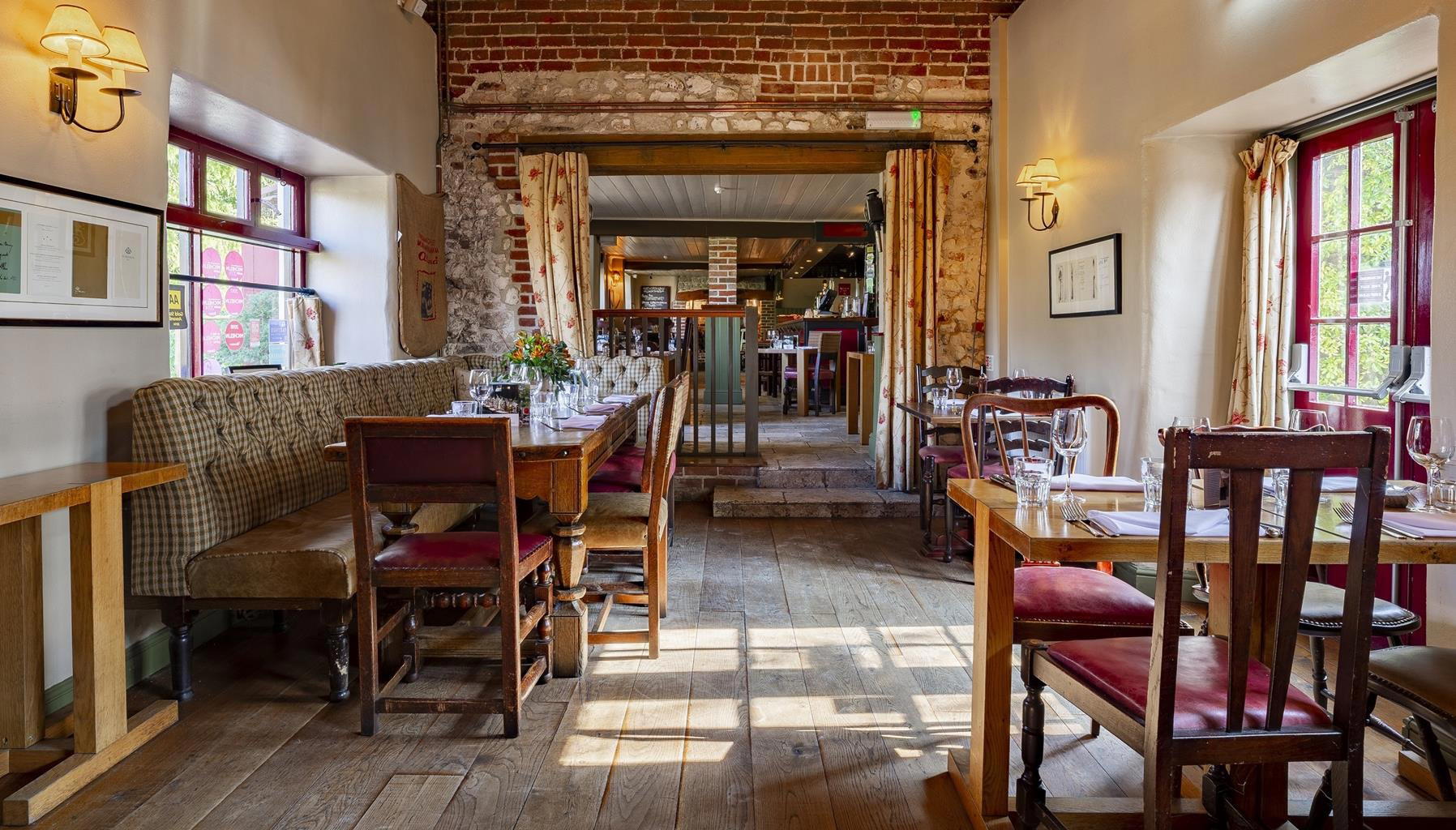
Three hundred years of continuous use have shaped a building that functions first as a village hub and second as a dining destination. The Bell sits on The Square in Ramsbury and divides practically into café, bar, restaurant, and bedrooms, each pulling a different audience, without the studied rusticity that can make some country inns feel staged.
What distinctions does Bell have?
Bell has received recognition including: The charming 300 year old Bell is the hub of this lovely village. It’s split into four parts: a café, bar, restaurant and bedrooms. The short bar menu offers appealing pub favourites while the restaurant serves ambitious modern dishes. The ….
What do regulars order at Bell?
The bar's short menu of pub favourites draws the most consistent daily trade. Given that the surrounding estate supplies much of the kitchen's produce, even straightforward pub dishes benefit from ingredients that most village bars cannot source at the same proximity. The restaurant side offers a separate step up into more ambitious modern cooking for those who want it.
Where do I go for Bell?
Bell is located at The Square, Ramsbury, Marlborough SN8 2PE, United Kingdom, Ramsbury.
Comparison Snapshot
Comparable venues nearby, for context on price, style, and recognition.
| Venue | Cuisine | Price | Awards | Notes |
|---|---|---|---|---|
| BellThis venue (the venue you are viewing) | Modern British Gastropub | $30–50 | Michelin Plate | Not listed |
| Greyhound on the Test | Modern British Gastropub | Not listed | Michelin Plate · The Good Food Guide GFG Good | Stockbridge |
| Bunch of Grapes | Modern British Gastropub | $50–100 | Michelin Plate | Bradford-on-Avon town centre |
| Post | Seasonal British Bistro | Not listed | Michelin Bib Gourmand | Newnham on Severn |
| Knepp Wilding Kitchen | British Wilding Farm-to-Table | $50–100 | Michelin Plate | Dial Post |
| Emberwood | Modern British Brasserie | $50–100 | Michelin Plate | Queen Square |
Recognition history
Dated appearances from independent guides and award organizations, with the underlying list record or original source where available.
Michelin Plate
Michelin
Continue exploring
More in Ramsbury
Restaurants in Ramsbury
All restaurants in Ramsbury →
Bars in Ramsbury
Browse all →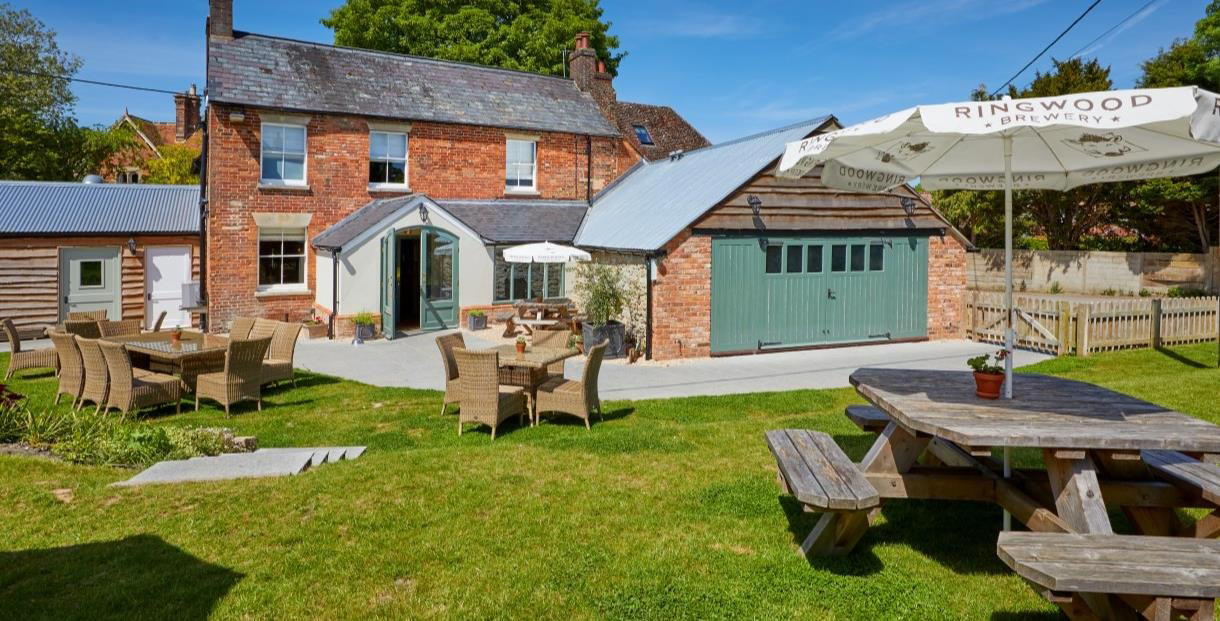
Hotels in Ramsbury
Browse all →
Wineries in Ramsbury
Browse all →
Details
- Cozy
- Rustic
- Classic
- Casual Hangout
- Special Occasion
- Historic Building
- Craft Cocktails
- Local Sourcing
- Farm To Table
- A La Carte
- Small Plates
- Vegetarian Friendly
Current opening hours
- Monday
- 12–10 PM
- Tuesday
- 12–10 PM
- Wednesday
- 12–10 PM
- Thursday
- 12–10 PM
- Friday
- 12–11 PM
- Saturday
- 12–11 PM
- Sunday
- 12–10 PM
Hours can change for holidays and private events. Hours as of .
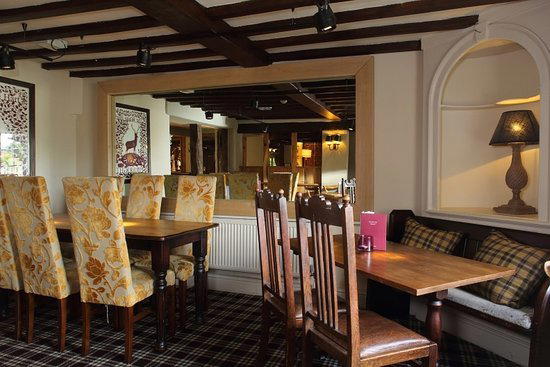
Stripped-back historic pub with wooden beams, floorboards, twinkly lights, log fires, leather seats, and a welcoming village atmosphere.