The Greyhound Inn

A well-regarded village pub in the Vale of White Horse, The Greyhound Inn in Letcombe Regis pairs a light, modern interior with an ambitious modern British menu that ranges from venison croquettes and soused mackerel to a value lunch deal under £35. The wine list comes with tasting notes, and the kitchen gives equal attention to vegan dishes and pub classics alike.
Pearl is the En Primeur Club membership app — saves, bookings, and concierge access live there. Same editors, same standards.
- Address
- Main St, Letcombe Regis, Wantage OX12 9JL, United Kingdom
- Phone
- +44 1235 771969
- Website
- thegreyhoundletcombe.co.uk
- Directions
- Get directions
 Saves & bookings on Pearl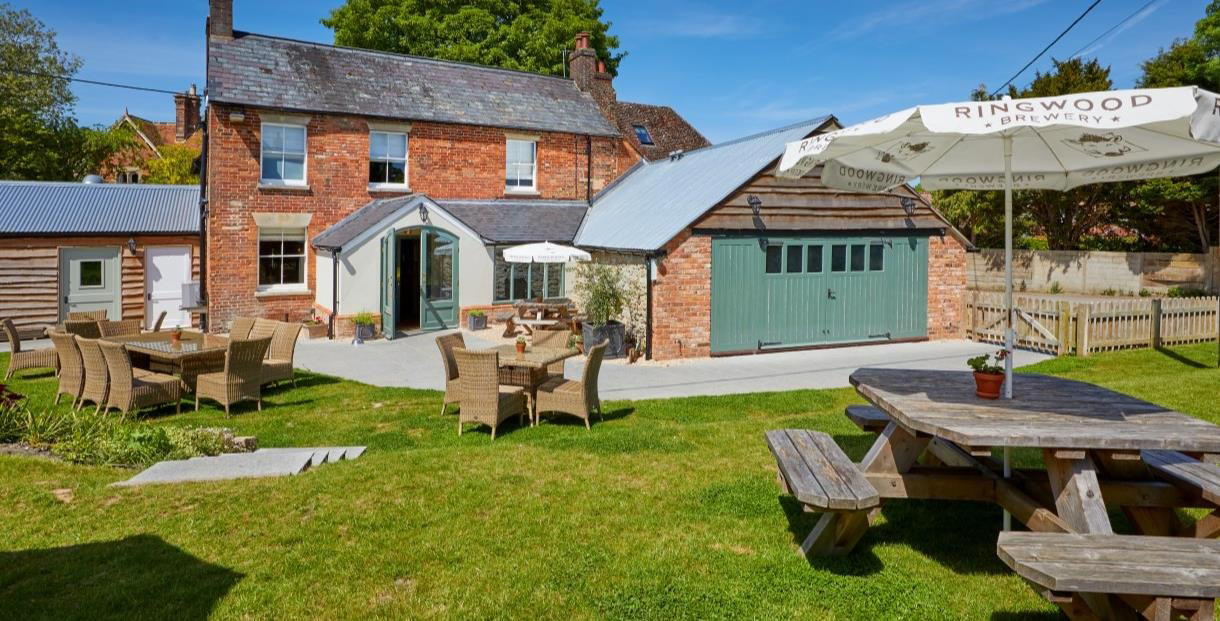
Where the Vale Slows Down and the Kitchen Accelerates
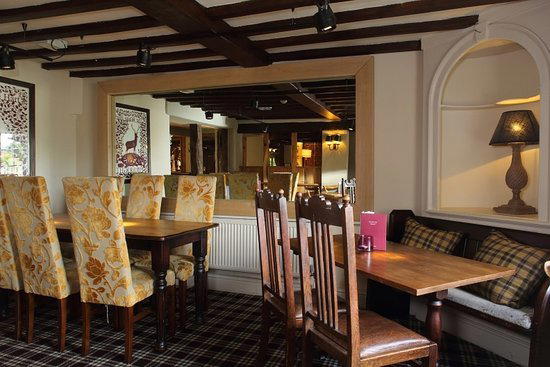
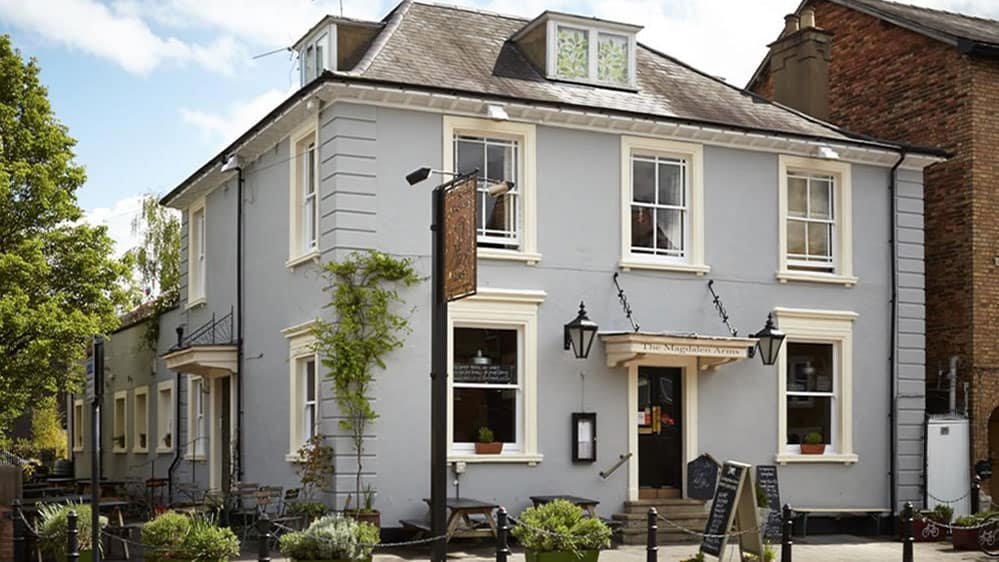
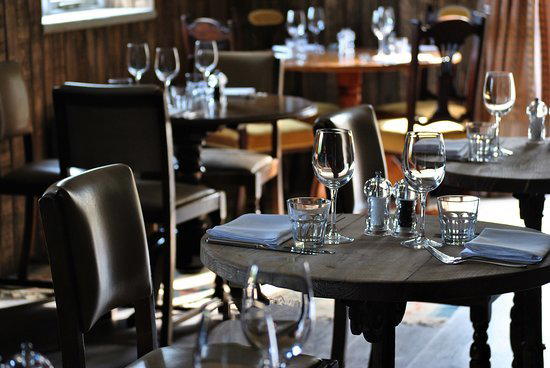
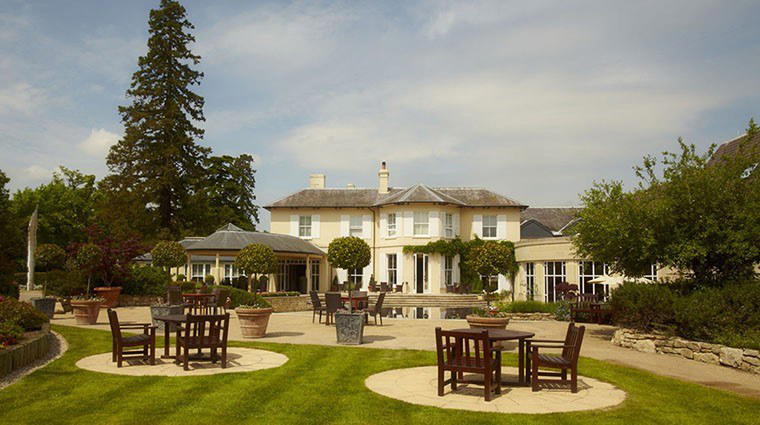
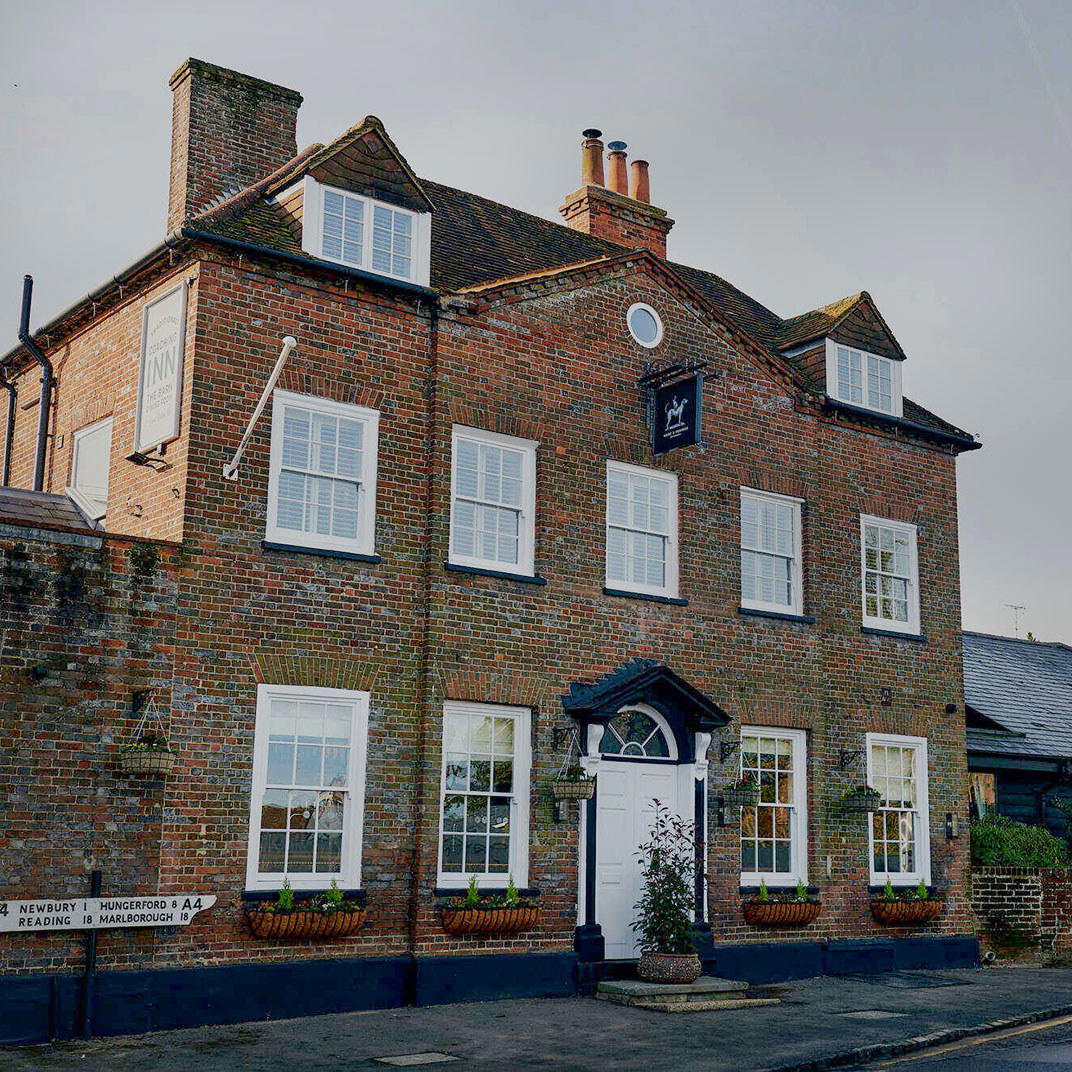
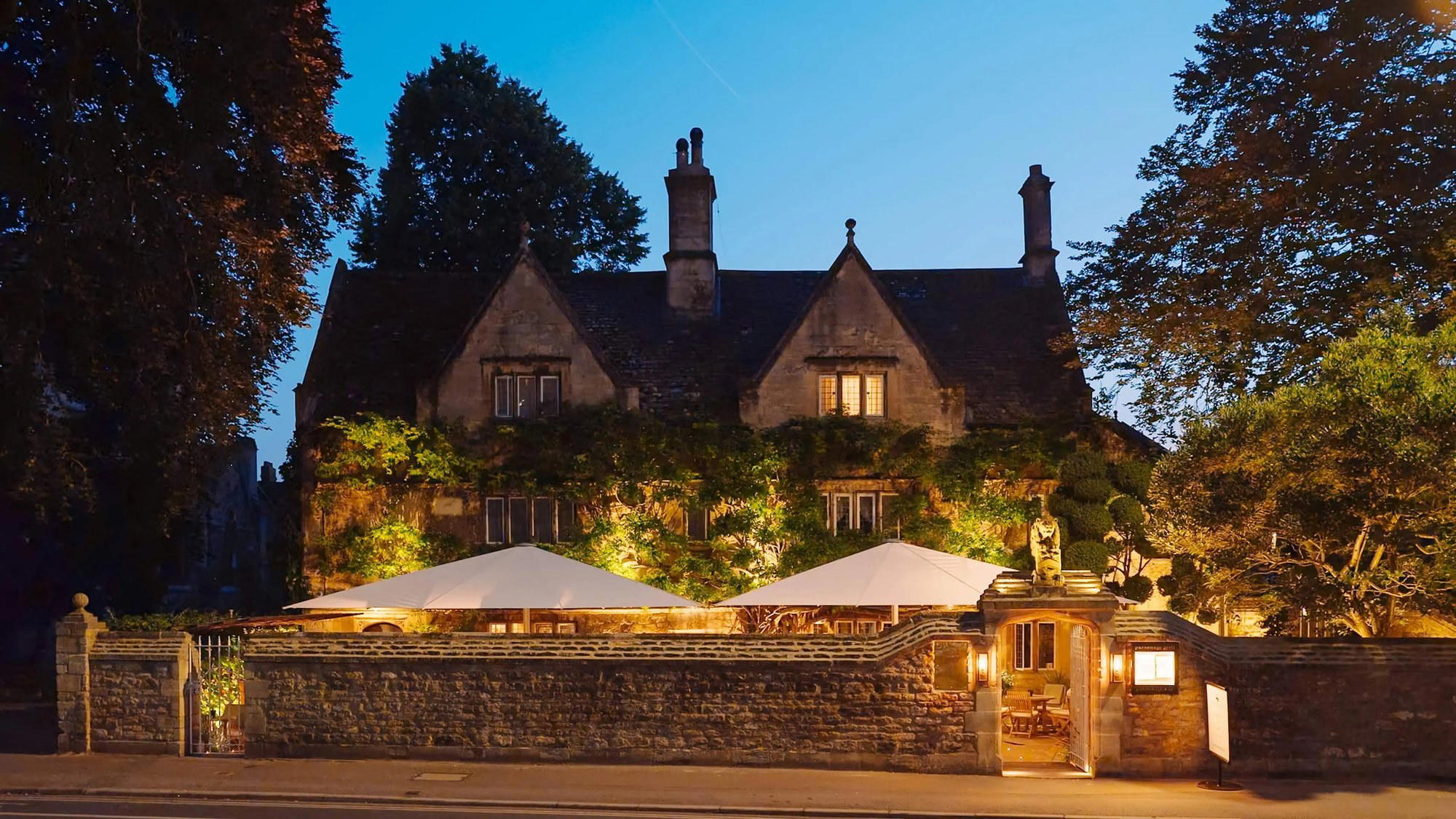
The Vale of White Horse sits in that particular stretch of Oxfordshire where the land flattens and the pace of life adjusts accordingly. Letcombe Regis is a village that most drivers pass without stopping, a cluster of stone buildings a short distance from Wantage with little to announce itself. That quiet anonymity is part of why The Greyhound Inn has developed the following it has: those who find it tend to return. The building presents the usual signals of a well-kept British country pub, but the interior has been reconfigured in a contemporary register, with light wood, walls in primary colour schemes, and a dining room laid with white-clothed tables. It reads less as a heritage preservation exercise and more as a considered reset, the kind of pub renovation that keeps the bones and replaces the atmosphere.
A useful data point on the pub’s character: a couple who made a fifty-mile journey through February fog arrived to find the place sitting in unseasonable winter sun, and the discovery of a three-course lunch deal priced under £35 was sufficient to restore spirits entirely. That menu included Camembert with black garlic aïoli and roast guinea fowl, which tells you something about the kitchen’s priorities even at the accessible end of its pricing. This is a pub that treats its midweek value offer with the same culinary seriousness as its principal menu. For our full Letcombe Regis restaurants guide, The Greyhound holds a consistent position as the area’s most ambitious kitchen.
Modern British Cooking at the Serious End of the Pub Spectrum
The principal menu operates in a register that most pubs in the surrounding area do not attempt. Preliminary nibbles include venison croquette with gribiche dressing and watercress, which sets the tone before the first course arrives. The kitchen works with classical French technique but routes it through a distinctly British produce logic: mackerel soused and scorched, paired with rillettes of its smoked version, and accompanied by a beef-fat crumpet and grated horseradish. That composition alone signals a kitchen with clear ideas about flavour architecture.
Among the main courses, the range is wider than the style might suggest. Cornish skate wing arrives with smoked leeks, cockles, and capers in beurre noisette, a coastal dish rooted in classical preparation. The harissa-fired pork tomahawk steak with Guinness-infused onion purée and pearl barley sits at the other end of the spectrum, drawing on British ingredient traditions while applying North African spice logic. The vegan option, Crown Prince squash with hazelnut dukkah, pistou, Swiss chard, apple, and pickled walnut, avoids the tokenism that often characterises plant-based pub cooking. It reads as a dish designed with intent rather than obligation.
Desserts follow with banana pain perdu, torched banana, peanut-butter ice cream, and butterscotch. British and Irish cheeses arrive with spiced pear purée and boozy chutney, sourced from what the menu’s own description rates as top-drawer selections. The pub also maintains a list of classics for those for whom the more elaborate menu holds less appeal: when a plate of fish and chips is the actual requirement, the kitchen accommodates that without condescension.
The Drinks List in the Context of Rural British Pubs
The British pub drinks offer has split in recent years into two distinct camps: those that simply pour from standard regional suppliers, and those that have built a programme with genuine editorial voice. The Greyhound’s wine list comes with tasting notes, which sounds like a minor detail but is, in a pub setting, a meaningful commitment. A list built with helpful annotations signals that the selection was assembled by someone who cares about how a guest makes a choice, not just what the margin looks like on each bottle.
The cocktail culture that has reshaped urban drinking in the UK over the past decade has produced some notable programmes at venues like 69 Colebrooke Row in London, Bramble in Edinburgh, and Merchant Hotel in Belfast, where technical ambition and sourcing depth define the offer. The Greyhound operates in a different register: its drinks list is an accompaniment to serious food rather than a centrepiece in its own right. In that context, a well-annotated wine list that gives guests genuine guidance is the appropriate expression of drinks intelligence. It is less the approach of Schofield’s in Manchester or Mojo Leeds, where the cocktail menu carries primary editorial weight, and more in keeping with pubs that have decided the bottle list should earn its place on the table.
Rural pub drinks context is worth acknowledging. In areas where the nearest specialist bar might be thirty miles away, having any serious drinks programme at all places a venue well ahead of its local peer group. The Greyhound sits in that position relative to the Vale of White Horse: there is no local equivalent of Horseshoe Bar Glasgow or Avon Gorge by Hotel du Vin around the corner. The comparison set is local pubs, not metropolitan cocktail bars. Measured against that competition, the drinks offer adds genuine value to the dining occasion.
For those drawn to drinks programmes at the more remote end of the British Isles, Digby Chick in Na H-Eileanan an Iar and Harbour View and Fraggle Rock Bar in Bryher offer instructive points of comparison on how rural hospitality handles the drinks question. L’Atelier Du Vin in Brighton and Hove shows how a wine-forward approach can be the whole editorial identity of a drinks programme. At The Greyhound, the wine list plays a supporting role, but it plays it with care.
Planning a Visit
The Greyhound Inn sits on Main Street in Letcombe Regis, with the full address at Wantage OX12 9JL. The village is best reached by car from the A417 corridor, with Wantage itself serving as the nearest town for those arriving by public transport and then travelling the last few miles by taxi or on foot. The three-course lunch deal, priced under £35 at time of writing, represents an efficient entry point for first visits, covering two courses that demonstrate the kitchen’s range without requiring the full principal menu commitment. Evening visits allow the longer menu to unfold at a more considered pace. For those travelling from further afield, the February example in the awards record suggests that even an off-peak weekday visit can be well worth the journey.
For international reference, Bar Leather Apron in Honolulu offers a useful comparison on how a serious drinks and food pairing programme can define a venue’s identity beyond its geography. The Greyhound works the same logic in reverse: its identity is grounded in a specific rural English setting, and the kitchen’s ambition is the reason to go out of your way to find it.
Comparison Snapshot
Comparable venues nearby, for context on price, style, and recognition.
| Venue | Cuisine | Price | Notes |
|---|---|---|---|
| The Greyhound InnThis venue — the venue you are viewing | pub | $$$ | Not listed |
| Alfie’s Soho | lounge | $$$ | Soho |
| Kiyori | cocktail_bar | $$$ | Marylebone |
| Seed Library | speakeasy | $$$ | Shoreditch |
| Vagabond Wines (Soho flagship) - 14–16 Ganton Street | wine_bar | $$$ | Soho |
Recognition history
Dated appearances from independent guides and award organizations, with the underlying list record or original source where available.
The Good Food Guide GFG Good
The Good Food Guide
Continue exploring
More in Letcombe Regis
Bars in Letcombe Regis
Browse all →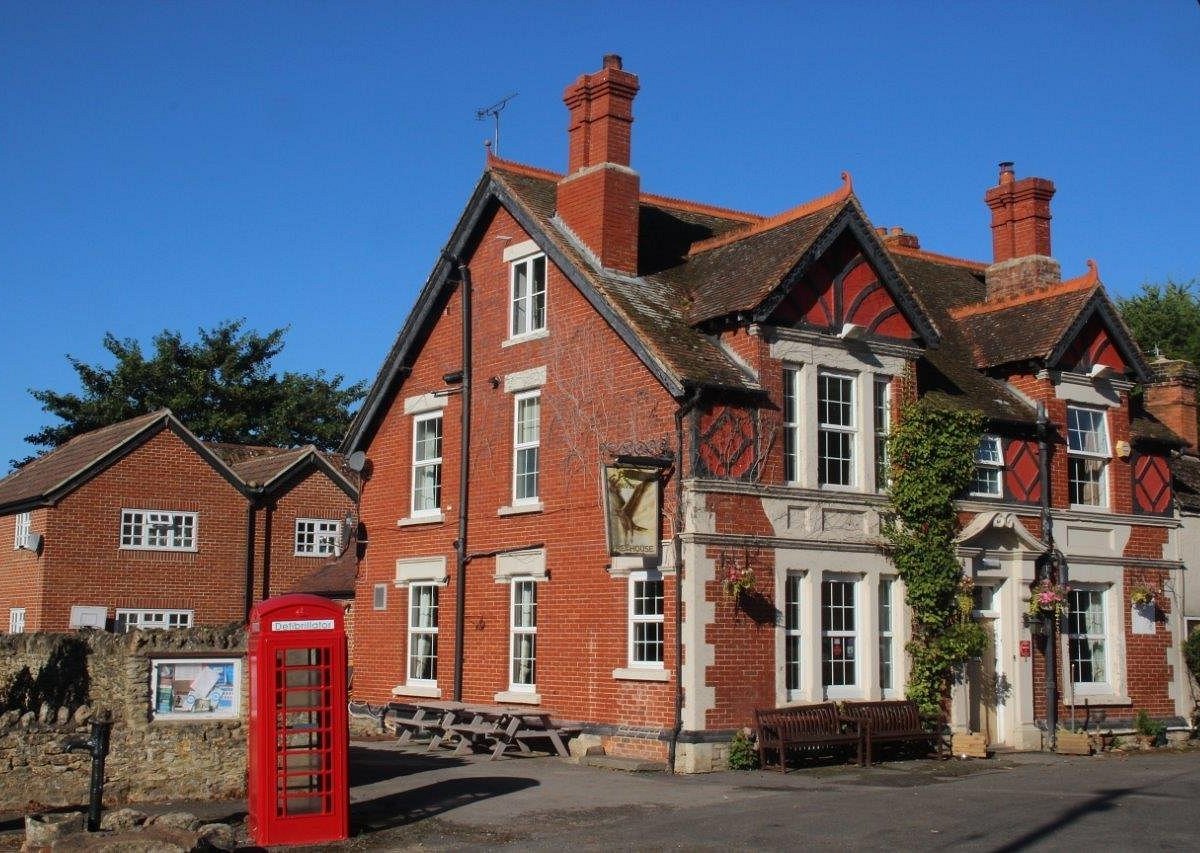
Restaurants in Letcombe Regis
Browse all →
Hotels in Letcombe Regis
Browse all →
Wineries in Letcombe Regis
Browse all →
At a Glance
- Cozy
- Classic
- Rustic
- Elegant
- Celebration
- Special Occasion
- Date Night
- Group Outing
- Casual Hangout
- Historic Building
- Garden
- Seated Bar
- Booth Seating
- Private Rooms
- Lounge Seating
- Craft Beer
- Conventional Wine
- Natural Wine
- Zero Proof
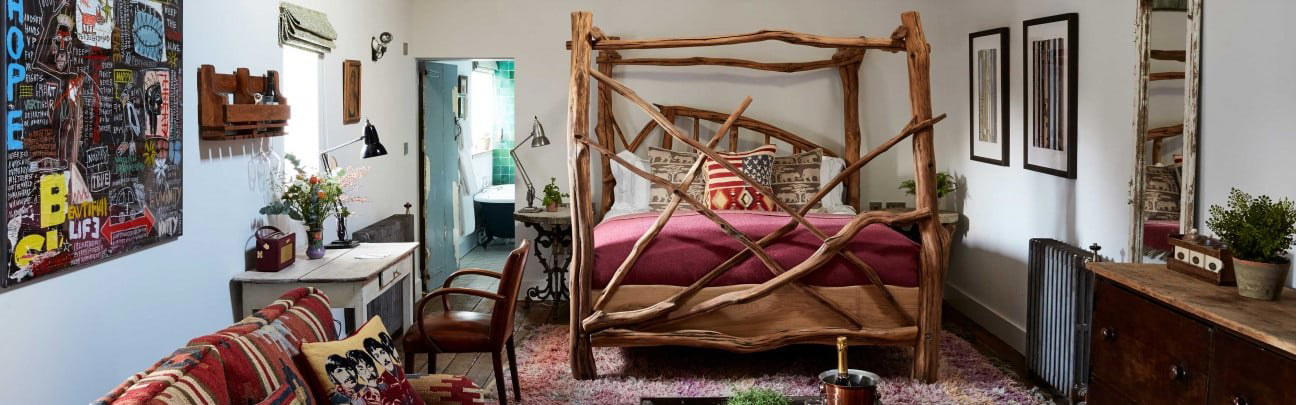
Warm, fire-lit, and cosy with light wood interiors, primary colour schemes, and white-clothed dining tables that create a relaxed yet refined atmosphere.