The Eagle Tavern

A proper Edwardian-era village pub in Little Coxwell, The Eagle Tavern has served the surrounding farmland for over a century and now draws a wider crowd with guest rooms and a kitchen that takes country cooking seriously. Chef Marcel Nerpas works in the recognisable village pub register but brings a generosity of spirit to dishes like rabbit pie and pistachio-studded duck liver pâté that earns the detour from Faringdon.
Pearl is the En Primeur Club membership app — saves, bookings, and concierge access live there. Same editors, same standards.
- Address
- Little Coxwell, Faringdon SN7 7LW, United Kingdom
- Phone
- +44 1367 241879
- Website
- eagletavern.co.uk
- Directions
- Get directions
 Saves & bookings on Pearl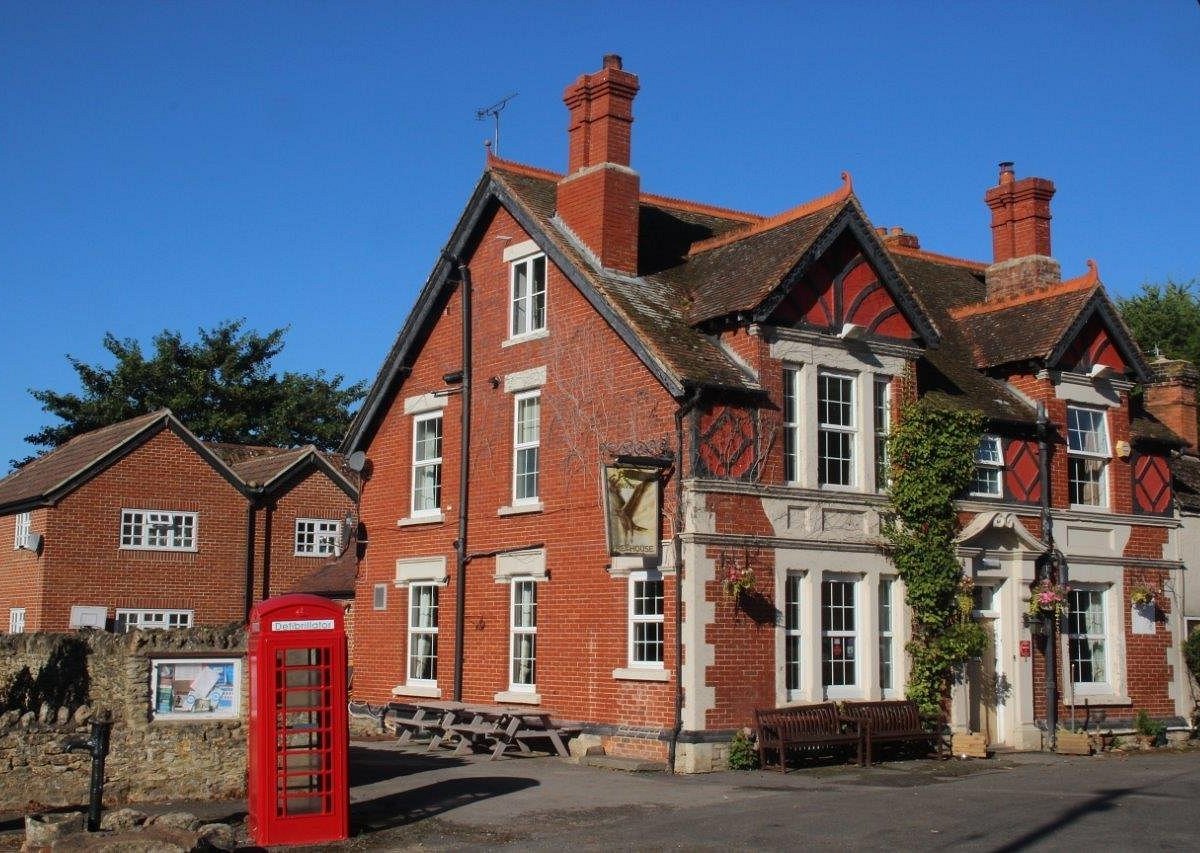
A Country Pub That Has Earned Its Own Gravity
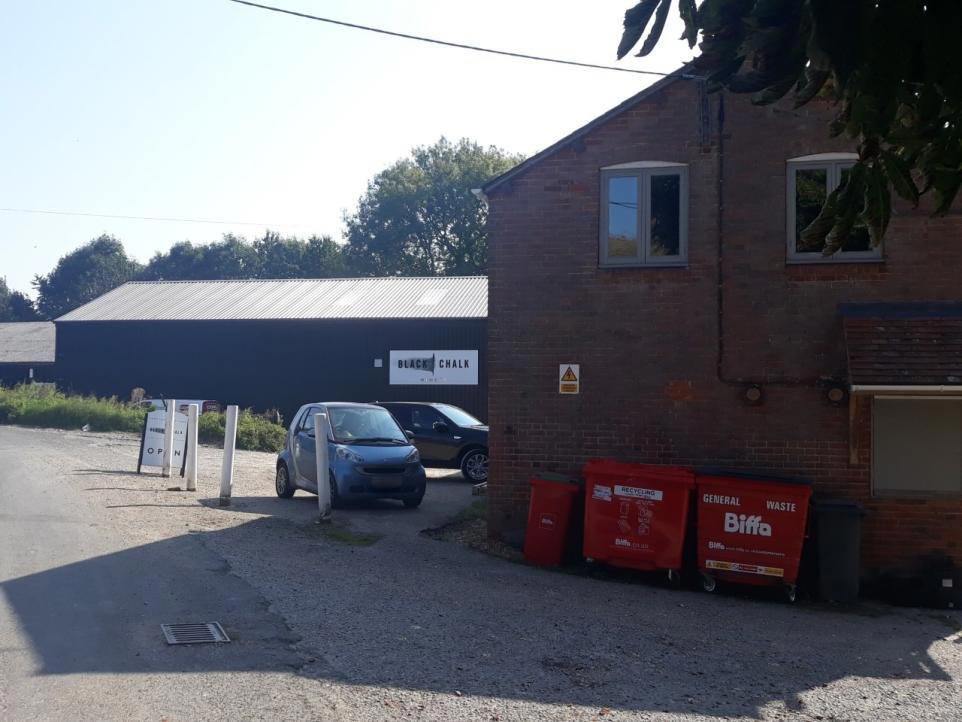
The village of Little Coxwell sits in the Vale of White Horse, a stretch of Oxfordshire farmland that moves at its own tempo regardless of what is happening in the market towns nearby. Faringdon is less than two miles to the west; Great Coxwell, with its famous tithe barn, is closer still. For years, visitors drove straight through Little Coxwell on their way to one or the other. The Eagle Tavern is the reason some of them now stop. Approaching along the narrow lane, the pub reads exactly as it should: low roofline, a facade that does not announce itself, the kind of building that has absorbed decades of agricultural routine without making a fuss about it. That continuity is not nostalgia dressed up as character. It is the actual thing.
The Drinking Side of the House
The Eagle Tavern is not a cocktail bar in any technical sense. It does not run a clarified-drink format, a fermentation programme, or a bartender creative vision of the kind found at venues such as 69 Colebrooke Row in London or Schofield's in Manchester.
What the Eagle does offer is the thing that technically focused urban bars sometimes struggle to replicate: beer that is well kept, served in a room where drinking it makes immediate sense. In the village-pub tier, cellar discipline is the real credentialling mechanism. A pint that arrives in good condition in a tucked-away Oxfordshire hamlet tells you something about how much the house cares about the basics. The wine list, by the same logic, does its job without pretension. For readers comparing the Eagle's drinks offer to the ambition of a Hotel du Vin operation in Bristol or the considered pours at L'Atelier du Vin in Brighton, the comparison is the wrong frame. This is a pub that drinks like a pub, and that is entirely the point.
Venues like Horseshoe Bar in Glasgow carry urban-institution status that makes them easier to write about. Remote operations, whether on the Outer Hebrides like Digby Chick or on an island as small as Harbour View and Fraggle Rock Bar on Bryher, succeed by serving their community with competence and warmth. The Eagle belongs in that tradition: its value is relational, not technical.
What the Kitchen Is Actually Doing
The food at the Eagle is where the house earns its critical standing. Village pub cooking in Britain spans an enormous range, from reheated pies delivered by a regional supplier to kitchens running genuinely seasonal menus with local sourcing and real technique. The Eagle sits firmly in the latter camp.
A pistachio-studded duck liver pâté served with cardamom pear and brioche is not a standard pub starter. The cardamom element signals a kitchen willing to introduce spice as a structural component rather than as decoration, and the pistachio brings texture in a way that the more familiar walnut or grape accompaniment would not. A fishcake built from cod, salmon, and prawns, served with celeriac rémoulade, gives the same impression: compound thinking applied to a form that could easily be handled without thought.
Among mains, rabbit pie represents the honest expression of what rural English cooking does when it is working properly. Rabbit is a meat that fell out of fashion with urban diners but never left the countryside, and a well-executed rabbit pie, with roots and a crunchy pastry casing, earns its place on a menu like this through direct excellence rather than trend alignment. The vegetarian option, gnocchi with roasted squash, mushrooms, Parmesan, and white truffle oil, moves in a slightly different register: the truffle oil is a finishing gesture that places it in a more contemporary idiom, though the core construction is grounded and satisfying.
Desserts follow the same logic of hearty generosity. Lemon meringue tart, salt caramel and chocolate tart, tarte tatin, and a rice pudding with Armagnac-drenched prunes all read as desserts that were chosen because the kitchen wanted to make them well, not because they photographed well or tracked a current trend. The Armagnac prunes are particularly telling: they are an old-fashioned thing done well, and that is a better signal of kitchen confidence than a fashionable presentation in a ring mould.
The Rooms and the Extended Offer
The Eagle has expanded beyond its original farmworker-pub footprint by adding a handful of guest rooms. Little Coxwell has both. The Vale of White Horse is walking and cycling country; the Uffington White Horse and the Ridgeway are within easy reach; and Faringdon itself is a small market town with enough character to fill an afternoon. The guest rooms turn the Eagle from a detour into a destination in its own right.
The pub has Edwardian roots in local farmworker life. That kind of tenure is a form of trust signal that no award can replicate. Marcel Nerpas heads the kitchen.
How to Plan a Visit
Little Coxwell is most naturally reached by car. Faringdon is the nearest town with reliable infrastructure, and the A420 connects it to Oxford to the east and Swindon to the west. For readers approaching from further afield, the dynamics are similar to visiting any rural British pub with serious food: the distance from a major city is the barrier, and the payoff is a meal in an environment that urban dining cannot manufacture. Booking ahead is recommended, particularly if you are planning around the guest rooms. Readers comparing the logistics to urban bar visits at venues like Mojo Leeds or even further afield at Bar Leather Apron in Honolulu should adjust their expectations accordingly: the Eagle operates on rural British time, and that is part of what you are paying for.
Side-by-Side Snapshot
Comparable venues nearby, for context on price, style, and recognition.
| Venue | Cuisine | Price | Notes |
|---|---|---|---|
| The Eagle TavernThis venue — the venue you are viewing | pub | $$ | Not listed |
| The Magdalen Arms | pub | $$ | Iffley Road |
| The New Inn | pub | $$ | St. Owen's Cross |
| The Alford Arms | pub | $$ | Frithsden |
| The Clarence Tavern | pub | $$ | Stoke Newington |
| The Charlton Arms | pub | $$ | Ludford |
Recognition history
Dated appearances from independent guides and award organizations, with the underlying list record or original source where available.
The Good Food Guide GFG Good
The Good Food Guide
Continue exploring
More in Little Coxwell
Bars in Little Coxwell
Browse all →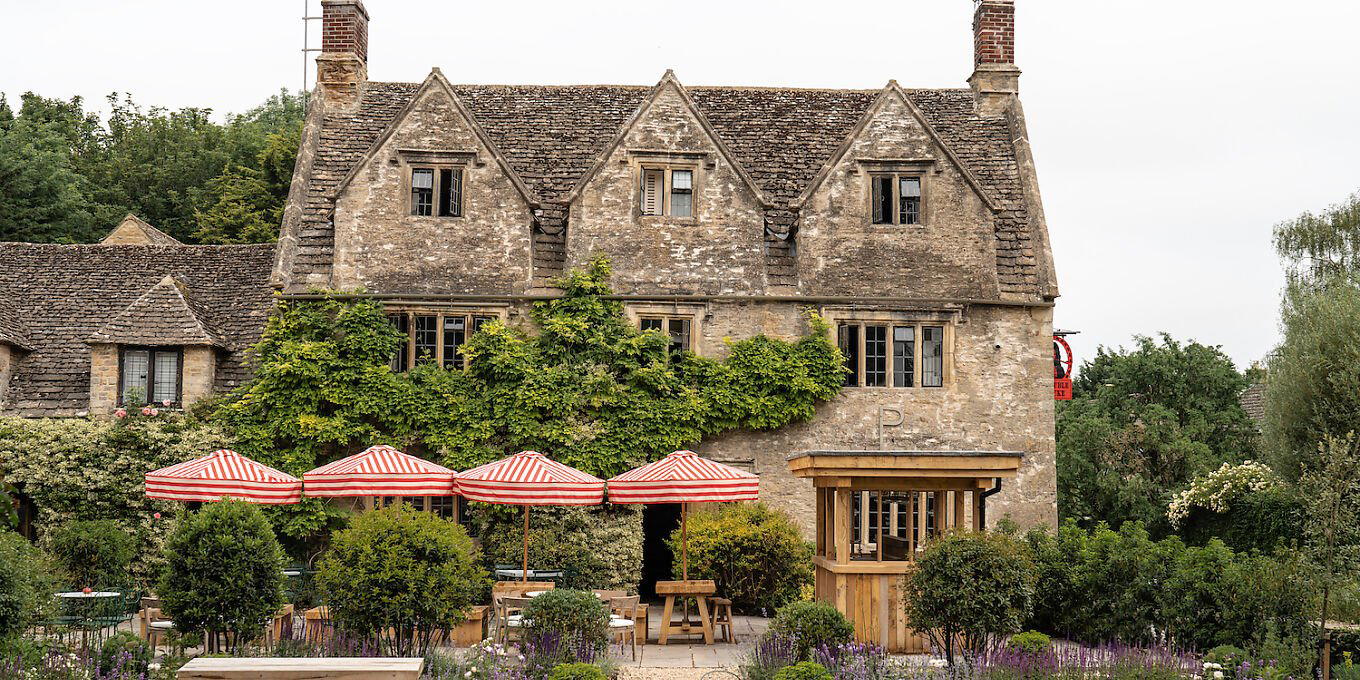
Restaurants in Little Coxwell
Browse all →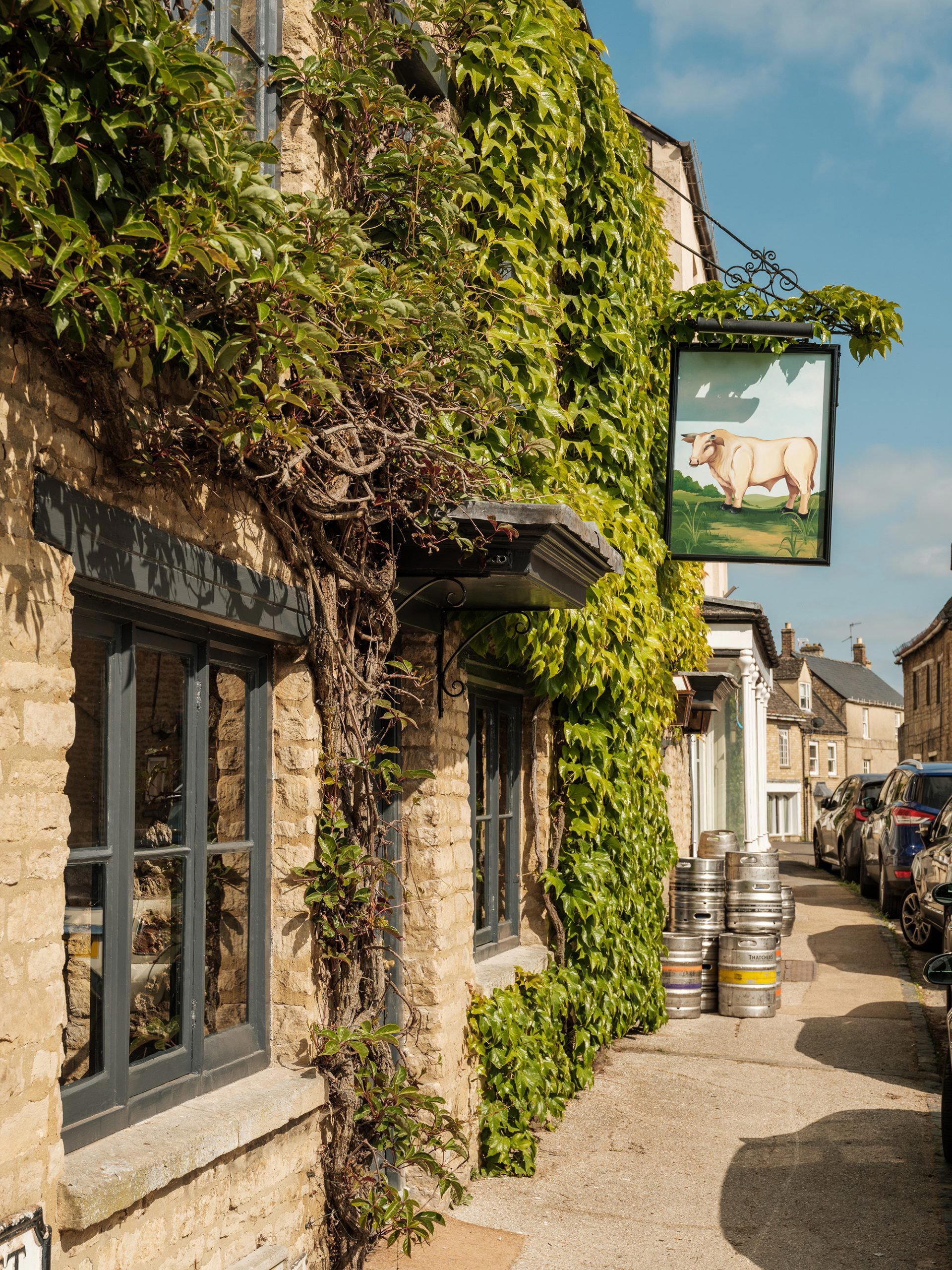
Hotels in Little Coxwell
Browse all →
Wineries in Little Coxwell
Browse all →
At a Glance
- Cozy
- Rustic
- Classic
- Casual Hangout
- Date Night
- Group Outing
- Historic Building
- Seated Bar
- Lounge Seating
- Craft Beer
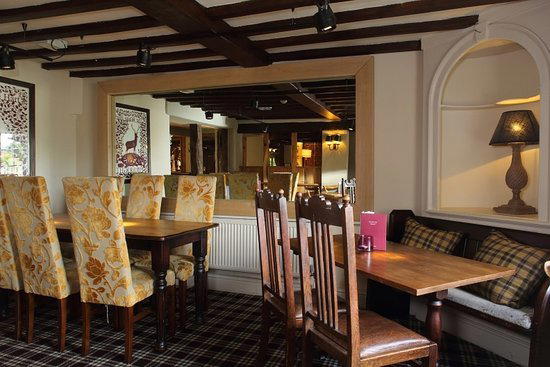
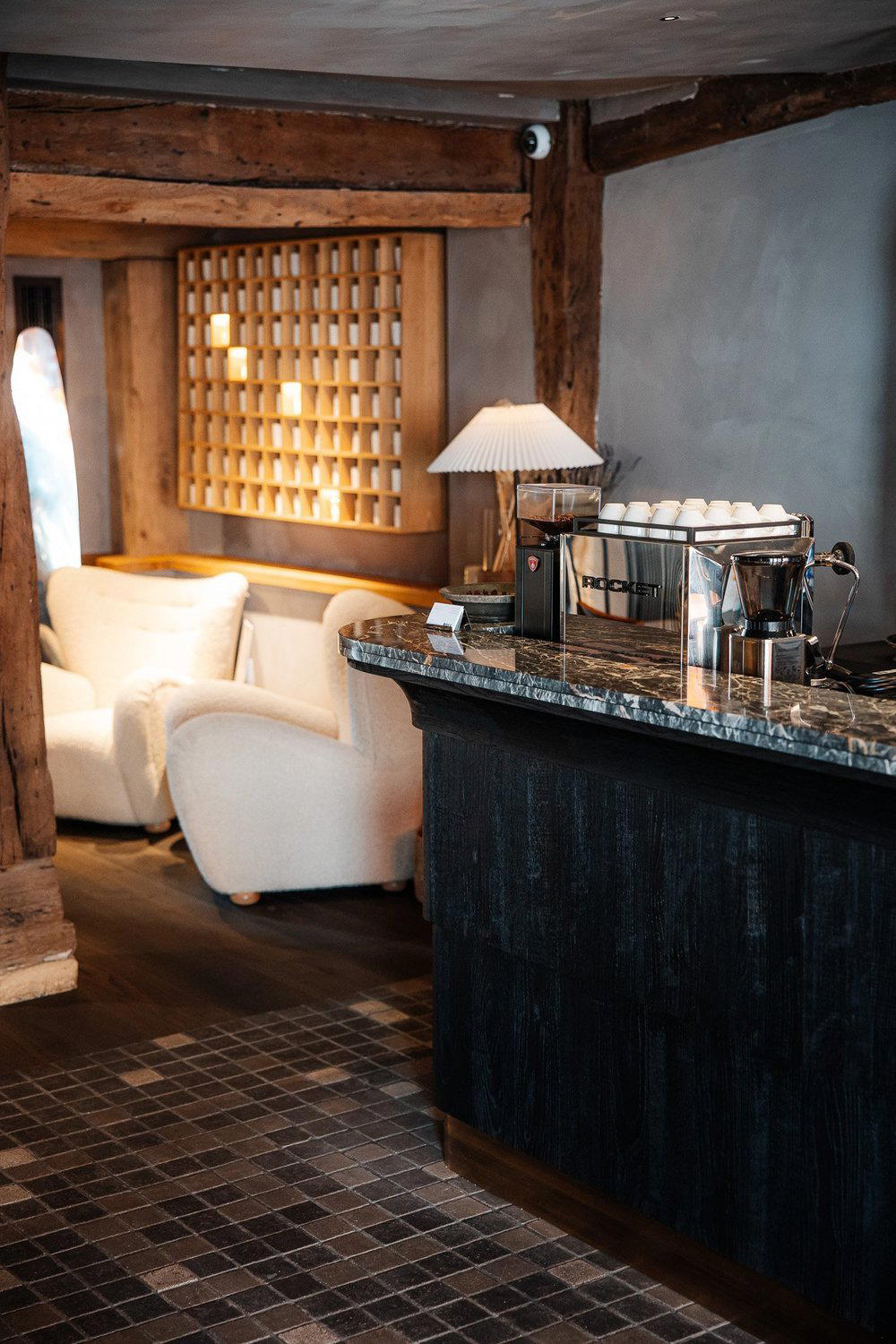
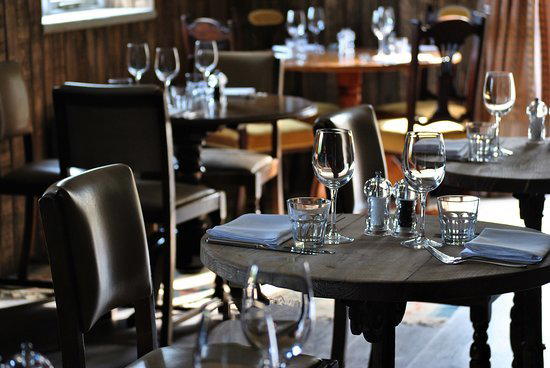
Relaxed, light, and airy with a warm, friendly atmosphere and log fire.