Bejana belongs to Nusa Dua’s resort-dining circuit, where Indonesian cooking is often translated for international hotel guests rather than treated as street-side immediacy. Its value is contextual: a Bali address that suits travellers who want regional flavours inside the controlled rhythm of a luxury enclave, without turning dinner into a cross-island expedition.
Pearl is the En Primeur Club membership app — saves, bookings, and concierge access live there. Same editors, same standards.
- Address
- Jl. Raya Nusa Dua Selatan, Lot III, Bali, Kec. Kuta Sel., Kabupaten Badung, Bali 80363, Indonesia
- Phone
- +62 361 8498988
- Website
- ritzcarlton.com
- Directions
- Get directions
 Saves & bookings on Pearl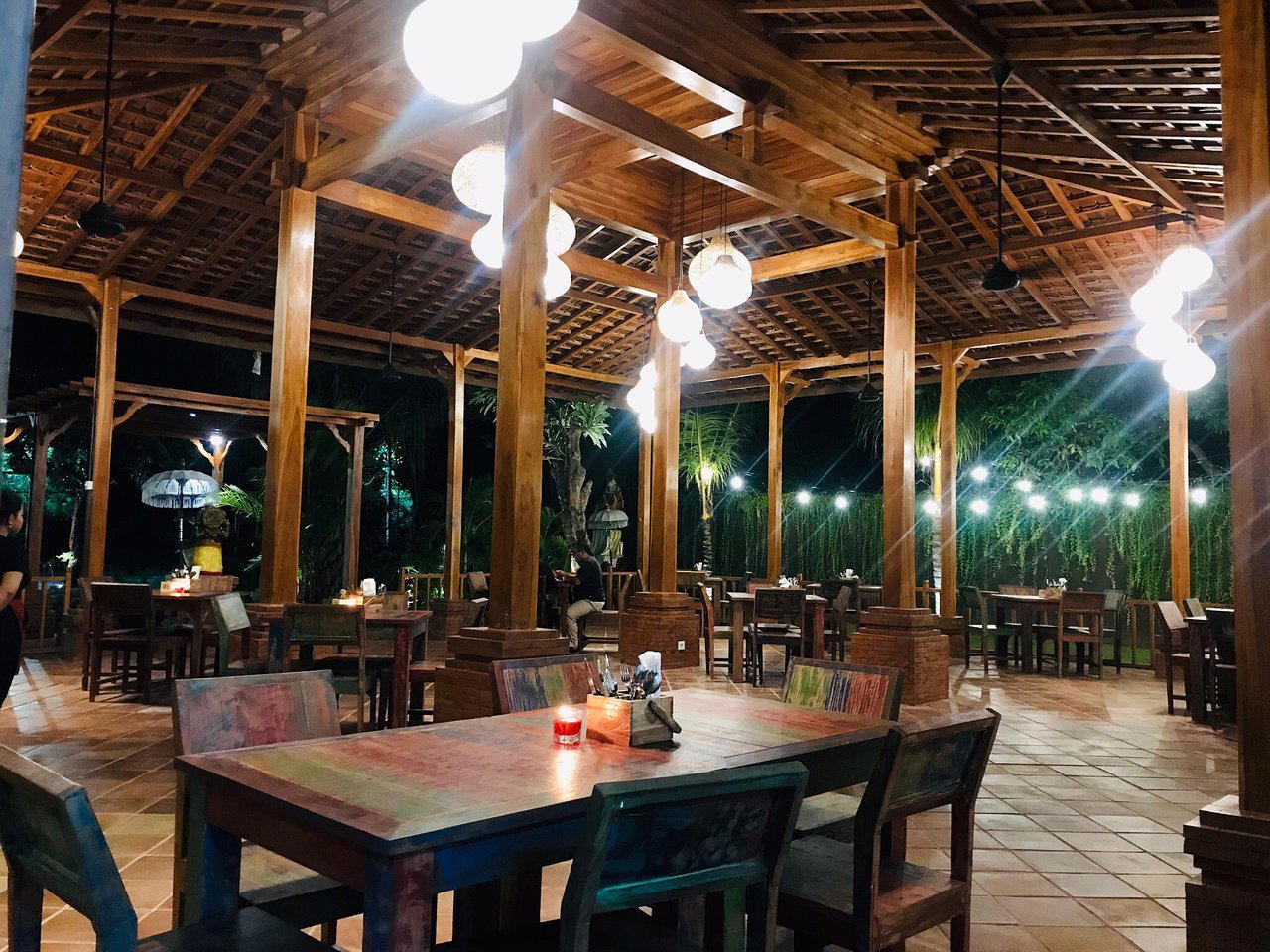
Approaching dinner in Nusa Dua often means moving through clipped resort roads, security gates, and the hush of coastal hotels before the first plate appears. That setting changes the way Indonesian food is read. Spice, smoke, sambal, rice, and market vegetables arrive within a polished resort frame, and the question is less whether the cooking feels rustic than whether it keeps a clear link to the island and archipelago that produced it.
Bejana sits inside that conversation. Nusa Dua is not Seminyak, Canggu, or Ubud; it is Bali’s planned luxury enclave, built for controlled movement and low-friction evenings. Restaurants here compete on comfort, reliability, and a sense of place that can survive hotel polish. That makes ingredient sourcing and regional reference points matter. When a kitchen in this part of Bali uses Indonesian produce and local culinary grammar with discipline, it gives travellers a more grounded reason to stay within the enclave rather than treating resort dining as a compromise.
Why sourcing matters more in Nusa Dua's resort dining circuit
In Bali, ingredient identity carries unusually heavy editorial weight. The island’s cooking culture depends on fresh aromatics, coconut, rice, seafood, pork in Hindu Balinese contexts, and spice pastes built from ingredients that lose force when treated generically. Resort restaurants face a familiar problem: international guests expect clarity, comfort, and service pacing, while local cooking often depends on heat, texture, and assertive seasoning. The stronger kitchens in Nusa Dua do not erase that tension; they manage it.
Bejana is useful for travellers because it belongs to the category of resort restaurants where Indonesian cooking can be framed as dinner rather than excursion. That distinction matters. A meal in a village warung, a Jimbaran seafood grill, or a market-led Balinese kitchen carries a different energy, and no resort room should pretend otherwise. But within Nusa Dua, the editorial test is whether the venue offers a credible regional lens while preserving the ease that draws travellers to the area in the first place.
The comparison set is narrow and practical. Rempah2 Main Dining Room and Senses represent the broader Nusa Dua hotel-restaurant field, while Bai Yun, Izakaya by Oku, and L'Atelier by Oku show how Bali’s luxury hotels often split dining into distinct formats: regional Indonesian, Chinese hot pot or dim sum, Japanese izakaya, and counter-style tasting menus. Bejana’s role is not to mimic those formats. Its relevance lies in giving Indonesian flavours a dedicated place within the resort circuit, where sourcing, spice structure, and restraint determine whether the meal feels connected to Bali or merely themed.
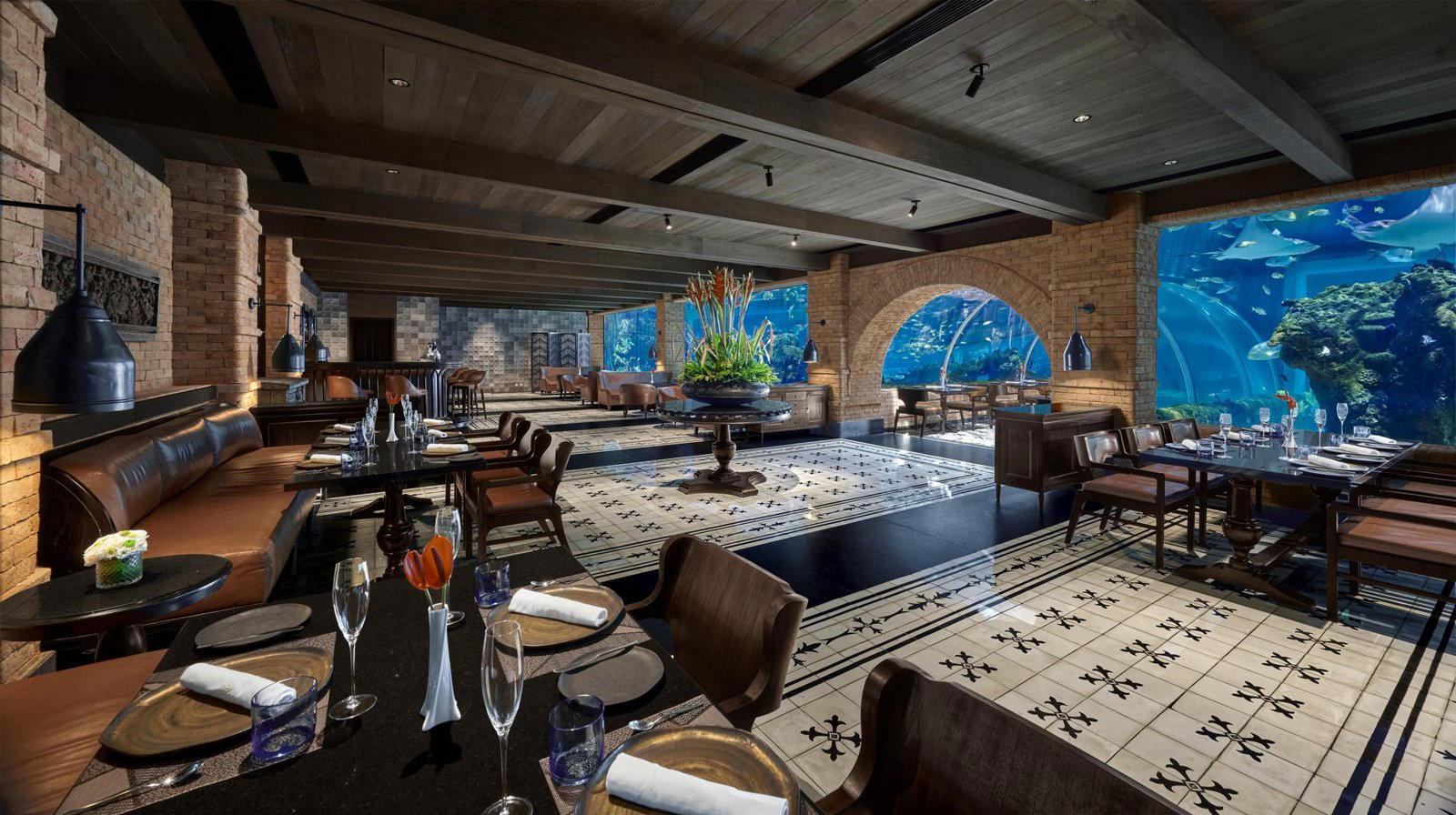
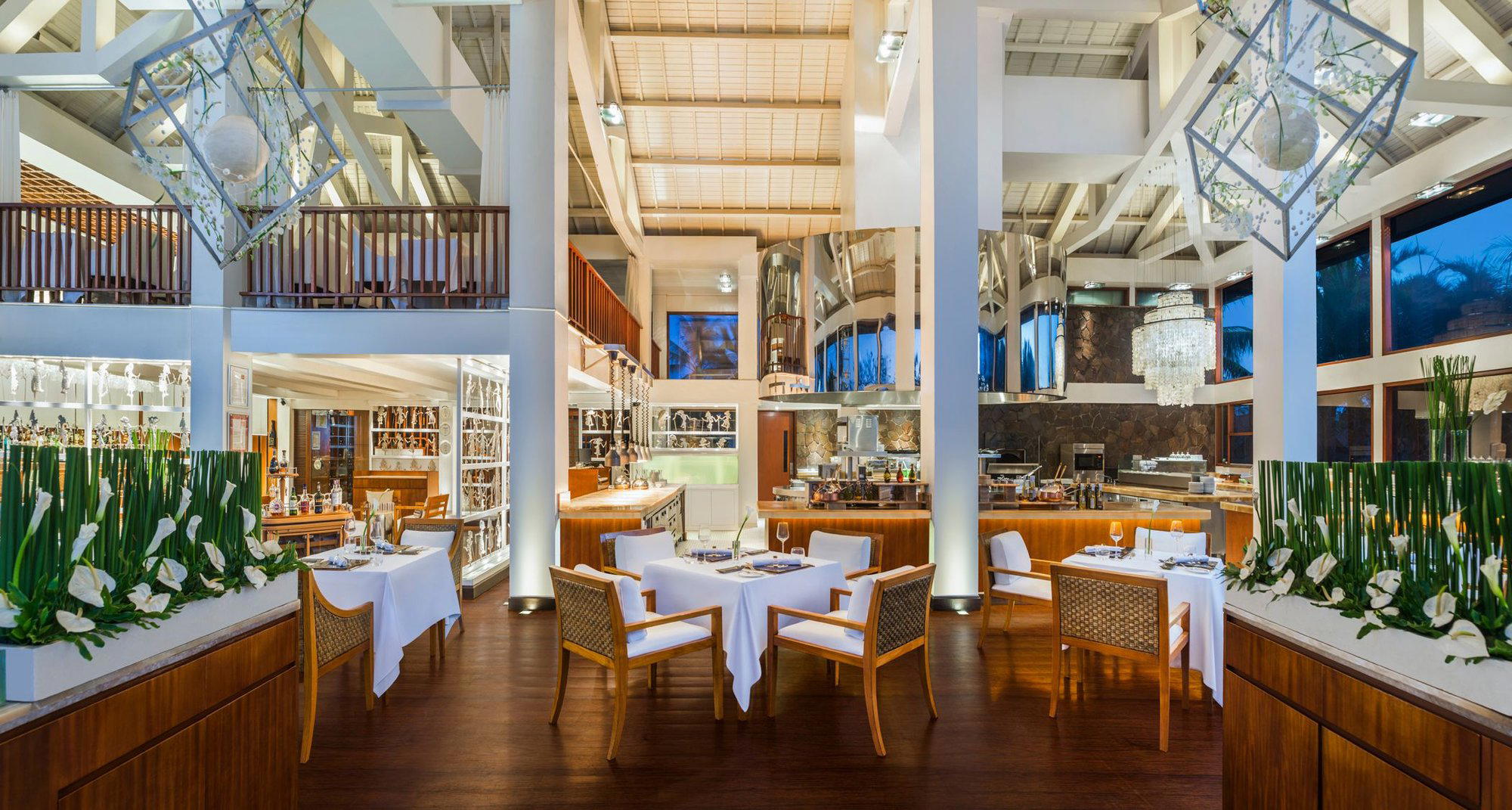
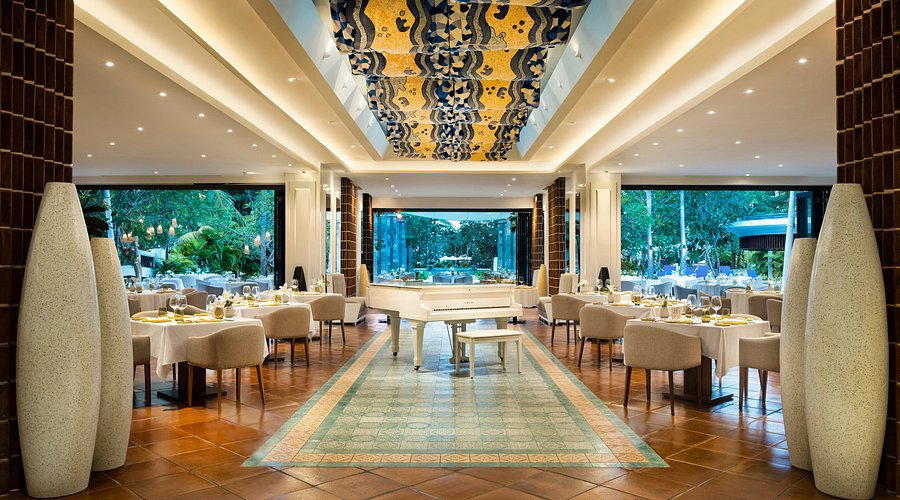
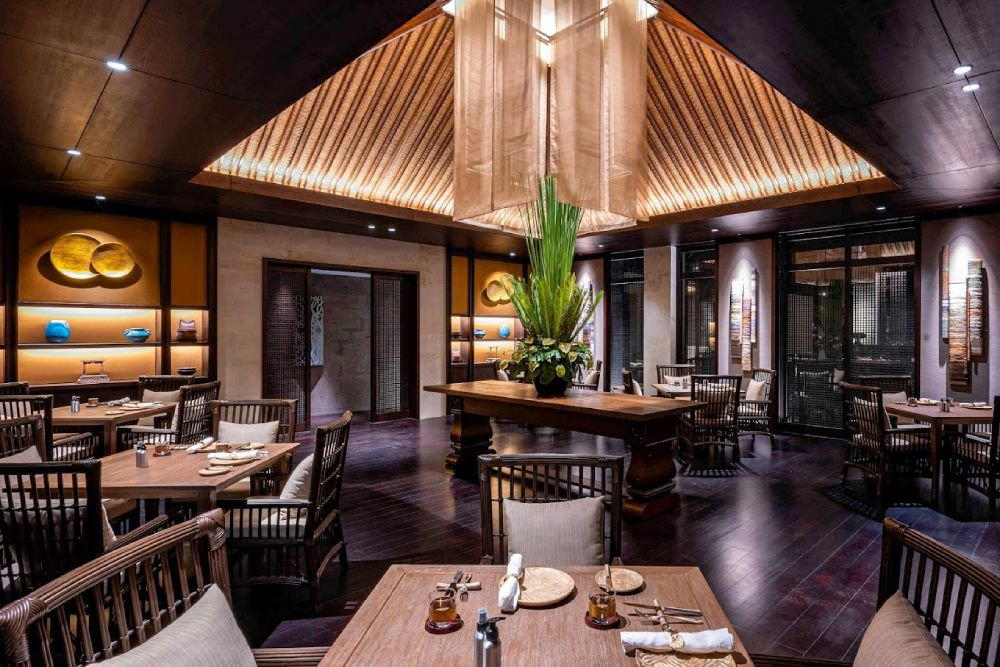
The room suits travellers who want Bali without leaving the enclave
Nusa Dua rewards a certain kind of diner: someone who values calm logistics, hotel-grade service, and a short evening arc. That can be a strength after a long-haul arrival, a family day on the beach, or a conference schedule that leaves little appetite for traffic. It can also flatten personality. The better restaurant choices in the area are those that give a reason to remain local to the enclave without reducing Bali to décor.
Bejana works in that slot. The address places it in the southern Bali resort zone, not in a dense urban dining quarter, so the experience should be judged against nearby hotel restaurants rather than independent kitchens in Ubud or Denpasar. For travellers mapping a wider itinerary, it pairs naturally with a broader look at Our full Nusa Dua restaurants guide, especially when deciding between staying close to the hotel and travelling out for a more informal meal.
The area’s dining pattern also explains why nearby alternatives matter. Boneka, Cucina, Cannelé, Bliss, and Bangle Bali Restaurant point to the range around Nusa Dua, from hotel dining to casual local options. The useful decision is not a generic ranking; it is whether the evening calls for Indonesian framing, international hotel polish, or something faster and looser.
How to place it within a Bali itinerary
Bejana makes the clearest sense early or late in a Nusa Dua stay, when convenience has real value. Travellers using the area as a beach base can build the rest of the trip around sharper contrasts: Gianyar and Ubud for craft, cooking schools, and rice-field dining; Badung for bars and late-night formats; Jakarta or Lombok for a broader Indonesian comparison. EP Club’s wider Indonesia listings, including Aira Cafe in Gianyar, Akademi in Badung, Akar in Bali, Aer Restaurant in Lombok, Agreya Coffee Bogor in Bogor, and Abunawas Restaurant - Kemang Branch in Jakarta, are useful for that broader read.
For Nusa Dua itself, the restaurant is part of a larger resort ecosystem rather than a stand-alone neighbourhood crawl. Travellers comparing where to stay, drink, or plan non-restaurant time should cross-check Our full Nusa Dua hotels guide, Our full Nusa Dua bars guide, Our full Nusa Dua wineries guide, and Our full Nusa Dua experiences guide. For readers tracking Japanese-leaning formats elsewhere, Jōdo Saké Bar in Los Angeles and Onigiri Time in Pasadena show how format and sourcing can drive a venue’s identity in a different city context.
The editorial read is simple: Bejana is most persuasive when treated as a Nusa Dua answer to Indonesian dining, not as a substitute for exploring Bali’s wider food culture. Its value is the combination of place, comfort, and regional reference inside a resort zone where many meals drift toward international sameness.
Snapshot
Comparable venues by cuisine and price in the same metro.
| Venue | Cuisine |
|---|---|
| Bejana | This venue |






At a Glance
- Scenic
- Elegant
- Sophisticated
- Intimate
- Classic
- Family
- Celebration
- Special Occasion
- Group Dining
- Private Event
- Date Night
- Hotel Restaurant
- Waterfront
- Terrace
- Private Dining
- Design Destination
- Open Kitchen
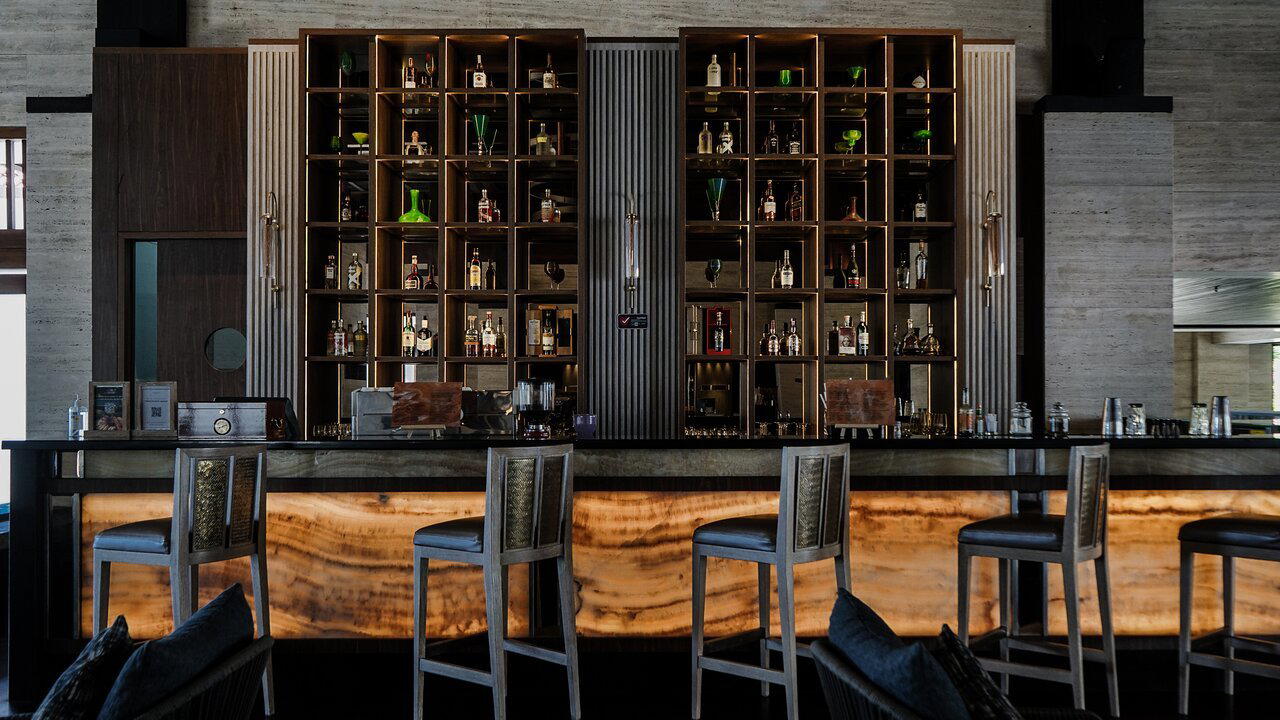
- Beer Program
- Local Sourcing
- Waterfront
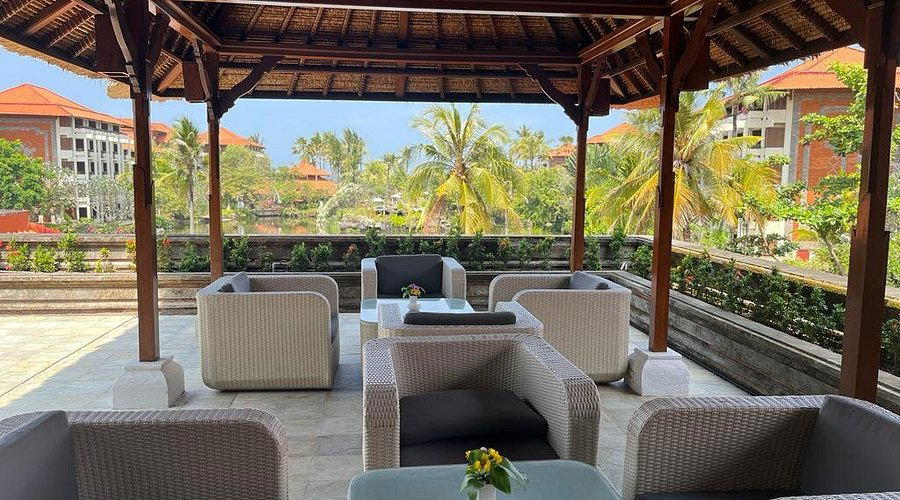
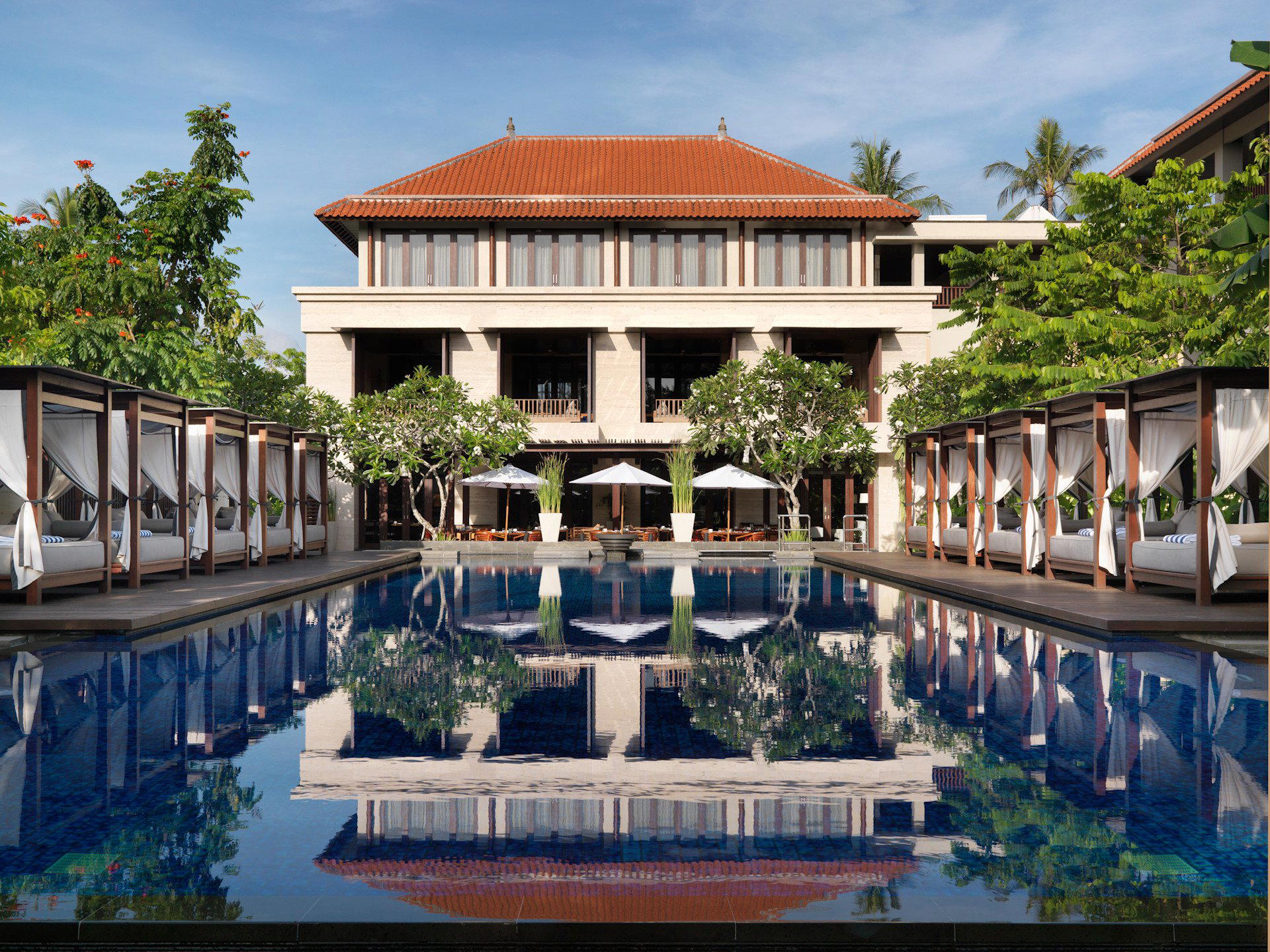
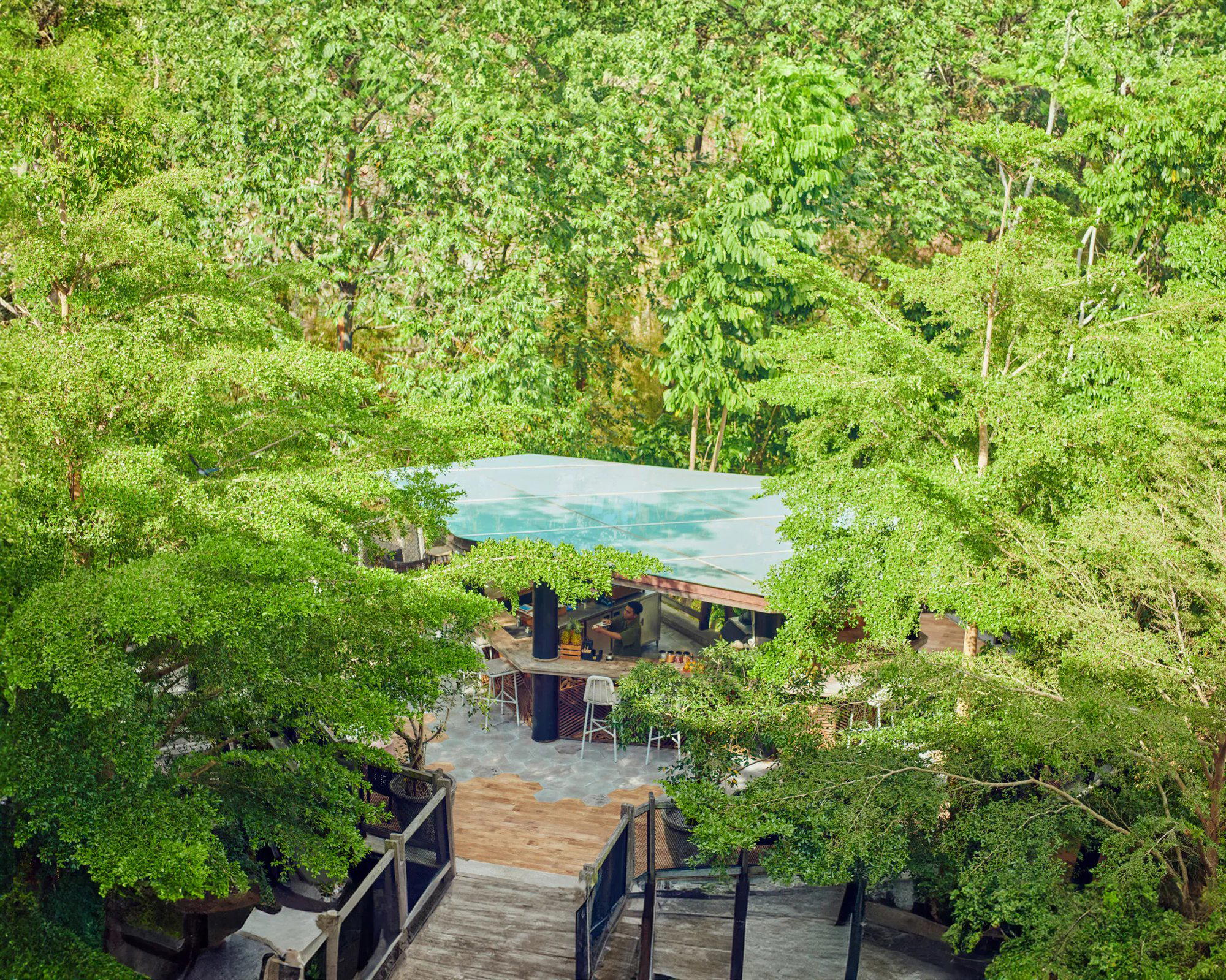
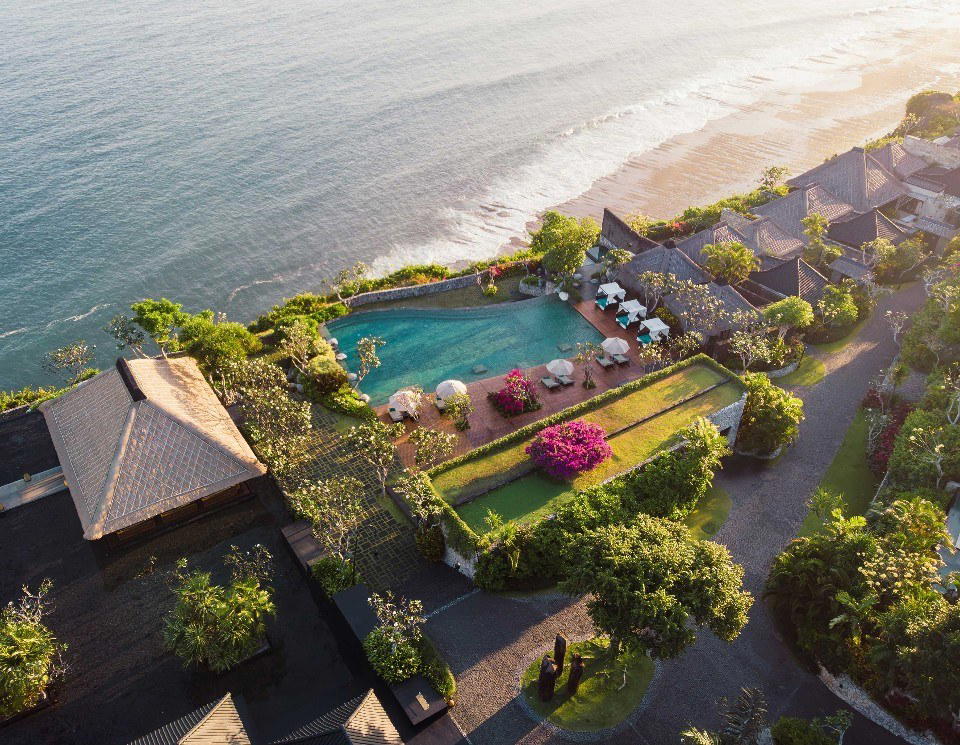
Elegant cliff-top dining with indoor and outdoor spaces overlooking Nusa Dua and the Indian Ocean; reviewers describe the views and setting as dramatic and memorable.