Bedouin Tent
On Atlantic Avenue in Brooklyn, Bedouin Tent sits within one of New York City's most historically layered Middle Eastern dining corridors. The restaurant draws a loyal neighborhood following for whom it functions as a reliable anchor in a stretch defined by Lebanese, Egyptian, and broader Arab culinary traditions. For visitors orienting to Brooklyn's dining scene, it represents an accessible entry point into a food culture that long predates the borough's recent restaurant boom.
Pearl is the En Primeur Club membership app — saves, bookings, and concierge access live there. Same editors, same standards.
- Address
- 405 Atlantic Ave, Brooklyn, NY 11217
- Phone
- +17188525555
- Website
- bedouintentny.com
- Directions
- Get directions
 Saves & bookings on Pearl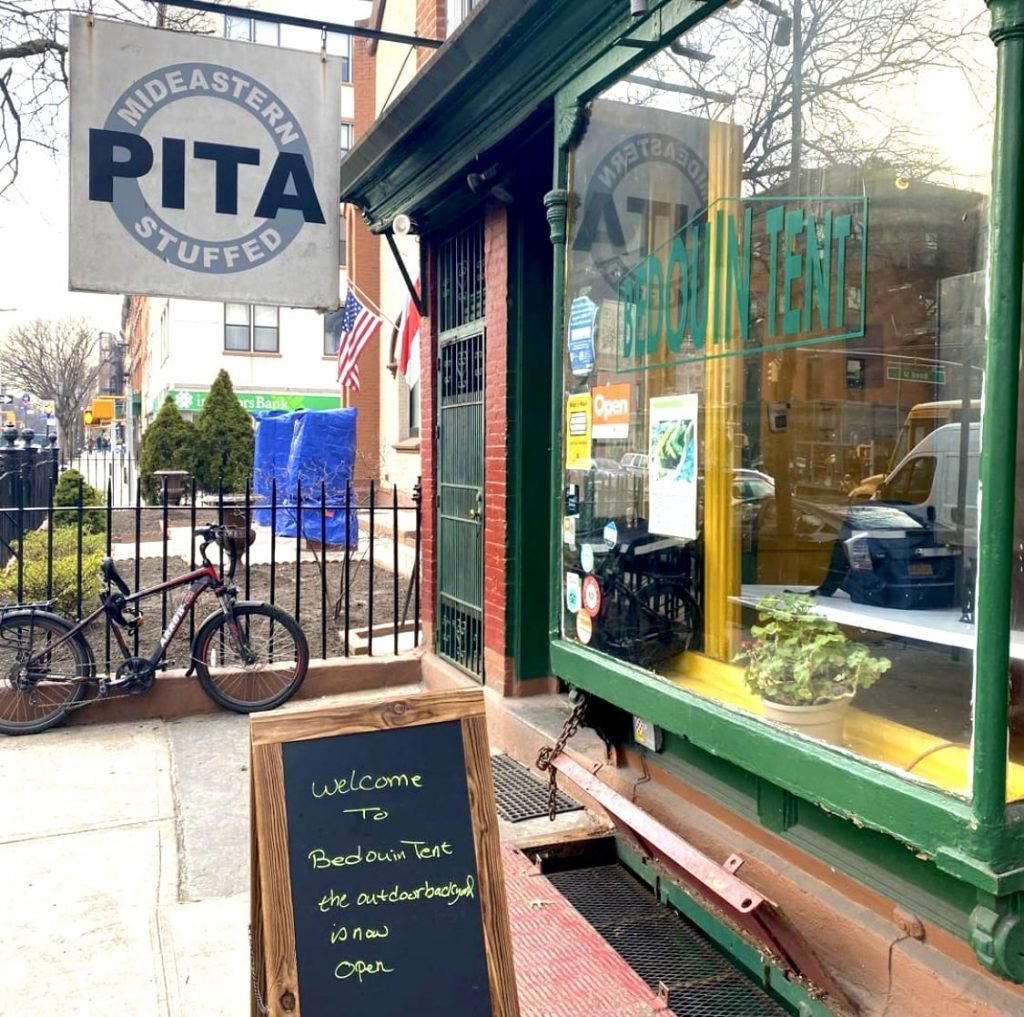
Atlantic Avenue and the Middle Eastern Table
Atlantic Avenue between Court and Fourth Avenue has functioned as one of New York City's most sustained concentrations of Arab and Middle Eastern commerce since the mid-twentieth century. The stretch accumulated Lebanese grocery shops, halal butchers, and family-run restaurants over decades, well before Brooklyn became shorthand for a particular kind of culinary cool. Bedouin Tent, at 405 Atlantic Ave, is a casual Middle Eastern restaurant in Brooklyn.
That distinction matters when placing this restaurant in context. Bedouin Tent operates in a different register entirely: the register of neighborhood constancy, where regulars are not measured in Instagram posts but in years of return visits. The culinary tradition it draws from, Levantine and broadly Middle Eastern home cooking, rewards that kind of sustained familiarity.
What Keeps the Regulars Returning
In restaurants with long-standing neighborhood clienteles, the relationship between diner and kitchen tends to settle around a core of dishes that function almost as a private contract. This is the unwritten menu that locals know to order and first-timers often miss. Along Atlantic Avenue, that contract has historically involved mezze spread as the organizing logic of the meal: hummus built from dried chickpeas rather than canned, baba ghanoush with enough char to be identifiable, and flatbread with the weight of something made in-house rather than sourced from a commercial distributor.
Middle Eastern dining in New York has historically divided between the perfunctory falafel counter and the more committed kitchen. The former exists across all five boroughs; the latter is rarer and tends to concentrate in neighborhoods with actual Arab-American residential communities, which Atlantic Avenue has supported for generations. Regulars at establishments like Bedouin Tent tend to gravitate toward the slower dishes, the ones that reflect kitchen patience: slow-braised meats, rice dishes built on spiced broths, and desserts that assume the diner has eaten in this tradition before.
The broader pattern in long-lived neighborhood restaurants is that the menu functions differently for regulars than for newcomers. A first-time visitor reads a menu as a list of options; a regular reads it as a map of what the kitchen does well on any given day. Restaurants embedded in ethnic food corridors like Atlantic Avenue often carry a deeper institutional knowledge than their prices would suggest. For context, New York's most decorated tables, including Le Bernardin, Per Se, and Masa, operate in a different price and formality tier. The value proposition here is different, and should be read on its own terms.
Placing Bedouin Tent in the Broader New York Scene
New York's restaurant conversation tends to concentrate on Manhattan and on a narrow band of highly capitalized Brooklyn openings. The result is a blind spot around establishments that have survived not on press cycles but on repeat business from people who live nearby. Restaurants with that profile exist in a different competitive set than the award-chasing kitchens. They do not compete with Blue Hill at Stone Barns or with the farm-to-table precision of Single Thread Farm in Healdsburg. They compete with time, with the question of whether a neighborhood institution can remain relevant across decades without the tailwinds of trend coverage.
The Middle Eastern food corridor on Atlantic Avenue is one of the few stretches in New York where this question has been answered in the affirmative across multiple generations. That gives any restaurant embedded within it a context that newer openings cannot manufacture. Whether the restaurant's specific kitchen holds up to the standards of comparable tradition-driven restaurants in other American cities, the kind of craft-focused regional cooking found at Frasca Food and Wine in Boulder or the produce-led discipline at Smyth in Chicago, is a question answered by the regulars who have already rendered their verdict with years of attendance.
Readers building a broader picture of American dining with regional depth might also reference Emeril's in New Orleans, Providence in Los Angeles, Lazy Bear in San Francisco, Addison in San Diego, and The Inn at Little Washington for a sense of how different regional traditions are being handled at more formally recognized levels. Internationally, the kind of place-rooted cooking philosophy visible in Brooklyn's ethnic food corridors finds a parallel in European institutions like Dal Pescatore in Runate and Atelier Moessmer Norbert Niederkofler in Brunico, where longevity and community rootedness are themselves part of the offer.
Planning Your Visit
The restaurant is located at 405 Atlantic Ave, Brooklyn, NY 11217, in the core of the Atlantic Avenue Middle Eastern corridor, accessible by subway from multiple lines serving the Atlantic Terminal area. The surrounding blocks offer additional context for anyone building a longer afternoon in the neighborhood: the Lebanese and Arab grocery shops that remain on the strip are worth exploring before or after a meal for provisions and pantry goods that reflect the same culinary tradition. For a fuller picture of where this fits in New York's dining geography, see our full New York City restaurants guide.
Dress: Casual. Budget: About $15 per person. Timing: Open daily from 11 AM to 10 PM.
At-a-Glance Comparison
Comparable venues nearby, for context on price, style, and recognition.
| Venue | Cuisine | Price | Notes |
|---|---|---|---|
| Bedouin TentThis venue — the venue you are viewing | Middle Eastern | $ | Not listed |
| King of Falafel & Shawarma | Authentic Palestinian Falafel & Shawarma | $ | Astoria (Central) |
| Mamoun’s | Authentic Middle Eastern Falafel | $ | Upper West Side (Central) |
| Mamoun's Falafel | Authentic Middle Eastern Falafel | $ | East Village |
| Gazala Place | Authentic Druze Middle Eastern | $$ | Hell's Kitchen |
| Tara Kitchen Tribeca | Modern Moroccan | $$ | Tribeca-Civic Center |
Continue exploring
More in New York City
Restaurants in New York City
Browse all →
Bars in New York City
Browse all →
Hotels in New York City
Browse all →





At a Glance
- Cozy
- Rustic
- Casual Hangout
- Family
- Courtyard
Current opening hours
- Monday
- 11 AM–10 PM
- Tuesday
- 11 AM–10 PM
- Wednesday
- 11 AM–10 PM
- Thursday
- 11 AM–10 PM
- Friday
- 11 AM–10 PM
- Saturday
- 11 AM–10 PM
- Sunday
- 11 AM–10 PM
Hours can change for holidays and private events. Last verified .
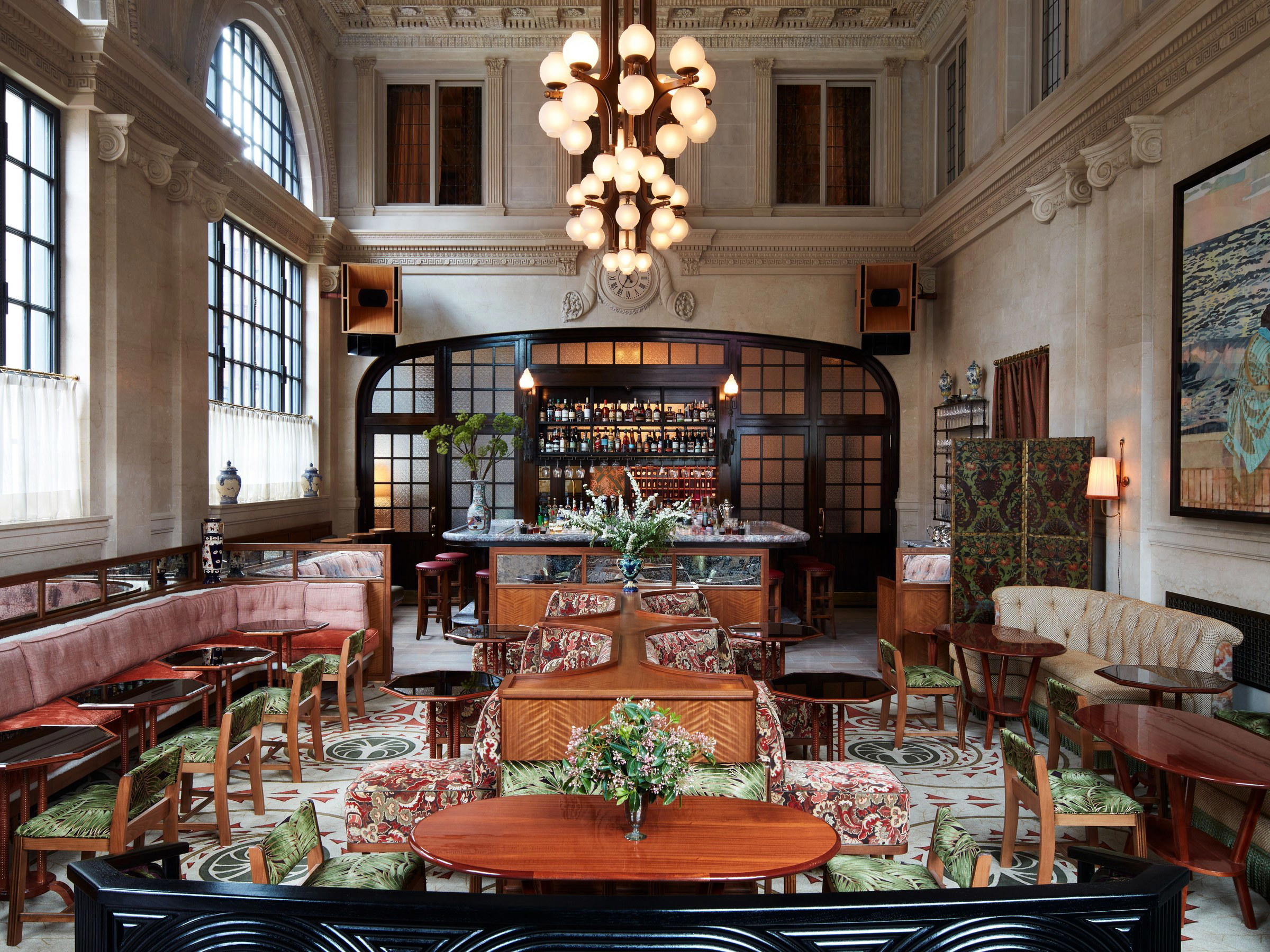
Warm and inviting tent interior with colorful fabrics, Arabic music, and a peaceful backyard courtyard.