Beach Restaurant - Waldorf Astoria Los Cabos Pedregal
Among Cabo San Lucas's hotel dining rooms, Beach Restaurant at Waldorf Astoria Los Cabos Pedregal occupies a position shaped by its clifftop-to-shore Pacific setting within one of the peninsula's most architecturally deliberate resort enclaves. The kitchen operates at the intersection of Baja coastal ingredients and resort-scale ambition, placing it in a comparable set closer to El Farallon and Cocina de Autor than to the marina's more casual waterfront options.
Pearl is the En Primeur Club membership app — saves, bookings, and concierge access live there. Same editors, same standards.
- Address
- Cam. del Mar 1, Pedregal, 23455 Cabo San Lucas, B.C.S., Mexico
- Phone
- +526241634300
- Directions
- Get directions
 Saves & bookings on Pearl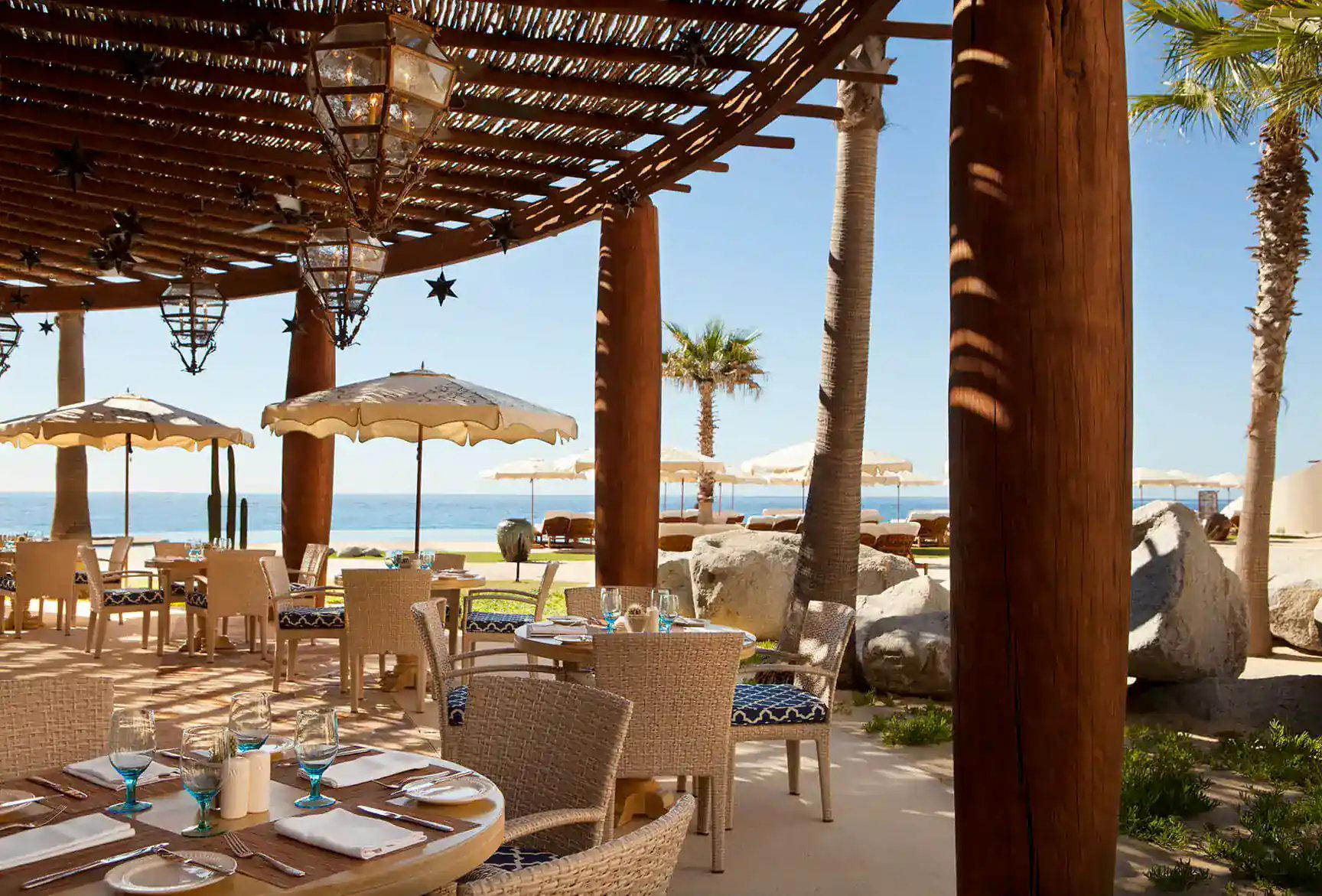
Where the Pacific Sets the Terms
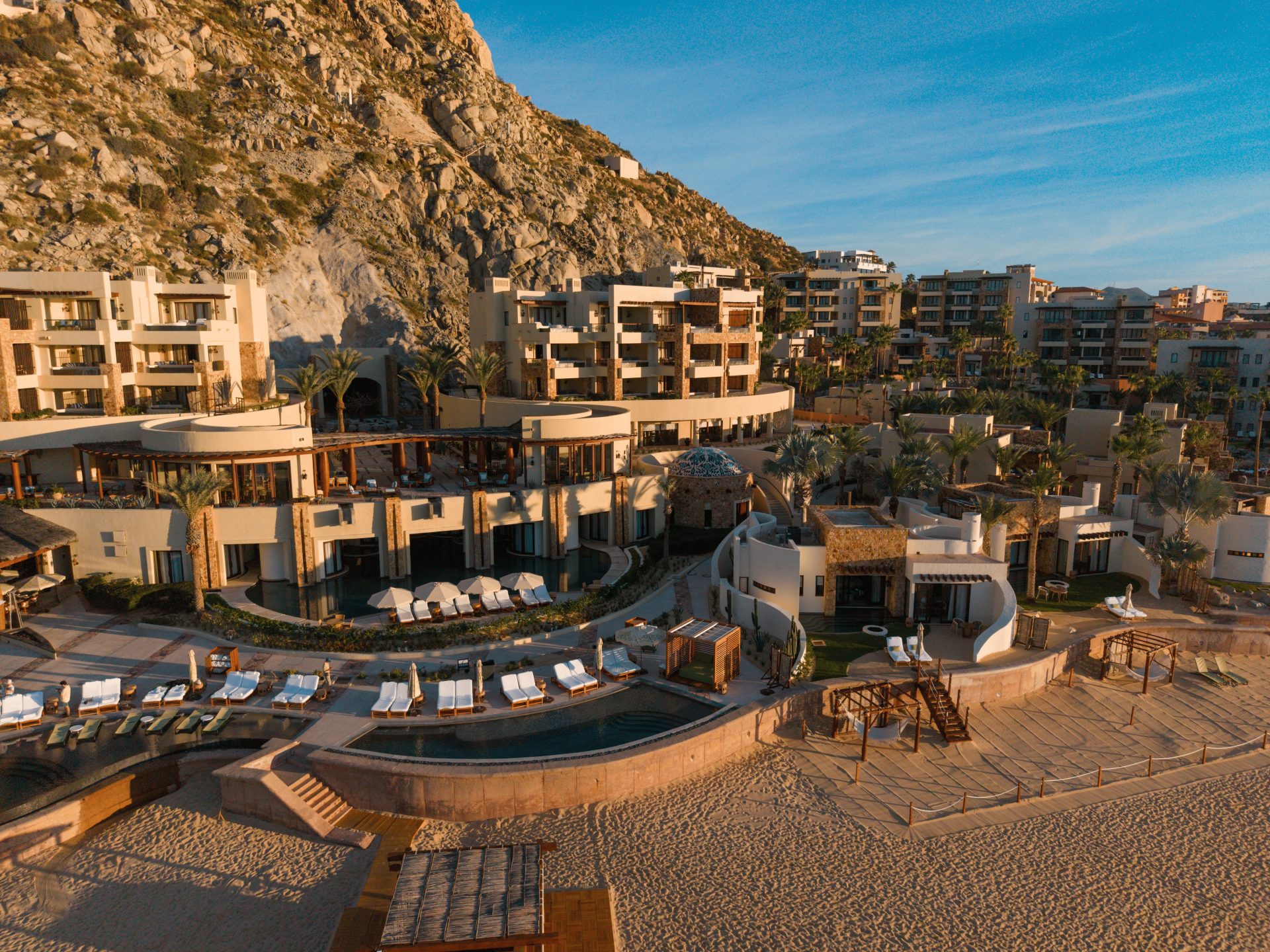
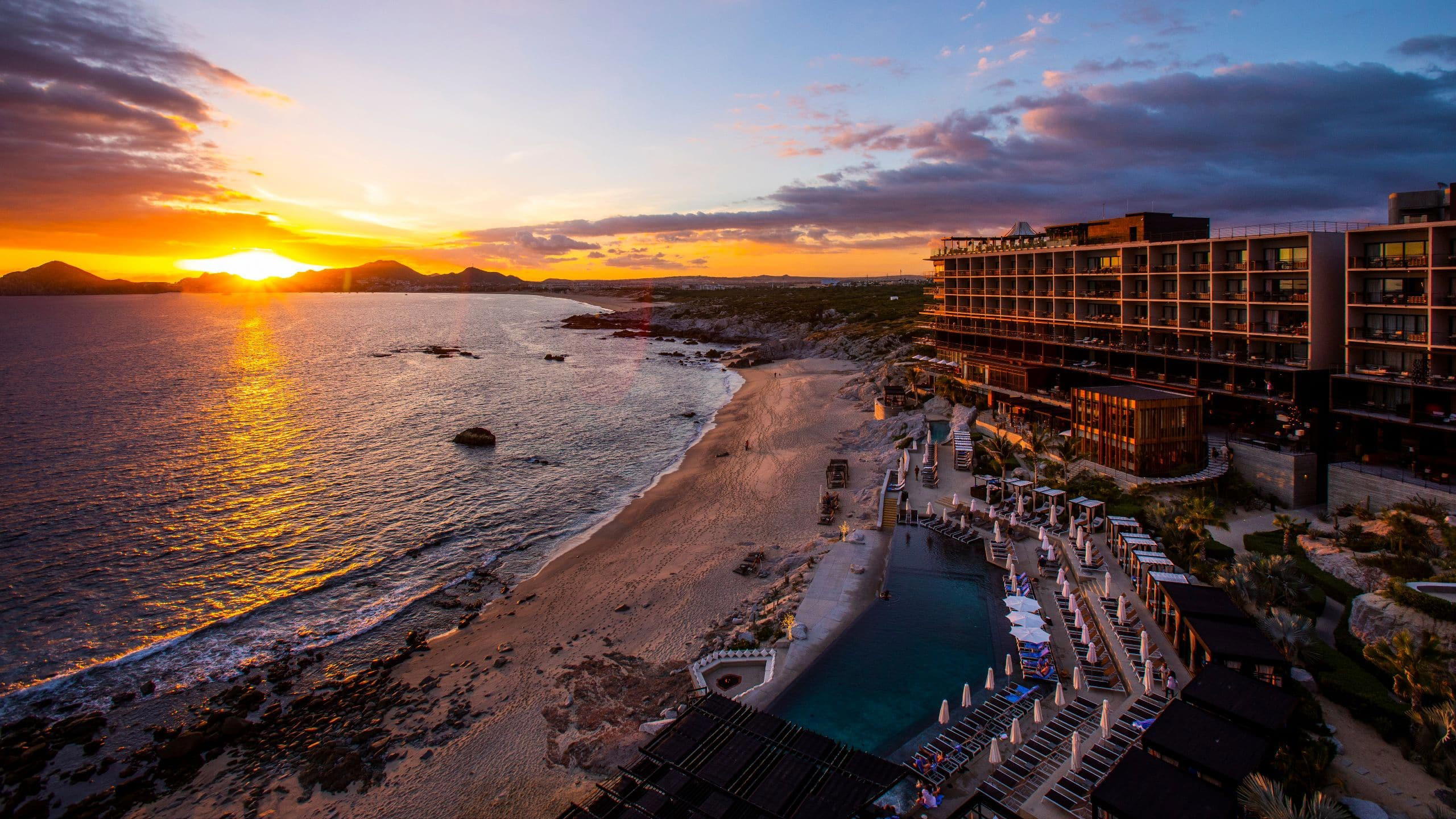
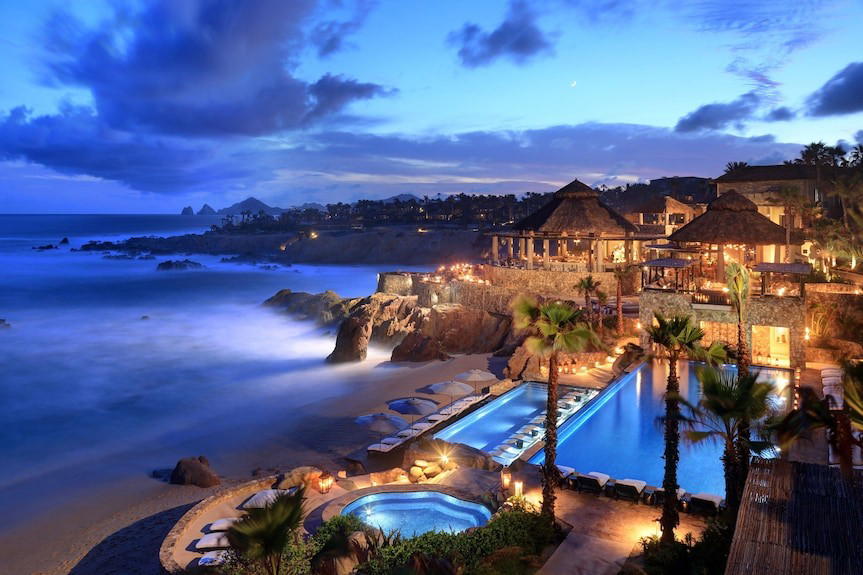
Baja California Sur's dining story has always been written by its geography. The peninsula's Pacific edge delivers a cold-water upwelling that feeds some of Mexico's most productive fishing grounds, and the region's leading kitchens have built entire identities around that biological fact. At Beach Restaurant within the Waldorf Astoria Los Cabos Pedregal, a Coastal Mexican Seafood restaurant in Cabo San Lucas with a recommended reservation policy and an estimated $50 per person price point, the logic is made literal: the property cuts through the Pedregal cliffs via a private tunnel, depositing guests at a shoreline setting where the surf is close enough to calibrate the mood of any meal. The environment is not backdrop, it is argument.
That physical drama places Beach Restaurant in a specific tier of Cabo dining, one where the setting carries as much critical weight as the plate. Compare it to Al Pairo at Solaz or Aleta, both of which operate inside luxury resort envelopes and price against the experience as a whole rather than the dish in isolation. Beach Restaurant belongs to that cohort. The Pacific view is not incidental to the value proposition, it is structural.
Baja's Sustainability Current
The broader movement toward ethical sourcing in Mexican fine dining has accelerated sharply over the past decade. Restaurants like Animalón in Valle de Guadalupe and Olivea Farm to Table in Ensenada have staked reputations on supply chains as transparent as their kitchens. The Baja peninsula, sitting between the Pacific and the Sea of Cortez, occupies a particular pressure point in that conversation: it is a region of extraordinary marine biodiversity that is also a region of significant fishing pressure. How a kitchen at this latitude sources its seafood is not an abstract ethical question, it is a decision with direct ecological consequences.
Resort kitchens operating at the Waldorf Astoria level are increasingly expected to hold sourcing commitments that match the price point. Across the broader hospitality industry, the shift is measurable: discussed coastal dining rooms in Mexico, from HA' in Playa del Carmen to Le Chique in Puerto Morelos, have made provenance a central editorial and commercial position. Beach Restaurant's Pacific location, at the tip of the peninsula, gives it access to day-boat catches from waters that remain among the more discussed in terms of both quality and conservation urgency. The ingredients carry that weight whether a kitchen acknowledges it or not.
Responsible sourcing at this level typically means working directly with local fishing cooperatives, prioritizing species with healthy population levels, and adjusting menus seasonally as stock assessments shift. It also means resisting the pressure to anchor menus around a few photogenic species, tuna, shrimp, lobster, that draw both demand and scrutiny. Mexico's restaurant community has produced some of the hemisphere's most articulate practitioners on this subject; Pujol in Mexico City and Levadura de Olla in Oaxaca have demonstrated that indigenous sourcing and culinary ambition are not in tension. A beach restaurant on the Pacific in Cabo sits at the logical endpoint of that argument.
The Competitive Frame
Within Los Cabos, the upper tier of hotel dining has consolidated around a small number of addresses where the format combines serious kitchen ambition with controlled, architecturally distinctive settings. El Farallon at Pueblo Bonito Sunset Beach is the reference point: a cliffside room carved into rock, with a daily catch displayed for guest selection, that has held a position as one of the peninsula's most discussed seafood rooms for years. Beach Restaurant operates in a different register, lower altitude, closer to the water, less theatrical in the cliff-face sense, but competes for the same guest who is choosing a single significant dinner during a short stay.
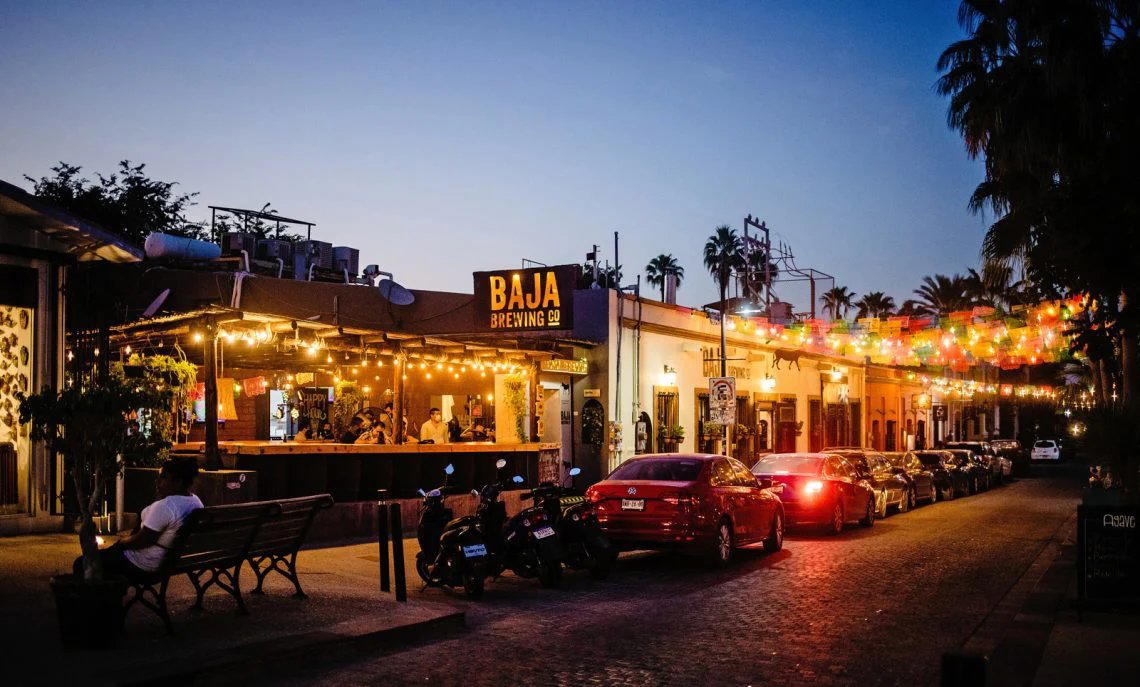
Sunset Monalisa holds the other anchor of this comparison set, deploying a Land's End sunset view as its primary competitive asset. Beach Restaurant's Pacific-facing position means it offers a similar solar event from a different angle and a different social geometry, more resort-intimate, less destination-pilgrimage. Invita Bistro and Asi y Asado compete at lower price points with less emphasis on the water relationship. Baja Brewing and Arts and Sushi address entirely different demand profiles. The practical comparable set for Beach Restaurant is narrow: hotel fine dining with Pacific water access, priced for guests already committed to the Waldorf Astoria envelope.
Globally, Waldorf kitchens operate in cities where the comparison set is external, Le Bernardin in New York or Lazy Bear in San Francisco represent what that external standard looks like in practice. In Los Cabos, the comparison is more self-contained, but the brand signal still carries weight with guests who use it to calibrate expectations before arrival.
Planning a Meal Here
Beach Restaurant sits inside the Waldorf Astoria Los Cabos Pedregal at Cam. del Mar 1, within the gated Pedregal development on the Pacific side of the cape. Access for non-hotel guests goes through the resort, and the tunnel passage to the beach level is part of the experience rather than an inconvenience. Reservations for non-staying guests are advisable, particularly during the peak season running from November through March when Los Cabos occupancy is at its highest. Sunset seating in the October-to-April window, when Pacific swells tend to be calmer and evening temperatures sit in a comfortable range, represents the strongest argument for timing a visit around the natural environment rather than culinary programming alone.
Beach Restaurant operates in a different register than those inland and urban rooms, geography is its primary advantage and its primary responsibility, but the conversation about sourcing, identity, and what it means to cook seriously in Mexico now runs through all of them.
Just the Basics
Comparable venues nearby, for context on price, style, and recognition.
| Venue | Cuisine | Price | Notes |
|---|---|---|---|
| Beach Restaurant - Waldorf Astoria Los Cabos PedregalThis venue — the venue you are viewing | Cabo San Lucas, Coastal Mexican Seafood | $$$ | Not listed |
| SUR Beach House | Not listed | $$$ | Cabo San Lucas, Baja-Inspired Seafood Fusion |
| Mariscos Mazatlán | Not listed | $$ | Cabo San Lucas, Authentic Sinaloa Seafood |
| Aleta | Not listed | $$$ | Cabo San Lucas, Ocean-to-Table Seafood & Sushi |
| Funky Geisha | Cabo San Lucas, Thai-Japanese Fusion | $$$ | Not listed |
| El Farallon | Not listed | $$$$ | Cabo San Lucas, Ocean-to-Table Seafood Fine Dining |
Continue exploring
More in Cabo San Lucas
Restaurants in Cabo San Lucas
Browse all →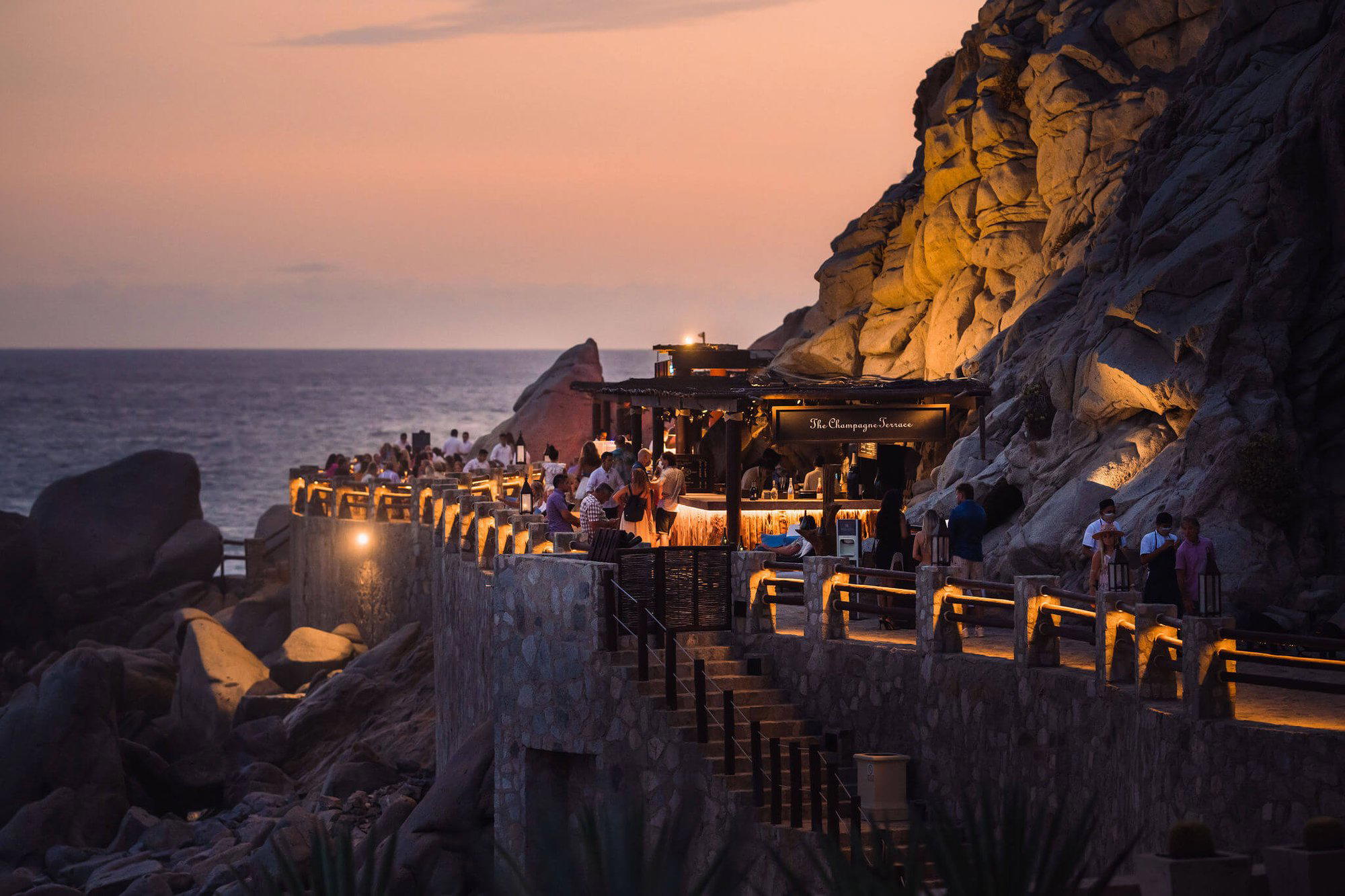
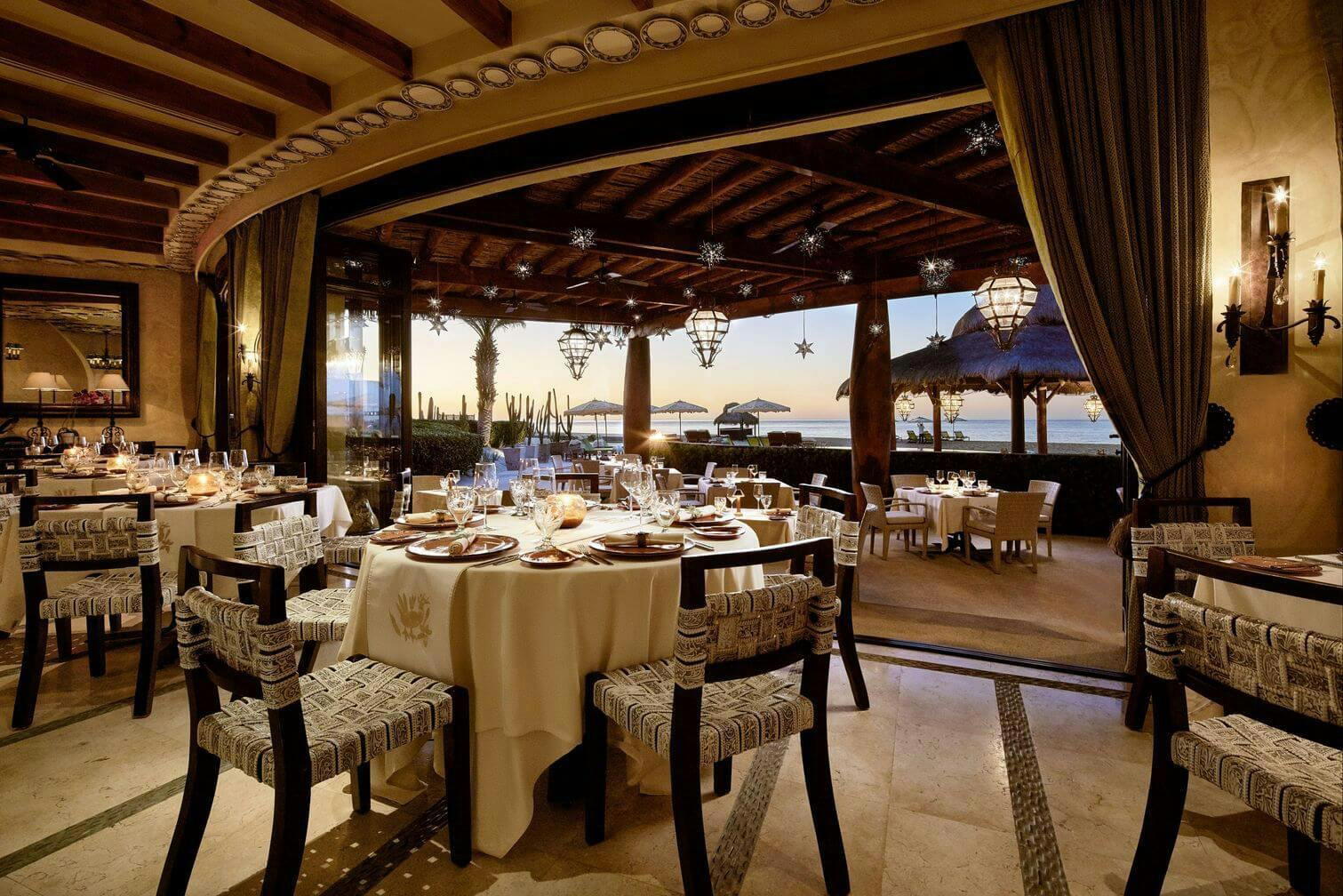
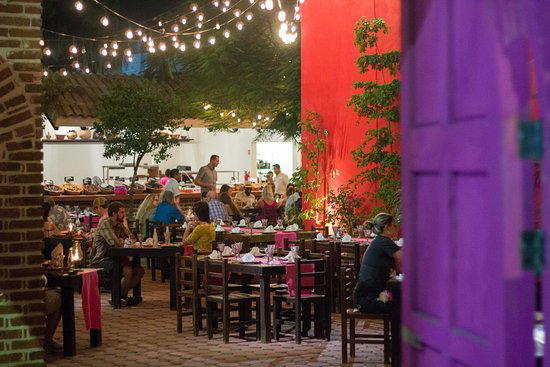
Bars in Cabo San Lucas
Browse all →
At a Glance
- Scenic
- Elegant
- Relaxed
- Sophisticated
- Family
- Casual Hangout
- Brunch
- Waterfront
- Terrace
- Panoramic View
- Hotel Restaurant
- Extensive Wine List
- Beer Program
- Local Sourcing
- Sustainable Seafood
- Waterfront
- Mountain
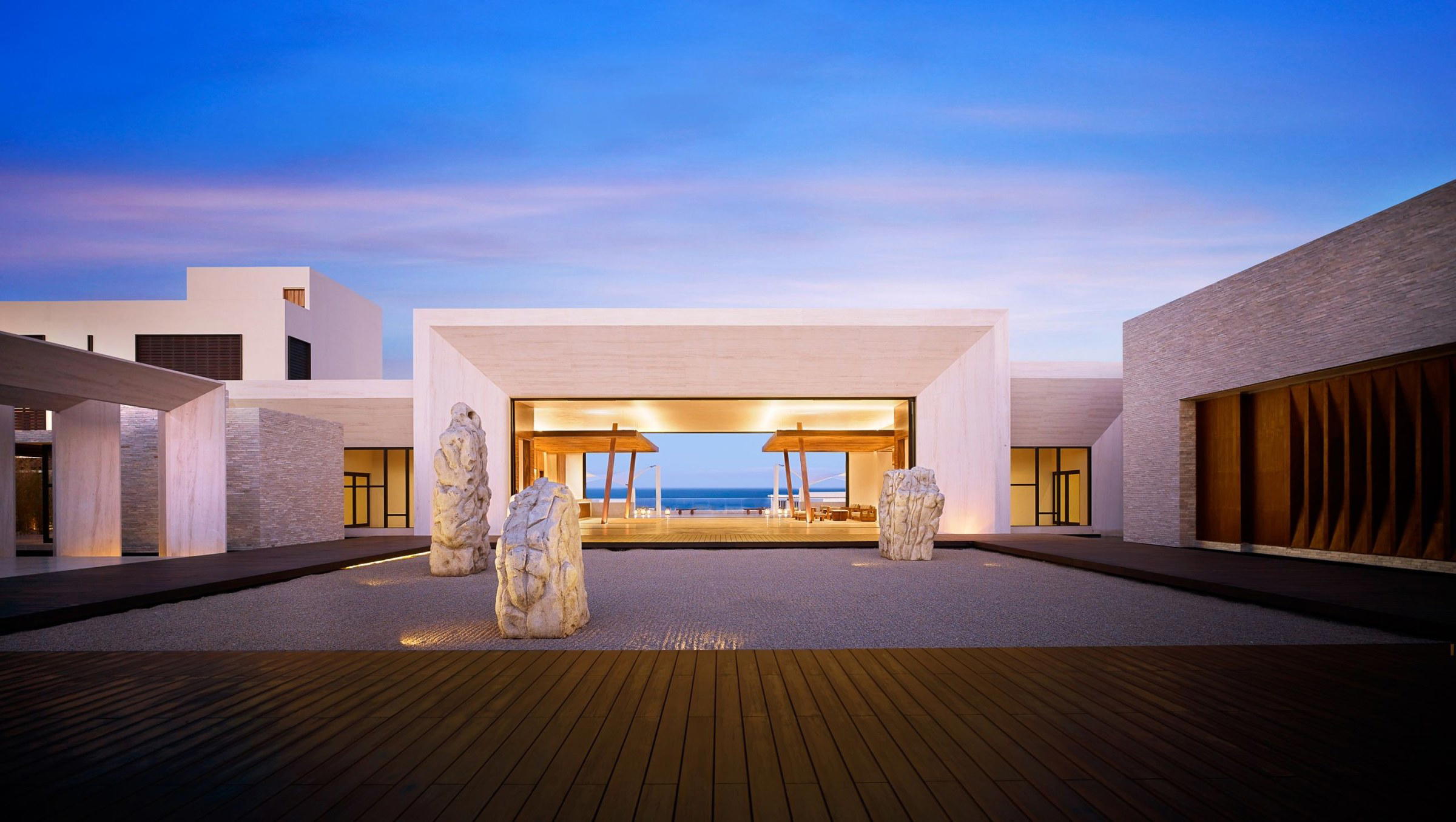
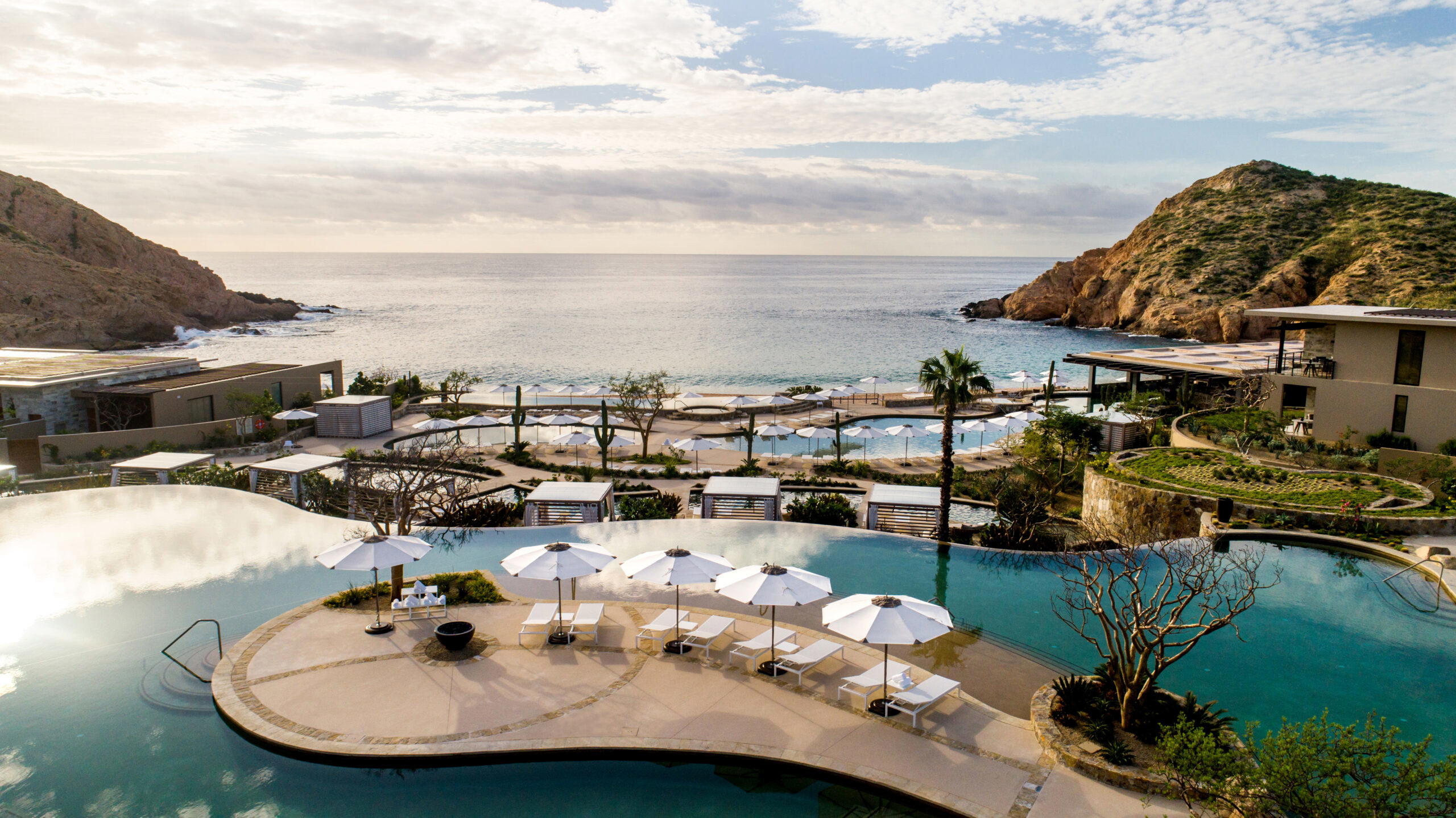
Serene and effortless with natural light from ocean views, gentle Pacific breezes, and a refined yet approachable atmosphere that captures the ephemeral essence of Los Cabos.