Bauernschänke



Michelin Bib Gourmand · Star Wine List
Our verdict
A Michelin Bib Gourmand address on a narrow Zurich alley, Bauernschänke sits at the accessible end of the city's dining spectrum without conceding on either sourcing or craft. Nenad Mlinarevic's menu moves between regional Swiss cooking and well-travelled international ingredients, held together by a commitment to organic, locally grown produce. At the €€ price point, few kitchens in the old town deliver comparable range.

Pearl is the En Primeur Club membership app, where members save venues, book tables and use the concierge.
The menu
What to order
- Schweinebauchgröstel
- Pulled_Pork_Belly
A Lane in the Old Town, and What It Costs to Eat Well There
Rindermarkt is the kind of address that Zurich's old town occasionally produces: a narrow alley in the 8001 postcode that feels, at first approach, like it belongs to an earlier city. The buildings press close, the scale is domestic rather than monumental, and the signage for Bauernschänke gives nothing away about the kitchen inside. That studied understatement is, in a sense, the first signal about what the meal will cost and what it will deliver.
Zurich's central restaurant market has stratified sharply over the past decade. At the upper end, addresses like The Counter (Creative) and IGNIV Zürich by Andreas Caminada (Sharing) operate at the €€€€ tier, with Michelin star recognition priced accordingly. The middle band, from €€€ houses like Widder (Swiss) down, covers a broad range of formats. Bauernschänke sits at €€, which in Swiss franc terms still implies a serious meal, but the ratio of what arrives on the plate to what leaves the wallet is where the kitchen earns its Michelin Bib Gourmand. The Bib, awarded in 2024, is specifically the guide's marker for meals that deliver quality at a price considered reasonable for the city in question. In Zurich, that distinction carries more weight than in most European capitals.
The Room and the Register of the Place
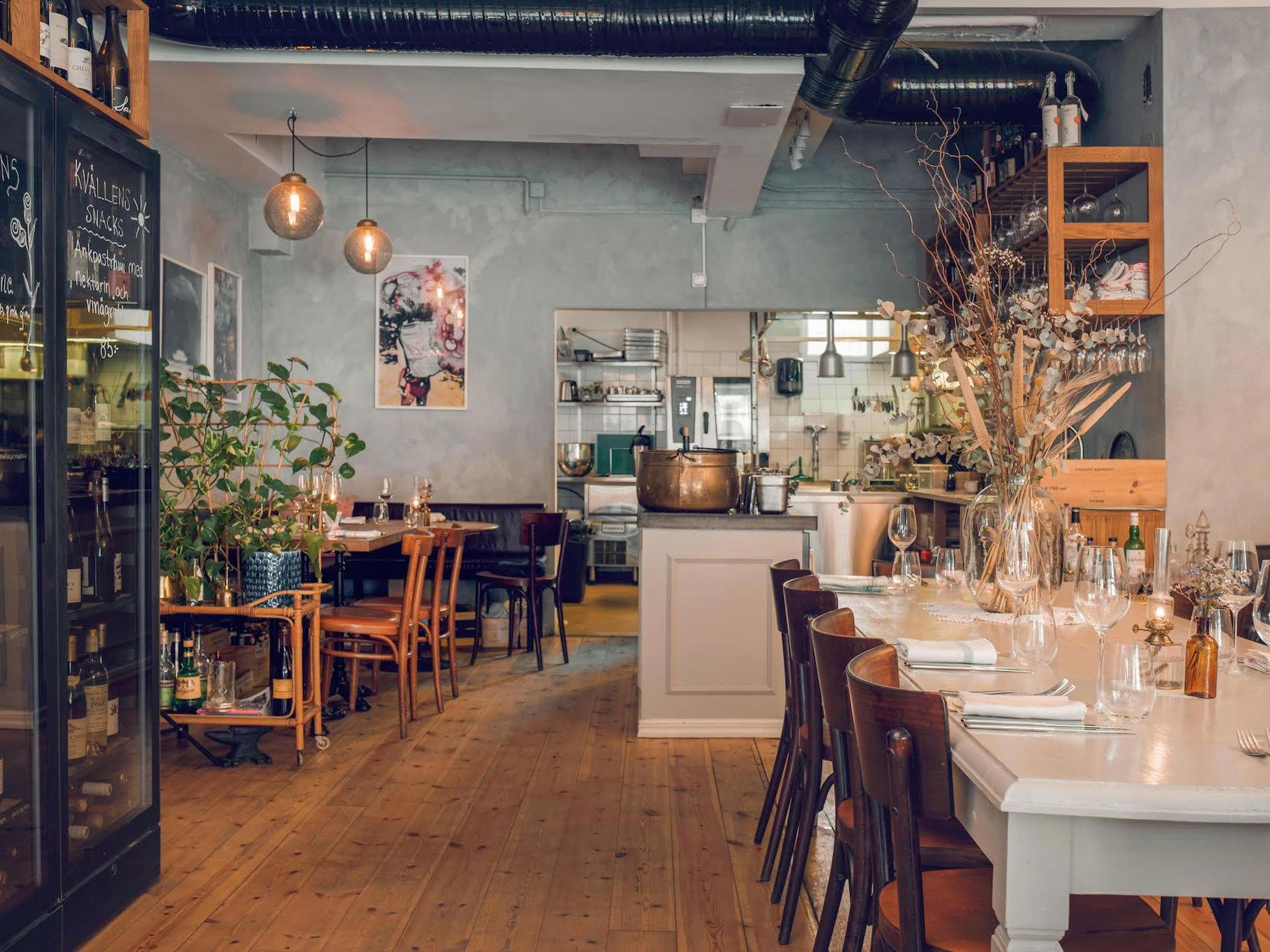
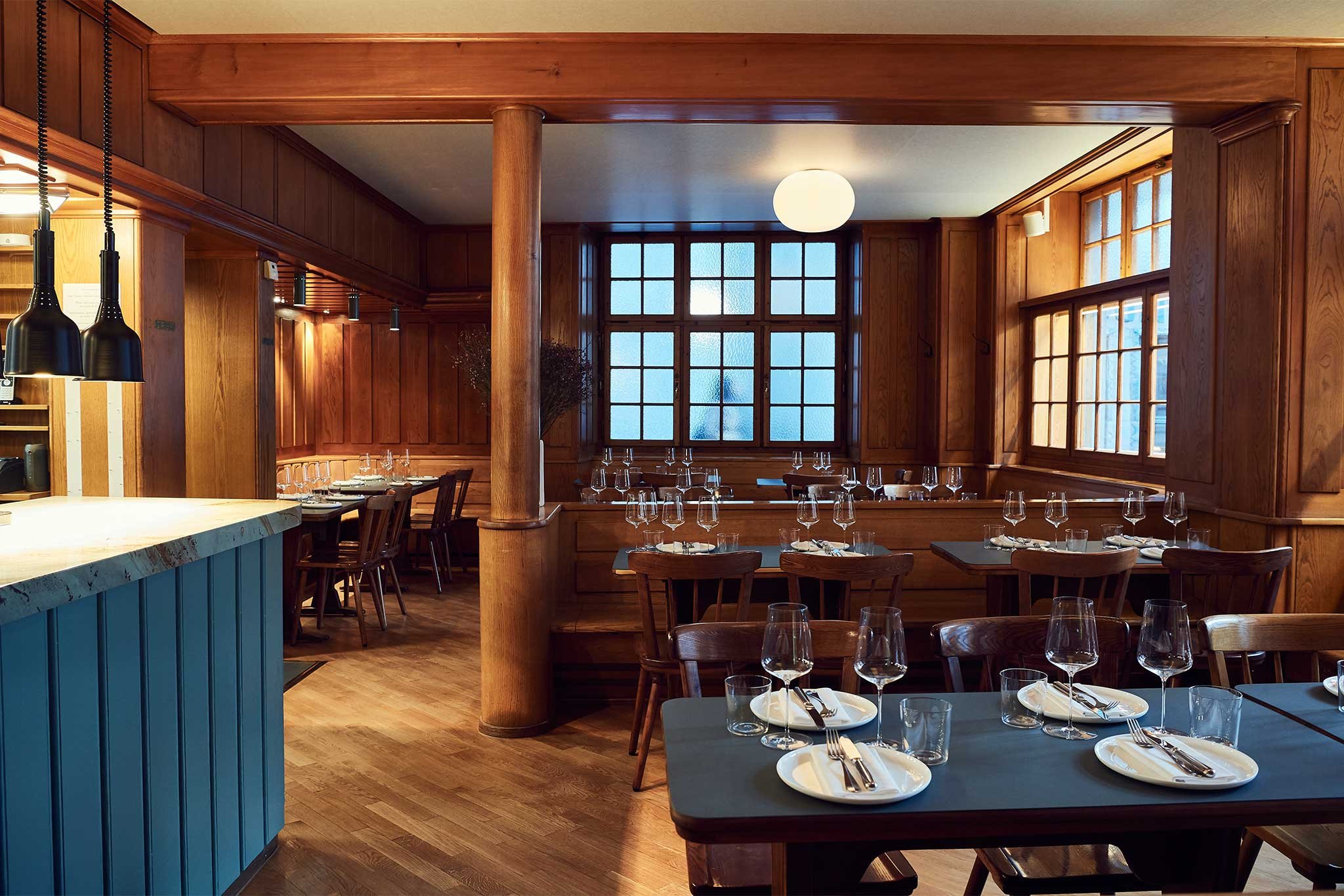
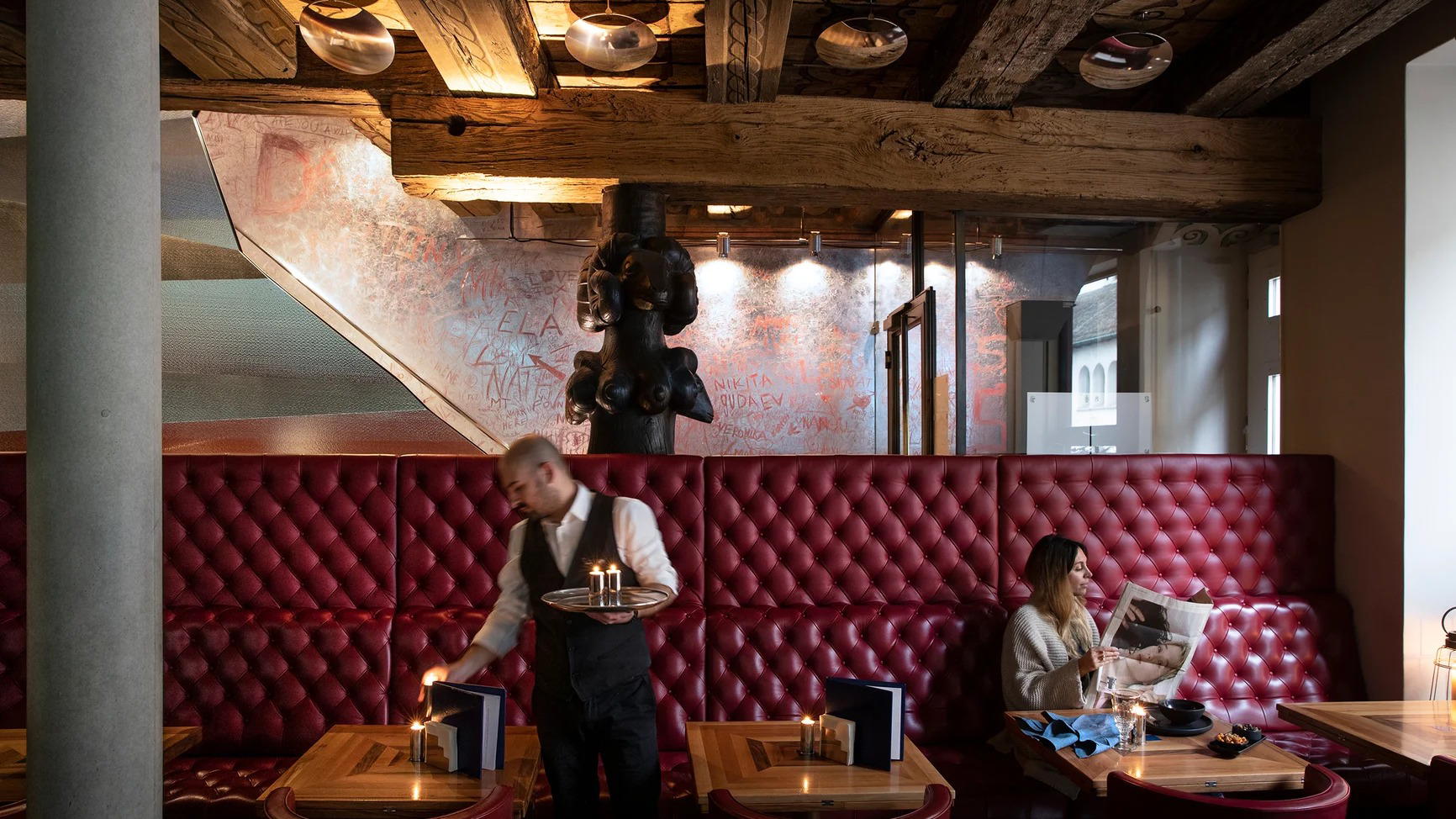
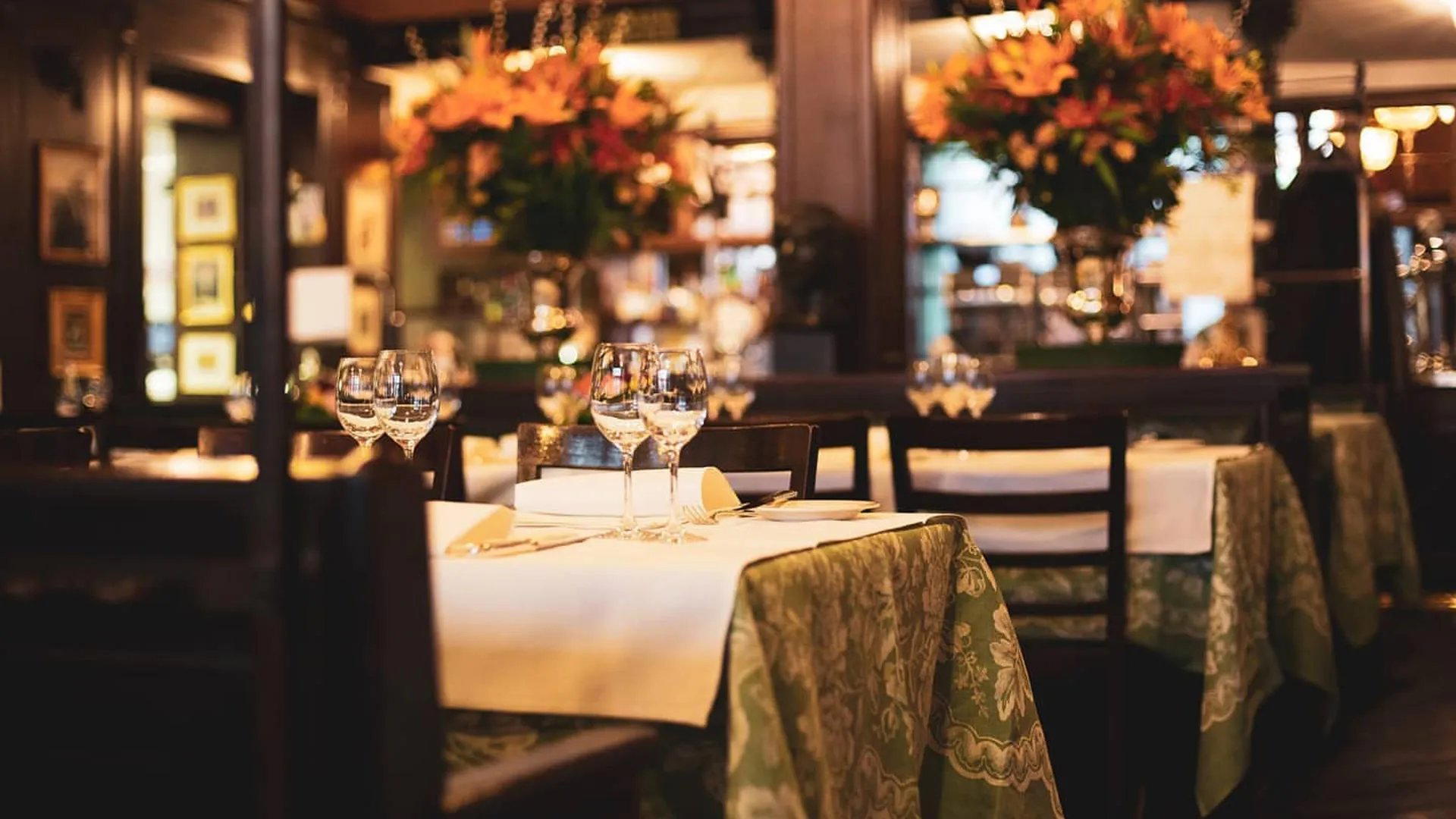
Inside, the setting is historical without being preserved in amber. The rustic, cosy character of the dining room places it in a lineage of Swiss country-inn interiors: worn materials, warmth, a sense that the room has absorbed a few centuries of meals without making a fuss about it. The atmosphere is convivial rather than reverential, which suits the format. This is not a room designed around silence and ceremony; it is a room designed to make sharing a meal feel easy. That quality is neither accidental nor decorative. It reflects a deliberate positioning as a neighbourhood meeting point rather than a destination for occasions requiring advance justification.
The staff's readiness to guide wine choices is consistent with that register. The list is international and includes a range of natural wines, unfiltered and sulfite-free, selected with enough care to reward conversation rather than requiring expertise from the diner. Options narrow somewhat at lunch, which is worth knowing when planning a visit.
What the Menu Actually Does
The kitchen operates under Nenad Mlinarevic as Creative Director, with a sourcing commitment to organic, locally grown produce that is not incidental but structural. The menu's logic is not purist regionalism. It moves between Swiss vernacular cooking and international ingredients with a confidence that comes from knowing which of those registers to apply to which product.
Michelin citation gives a clear picture of the range: king mackerel with radicchio tardivo, coconut and calamansi sits alongside pork belly gröstel, the traditional Tyrolean potato-based fry-up, served with cucumber and butterhead lettuce. The first dish signals a kitchen comfortable sourcing beyond the Alps; the second grounds the menu in a central European country-cooking tradition that Bauernschänke treats as a live reference rather than a nostalgic one. 21.9, Country cooking in Piobesi d'Alba and Andrea Monesi - Locanda di Orta in Orta San Giulio offer points of comparison for the country-cooking format in northern Italy, where the same tension between regional tradition and contemporary technique plays out across a different ingredient palette.
Diners can order à la carte or commit to a five-course surprise menu. The latter is the more instructive choice if you want to understand how the kitchen thinks: the sequence will move across both registers, and the element of surprise is a reasonable trade for the coherence of a menu built by the kitchen rather than assembled by the diner. For those who prefer to control the selection, à la carte is available without restriction.
The Value Proposition in a City That Tests It
Switzerland applies pressure to any conversation about value in dining. The cost of labour, ingredients, and real estate in Zurich means that the €€ price band here corresponds to what would be a mid-to-upper bracket meal in most other European cities.
Comparing Bauernschänke directly to starred Zurich addresses like The Restaurant (Creative) or the formally plated rooms at ROSI would misframe the question. The relevant comparison is within its own tier: what other €€ addresses in central Zurich are sourcing from certified organic producers, maintaining a natural wine list, and receiving Michelin recognition? The answer narrows the field considerably. For a broader view of Switzerland's starred dining at higher price points, Schloss Schauenstein in Fürstenau, Hotel de Ville Crissier in Crissier, Cheval Blanc by Peter Knogl in Basel, Memories in Bad Ragaz, and 7132 Silver in Vals map the upper range of the country's fine-dining circuit. Colonnade in Lucerne offers a further regional point of reference outside the city.
Volume of ratings at that score implies consistent delivery, which at the €€ tier is harder to sustain than at higher price points where tighter covers and larger margins give the kitchen more control.
Planning the Meal
Bauernschänke is at Rindermarkt 24 in the 8001 postcode, the historical core of Zurich's old town. The address is walkable from most central accommodation. Lunch service runs with a reduced wine selection, so an evening visit gives access to the full list. For context on where this fits in Zurich's broader dining, drinking, and accommodation picture, our full Zurich restaurants guide, our full Zurich hotels guide, our full Zurich bars guide, our full Zurich wineries guide, and our full Zurich experiences guide cover the city in full.
Frequently asked questions
What is the atmosphere like at Bauernschänke?
The dining room sits in a historical building on a narrow alley in Zurich's 8001 old-town postcode. The interior runs to rustic, cosy materials that read as country-inn rather than urban-minimalist. The tone is convivial: the room works for shared meals and conversation rather than formal occasions. At the €€ price point with a Michelin Bib Gourmand (2024), the atmosphere is consistent with the broader positioning as a neighbourhood-anchored address that happens to cook at a level the guide finds worth marking.
What should I eat at Bauernschänke?
The five-course surprise menu gives the clearest read on how Nenad Mlinarevic's kitchen moves between Swiss regional cooking and international ingredients. If you prefer to select, the à la carte covers both registers: dishes like pork belly gröstel represent the Tyrolean country-cooking tradition the restaurant treats as a live reference, while preparations using ingredients like king mackerel, coconut, and calamansi show where the kitchen's sourcing extends beyond the region. The Michelin Bib Gourmand (2024) validates the range across both directions.
City Peers
| Venue | Cuisine | Price | Awards | Notes |
|---|---|---|---|---|
| BauernschänkeThis venue (the venue you are viewing) | Modern Swiss Small Plates | $50–100 | Michelin Bib Gourmand · Star Wine List | Not listed |
| IGNIV Zürich by Andreas Caminada | Modern Swiss Fusion Sharing | $150–200 | 2 Michelin Stars · La Liste Top Restaurants | Sharing |
| KLE | Modern Vegan Fine Dining | $100–150 | 1 Michelin Star · The Best Chef One Knife | Vegan |
| Kronenhalle | Classic Swiss Fine Dining | $100–150 | Michelin Plate · World's 50 Best #32 | Swiss, Traditional Cuisine |
| The Counter | Modern Cosmopolitan Omakase with East Asian Influences | $300–500 | 2 Michelin Stars · La Liste Top Restaurants | Creative |
| Eden Kitchen & Bar | Mediterranean-Italian | $100–150 | 1 Michelin Star · Falstaff Bar - 94 Falstaff Points | Italian |
Recognition history
Dated appearances from independent guides and award organizations, with the underlying list record or original source where available.
Michelin Bib Gourmand
Michelin
Star Wine List
Star Wine List
Opinionated About Dining Top Restaurants in Europe Recommended
Opinionated About Dining
Full recognition history (4 entries)
Michelin Bib Gourmand
Michelin
Continue exploring
More in Zürich
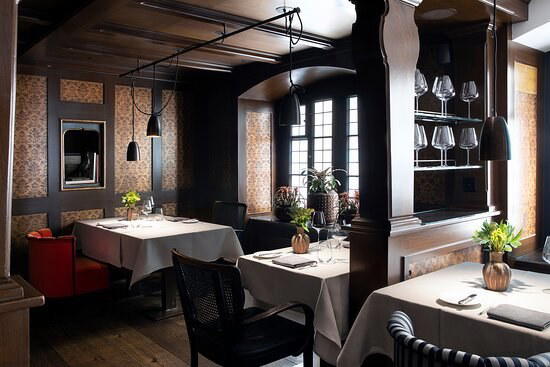
Restaurants in Zürich
All restaurants in Zürich →
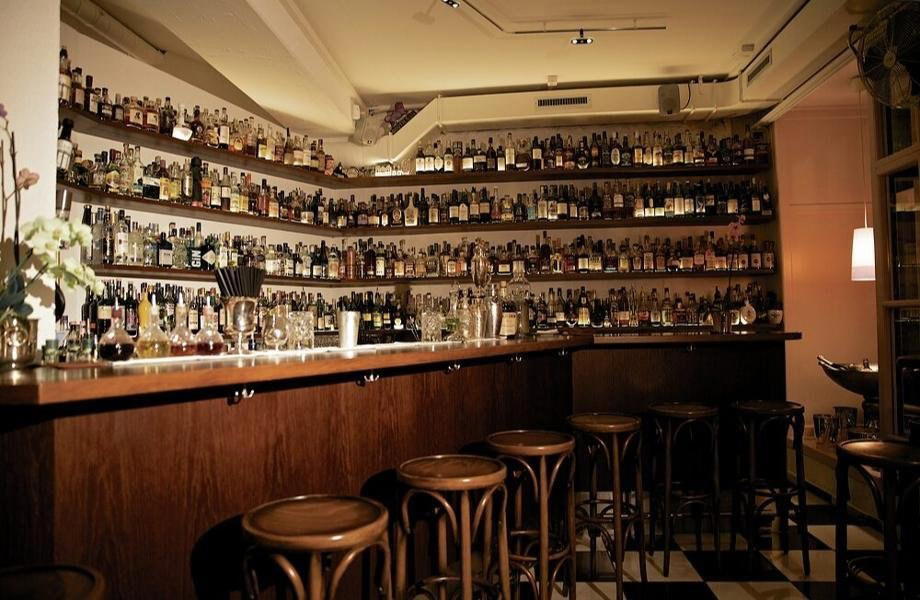
Bars in Zürich
All bars in Zürich →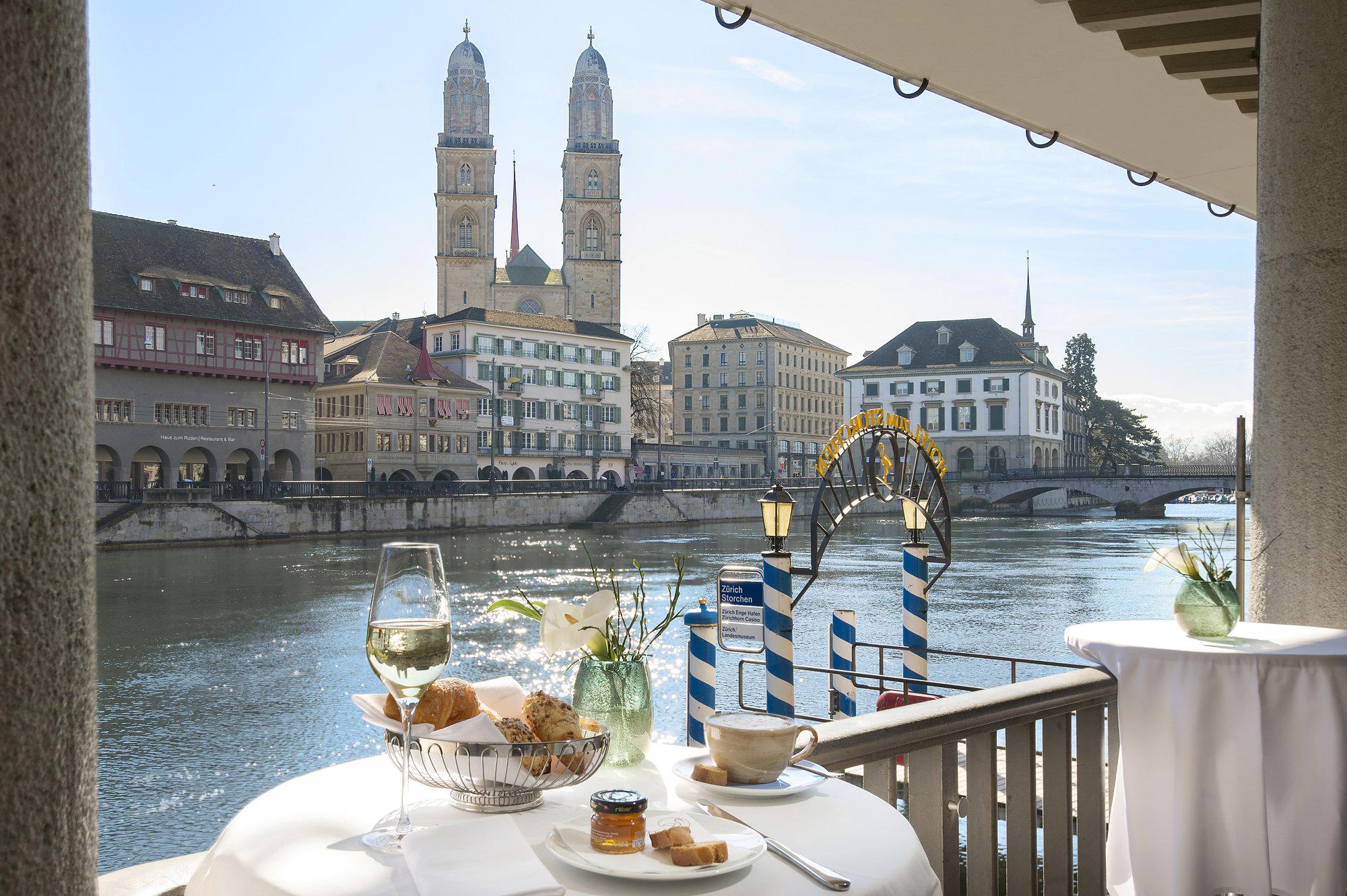

Details
- Rustic
- Cozy
- Classic
- Casual Hangout
- Group Dining
- Historic Building
- Natural Wine
- Local Sourcing
- Organic
- A La Carte
- Small Plates
- Vegetarian Friendly
Current opening hours
- Monday
- 6 PM–12 AM
- Tuesday
- 11:30 AM–1:30 PM, 6 PM–12 AM
- Wednesday
- 11:30 AM–1:30 PM, 6 PM–12 AM
- Thursday
- 11:30 AM–1:30 PM, 6 PM–12 AM
- Friday
- 11:30 AM–1:30 PM, 6 PM–12 AM
- Saturday
- 12–3 PM, 6 PM–12 AM
- Sunday
- Closed
Hours can change for holidays and private events. Hours as of .
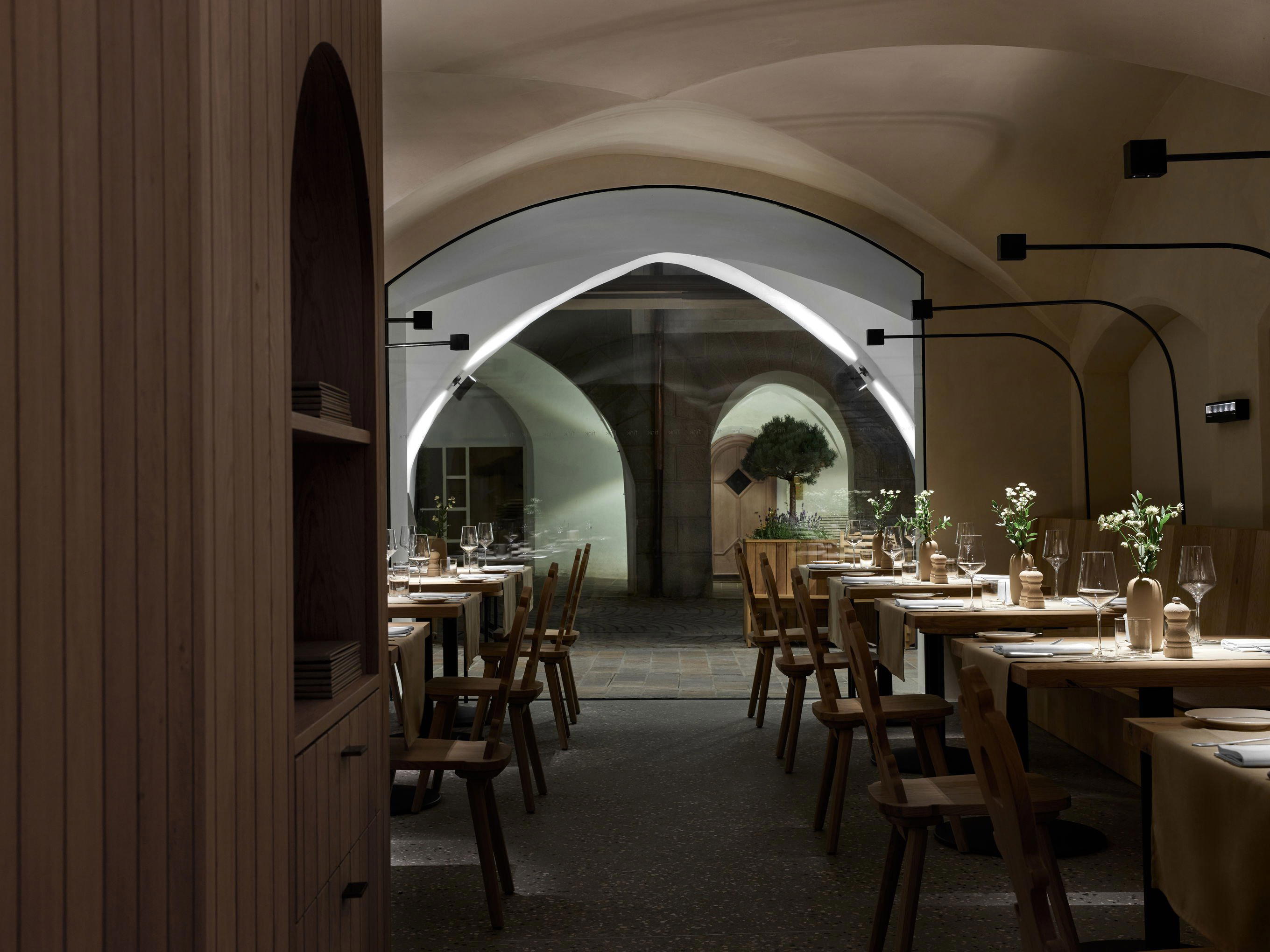
Cozy rustic atmosphere with wooden walls, tables, benches, and warm inviting historic gaststube lighting.