Basque Cultural Center
Our verdict
The Basque Cultural Center in South San Francisco is one of the Bay Area's most singular expressions of Basque-American communal dining, where the tradition of long, shared tables and poured-wine hospitality has held firm for decades. Located at 599 Railroad Ave, it draws visitors seeking the kind of meal defined by ritual and generosity rather than tasting-menu precision. For context on the broader South San Francisco dining scene, see our full city guide.

Pearl is the En Primeur Club membership app, where members save venues, book tables and use the concierge.
The menu
What to order
- Cassoulet
- Rack of Lamb
- Duck Confit
A Room That Tells You How to Eat Before the Food Arrives
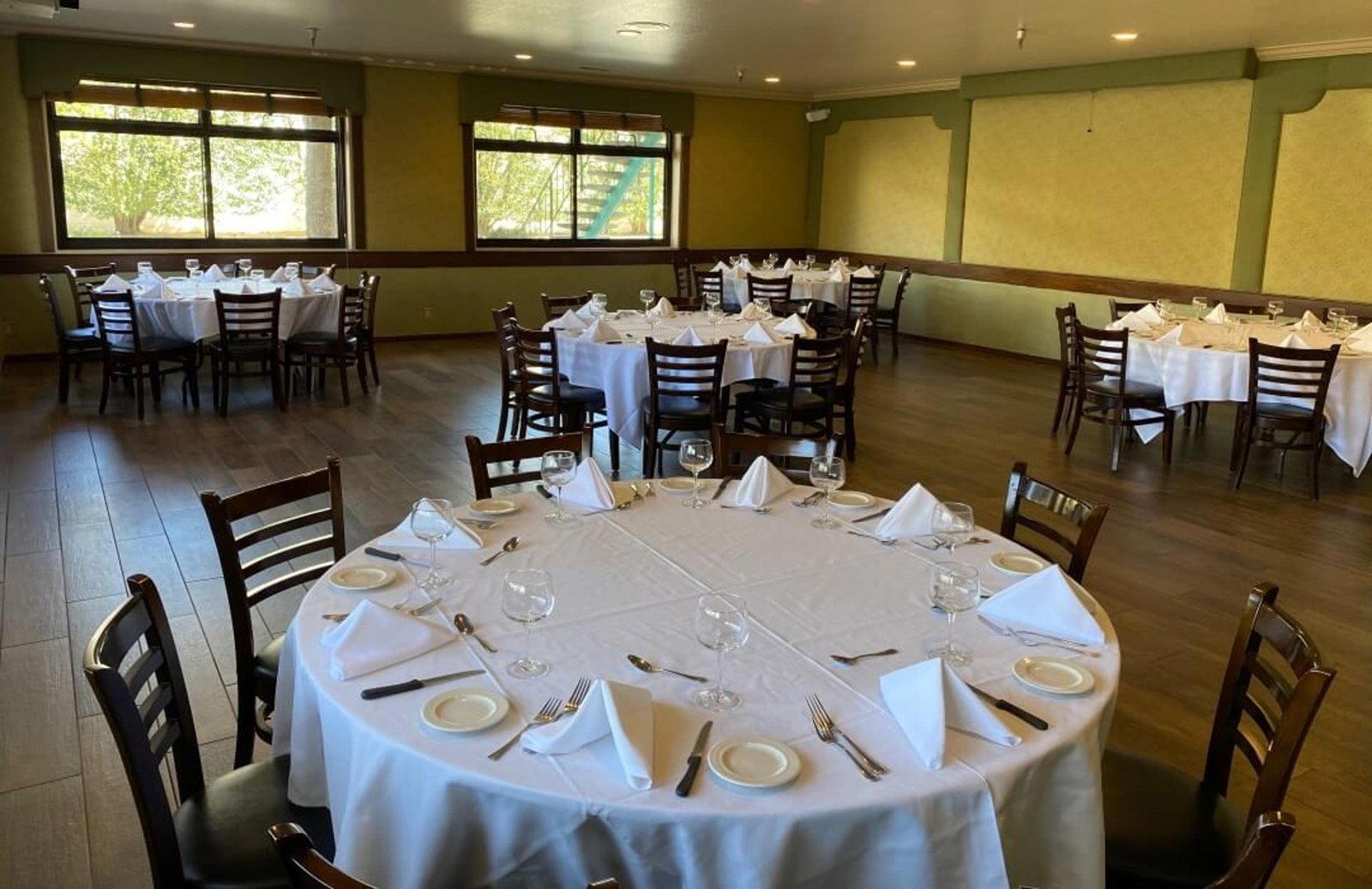
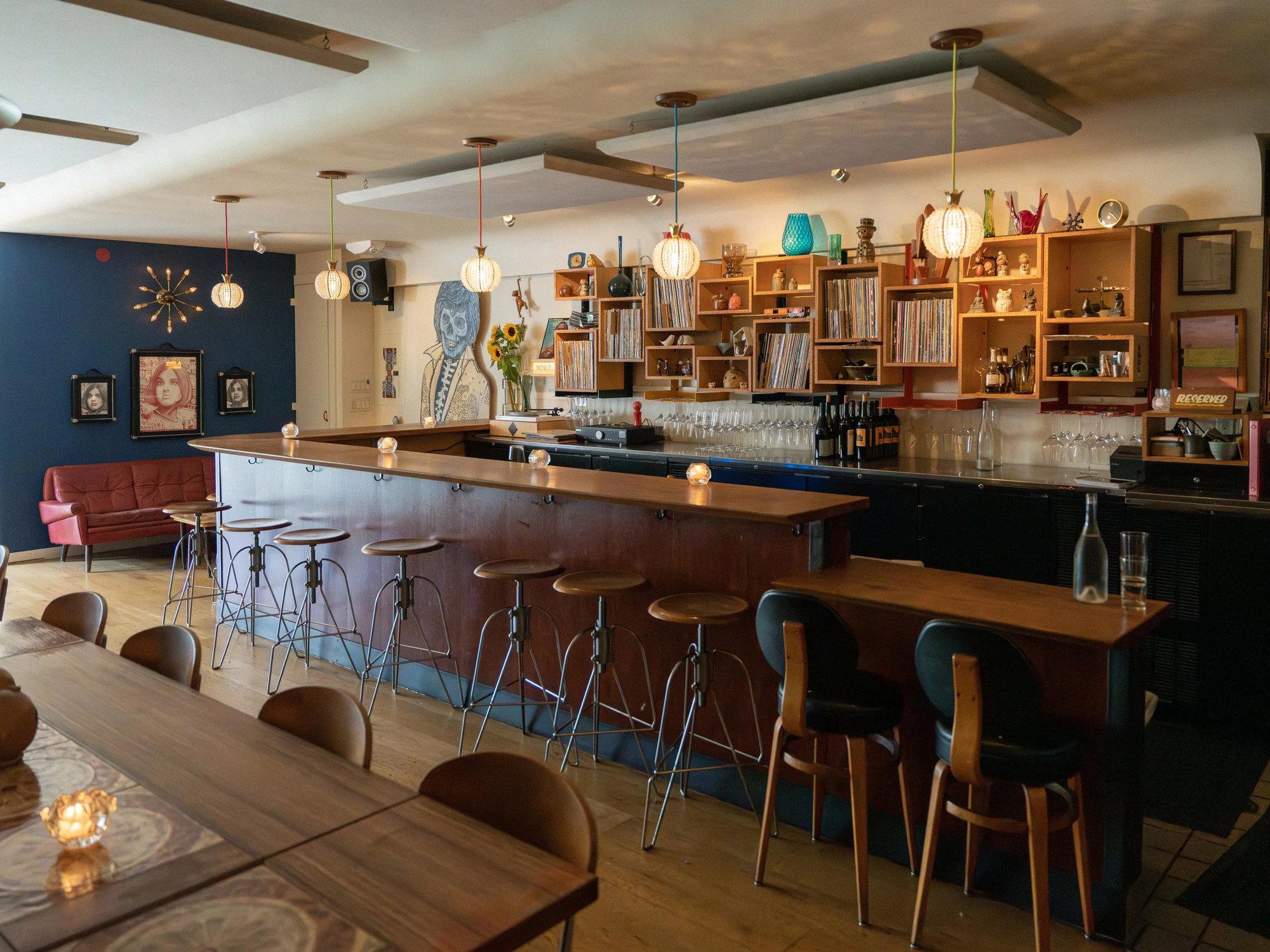
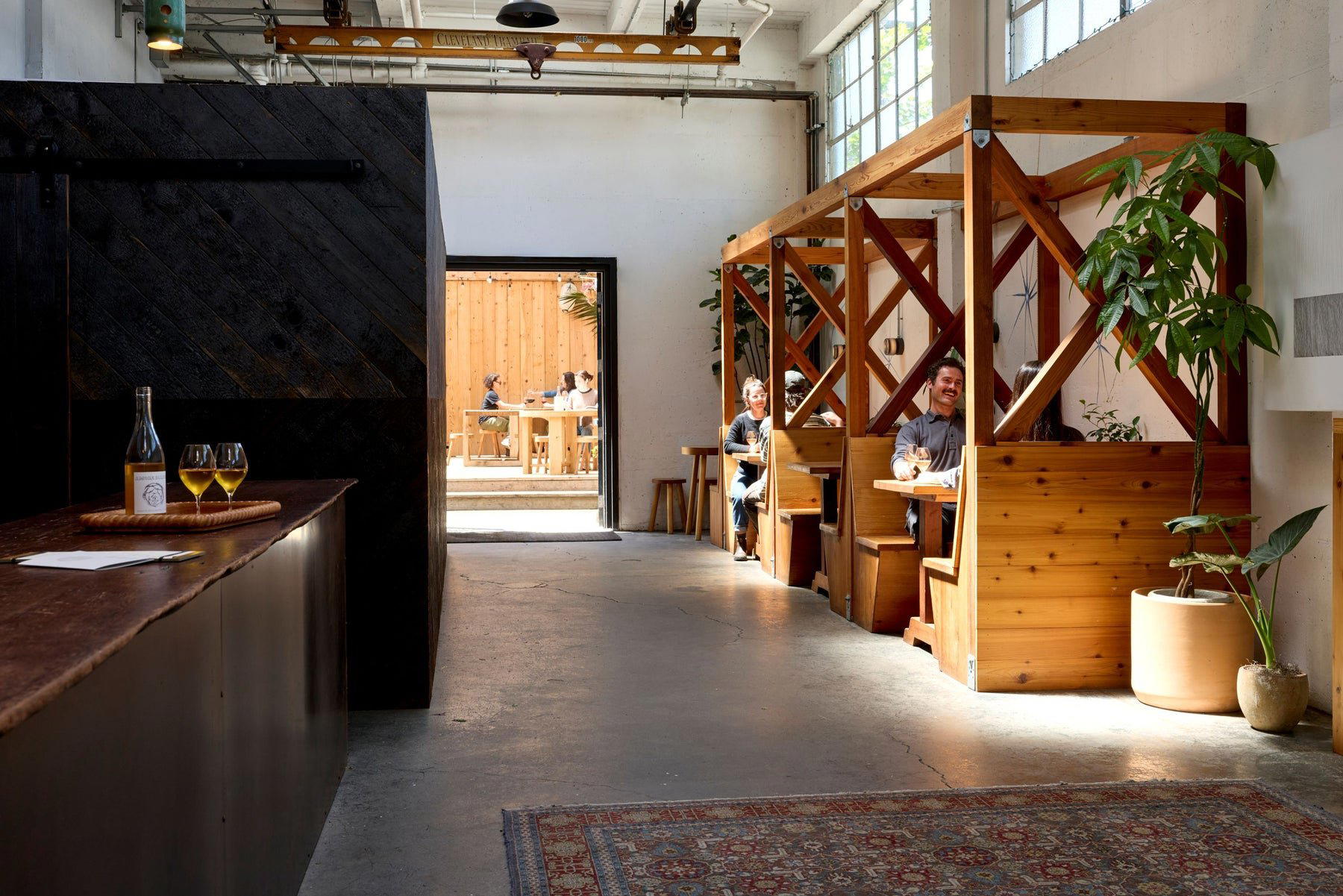
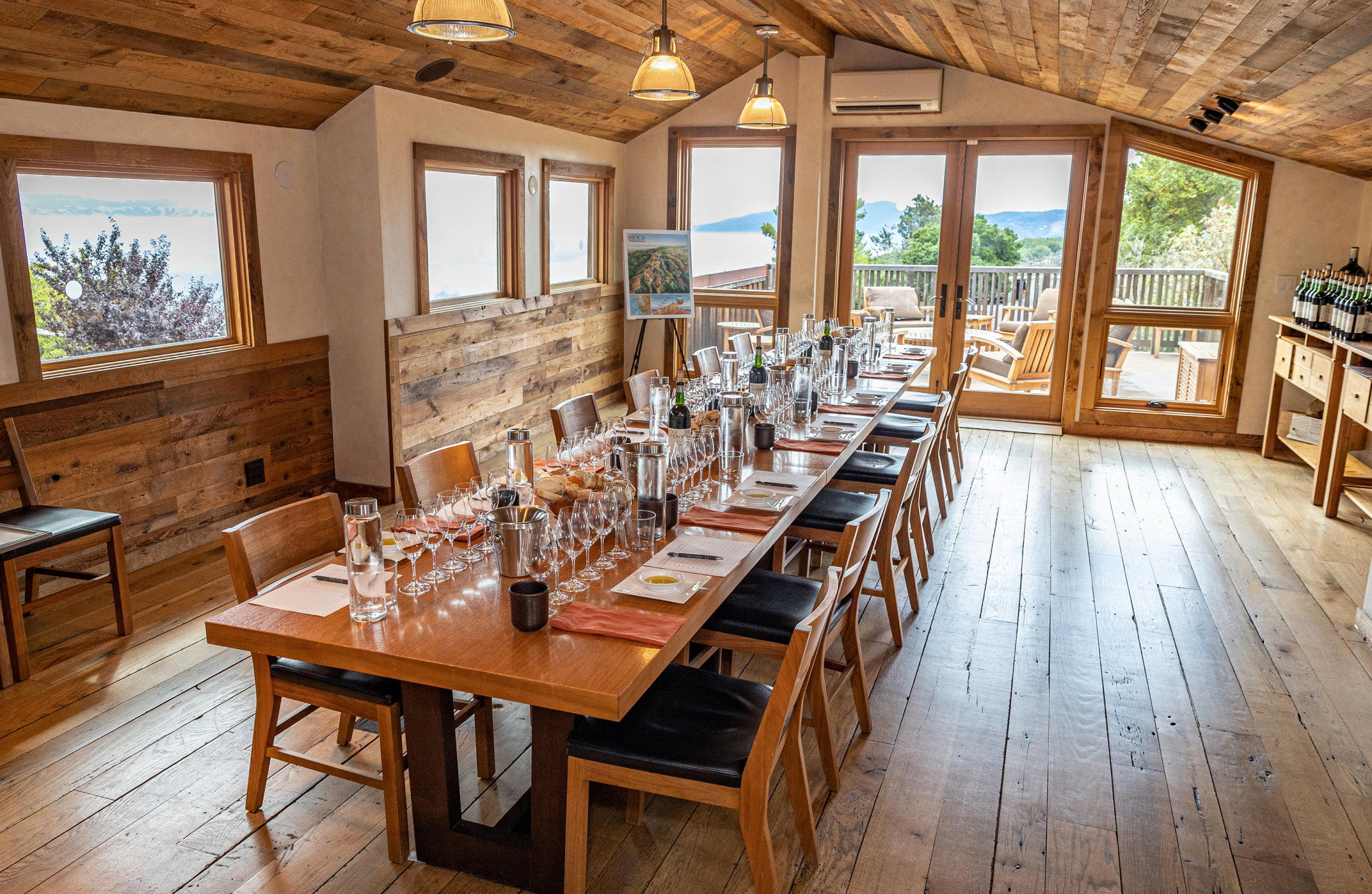
There are dining rooms that instruct you through their architecture. The Basque Cultural Center on Railroad Avenue in South San Francisco is one of them. The space carries the no-apology functionality of a community hall: long rows of tables set for shared seating, a bar that looks like it has been pouring picon punch since before California wine country became a marketing category, and a sense that the meal you are about to have follows a structure older than the menu itself. This is Basque dining as it was imported to the American West by shepherds and laborers in the nineteenth and early twentieth centuries, a format built around abundance, sequence, and the expectation that strangers will be eating alongside you.
South San Francisco's dining scene runs across a wide register. You can eat Lebanese at Amoura, Italian at Andiamo in Banca or Buon Gusto, or start the day at the no-nonsense counter of JoAnn's Cafe. The Basque Cultural Center occupies its own category within that mix, functioning less as a restaurant than as a living institution. It exists for a community first and tourists second, which is precisely what makes it worth visiting.
The Logic of the Basque Table
American Basque dining evolved from the boarding house tradition of the Basque Hotel, a format common across Nevada, Idaho, and coastal California from the late 1800s through the mid-twentieth century. The structure was always the same: a fixed price, a procession of courses, communal seating, and wine poured without ceremony into glasses that get refilled as a matter of course rather than a sales prompt. The Basque Cultural Center in South San Francisco is one of a small number of venues in California that has maintained this model into the present era.
Understanding that tradition reframes how you experience the meal. The courses are not curated in the way a tasting menu at Lazy Bear in San Francisco or Single Thread Farm in Healdsburg might be, moving from one highly composed plate to the next with narrative intent. Here, the sequence follows the logic of sustained hospitality: soup, salad, a vegetable course, a protein, dessert. It is generous in volume because the original function was feeding workers, not impressing critics. That context does not diminish the experience; it grounds it in something the precision-driven fine dining world has largely abandoned.
Compared to the architecture of meals at places like The French Laundry in Napa or Le Bernardin in New York City, where pacing is controlled to the minute and each course carries a distinct statement, Basque communal dining operates on a different axis entirely. The meal moves when it moves. You are expected to settle in, not optimize.
What You Are Eating and Why It Matters
Basque cuisine in the American context draws from the same pantry as its Iberian source: salt cod, lamb, oxtail, chorizo, beans cooked low and long, and the quiet authority of olive oil. These are not trend-driven ingredients. They are the staples of a pastoral people who crossed an ocean and kept cooking what they knew. At communal Basque tables, the individual dish is rarely the point. The cumulative effect of the meal is.
What can be stated with confidence is that the format, a set-price, multi-course family-style service, has been the organizing principle of American Basque restaurants across the West for well over a century. Within that format, lamb preparations and salt cod (bacalao) have been the anchoring proteins in this tradition wherever it has been practiced. If you are eating here for the first time, follow the sequence as it comes rather than editing around it.
This same approach to trusting the host's sequence over personal customization holds at very different price points. At Atomix in New York City or Smyth in Chicago, the kitchen controls the arc of the meal by design. At the Basque Cultural Center, the format does the same work through tradition rather than choreography.
The Community Dimension
The Basque Cultural Center is not solely a restaurant. It is the seat of the Basque community in South San Francisco, hosting festivals, folk dancing events, and cultural programming throughout the year. Dining here during a festival weekend places you inside a living practice rather than a preserved one: mus card games in the bar, children running through the hall, adults in txapela berets who have been coming here for generations. The dining room during those periods operates at a different register than a quiet mid-week lunch.
This dual identity as cultural institution and public dining room puts the Basque Cultural Center in a category that few North American venues occupy. It is closer in spirit to the cultural dining associations of the Pays Basque in France than to a conventional restaurant operation. The comparison point is not Blue Hill at Stone Barns in Tarrytown or Addison in San Diego; it is the communal dining halls that have served as social infrastructure for immigrant communities across California.
Planning Your Visit
The Basque Cultural Center is located at 599 Railroad Ave, South San Francisco, CA 94080. Arriving without a reservation on a busy event weekend is a risk worth avoiding.
Dress informally. The room does not reward effort in that direction, and overdressing creates the wrong distance from the experience. Budget-wise, Basque communal dining in the American tradition has historically been priced at the accessible end of sit-down dining, though current pricing should be confirmed directly with the venue. Wine is part of the format and typically included or priced simply.
For a broader picture of where this experience sits within the city's dining options, see our full South San Francisco restaurants guide. If your interest extends to other California dining worth the drive, Providence in Los Angeles represents the opposite pole of the California dining spectrum, and the contrast illuminates what each is doing. Other reference points for understanding how culinary tradition and place interact include Emeril's in New Orleans, The Inn at Little Washington, and, for a European parallel in institutional cooking rooted in landscape, Atelier Moessmer Norbert Niederkofler in Brunico.
Also worth noting in the South San Francisco neighborhood: Garden Club represents a contrasting dining register in the same city, useful context for understanding how varied the local options have become.
Frequently asked questions
What's the address for Basque Cultural Center?
Basque Cultural Center is located at 599 Railroad Ave, South San Francisco, CA 94080, South San Francisco.
What is the Basque Cultural Center beyond its dining room?
The center in South San Francisco functions as the organizational seat of the local Basque community, hosting folk dancing, cultural festivals, and community events throughout the year. The dining room operates within that broader context, meaning a visit on an event day delivers a materially different atmosphere than a standard service. It is one of the few venues in the Bay Area where the cuisine and the living culture it comes from occupy the same building.
What should I order at Basque Cultural Center?
The format is set-price and multi-course, so the kitchen determines the sequence rather than individual dish selection. This follows the boarding house tradition common to Basque institutions across California, Nevada, and Idaho, where the table receives a full progression without a conventional menu. Arriving hungry and prepared to eat communally is the operative strategy.
Is Basque Cultural Center reservation-only?
Community-run Basque dining institutions in California have historically required advance reservations, particularly around festivals, folk dancing events, and weekends when the broader community gathers at 599 Railroad Ave. Contacting the center directly before visiting is advisable, especially if your timing coincides with a scheduled cultural event.
Cuisine-First Comparison
| Venue | Cuisine | Price | Awards |
|---|---|---|---|
| Basque Cultural CenterThis venue (the venue you are viewing) | Traditional French-Basque | $30–50 | Not listed |
| Amoura | Eastern Mediterranean | $30–50 | Not listed |
| Andiamo in Banca | Authentic Italian | Not listed | Wine Spectator Award of Excellence |
| Buon Gusto | Traditional Southern Italian | $30–50 | Not listed |
| Garden Club | Traditional American Family Style | $20–30 | Not listed |
| JoAnn's Cafe | Classic American Diner Breakfast | $10–20 | Not listed |
Continue exploring
More in South San Francisco
Restaurants in South San Francisco
All restaurants in South San Francisco →
Bars in South San Francisco
Browse all →
Details
- Classic
- Cozy
- Group Dining
- Family
- Celebration
- Private Event
- Private Dining
- Prix Fixe
- A La Carte
- Vegetarian Friendly
Current opening hours
- Monday
- Closed
- Tuesday
- 11 AM–2 PM, 5–8:30 PM
- Wednesday
- 11 AM–2 PM, 5–8:30 PM
- Thursday
- 11 AM–2 PM, 5–8:30 PM
- Friday
- 11 AM–2 PM, 5–8:30 PM
- Saturday
- 11 AM–2 PM, 5–8:30 PM
- Sunday
- 11 AM–2 PM, 5–8:30 PM
Hours can change for holidays and private events. Hours as of .
Warm, unpretentious French country-style atmosphere with hearty comfort food served in a cultural center setting.