Basalt
Our verdict
Basalt belongs to Umluj’s emerging Red Sea dining circuit, where resort restaurants are judged as much by setting and sourcing discipline as by formal culinary labels. Its mountain location gives the meal a sharper sense of place than a generic hotel dining room, especially in a region where seafood, desert produce, and luxury-development logistics increasingly shape the table.

Pearl is the En Primeur Club membership app — saves, bookings, and concierge access live there. Same editors, same standards.
- Address
- Desert Rock Mountain, Umluj, Saudi Arabia
- Phone
- +966 58 025 7518
- Directions
- Get directions
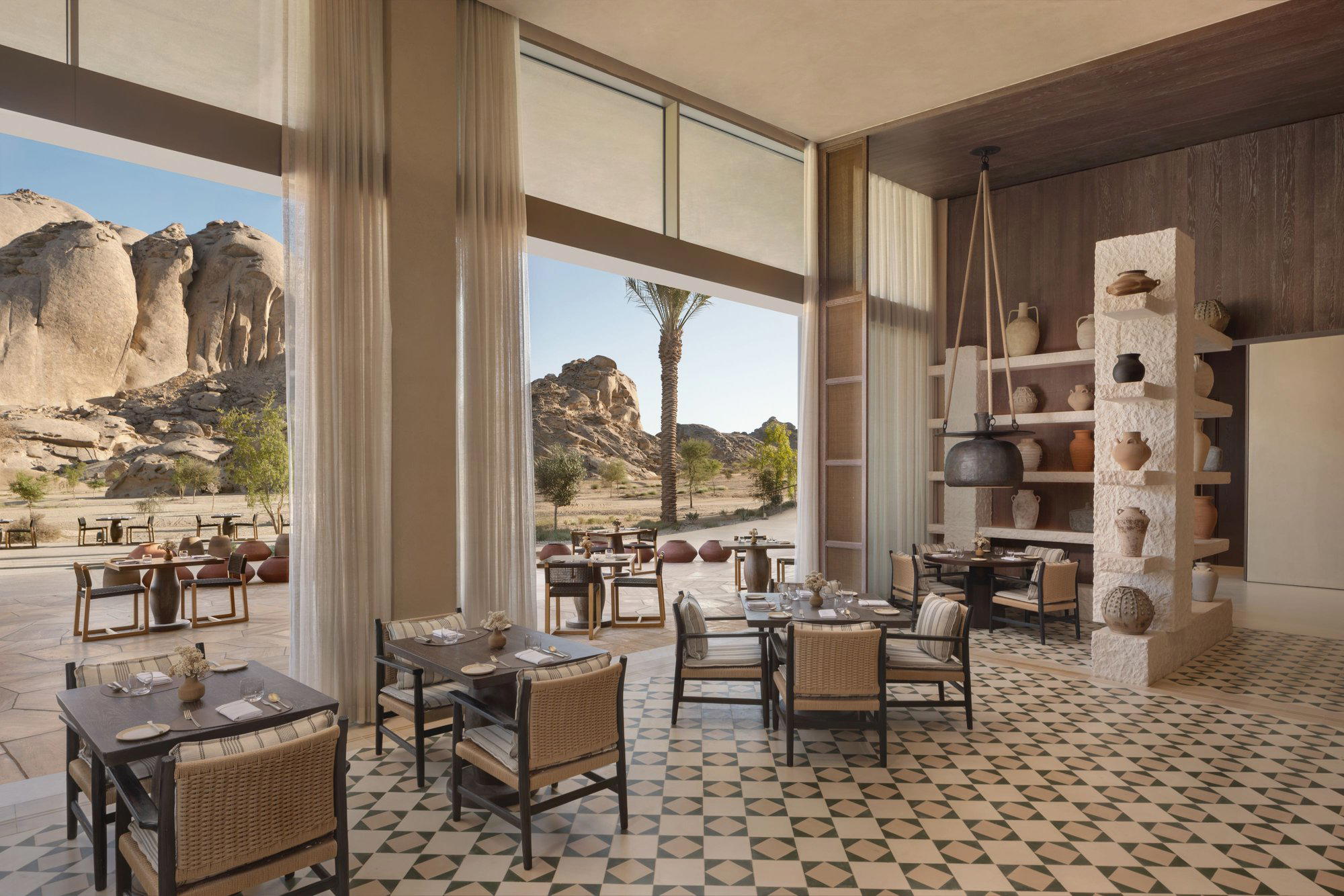
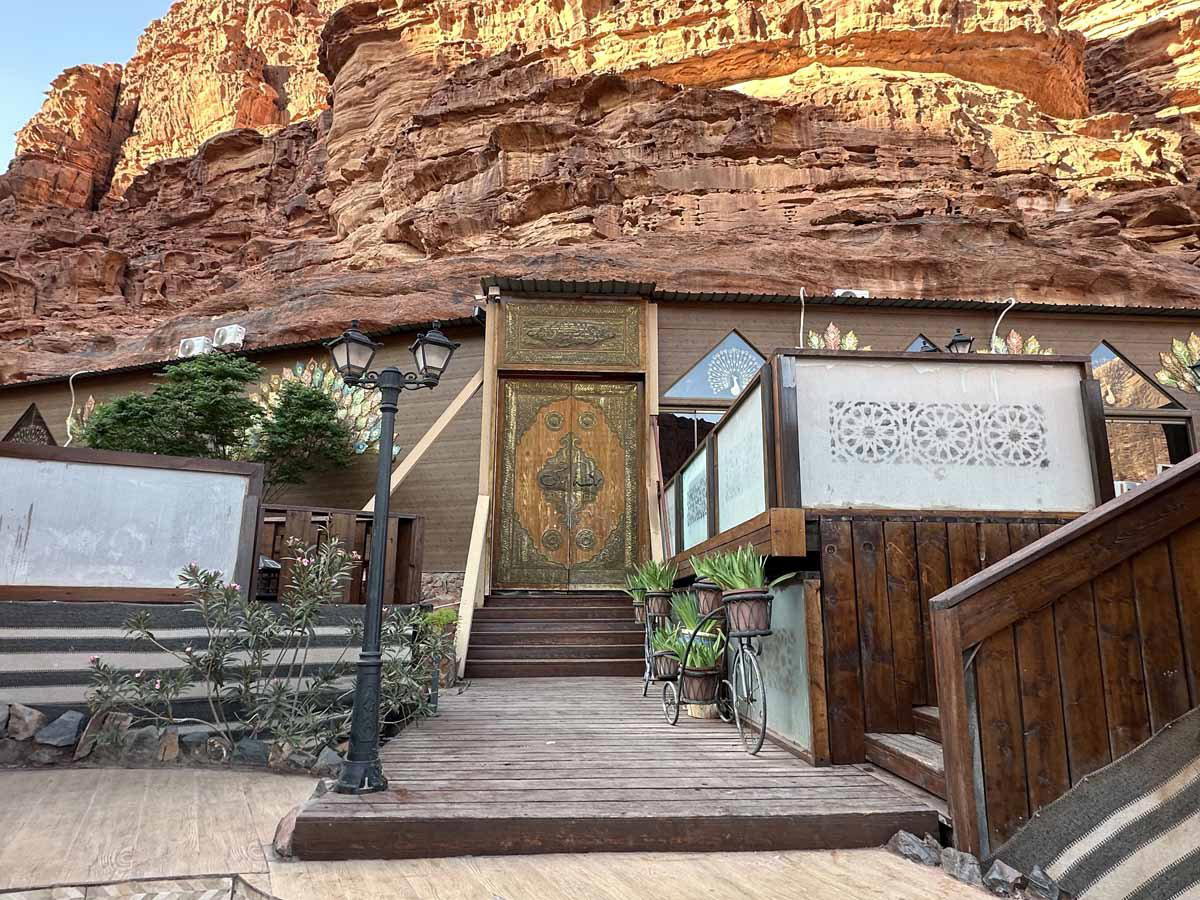
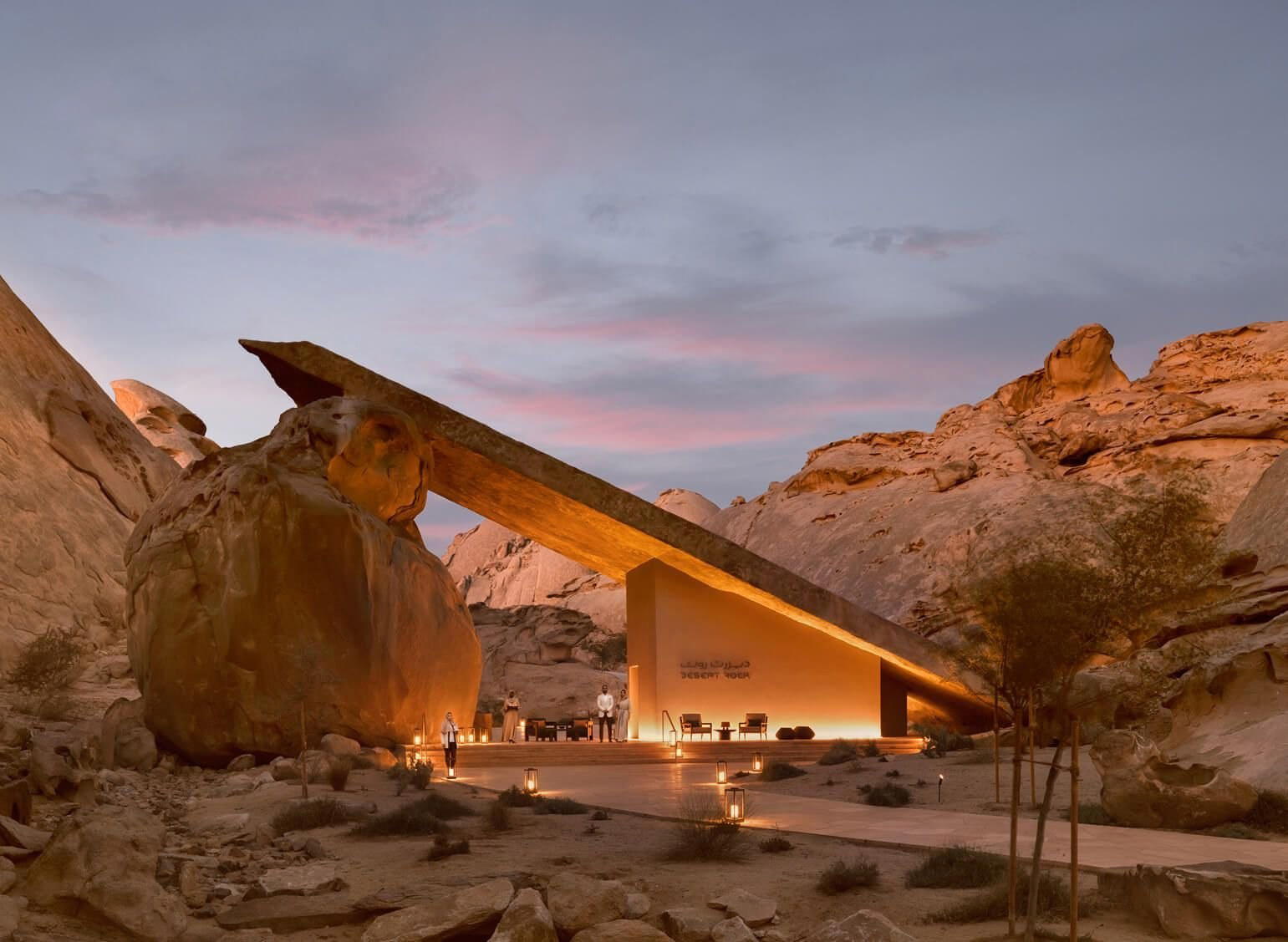
The approach to Basalt is defined by rock, heat, and scale rather than street life. Umluj’s dining scene is not a dense urban grid; it is a Red Sea circuit shaped by coastal access and the new hospitality infrastructure spreading along Saudi Arabia’s western shore. In that context, a restaurant in a dramatic setting carries a different brief from a city dining room: it has to make the location feel intentional, not decorative.
That is where sourcing becomes the serious question. The Red Sea gives this part of Saudi Arabia a strong coastal identity, while the surrounding desert makes freshness, supply chains, and restraint more visible than they would be in larger Saudi cities. A restaurant here is judged less by the theatre of imported luxury and more by whether it can connect the plate to the region without turning locality into costume. Basalt’s name and setting point toward that earthier register, with the terrain doing part of the editorial work before the menu arrives.
Red Sea dining is moving beyond resort gloss
Umluj is often discussed through beaches and islands, but its restaurant culture is starting to read as a test case for Saudi coastal hospitality. The city does not have the long-established dining hierarchy of the capital, so individual rooms are measured against format, setting, and credibility rather than inherited reputation. In that sense, Basalt sits in the same emerging conversation as Ardo, Chimes, and Darein: places that help define what premium dining in Umluj can mean before the category has hardened into convention.
The comparison is useful because the city’s restaurant scene is not yet driven by a single cuisine type. Some venues lean into coastal ease, others into polished service or international familiarity. Basalt’s advantage is its terrain-led context, which gives the room a stronger sense of contrast: sea-facing region, desert geology, and destination-level expectation. That combination matters for ingredient sourcing because it forces the kitchen into a clearer editorial position. If local ingredients appear, they carry regional logic. If produce, grains, spices, or fire-led techniques shape the meal, they need to make sense against the land rather than read as generic luxury vocabulary.
For a wider look at the local circuit, Our full Umluj restaurants guide places Basalt alongside the city’s other dining rooms. Travellers mapping a broader stay can also use Our full Umluj hotels guide, Our full Umluj bars guide, Our full Umluj wineries guide, and Our full Umluj experiences guide to understand how dining fits into the wider Red Sea itinerary.
Setting, sourcing, and the limits of the luxury template
The strongest premium restaurants in remote destination zones tend to solve the same problem: how to avoid serving a menu that feels airlifted into any high-end setting. In Umluj, that problem is sharper because the surrounding environment is so specific. The Red Sea suggests coastal clarity; the inland terrain suggests smoke, stone, heat, and scarcity; Saudi hospitality traditions suggest generosity without needing imported excess. Basalt is better understood through that tension than through a narrow cuisine label.
That also explains why context matters as much as award language here. The trust signal is format and location: a named restaurant in Umluj, competing in a small but fast-forming market where setting is part of the value proposition. The relevant question is not whether it mimics an urban tasting-menu temple, but whether it gives travellers a meal that belongs to Umluj rather than simply taking place there.
Saudi Arabia’s broader dining map helps frame the distinction. Larger cities have scale, brand density, and more established dining circuits, while heritage and destination dining read differently across the country’s coastal and cultural settings. Umluj has a narrower field, which makes each serious opening carry more weight and gives Basalt a clearer role in shaping how premium Red Sea dining is understood.
How to place Basalt within an Umluj itinerary
Basalt works as a setting-led meal rather than a casual city stop. Travellers comparing Umluj options should treat it as part of a coast-focused schedule, not as a quick detour between neighbourhoods. The stronger pairing is with a day built around the Red Sea environment: beach time, a late return, then dinner in a room where the landscape changes the pace of the evening.
For travellers cross-shopping the city, other Umluj dining rooms may offer more explicitly sea-facing reference points, while newer destination venues point to the growing appetite for international formats within Saudi destination dining. In more mature dining cities, tightly defined concepts can lean on established neighbourhood habits and long-running culinary categories. Basalt’s challenge is different: it has to help define a young destination while staying anchored to place.
The editorial verdict is simple: choose Basalt when the setting matters as much as the plate, and when the point of the meal is to read Umluj through terrain, sourcing, and the Red Sea’s new hospitality grammar. In a city still forming its premium dining identity, that is a more meaningful proposition than another imported template.
Frequently asked questions
Does Basalt work for a family meal?
Basalt in Umluj works for a family meal when the group wants a sit-down setting rather than a casual beach stop. The location in Umluj makes it better suited to planned destination dining than an impromptu lunch run.
What kind of setting is Basalt?
Basalt is in Umluj, so the experience is shaped by a destination dining backdrop rather than a town-centre dining room. That location is the main reason it suits a longer stay in Umluj.
What part of town is Basalt in?
Basalt is located in Umluj.
Is Basalt reservation-only?
Basalt should be treated as a pre-planned meal in Umluj, because destination venues in this setting tend to run on structured service rather than casual drop-ins. Its location places it squarely inside a planned stay, not a walk-in strip.
What is Basalt known for?
Basalt is known for its setting in Umluj, which makes location the defining feature. For travellers building a Red Sea itinerary, that context matters as much as the meal itself.
Is Basalt allergy-friendly?
Basalt is in Umluj, so allergy planning should be handled with the venue team before arrival. A destination dining setting usually gives more room for notice-based adjustments than a fast-turnover casual spot.
Side-by-Side Snapshot
Comparable venues by cuisine and price in the same metro.

Details
- Modern
- Elegant
- Scenic
- Sophisticated
- Date Night
- Celebration
- Group Dining
- Special Occasion
- Hotel Restaurant
- Zero Proof
- Local Sourcing
- Mountain
- A La Carte
- Zero Proof Cocktails
- Halal
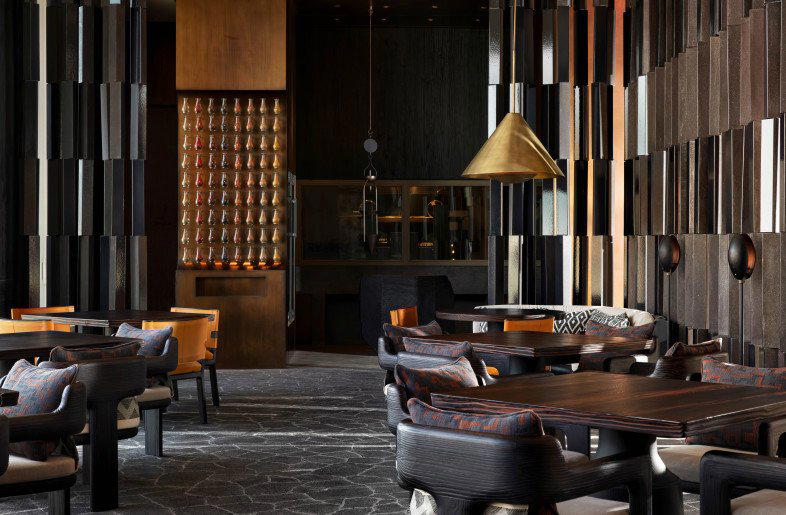
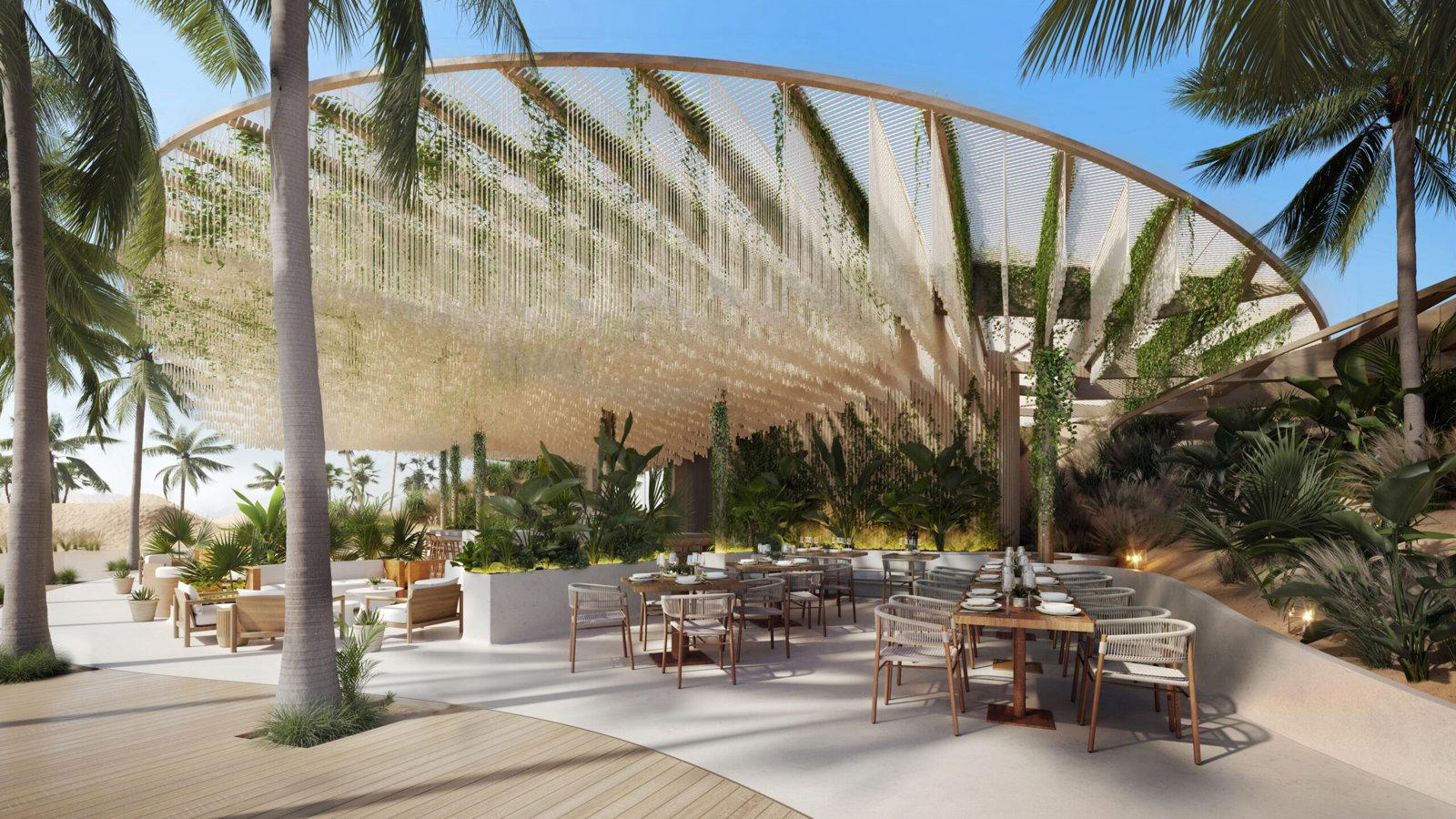
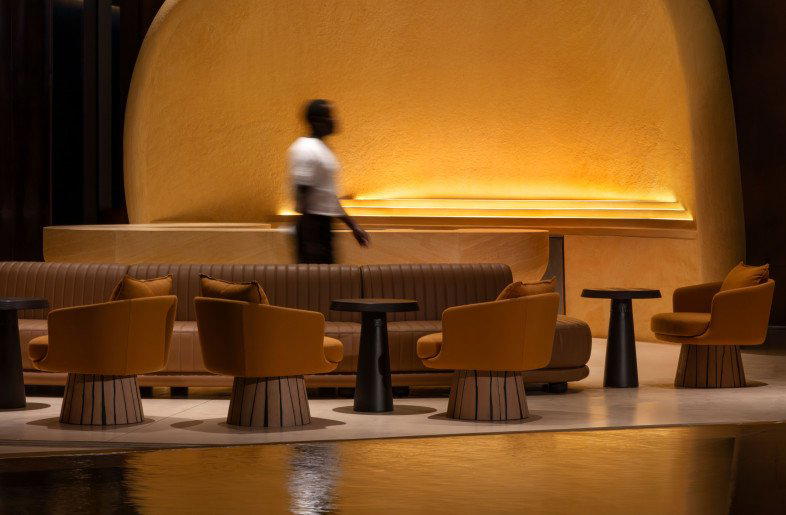
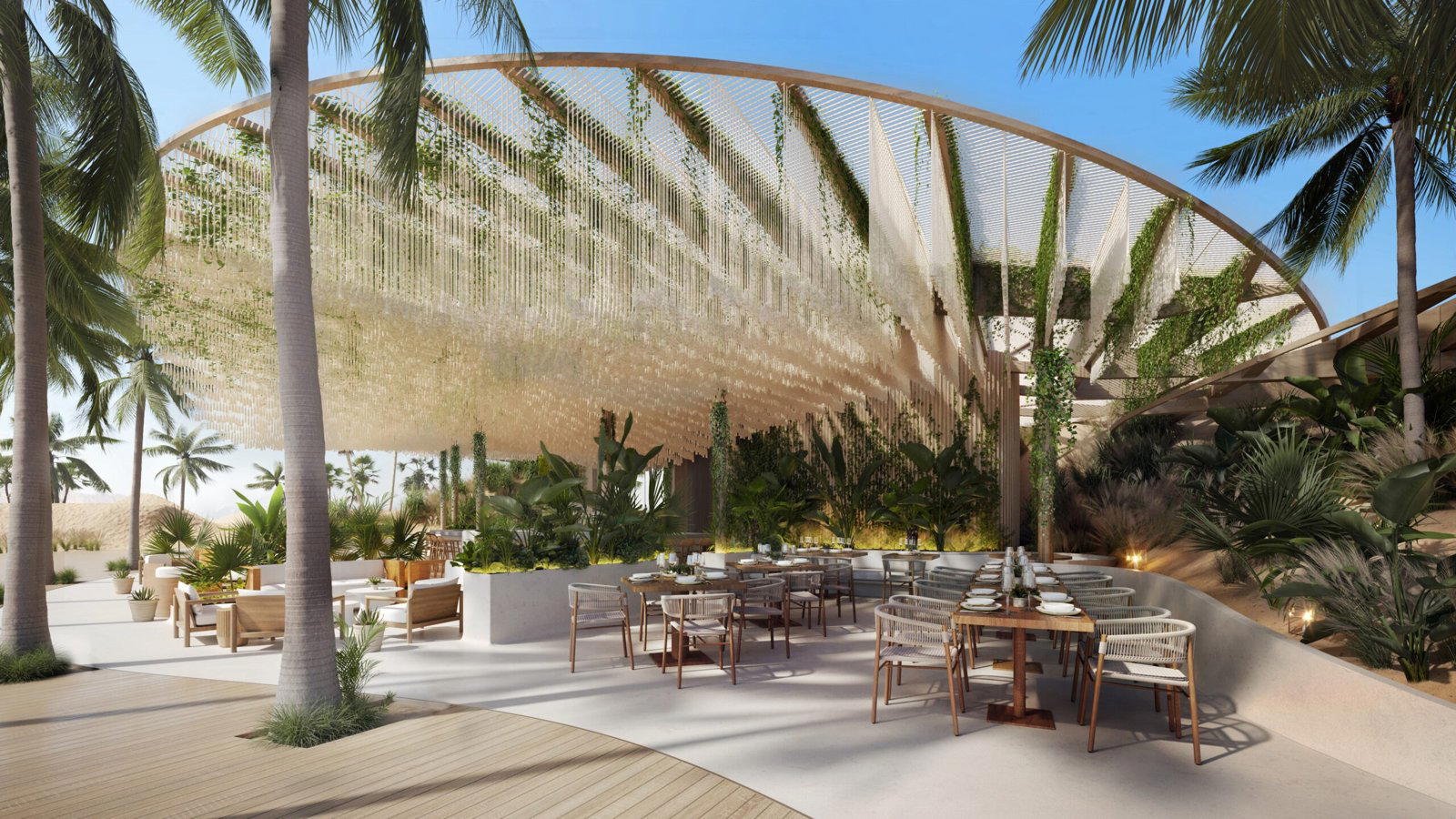
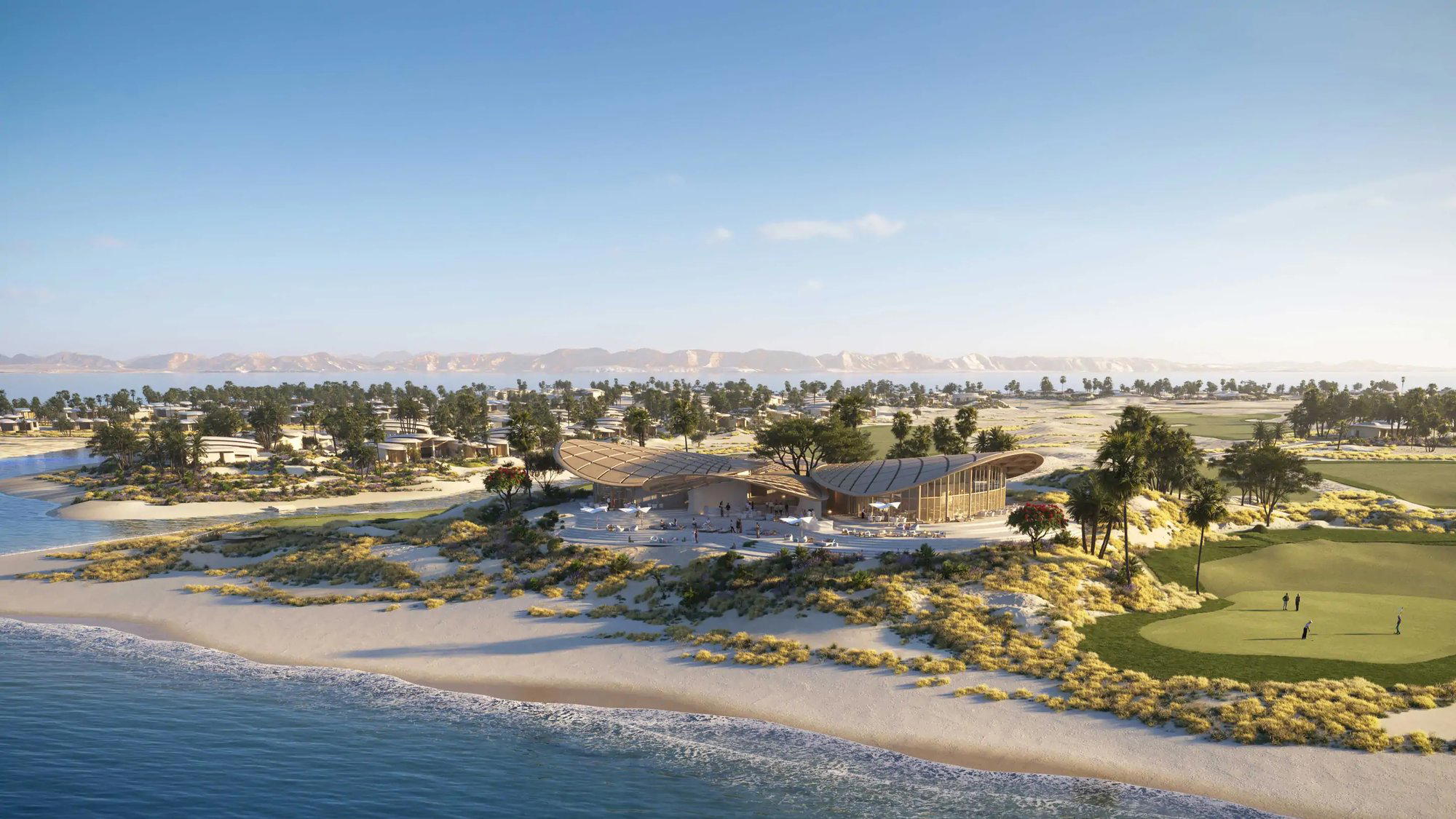
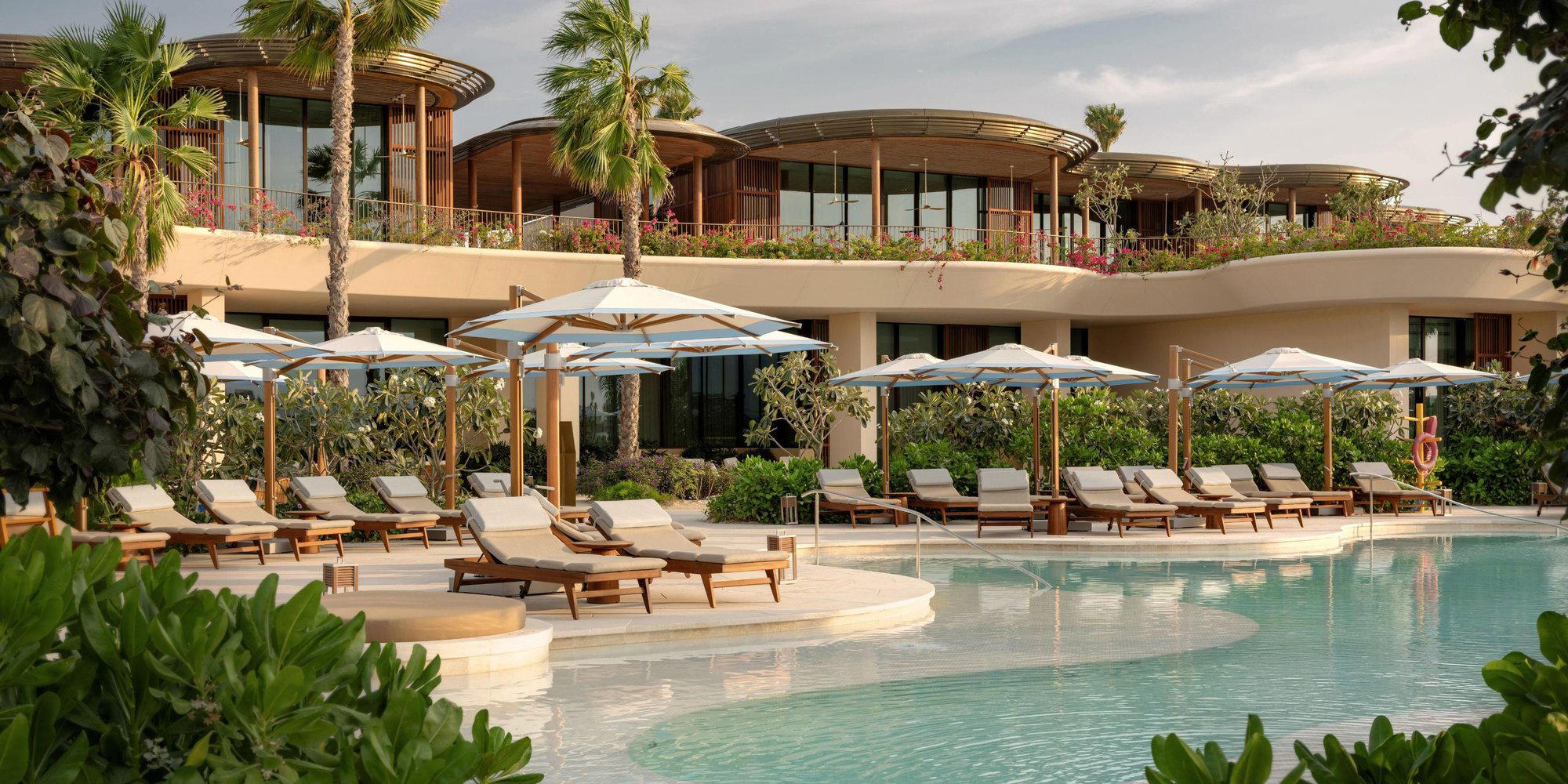
Guest and resort descriptions emphasize a serene, calming atmosphere with warm, contemporary design that reflects the surrounding rock formations, creating a polished yet relaxed dining environment integrated into the desert landscape.