Baravi Lai Lai
Baravi Lai Lai belongs to Wakaya Island’s small-scale dining world, where the setting matters because supply chains, weather and island access shape what can sensibly appear on the table. Read it less as a conventional city restaurant and more as part of Fiji’s resort-island food culture, with beach proximity and ingredient pragmatism defining the experience.
Pearl is the En Primeur Club membership app — saves, bookings, and concierge access live there. Same editors, same standards.
- Address
- Wakaya Island, 5VJWCX2M+PJ (Beach House)
- Directions
- Get directions
 Saves & bookings on Pearl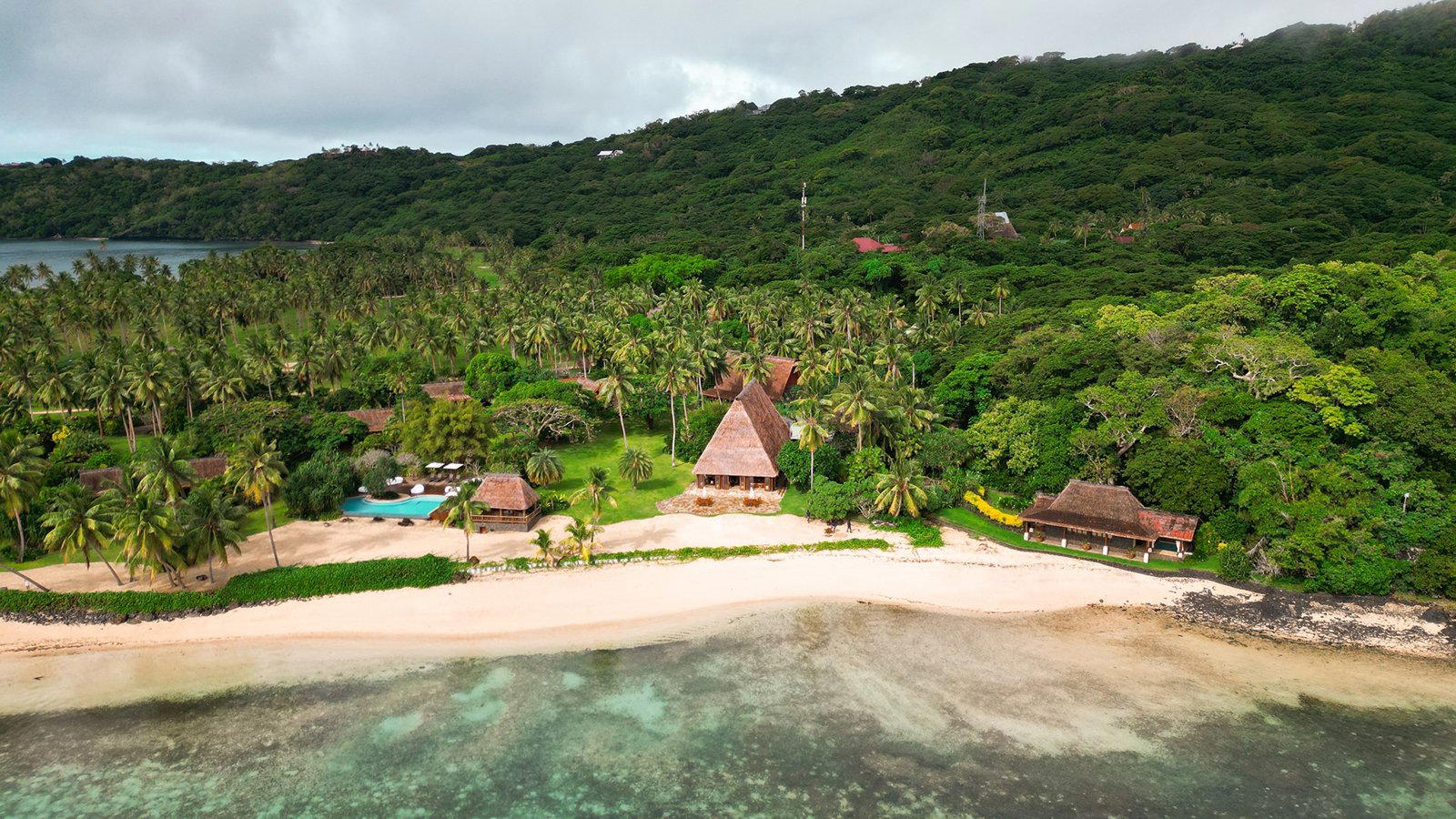
Approaching a beach-house dining room on Wakaya Island changes the terms of a meal before the first plate arrives. The soundscape is surf, wind and resort hush rather than traffic and bar spillover; the visual frame is coastline, not a city block. In Fiji’s outer-island dining culture, that setting is not decoration. It dictates sourcing, storage, staffing and the rhythm of service, which is why a place such as Baravi Lai Lai needs to be judged against island-resort peers rather than urban restaurants in Nadi, Suva or Port Denarau.
Island sourcing sets the tone before the menu does
Fijian resort dining often sits between two pressures: travellers arrive expecting polish, while remote kitchens work within the realities of island logistics. Fresh seafood, tropical produce and imported pantry items do not move through Wakaya Island with the same speed or choice found on Viti Levu. That limitation can be a strength when a kitchen treats proximity as an organising principle rather than trying to imitate a metropolitan tasting-menu format.
Baravi Lai Lai fits that smaller, place-led category. The absence of formal award signalling matters less here than the context: Wakaya Island is not a dense restaurant market where Michelin-style comparison drives the conversation. The relevant question is whether the dining experience feels aligned with its environment, and beach-house formats in Fiji tend to work when they keep the cooking direct, seasonal and responsive to what the island can support.
That separates the Wakaya experience from broader Fiji restaurant itineraries. Travellers moving through the islands can build a useful comparison by looking at The Palm Grove on Wakaya Island, then contrasting outer-island dining with Viti Levu and resort-cluster venues such as Beachside Cabana Dining in Viti Levu, Nadina Authentic Fijian Restaurant in Port Denarau and Kanavata Restaurant and Lounge in Pacific Harbour. Those comparisons are useful because Fiji’s dining identity changes sharply between transport hubs, private-island resorts and village-adjacent coastal restaurants.
Beach-house dining belongs to a different competitive set
Remote island restaurants are often misread when they are measured by the rules of capital-city dining. The better lens is format: low-density hospitality, a captive or semi-captive guest base, and menus shaped by delivery cycles as much as chef authorship. In that setting, a meal succeeds when the kitchen avoids unnecessary complication and lets the island do some of the work.
Wakaya Island’s appeal is precisely that it sits outside Fiji’s larger dining circuits. A traveller comparing Baravi Lai Lai with Fijiana Restaurant in Yaro, Gourmet Deli in Malolo Island, Kokocabana Pool Club in Yaukuve Levu Island, Lomavata in Savusavu or The Reef Restaurant in Vomo Island is not choosing between identical restaurant types. The decision is about how much travel friction, resort structure and island atmosphere the meal should carry.
That is also why city-style expectations need editing. A remote beach-house address rewards diners who value place-specific restraint over menu theatre. Fiji has restaurants that foreground Indian-Fijian street-food energy, resort polish or casual pool-club ease; examples across the wider network include Chatori Chaat in Nadi and the broader resort-led island circuit. The restaurant belongs at the quieter end of that spectrum, where the point is not volume or scene-chasing but a meal calibrated to a small island setting.
How to place it within a Wakaya Island itinerary
For Wakaya Island planning, dining should be treated as part of the stay rather than a standalone city reservation. The island setting narrows spontaneous choice, so the smarter approach is to think in clusters: where to eat, where to stay, what to drink and what to do once transport is already committed. The broader are useful starting points: Our full Wakaya Island restaurants guide, Our full Wakaya Island hotels guide, Our full Wakaya Island bars guide, Our full Wakaya Island wineries guide and Our full Wakaya Island experiences guide.
For readers mapping Fiji against other dining cultures, the contrast is instructive. A sake-bar meal such as Jōdo Saké Bar in Los Angeles, a compact Japanese casual format like Onigiri Time in Pasadena, or a specialist beef restaurant such as -Grilled beef Sukiyaki- KAMAKURA TANUKIAN 鎌倉 たぬき庵 in Kamakura operates in a market with deeper supplier choice and easier repeat custom. Wakaya Island dining asks a different question: how much can a kitchen express when geography, seasonality and access are part of the brief?
The answer, at the restaurant, should be read through that island logic. It is a beach-house restaurant on Wakaya Island, and the editorial interest lies in how Fiji’s remote hospitality culture turns sourcing constraints into a style of dining. Travellers who understand that context will judge it more accurately, and with fewer city habits carried into the room.
Snapshot
Comparable venues by cuisine and price in the same metro.
| Venue | Cuisine |
|---|---|
| Baravi Lai Lai | This venue |
Continue exploring
More in Wakaya Island
Restaurants in Wakaya Island
Browse all →
Hotels in Wakaya Island
Browse all →
At a Glance
- Scenic
- Intimate
- Elegant
- Date Night
- Special Occasion
- Private Event
- Waterfront
- Private Dining
- Hotel Restaurant
- Standalone
- Waterfront
Quiet, secluded, and intimate, with a barefoot-luxury resort atmosphere.