Balthazar
Our verdict
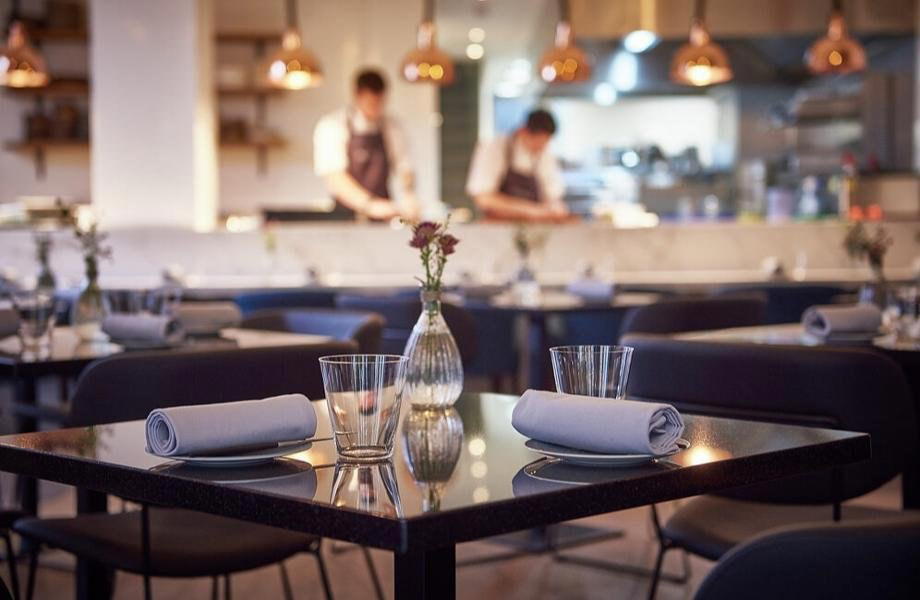
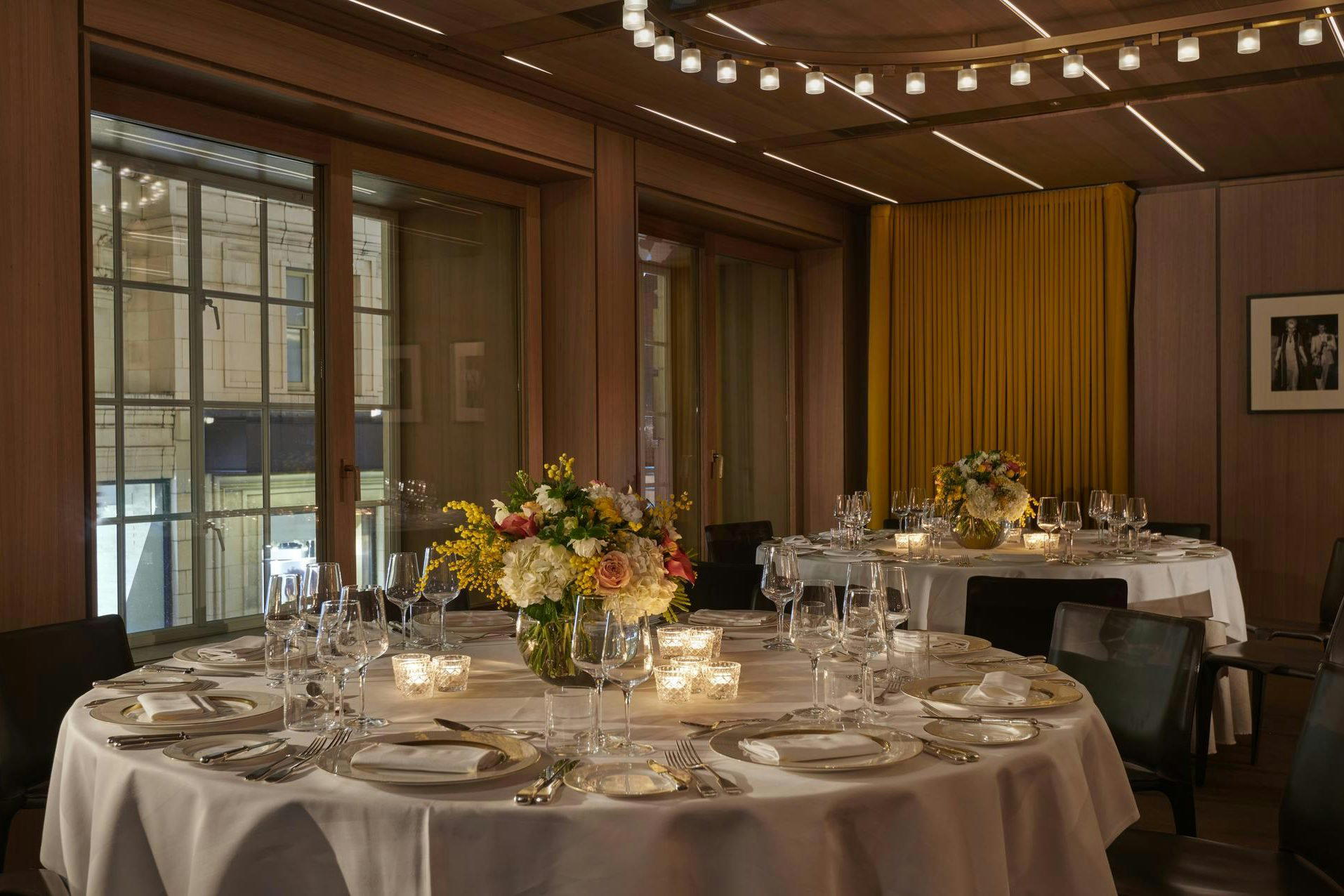
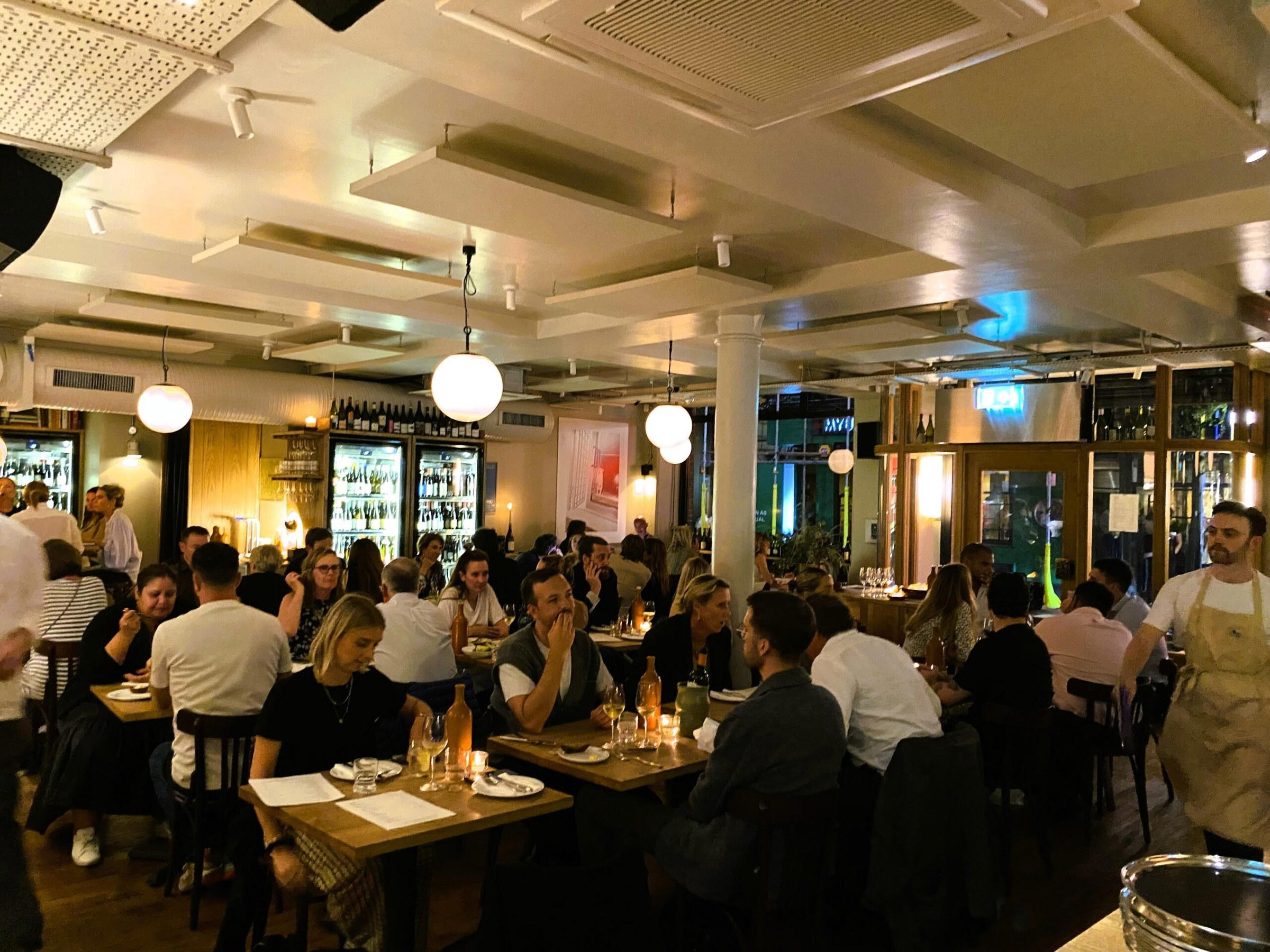
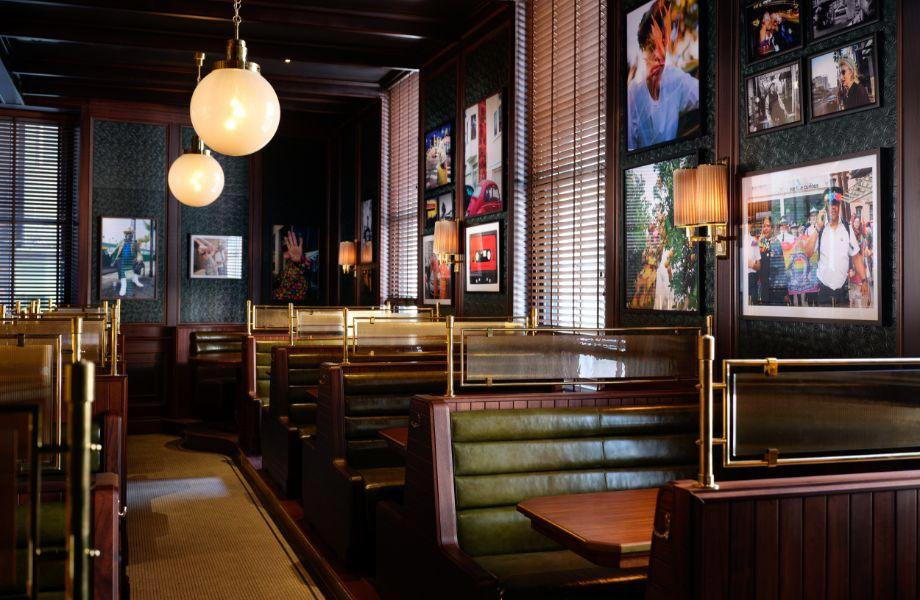
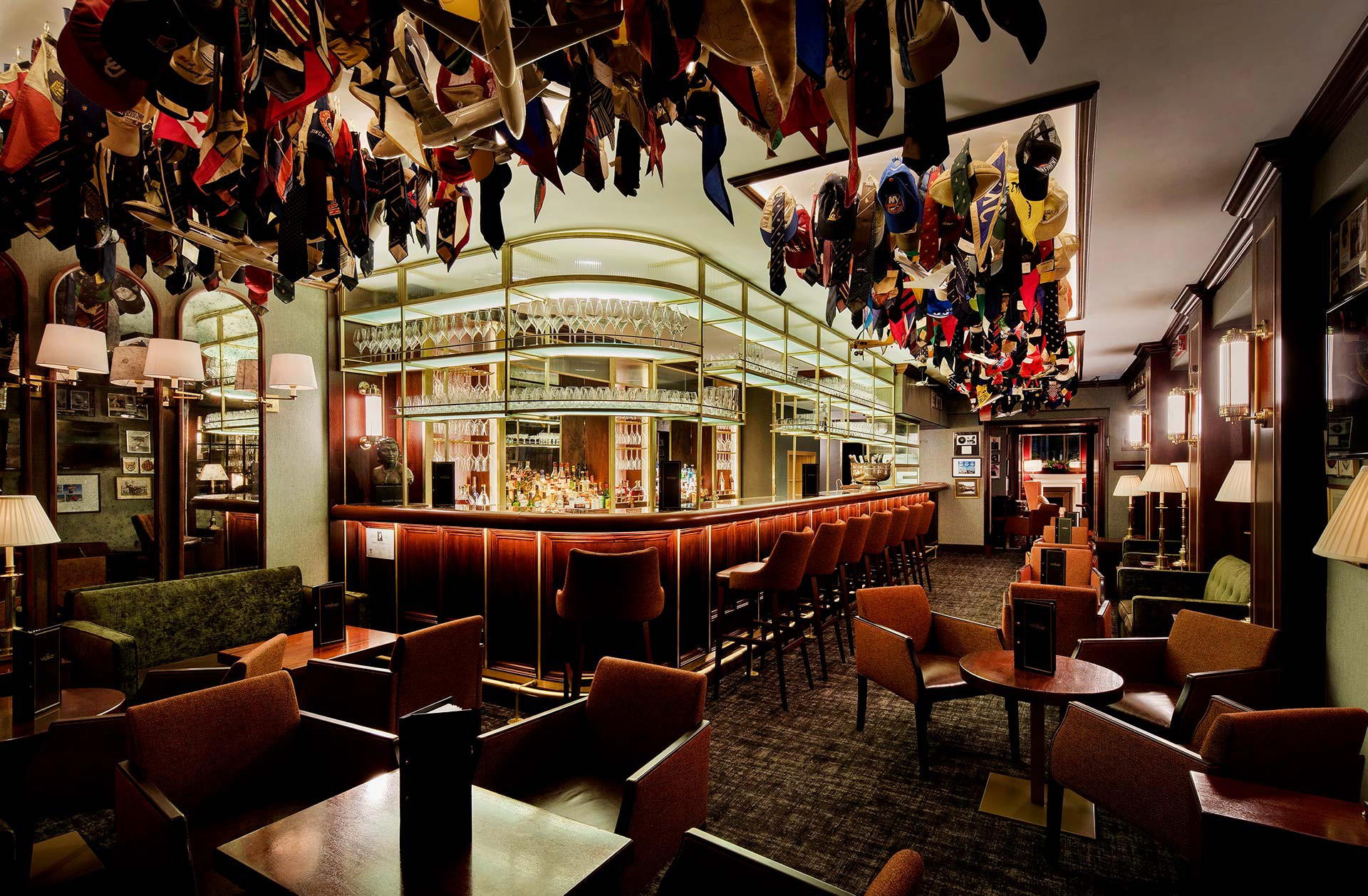
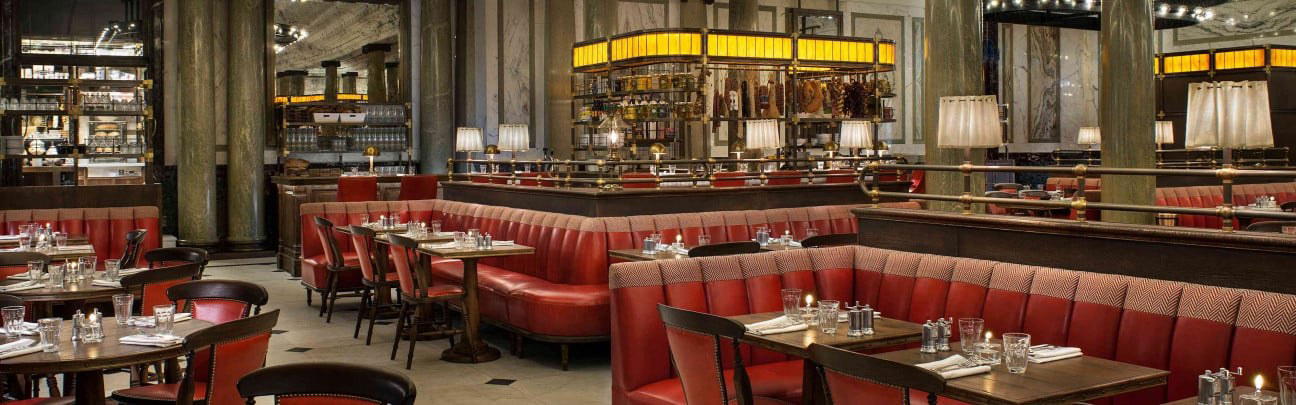
Balthazar in Covent Garden transplants the grand Parisian brasserie format to London with considerable conviction. The Russell Street address places it at the edge of the theatre district, drawing a crowd that spans pre-show diners and long-lunch regulars. The room itself, zinc bar, leather banquettes, antiqued mirrors, does the heavy lifting before a dish arrives.

Pearl is the En Primeur Club membership app, where members save venues, book tables and use the concierge.

The menu
What to order
- Lobster spaghetti
- Duck confit
- Steak frites
- Steak tartare
The Brasserie as Architecture
London has a complicated relationship with the grand brasserie. The format arrived late, and for years the city's versions felt like approximations: the right furniture, the wrong atmosphere. What changed, in the better examples, was a commitment to the room as the primary experience rather than an afterthought to the menu. Balthazar, at 4-6 Russell St in Covent Garden, belongs to a tradition that treats the physical container as the argument. The pressed-tin ceiling, the worn leather banquettes, the long zinc bar, the mirrors with the patina of somewhere much older than they are, these are not decorative choices so much as a position on what dining out should feel like.
The original Balthazar in New York's SoHo, which opened in 1997, established that position clearly enough that the London iteration arrives with a recognisable DNA. The London address occupies similar middle ground: serious enough in its materials and scale to read as an occasion, accessible enough in format to work for a Tuesday lunch.
Covent Garden and the Theatre District Equation
Russell Street sits between the Royal Opera House and the main Covent Garden piazza, which means the dinner-service crowd skews predictably toward pre- and post-theatre traffic. This is a neighbourhood dynamic rather than a criticism. Covent Garden has long functioned as London's busiest tourist and theatre corridor, and the restaurants that survive there over the long term tend to do so by being genuinely good at managing volume without sacrificing quality. The brasserie format is well-suited to that task: it accommodates groups, it moves at pace when required, and it offers enough range on the menu that parties with different appetites can converge on the same table.
For context on where Balthazar sits in London's broader dining hierarchy, it operates in a different register entirely from the city's Michelin three-star tier. CORE by Clare Smyth, Restaurant Gordon Ramsay, Sketch, The Lecture Room and Library, and The Ledbury represent the city's highest-formality, tasting-menu end. Balthazar is not competing with that tier, and is not trying to. Its competitive set is the confident, all-day brasserie with a credible kitchen, a category London has historically underserved relative to Paris.
Inside the Room
The design logic at Balthazar follows the classic grand brasserie grammar: large scale, warm materials, deliberate noise. These rooms are built to hum. A brasserie that seats two hundred in relative quiet has miscalculated. The banquette arrangement, long runs of leather seating against the walls and partitions, creates the sense of being part of a crowd without sacrificing the privacy of a conversation. The mirrors do double duty, amplifying light and giving every seat at least a partial view of the full room. This is spatial intelligence in service of atmosphere rather than aesthetics alone.
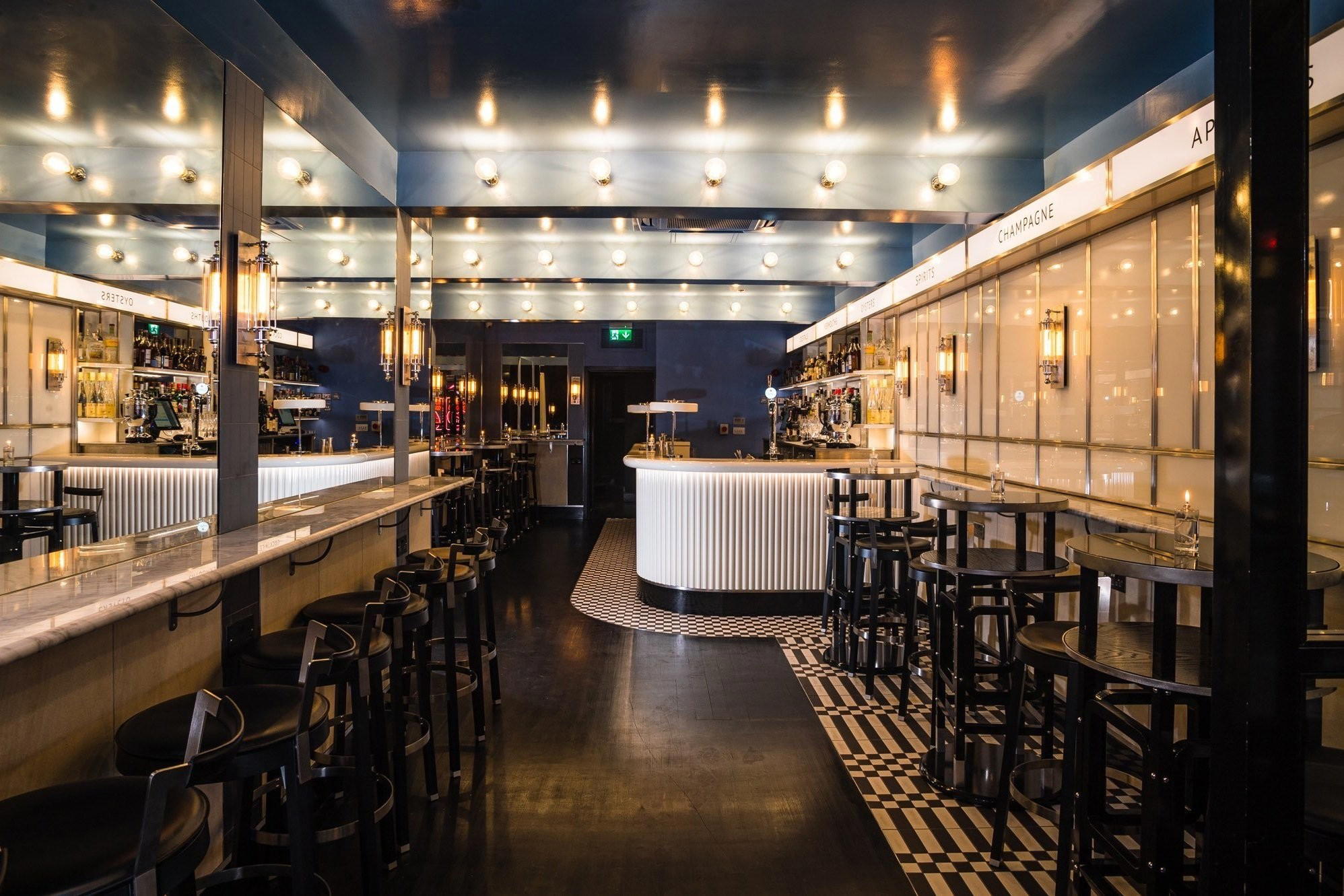
The zinc bar is the room's anchor. In the Parisian original, the zinc counter was a working bar for the neighbourhood, not a cocktail-programme showcase. London's version honours that function: it is a place to drink while waiting, to eat alone without ceremony, to watch the room at work. The bar counter format has become increasingly significant in London dining, with venues from intimate counters like Atomix in New York City at one end of the scale to the more informal perch-and-eat model. Balthazar's bar sits closer to the latter: approachable, functional, better for solo visitors than the room's main tables.
The Kitchen's Frame of Reference
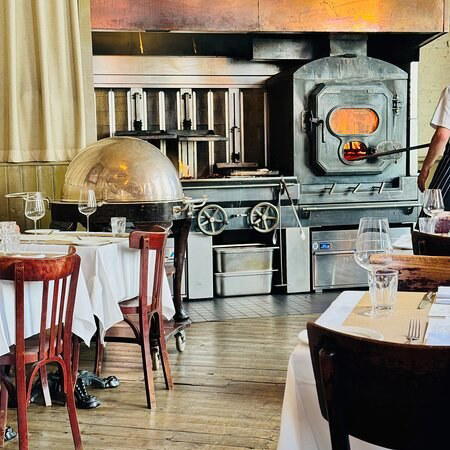
Brasserie kitchen in its serious form is a repertoire kitchen. Its authority comes not from innovation but from consistency and range: a plateau de fruits de mer assembled with precision, a steak frites that arrives correctly cooked without being requested twice, a tarte tatin that is neither underbaked nor engineered. These are dishes where technique is the only variable. London has a reasonable claim to executing this format well when kitchens respect the discipline it requires, though the city's restaurant culture has historically favoured novelty over mastery of the canon.
For readers building a London itinerary that extends to destination-level cooking outside the capital, the contrast is instructive. The Fat Duck in Bray, L'Enclume in Cartmel, and Moor Hall in Aughton represent the progressive end of British fine dining, where the kitchen's ambition is explicitly about transformation. Gidleigh Park in Chagford, Hand and Flowers in Marlow, and hide and fox in Saltwood each hold their own position in the regions. The London-based brasserie sits in a separate conversation: about accessibility, atmosphere, and the reliable middle ground. London's Dinner by Heston Blumenthal is perhaps the closest in-city example of a kitchen that makes historical British culinary tradition its frame of reference with comparable institutional weight.
Planning Your Visit
Balthazar functions as an all-day address, which makes it one of the more flexible options in a neighbourhood dominated by pre-theatre menus and tourist-trap pricing. The Covent Garden location is walkable from the Strand, from Long Acre, and from the cluster of theatres between Drury Lane and the Royal Opera House. For a broader view of the city's eating and drinking options, our full London restaurants guide covers the full range of cuisines and price points, with our London hotels guide, London bars guide, London wineries guide, and London experiences guide covering the city's wider offer.
Know Before You Go
- Address: 4-6 Russell St, London WC2B 5HZ
- Neighbourhood: Covent Garden, WC2
- Format: Grand brasserie, all-day service
- Leading for: Pre-theatre dinners, long lunches, solo bar dining
- Nearest transport: Covent Garden station (Piccadilly line), Leicester Square station (Northern and Piccadilly lines)
- Booking: Reservations recommended for dinner service, particularly Thursday through Saturday; walk-ins more viable at the bar and for early lunch
Frequently asked questions
What's Balthazar's location?
Balthazar is located at 4-6 Russell St, London WC2B 5HZ, United Kingdom, London.
Is Balthazar London good for dining before a show at the Royal Opera House?
Russell Street places Balthazar within a short walk of the Royal Opera House and the main Covent Garden piazza, making it one of the more geographically logical choices for pre-performance dining in WC2. Its all-day kitchen format means the restaurant runs a full dinner service rather than a condensed pre-theatre menu, which gives it an operational advantage over many neighbours. Booking a table with sufficient lead time before curtain-up is advisable given the volume of theatre-goers in the area.
What dish is Balthazar famous for?
Balthazar operates as a repertoire kitchen in the classic brasserie tradition, which means its reputation rests on range and consistency rather than a single signature plate. The plateau de fruits de mer and steak frites represent the format's core reference points. The kitchen's frame of reference is French brasserie classicism, not a single headline dish.
What's the best way to book Balthazar?
Balthazar London sits at 4-6 Russell Street, WC2B 5HZ, in one of the city's most in-demand dining corridors between the Royal Opera House and the Covent Garden piazza. Advance booking is advisable, particularly for dinner service when the theatre crowd fills the room. Checking the venue's own website or a dedicated reservations platform directly will give you the most current availability.
What has Balthazar built its reputation on?
The London outpost of Balthazar draws on the New York original's positioning as a grand brasserie with serious architectural intent: large-format rooms, warm materials, and a kitchen built for consistency across a broad menu. Its location on Russell Street places it at the centre of London's theatre district, which has shaped its identity as a reliable all-day address for the Covent Garden crowd. That combination of room scale and neighbourhood position is what gives it staying power in a city where grand brasseries have historically struggled to sustain credibility.
Can Balthazar handle vegetarian requests?
A brasserie kitchen of Balthazar's scope typically carries enough range to accommodate vegetarian diners, with egg dishes, salads, and vegetable-led plates forming a standard part of the format. That said, the kitchen's primary frame of reference is classical French brasserie, where meat and seafood anchor the menu. Contacting the restaurant directly at 4-6 Russell Street, WC2B 5HZ before your visit is the most reliable way to confirm current options.
City Peers
Comparable venues nearby, for context on price, style, and recognition.
| Venue | Cuisine | Price | Awards | Notes |
|---|---|---|---|---|
| BalthazarThis venue (the venue you are viewing) | Classic French Brasserie | $50–100 | Not listed | Not listed |
| Saint Jacques | Classic French Brasserie | $50–100 | The Good Food Guide GFG Good | St. James's |
| Coda Restaurant | Modern French Fine Dining | Not listed | Not listed | Kensington Gardens |
| Amélie Restaurant | French Wine House | $50–100 | Star Wine List · World's Best Wine Lists Awards WBWL 3-Star | Belgravia |
| Mon Plaisir | Classic French Bistro | $50–100 | Not listed | St Giles |
| Louie | French Creole with New Orleans influences | $50–100 | Not listed | Covent Garden |