Our verdict
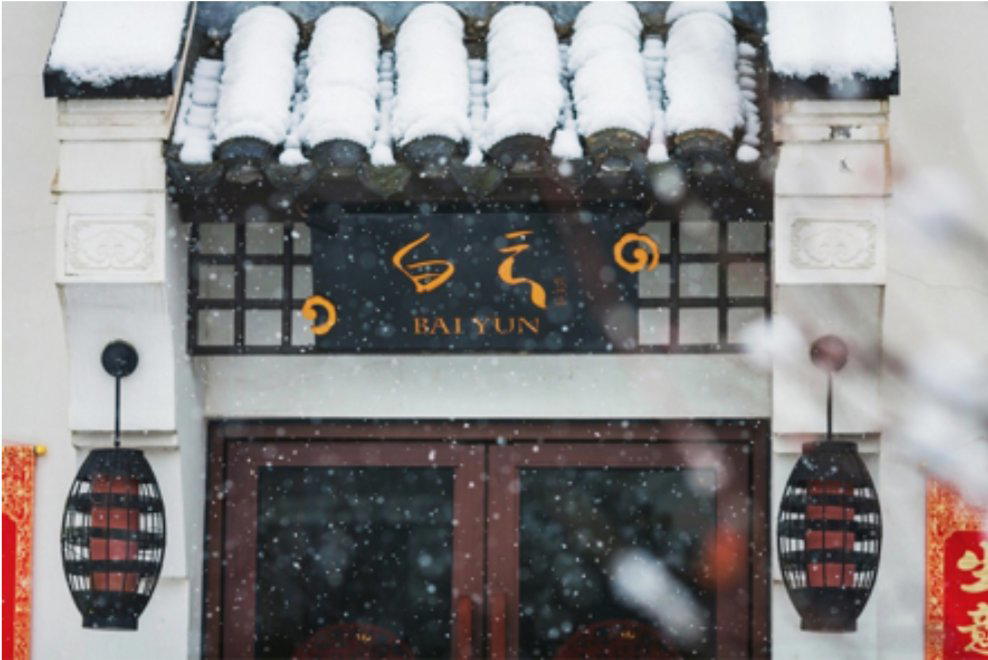
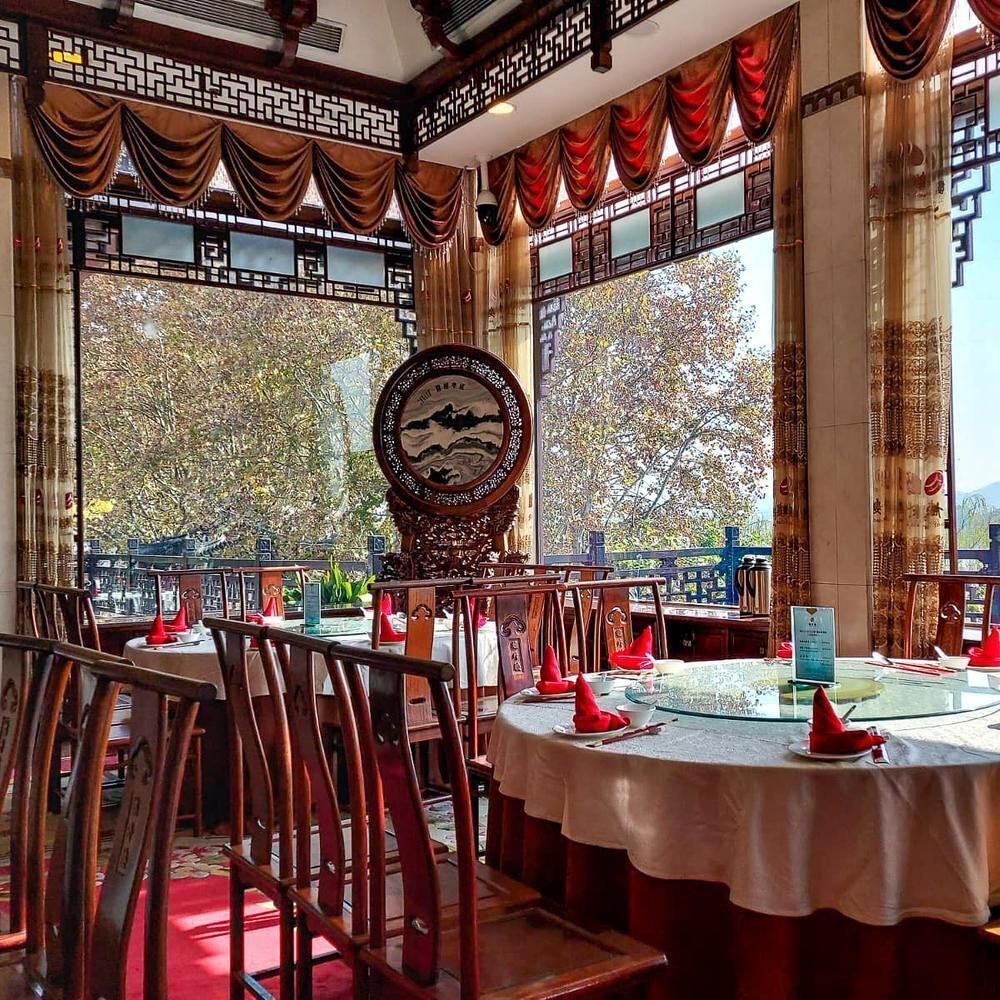
Bai Yun belongs to the quieter side of Hangzhou dining, where proximity to West Lake country and Zhejiang’s produce culture matters more than spectacle. The draw is less about public awards or chef theatrics than about how a Xi Hu district address frames the meal: lake, hills, tea fields, river fish traditions, and the city’s preference for seasonal restraint.

Pearl is the En Primeur Club membership app, where members save venues, book tables and use the concierge.
The menu
What to order
- Dongpo pork
- Longjing shrimp
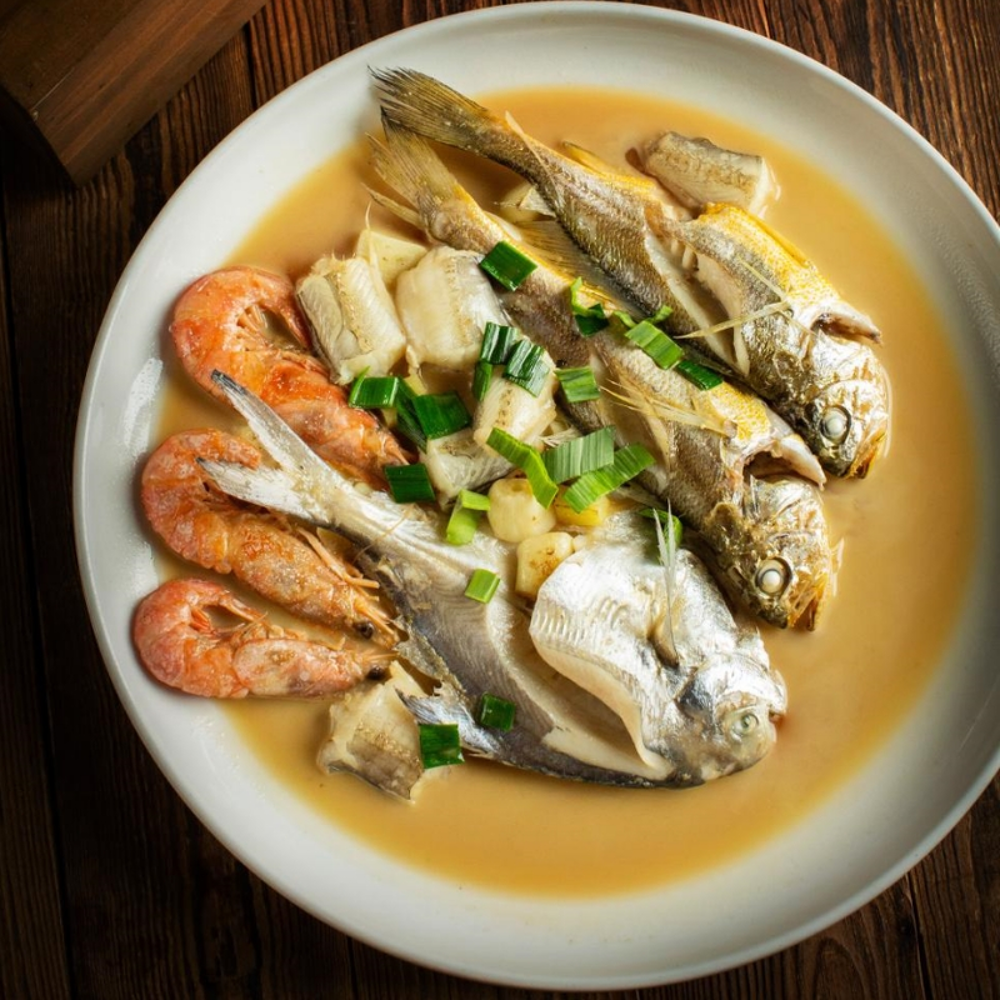
- Xixi Wetland stewed fish
- Local dim sum
Approaching Hangzhou, the city changes tempo. The glassier commercial districts give way to a softer sense of pace that has shaped the way visitors read the local dining scene. Bai Yun sits inside that context rather than outside it. The point is not theatrical luxury; it is the Hangzhou habit of letting setting, season, and texture carry the meal.
That distinction matters in a city often misread through postcards. Hangzhou’s serious tables are not only about views and banquet polish. The stronger local kitchens tend to work in a narrower band: balance, restraint, carefully handled produce, and a preference for detail over volume. Bai Yun’s value for a travelling diner is its position in that ecosystem, especially for guests trying to understand why Hangzhou dining can feel gentle without being slight.
Hangzhou dining, read through produce rather than ceremony
Ingredient awareness is the right lens for this address. Hangzhou is closely associated with a measured, place-led dining identity, and that affects the table. Seasonal produce and careful preparation can carry more meaning here than elaborate plating language. A restaurant in this city is judged by how clearly it respects that rhythm, not by how loudly it announces ambition.
The broader Hangzhou scene splits into several useful lanes. There are polished local rooms, casual-format dining, and more design-led or contemporary addresses. Bai Yun reads better against that range than as a standalone name. It belongs to the part of the market where the question is not novelty, but how convincingly the kitchen translates Hangzhou’s dining calendar into a composed meal.
For visitors building a city itinerary, that makes it a useful counterpoint to higher-spend local rooms such as 1913 (Hang Zhou) and other Hangzhou dining rooms. The comparison is less about rank than purpose. Some meals in Hangzhou are about ceremony, some about nostalgia, some about contemporary technique. This one is better approached as a read on place: what the city tastes like when the meal is allowed to set the pace.
What to expect from the Hangzhou register
Hangzhou dining often rewards diners who pay attention to quiet details. Sweetness, acidity, freshness, and texture can be handled with restraint rather than force. In Hangzhou, that means the overall sourcing story can be more revealing than a list of signature dishes. The city’s kitchens often depend on seasonality, short supply lines, and preparations that add depth without heaviness.
Bai Yun should be booked with that expectation. Diners looking for a heavily publicized chef narrative or a highly formal tasting-menu architecture may find different signals elsewhere in the city. Diners interested in how Hangzhou expresses local produce will find the more relevant question is whether the meal has balance, freshness, and restraint. That is the lens through which this address makes sense.
The same framework helps when comparing beyond Hangzhou. Regional dining in major cities can move toward grand-room formality or sharply local formats built around their own ingredients and traditions. Hangzhou’s lane is quieter: measured pacing, gentle seasoning, and seasonal produce rather than spectacle or banquet display.
How Bai Yun fits into a Hangzhou dining plan
The smart use of Bai Yun is as part of a wider read on the city, not as the sole meal that explains it. Pair it with one polished local restaurant, one casual local specialist, and one contemporary room, and Hangzhou’s range becomes clearer. The city’s food culture is compact but layered: restraint, established dining habits, hotel dining, quieter local formats, and a growing appetite for modern rooms.
For broader planning, start with Our full Hangzhou restaurants guide, then check how the dining schedule fits around stays from Our full Hangzhou hotels guide. Evening plans can branch through Our full Hangzhou bars guide, while regional context sits in Our full Hangzhou wineries guide and Our full Hangzhou experiences guide. For contrast outside China, compact specialist formats in other cities show how small-format dining can communicate place through sourcing rather than scale.
Frequently asked questions
How do I find Bai Yun?
Bai Yun is located in Hangzhou.
Should I book Bai Yun in advance?
Advance planning makes sense for Bai Yun because it is in Hangzhou. Without hours or a booking line in the public record, the safest approach is to plan ahead rather than assume walk-in availability. Check the venue's official channels for the latest details.
What has Bai Yun built its reputation on?
Bai Yun’s case is location and context: it sits in Hangzhou. That places it inside one of the city’s closely watched dining scenes, where a restaurant is judged against the wider Hangzhou standard.
How does Bai Yun handle allergies?
Those details are not published. At a minimum, reference Hangzhou when making arrangements so the staff can identify the correct venue. Check the venue's official channels for the latest details.
Would Bai Yun be comfortable with kids?
Bai Yun should be workable for families if the timing suits the child and the dining plan is kept simple. Since the public record gives only Hangzhou and no service format, early meal times are the sensible choice for a visit with kids. Check the venue's official channels for the latest details.
Quick Comparison
Comparable venues by cuisine and price in the same metro.
| Venue | Cuisine | Price | Awards | Notes |
|---|---|---|---|---|
| Bai YunThis venue (the venue you are viewing) | Traditional Hangzhou & Cantonese Chinese | $30–50 | Not listed | Not listed |
| Destination Dining | Modern Multi-Cuisine Hotel Dining | Not listed | Not listed | Not listed |
| King's Choice (Huyu Road) | Authentic Hangzhou Regional Cuisine | $10–20 | Michelin Bib Gourmand | Hang Zhou |
| 1913 | Modern Hangzhou Cuisine | $50–100 | Michelin Plate | Hang Zhou |
| Dining Room | Modern Hangzhou & Cantonese Fine Dining | $100–150 | Michelin Plate · Black Pearl 2 Diamond | Zhejiang |
| MANSHU KAISEKI | Modern Japanese Kaiseki | $200–300 | Black Pearl 1 Diamond · Relais Chateaux Award | Not listed |
Continue exploring
More in Hangzhou
Restaurants in Hangzhou
All restaurants in Hangzhou →
Bars in Hangzhou
All bars in Hangzhou →
Details
- Elegant
- Scenic
- Romantic
- Quiet
- Sophisticated
- Date Night
- Business Dinner
- Group Dining
- Special Occasion
- Family
- Garden
- Hotel Restaurant
- Private Dining
- Design Destination
- Local Sourcing
- Garden
- A La Carte
- Family Style
- Vegetarian Friendly
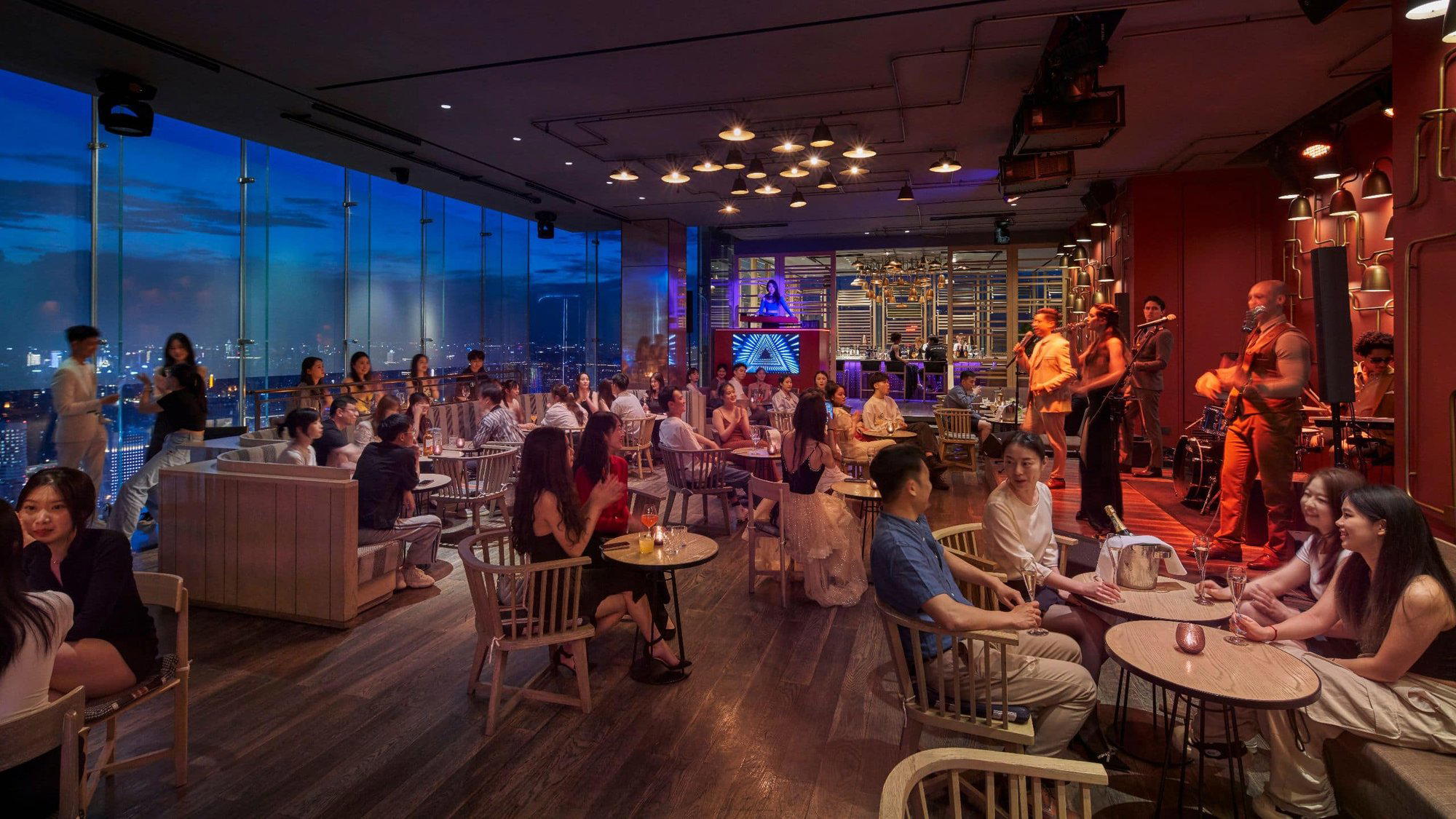
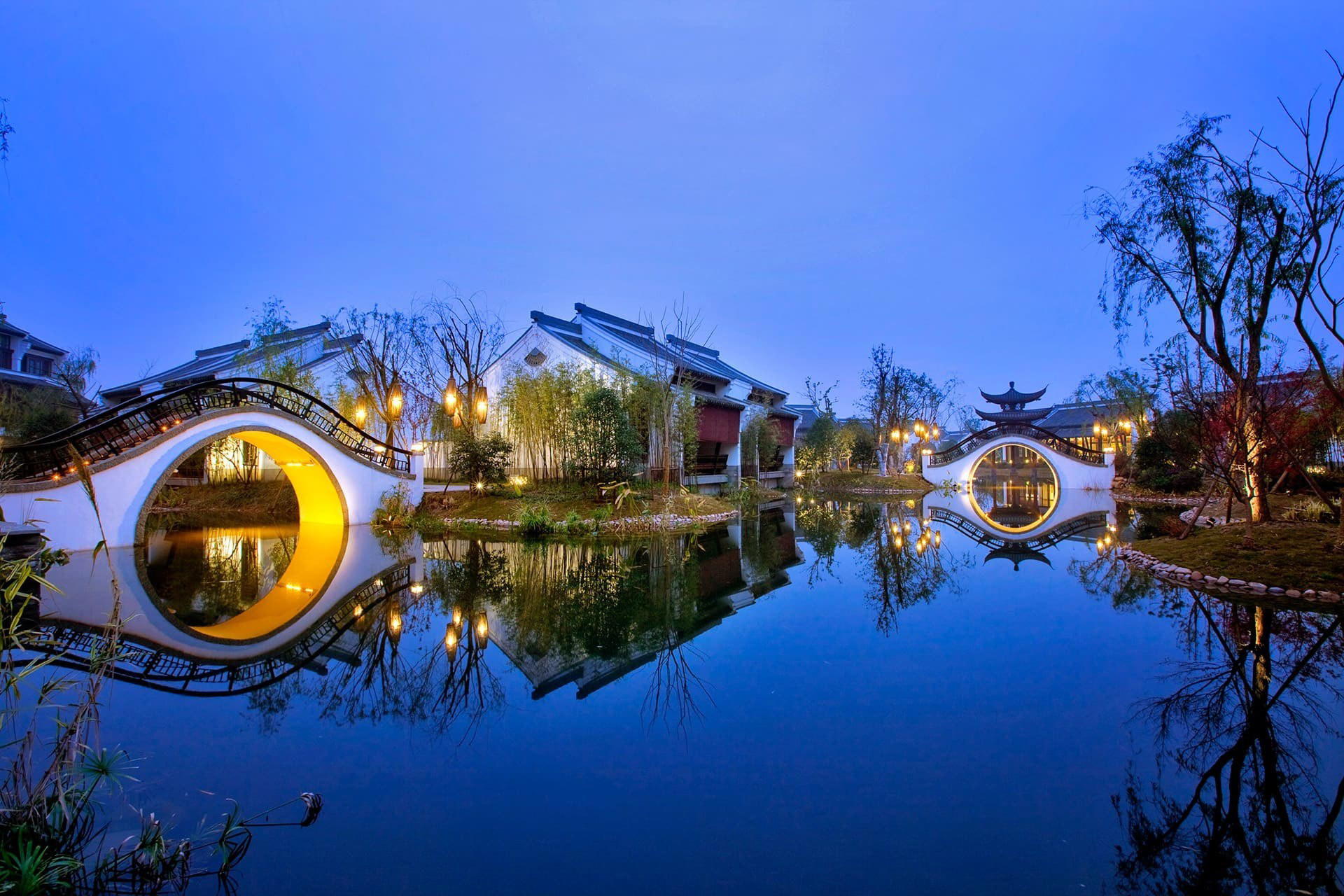
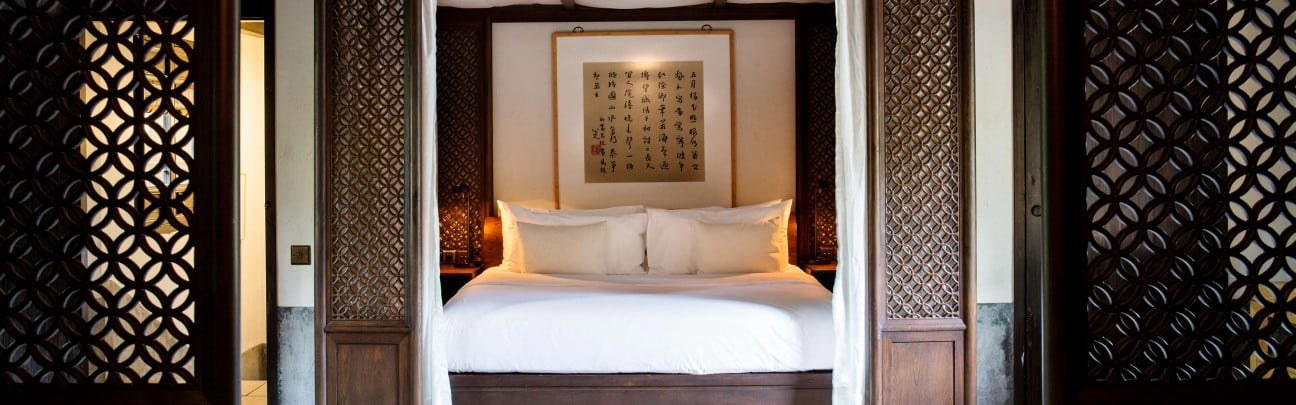
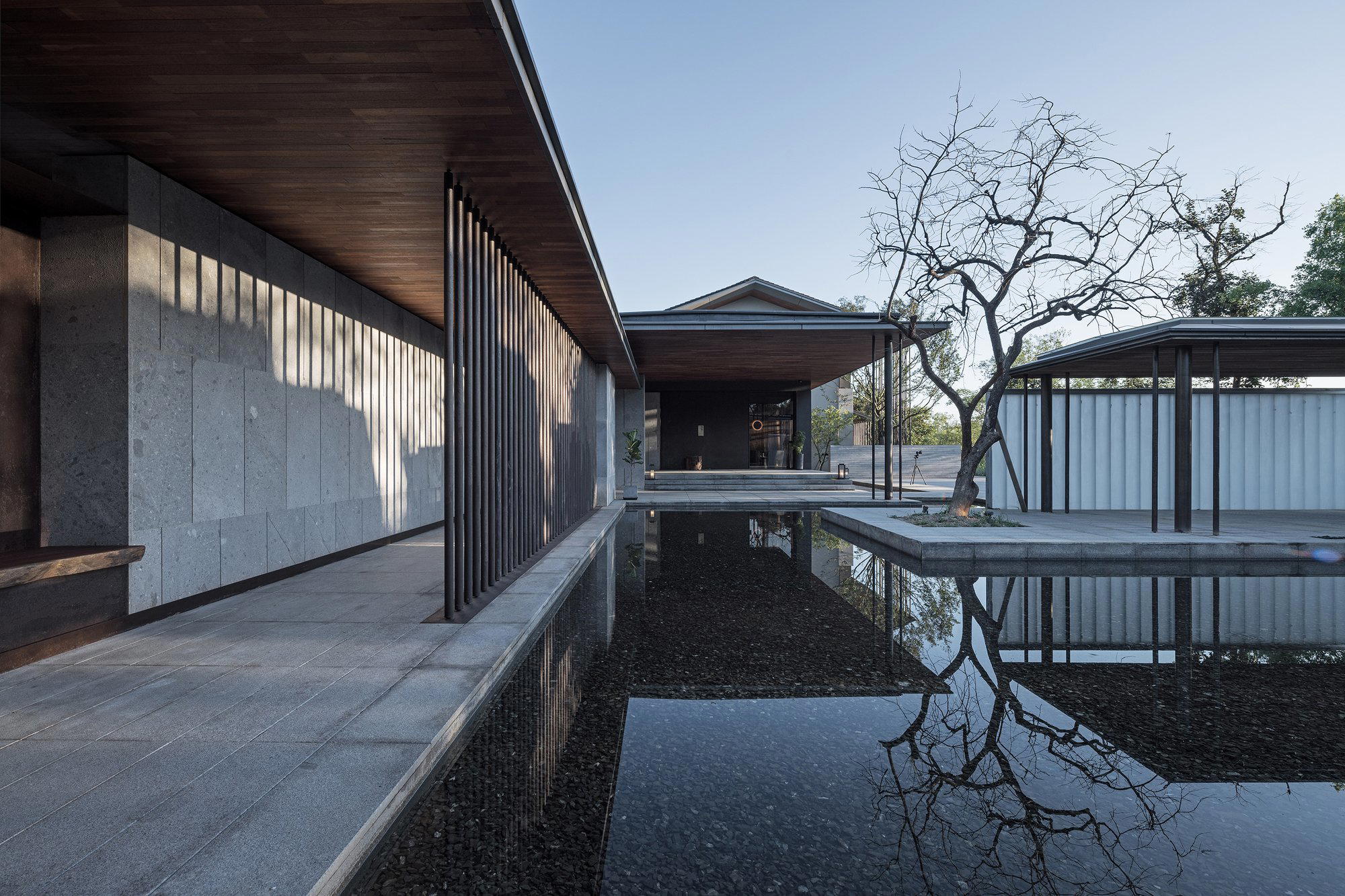
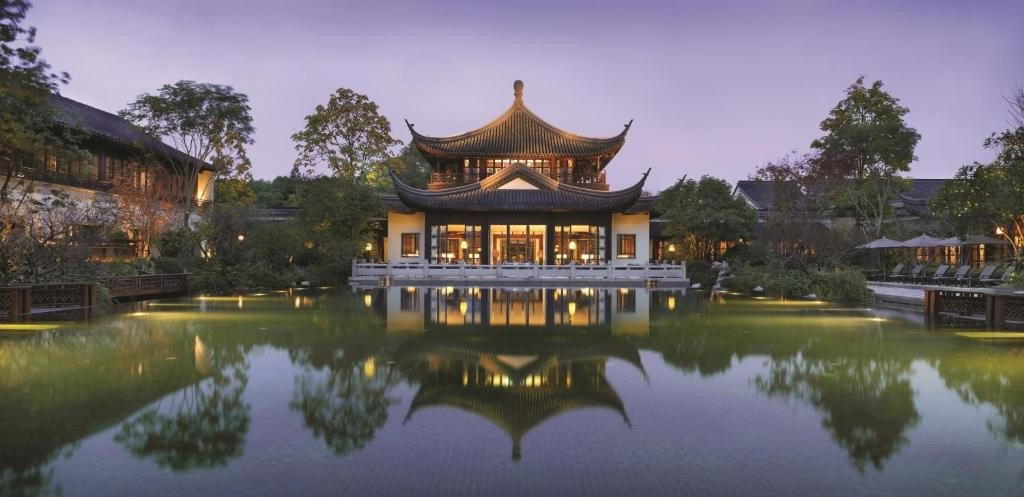
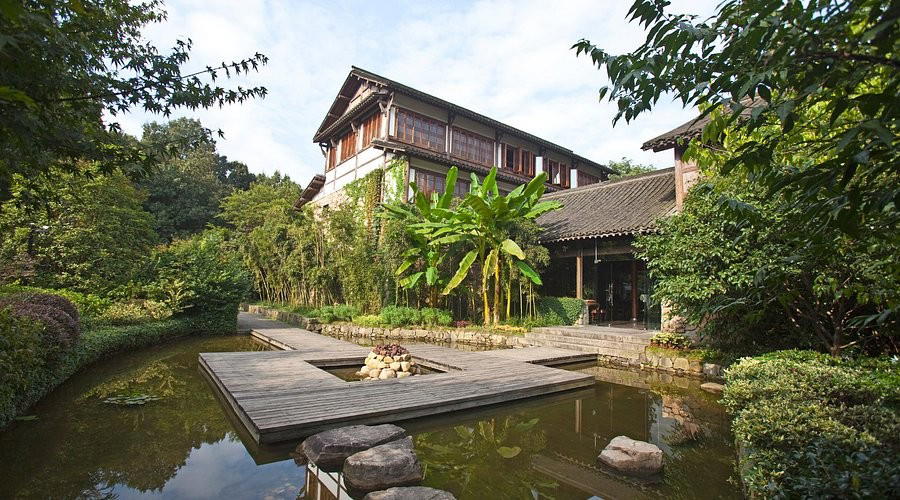
Serene and refined, with a tranquil garden outlook, soft lighting and a quiet, intimate dining room that feels tucked away inside the resort villas rather than a bustling city restaurant.