
Michelin Plate
Our verdict
A third-generation Palermo institution at Viale Galatea 55, Badalamenti began as a 1950s delicatessen trading in charcuterie, cheeses and local wines. Today it operates as both a working bottega and a full restaurant, with traditional Sicilian dishes from land and sea reworked with considered technique. The inspector's standout: cuttlefish ink arancina with red prawn tartare, pea cream and cheese fondue.

Pearl is the En Primeur Club membership app — saves, bookings, and concierge access live there. Same editors, same standards.
- Address
- Viale Galatea 55
- Phone
- +39 091 450213
- Hours
- Mon 11 AM–3:30 PM, 6:30–11 PMTue–Sat 11 AM–3 PM, 6:30–11 PMSun 11 AM–3:30 PM, 6:30–10 PM
- Website
- badalamenticucinaebottega.it
- Directions
- Get directions
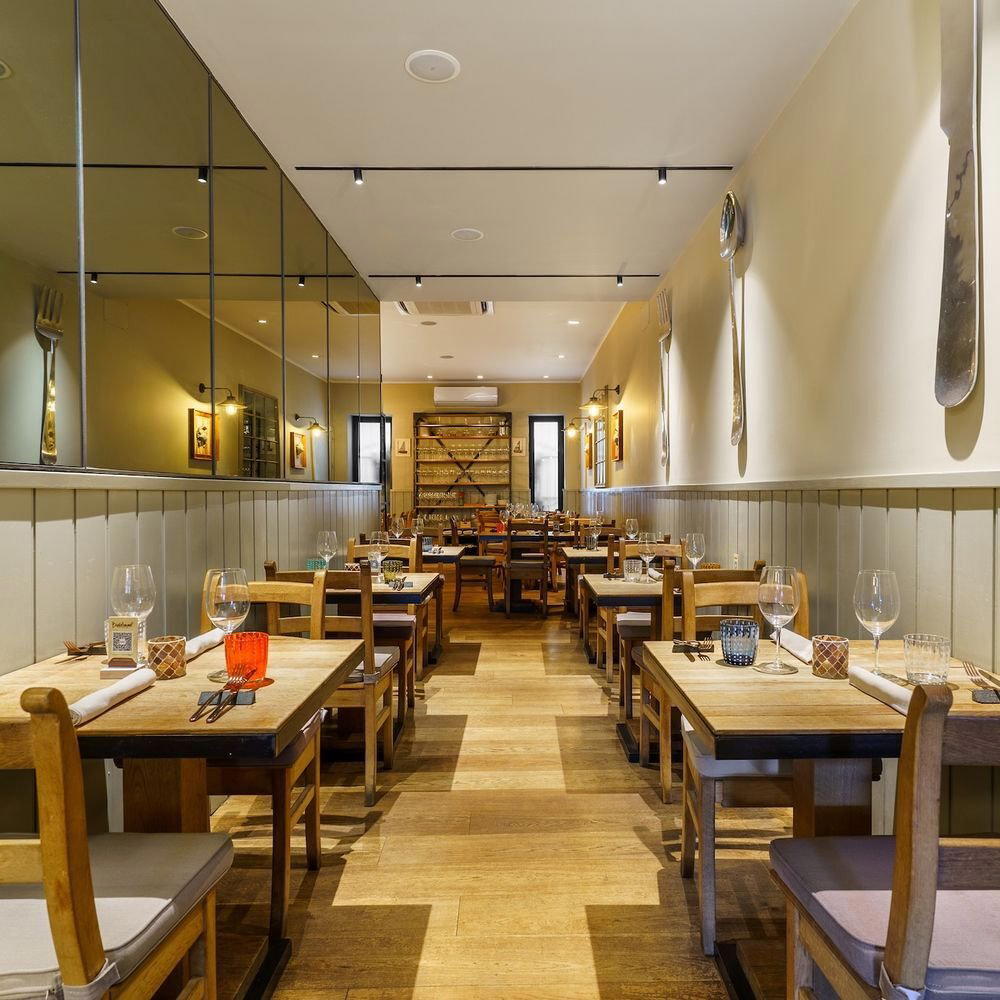
The menu
What to order
- Tonno Rosso con salsa affumicata al Katsoubushi
- Gamberoni rossi di mazara
- Tagliata di Fassona Piemontese
Where the Shop Floor Became the Dining Room
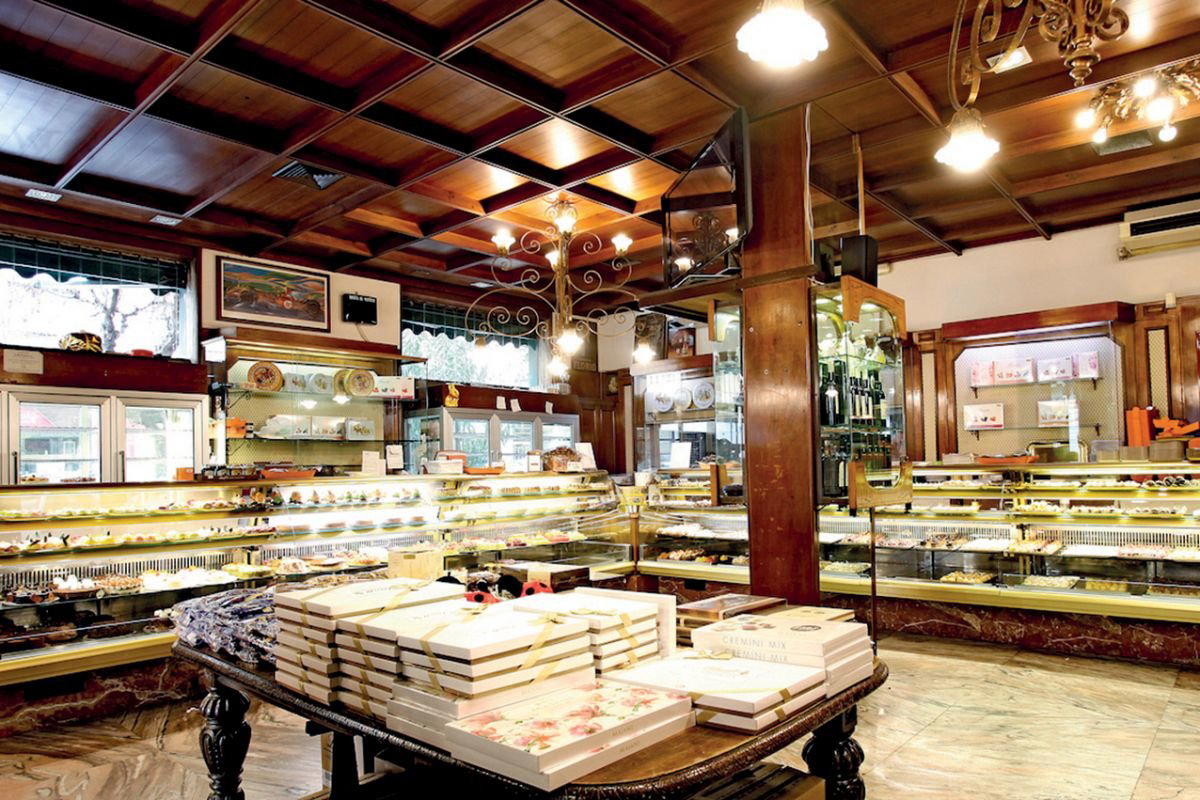
In Palermo, the line between retail and restaurant has always been blurred. The city's mercati — Ballarò, Vucciria, il Capo — are as much places to eat standing up as they are to buy. Badalamenti Cucina e Bottega, at Viale Galatea 55, belongs to that same tradition of commerce and consumption occupying the same address, though it arrives at it through a different route: not the street market but the neighbourhood delicatessen. Established in the 1950s, the original Badalamenti was a salumeria, the kind of place where charcuterie hung from the ceiling, cheese wheels sat on the counter, and the wine selection was curated for the quarter rather than for tourists. That character has not been erased by the contemporary makeover the space has received; it has been reframed around it.
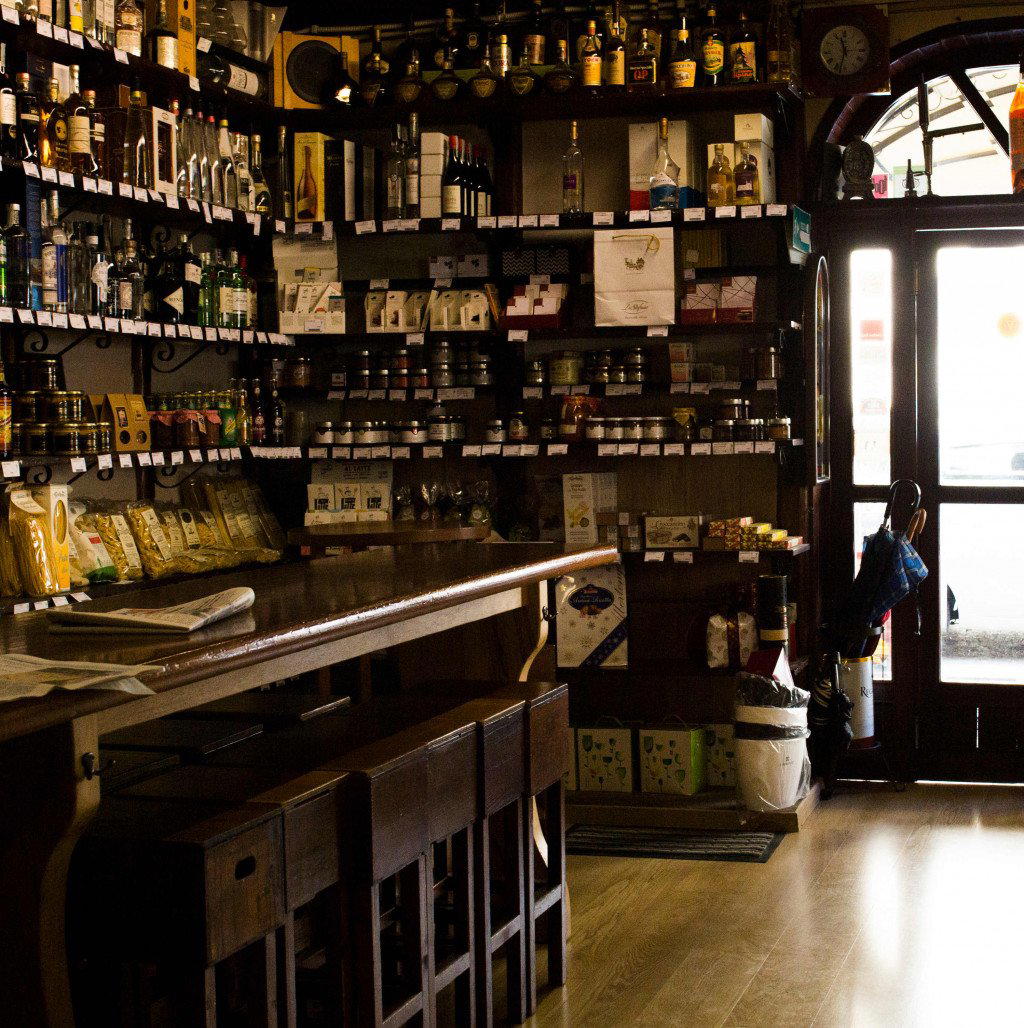
Walking into a place that still functions as a bottega while also serving a full sit-down menu creates a particular atmosphere. The product on the shelf is not decorative. It is the same product that informs the kitchen, and that continuity between what is sold and what is cooked gives the room a coherence that purpose-built restaurants spend years trying to manufacture. The third generation of the Badalamenti family now runs the operation, and the decision to add restaurant service to an existing retail identity is a studied one: it keeps the sourcing logic visible rather than hidden behind a pass.
Sourcing as Narrative: Charcuterie, Cheese and the Sicilian Store Cupboard
Sicily's pantry is one of the most geographically specific in the Mediterranean. The island sits at the intersection of North African, Arab, Norman and Spanish culinary traditions, and that layered history shows in its preserved foods as much as in its fresh ones. A delicatessen founded here in the 1950s would have been built around products that carried those references: the salted capers of Pantelleria, the tuna bottarga of Favignana, the aged sheep's cheeses of the Madonie mountains, the fennel-heavy sausages of the Palermitan interior. Badalamenti's retail origins mean these categories of ingredient are not incidental to the menu, they are its foundation.
That sourcing logic becomes clearest in the dish the inspector singled out: cuttlefish ink arancina with red prawn tartare, pea cream and cheese fondue. The arancina itself is a Palermitan staple, a fried rice ball that the city claims as its own (and distinguishes sharply from the arancino of Catania). Rendering it in cuttlefish ink and pairing it with raw red prawn, the gambero rosso of Sicilian waters, one of the island's most prized seafood products, is a move that extends a street-food form through fine-ingredient thinking without abandoning its structural identity. The pea cream and cheese fondue introduce a richness that bridges land and sea, which is precisely the dual register the restaurant describes as its editorial position. For a broader picture of how Palermo's restaurants are working this territory, see our full Palermo restaurants guide.
Three Generations and the Long Game of Palermitan Hospitality
Family-run establishments that have survived across three generations in Italian cities occupy a specific place in the hospitality ecosystem. They are not the same as new openings that adopt a rustic aesthetic, and they are not the same as grand old institutions coasting on reputation. The third-generation operation carries the memory of the original business in its bones while facing the same competitive pressures as any contemporary restaurant. In Palermo, that pressure now includes a tier of technically ambitious kitchens, places like Mec Restaurant, which works at the higher end of the Sicilian format, and A' Cuncuma, which pursues a more creative register. Badalamenti sits in a different position: grounded in retail tradition, operating across both shop and table, and pricing itself as a neighbourhood destination rather than a destination restaurant in the metropolitan sense.
That positioning has its own logic in a city where eating well does not require a reservation three months in advance or a menu that requires explanation. The bottega format means the kitchen's sourcing is literally on display in the retail section, which functions as both a transparency argument and a practical asset: diners can taste a dish and then buy the cheese or cured meat that anchored it. Italian restaurants working at this intersection of shop and table are rare enough that the format itself becomes part of the value proposition. Further afield in Italy, operations like Enoteca Pinchiorri in Florence have built similar dual identities around wine retail and fine dining, though at a different price point and scale. At the other end of the ambition spectrum, Osteria Francescana in Modena shows what radical reinterpretation of Italian tradition can look like when taken to its furthest point, useful context for understanding where Badalamenti sits on that continuum: rooted, readable, and not trying to be something it is not.
The Palermo Context: Street Food, Sit-Down, and the Space Between
Palermo's food culture does not sort neatly into categories. The city that gave the world pannelle, sfincione and pani câ meusa, chickpea fritters, thick-crusted focaccia and spleen sandwiches, also supports serious sit-down cooking and, increasingly, a middle register of places that take street-food ingredients seriously without turning them into parody. Antica Focacceria San Francesco represents the historic street-food institution end of that spectrum; AMMODO shows how a single product can be taken to a high level of technical precision. Archestrato di Gela works the fish-market-adjacent territory with a seafood-forward focus. Badalamenti occupies its own coordinate in this map: the converted delicatessen where you can eat a composed dish in the dining room and walk out with the ingredients that made it.
For visitors building a Palermo itinerary around serious eating, the city rewards neighbourhood-level thinking. Viale Galatea is not in the historic centre's tightest cluster of sites, which means Badalamenti draws a local clientele alongside its food-interested visitors, a reliable signal in any city that the kitchen is not calibrating its output solely for tourists. The Palermo bars guide, hotels guide, wineries guide and experiences guide offer further structure for a longer stay.
Practical Notes for Visiting
Badalamenti operates as both a retail bottega and a full restaurant, which means opening patterns may follow shop hours as much as conventional restaurant service. The address is Viale Galatea 55, Palermo. The dual-format operation suggests a range of engagement is possible, from a shorter stop to buy local products to a full sit-down meal working through land and sea dishes. Given the retail dimension, the space is likely more accessible for families than a tightly formal dining room, though the converted nature of the space means it does not operate as a children's-menu establishment in the conventional sense.
Frequently asked questions
Is Badalamenti Cucina e Bottega good for families?
The dual format works in families' favour: Badalamenti operates as both a retail bottega and a restaurant, so the environment is grounded in everyday Palermitan commerce rather than formal dining. A third-generation establishment that grew from a 1950s delicatessen tends to carry a relaxed, neighbourhood familiarity that suits multi-generational groups.
What kind of setting is Badalamenti Cucina e Bottega?
It is a contemporary-renovated bottega on Viale Galatea 55 in Palermo — part deli counter selling local charcuterie, cheeses and wines, part sit-down restaurant. The shop floor and dining room share space, which is a format with deep roots in Palermo's mercato culture, where the distinction between buying and eating has never been clear-cut.
Does Badalamenti Cucina e Bottega have a Michelin star or similar recognition?
Badalamenti Cucina e Bottega has received recognition including: A historic address, established in the 1950s as a delicatessen selling charcuterie, cheeses and wines, it is now in its third generation and has been given a contemporary makeover. It is still “the shop” where you can buy local delicacies, ….
What do people recommend at Badalamenti Cucina e Bottega?
The dish singled out by the venue's inspector is the cuttlefish ink arancina with red prawn tartare, pea cream and cheese fondue — a composed take on one of Sicily's most canonical street-food forms. The kitchen's approach applies that same logic across the menu: traditional land and sea dishes revisited with evident point of view.
Where exactly is Badalamenti Cucina e Bottega?
Badalamenti Cucina e Bottega is located at Viale Galatea 55, Palermo.
Is Badalamenti Cucina e Bottega reservation-only?
Because Badalamenti functions as both a retail bottega and a restaurant, its opening patterns may follow shop hours as much as conventional restaurant schedules.
What's the standout thing about Badalamenti Cucina e Bottega?
Continuity without stagnation: a Palermo delicatessen trading since the 1950s, now in its third generation, that has absorbed a full restaurant operation without abandoning its identity as a place to buy local produce. The cuttlefish ink arancina, cited by the inspector, signals a kitchen willing to apply craft to forms that most restaurants in the city would leave to the street stalls.
Comparable Spots, Quickly
Comparable venues nearby, for context on price, style, and recognition.
| Venue | Cuisine | Price | Awards | Notes |
|---|---|---|---|---|
| Badalamenti Cucina e BottegaThis venue — the venue you are viewing | Traditional Sicilian Italian | $30–50 | Michelin Plate | Not listed |
| Palazzo Branciforte | Modern Sicilian Fine Dining | $50–100 | Michelin Plate | Palermo Centro Storico |
| Bye Bye Blues | Modern Sicilian Seafood | $50–100 | Not listed | Mondello |
| Ristorante Quattro mani | Modern Sicilian | $50–100 | Not listed | Kalsa |
| Osteria dei Vespri | Modern Sicilian | Not listed | Michelin Plate | Tribunali |
| CR21 | Contemporary Sicilian | $50–100 | Michelin Plate | Historic Center (Via dei Cartari) |
Recognition history
Dated appearances from independent guides and award organizations, with the underlying list record or original source where available.
Michelin Plate
Michelin · 2026 Michelin Plate
Continue exploring
More in Palermo
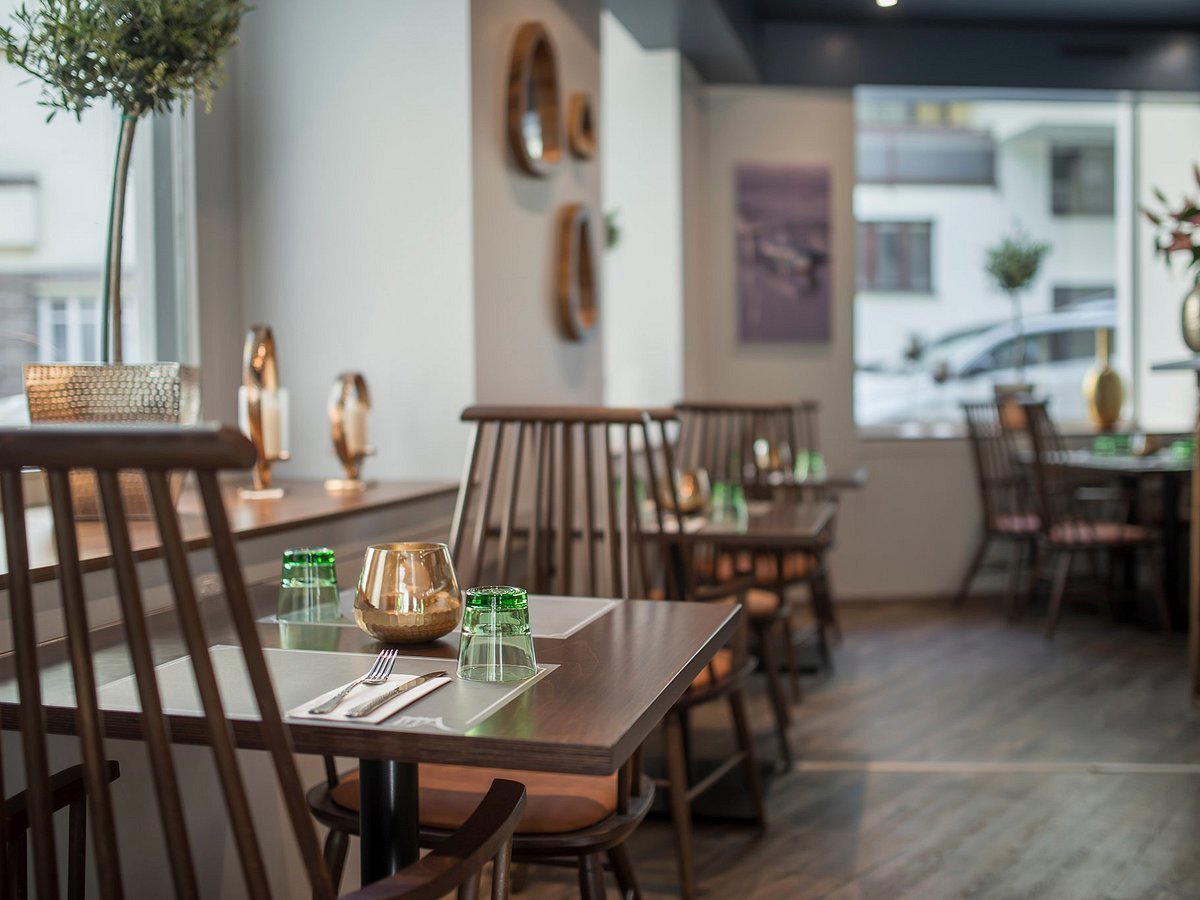
Restaurants in Palermo
Browse all →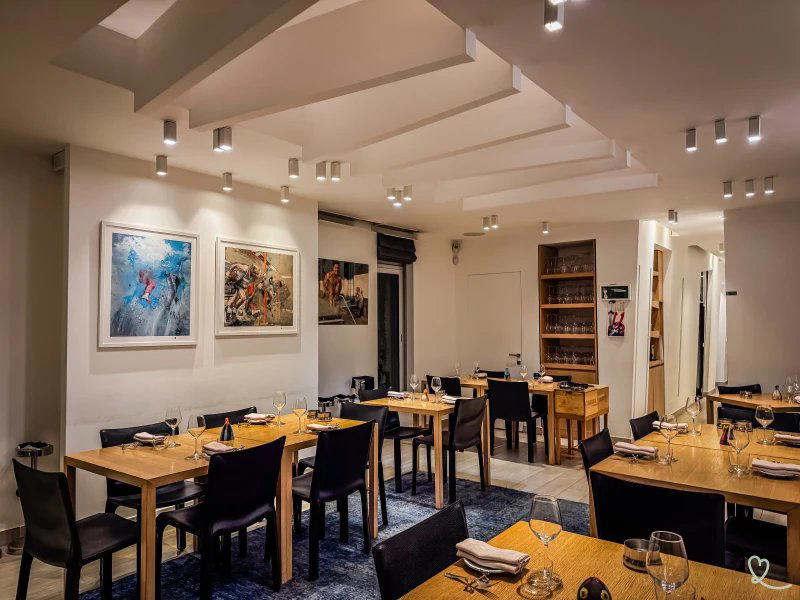
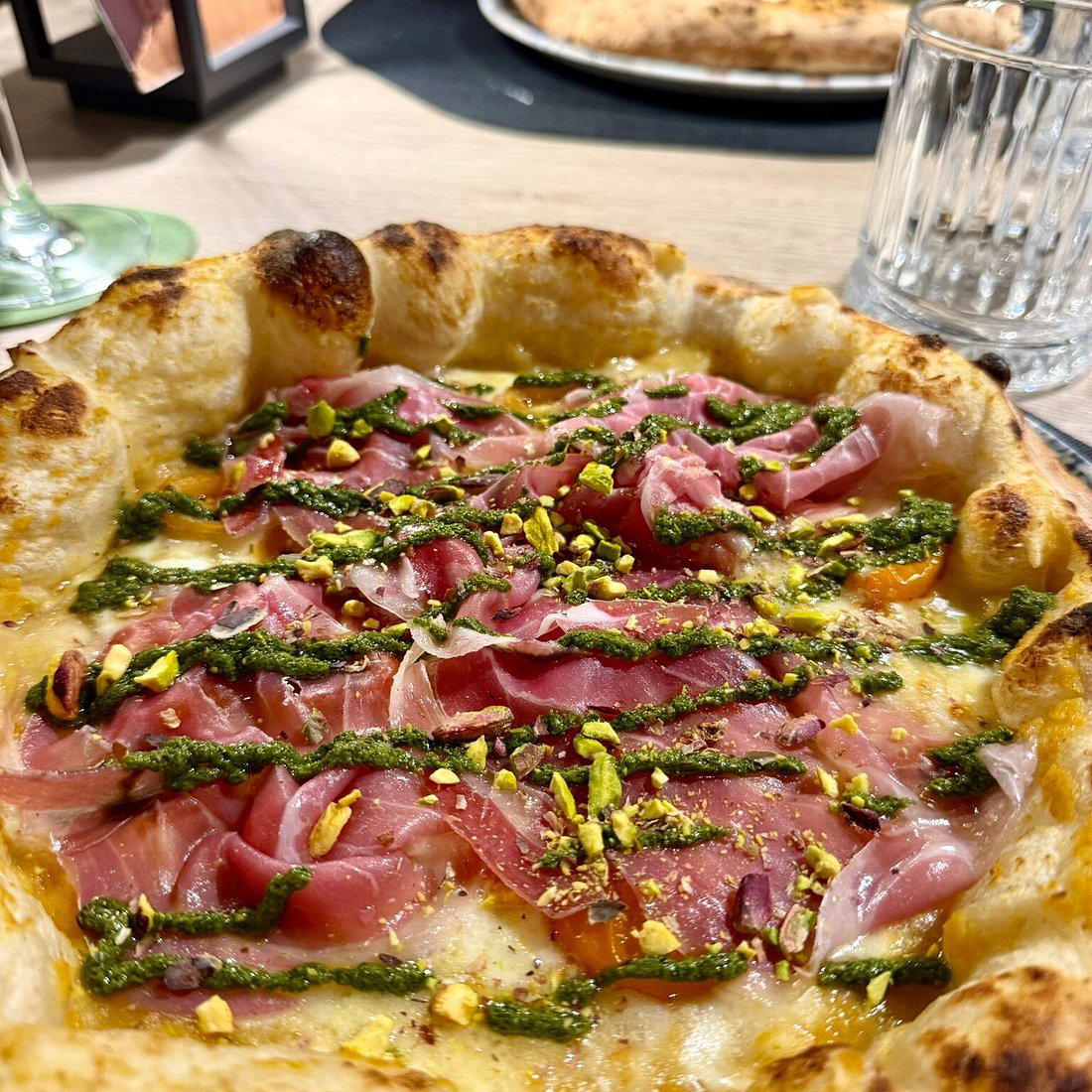
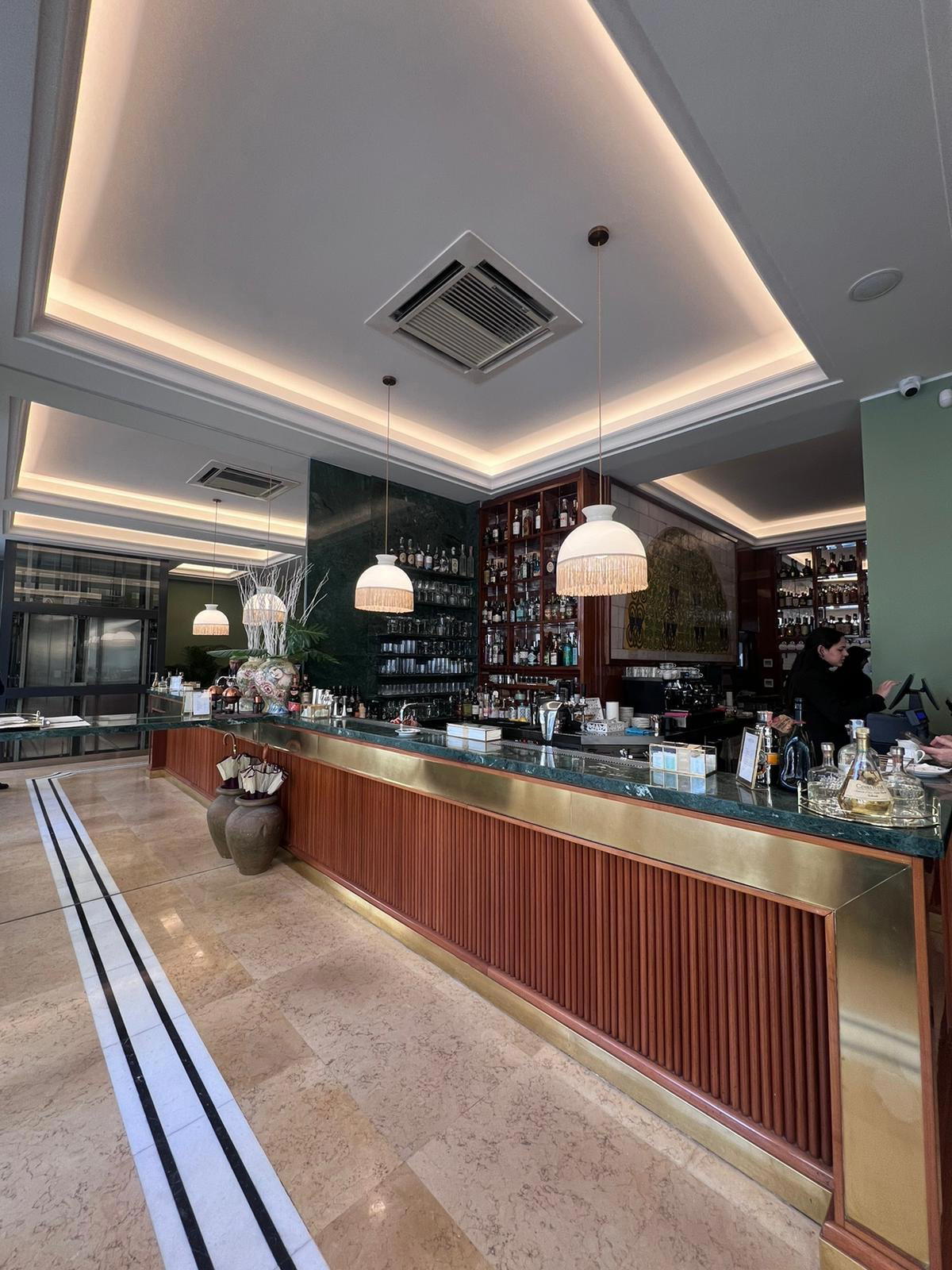
Bars in Palermo
Browse all →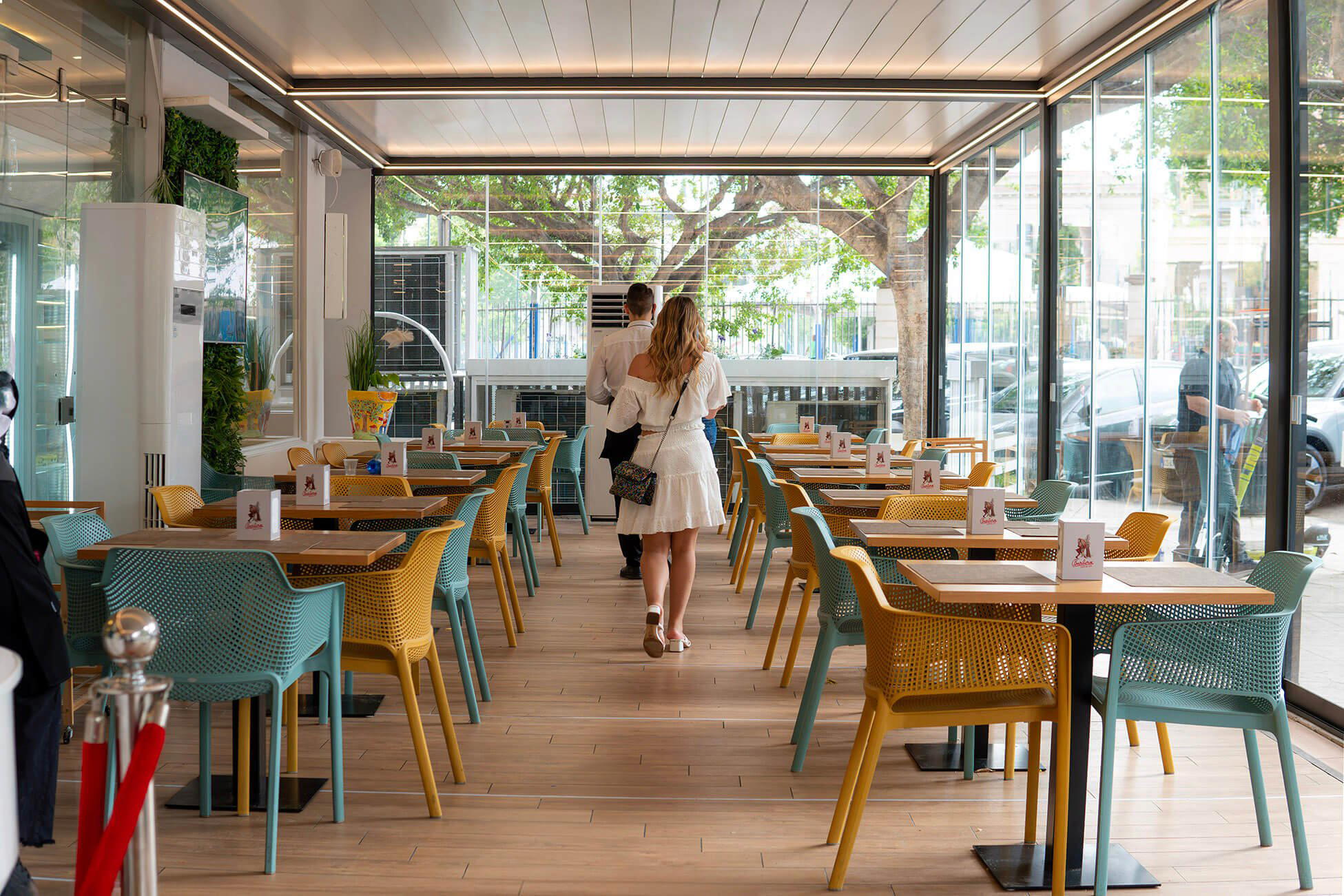
Hotels in Palermo
Browse all →
Details
- Elegant
- Cozy
- Classic
- Intimate
- Date Night
- Special Occasion
- Business Dinner
- Historic Building
- Open Kitchen
- Extensive Wine List
- Local Sourcing
- Street Scene
- A La Carte
- Wine
- Vegetarian Friendly
- Vegan Options
- Gluten Free Options
Current opening hours
- Monday
- 11 AM–3:30 PM, 6:30–11 PM
- Tuesday
- 11 AM–3 PM, 6:30–11 PM
- Wednesday
- 11 AM–3 PM, 6:30–11 PM
- Thursday
- 11 AM–3 PM, 6:30–11 PM
- Friday
- 11 AM–3 PM, 6:30–11 PM
- Saturday
- 11 AM–3 PM, 6:30–11 PM
- Sunday
- 11 AM–3:30 PM, 6:30–10 PM
Hours can change for holidays and private events. Last verified .
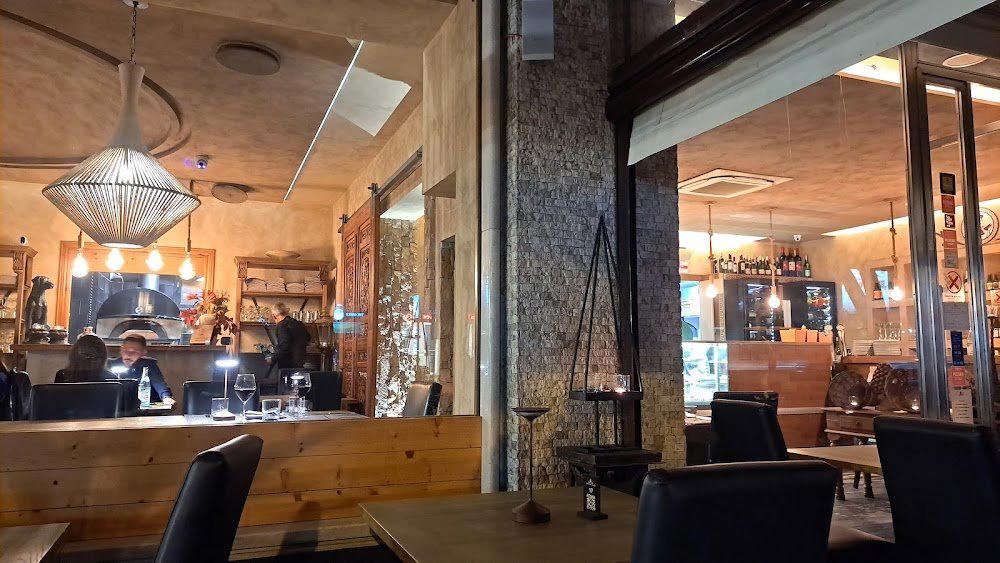
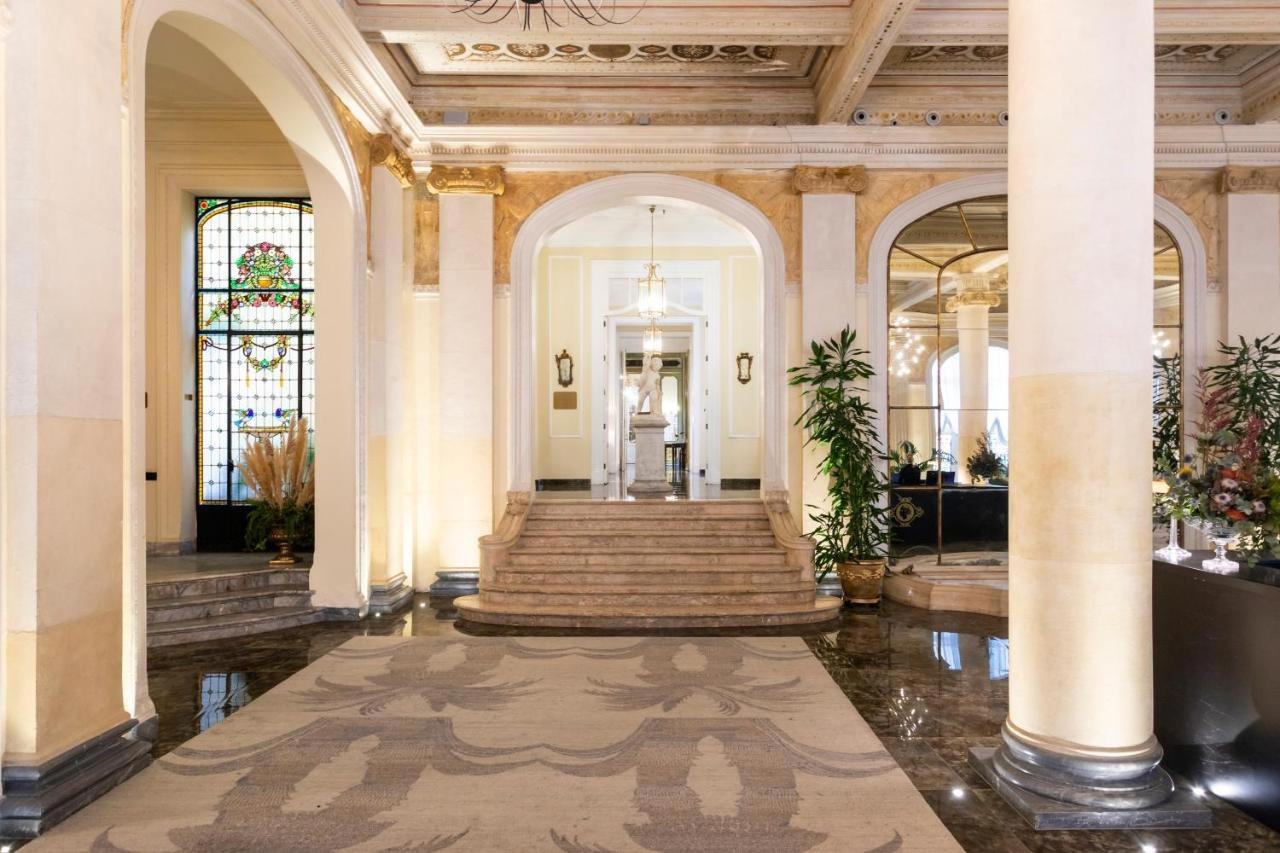
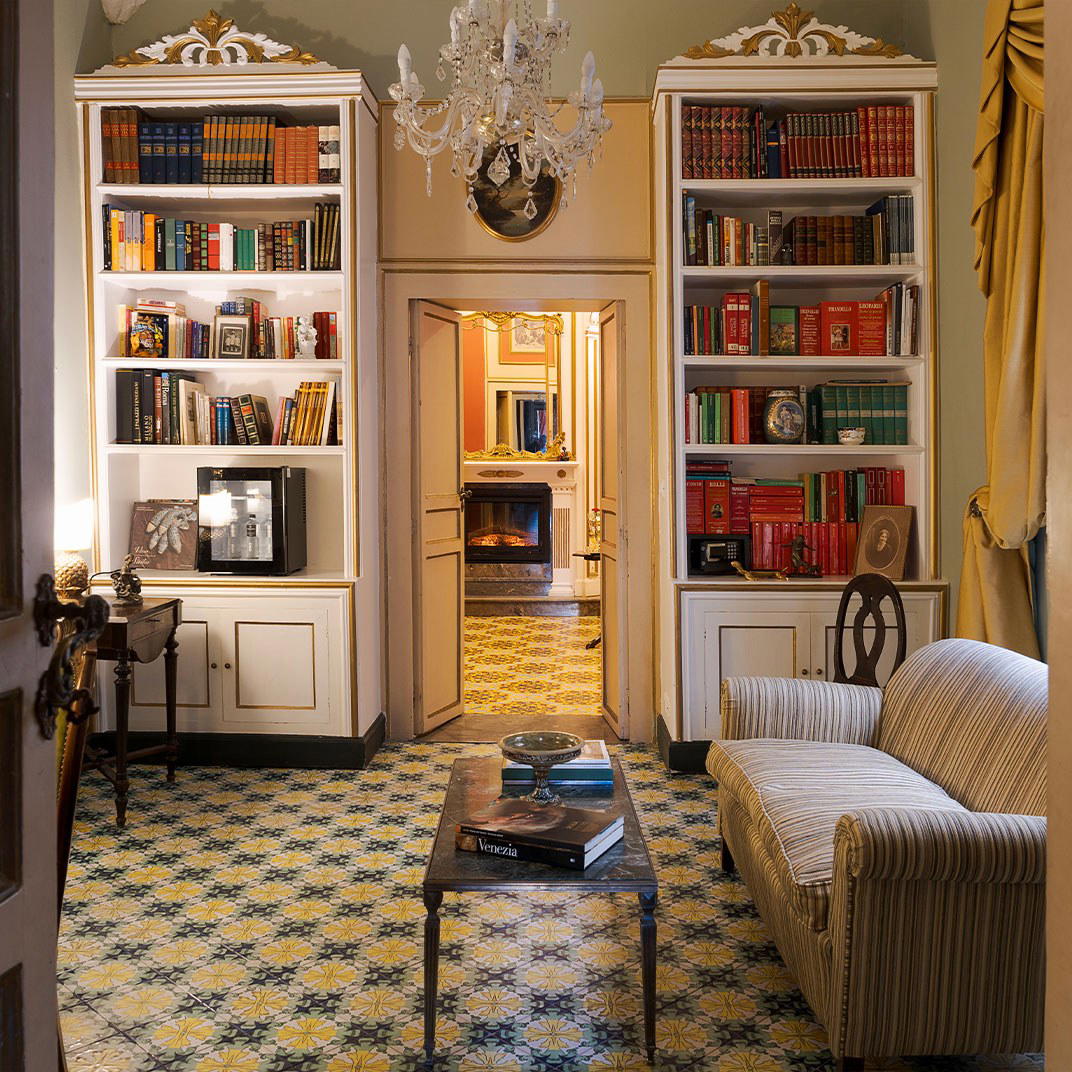
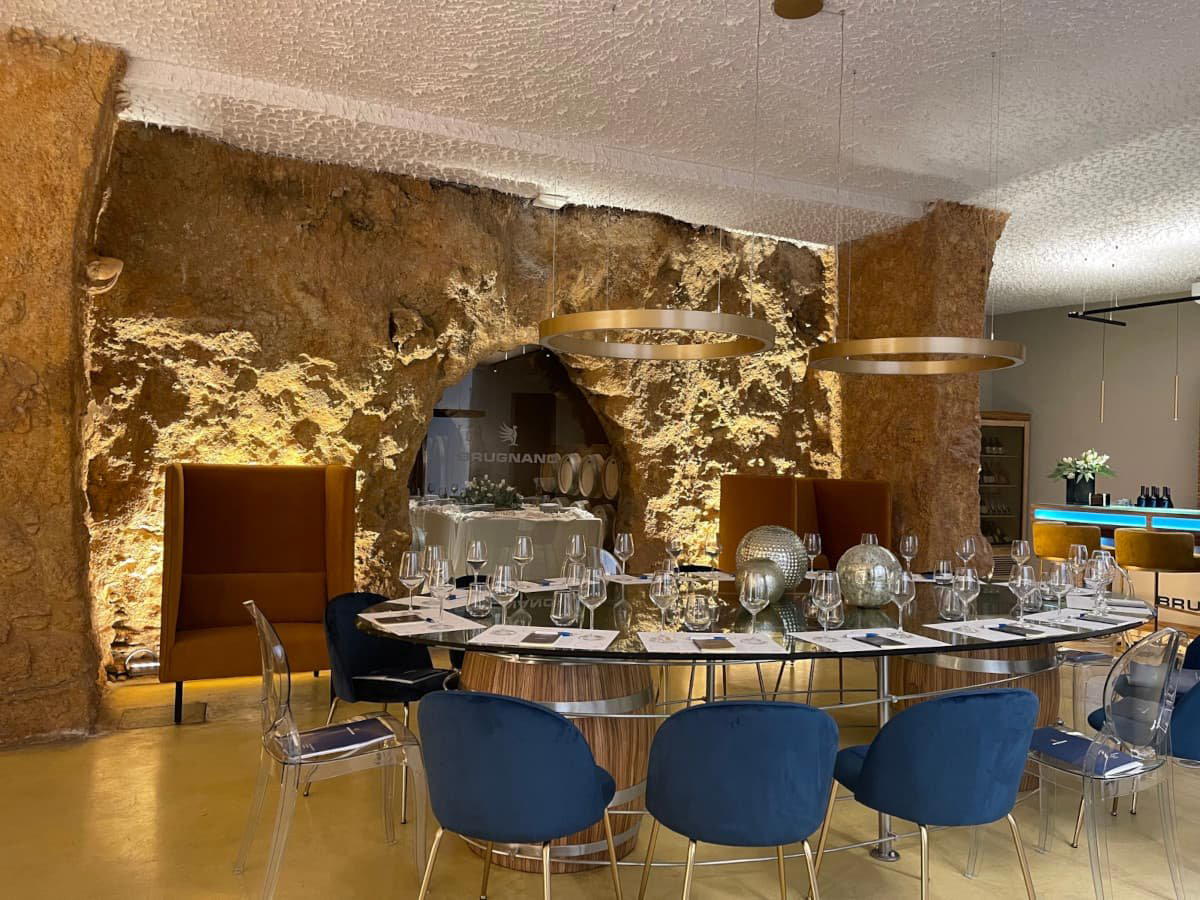
Welcoming and elegant atmosphere with products on display like old-school shops, warm lighting, and a sense of family hospitality.