Aya Sushi

Aya Sushi operates on Bellaire Boulevard in the heart of the Southwest Houston dining corridor, where Japanese precision meets a neighborhood that takes its food seriously. The address places it within a stretch of restaurants spanning cuisines from across Asia and the Americas, making it a natural stop for diners already familiar with the area's breadth. Details on format and pricing are best confirmed directly at the venue.
Pearl is the En Primeur Club membership app — saves, bookings, and concierge access live there. Same editors, same standards.
- Address
- 5407 Bellaire Blvd Suite A, Bellaire, TX 77401
- Phone
- +17134854272
- Website
- ayasushi.com
- Directions
- Get directions
 Saves & bookings on Pearl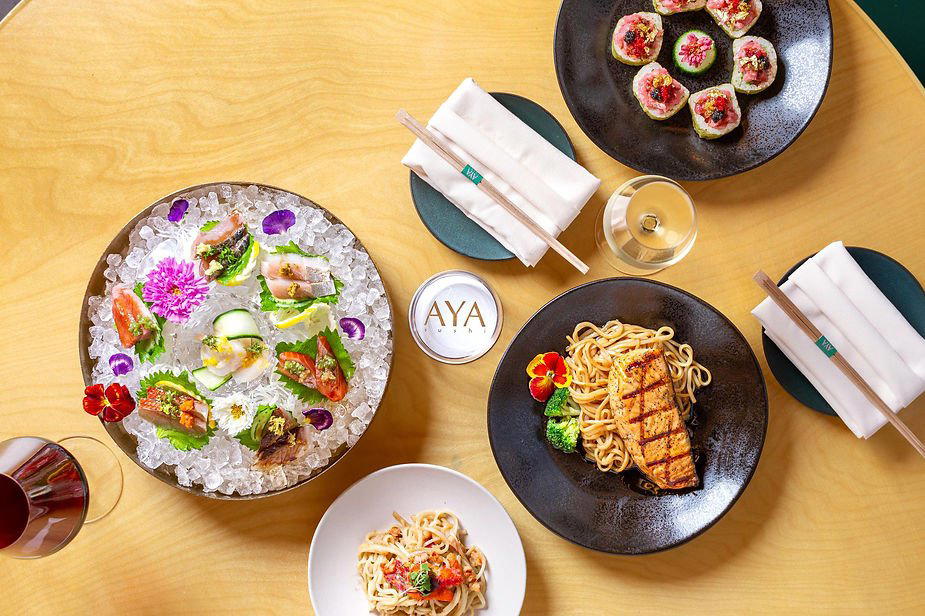
Where Bellaire Boulevard Places You
Bellaire Boulevard has become one of the more diverse dining corridors in the Greater Houston area. The neighborhood sits southwest of the city proper, and its restaurant row reflects decades of immigration from Vietnam, China, Korea, and beyond, layered over a base of Texas staples. Sushi in this context competes differently than it does in a downtown dining district: the surrounding options are deeply specific, often family-run, and priced for repeat locals rather than occasion visitors. Blood Bros BBQ brings Texan smoke and Southern-Asian fusion to the same street. Lemongrass Cafe anchors the Vietnamese end of the corridor. Against that grain, a Japanese counter has to earn its place through sourcing, consistency, or format discipline rather than novelty alone.
Aya Sushi occupies a suite-format space at 5407 Bellaire Boulevard, a strip-plaza address typical of this part of Southwest Houston. That setting matters more than it might in a glossier zip code: in Bellaire, the physical environment rarely signals the quality of what's inside. The culinary weight here is carried by what reaches the counter, not how the room is dressed.
The Sourcing Question in American Sushi
The tension inside American sushi, particularly outside the major coastal markets, is almost always a sourcing question. Japan's fish wholesale infrastructure, built around markets like Tsukiji's successor Toyosu, is not easily replicated elsewhere. Restaurants that want to operate at a meaningful level either work through specialist importers, develop direct relationships with domestic fish farms and coastal suppliers, or accept that their product will reflect what is realistically available through regional distribution. Each of those choices produces a different kind of restaurant.
This is the frame worth applying when evaluating any sushi counter in a market like Houston. The city does have access to Gulf Coast seafood of genuine quality, including Gulf oysters, snapper species, and shrimp that can hold their own against imported alternatives. The question is whether a given kitchen chooses to anchor its menu to what arrives by air from Japan, what the Gulf provides, or a hybrid that reflects the seasons honestly. Operations that can answer that question clearly tend to produce more consistent results than those that simply list standard omakase items without transparency about origin.
Establishments like Single Thread Farm in Healdsburg and Blue Hill at Stone Barns in Tarrytown have demonstrated, in their respective formats, that sourcing transparency is itself an editorial statement. Smyth in Chicago takes a similar approach within a tasting-menu framework. These are not sushi comparisons, but they illustrate how the question of ingredient origin has moved from background consideration to central program logic across American fine dining.
Bellaire in the Broader Texas Dining Conversation
Houston's dining identity is underappreciated nationally. The city's size, its port economy, and its layered immigrant communities produce a food culture that rewards specificity. Bellaire, as a distinct municipality inside the Houston metropolitan boundary, concentrates a particular kind of eating: neighborhood-scale, cuisine-specific, and built for locals who know exactly what they want. Costa Brava Bistro and Rossa Room represent the European-leaning end of that local diner base. A Japanese restaurant in this environment does not position itself against the same comparable set as one in River Oaks or Midtown.
That positioning shapes expectations. At the price tier and format of a neighborhood sushi operation, the relevant comparison is not Le Bernardin in New York City or Atomix in New York City. It is closer to: does the fish taste of what it is, does the rice hold temperature and seasoning correctly, and does the kitchen make honest choices about what it can and cannot source well on any given day. Those are the standards that matter in this context. For the broader scope of what Bellaire's dining options look like across price points and cuisines, the EP Club Bellaire restaurants guide maps the full picture.
How Ingredient-Driven Sushi Works at Neighborhood Scale
The sushi category in American dining has split into at least three tiers: high-commitment omakase counters operating at price points above $200 per head, mid-market operations offering a la carte menus with broad accessibility, and neighborhood-scale restaurants where value and consistency matter more than ceremony. Properties like Providence in Los Angeles and Addison in San Diego operate in the first tier within California. The French Laundry in Napa and Frasca Food and Wine in Boulder are not sushi comparisons but show what sourcing and format discipline produces in fine dining more broadly. Lazy Bear in San Francisco, Emeril's in New Orleans, The Inn at Little Washington, and Atelier Moessmer Norbert Niederkofler in Brunico each demonstrate how sourcing specificity becomes program identity at the leading end.
Aya Sushi on Bellaire Boulevard operates in a different register, and that is not a criticism. Neighborhood sushi that executes its tier correctly, with fish that arrives in good condition, rice that is seasoned and served at the right temperature, and a menu calibrated to what the kitchen can actually do, delivers real value. The mistake is evaluating it by the standards of a counter that charges far more and has spent years building Japanese supplier relationships. The more useful evaluation is whether it performs consistently within its own context and whether the sourcing decisions it makes are honest ones.
Planning Your Visit
Aya Sushi is located at 5407 Bellaire Boulevard, Suite A, Bellaire, TX 77401. The Bellaire Boulevard address is accessible by car, with parking typical of strip-plaza commercial developments in Southwest Houston. Current hours, booking availability, and menu details are best confirmed before visiting, as operational specifics for this location are not published centrally. For diners building a longer evening in the neighborhood, the surrounding Bellaire corridor offers genuine range: barbecue, Southeast Asian, and European options within walking or short driving distance.
How It Stacks Up
Comparable venues nearby, for context on price, style, and recognition.
| Venue | Cuisine | Price | Awards | Notes |
|---|---|---|---|---|
| Aya SushiThis venue — the venue you are viewing | Modern Japanese Omakase | $$$$ | Not listed | Not listed |
| Rossa Room | Italian Cocktail Bar with Wood-Fired Pizza | $$ | Not listed | Bellaire |
| Costa Brava Bistro | Spanish-French Bistro | $$$ | Not listed | Bellaire |
| Lemongrass Cafe | Asian Fusion | $$ | Not listed | Bellaire |
| Blood Bros BBQ | Fusion Texas BBQ | $$$ | Bib Gourmand | Bellaire |
| Kuu | Modern Japanese Sushi | $$$$ | Not listed | Hennessey |
Recognition history
Dated appearances from independent guides and award organizations, with the underlying list record or original source where available.
Wine Spectator Award of Excellence
Wine Spectator
Continue exploring
More in Bellaire
Restaurants in Bellaire
Browse all →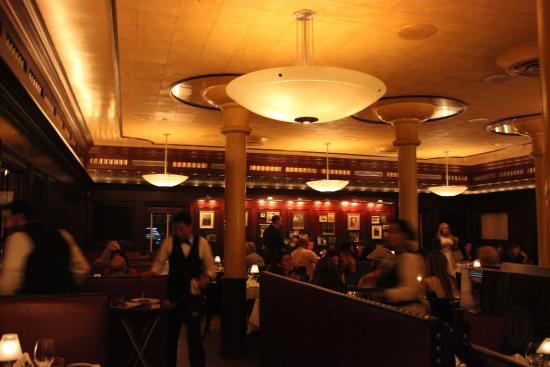

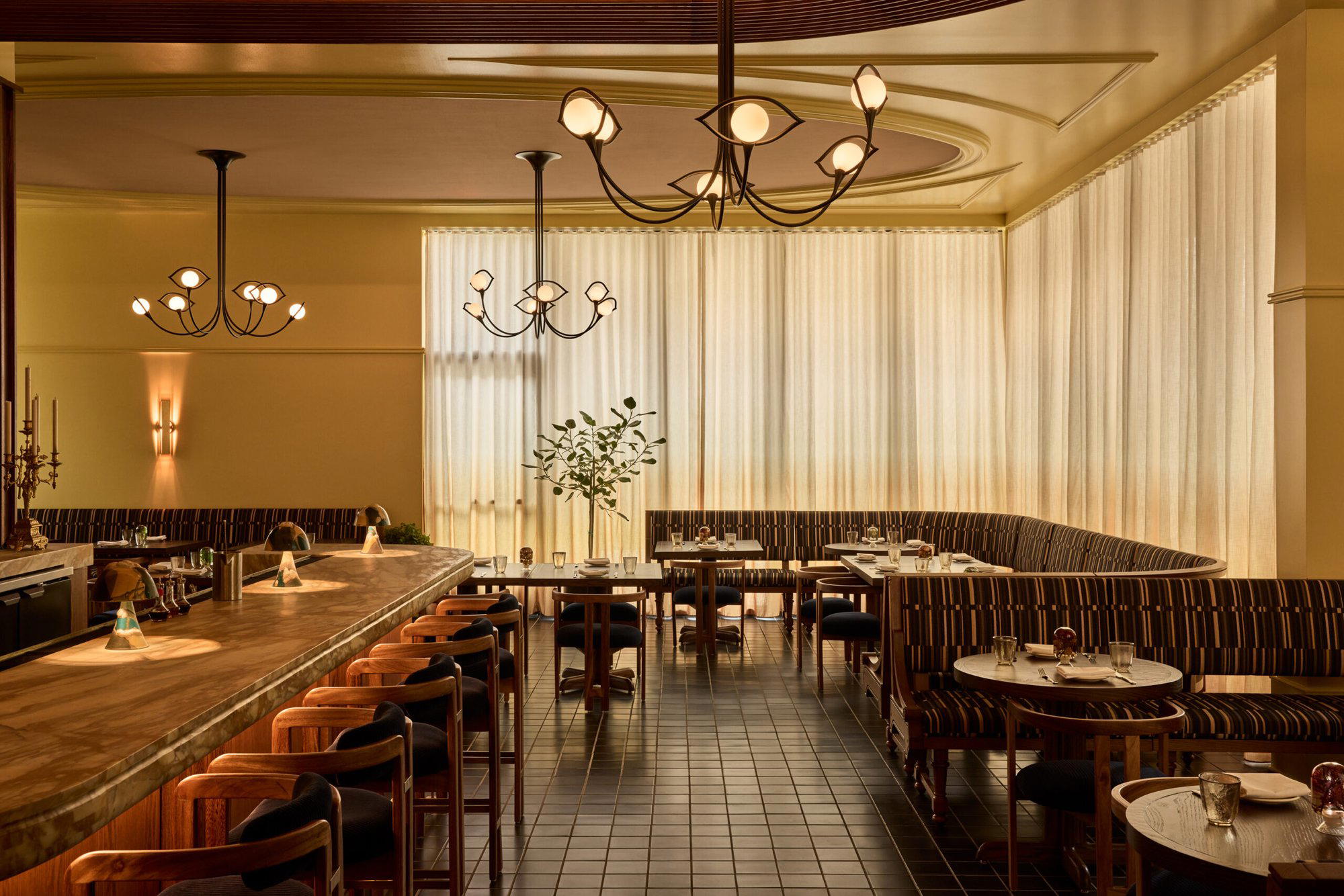
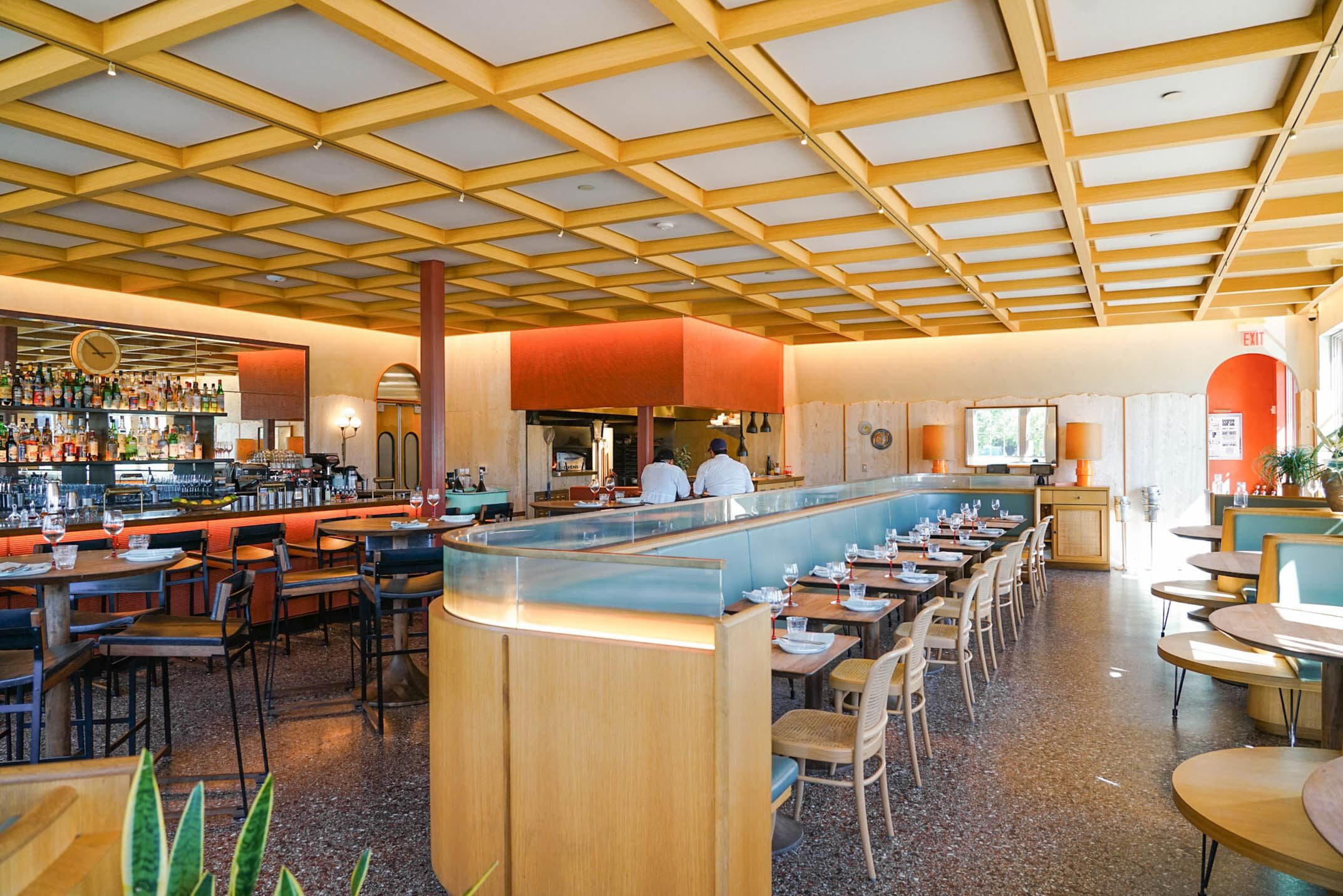
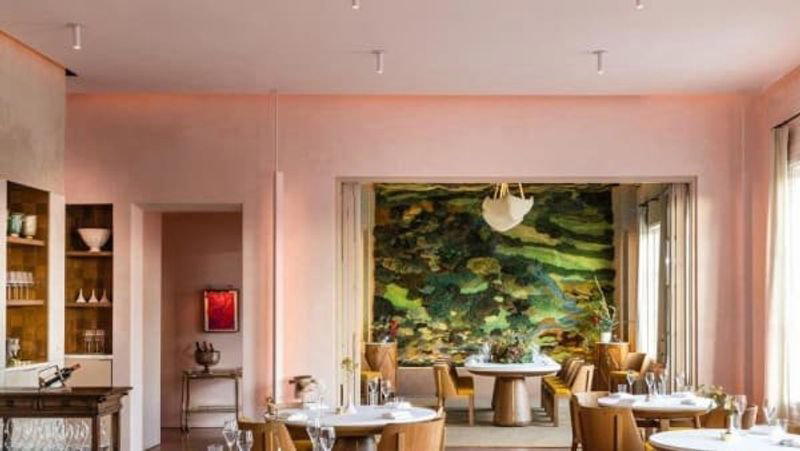
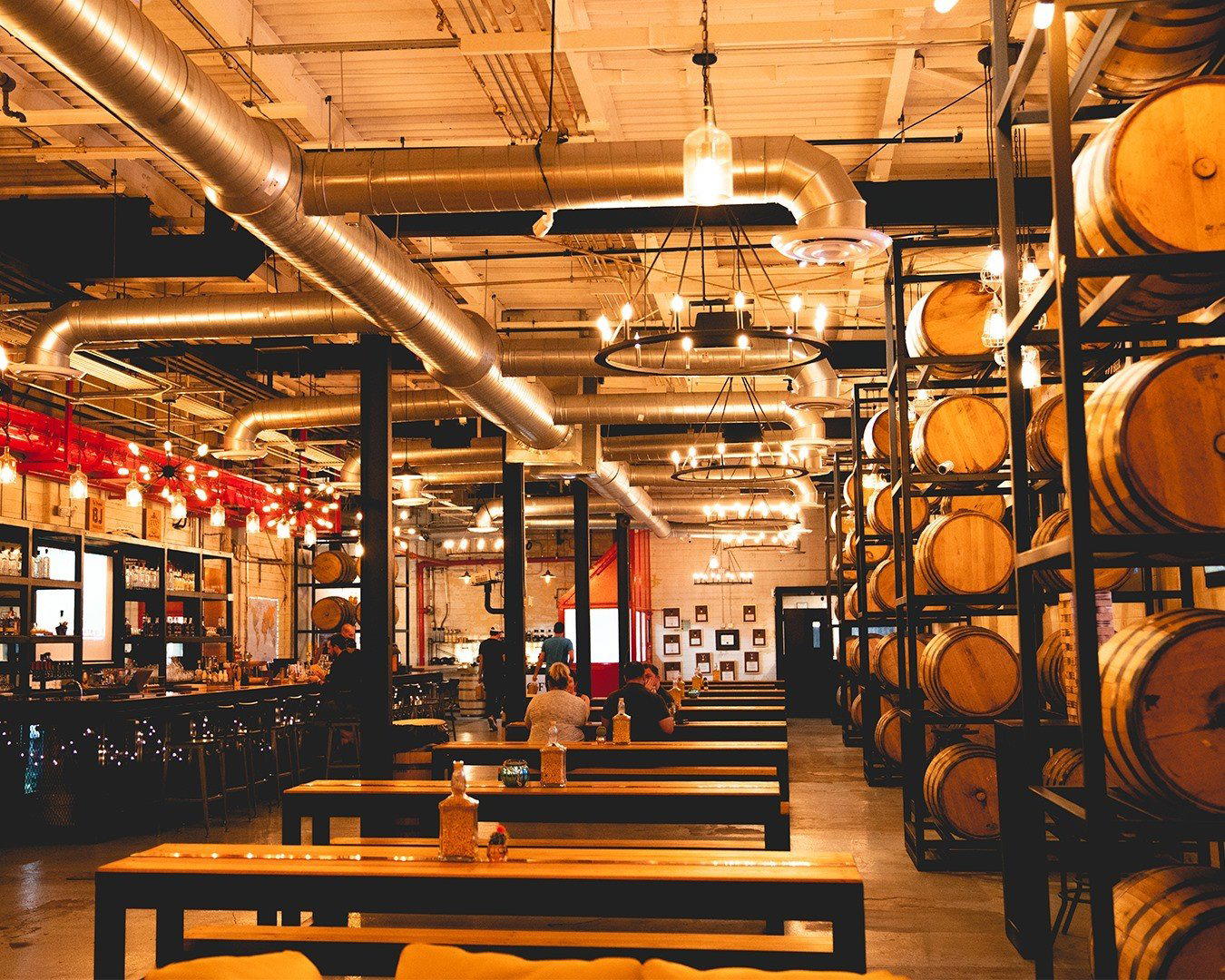
Bars in Bellaire
Browse all →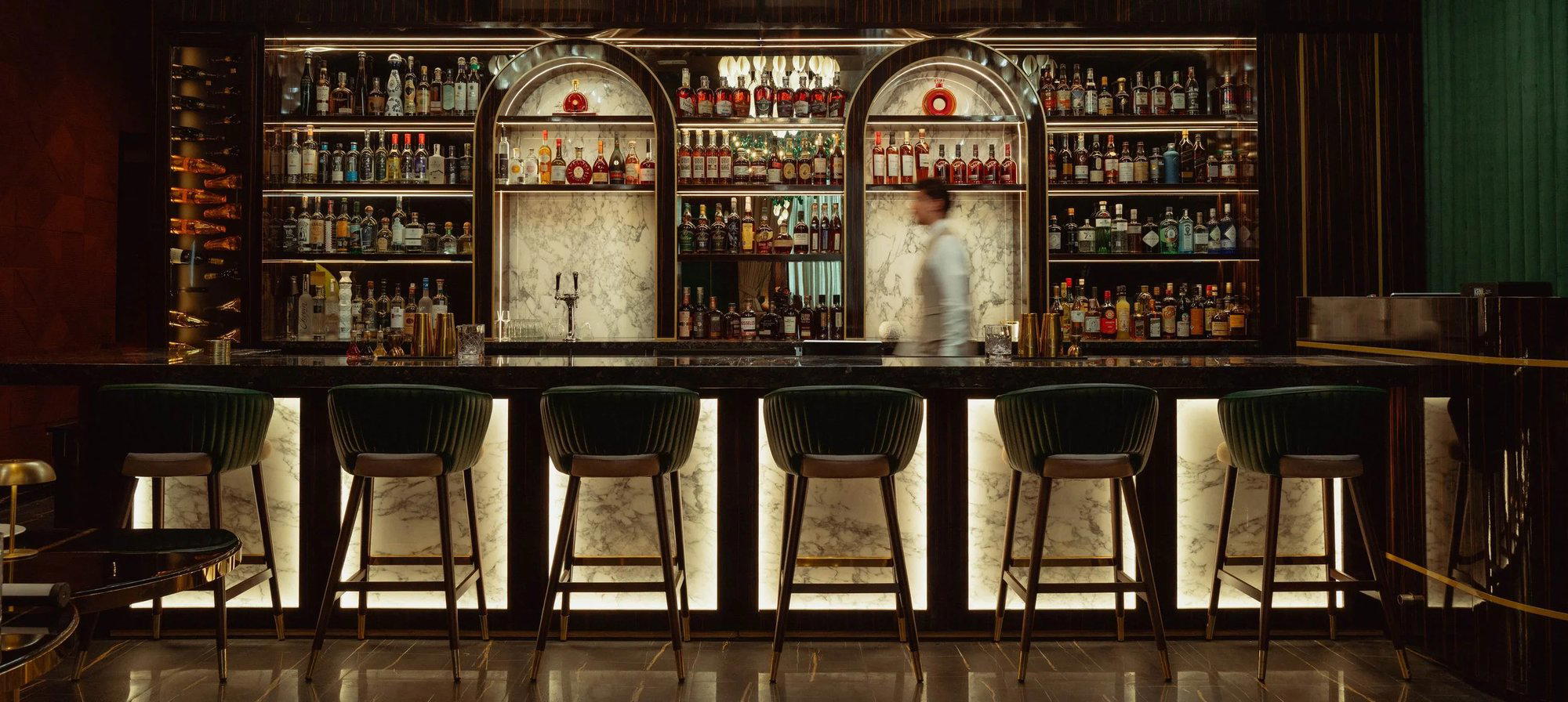
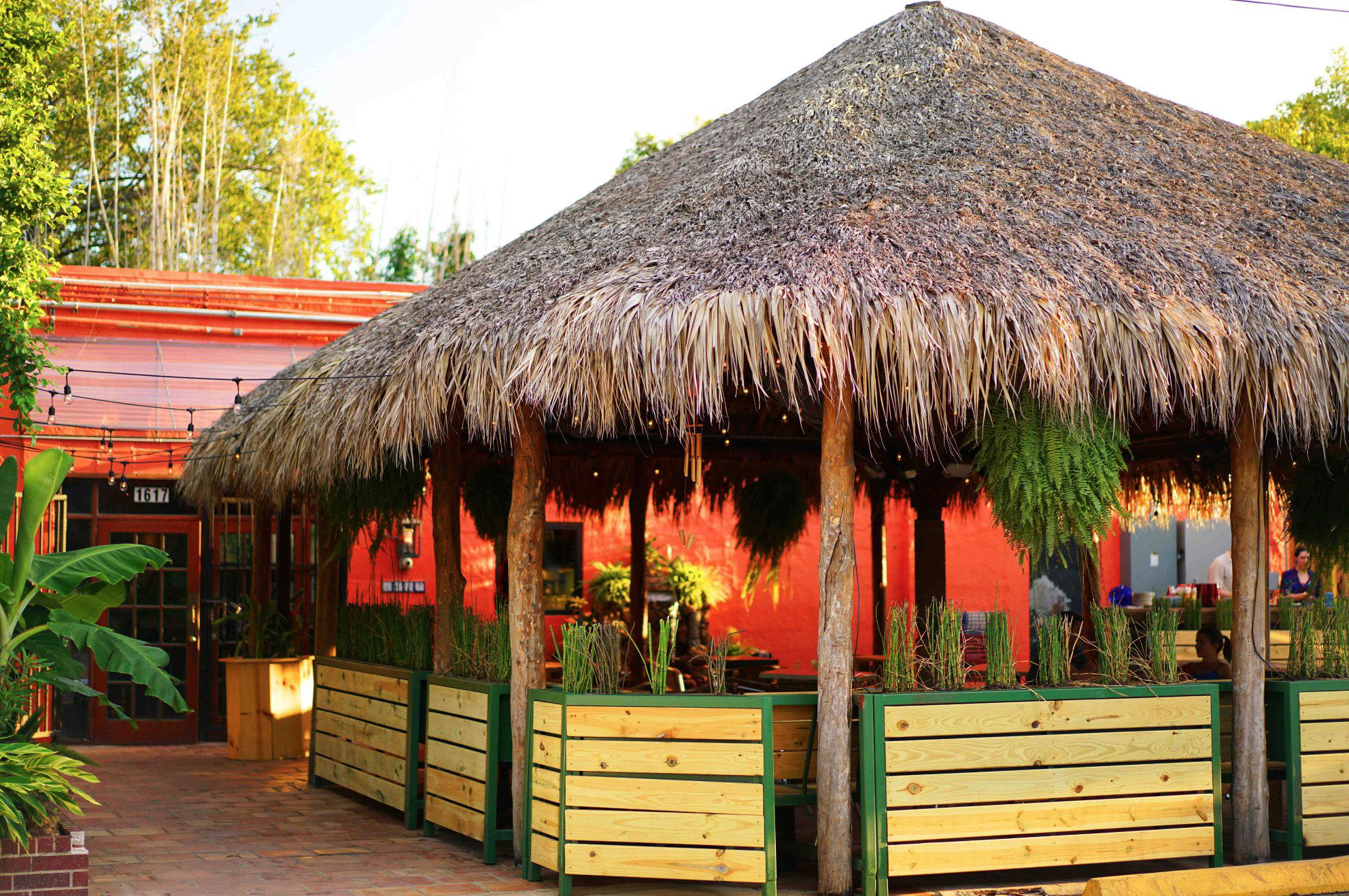
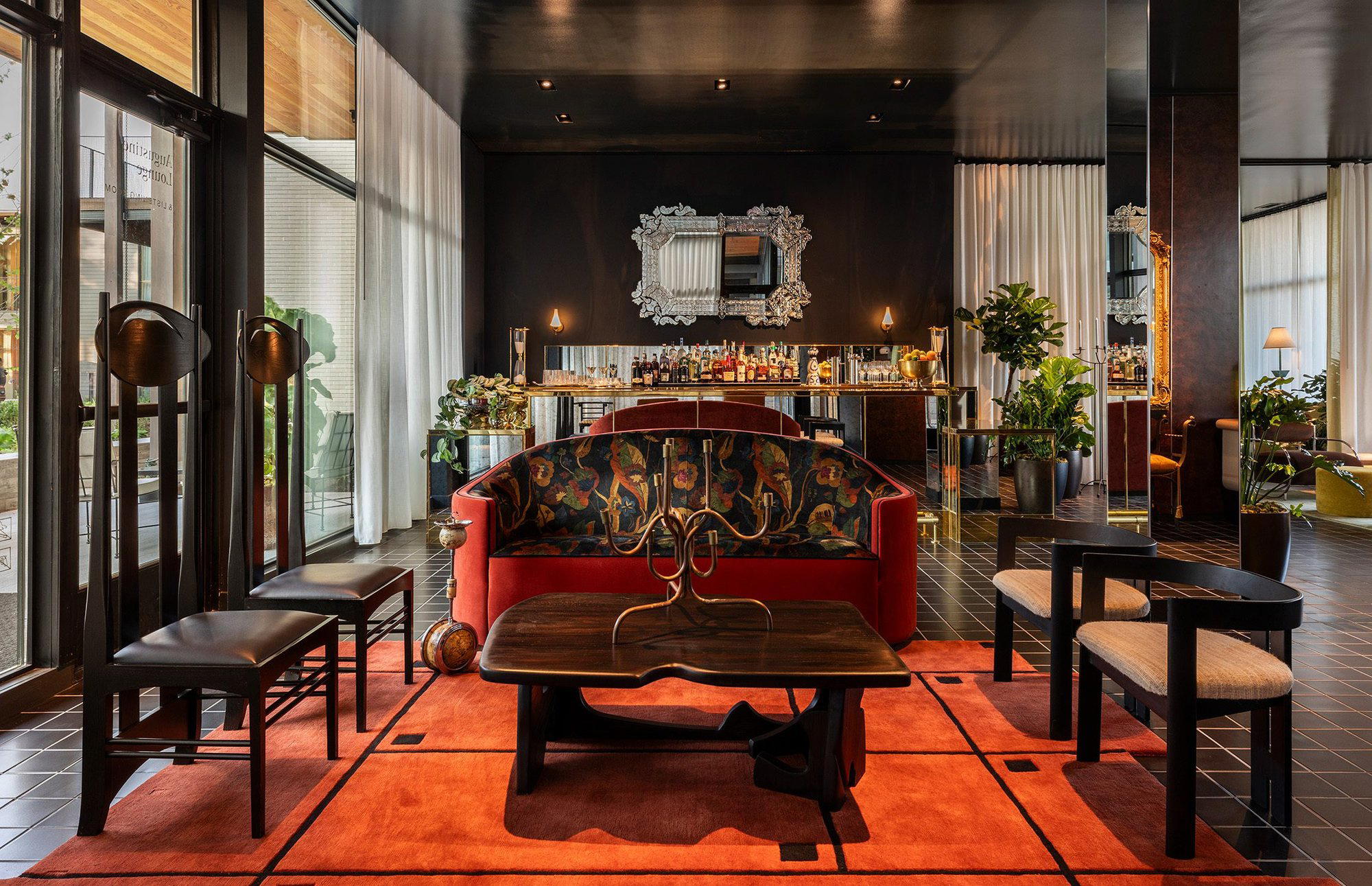
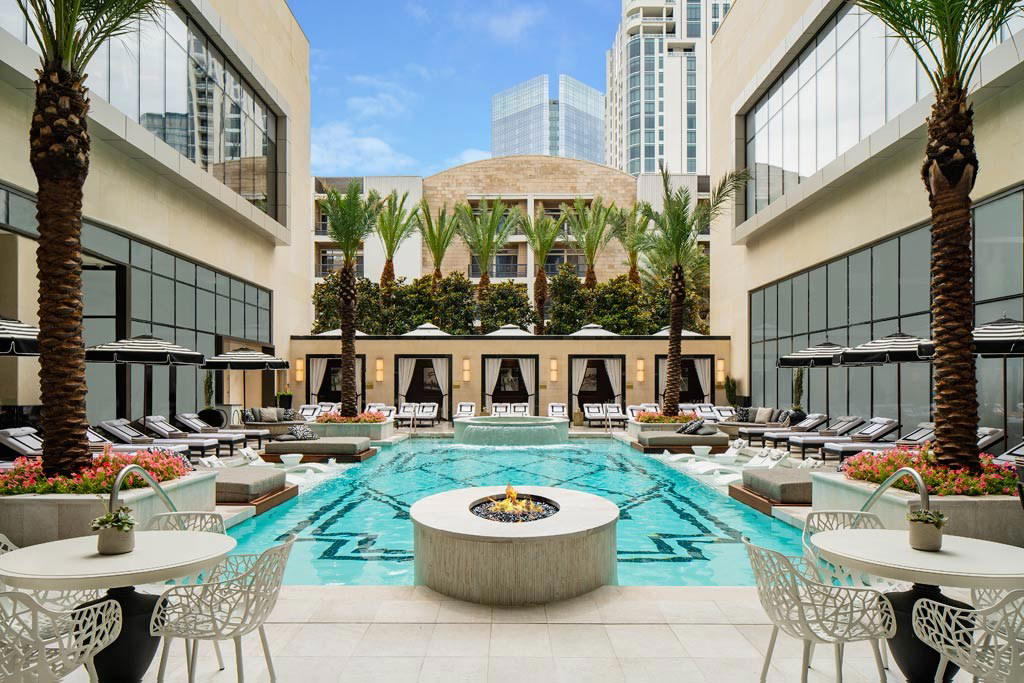
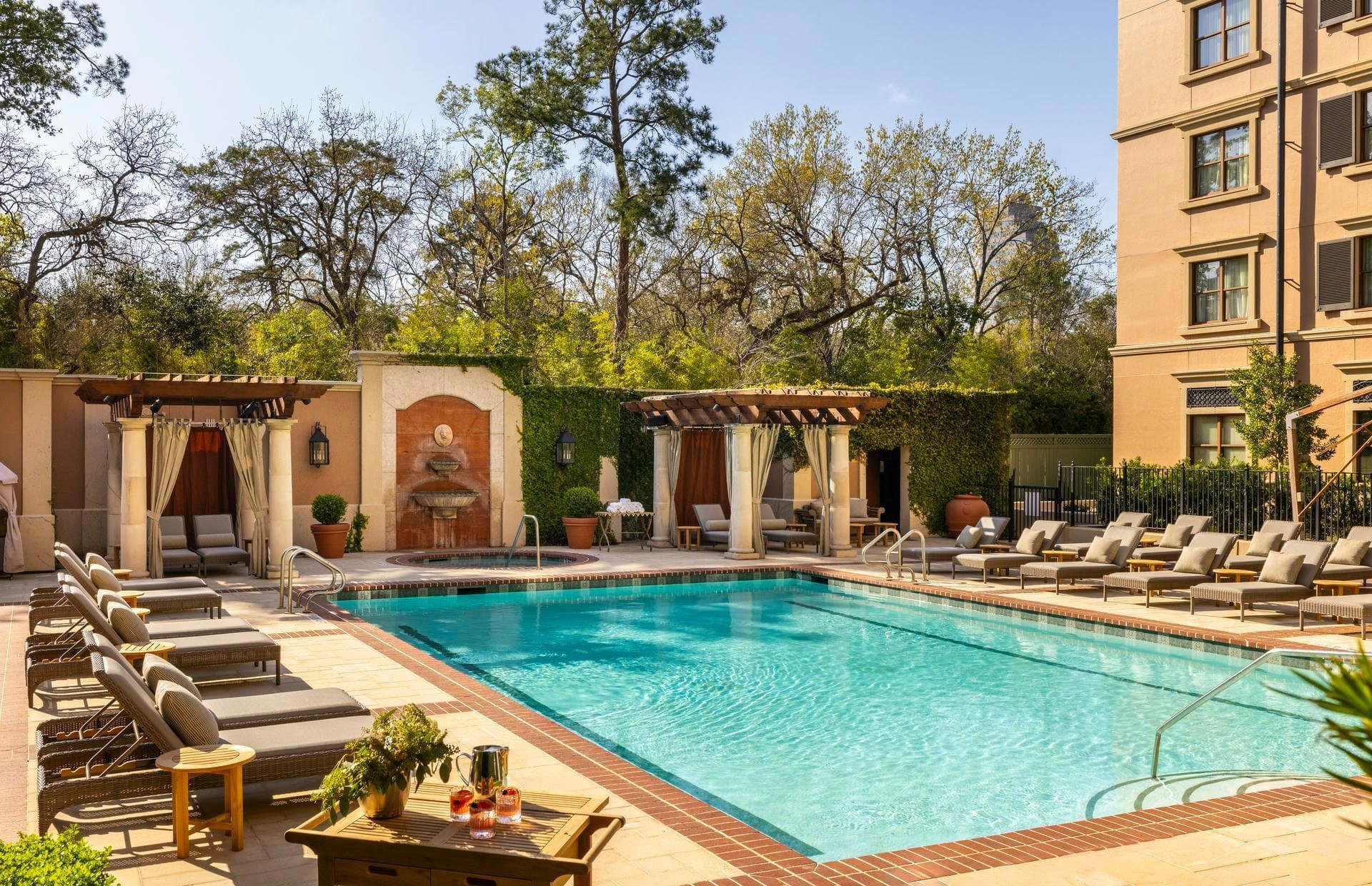
Hotels in Bellaire
Browse all →

At a Glance
- Elegant
- Sophisticated
- Modern
- Intimate
- Date Night
- Special Occasion
- Business Dinner
- Celebration
- Chefs Counter
- Open Kitchen
- Standalone
- Extensive Wine List
- Craft Cocktails
- Sake Program
- Sommelier Led
- Sustainable Seafood
- Local Sourcing
Current opening hours
- Monday
- Closed
- Tuesday
- 11 AM–2:30 PM, 5–9 PM
- Wednesday
- 11 AM–2:30 PM, 5–9 PM
- Thursday
- 11 AM–2:30 PM, 5–9 PM
- Friday
- 11 AM–2:30 PM, 5–10 PM
- Saturday
- 11 AM–2:30 PM, 5–10 PM
- Sunday
- 11 AM–9 PM
Hours can change for holidays and private events. Last verified .
Contemporary dining space with luxurious patio, refined and upscale atmosphere designed for premium sushi experiences.