Avra Miami

Wine Spectator Best of Award of Excellence
Our verdict
Avra Miami brings the Greek seafood tradition of the original Manhattan location to Collins Avenue in Sunny Isles Beach, where the emphasis falls on whole fish sourced from Aegean waters and Mediterranean-aligned produce. The format sits closer to a destination dining room than a beachside casual, with a price point and service register that place it among the more deliberate choices on this stretch of coast.

Pearl is the En Primeur Club membership app, where members save venues, book tables and use the concierge.
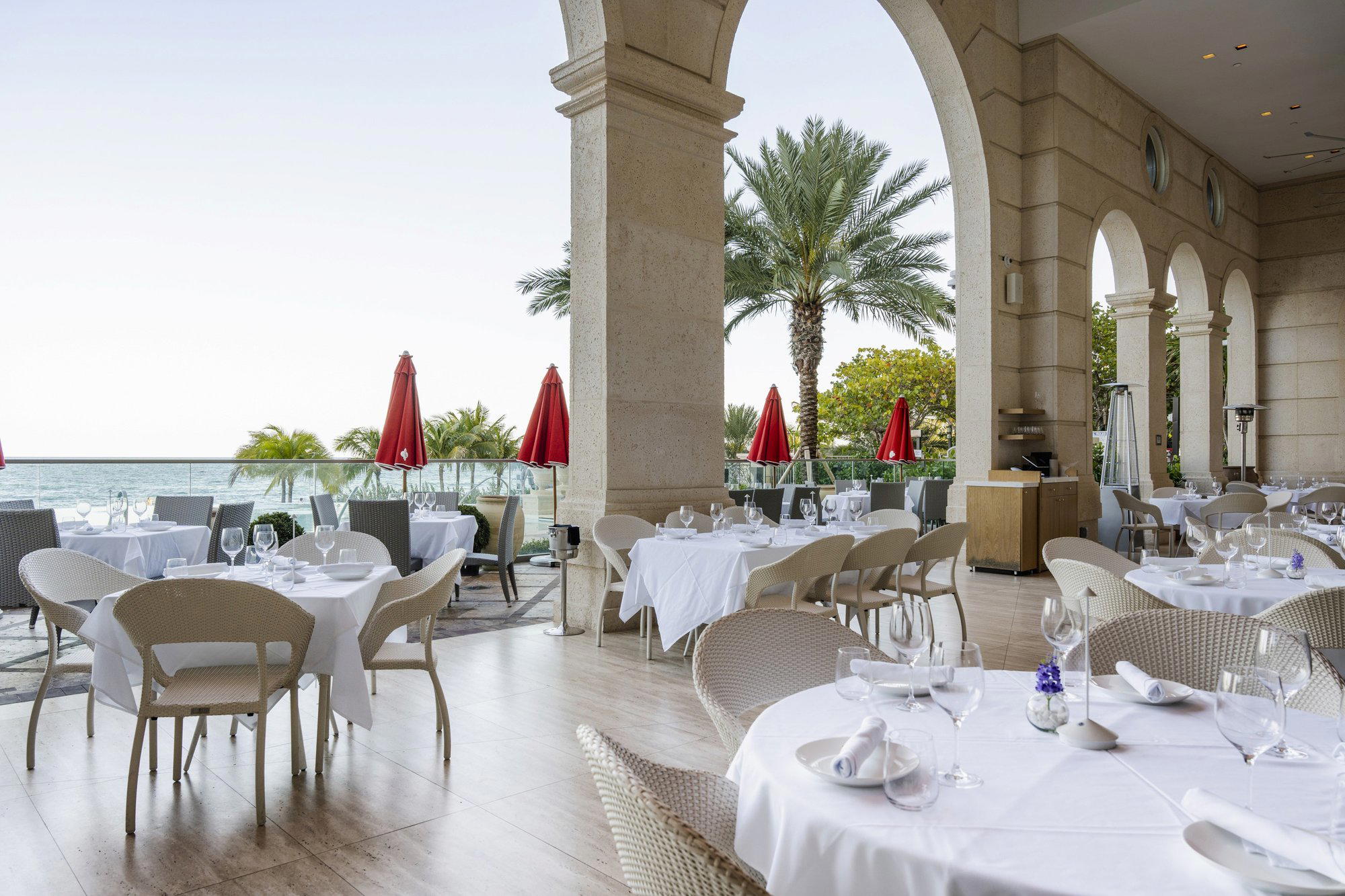
Collins Avenue and the Case for Imported Tradition
Sunny Isles Beach occupies a particular niche in South Florida dining: a barrier island corridor where luxury residential towers have generated demand for restaurants that match a Manhattan or European reference point rather than a tropical-casual one. Collins Avenue between 163rd and the Broward county line hosts a concentration of high-rise residents and hotel guests who brought their dining expectations south. Avra Miami, at 17945 Collins Ave, sits inside that context, carrying the Greek seafood identity established by the New York original into a market that has shown consistent appetite for Mediterranean formats done at a premium register.
The Greek taverna tradition, transplanted to American luxury dining rooms, follows a recognizable logic: whole fish sold by weight, communal spreads of cold mezze, and a sourcing story that points back across the Atlantic. That model has proved durable in New York, where the Avra name built its reputation over two decades before expanding. In Sunny Isles Beach, it occupies a different competitive position, one where the nearest comparable dining options on the same strip lean toward Italian and South American formats. Azzurro Restaurant and Baires Grill cover the Italian and Argentine corners of the local market, while Caspia and Gili's Beach Club address different parts of the casual-to-mid spectrum.
Where the Fish Comes From
The sourcing argument sits at the center of what distinguishes Avra's format from generic Mediterranean. The Greek seafood tradition depends on species that are either unavailable in American waters or available only in lesser forms: lavraki (European sea bass), tsipoura (gilt-head bream), barbouri (red mullet), and fagri (red porgy) are the backbone of an Aegean fish menu. Importing them whole and selling by weight is both a logistical commitment and an editorial statement about what the format requires to work. The practice is not unique to Avra, but it is practiced by a small enough tier of American Greek restaurants that it serves as a genuine differentiator from the broader Mediterranean category.
This sourcing model carries tradeoffs that are worth understanding before you book. Whole fish sold by weight means the final bill is variable, and the variance can be meaningful at the price per pound that imported Aegean species command. At restaurants across this tier, from Greek destinations in New York to Mediterranean-focused rooms in Los Angeles, the whole-fish line item consistently surprises first-time diners accustomed to fixed menu pricing. The upside is that the product quality, when the supply chain is functioning correctly, is measurably different from domestic Atlantic equivalents. For readers comparing Avra to farm-to-table sourcing programs at venues like Single Thread Farm in Healdsburg or Blue Hill at Stone Barns in Tarrytown, the sourcing logic is different in kind: provenance here is about geographic origin and species specificity rather than local agriculture, but the underlying argument that sourcing determines outcome is the same.
The cold mezze spread that typically precedes the fish course at restaurants in this format draws on similar import logic for certain components, olives, cheeses, and preserved goods with protected designation of origin, alongside locally available produce prepared in the Greek idiom. The degree to which any individual location executes that balance is a function of kitchen discipline as much as supply access.
The Room and the Register
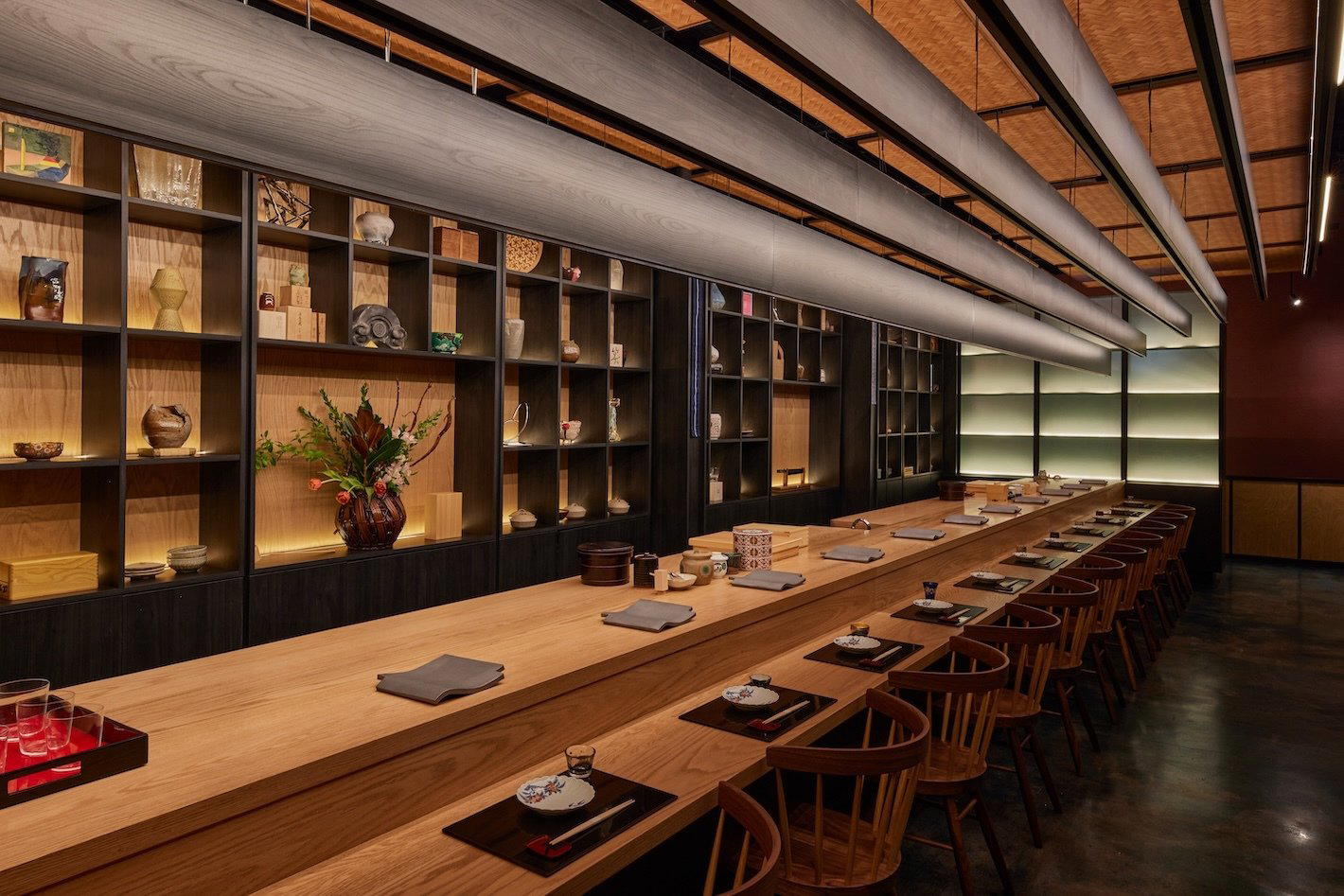
The physical address on Collins Avenue places Avra Miami within walking distance of several of Sunny Isles Beach's larger residential and hotel towers, which defines much of its regular clientele. The dining room format at Avra locations has typically favored a scale that can absorb larger tables and group dining while maintaining a noise floor that allows conversation, a balance that matters more on a barrier island where the alternative dining rooms tend toward either very casual or very intimate formats. H2O Cafe represents the more casual end of the local spectrum; Avra operates at the opposite register.
Service calibration at Greek fish houses of this tier tends toward attentive explanation of the catch, since the whole-fish format requires tableside presentation of the day's options, weight discussion, and preparation guidance. That interaction is built into the format rather than being an add-on, and it is one of the structural differences between this kind of room and the more fixed-menu precision formats found at restaurants like Le Bernardin in New York City or Atomix in New York City. The Greek taverna model, even at its most expensive expression, retains a convivial rather than ceremonial character.
Planning Your Visit
Sunny Isles Beach dining operates on a seasonal rhythm tied to Florida's broader tourism patterns. The winter months from November through April bring the densest population of seasonal residents and visitors, which correspondingly compresses availability at the better-known addresses on Collins Avenue. Securing a reservation for a preferred time slot at Avra Miami during peak season warrants advance planning; a week's notice may be adequate in the slower summer months, while the winter season can demand more lead time, particularly for larger groups where the whole-fish format and communal table service benefit from confirmed headcount. For context on the broader local dining scene and how to structure time in the area, the full Sunny Isles Beach restaurants guide maps the options across price points and cuisine types.
For readers who use farm-to-table programs at venues like Providence in Los Angeles, Smyth in Chicago, or Addison in San Diego as a benchmark for ingredient-driven dining, Avra's sourcing argument operates on different terrain but with comparable seriousness about product origin. The comparison to Atelier Moessmer Norbert Niederkofler in Brunico, where sourcing geography defines the entire menu architecture, is instructive: in both cases the provenance claim is not decorative but structural. The difference is that Avra's model imports that geography rather than drawing it from the immediate surroundings, which is a choice that reflects what the Greek seafood tradition actually requires rather than what the local environment can supply.
Readers considering how Avra fits into a broader South Florida dining itinerary might also weigh it against drive-range destinations or weekend-trip formats anchored at venues reviewed elsewhere on the platform, including Emeril's in New Orleans, Lazy Bear in San Francisco, The French Laundry in Napa, and The Inn at Little Washington, each of which anchors a travel decision in a way that Avra, as a strong neighborhood destination, does not need to.
Frequently asked questions
What part of town is Avra Miami in?
Avra Miami is located at 17945 Collins Ave, Sunny Isles Beach, FL 33160, Sunny Isles Beach.
How does Avra Miami differ from other Greek restaurants in South Florida?
Avra operates within a small group of restaurants that import fish directly from Greek waters rather than sourcing domestically, which shapes both the menu and the price register. That supply chain distinguishes the format from the broader Mediterranean dining category in South Florida, where domestic product is the standard. The Collins Avenue address at 17945 places Avra squarely within Sunny Isles Beach's luxury residential corridor, a different customer base than the tourist-facing dining of Miami Beach proper.
What's the must-try dish at Avra Miami?
Avra's format centers on whole imported fish, the same sourcing model the brand built its reputation on in New York and Beverly Hills. Whole branzino or sea bream, priced by weight and finished simply with olive oil and lemon, is the dish that defines the kitchen's position. Ordering anything other than the fish on your first visit means missing the point of the restaurant entirely.
How far ahead should I plan for Avra Miami?
Sunny Isles Beach dining follows a pronounced seasonal curve, with peak demand running November through April when Florida's winter population swells the residential towers along Collins Avenue. During that window, reservations at Avra Miami at 17945 Collins Ave typically require advance planning of at least a week for standard tables, longer for larger groups or weekend evenings. The summer shoulder season offers more availability, though the restaurant draws year-round residents from the surrounding luxury corridor.
At-a-Glance Comparison
| Venue | Cuisine | Price | Awards |
|---|---|---|---|
| Avra MiamiThis venue (the venue you are viewing) | Refined Greek Seafood | Not listed | Wine Spectator Best of Award of Excellence |
| Il Mulino New York at Acqualina Resort | Classic Northern Italian Fine Dining | $100–150 | Wine Spectator Award of Excellence |
| Azzurro Restaurant | Italian Trattoria | $30–50 | Not listed |
| Baires Grill - Sunny Isles | Authentic Argentine Steakhouse | $50–100 | Not listed |
| Caspia | Upscale Azerbaijani | Not listed | Not listed |
| Gili's Beach Club | Beachside Seafood and Sushi | Not listed | Not listed |
Recognition history
Dated appearances from independent guides and award organizations, with the underlying list record or original source where available.
Wine Spectator Best of Award of Excellence
Wine Spectator
Continue exploring
More in Sunny Isles Beach
Restaurants in Sunny Isles Beach
All restaurants in Sunny Isles Beach →
Bars in Sunny Isles Beach
Browse all →

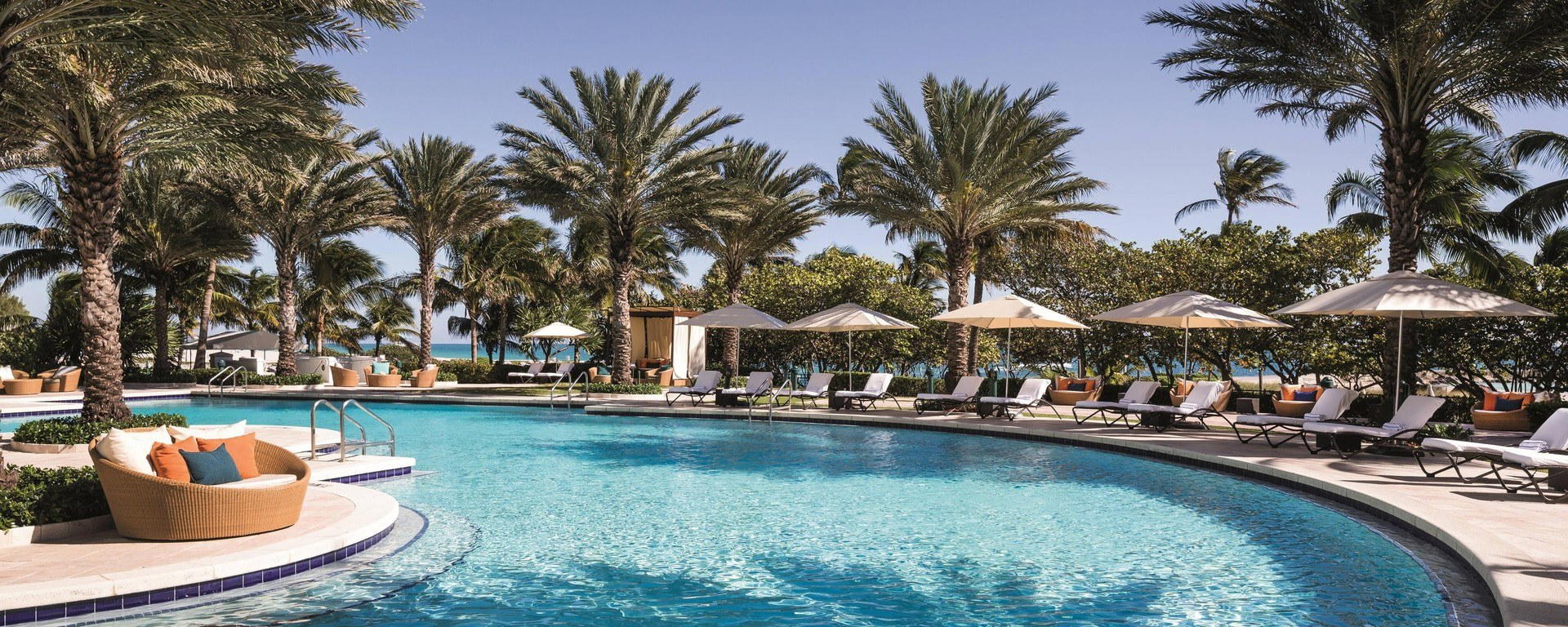
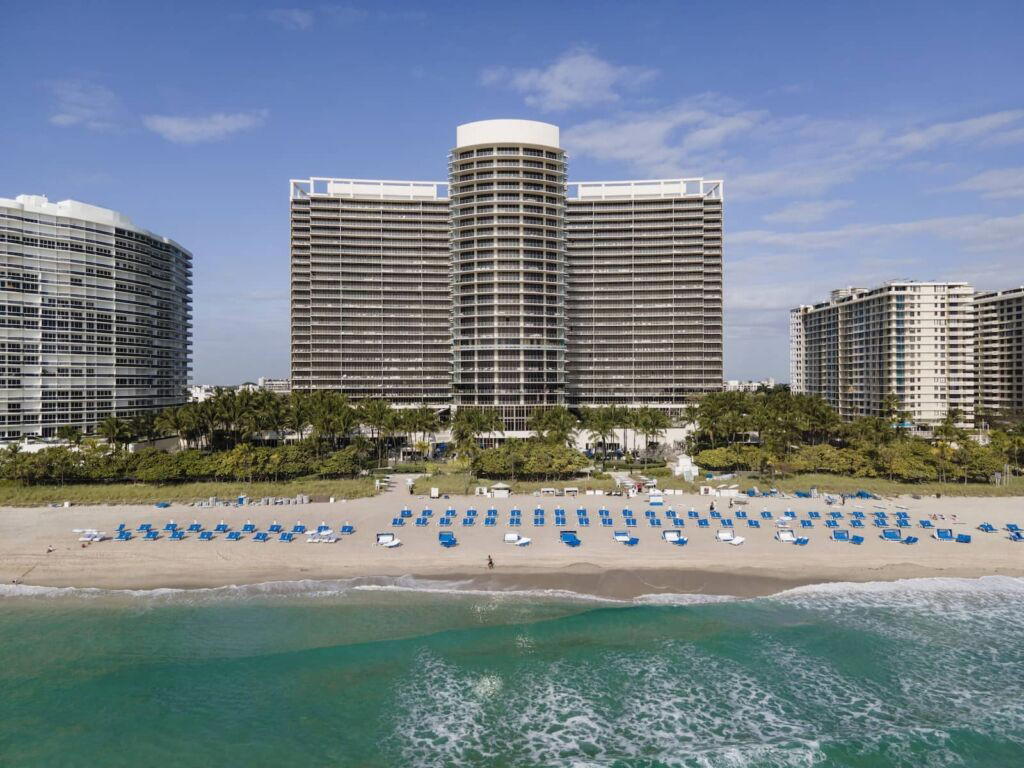
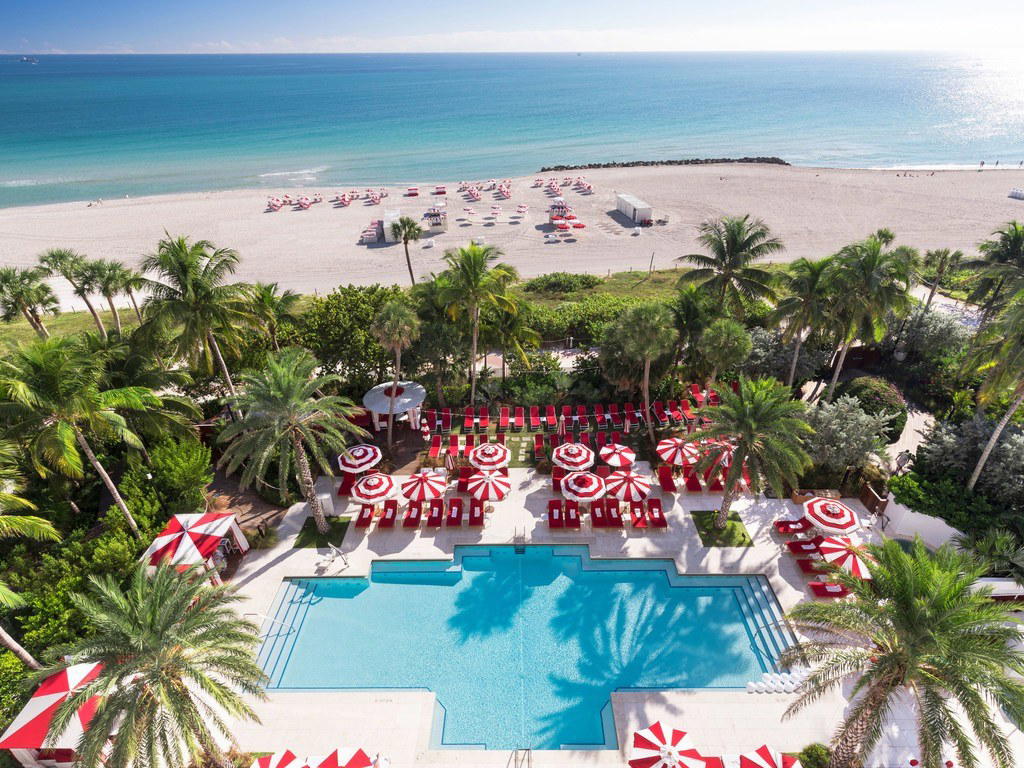
Avra Miami
The wine
Avra Miami holds the Wine Spectator Best of Award of Excellence, which Wine Spectator gives to lists of usually 350 or more selections.
- Wine Spectator
- Wine Spectator Best of Award of Excellence
- Craft cocktails
Details
- Elegant
- Sophisticated
- Scenic
- Date Night
- Special Occasion
- Waterfront
- Terrace
- Open Kitchen
- Craft Cocktails
- Sustainable Seafood
- Waterfront
Current opening hours
- Monday
- 5–10 PM
- Tuesday
- 5–10 PM
- Wednesday
- 5–10 PM
- Thursday
- 5–11 PM
- Friday
- 5–11 PM
- Saturday
- 5–11 PM
- Sunday
- 5–10 PM
Hours can change for holidays and private events. Hours as of .
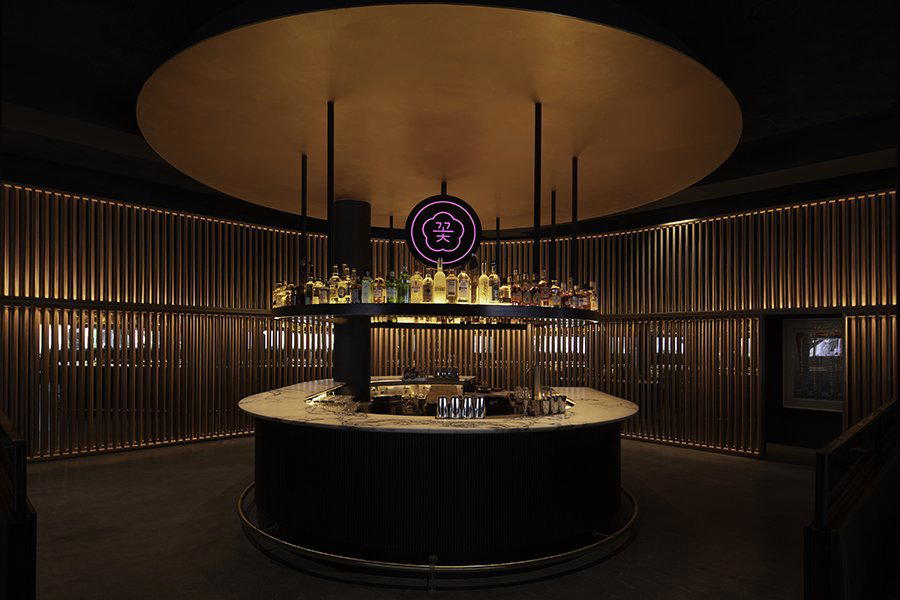
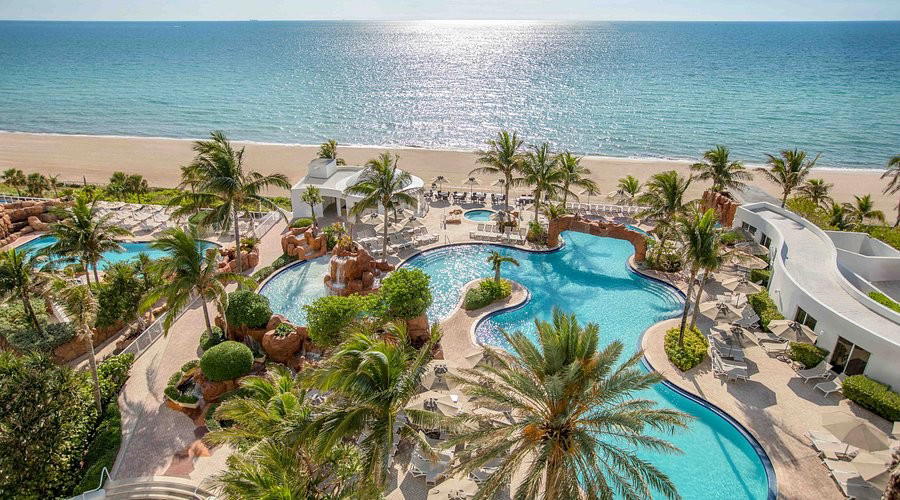
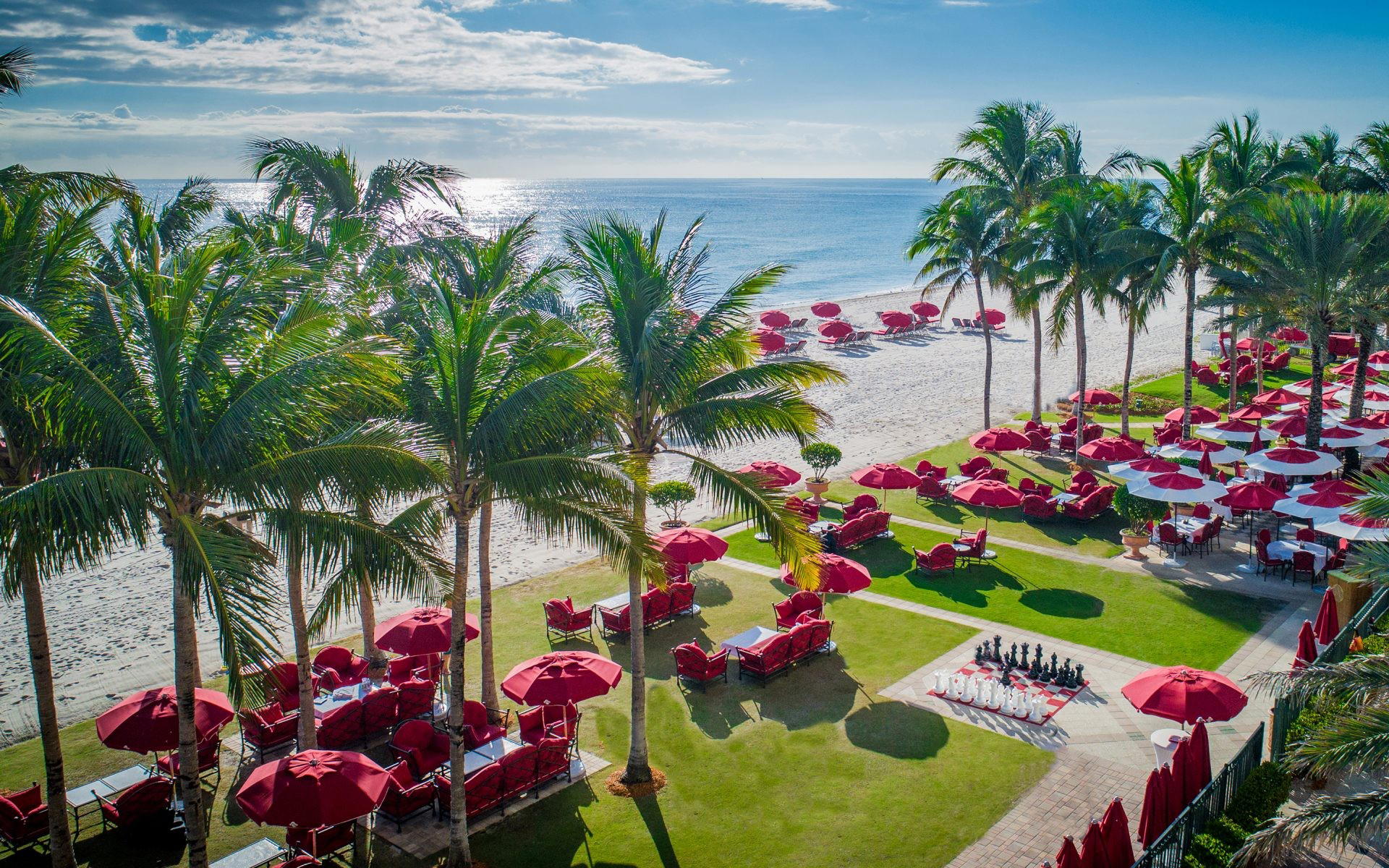
Handsome décor blending city style and taverna with spacious outdoor terrace offering ocean views.