The Cultural Weight of Thai Cuisine
Thai cooking arrives in North American cities carrying a cultural complexity that is easy to underestimate. The cuisine's regional variation alone is substantial: the coconut-forward, mellow curries of the south differ sharply from the herb-heavy, fish-sauce-bright dishes of the northeast Isan tradition, and the palace-influenced cooking of Bangkok carries its own distinct register. A kitchen that chooses to represent Thai food in a city like Calgary is implicitly navigating a set of decisions about which parts of that tradition to foreground, how much to adapt for a local palate, and where to source the ingredients that cannot simply be substituted.
Those sourcing questions matter more than they might initially appear. Galangal, kaffir lime leaves, Thai basil, lemongrass, and the particular varieties of chilies that define the cuisine's heat profile all behave differently from their approximate Western substitutes. The leading Thai restaurants in North American cities, whether in Vancouver's Richmond neighbourhood or in the Thai Town corridor of Los Angeles, tend to be the ones that treat those sourcing questions as non-negotiable. That standard is what separates a kitchen genuinely engaged with the cuisine from one serving an approximation of it. For context on how Canadian restaurants at different price points and formats approach the question of culinary authenticity and sourcing discipline, it is worth looking at how tasting-menu-format venues like Tanière³ in Quebec City or Alo in Toronto handle provenance as a structural commitment rather than an afterthought.
Where Auttarote Sits in Calgary's Thai Scene
Calgary does not have the density of Thai restaurants that Vancouver or Toronto can claim, which means that individual kitchens carry a heavier representational weight. In cities where Thai cooking is widely available, diners develop the reference points needed to assess a specific restaurant against a field of peers. In Calgary, that calibration takes more effort, and it makes the question of which kitchen to trust a more consequential decision.
The city's dining scene has developed a credible tier of quality-focused independent restaurants across several cuisine categories. The new Canadian kitchens that anchor much of the critical conversation, such as A Certain Flair Catering at Lougheed House and Alforno Eau Claire, have established that the city's dining public is willing to engage with technically demanding cooking. That appetite applies equally to well-executed international cuisines, and Thai food benefits from the same attention.
Compared to the Hawaiian-inflected plates at Aloha Modern Kitchen, which operates in a different register of casual Pacific cooking, or the produce-driven format of Annabelle's Kitchen Downtown, a Thai kitchen like Auttarote is working within a cuisine that carries its own internal logic and historical weight. The question is always whether that logic is being respected or simplified.
Planning Your Visit
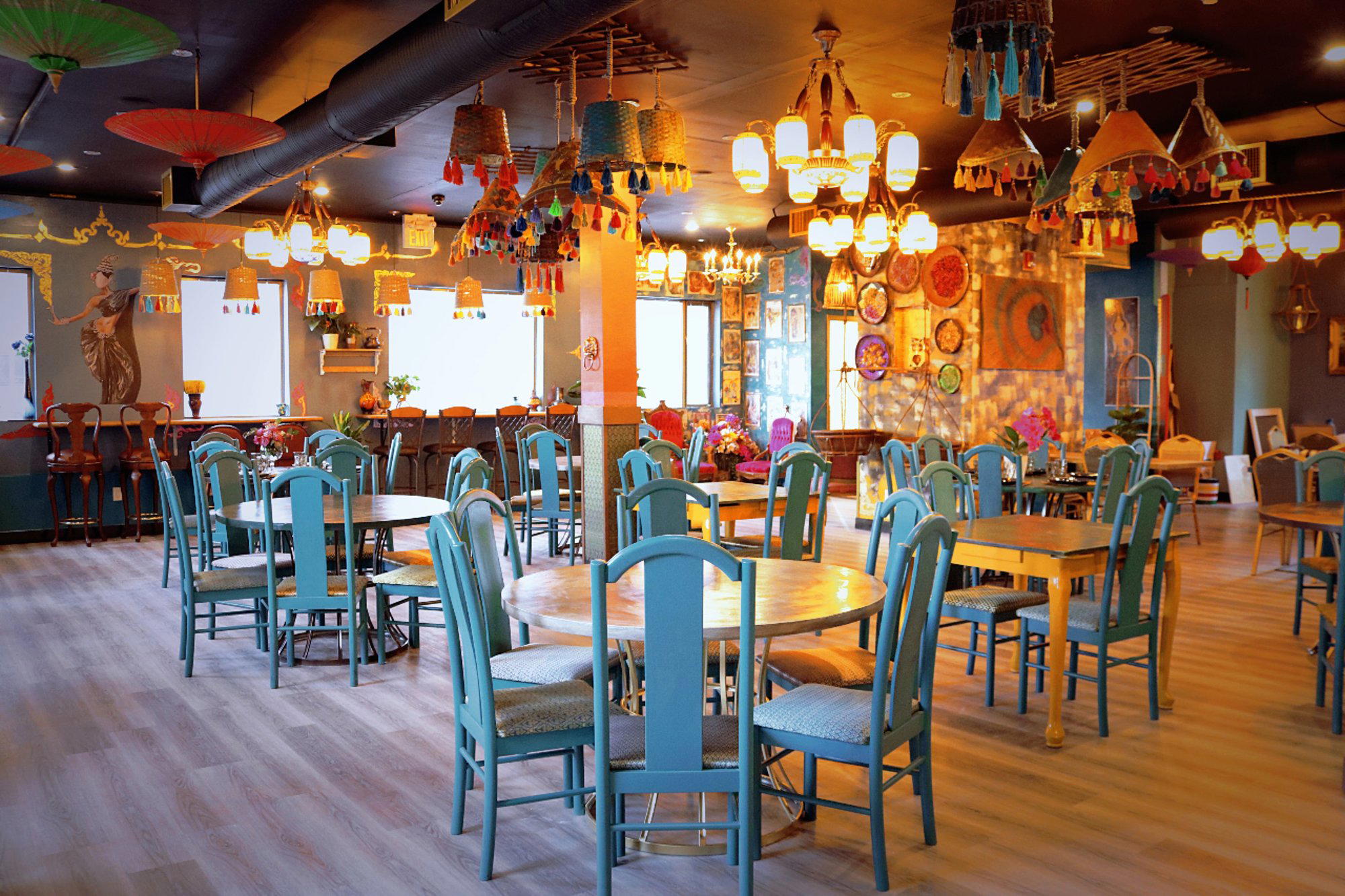
Auttarote Thai Cuisine is located at 118 5 Ave SE, Calgary, AB T2G 0E2, in the downtown southeast core, within walking distance of the Stephen Avenue pedestrian zone and close enough to the Stampede grounds to draw visitors during major city events. Calgary's downtown dining corridor rewards some advance planning, particularly for evening sittings when office-district traffic and event schedules can affect availability across the neighbourhood. For a broader map of what the city offers, the EP Club Calgary restaurants guide covers the full range of options across neighbourhoods and cuisine types.
For those building a longer Canada dining itinerary around the kind of rigorous, place-specific cooking that this platform covers, the range extends from Restaurant Pearl Morissette in Lincoln and AnnaLena in Vancouver to destination formats like Eigensinn Farm in Singhampton and Fogo Island Inn Dining Room in Joe Batt's Arm. Internationally, points of comparison for cuisine-specific rigour at a high level include Le Bernardin in New York City and Lazy Bear in San Francisco, both of which demonstrate what sustained commitment to a specific culinary logic looks like over time. Closer to home, Jérôme Ferrer - Europea in Montreal, Narval in Rimouski, and Busters Barbeque in Kenora each show how regional dining contexts shape what a restaurant can and must do to hold its audience. The Pine in Creemore adds another point of reference for small-city kitchens operating with clear culinary conviction.