Auberge des Montagnards

Michelin Plate
Our verdict
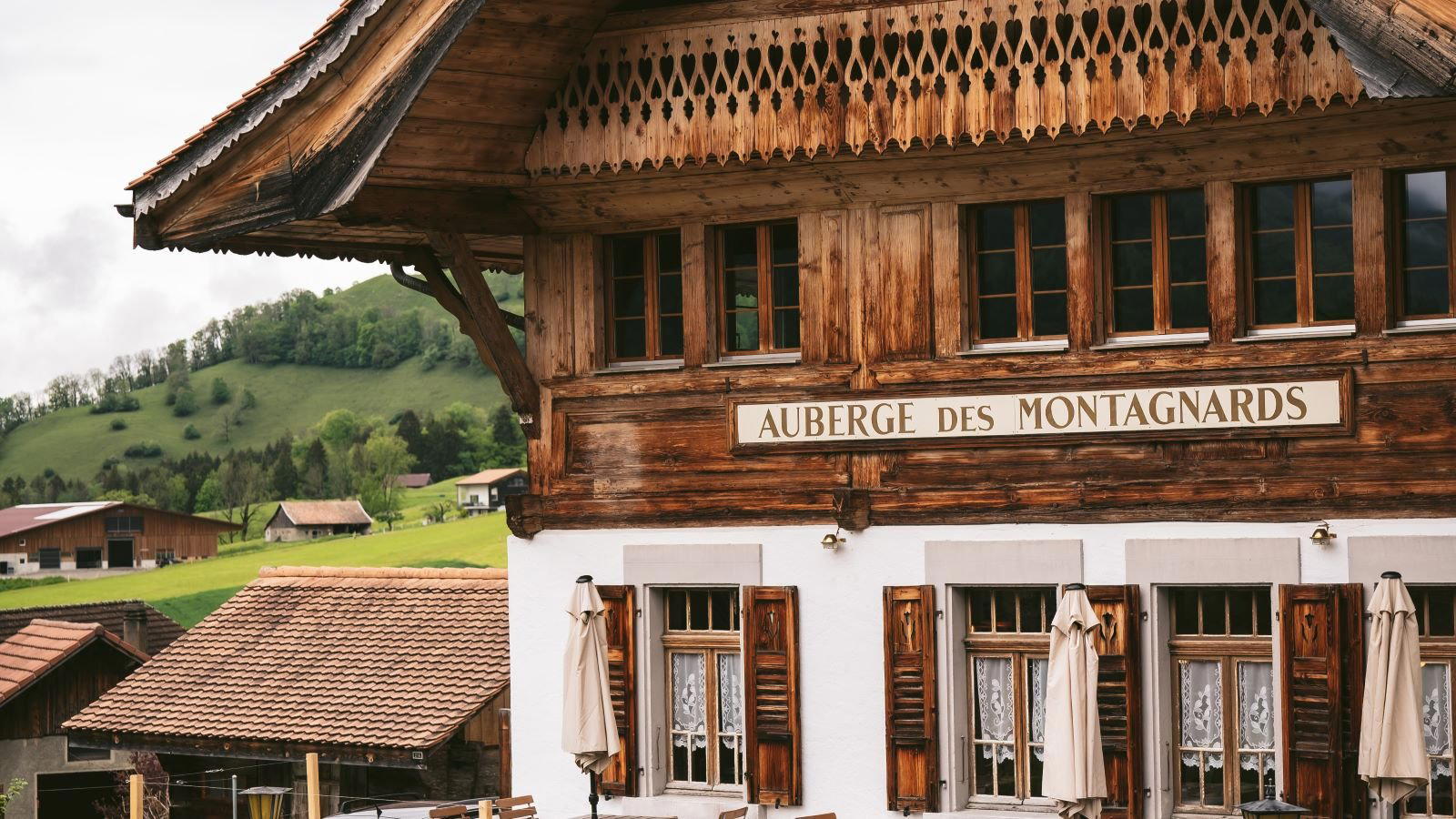
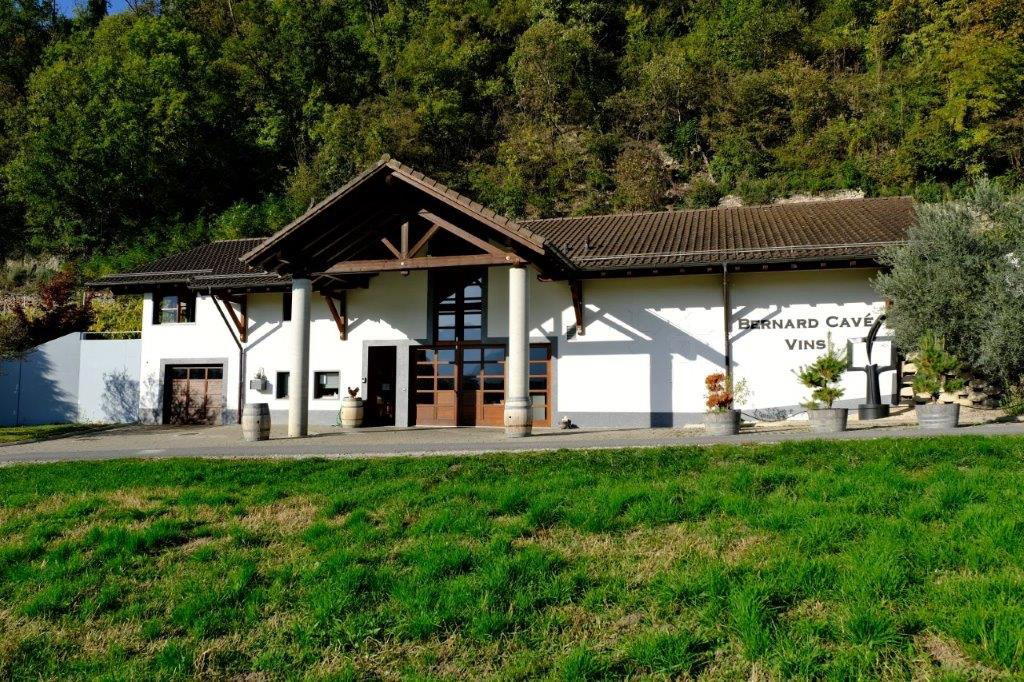
In the village of Estavannens, Auberge des Montagnards operates behind a traditional wooden façade with a sourcing philosophy rooted in its immediate surroundings: whitefish from Lake Geneva, game from the forests that frame the valley. The small front terrace and cosy interior make this one of the Fribourg Prealps' more committed expressions of locally grounded Alpine cooking.

Pearl is the En Primeur Club membership app, where members save venues, book tables and use the concierge.
The menu
What to order
- Carpaccio of Lake Geneva whitefish
- Game dishes
Where the Forest and the Lake Come to the Table
The road into Estavannens rises through a range of steep pasture and dense fir stands, and the village itself gives little away. That restraint is deliberate. In the Fribourg Prealps, where farming and hunting have shaped community life for generations, the building and the menu operate on the same register: nothing announces itself loudly, but everything is grounded in a specific place.
Swiss Alpine dining has been undergoing a quiet recalibration over the past decade. At the formal end of the spectrum, restaurants like Schloss Schauenstein in Fürstenau and Memories in Bad Ragaz have built international reputations on technically refined Swiss produce. Further along the continuum, focus ATELIER in Vitznau and IGNIV Zürich by Andreas Caminada in Zurich apply creative frameworks to regional ingredients. Auberge des Montagnards occupies a different position in that range: a village auberge where sourcing is not a marketing strategy but a structural fact. The game on the plate was hunted in the forests within sight of the terrace. The whitefish crossed fewer kilometres from water to kitchen than most Swiss diners travel to reach their table.
The Sourcing Logic of an Alpine Village Kitchen
Lake Geneva whitefish, or féra, is one of the quieter distinctions of Swiss-French border cuisine. The fish is delicate, with a clean freshwater flavour that rewards precise, light treatment. At Auberge des Montagnards, the kitchen serves it as a carpaccio with tangy cream and crunchy vegetables, a preparation that keeps the fish's inherent character in the foreground while building contrast through acidity and texture. It is the kind of dish that only works when the base ingredient arrives fresh and in condition, which in turn depends entirely on proximity to source.
The game dishes tell a complementary story. Switzerland's hunting season runs from late summer through autumn, and the forests of the Fribourg Prealps yield venison, chamois, and wild boar. When a kitchen sources exclusively from hunted animals in the surrounding area, the menu becomes seasonal in the most literal sense: availability is dictated by what the hunters bring in, not by what a distributor has in stock. That direct dependency changes how the kitchen plans and how the diner should approach the menu. For table guests who want to understand the rhythm of Swiss Alpine food, this is the category of cooking that makes it legible.
That sourcing commitment has drawn editorial attention. The restaurant has been recognised for its strong position on sustainability, a designation that in this context refers not to certification or policy but to the material relationship between kitchen and territory. Local sourcing at this level of directness is more demanding than it appears: it requires supplier relationships that cannot be replicated at scale, and it sets a ceiling on what the menu can offer at any given moment. That constraint is a feature, not a limitation.
The Setting: Terrace, Interior, and Village Context
The front terrace is small, which in practice means it fills early on fine days. Positioned at the front of the building, it looks onto the village rather than into a manicured garden, and that civic orientation suits the character of the place. Estavannens is a working community in the Jaunbach valley, not a resort destination, and the auberge functions accordingly as a place where both local regulars and visiting travellers find common ground.
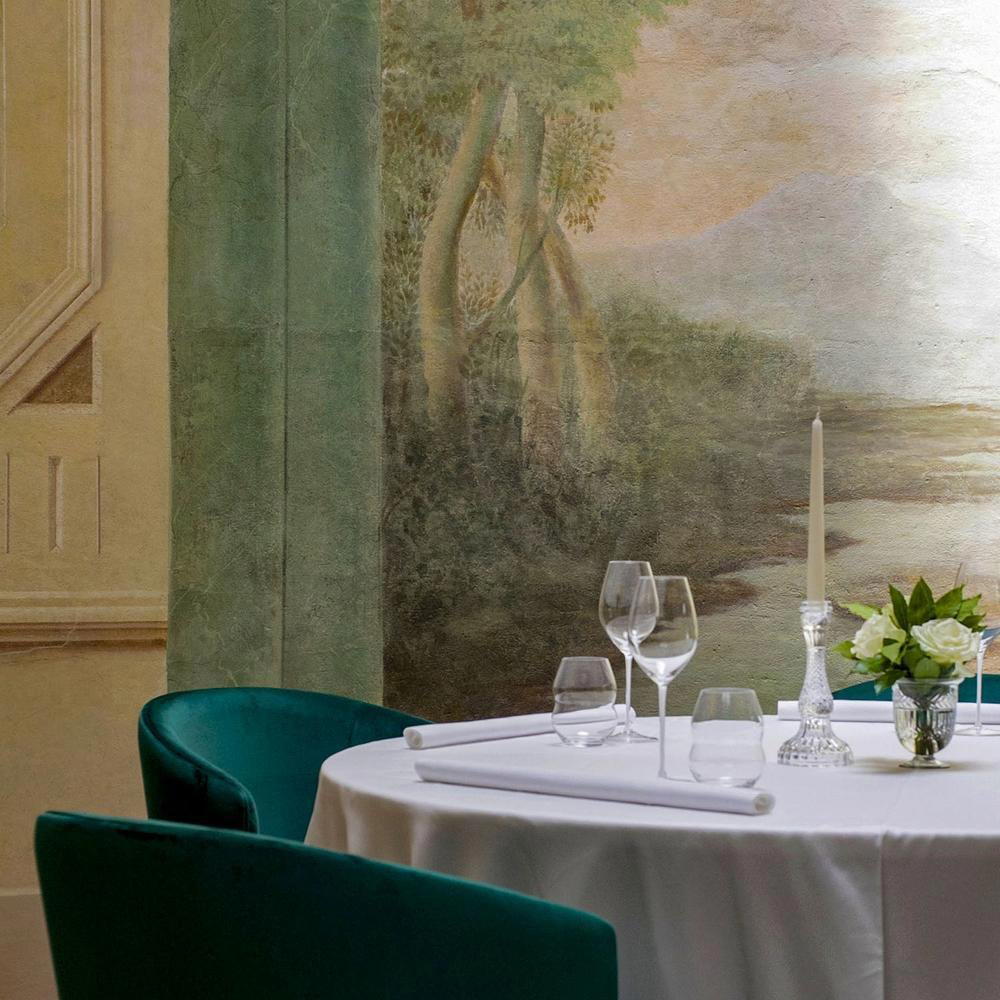
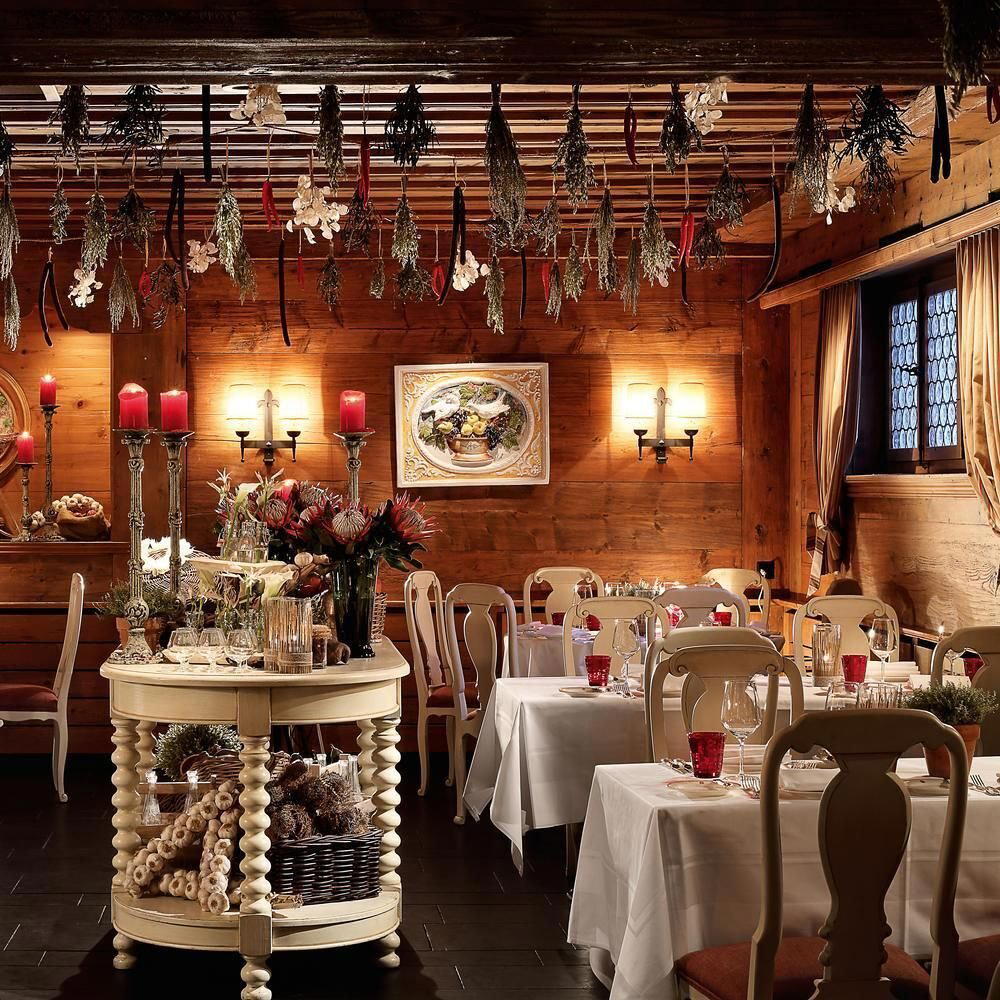
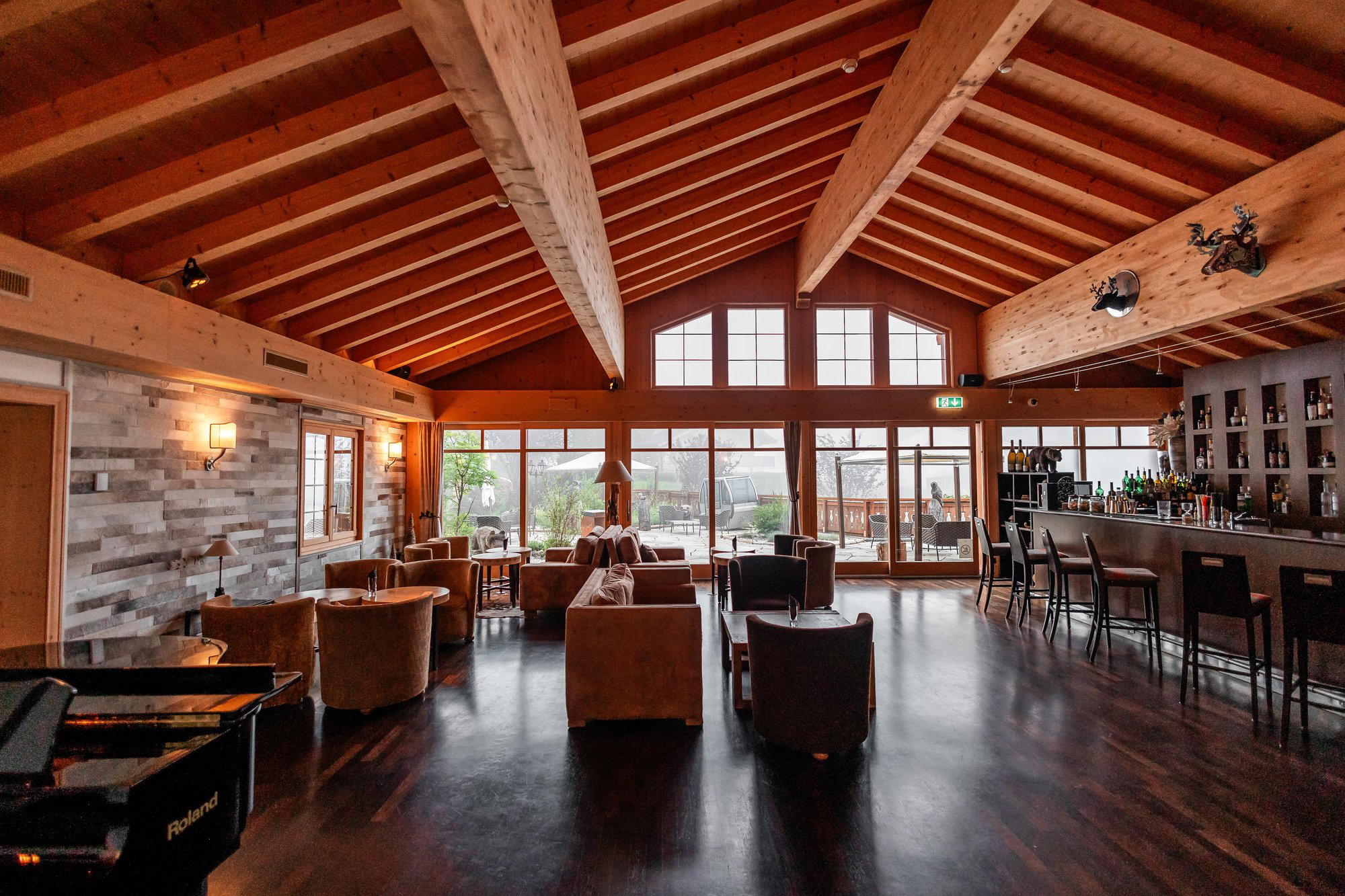
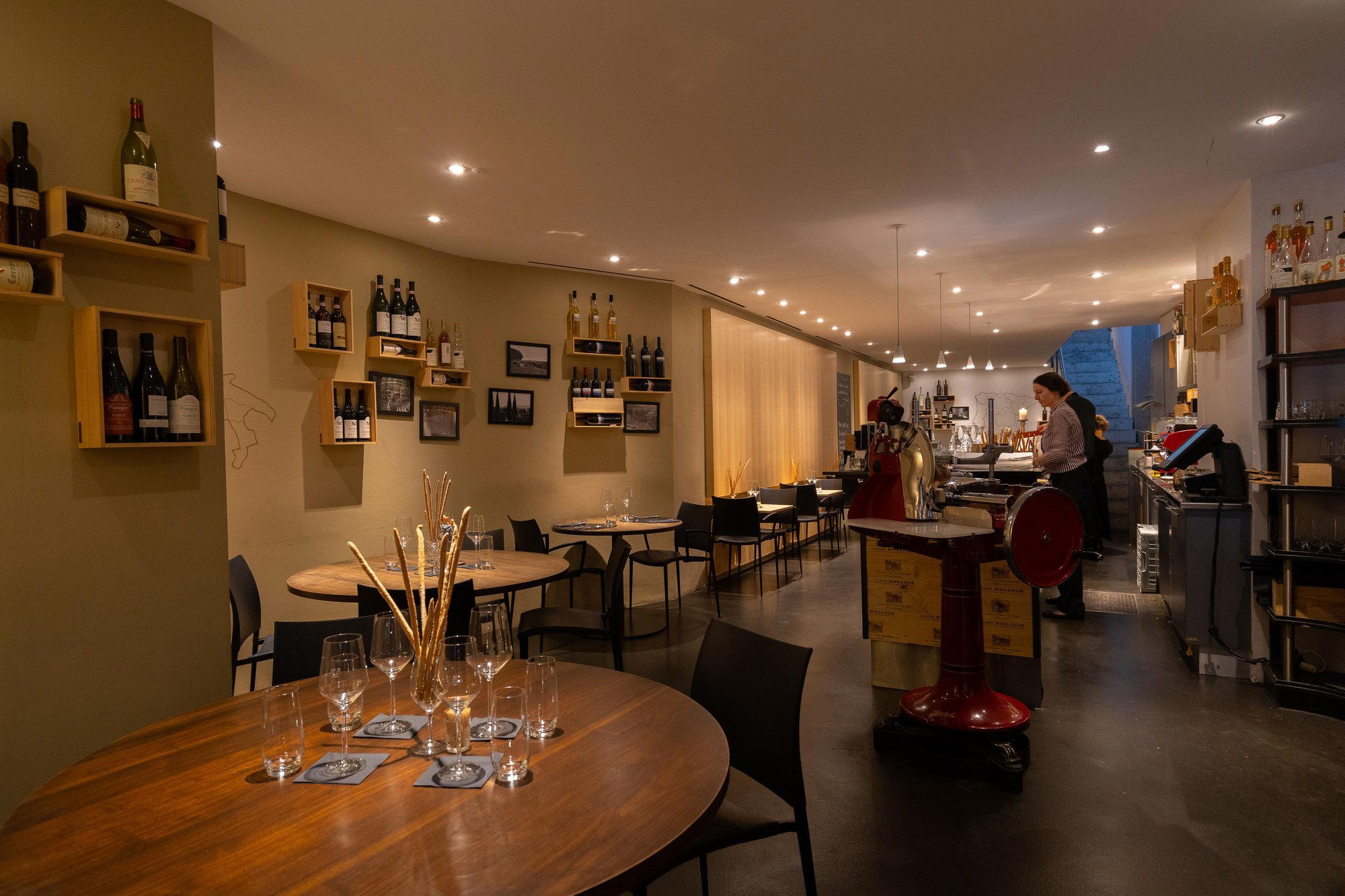
Inside, the dining room is described as cosy in the register of wood-panelled Alpine interiors: low ceilings, warm materials, a scale that keeps the atmosphere close and conversational. This is the aesthetic that has defined Fribourg Prealpine hospitality for generations, and it is neither nostalgic performance nor design statement. It simply reflects how auberges in this part of Switzerland have always been built and operated.
For readers whose Swiss dining reference points are anchored in cities, the contrast is worth considering. Geneva's high-end dining scene, represented at one end by restaurants like L'Atelier Robuchon, operates on entirely different terms. Urban Swiss fine dining, from Cheval Blanc by Peter Knogl in Basel to Hotel de Ville Crissier in Crissier, is formal, structured, and priced at the top of the European tier. Auberge des Montagnards is none of those things. It is the other end of Swiss culinary seriousness: informal, territory-specific, and calibrated to the pace of a village rather than a city dining room.
Getting There and Practical Considerations
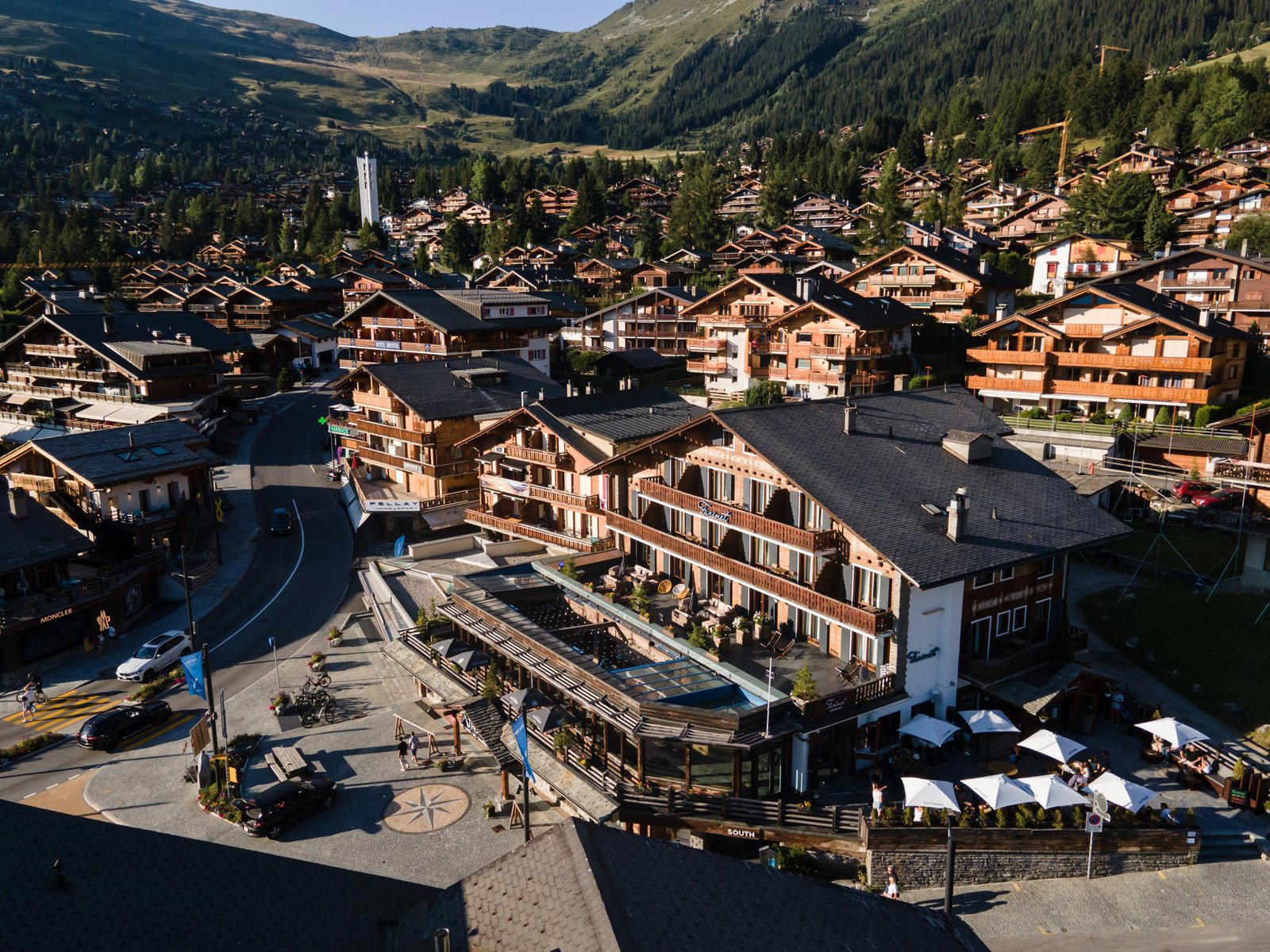
Estavannens sits in the Jaunbach valley southeast of Bulle, accessible by road through Broc. The village has no train station, which means arriving by car or by taking the regional bus connection from Bulle is the practical option for most visitors. Those planning to visit should cross-reference our full Estavannens hotels guide for overnight options, and our Estavannens experiences guide for the broader valley programme.
Given the kitchen's dependence on seasonal and hunted produce, timing matters more here than at restaurants with year-round supply chains. The game menu is most substantive during the autumn hunting season, roughly September through November, while the Lake Geneva whitefish preparation reflects availability that can shift with the season and conditions on the lake. Visiting outside those windows does not diminish the kitchen's commitment, but the menu will read differently. Phone or online contact details are not currently published by EP Club for this property, so confirming current hours and availability directly through local channels before making the journey is advisable, particularly if travelling from a distance.
For readers building a broader picture of the Estavannens area, our full Estavannens restaurants guide maps the local dining options, while our bars guide and our wineries guide cover what the surrounding area offers beyond the table.
Frequently asked questions
Is Auberge des Montagnards child-friendly?
The auberge's relaxed village setting and straightforward Alpine cooking, whitefish carpaccio, game dishes from surrounding forests, suit families reasonably well. The small front terrace is informal and open-air on fine days, which tends to work in favour of younger guests. That said, the restaurant is a cosy, characterful dining room rather than a purpose-built family venue, so expect a quiet, unhurried pace.
What kind of setting is Auberge des Montagnards?
A wooden-façade village auberge in Estavannens, set in the Jaunbach valley southeast of Bulle. Inside, the atmosphere is cosy and unfussy; outside, a small front terrace overlooks the village road and is popular on warmer days. The surrounding landscape, steep pasture and fir forest, is directly reflected in what arrives on the plate.
What's Auberge des Montagnards known for in terms of accolades?
Auberge des Montagnards has received recognition including: Behind its wooden façade, this cosy restaurant in the heart of the village is making a strong statement about its commitment to sustainability. Just as simple and pleasant as the interior, the small terrace at the front is a charming settin….
What dish is Auberge des Montagnards famous for?
Two preparations define the kitchen: carpaccio of Lake Geneva whitefish (féra) with a tangy cream and crunchy vegetables, and game dishes sourced from animals hunted in the forests around Estavannens. The whitefish preparation in particular places the auberge within the relatively small group of Swiss establishments working seriously with féra, a fish more often overlooked than celebrated.
Where exactly is Auberge des Montagnards?
Auberge des Montagnards is located at Route de la Poya 23, Estavannens.
What makes Auberge des Montagnards worth seeking out?
The kitchen operates with a clear sourcing logic: féra from Lake Geneva and game hunted directly from the surrounding forests, served in a village with no particular tourist infrastructure and no train connection. That geographic remove is part of the point, this is cooking tied to a specific valley and season, not a menu engineered for passing trade. Estavannens has few restaurants, and Auberge des Montagnards is the one making a documented commitment to sustainability at the sourcing level.
In Context: Similar Options
Comparable venues nearby, for context on price, style, and recognition.
| Venue | Cuisine | Price | Awards | Notes |
|---|---|---|---|---|
| Auberge des MontagnardsThis venue (the venue you are viewing) | Seasonal Regional Swiss-French | Not listed | Michelin Plate | Not listed |
| Le Boulevard 39 | French-Swiss Brasserie | $30–50 | Not listed | Pérolles |
| Le Cardinal | Swiss-French Brasserie | $30–50 | Not listed | City Center |
| Le Cerf | Traditional Swiss Regional | $30–50 | Michelin Plate | Rougemont |
| Notre-Dame | Swiss Bistronomy Brasserie | $50–100 | Michelin Plate | city center |
| 4 Saisons | Classic French Fine Dining | $150–200 | Michelin Plate | Charmey |
Recognition history
Dated appearances from independent guides and award organizations, with the underlying list record or original source where available.
Michelin Plate
Michelin · 2026 Michelin Plate
Continue exploring
More in Estavannens
Restaurants in Estavannens
All restaurants in Estavannens →
Bars in Estavannens
Browse all →
Details
- Cozy
- Rustic
- Date Night
- Special Occasion
- Terrace
- Extensive Wine List
- Local Sourcing
- A La Carte
- Vegetarian Friendly
Current opening hours
- Monday
- Closed
- Tuesday
- Closed
- Wednesday
- Closed
- Thursday
- 9 AM–11 PM
- Friday
- 9 AM–11 PM
- Saturday
- 9 AM–11 PM
- Sunday
- 9 AM–11 PM
Hours can change for holidays and private events. Hours as of .
Cosy interior behind wooden façade with simple and pleasant small terrace.