Astare Restaurant
Astare Restaurant occupies a prominent address on Newland Street in Witham, Essex, placing it within the town's emerging independent dining conversation. The venue sits at a tier where provenance-conscious cooking and considered sourcing matter more than scale. For those exploring the county's restaurant circuit beyond the obvious urban centres, Astare warrants close attention.
Pearl is the En Primeur Club membership app — saves, bookings, and concierge access live there. Same editors, same standards.
- Address
- 101 Newland St, Witham CM8 1AA, United Kingdom
- Phone
- +441376517300
- Website
- astare.co.uk
- Directions
- Get directions
 Saves & bookings on Pearl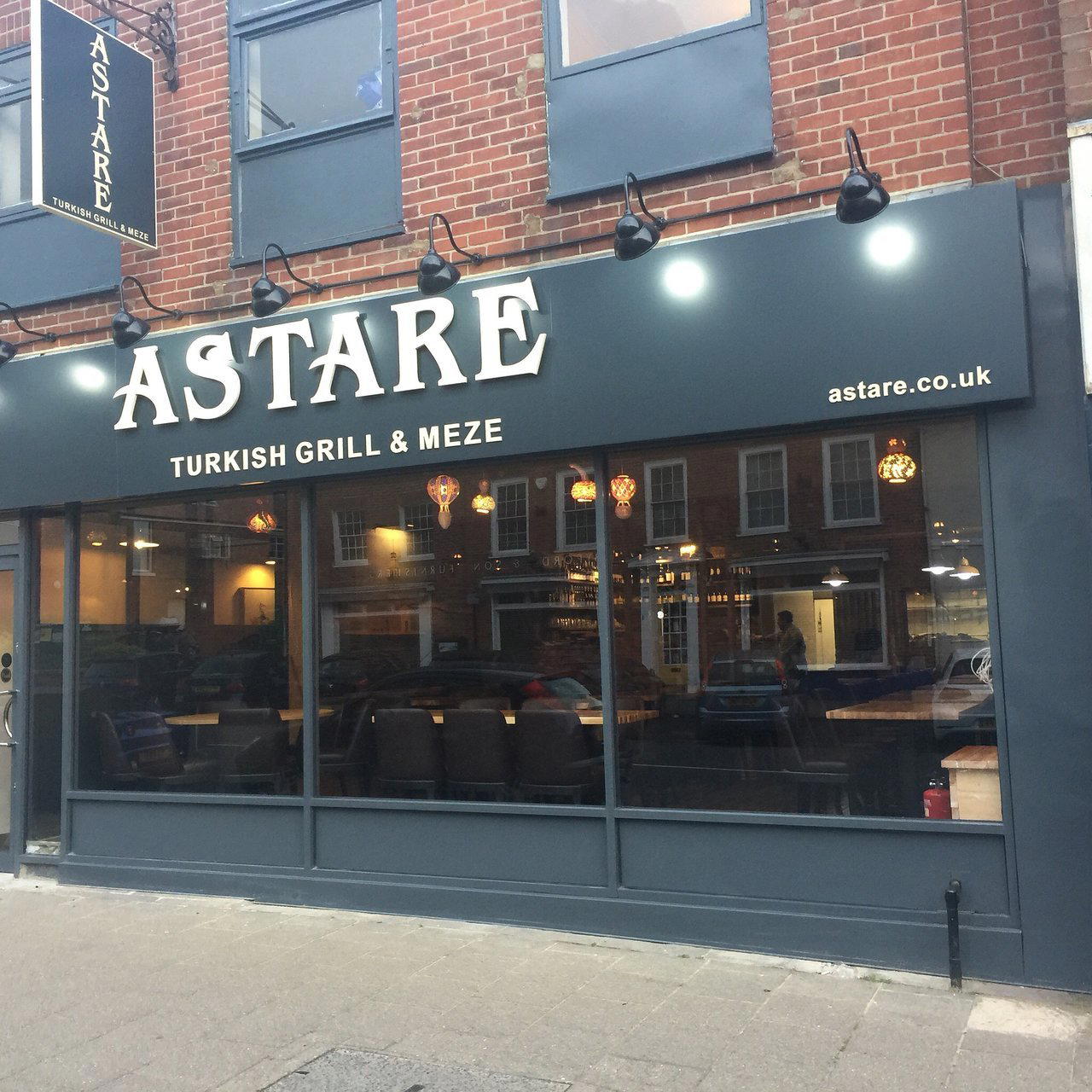
A High Street Address With Ambitions Beyond It
Witham is not a town that features prominently in the UK's fine dining conversation. That is, in part, what makes a restaurant like Astare worth examining. The Essex market town sits on the former Roman road between Chelmsford and Colchester, roughly equidistant between two county centres that have historically absorbed most of the region's restaurant investment. Newland Street, Witham's main commercial spine, has seen a slow but steady accumulation of independent operators in recent years — a pattern familiar to smaller English towns where property costs sit well below those of the county capital, and where a committed local clientele can sustain something more considered than the national chain norm.
Positioned at 101 Newland Street, Astare occupies a stretch of road that functions as Witham's primary civic and commercial corridor. Approaching on foot, the context matters: this is not a destination tucked away in a converted farmhouse or a countryside estate. It is a town-centre restaurant, which means it carries the specific pressures and opportunities of that format. The dining public arriving here are not exclusively destination seekers; they are also residents, commuters returning from Liverpool Street on the Greater Anglia line, and diners who might otherwise default to Chelmsford for a more ambitious meal. Astare's proposition, then, is partly about anchoring something worth staying for.
Sourcing as a Framework, Not a Garnish
Across the UK's independent restaurant sector, provenance language has become so ubiquitous that it risks losing its meaning. The difference between a restaurant that genuinely structures its kitchen around ingredient sourcing and one that merely deploys the terminology on a menu header is significant — and increasingly legible to experienced diners. Essex, as a county, has an underappreciated agricultural identity. The county's coastal fringe produces shellfish, its river estuaries support wild fish populations, and its farmland, particularly productive arable land in England, yields seasonal vegetables and heritage grains that rarely appear on menus in proportion to their quality.
A restaurant situated in mid-Essex, as Astare is, has geographic access to that supply chain in a way that London operators, despite their greater resources, often cannot replicate with the same logistical directness. The farms around the Blackwater estuary, the salt marshes near Mersea Island, the market gardens between Witham and Braintree: these are not secondary sources. For a kitchen willing to build supplier relationships at county level rather than reaching for a national wholesale catalogue, the larder is more interesting than the county's profile might suggest. This is the opportunity that mid-Essex independent restaurants are positioned to exploit, and the editorial question for any serious entrant in this market is whether the sourcing commitment runs through the menu structure or sits decoratively on the front page.
In the broader UK context, the restaurants that have most convincingly made provenance central to their identity tend to share a few structural features: menus that change with genuine seasonal discipline, supplier names cited with specificity rather than generality, and a kitchen that accepts the constraint of working with what is available rather than what is convenient. L'Enclume in Cartmel has made this its founding logic, with kitchen gardens and named Lake District producers embedded in the menu's architecture. Moor Hall in Aughton operates a similar model, drawing from Lancashire's agricultural surrounds with a specificity that positions the restaurant as much within a landscape as within a culinary tradition. These are two-Michelin-star benchmarks, but the underlying principle, that geography should govern the menu, is not exclusive to that award tier. Hide and Fox in Saltwood has demonstrated that the same discipline can operate with equal conviction at a smaller, more intimate scale in a Kent village context comparable in some ways to Witham's Essex setting.
Where Astare Sits in the Regional Conversation
Essex does not have a deep bench of destination-grade independent restaurants. The county's dining map thins considerably once you move away from Chelmsford's city-centre concentration and the commuter-belt towns closest to London. This creates a structural gap that Astare is positioned to address for the Witham area, not by replicating the Michelin-circuit format that defines venues like Midsummer House in Cambridge or Artichoke in Amersham, but by offering the local catchment something that earns a specific journey rather than defaulting to a chain.
The comparison set for a Newland Street restaurant in a town of Witham's scale is not the two-star country house, venues like Waterside Inn in Bray or Le Manoir aux Quat' Saisons in Great Milton operate in a different economic and experiential register altogether. The more useful frame is the tier of ambitious independent restaurants that have made mid-sized English towns worth visiting for food: Hand and Flowers in Marlow is one example of how a non-metropolitan address can sustain serious culinary ambition without the scaffolding of a major city's dining economy. That model, town-rooted, sourcing-conscious, accessible in format, is the one most relevant to reading what Astare is attempting on Newland Street.
For those exploring the east of England's restaurant circuit more broadly, our full Witham restaurants guide maps the town's current independent dining options with the same editorial rigour applied here. Further afield, CORE by Clare Smyth in London and Restaurant Sat Bains in Nottingham represent the upper end of the UK's ingredient-led contemporary dining spectrum, useful reference points for understanding where the sourcing conversation currently sits at its most developed. Outside the UK, Lazy Bear in San Francisco and Le Bernardin in New York City each demonstrate how provenance-driven menus function at different ends of the formality register.
Planning a Visit
Witham is served by regular Greater Anglia trains from London Liverpool Street, with a journey time of approximately 45 to 50 minutes, making it a viable evening destination for London-based diners willing to extend their usual radius. Chelmsford is a short drive west; Colchester sits roughly 15 miles to the northeast. The town has parking available off Newland Street, which becomes relevant for those arriving from surrounding Essex villages without a direct rail option. As with most independent restaurants operating at a considered level in smaller English towns, contacting the venue directly for current hours, booking arrangements, and menu details is advisable before travelling.
How Astare Restaurant Witham compares with similar nearby venues.
| Venue | Cuisine | Price |
|---|---|---|
| Rubino Kitchen | Modern British | ££ |
| The Windmill | Modern Cuisine | £££ |
| Galvin Green Man | Traditional British | ££ |
Continue exploring
More in Witham
Restaurants in Witham
Browse all →
Bars in Witham
Browse all →
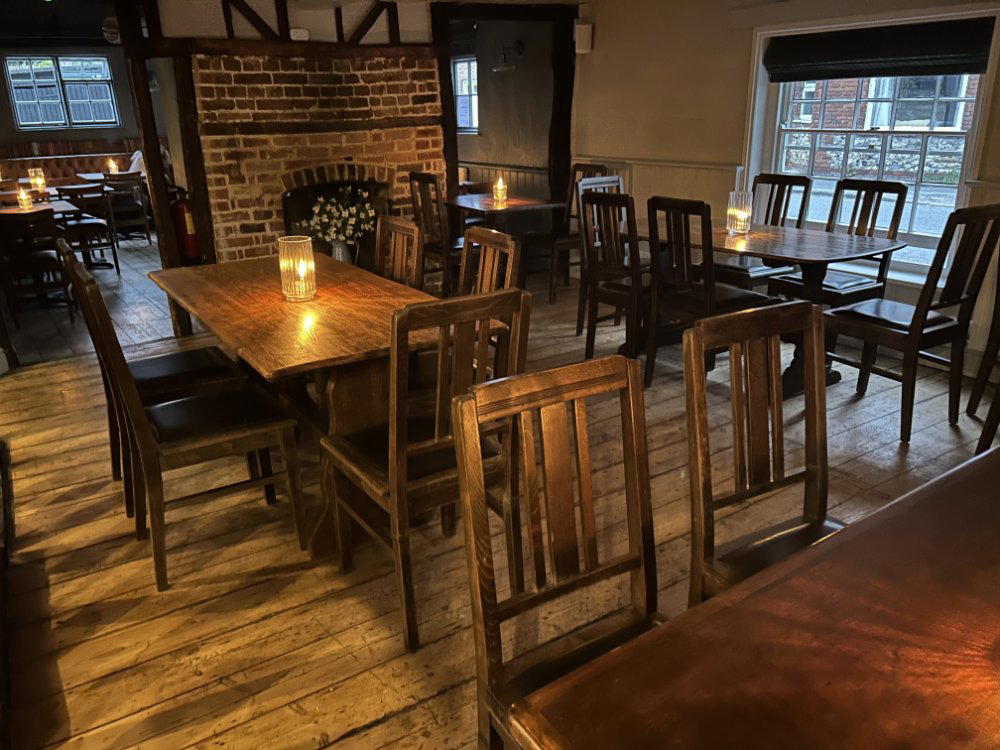
Hotels in Witham
Browse all →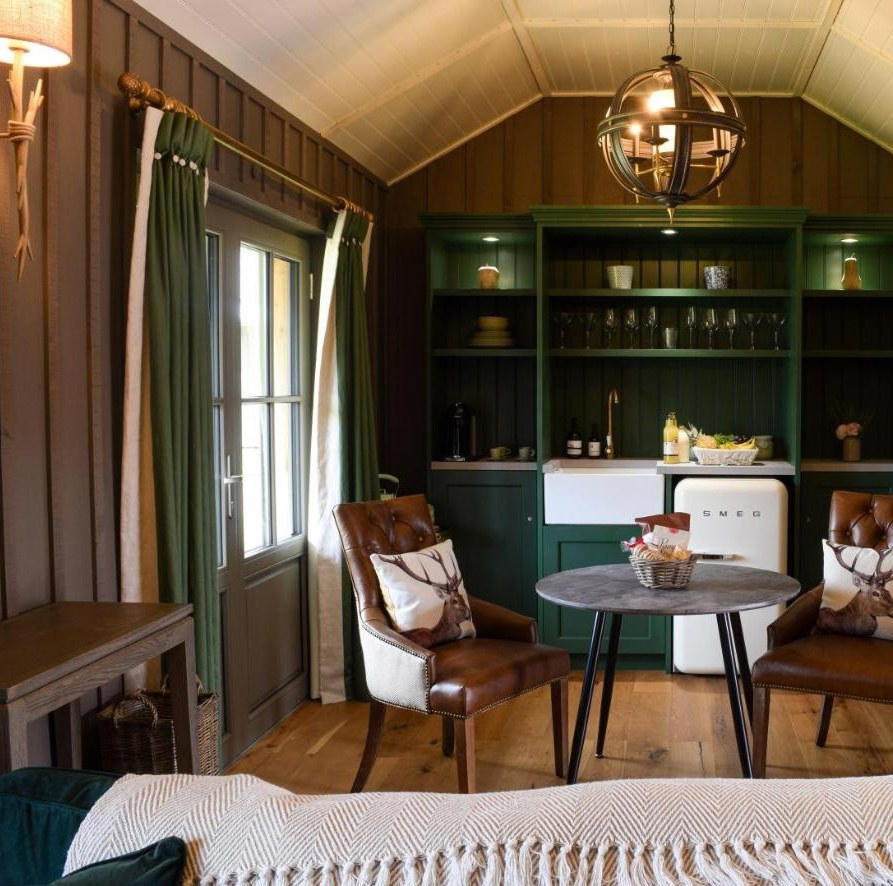
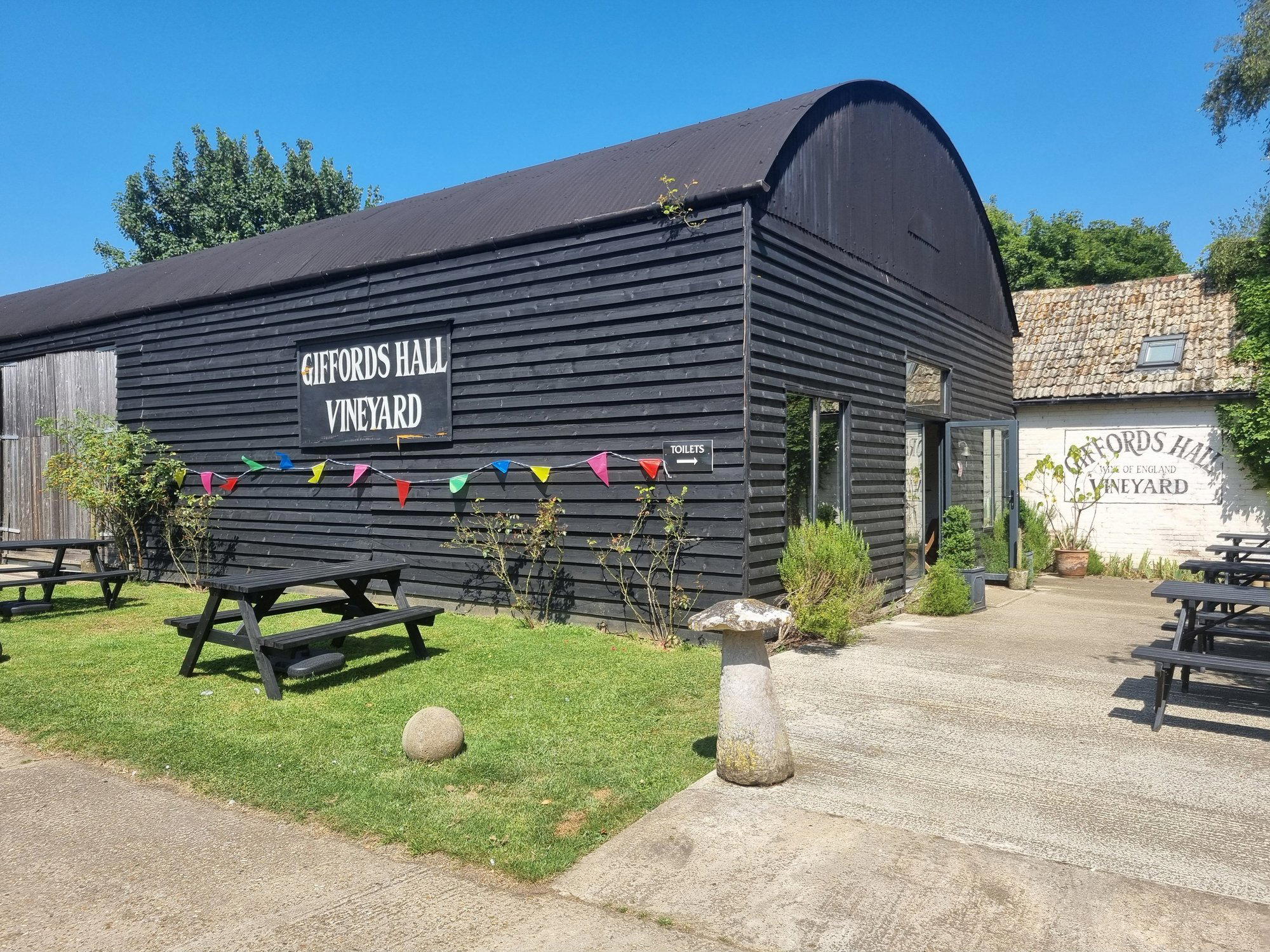
At a Glance
- Romantic
- Special Occasion
- Group Dining
Current opening hours
- Monday
- 12–10 PM
- Tuesday
- 12–10 PM
- Wednesday
- 12–10 PM
- Thursday
- 12–10 PM
- Friday
- 12–11 PM
- Saturday
- 12–11 PM
- Sunday
- 12–10 PM
Hours can change for holidays and private events. Last verified .
Energetic atmosphere with 4.4 ambience rating from diners.