Assyl Restaurant sits on the Route d’Amizmiz side of Marrakech, where the city’s dining rhythm starts to loosen from medina compression into resort-edge ceremony. Treat it less as a quick table and more as a paced Moroccan evening: arrival, greeting, tea, shared dishes, and time allowed between courses matter as much as the plate in front of you.
Pearl is the En Primeur Club membership app — saves, bookings, and concierge access live there. Same editors, same standards.
- Address
- Km5 Route d'Amizmiz, Marrakech 40160, Morocco
- Phone
- +212 5 24 45 96 00
- Website
- selman-marrakech.com
- Directions
- Get directions
 Saves & bookings on Pearl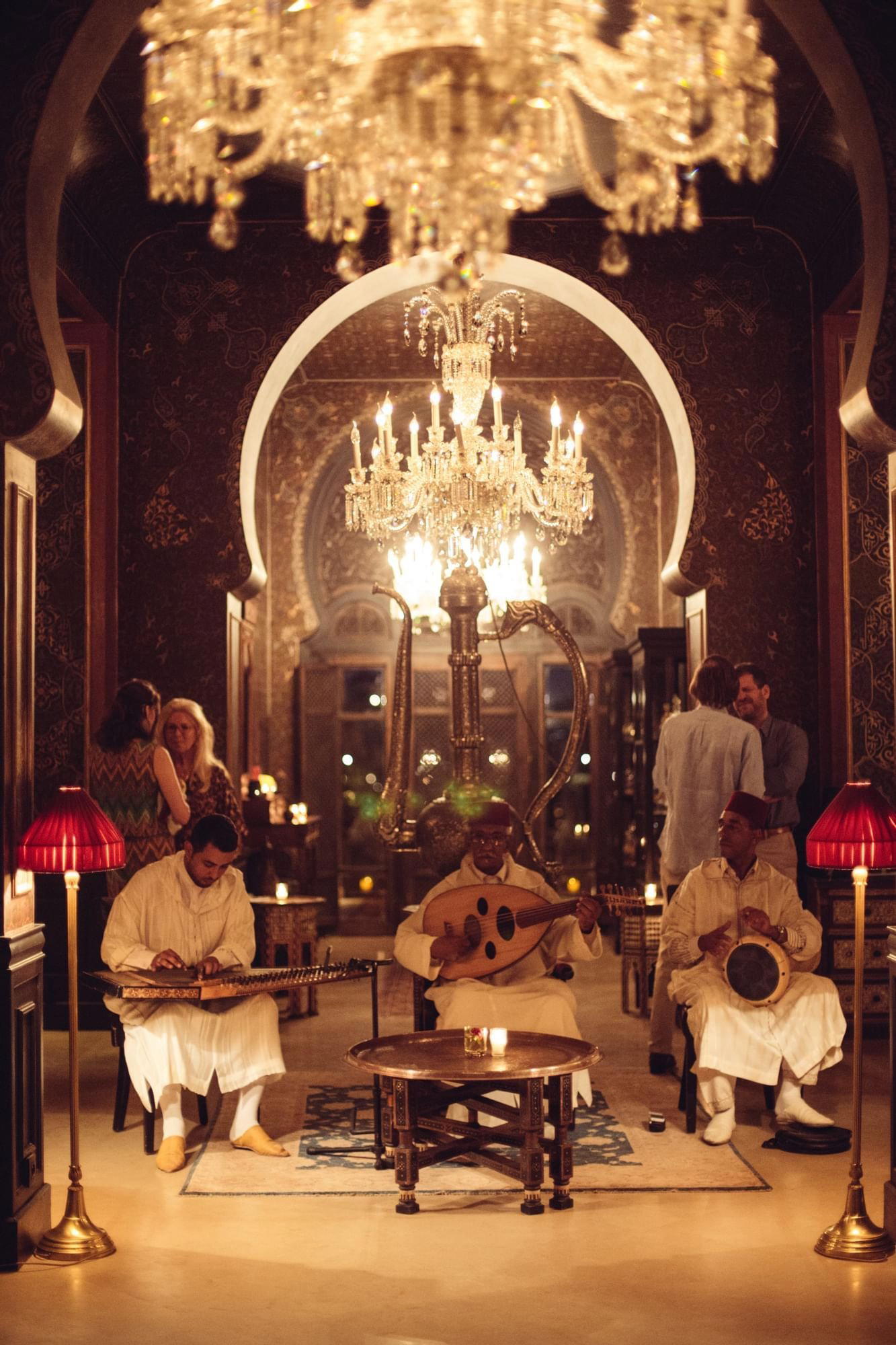
Approaching Marrakech, the city changes register. The city’s close-grained sound gives way to dining rooms built for lingering rather than turnover. Assyl Restaurant belongs to that Marrakech pattern, where a meal is read through arrival and rhythm before anyone starts ranking dishes. This is the kind of table where dinner often functions as a social appointment: guests arrive in groups, service moves with ceremony, and the table is allowed to hold conversation for longer than a quick city lunch would permit.
That matters because Marrakech dining is not a single category. The city splits between addresses built around proximity and atmosphere, more everyday urban rooms shaped by local regulars and daytime practicality, and restaurants that trade on space, pacing, and a sense of occasion. For travellers comparing options, the distinction is useful. Some Marrakech dining rooms belong to the city’s long-running restaurant conversation, while others point toward a different, community-minded model. Hotel dining sits in another register again. Assyl Restaurant is better understood within the orbit of planned evenings and destination dining, not as a casual stop between errands.
The Marrakech meal as ceremony, not speed
The strongest way to approach this address is through ritual. Local hospitality places weight on sequence: the welcome, the settling-in, the shared table, the pause between courses, and the after-dinner drift. In Marrakech, that structure can feel formal to visitors used to faster urban restaurants, but it is part of the city’s dining grammar. A dinner can begin with a longer arrival phase than expected; groups may order communally; dishes may land in waves rather than in a tightly staggered Western sequence. The point is not delay for its own sake. The meal is built to give the table time to become social.
That is also why comparisons inside the city need care. Some restaurants speak to Marrakech’s contemporary international dining thread, while others belong to a more formal dining end of the spectrum. On the broader Moroccan circuit, context changes the performance of dining: different rooms do not ask the same thing from a guest. Marrakech rewards those who leave enough time for the full arc of the evening.
What the setting signals about the table
Marrakech places the restaurant within a city where dining often depends on planning, timing, and the tone of the occasion. This is not necessarily the natural choice for a spontaneous bite after a busy day. It is a table to fold into a planned evening, especially if the rest of the day is already moving between hotel, relaxation, sightseeing, or private transport. That logistical context is not incidental; in Marrakech, the shape of a visit often predicts mood. Some restaurants compress atmosphere into intimate rooms. More central urban dining favours accessibility. Destination-minded restaurants in Marrakech have more room to work with arrival, scale, and a slower sense of occasion.
The public profile also changes the lens. This is not a reservation that needs to be judged by international ranking shorthand. The useful question is simpler: does the address suit the kind of evening a traveller is trying to build? For a quiet technical tasting menu, Marrakech has other registers. For a dinner framed by space, pace, and group-friendly ceremony, the Marrakech setting makes sense. Readers building a wider itinerary should use Our full Marrakech restaurants guide for dining context, then cross-check the surrounding trip through Our full Marrakech hotels guide, Our full Marrakech bars guide, Our full Marrakech wineries guide, and Our full Marrakech experiences guide.
One practical editorial stance follows from that: do not treat this as a last-minute substitute for another Marrakech table unless transport and timing are already solved. Marrakech evenings can stretch, and a restaurant works better when the night is built around it. For travellers continuing onward in a broader EP Club map, the contrast with other city-specific dining addresses is instructive: those pages may concern urban specialisation, while this Marrakech address is about pacing, hospitality, and the social weight of dinner.
How Assyl Restaurant Marrakech compares with similar nearby venues.
| Venue | Cuisine |
|---|---|
| Sabo | French-Moroccan fine dining |
Continue exploring
More in Marrakech
Restaurants in Marrakech
Browse all →
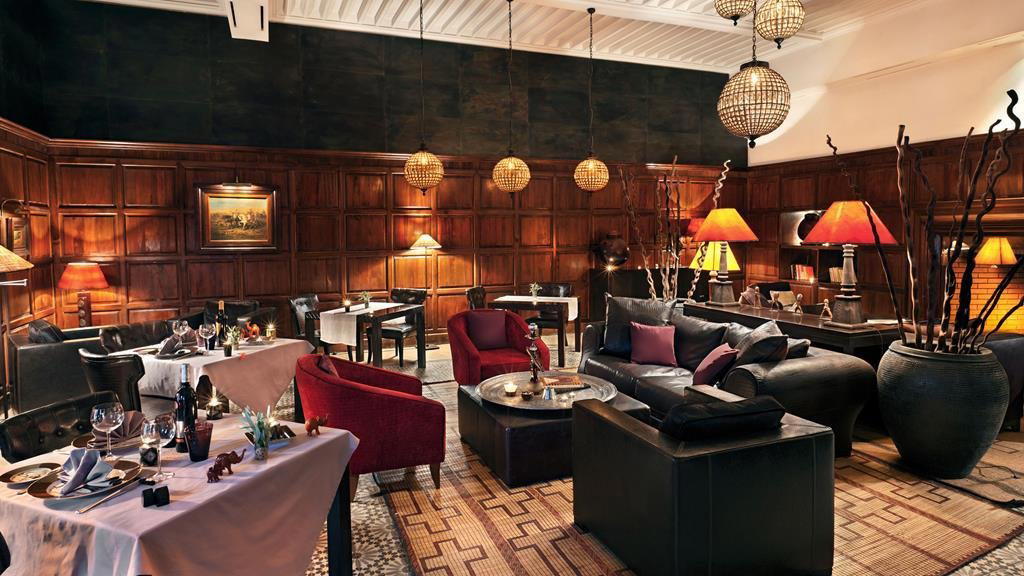
Bars in Marrakech
Browse all →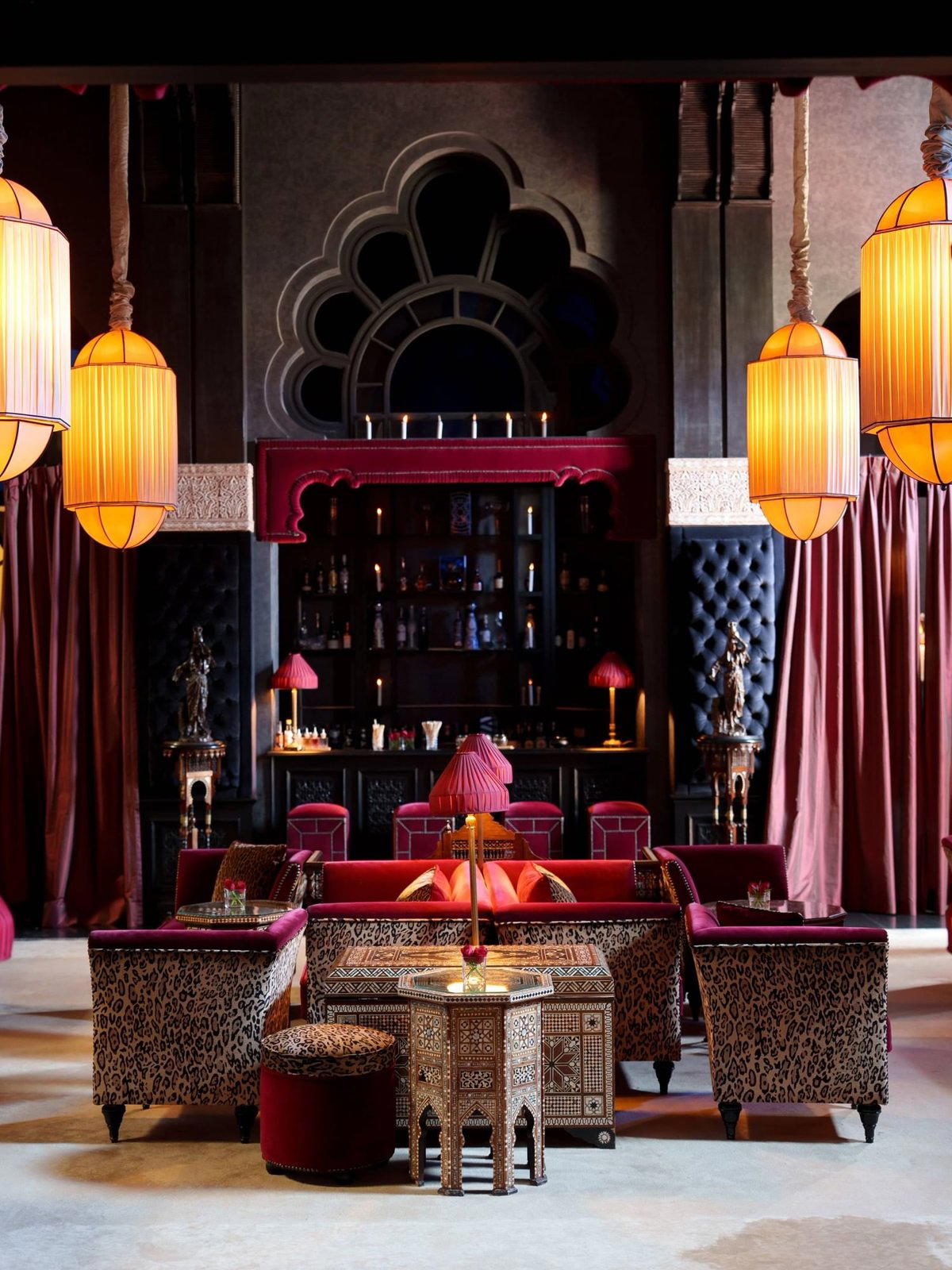
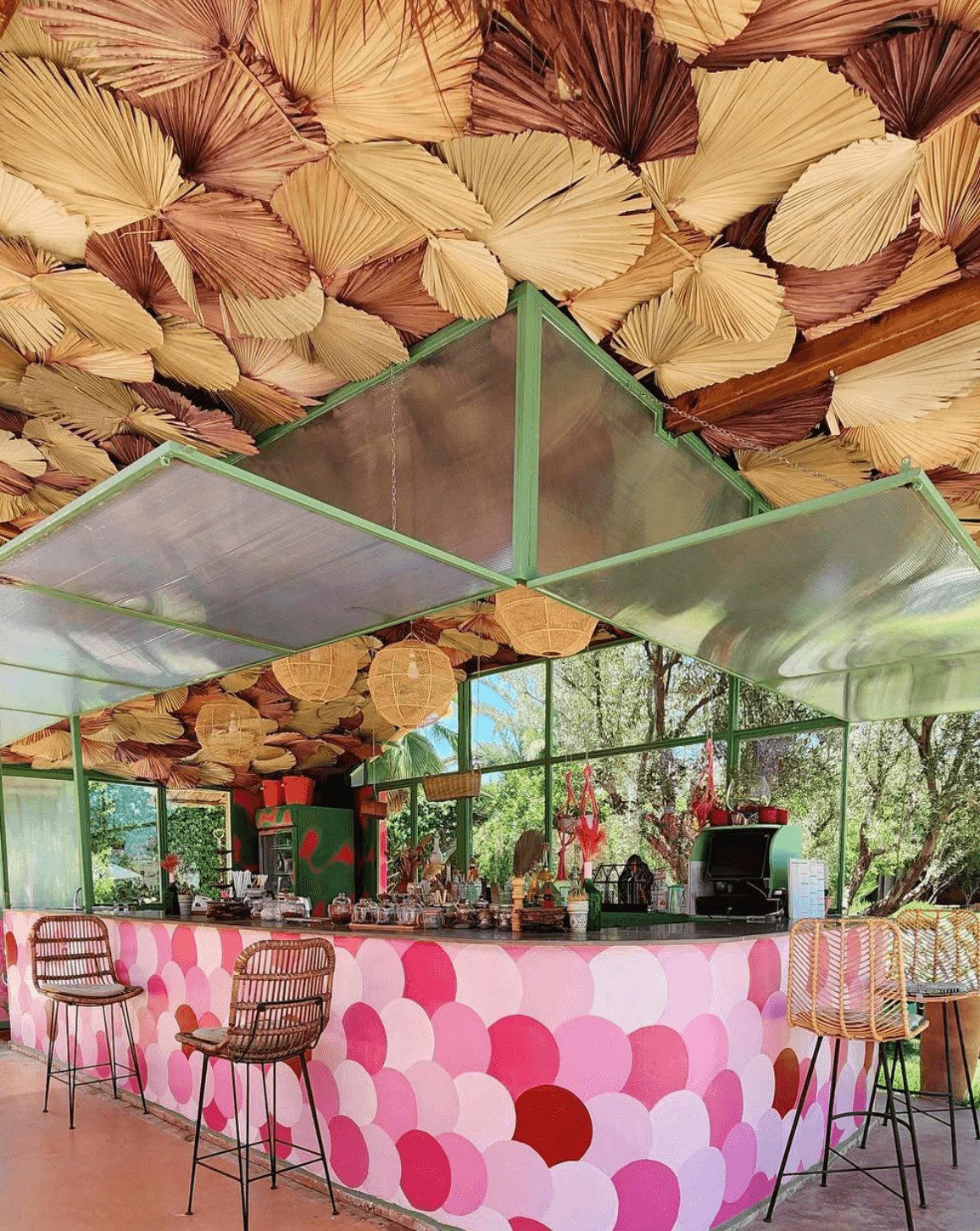
Hotels in Marrakech
Browse all →
Wineries in Marrakech
Browse all →
At a Glance
- Elegant
- Ornate
- Romantic
- Sophisticated
- Classic
- Date Night
- Special Occasion
- Celebration
- Business Dinner
- Group Dining
- Live Music
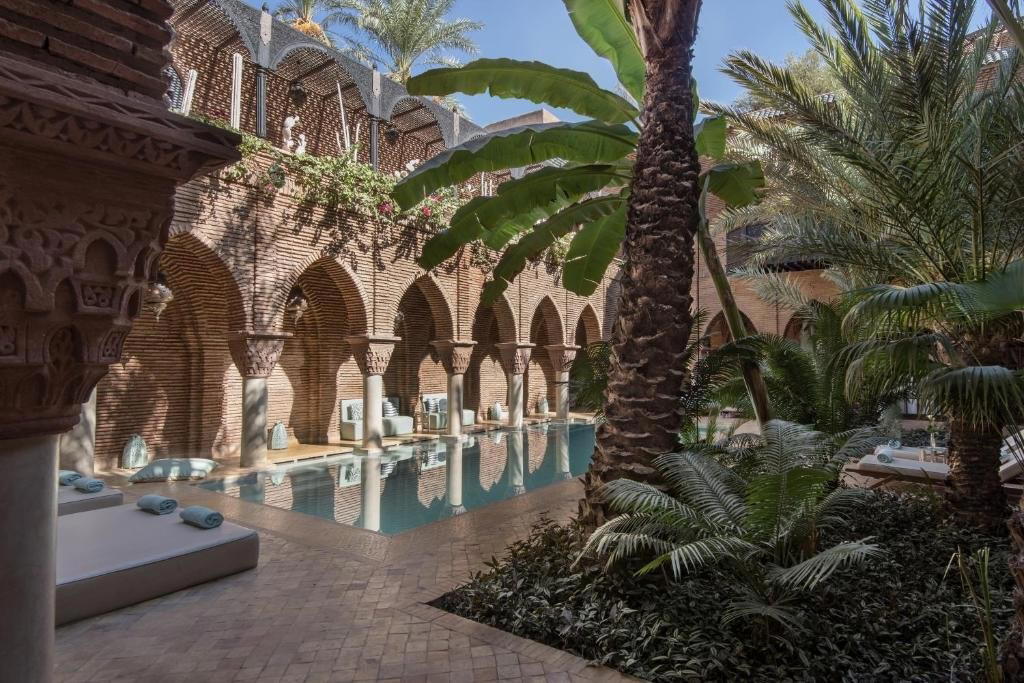
- Garden
- Design Destination
- Hotel Restaurant
- Private Dining
- Extensive Wine List
- Garden
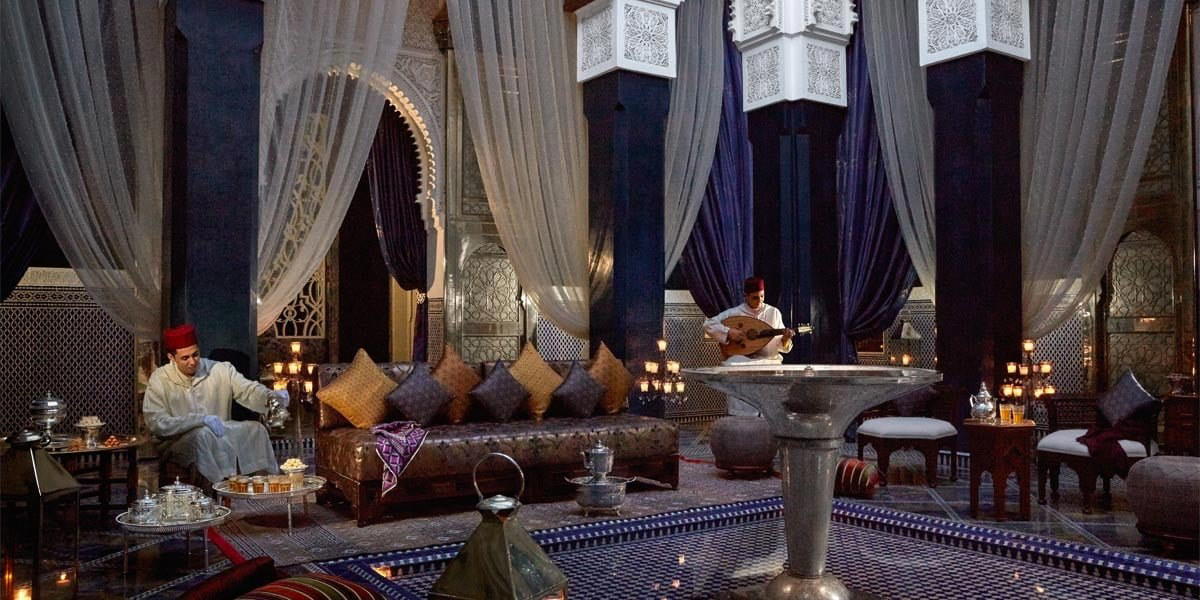
Luxurious and theatrical Ottoman-inspired dining room with high ceilings, painted woodwork, chandeliers, glassware, gold accents, and soft live lute and oud music, creating an intimate yet lively evening atmosphere.
Know Before You Go
- Reservations
- Recommended
- Dress code
- Smart casual
- Getting there
- Km5 Route d'Amizmiz, Marrakech 40160, Morocco