Ashland
Our verdict
Ashland sits in Atlanta’s Midtown orbit, where Peachtree Street dining has to serve office traffic, theater nights, hotel guests, and residents in the same room. With no public award trail or declared cuisine category attached, its value is best read through location and utility: a city-center restaurant competing in a dense corridor rather than a destination tasting-room lane.

Pearl is the En Primeur Club membership app — saves, bookings, and concierge access live there. Same editors, same standards.
- Address
- 1065 Peachtree St NE, Atlanta, GA 30309
- Phone
- (404) 745-5745
- Hours
- Mon–Thu 7 AM–10 PMFri–Sat 7 AM–12 AMSun 7 AM–10 PM
- Website
- ashlandatlanta.com
- Directions
- Get directions
- Booking
- Book on Resy
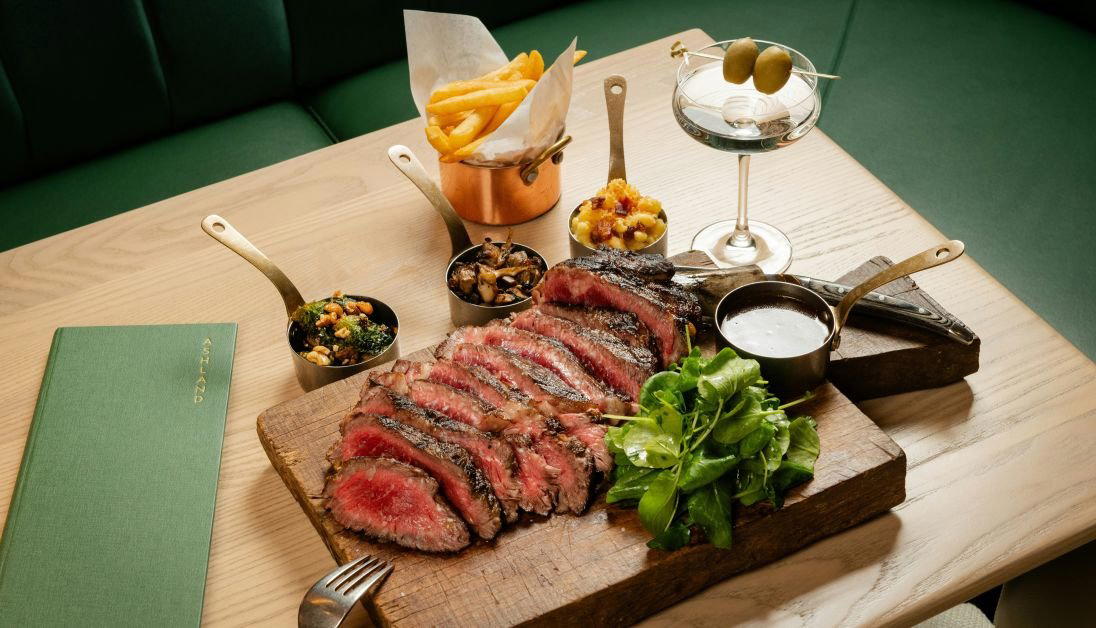
The menu
What to order
- Prime live-fire steaks
- Refined sushi selections
- Lobster pot pie
- Vegan mushroom bolognese
Approaching a restaurant in Atlanta is rarely a quiet prelude. The city runs on traffic signals, office towers, apartment lobbies, hotel entrances, and the after-work drift that starts before dinner has formally begun. Ashland belongs to that urban Atlanta pattern: restaurants here are judged less by mythology than by how well they absorb mixed use. An Atlanta room has to work for a business drink, a pre-show meal, a solo counter stop, and a group that did not plan three weeks ahead.
That context matters because Atlanta dining is not arranged around a single center of gravity. The city carries expense-account energy, converted-room ambition, neighborhood loyalty, and essential immigrant food culture all at once. Ashland sits inside that wider field. It is part of a pressure zone where restaurants sit between daily routine and occasion, and the successful ones tend to read the room quickly.
Atlanta dining is built for overlap, not purity
The cultural story around Ashland is less about a named cuisine than about the way Atlanta restaurants have adapted to plural demand. Diners move between local expectations, national menus, service rhythms, and the practical need to eat before or after something else. That produces a particular kind of restaurant economy: not the tightly scripted tasting-menu circuit, and not the purely residential neighborhood spot, but a flexible middle lane where the room has to be legible to several audiences at once.
In that lane, comparison is useful. Other Atlanta dining rooms operate in the same broader conversation, while bar-and-dining hybrids point toward the social formats the city supports. Cafe Intermezzo and Prime on Peachtree show how Atlanta restaurant traffic can range from café culture to steakhouse signaling, and Dos Caminos adds the familiar national-category language of a recognizable dining format. Ashland should be read against that spread: not as an isolated address, but as part of a city where the competition is often format, timing, and usefulness as much as cuisine.
Atlanta’s broader restaurant map gives the contrast sharper edges. Some dining rooms have a more neighborhood-driven tempo, while small independent rooms and social formats answer other Atlanta impulses entirely. Ashland, by comparison, is where the city’s practical dining habits become visible: urban, mixed, and shaped by schedule.
The point of an Atlanta table is how it fits the night
Ashland is best assessed without forcing a trophy narrative onto it. The first question is not prestige; it is fit. In Atlanta, fit means whether the restaurant can carry a weeknight without requiring ceremony, whether it makes sense before a performance or after work, and whether the room feels natural for mixed parties. That is a legitimate editorial category in Atlanta, where many worthwhile meals happen outside the city’s louder critical storylines.
This is also where cultural context beats checklist dining. Atlanta has long been a city of overlapping food identities: Southern cooking traditions, corporate dining, immigrant corridors, café culture, sports-night hospitality, and ambitious chef-led restaurants all coexist without folding neatly into a single hierarchy. A restaurant without a declared cuisine label can still participate in that wider pattern by serving the city’s daily social architecture. The measure is not whether it announces a grand idea, but whether it handles the way Atlanta actually eats.
Readers building a fuller Atlanta itinerary should use Ashland as one node rather than the whole argument. The city’s restaurant range is better understood through multiple kinds of rooms, from practical urban tables to social spaces and small neighborhood kitchens. For a wider scan, see Our full Atlanta restaurants guide, then cross-check the surrounding trip through Our full Atlanta hotels guide, Our full Atlanta bars guide, Our full Atlanta wineries guide, and Our full Atlanta experiences guide.
How to place Ashland in a wider American dining itinerary
For travelers comparing Atlanta with other U.S. food cities, Ashland represents the practical urban restaurant rather than the specialist pilgrimage stop. That distinction matters. Some destination dining rooms ask to be understood through category depth, while compact snack formats, casual counters, or plant-forward coastal addresses may carry a clearer cuisine signal from the outset.
Other comparisons sharpen the point. Across the country, many restaurants telegraph a more specific culinary frame before the meal begins, whether through a tightly defined menu, a specialist beverage program, or a destination setting. Ashland’s editorial interest is different: it sits in Atlanta, where the restaurant’s role is tied to city movement, not a narrowly defined culinary thesis.
The sensible read is therefore disciplined. Do not approach Ashland only through an award-led destination narrative. Approach it as part of Atlanta’s working dining fabric, where setting, adaptability, and the ability to serve different versions of the same evening carry real weight. In Atlanta, that kind of restaurant is not background noise; it is part of the city’s operating system.
Frequently asked questions
Would Ashland be comfortable with kids?
Ashland’s Atlanta setting makes it workable to consider for family dinners when the plan is to stay in the city. Those details are not published. Check the venue's official channels for the latest details.
What's the vibe at Ashland?
Ashland is an Atlanta restaurant, so the setting is shaped by the pace of the city rather than by a single destination-dining storyline. It should be read as a practical urban table rather than only a trophy-driven reservation. Check the venue's official channels for the latest details.
Where do I go for Ashland?
Ashland is located in Atlanta.
Do they take walk-ins at Ashland?
Those details are not published. As an Atlanta address, Ashland fits the kind of urban restaurant where timing matters more than labels. Check the venue's official channels for the latest details.
What makes Ashland worth seeking out?
Ashland’s case is setting and utility: it places diners within Atlanta’s broader dining rhythm. For diners who want a restaurant in Atlanta without chasing a specific chef name, cuisine label, or awards-first narrative, that is the point.
Cost Snapshot
Comparable venues by cuisine and price in the same metro.
| Venue | Cuisine | Price | Notes |
|---|---|---|---|
| AshlandThis venue — the venue you are viewing | Modern steakhouse & sushi restaurant | $50–100 | Not listed |
| Market | Historic Food Market with Local Eateries | Not listed | Not listed |
| The Salad Bar | Salad Bar | $10–20 | Not listed |
| Prime on Peachtree | Upscale Steak and Seafood | $50–100 | Not listed |
| Cafe Intermezzo | Not listed | $20–30 | Not listed |
| Dos Caminos | Vibrant Mexican Cantina | $30–50 | Mexican |
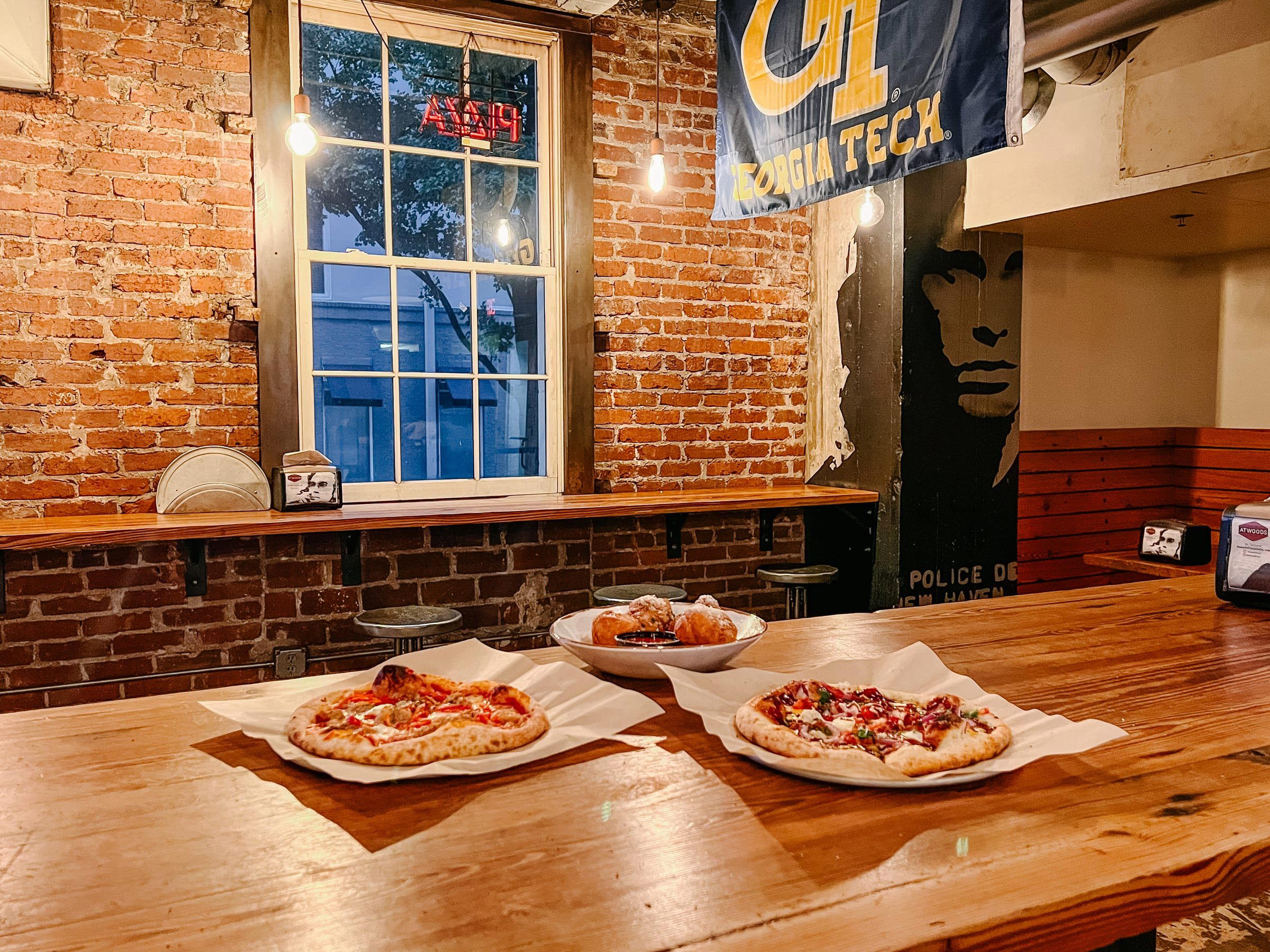
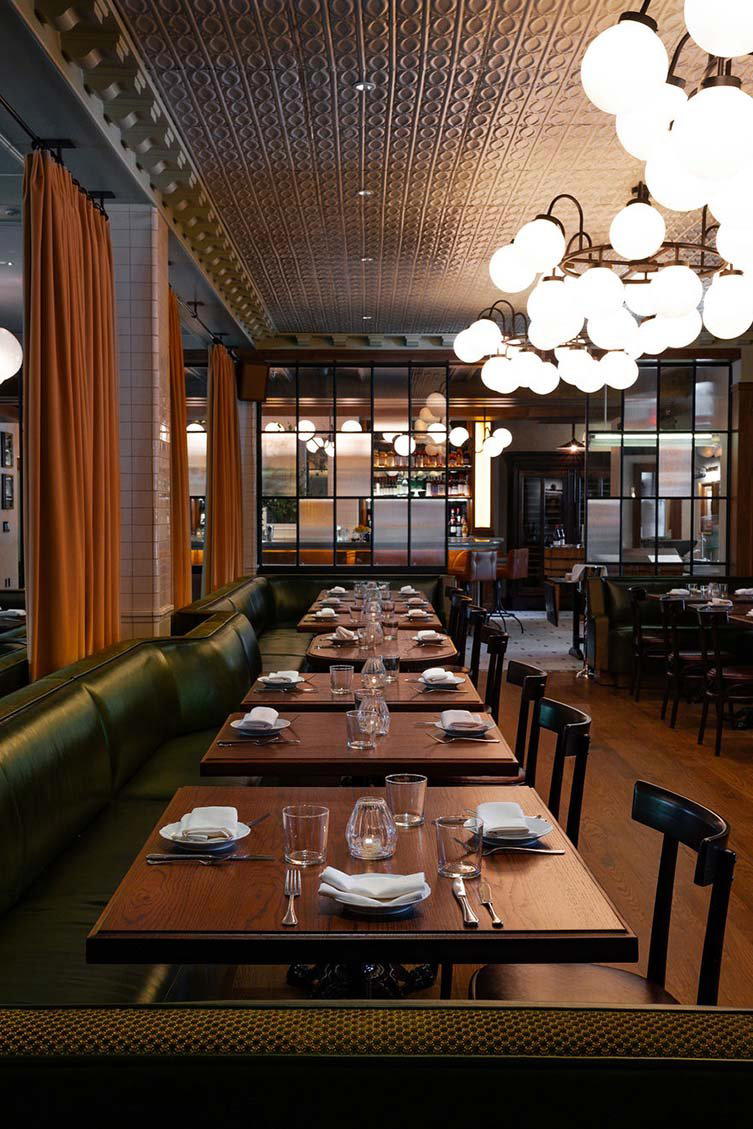
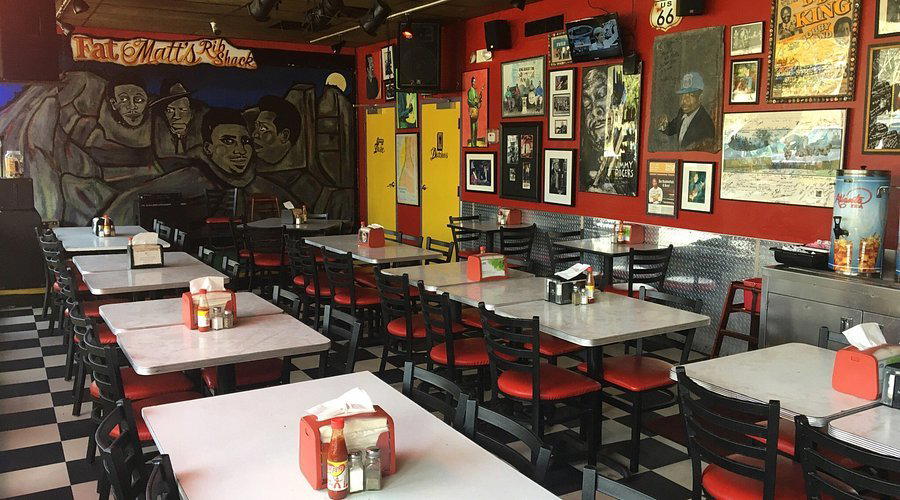
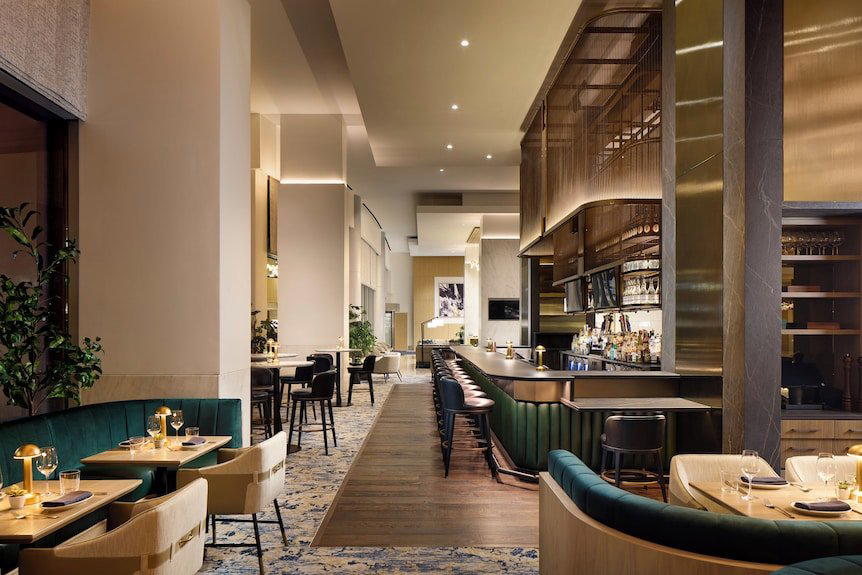
Ashland
The wine
- Wine program
- Curated wine list
- Extensive wine list
- Sake program
- Craft cocktails
Details
- Modern
- Sophisticated
- Elegant
- Lively
- Business Dinner
- Date Night
- Group Dining
- Special Occasion
- After Work
- Hotel Restaurant
- Live Music
- Design Destination
- Craft Cocktails
- Sake Program
- Extensive Wine List
- Local Sourcing
- Sustainable Seafood
- A La Carte
- Craft Cocktails
- Sake
- Wine
- Vegetarian Friendly
- Pescatarian Friendly
Current opening hours
- Monday
- 7 AM–10 PM
- Tuesday
- 7 AM–10 PM
- Wednesday
- 7 AM–10 PM
- Thursday
- 7 AM–10 PM
- Friday
- 7 AM–12 AM
- Saturday
- 7 AM–12 AM
- Sunday
- 7 AM–10 PM
Hours can change for holidays and private events. Last verified .
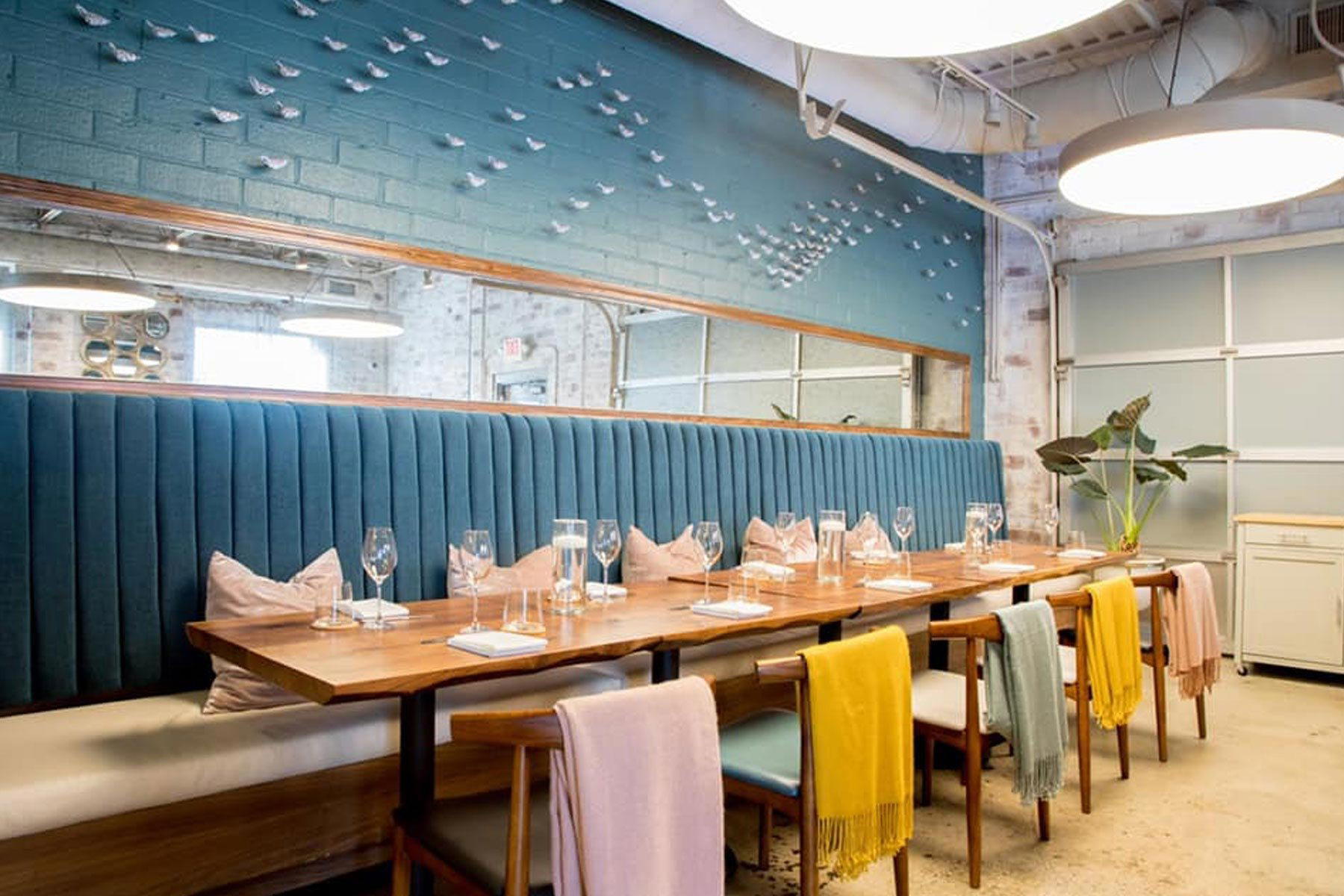
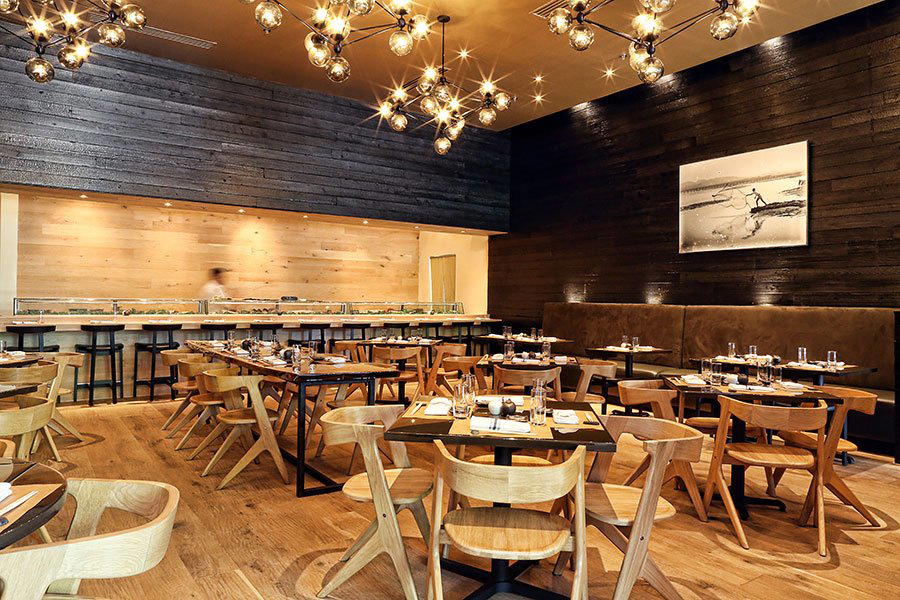
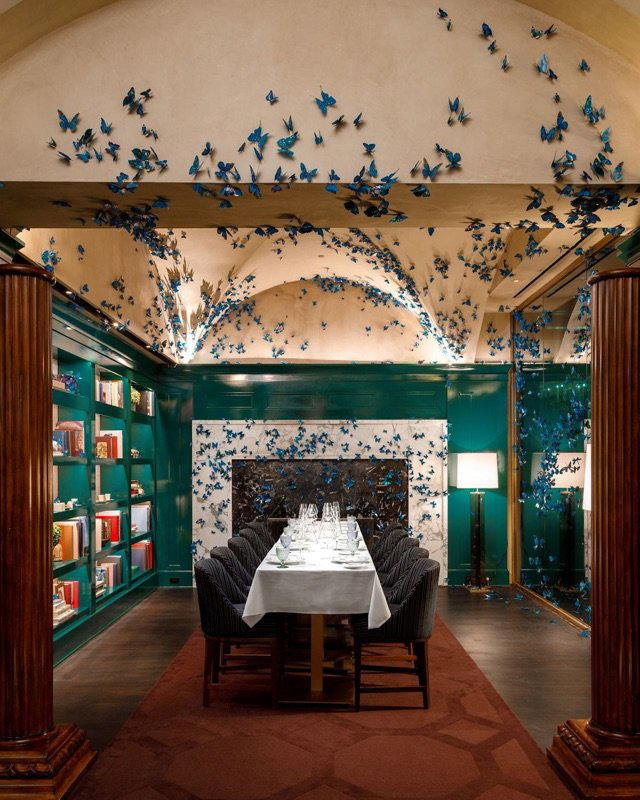
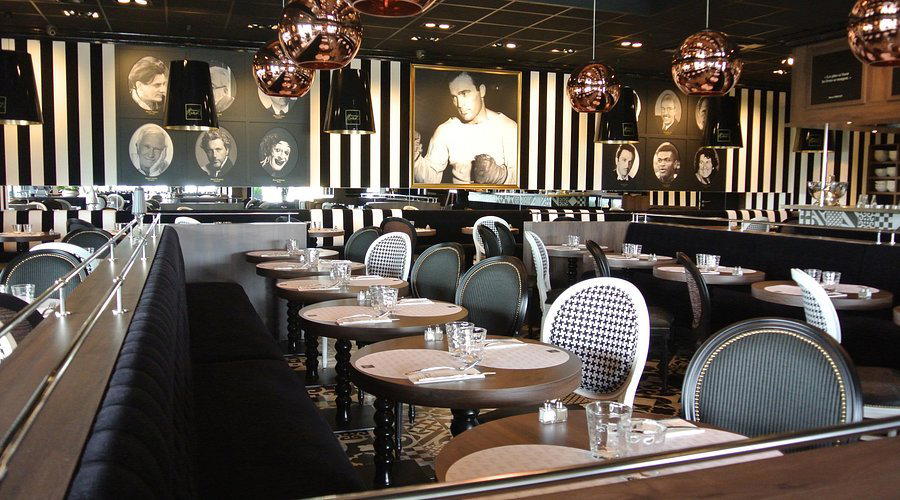
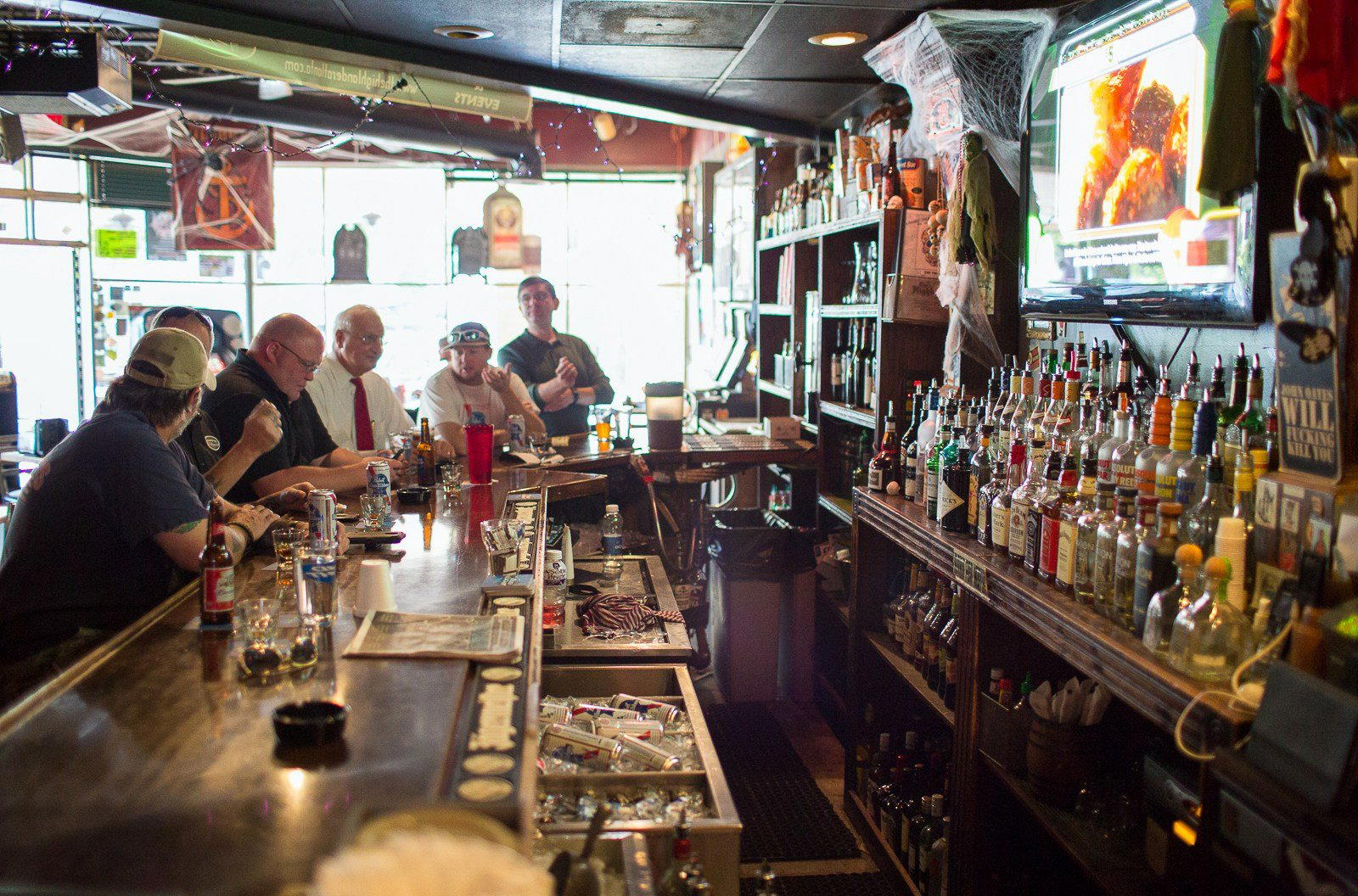
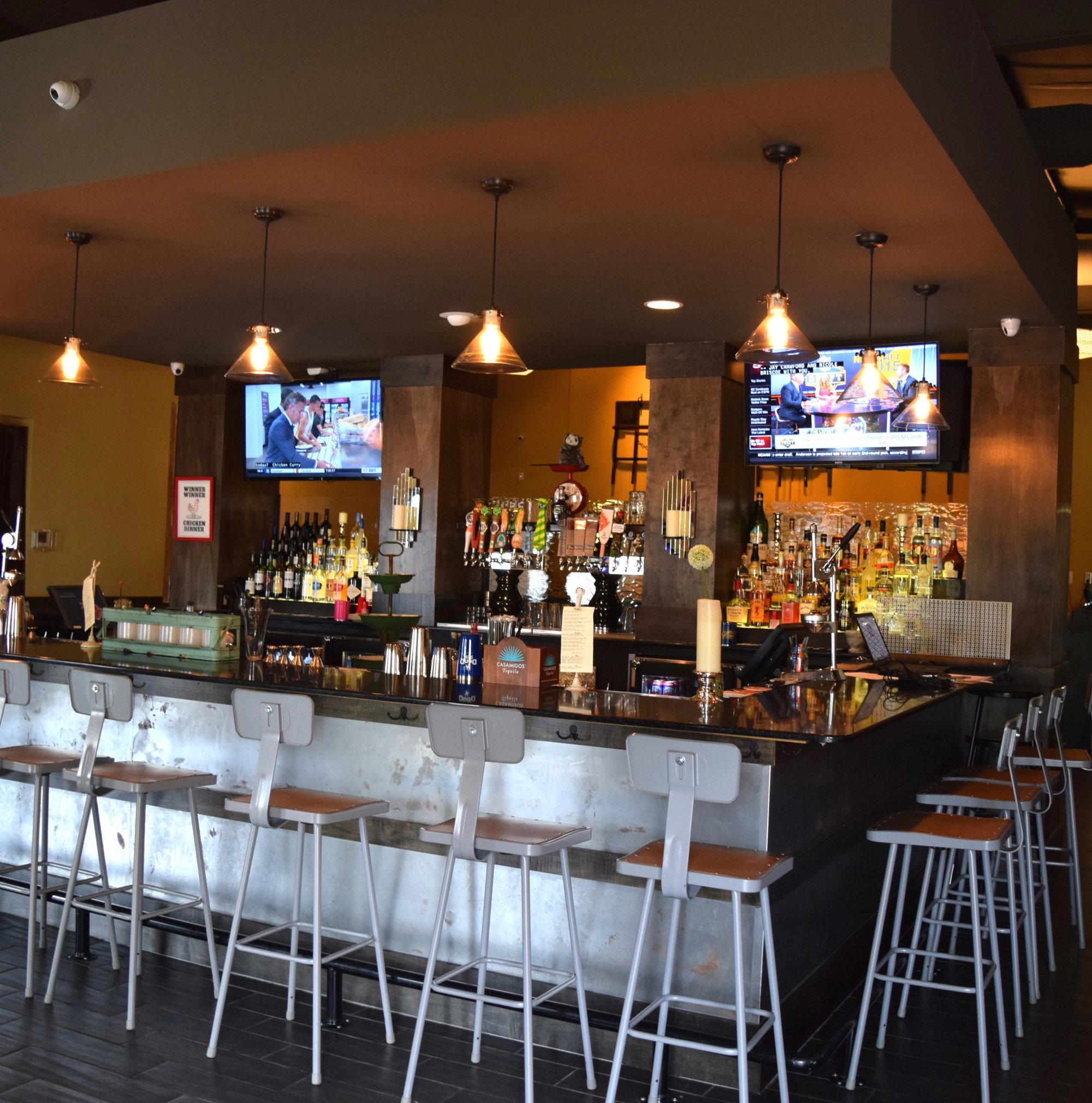
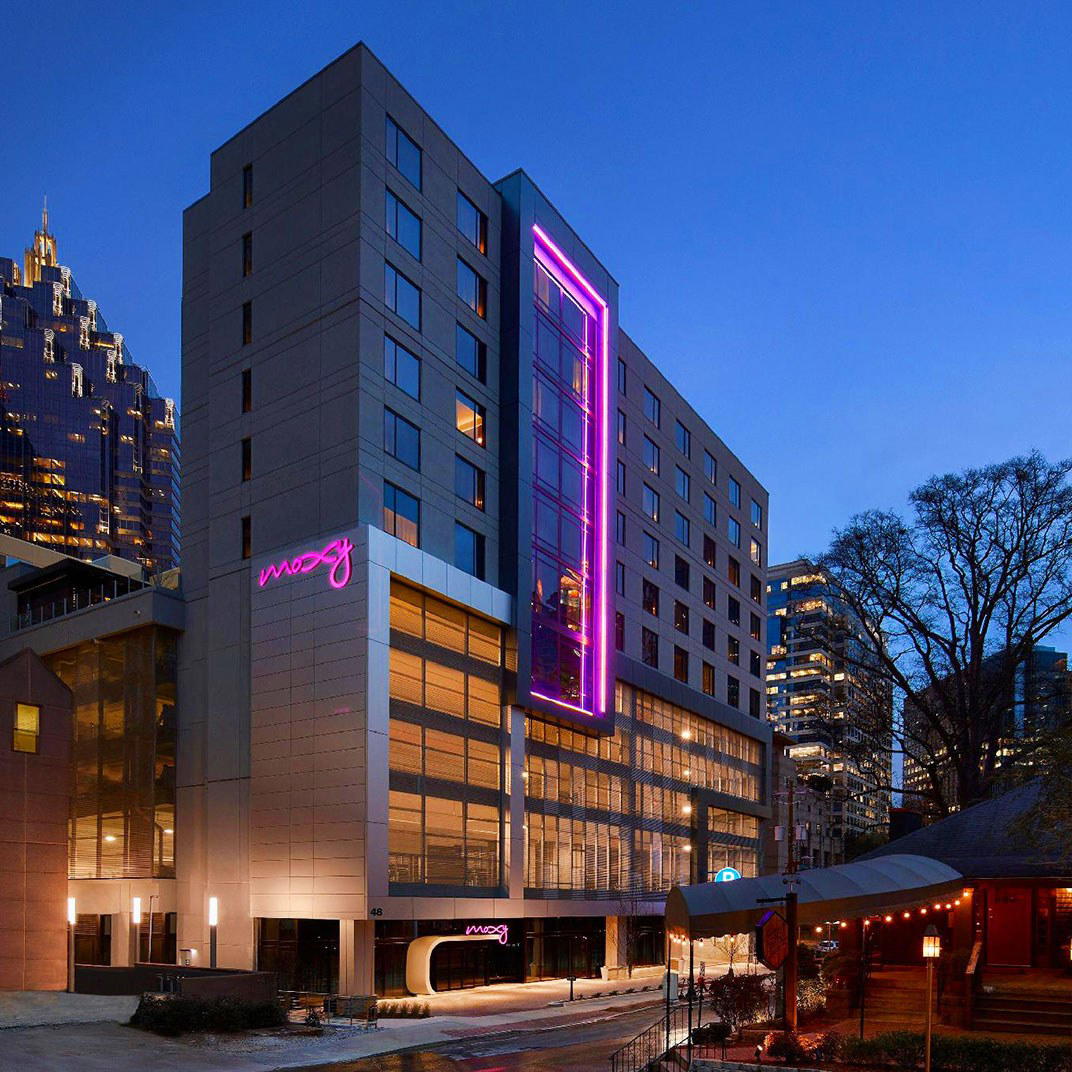
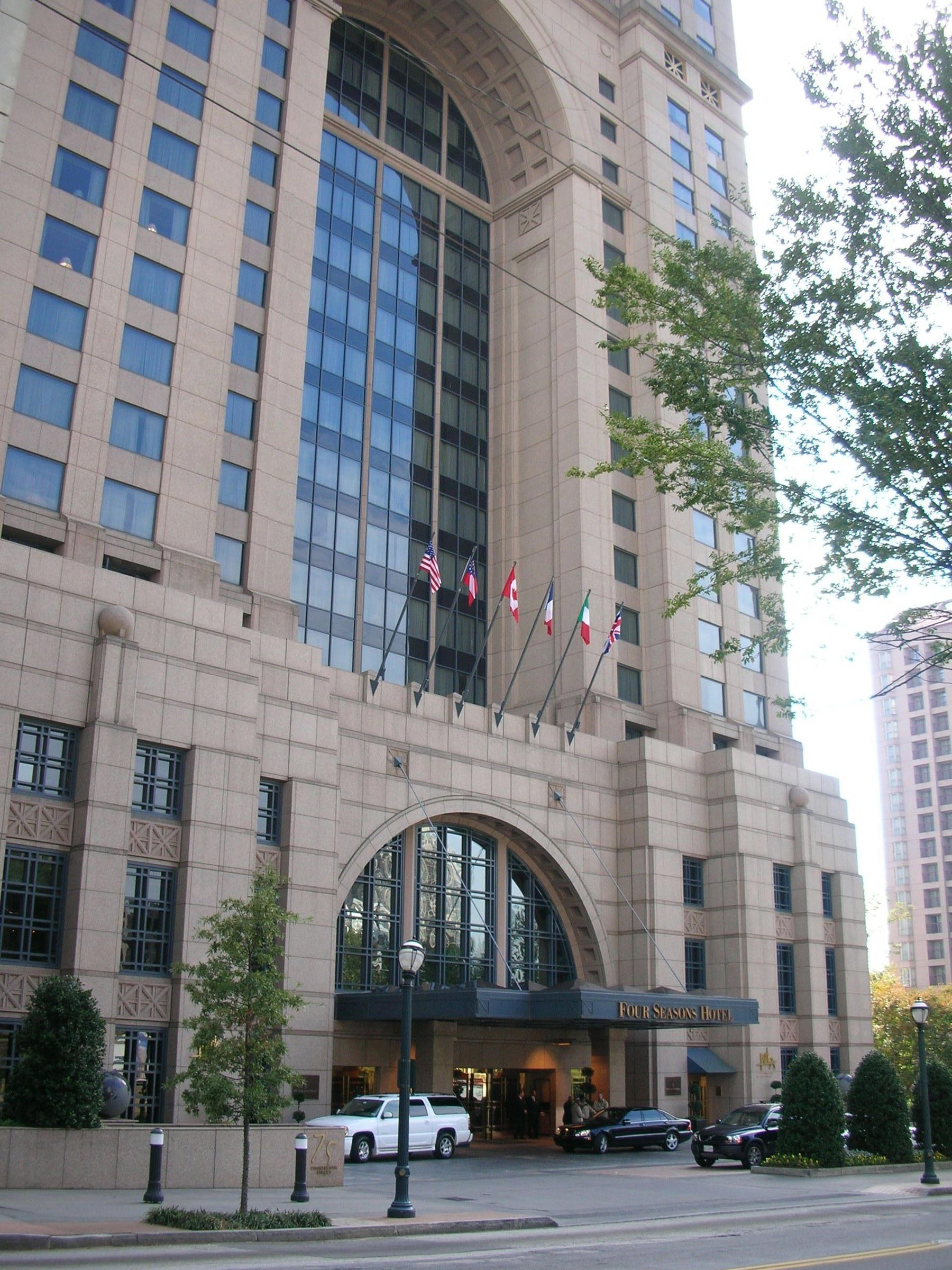
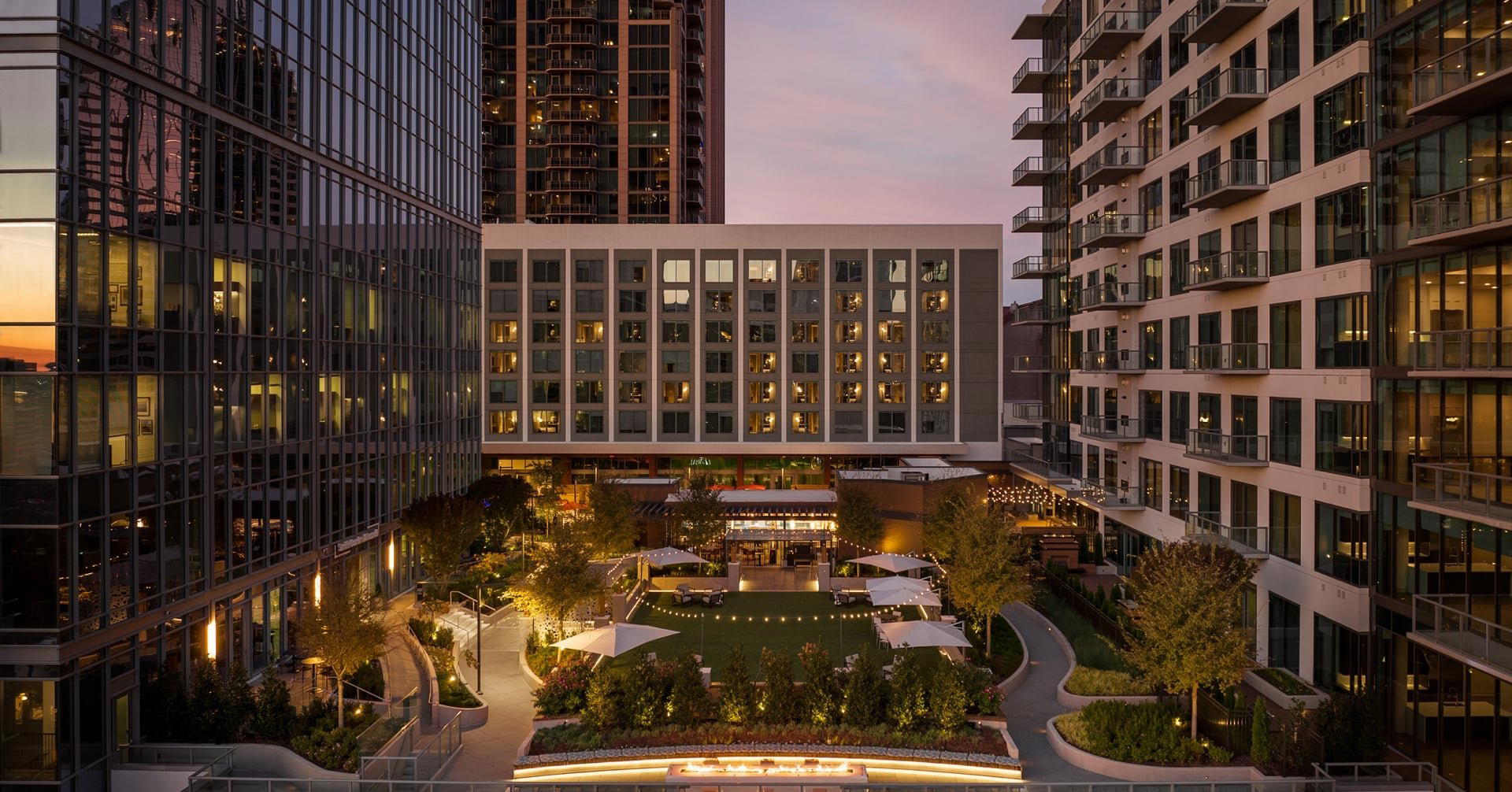
Contemporary hotel-restaurant setting with a sleek, modern design, energetic Midtown buzz, and polished yet relaxed atmosphere suited to both business and social dining.