Asakura
Our verdict
Asakura is a Los Angeles restaurant page where the available public detail is spare, so the useful read is about context: how ingredient-driven dining fits a city shaped by produce markets, Pacific seafood, Japanese technique, and neighborhood-scale restaurants. Treat it as a venue to verify directly before planning around specifics, while using the broader Los Angeles dining scene to understand the category.

Pearl is the En Primeur Club membership app — saves, bookings, and concierge access live there. Same editors, same standards.
- Address
- Los Angeles, United States
The menu
What to order
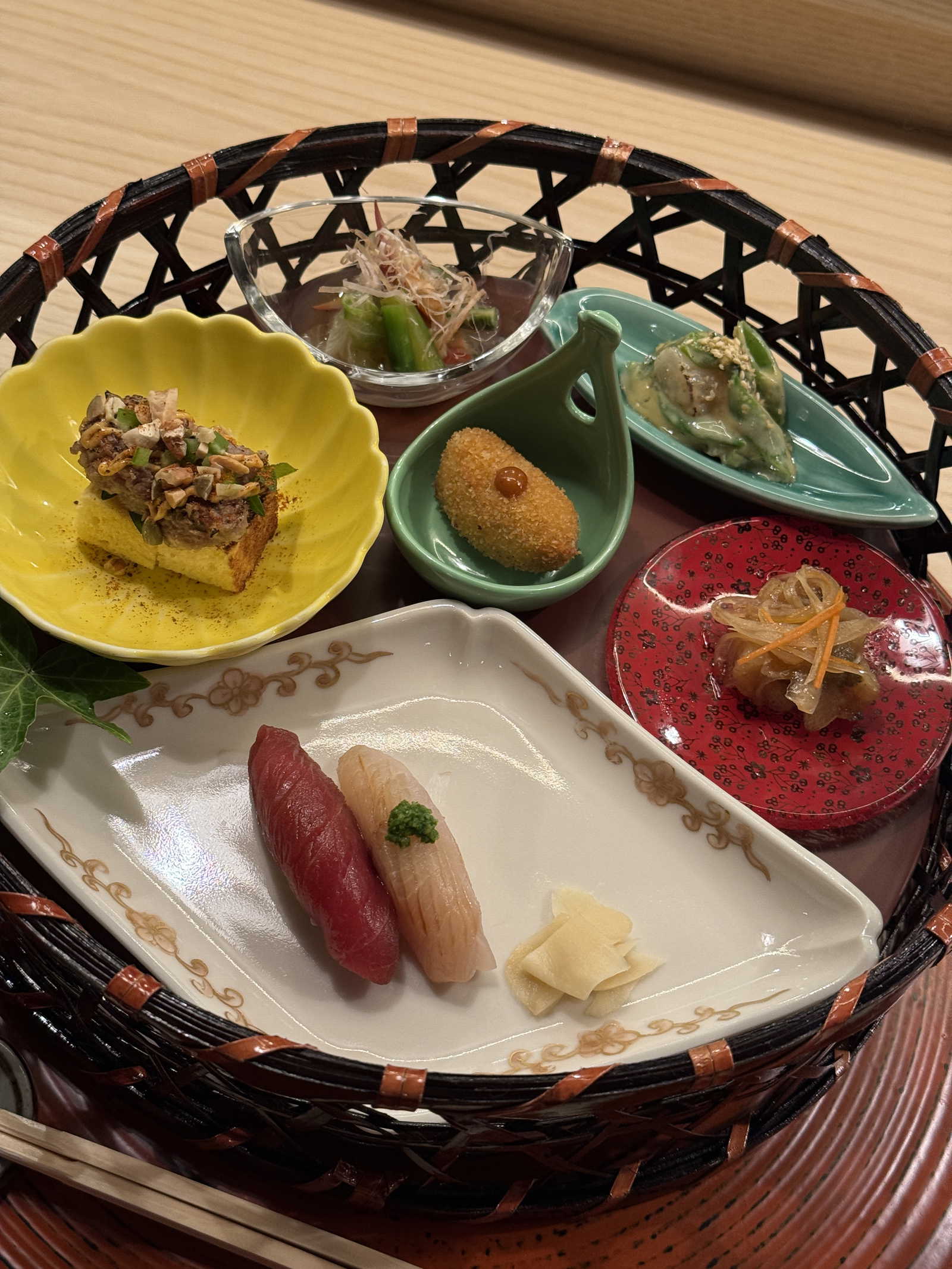
- Smoked caviar on cold egg noodles
- Grilled eggplant with uni and vinegar jelly
- Lobster chawanmushi with shaved truffle
- Wagyu tartare on brioche
- “white coffee” blancmange dessert
Los Angeles restaurants often announce themselves less through grand entrances than through context: the turn-in from traffic, the low evening light on a boulevard, the quick change from street to table. That setting matters for Asakura because dining in this city is rarely separated from supply. The region’s food culture is built around proximity to coastal fish, year-round produce, overlapping market networks, and kitchens that can buy with unusual flexibility compared with colder, more centralized restaurant cities.
That ingredient logic is the more useful frame than biography here. In Los Angeles, sourcing is not a decorative claim; it is the operating system behind much of the city’s serious cooking. A restaurant can be product-led, vegetable-forward, counter-based, casual, or more composed and still be judged by the same question: does the kitchen use the city’s access well, or merely borrow its vocabulary? Asakura should be read inside that expectation. The name gives less away than many Los Angeles restaurants, and the limited public-facing detail makes advance verification sensible, but the city’s dining grammar is clear enough: freshness, restraint, and product choice carry more weight than elaborate staging.
Los Angeles sourcing sets a high bar before the first order
The local advantage is not only farmers’ markets, though those remain central to how chefs talk about California cooking. It is the overlap of specialist supply chains. Restaurants in Los Angeles can draw from dedicated importers, regional producers, and a customer base that understands differences in format, from narrow casual counters to beverage-led rooms. Across the city, that range shows how a focused idea can clarify sourcing without turning the meal into theater, while also pointing toward Los Angeles diners’ growing comfort with specialized dining experiences.
That range is why Asakura’s value depends on execution rather than category labels. Los Angeles diners are used to moving between formats in a single week: polished dining rooms, late-night casual spots, precise counter experiences, view-driven restaurants, and high-heat neighborhood cooking. Those are not a comparison set for Asakura; they show how broad the city’s expectations have become. A restaurant cannot rely on novelty in a market this fluent, so the more relevant question is whether Asakura delivers clarity, care, and a reason to make the trip.
The smarter read is format, sourcing, and verification
With limited public-facing detail attached here, the practical move is to treat Asakura as a restaurant that requires direct confirmation before building an evening around it. That is not a warning; it is how Los Angeles often works outside the heavily publicized dining circuit. Smaller rooms, changing menus, and lightly documented operations can be rewarding, but only when the basics are checked before the drive. In a city where a cross-town dinner can consume an hour before the first course, logistics are part of criticism.
The ingredient-sourcing question should guide the decision. Ask whether the meal is built around a tight format, a broader à la carte structure, or a changing menu shaped by what the kitchen can buy well. If the cooking is seasonal in practice, look for seasonality that is specific rather than generic: market vegetables, ingredients handled with restraint, and a menu that changes because supply changes, not because the language sounds seasonal. Los Angeles rewards restaurants that make sourcing visible through choices on the plate rather than long manifestos.
For wider planning, EP Club’s city pages give the stronger map than any single listing. Use our full Los Angeles restaurants guide for dining context, then place the meal alongside our full Los Angeles hotels guide, our full Los Angeles bars guide, our full Los Angeles wineries guide, and our full Los Angeles experiences guide. For cross-city perspective on how regional dining identities travel, compare Asakura with dining in other major restaurant cities in broad terms rather than forcing a one-to-one match.
Frequently asked questions
Can I walk in to Asakura?
Asakura is in Los Angeles. Because the available listing detail is limited, walk-in plans should not be assumed without checking availability first.
What's the signature at Asakura?
No documented signature dish or drink is provided here for Asakura in Los Angeles, so the venue should be treated as a blank slate until the restaurant itself confirms the format.
Can Asakura accommodate dietary restrictions?
There is no detailed menu information attached here for Asakura in Los Angeles. Dietary accommodation therefore cannot be inferred from the listing alone, and guests should verify needs before going.
Does Asakura work for a family meal?
Asakura is listed in Los Angeles, but there is no room size, pricing, or service format provided here. That makes it impossible to judge it as a family meal from the public record alone, so any decision should depend on the restaurant’s current setup. Check the venue's official channels for the latest details.
What's the overall feel of Asakura?
The only concrete anchors are the name, Asakura, and its Los Angeles location. Without detailed format information, the clearest read is that this is a venue whose character has to be established directly rather than inferred from the listing.
Continue exploring
More in Los Angeles
Restaurants in Los Angeles
Browse all →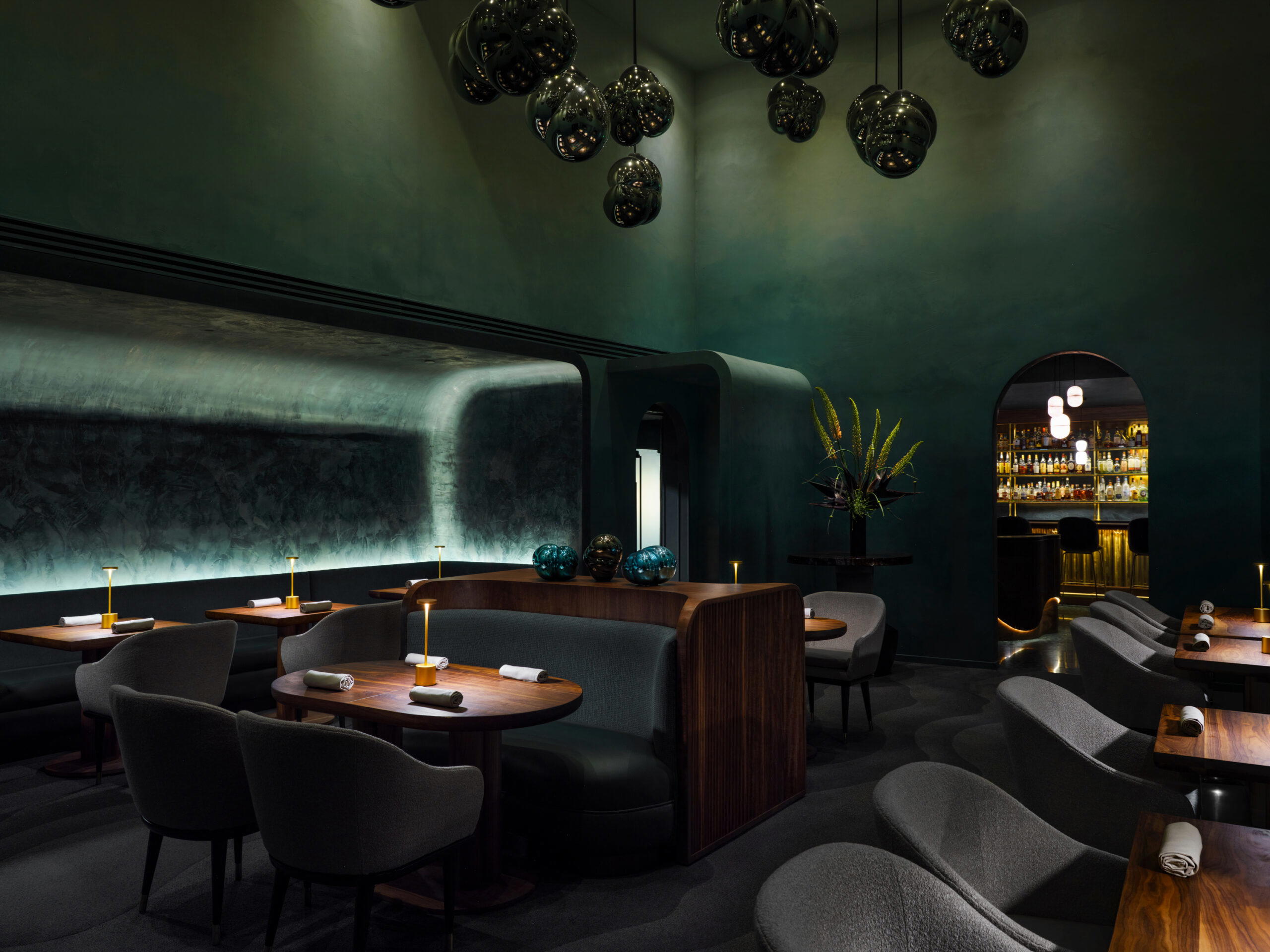
Bars in Los Angeles
Browse all →

Hotels in Los Angeles
Browse all →
Wineries in Los Angeles
Browse all →
Asakura
The wine
- Wine program
- Curated wine list
- Extensive wine list
- Sommelier-led
- Corkage allowed
- Sake program
Details
- Intimate
- Elegant
- Modern
- Sophisticated
- Cozy
- Special Occasion
- Date Night
- Celebration
- Business Dinner
- Solo
- Chefs Counter
- Design Destination
- Standalone
- Sake Program
- Corkage Allowed
- Sommelier Led
- Extensive Wine List
- Local Sourcing
- Tasting Menu
- Omakase
- Counter Dining
- Set Menu
- Sake
- Wine
- Champagne
- Pescatarian Friendly
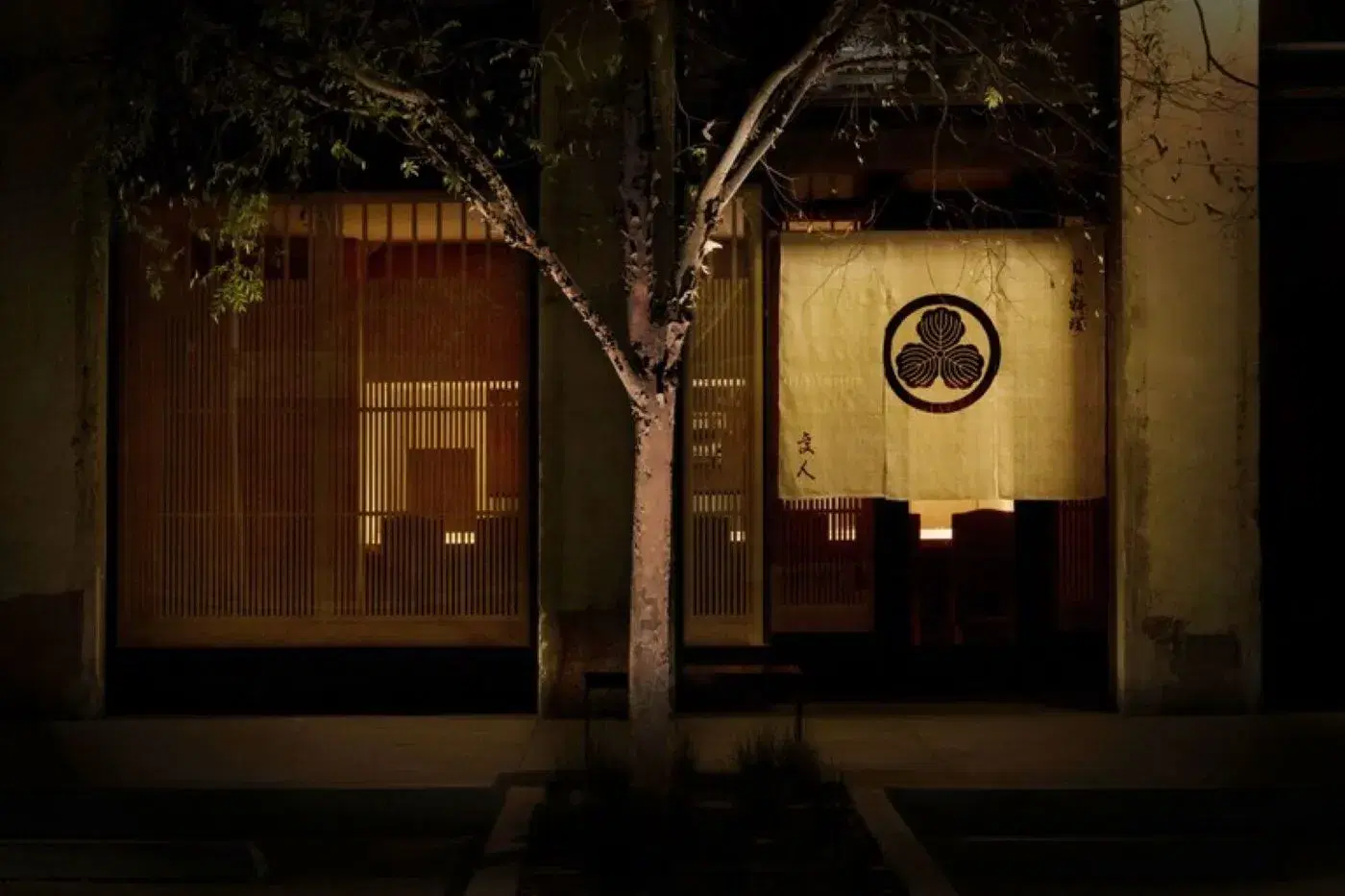
Minimalist and softly lit with an intimate counter and a few tables, the room feels calm, low-volume, and refined, emphasizing the theatrical progression of kaiseki courses over background noise or décor flash.