Arre Sinaloa
Arre Sinaloa brings the coastal cooking tradition of northwestern Mexico to Park Avenue in Union City, NJ, a stretch of Hudson County where Mexican regional cuisines compete on specificity rather than familiarity. Sinaloan cooking is defined by its Pacific seafood, slow-cooked meats, and chile-forward preparations, and this address puts those ingredients and techniques in front of a community that knows the difference.
Pearl is the En Primeur Club membership app — saves, bookings, and concierge access live there. Same editors, same standards.
- Address
- 4605 Park Ave, Union City, NJ 07087
- Phone
- +12014309897
- Website
- arresinaloa.net
- Directions
- Get directions
 Saves & bookings on Pearl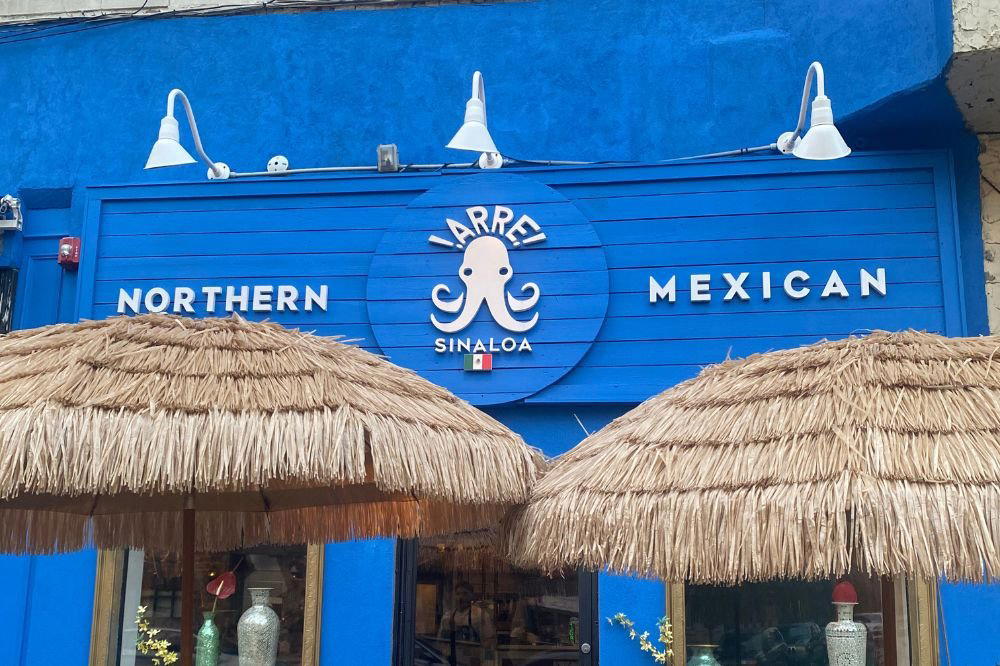
Northwestern Mexico on the Hudson County Table
Arre Sinaloa brings northern Mexican cevicheria and asadero cooking to Union City, NJ. The city's dense Central American and Mexican immigrant population has driven demand for cooking that reflects actual regional traditions rather than the generalized Tex-Mex format that dominates suburban America. Along Park Avenue and the surrounding blocks, you find kitchens drawing from Oaxaca, Puebla, Guerrero, and, at Arre Sinaloa at 4605 Park Ave, the Pacific northwestern state of Sinaloa. That geographic specificity matters at the table, because Sinaloan cuisine is built around a different pantry and a different coastline than the Mexican dishes most American diners recognize.
Sinaloa sits between the Sierra Madre Occidental mountains and the Pacific Ocean, and its cooking reflects both geographies. The coast produces shrimp, marlin, and sierra fish that define the state's most distinctive preparations. The inland ranching culture contributes slow-cooked beef traditions, including the birria and carne en su jugo variants that differ from Jalisco-style preparations in seasoning and technique. In a city like Union City, where the dining audience often traces its own roots to specific Mexican states, a kitchen that codes itself as Sinaloan is making a precise claim about its sourcing logic and culinary reference points, not a broad gesture toward Mexican food in general.
What Sinaloan Sourcing Looks Like on a Menu
The ingredient story of Sinaloan cooking starts with its seafood. The state's Pacific coast, particularly around Mazatlán, is one of Mexico's most productive fishing regions. Aguachile, raw shrimp cured in lime juice and blended chiles, served cold, is the dish most directly tied to this coastal identity, and its quality depends almost entirely on the freshness and provenance of the shrimp. In the northeastern United States, kitchens serving Sinaloan food either source responsibly from domestic fisheries or work through suppliers with connections to Gulf and Pacific Coast product. The difference between a plate of aguachile made with fresh, properly handled shrimp and one made with frozen commodity product is immediate and significant.
Beyond seafood, Sinaloan cooking draws on dried chiles, particularly the chilaca and varieties that inform the state's distinctive red and green chile preparations. These differ from the guajillo-heavy profiles common in central Mexican cooking and from the ancho-forward sauces associated with Puebla and Oaxaca. For a kitchen to credibly position itself in this tradition, those foundational ingredient decisions have to be made upstream of the cooking, in what is ordered, from whom, and how it is stored and handled before service begins. Regional Mexican cuisines at their most credible are essentially ingredient-sourcing arguments made edible.
Park Avenue, Union City: The Broader Dining Context
Union City is among the more densely populated municipalities in the United States, and its dining options reflect a community that eats with intention. The stretch of Park Avenue where Arre Sinaloa operates sits within walking distance of a range of independent kitchens. Carro Cafe NJ represents the lighter, cafe-format end of the local dining spectrum, while Din Ding Dumpling House signals the breadth of the city's culinary range. Tomatina adds another reference point for the area's appetite for food with strong regional roots. Against that backdrop, a Sinaloan-focused kitchen reads as a deliberate act of regional specificity rather than a default choice.
The broader Union City restaurant scene tends to reward restaurants that are precise about their origins. Generalism is harder to sustain in a neighborhood where the customer base can immediately identify when a kitchen is being authentic to a regional tradition versus approximating it. That dynamic raises the quality floor for everyone operating in this stretch of Hudson County.
Regional Mexican Cooking and the Sourcing Standard
Across American cities, particularly credible regional Mexican kitchens, from the taco al pastor specialists in Chicago's Pilsen to the Oaxacan tlayuda counters in Los Angeles, succeed by treating their source ingredients as non-negotiable. The kitchens that have earned sustained recognition in fine dining, places like Le Bernardin in New York City or Single Thread Farm in Healdsburg, have built their reputations on sourcing precision that extends from the fishing boat or the farm directly to the plate. Regional Mexican cooking at its most serious applies the same logic at a different price point and with a different pantry.
Kitchens like Blue Hill at Stone Barns in Tarrytown and Smyth in Chicago have demonstrated that ingredient provenance can serve as both a culinary foundation and a communications strategy. At the neighborhood level, Sinaloan kitchens in cities like Union City are running the same argument: that where your shrimp comes from, which chiles you use, and how you handle a piece of marlin before it hits the grill are the decisions that separate a regional cuisine from a regional theme.
That same sourcing philosophy drives recognition at restaurants like Addison in San Diego, Providence in Los Angeles, and The French Laundry in Napa, institutions that treat ingredient decisions as the first act of cooking, not an afterthought. Lazy Bear in San Francisco, Emeril's in New Orleans, and The Inn at Little Washington represent the same ethos applied across different regional American traditions. The principle translates across price tiers and formats.
Planning Your Visit
The restaurant is located at 4605 Park Ave in Union City, NJ 07087, the restaurant is open Wednesday through Sunday, with service from 4 to 10 PM on Wednesday and Thursday, 4 to 11 PM on Friday, 12 to 11 PM on Saturday, and 12 to 10 PM on Sunday. Union City's dining strip rewards in-person exploration: the density of the neighborhood means that a visit to the restaurant can be paired with other stops along Park Avenue within a short walk. The restaurant is walk-in friendly.
For further context on sourcing-driven approaches at other scales, the work at Frasca Food and Wine in Boulder, The Wolf's Tailor in Denver, Atomix in New York City, and Atelier Moessmer Norbert Niederkofler in Brunico all illustrate how ingredient origin can function as the organizing logic of an entire kitchen, from procurement through plating.
How It Stacks Up
Comparable venues nearby, for context on price, style, and recognition.
| Venue | Cuisine | Price | Notes |
|---|---|---|---|
| Arre SinaloaThis venue — the venue you are viewing | Northern Mexican Cevicheria & Asadero | $$ | Not listed |
| Carro Cafe NJ | Modern Latin Fusion | $$$$ | Union City |
| Spicy Burro | Authentic Mexican Taqueria | $ | Elizabeth |
| Sol-Mar Restaurant | Authentic Portuguese Seafood | $$ | Ironbound |
| Sihana Bistro | Modern Georgian Bistro | $$ | Downtown Newark |
| Bahrs Landing | Classic Waterfront Seafood | $$ | Highlands |
Continue exploring
More in Union City
Restaurants in Union City
Browse all →
Bars in Union City
Browse all →
Hotels in Union City
Browse all →




At a Glance
- Cozy
- Rustic
- Casual Hangout
- Local Sourcing
Current opening hours
- Monday
- Closed
- Tuesday
- Closed
- Wednesday
- 4–10 PM
- Thursday
- 4–10 PM
- Friday
- 4–11 PM
- Saturday
- 12–11 PM
- Sunday
- 12–10 PM
Hours can change for holidays and private events. Last verified .
Cozy ambiance with high ceilings, earth-toned decor evoking a subdued piece of Mexico.