Our verdict
Api Jiwa belongs to the quieter, ingredient-led side of Ubud dining: less spectacle, more attention to how Bali’s produce, spice traditions, and village geography shape dinner. Its Keliki, Tegallalang setting places it outside the densest central-Ubud restaurant strip, which matters for travellers choosing between convenience and a slower evening north of town.

Pearl is the En Primeur Club membership app, where members save venues, book tables and use the concierge.
The menu
What to order
- Asian-inspired omakase tasting menu
- Plant-based omakase menu
- Refined Asian barbecue courses
Approaching dinner in Ubud changes the terms of the evening. The traffic, the landscape, and the rhythm of the night can make the meal feel planned before a menu appears. Api Jiwa sits in Ubud, where restaurant culture is often less about street-level footfall and more about destination dining shaped by setting, timing, and mood.
That context matters because Ubud is no longer a single dining category. The town now splits between daytime café eating, hotel-backed dinner formats, regional kitchens, and international restaurants using Bali as their backdrop. Api Jiwa belongs more to the planned-evening conversation than the quick-tourist-meal circuit. The question is not only what arrives on the plate, but how convincingly the room turns an Ubud dinner into a composed night out.
Ubud puts the meal in a produce-minded setting, not just a restaurant strip
Ubud’s strongest dining experiences tend to understand proximity. Bali offers rice fields, village markets, spice gardens, coconut, banana, tropical fruit, and small-scale growers within the wider dining conversation, but access alone does not create a serious restaurant. The stronger kitchens use local abundance with restraint: vegetables that taste of the season, aromatics that do not flatten every dish into heat, and a sense that local ingredients can carry a contemporary format without being reduced to decoration.
Api Jiwa is useful to read against that wider shift. Ubud still has plenty of casual cafés and international menus built for all-day grazing, while the more deliberate dinner rooms often sit apart in mood and intention. That separation changes expectations. A traveller choosing Api Jiwa is usually choosing a slower, more planned night, closer in spirit to destination dining than spontaneous restaurant-hopping.
Within Ubud, that makes comparison more about intent than cuisine label. Raya sits in one lane of the area’s dining scene, while Mads Lange and The Camp occupy different parts of the broader hospitality-led field. Runara Restaurant and Akar show how Bali restaurants increasingly compete on setting, narrative, and format rather than on a single national cuisine tag. Api Jiwa fits into this Ubud pattern: the setting does part of the framing, but the evening still has to justify the trip through clarity and pacing.
Ubud's serious dinners now compete on restraint
The older cliché of Ubud dining was abundance: big views, long menus, wellness language, and dishes stretched across several cuisines. The sharper contemporary pattern is narrower. Restaurants with credibility now tend to edit harder, work with a clearer point of view, and avoid treating the setting as a substitute for the meal. In that company, a dinner in Ubud should be judged by discipline: fewer gestures, clearer purpose, and a format that gives the kitchen enough control to make the evening feel coherent.
Api Jiwa is best assessed through category fit rather than trophy language. It belongs to Ubud’s planned-evening tier, not the casual café tier. That means guests should arrive expecting a dinner built around pace and setting, with the surrounding Ubud context part of the value proposition. For travellers staying elsewhere in town, the trade-off is planning; for travellers already in the right mood for a slower evening, the location reads as part of the appeal rather than a detour.
Ingredient-led dining in Bali also has a practical edge. Imported prestige ingredients can make menus feel interchangeable across resort destinations, while local context gives a restaurant a reason to be in Ubud specifically. The better meals in this category make use of what the island does naturally well without turning that into a checklist. Without relying on a narrow label or signature-dish claim, Api Jiwa is better approached as part of this more deliberate dinner conversation.
How to place it in an Ubud itinerary
For readers mapping a few days in town, Api Jiwa makes the clearest sense as a dedicated dinner rather than a filler stop between temples and cafés. It has a different rhythm from all-day Ubud addresses. Build the night around the idea of a planned meal, especially if moving across town during peak traffic periods.
It also pairs well with a broader Ubud plan that separates daytime wandering from more deliberate evening dining. For a wider scan of the city’s restaurant range, use Our full Ubud restaurants guide. Travellers comparing nearby dining rooms can look at other Ubud dining rooms to see how the city splits between hotel dining, casual formats, and more composed rooms.
The same planning logic applies beyond dinner. Ubud rewards travellers who match geography to mood: lodging choice shapes restaurant access, bar choice shapes how late the evening runs, and experiences outside the busiest routes can change how much time a meal realistically needs. The broader city pages help with that calibration: Our full Ubud hotels guide, Our full Ubud bars guide, Our full Ubud wineries guide, and Our full Ubud experiences guide.
For travellers building a wider Indonesia or Asia dining file, the comparison becomes useful across formats rather than direct cuisine matches. Akar and other dining rooms show how setting, format, and mood can matter as much as cuisine category. Api Jiwa’s appeal sits in that same decision: choose it when the evening calls for Ubud calm and a planned dinner setting, not when convenience is the main priority.
Frequently asked questions
Would Api Jiwa be comfortable with kids?
Api Jiwa is a dinner venue in Ubud. That format can suit older children better than very young diners, especially for a focused dinner rather than a casual drop-in.
Is Api Jiwa formal or casual?
Api Jiwa reads as dinner-led rather than casual all-day dining. The useful expectation is a composed evening setting in Ubud rather than a day-time café rhythm.
When can I go to Api Jiwa?
Api Jiwa is best approached as a planned dinner venue in Ubud.
Where is Api Jiwa in Ubud?
Ubud.
What do critics highlight about Api Jiwa?
The strongest critical angle is location and rhythm: Api Jiwa is in Ubud and reads as a focused evening room rather than a broad, all-purpose restaurant.
Is Api Jiwa allergy-friendly?
No allergy policy is listed for Api Jiwa in Ubud.
At-a-Glance Comparison
Comparable venues by cuisine and price in the same metro.
| Venue | Cuisine | Price | Awards | Notes |
|---|---|---|---|---|
| Api JiwaThis venue (the venue you are viewing) | Farm-to-flame Asian Omakase | $100–150 | Not listed | Not listed |
| Raya | Asian Fusion with Local Balinese Dishes | $10–20 | Forbes Recommended | Indonesian Cuisine |
| Mads Lange | Seasonal Indonesian and International Cuisine | Not listed | Not listed | Not listed |
| Akar | Modern Malaysian | $50–100 | 1 Michelin Star · La Liste Top Restaurants | Not listed |
Continue exploring
More in Ubud
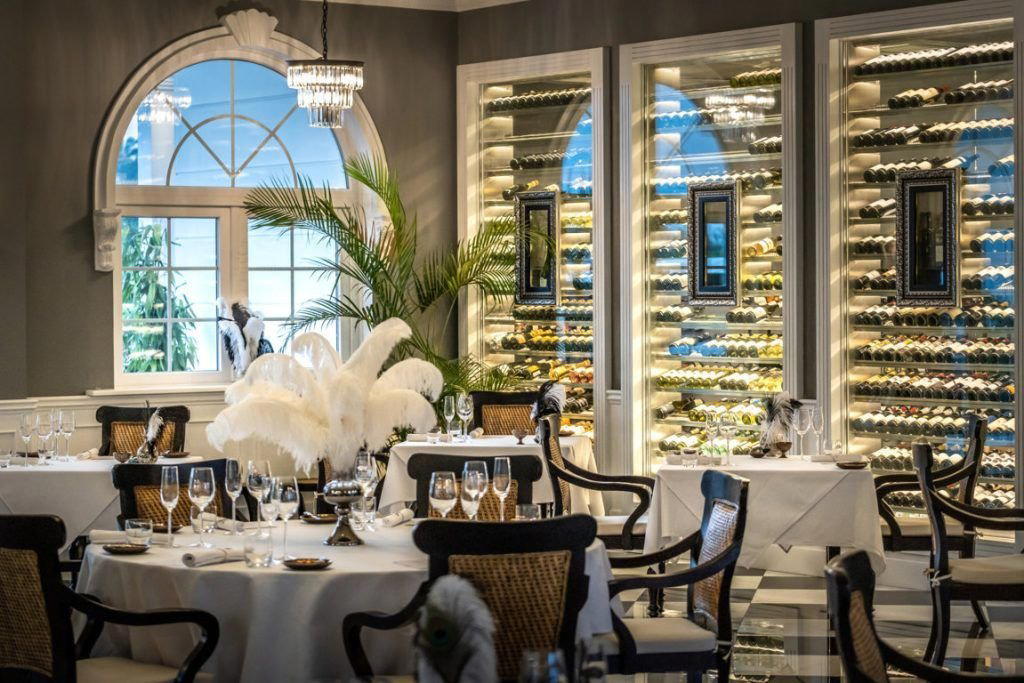
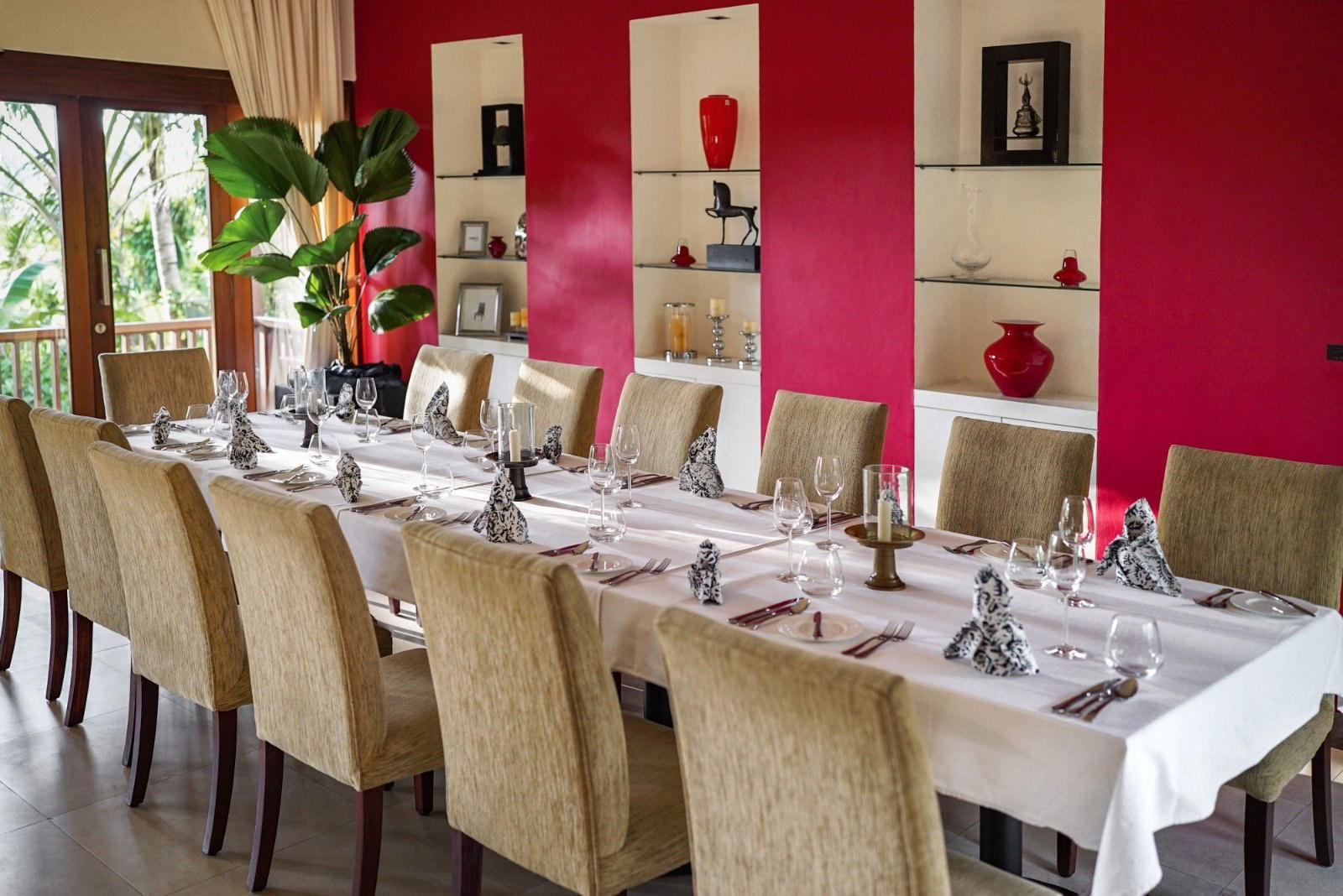
Restaurants in Ubud
All restaurants in Ubud →
Bars in Ubud
All bars in Ubud →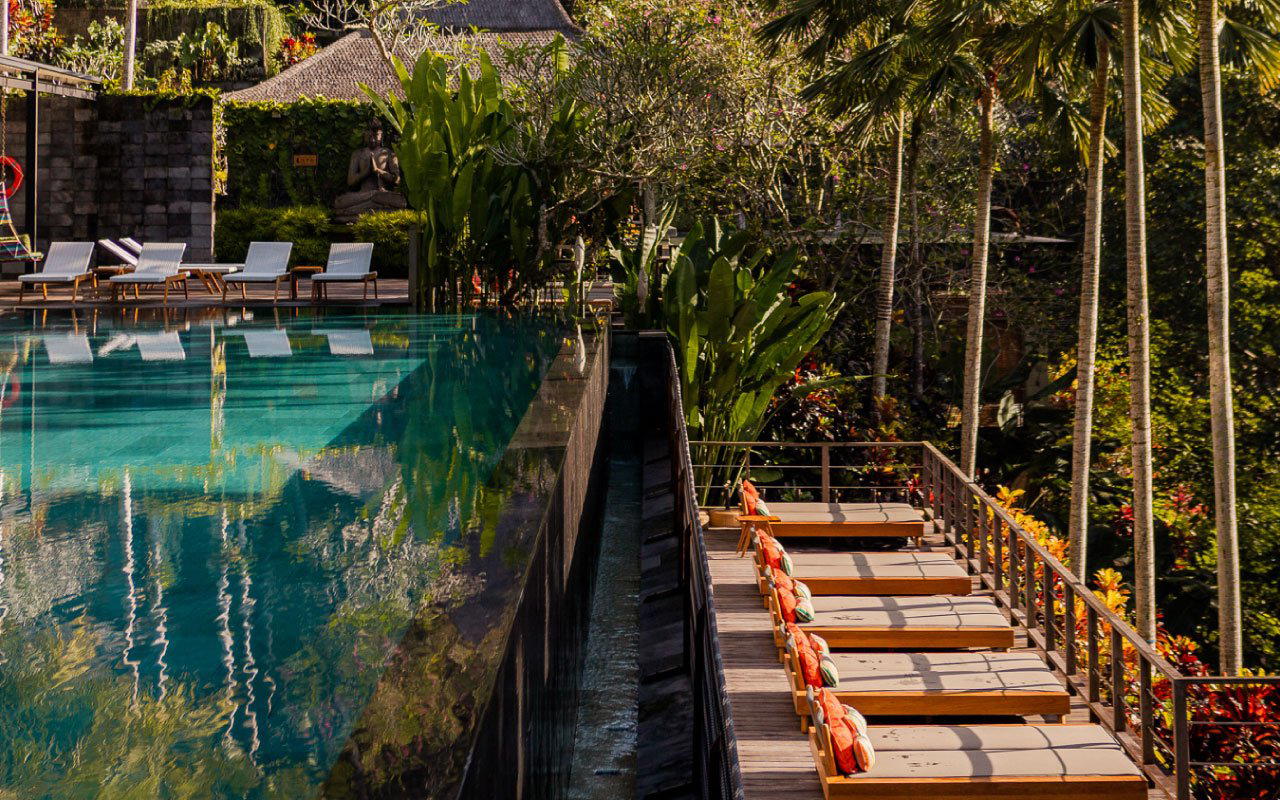


Details
- Intimate
- Cozy
- Rustic
- Elegant
- Lively
- Date Night
- Special Occasion
- Celebration
- Group Dining
- Business Dinner
- Private Event
- Chefs Counter
- Open Kitchen
- Private Dining
- Garden
- Design Destination
- Hotel Restaurant
- Craft Cocktails
- Extensive Wine List
- Zero Proof
- Farm To Table
- Local Sourcing
- Sustainable Seafood
- Garden
- Mountain
- Tasting Menu
- Omakase
- Set Menu
- Counter Dining
- Cocktails
- Wine
- Non Alcoholic Pairings
- Vegetarian Friendly
- Vegan Options
Current opening hours
- Monday
- 6:30–10 PM
- Tuesday
- 6:30–10 PM
- Wednesday
- 6:30–10 PM
- Thursday
- 6:30–10 PM
- Friday
- 6:30–10 PM
- Saturday
- 6:30–10 PM
- Sunday
- 6:30–10 PM
Hours can change for holidays and private events. Hours as of .
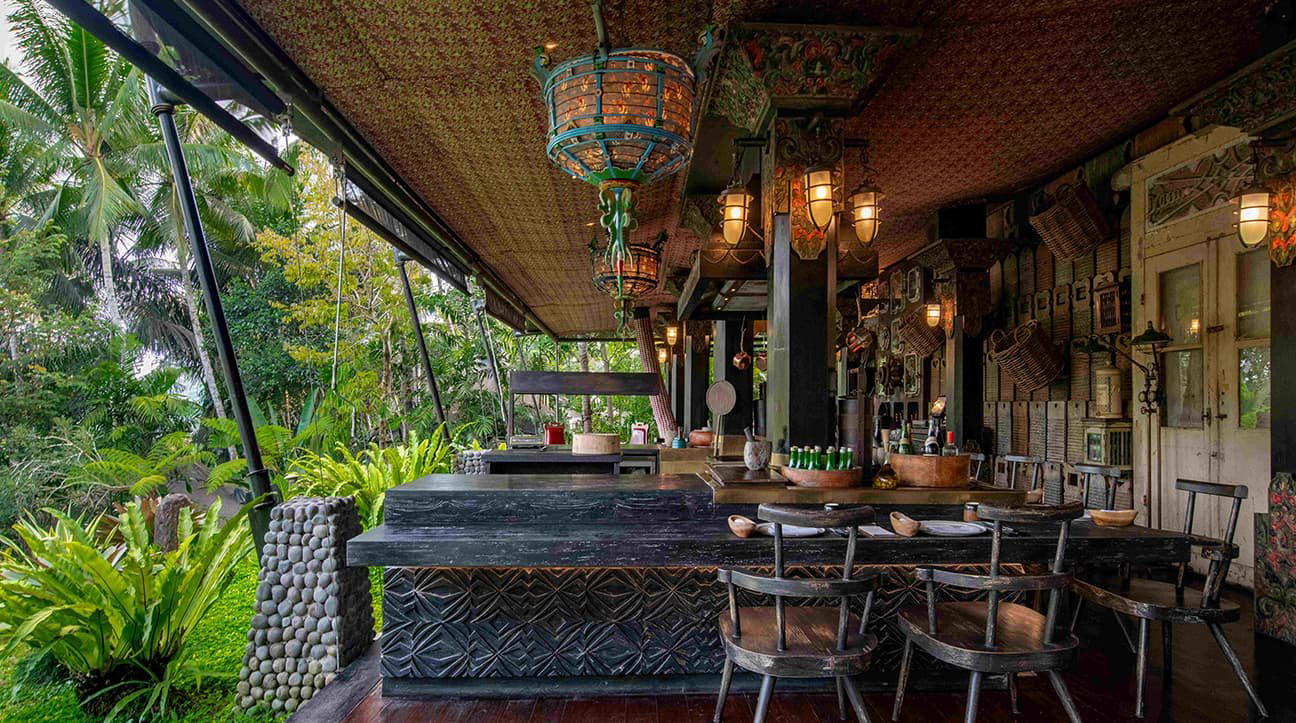
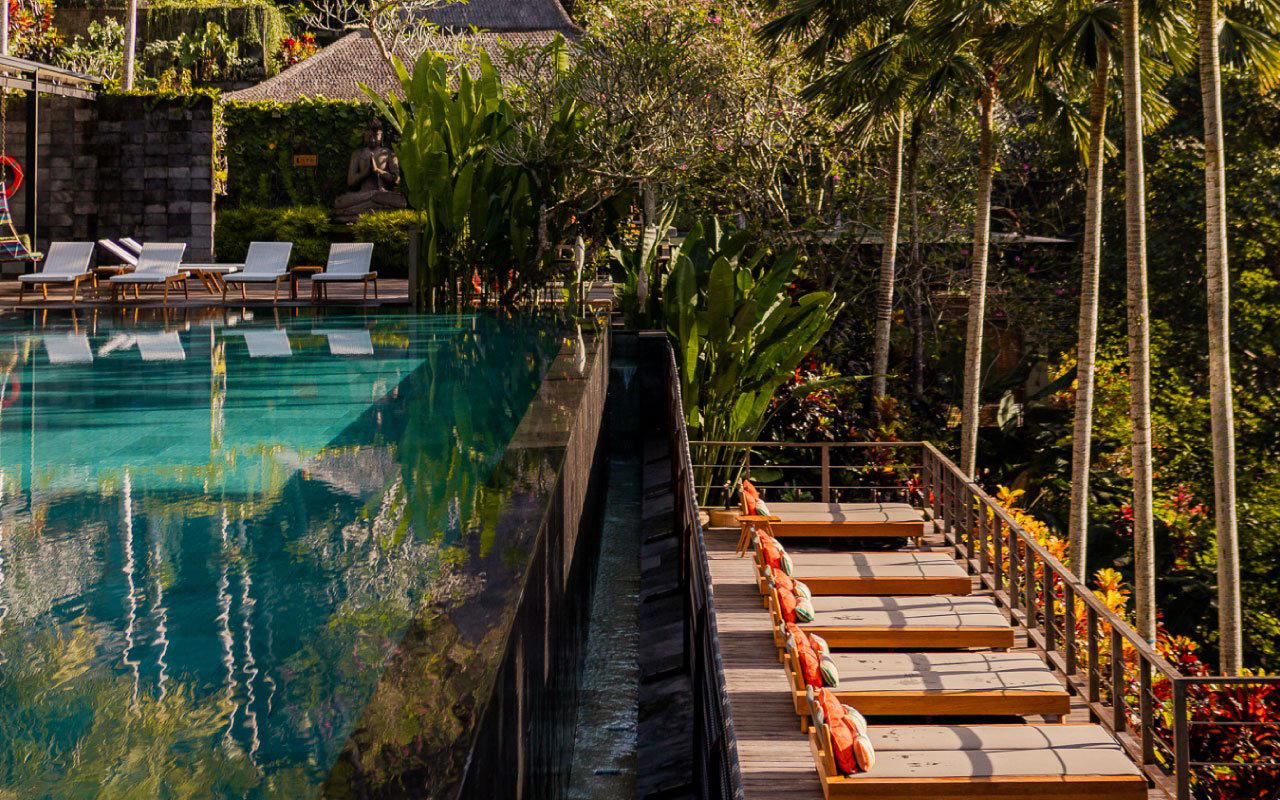
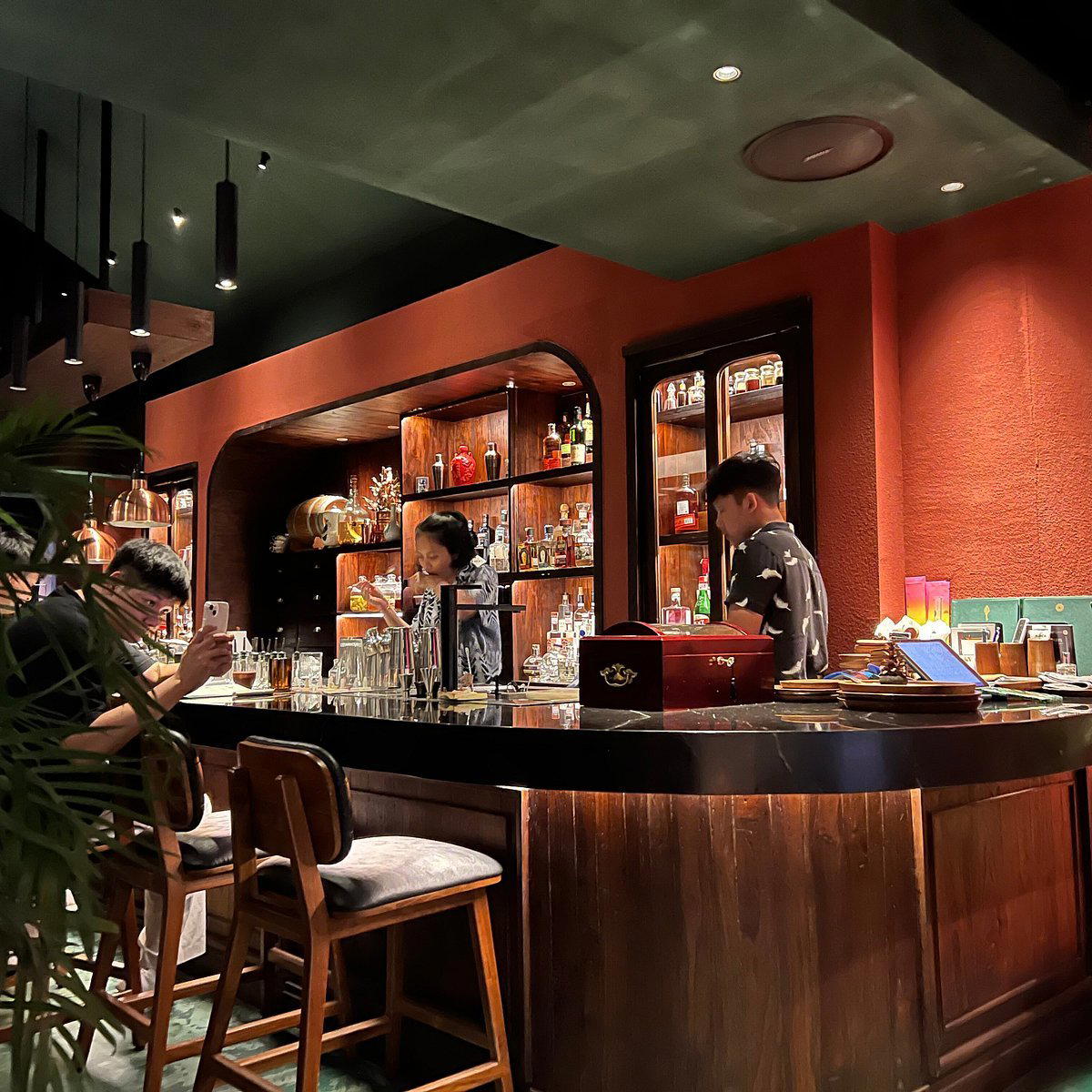
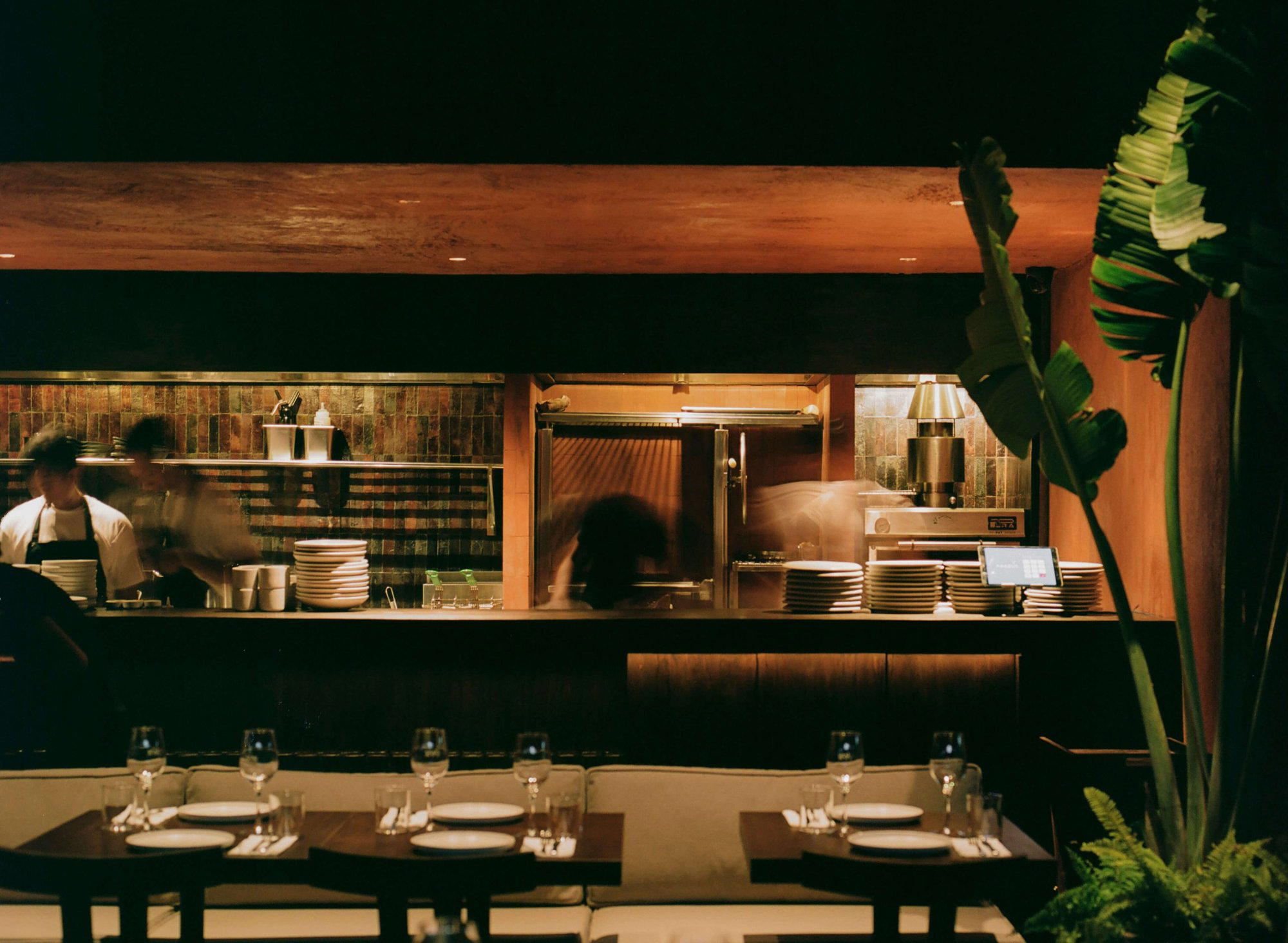
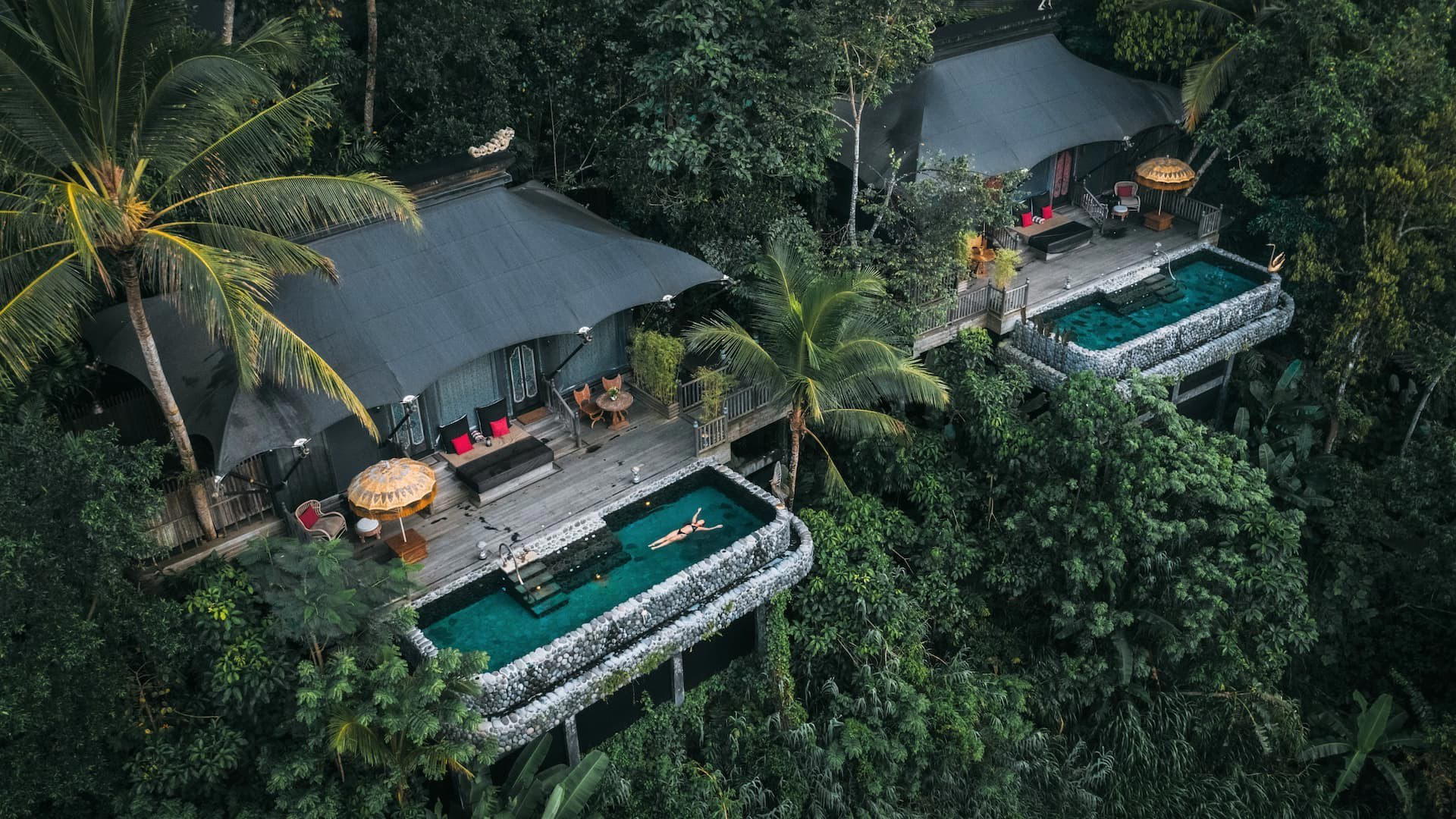
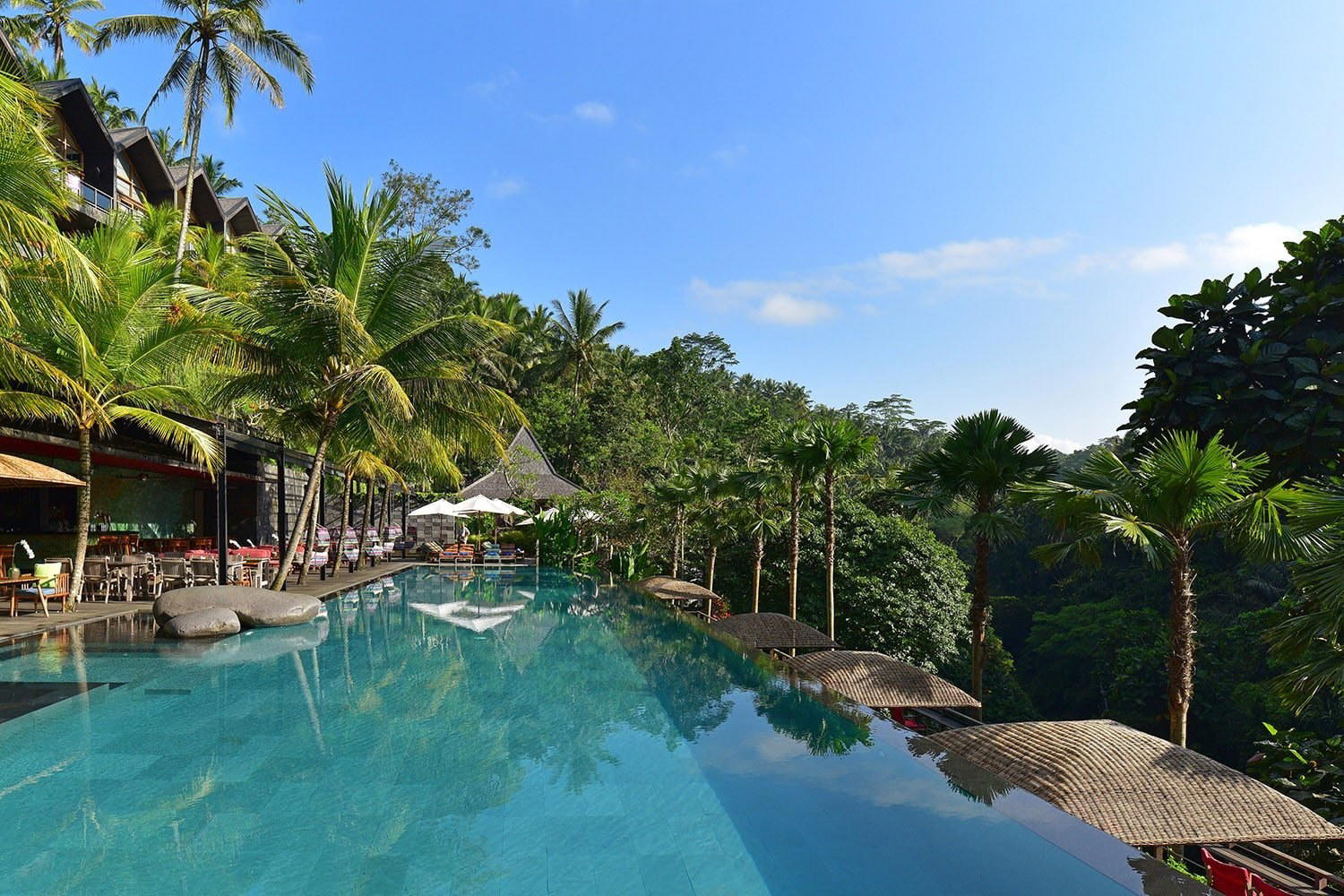
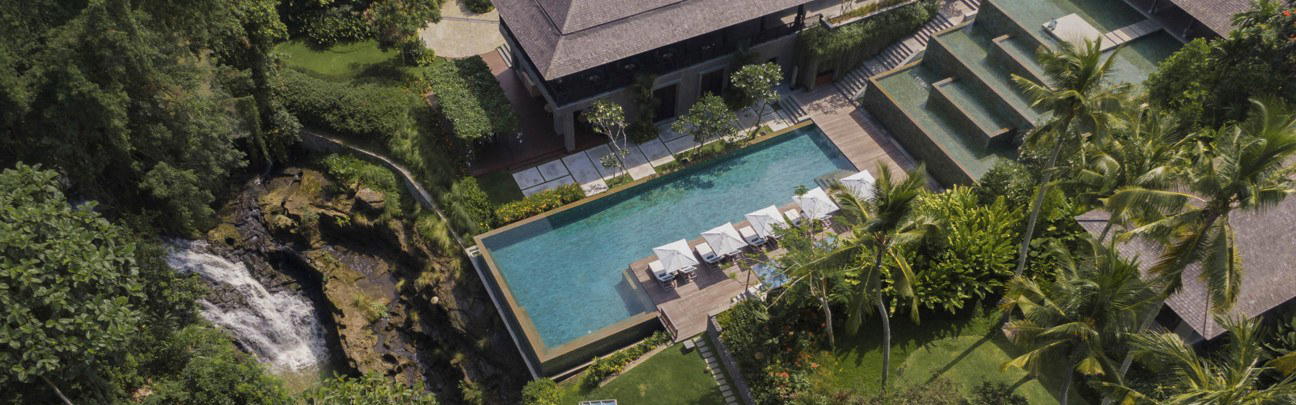
Atmosphere is rustic yet refined and intimate, with counter seating around an open kitchen and grill, campfire rituals at twilight, and lush jungle surroundings creating a warm, theatrical, and story-driven dining experience.