Apa’s Canteen brings Bhutanese cooking into Melbourne’s broad, migrant-driven dining conversation, a category rarely given dedicated space in the city’s restaurant mix. The draw is cultural specificity rather than trophy dining: chilli heat, cheese, rice, stews and shared plates carry the meal more than chef mythology or formal ceremony.
Pearl is the En Primeur Club membership app — saves, bookings, and concierge access live there. Same editors, same standards.
- Address
- Melbourne, Australia
- Directions
- Get directions
 Saves & bookings on Pearl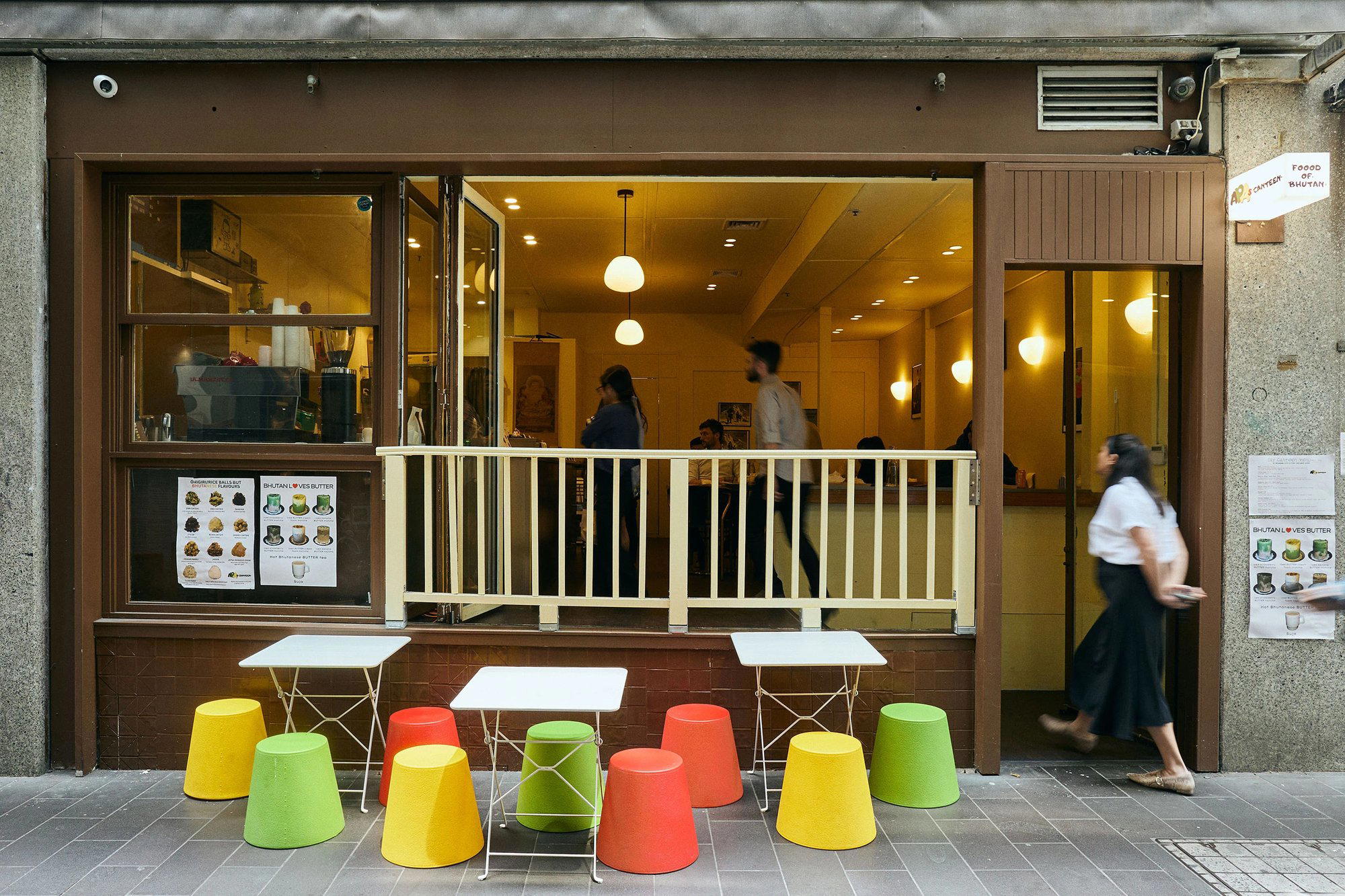
Melbourne dining often announces itself through laneway compression: narrow frontages, quick changes in rhythm, rooms that move from coffee pace to dinner noise in a single block. Apa’s Canteen belongs to that city more than to the polished destination-restaurant circuit. Its interest lies in the presence of Bhutanese food on Melbourne’s dining map, where immigrant cuisines are not side notes but part of the city’s everyday grammar.
Bhutanese cooking does not always slot neatly into the restaurant categories Australian diners tend to know. It sits within a wider regional conversation, but the centre of gravity is its own: food shaped by place, household appetite and cultural continuity rather than by tasting-menu theatre. That context matters because it changes how the meal should be read. The point is not refinement in the French sense, or novelty for its own sake. The point is a cuisine with its own logic, translated into a Melbourne setting.
Bhutanese food enters Melbourne's everyday dining vocabulary
Melbourne has long been strong at absorbing regional cuisines without forcing every room into the same service script. Italian-Australian dining, Japanese counters, Vietnamese bakeries, Greek grill culture and South Asian canteens all sit within the city’s normal eating life. Bhutanese food occupies a smaller lane. That scarcity gives Apa’s Canteen editorial weight: not because rarity alone makes a restaurant compelling, but because a dedicated Bhutanese address changes what diners can reasonably expect to encounter in the city.
The defining idea is specificity with purpose. Bhutanese cooking brings a perspective that many Melbourne diners will not yet have encountered in a dedicated restaurant setting. For diners used to treating regional cuisines as broad categories, that focus can feel direct. For those looking for food with a clearer cultural identity, the appeal is continuity: a meal framed around recognition and cultural context rather than the single-plate performance common in contemporary casual restaurants.
That makes the canteen framing important. A restaurant built around this cuisine works better when it resists over-formalising the material. The more persuasive version is generous in spirit, plain-spoken and focused, with the meal making sense through the cuisine’s own references. Apa’s Canteen should be approached in that spirit: expect a clear Bhutanese point of view, and read the cooking through its cultural logic rather than through Melbourne’s more familiar wine-bar or bistro template.
The value is cultural specificity, not award circuitry
Melbourne’s restaurant status economy can be noisy. Awards, chef résumés and reservation scarcity often frame the conversation before a meal has any chance to explain itself. Apa’s Canteen has attracted recognition through Good Food’s coverage of one-of-a-kind Melbourne restaurants, but its more meaningful credential is the cuisine’s presence in a city where diners can too easily collapse the Himalayas into a single broad category.
Bhutan’s food traditions are shaped by place as much as by national identity. A Melbourne restaurant working from that base offers a different kind of education from a dégustation room. The learning happens through the shape of the meal, the restaurant’s point of view, and the social mechanics of the table. This is dining as cultural translation, not culinary theatre.
For readers mapping a Melbourne itinerary, the distinction is useful. Apa’s Canteen is better understood as part of the city’s smaller specialist food cultures than as a direct competitor to high-design dining rooms. Build the day accordingly. Use Melbourne’s broader restaurant spread as context, then contrast that with city drinking, stays, regional bottles and cultural planning in our full Melbourne experiences guide.
How to read the meal in a city built on specialist rooms
The better Melbourne meals often come from choosing a narrow lane and letting it define the evening. That could mean any number of focused dining rooms across the city: a specialist counter, a compact kitchen, a room built around one regional tradition, or a bar where the format matters as much as the polish. Apa’s Canteen fits that same Melbourne habit of specificity, though its reference point is Bhutan rather than the more familiar categories that dominate the city’s dining conversation.
The wider dining map shows how often specialist formats travel better than generic ones. Across Australia and beyond, focused rooms in very different categories ask diners to understand format before judging polish. Apa’s Canteen belongs in that conversation because it gives Melbourne diners a clearer point of entry into Bhutanese food rather than treating the cuisine as a footnote inside a broader regional frame.
Apa’s Canteen is strongest as a cultural choice within Melbourne rather than a status booking. Go for Bhutanese cooking, for a focused restaurant identity, and for a clearer sense of how the city keeps expanding beyond its familiar restaurant categories.
Comparable Venues Nearby
Comparable venues nearby, for context on price, style, and recognition.
| Venue | Cuisine | Price | Notes |
|---|---|---|---|
| Apa’s CanteenThis venue — the venue you are viewing | Bhutanese-Inspired Fusion Cafe | $ | Not listed |
| Cote Basque | Basque Coast-Inspired European Grill | $$$ | CBD |
| Penny for Pound | Artisan Bakery & Cafe | $ | Hawthorn |
| TAVERNA | Athenian Greek Taverna | $$ | Brunswick East |
| The Waiters Restaurant | Home-style Italian | $$ | Melbourne |
| Capitano | Modern Italian-American Red Sauce | $$ | Carlton |
Continue exploring
More in Melbourne
Restaurants in Melbourne
Browse all →
Bars in Melbourne
Browse all →
Hotels in Melbourne
Browse all →


At a Glance
- Cozy
- Modern
- Trendy
- Casual Hangout
- Solo
- Brunch
- Standalone
- Zero Proof
- Street Scene
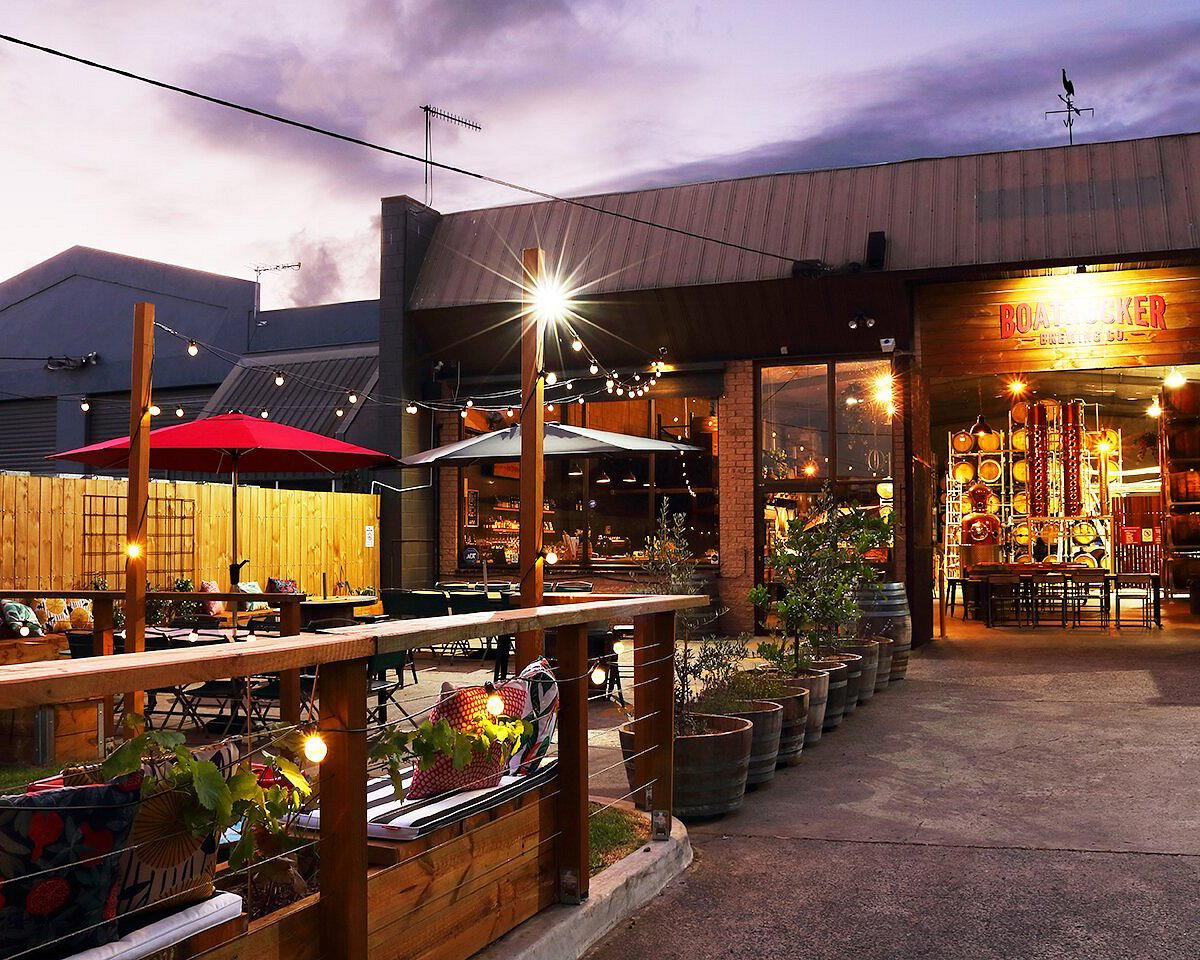
A cosy, casual Little Collins Street canteen with a warm glow and a quick, convenient neighborhood feel.
Know Before You Go
- Reservations
- Walk in friendly
- Dress code
- Casual